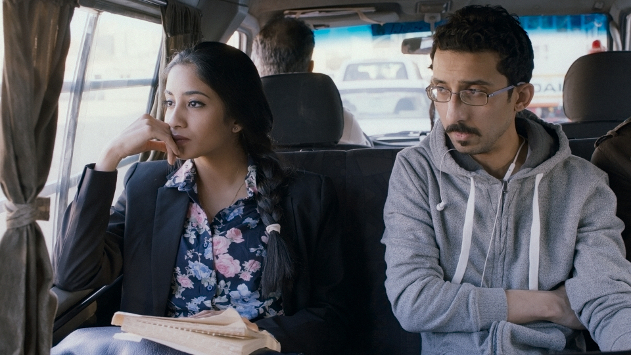
Fittingly for someone who divides her time between two river cities, DC-born, Baghdad-bred, and now London-based filmmaker Maysoon Pachachi says she is a woman who “lives on a bridge.”
“I’ve been a stranger everywhere I’ve lived,” says Pachachi, now 70, whose documentaries have captured life in Gazan refugee camps, downtown Beirut and medieval Cairo. “I’ve moved around my whole life, but I can adapt and fit in wherever I am.”
Iran-Backed Militia Groups Threaten US Forces in Iraq
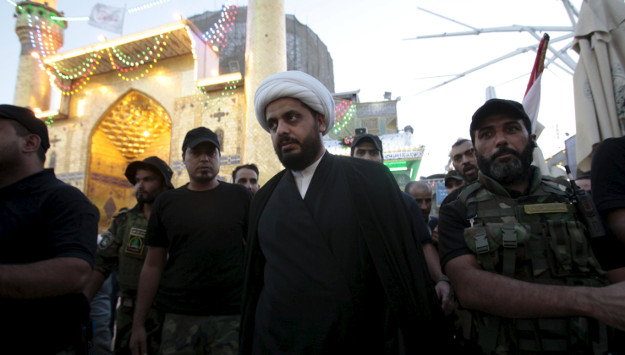
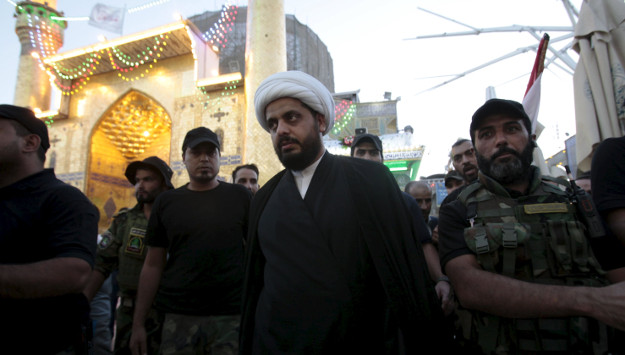
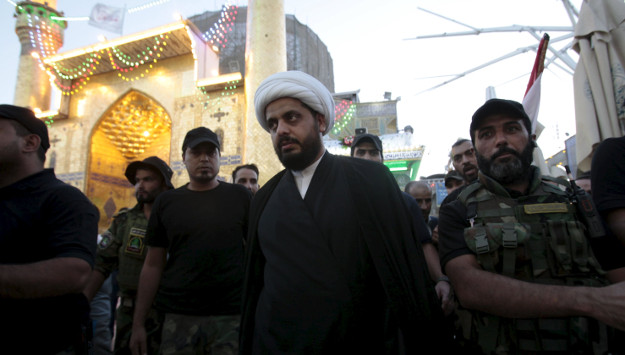
The head of a prominent Iranian-backed Iraqi militia group has called for the exit of American troops from Iraq, Iran’s Fars News Agency reported today. “We have repeatedly heard American government officials saying that Washington wants to remain in Iraq after ISIS for the long haul. This is not something that we want to allow to happen and is totally acceptable to us,” Qais al-Khazali, the secretary-general of Asa’ib Ahl al-Haq, said during a speech in the Iraqi city of Najaf.
India’s burgeoning economic relations with the Gulf Cooperation Council (GCC) countries have been accompanied by heightened security risks, including in the domain of terrorism. In light of these developments, this article addresses three questions: What is the nature and gravity of the transnational terrorist linkages that exist between India and Gulf Arab countries? What steps has India taken, in concert with its Gulf Arab partners, to counter the terrorist threat? And what more could be done to strengthen India-Gulf Arab counterterrorism (CT) cooperation?
Iran Worried about Shiite Allies in Iraq Losing Power in Next Elections
Major General Yahya Rahim Safavi, senior advisor to Supreme Leader Ali Khamenei on military affairs, has expressed the concern that Iran’s interests in Iraq could be imperiled if the upcoming Iraqi parliamentary elections change the balance of power in
Iran-Backed Iraqi Paramilitaries Gearing up for Next Year’s Elections
The leader of a prominent Iranian-backed unit within Iraq’s Popular Mobilization Forces (P.M.F.) said today that his group will hand over its heavy and medium weapons to the Iraqi security forces, Iran’s Fars News Agency reported. Qais al-Khazali, the head of the Asa’ib Ahl al-Haq, called on the Iraqi government to value P.M.F. forces as an asset and treat them fairly. The A.A.H.
Global LNG Markets in a State of Flux: Qatar in the Crosshairs?
International markets for natural gas — fragmented regionally and with differing price-setting mechanisms — are undergoing profound changes. The foundation is being laid for the emergence of a more globally integrated gas market, and the rapid expansion of the seaborne liquified natural gas (LNG) trade, which has forged links between distant markets, is a major reason why. Qatar — an LNG powerhouse — has dominated the Asia Pacific market, the world’s largest LNG-importing region. However, the Asian market is in a state of flux, as is the entire global LNG sector. This article explores the major changes taking place in international LNG markets, with particular attention to how Qatar is being affected by, and is adapting to them.
Iran-Backed Militia Leader’s Tour of Lebanese-Israeli Border Raises Concern
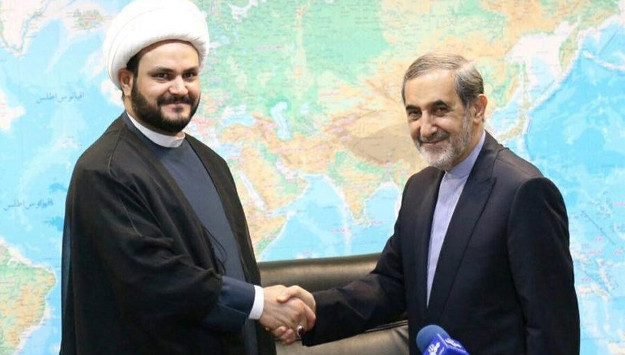
A prominent Iranian-supported Iraqi militia commander has visited the Lebanese-Israeli border and pledged to support Hezbollah in a potential war against Israel in the future, Iranian and
The killing of former Yemeni president Ali Abdullah Saleh marks a major turning point in Yemen’s ongoing civil war. Nadwa Al-Dawsari (POMED) and Gerald Feierstein (MEI) join Paul Salem to discuss the immediate fallout and what lies ahead.
Iran-Backed Militia Calls U.S. Troops in Iraq “Legitimate Target”
Harakat al-Nujaba, an Iranian-sponsored Iraqi militia group fighting in Iraq and Syria, today threatened to attack American troops in Iraq and the broader region in response to President Donald Trump’s announcement yesterday about the recognition of Jerusalem as Israel’s capital.
Iran-Backed Iraqi Groups Threaten Violence Following U.S. Terrorism Bill
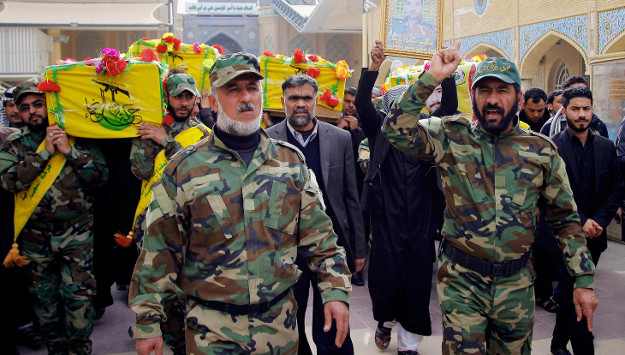
Two Iranian-backed Iraqi militia groups have threatened violence against the United States in Iraq and the broader region after a proposed U.S. congressional bill designated them as terrorist organizations. On November 3, a bill was introduced the U.S.
Conditions Facing Religious Minorities in Iraqi Kurdistan (Livestream)
Surrounded by conflict and grappling with a rapidly changing political landscape, the Kurdistan Region of Iraq (KRI) stands out as a locus of relative stability in its region. A recently-released report by the United States Commission for International Religious Freedom (USCIRF), entitled “Wilting in the Kurdish Sun: The Hopes and Fears of Religious Minorities in Northern Iraq,” highlights the difficulties faced in the KRI to address religious freedom.
Video Shows Protesters Tearing up Posters of Khamenei, Pro-Iran Iraqi Leaders in Najaf
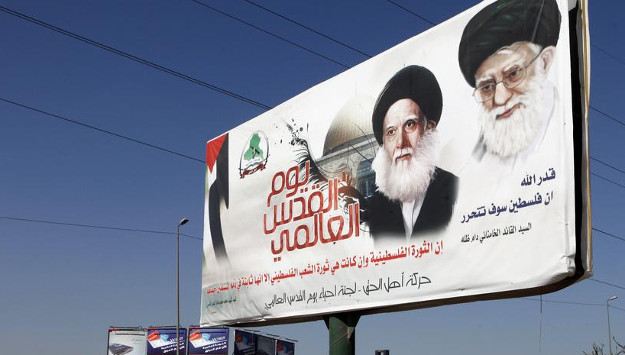
Iraqis in the city of Kufa of Najaf Province held a protest rally against Iran and its Iraqi proxies and attacked the offices of the Badr Organization, according a video clip circulating in social media and published in some Arab outlets. It is not clear when the protest occurred. In the video, protesters are seen ripping up images of Iran’s Supreme Leader Ali Khamenei and Hadi al-Amiri, the leader of the Badr Organization, a powerful group within Iraq’s Popular Mobilization Forces (P.M.F.) and with close to Tehran.
Tehran Pressures Baghdad not to Disband P.M.F. despite Mounting Concerns
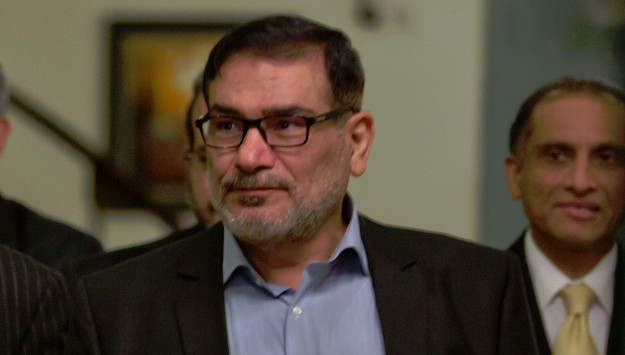
Ali Shamkhani, the secretary of Iran’s Supreme National Security Council, has said that a “new foreign plot” is underway to dismantle Tehran-backed Popular Mobilization Forces (P.M.F.) in neighboring Iraq, the Iranian media reported. In a meeting with Deputy Speaker of the Iraqi Parliament Hammam Hamoudi in
Iran-Backed Groups Form “The Mujahideen Alliance” to Contest Next Iraqi Elections
With the fight against ISIS in Iraq almost over, Iran’s allies within the Iraqi Popular Mobilization Forces (P.M.F.) are gearing up for next year’s parliamentary elections. In the latest effort, several Iranian-backed P.M.F.
Public Opinion in a Conflicted Middle East (Livestream)
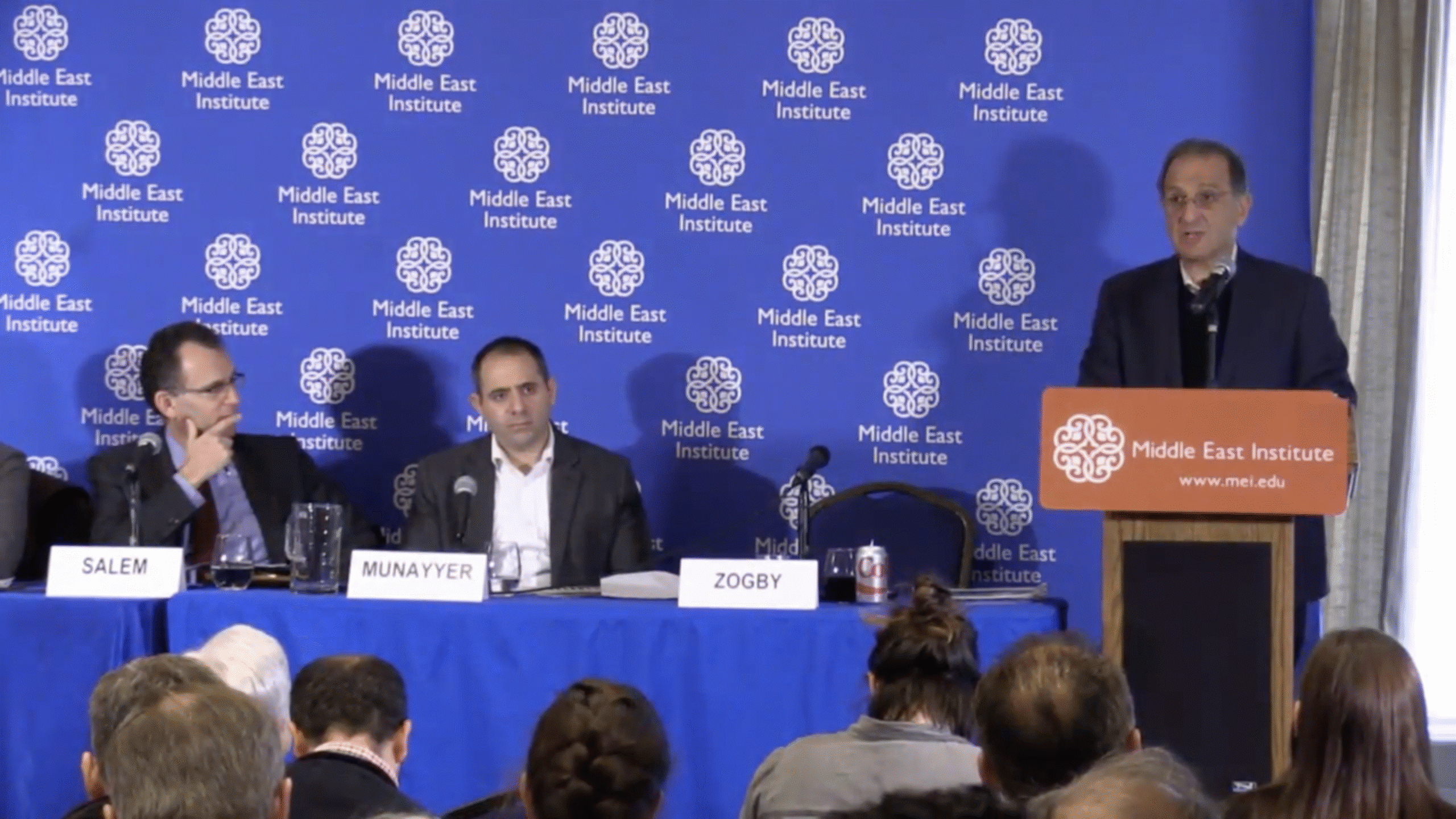
The Middle East Institute (MEI) and the Arab American Institute (AAI) are pleased to host James Zogby (AAI and Zogby Research Services) for the presentation of fresh polling results from across Egypt, Lebanon, Jordan, Palestine, Iraq, Saudi Arabia, the UAE, Iran, and Turkey. The report examines opinions from 7,800 respondents about the U.S. and other regional states’ roles in Syria, Iraq, and Yemen. It also looks at Trump Administration policy, political Islam, prospects for Israeli-Palestinian peace, the Iran nuclear deal, and the region’s refugee crisis.