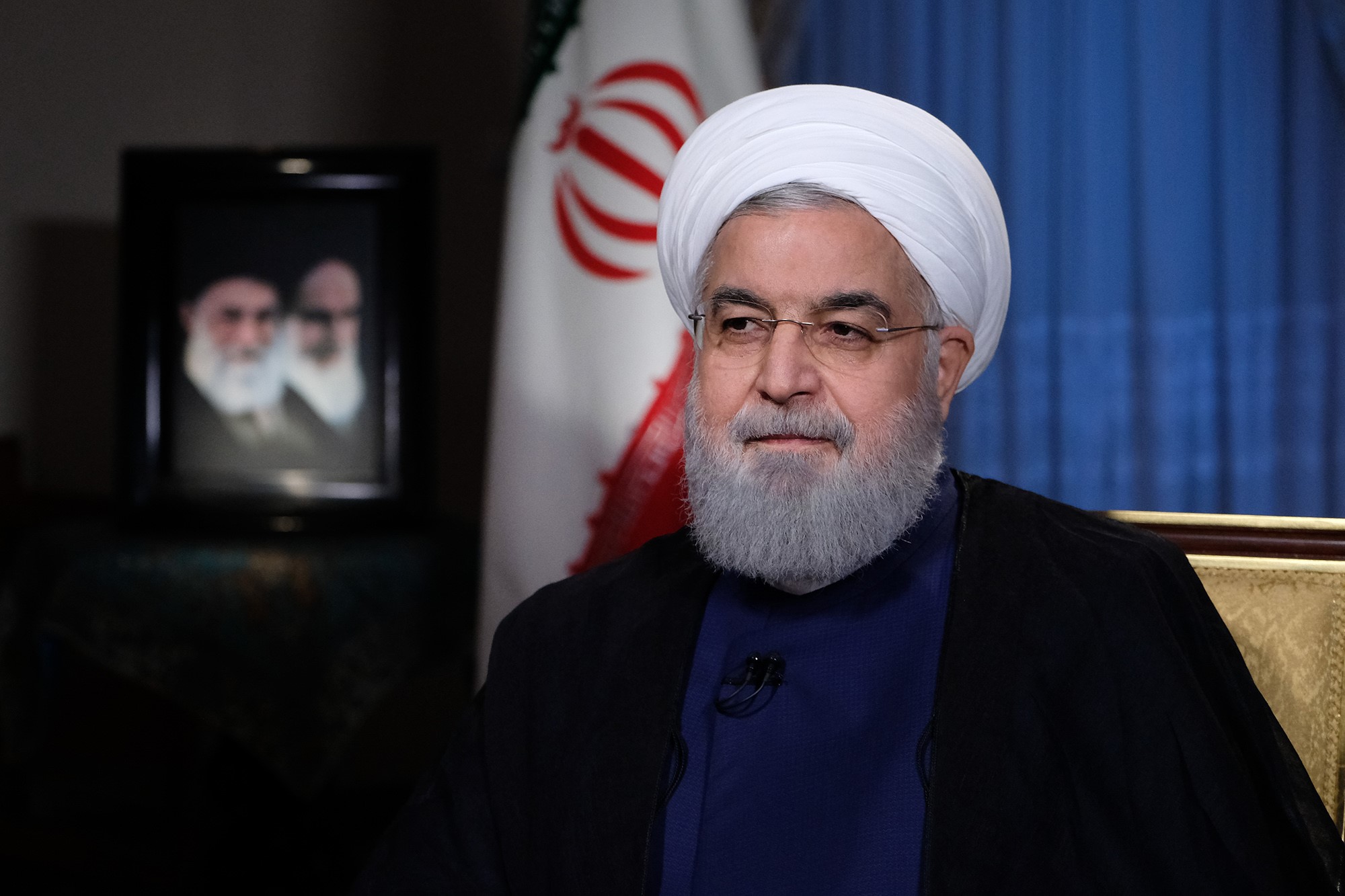
Brenda Shaffer (Georgetown University), Anna Borshchevskaya (Washington Institute for Near East Policy), and Alex Vatanka (MEI) join host Alistair Taylor to discuss how the dynamics between Russia and Iran are playing out in the Caucasus, and what it means for the countries of the region.
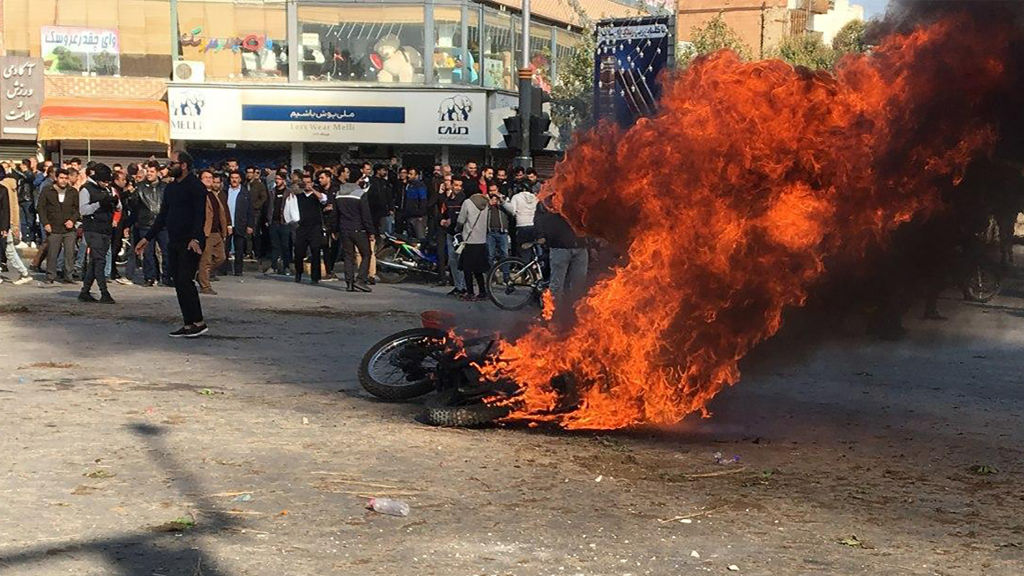
On the surface the latest protests in Iran appear to be not that different from the previous ones in late 2017 and early 2018. In reality, however, things are quite different this time around, and the Iranian authorities are deeply alarmed.
Iranian government cuts internet access amid protests
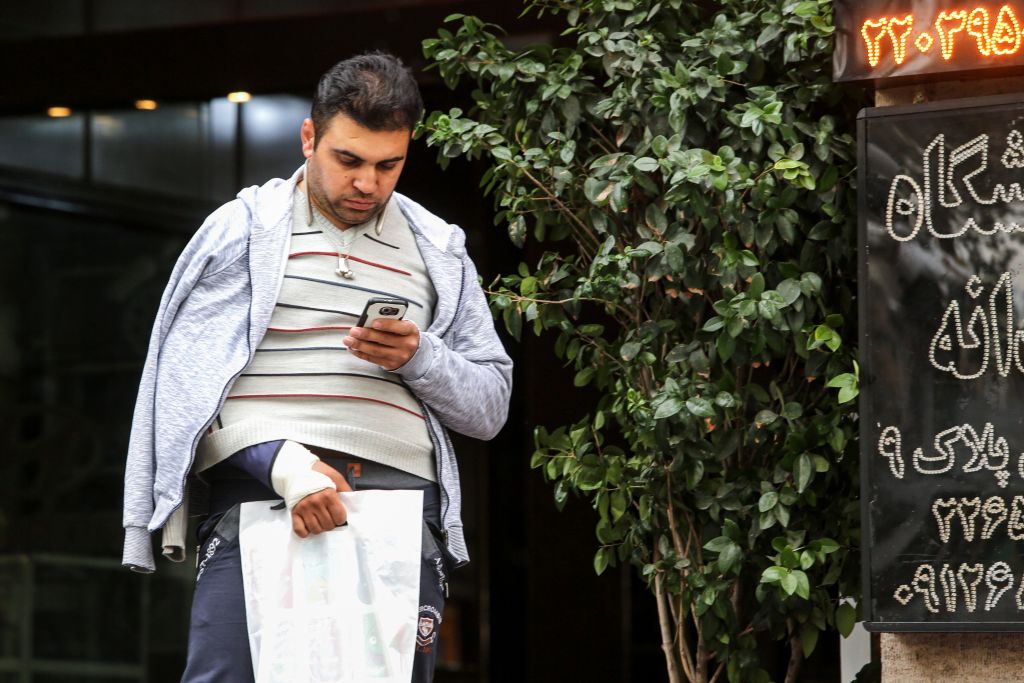
Amid widespread protests over an abrupt decision to hike gasoline prices by 50 percent, Iran’s internet is out again. The government cut access in what is widely seen as an attempt to stem the flow of information, pictures, and videos of protests that reportedly took place in at least 100 cities and towns and involved an estimated 87,000 Iranians.
Punching above their weight: Cyber lessons for small states
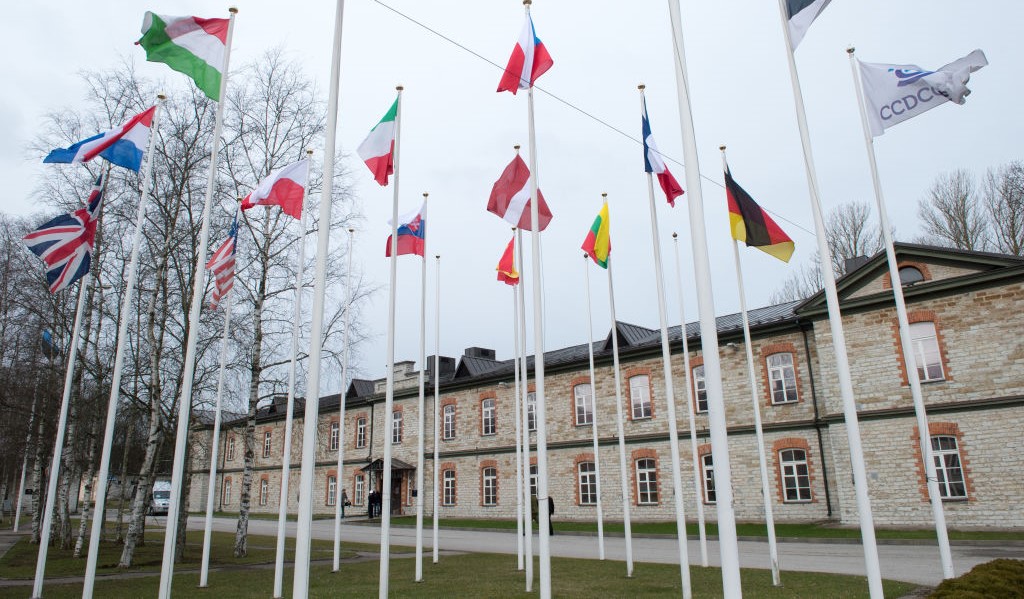
The role of cybersecurity in the future of geopolitics in the Middle East and the surrounding regions will have much to do with individual state and enterprise preparedness. With cyber threats a growing source of interstate tension, governments must take measures to increase national cyber preparedness that are tailored to their vulnerabilities and cyber ecosystems. Israel and Estonia are examples of states that prove this rule. Despite their relatively small size, both have demonstrated an exceptional capacity to deter or defend against cyber aggression from their much larger, more aggressive neighbors.
Emerson T. Brooking of the Digital Forensics Research Lab at the Atlantic Council and Steph Shample of Flashpoint join guest host Mike Sexton, director of MEI’s Cyber Program, to discuss several recent investigations into Iranian and Russian hacking and disinformation campaigns that have targeted US politics and other international organizations.
US and World Bank host talks on long-running Egypt-Ethiopia-Sudan water dispute
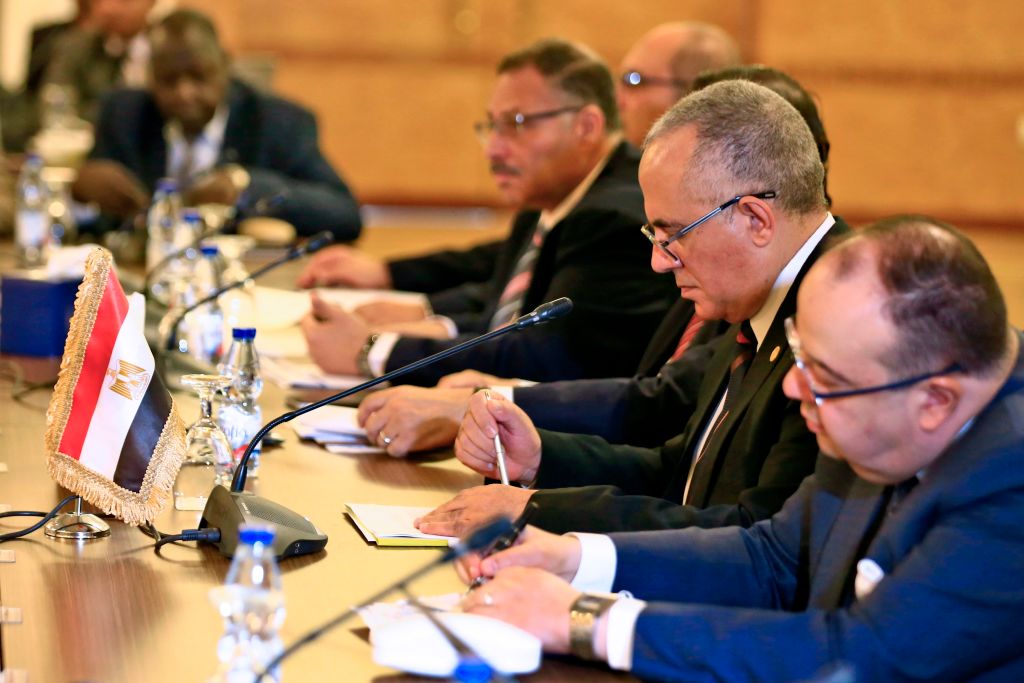
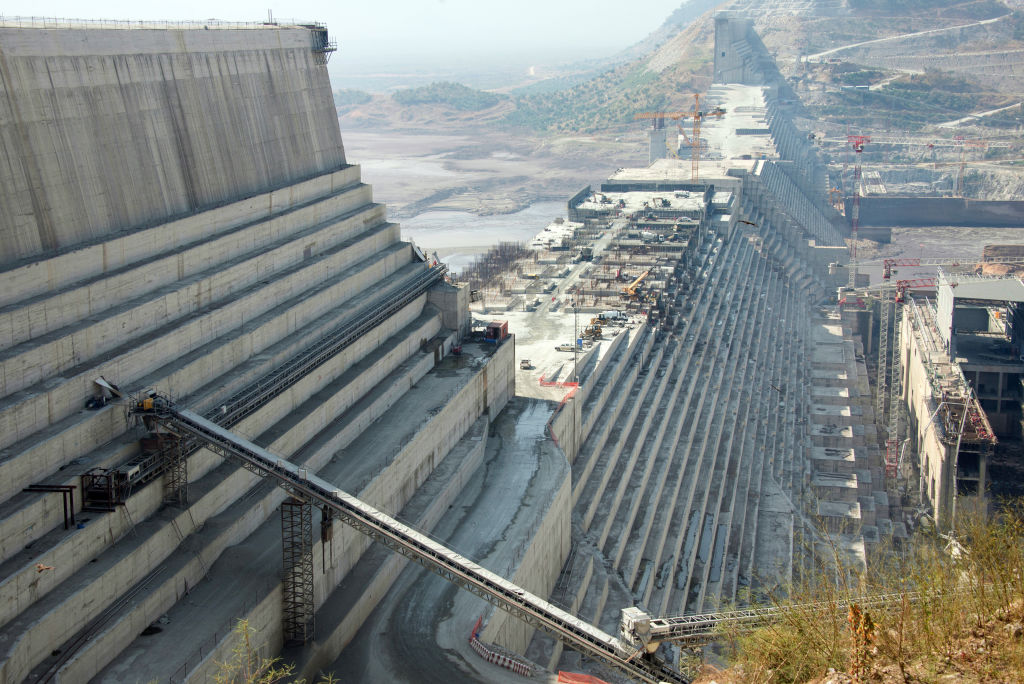
The U.S. and World Bank sponsored talks last week between Egypt, Ethiopia, and Sudan, over the Great Ethiopian Renaissance Dam – the latest developments in a regional soap opera that’s been running since 2010, when Ethiopia first announced the construction of the dam.
With the fall of the Berlin Wall 30 years ago, ties between Western and Eastern Europe were renewed. In the same period, another wall crumbled — between the Middle East and the former Soviet states. And yet, to this day, U.S. national security institutions continue to view these two regions through a Cold War lens, separating how they are handled. This approach needs to change; integrating research and policy toward the Middle East and the bordering states of the former Soviet Union would improve analytical understanding and help identify new policy options.
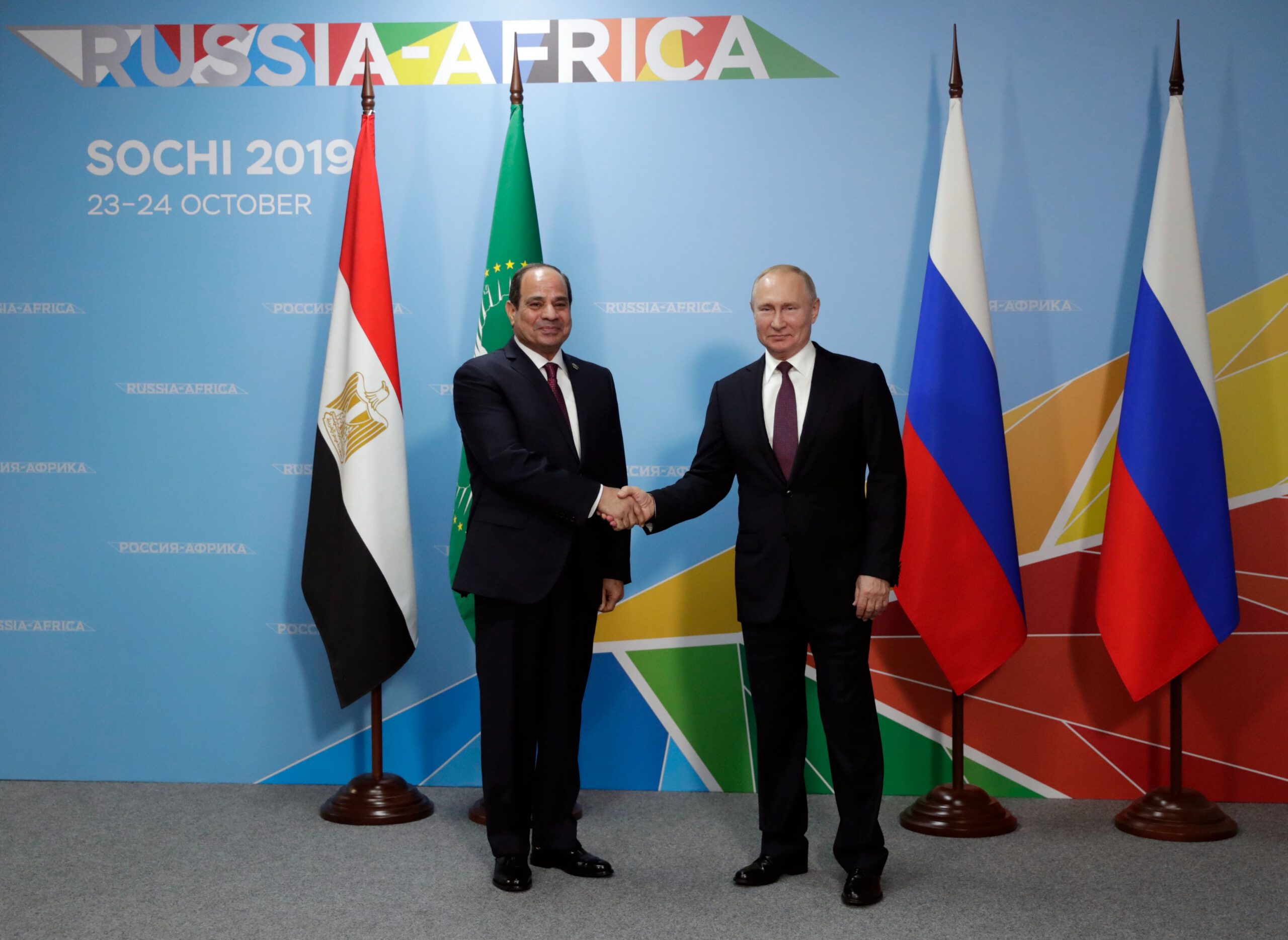
On Oct. 23-24, Russian President Vladimir Putin co-chaired the Russia-Africa Economic Forum in Sochi with his Egyptian counterpart Abdel-Fattah el-Sisi. At the conclusion of the summit, which brought 43 African heads of state to the Black Sea resort town, Sisi emphasized the importance of strengthening Egypt’s partnership with Russia, and Putin described Egypt as a “pillar for security and stability in the Middle East and Africa.”
40 years on from the moment that forever changed US-Iranian relations
Taking the American diplomats hostage for 444 days consolidated the Iranian revolution around the Khomeinists, but very few people in Tehran today will deny that it came at the great expense of isolating Iran internationally for the past 40 years.
US can maximize pressure against Iran's leaders while helping its people
It has now been almost 18 months since Secretary of State Mike Pompeo issued 12 demands to Iran and imposed a “maximum pressure” campaign to compel Tehran to change behavior.
Securing the 2020 election from disinformation is going to get complicated
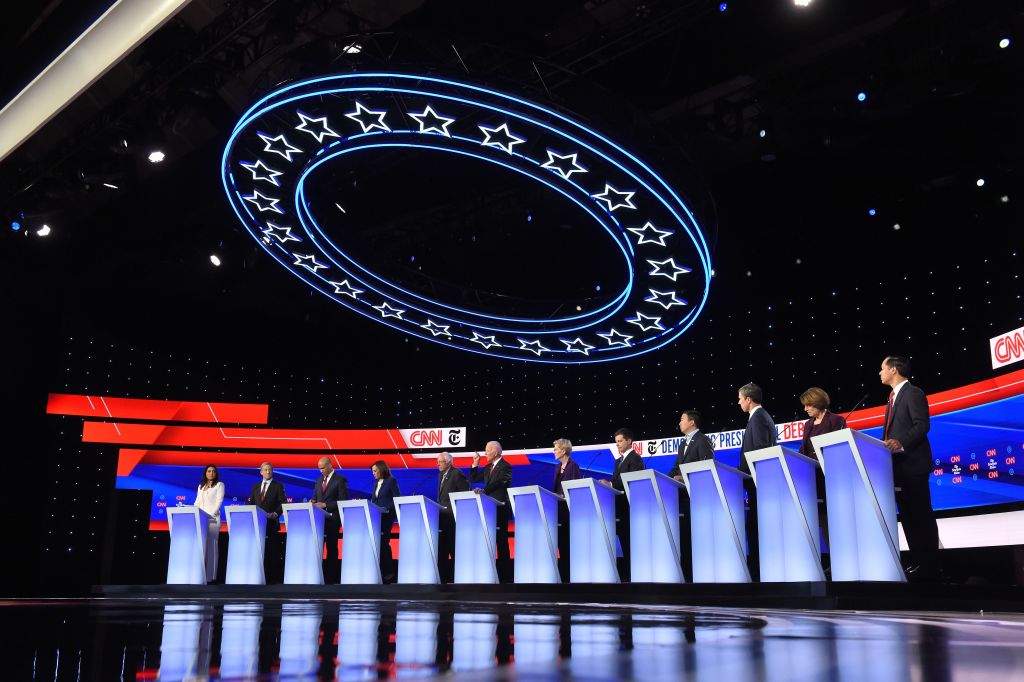
The increasing involvement of Iran in disinformation and attempted email hacking, in tandem with the revelation of Turla hijacking Iranian hacking infrastructure, risks muddying the waters even further with regard to attributing and countering election interference in 2020.
Water dispute with Ethiopia is an existential issue for Egypt
Egypt and Ethiopia remain at odds over the Great Ethiopian Renaissance Dam. Currently almost 70 percent complete, the giant upstream dam, which can hold the entire annual rainfall of the Nile, has the capacity to essentially turn the taps off on Egypt, depriving the country of the river water that supplies a mind-numbing 90 percent of its fresh water.
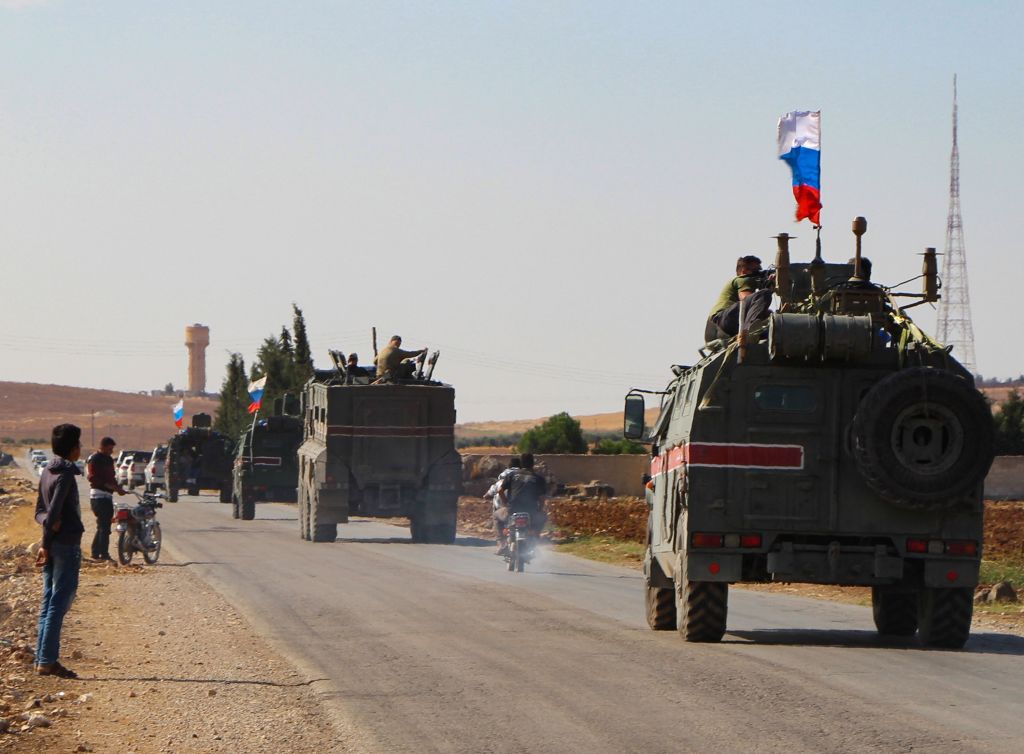
Iran may not like it, but it can live with a Turkey-Russia deal on Syria
While the Iranians would have preferred it if the Turks had not invaded Syria, it does not change their most immediate policy objective, which is the survival of the Assad regime. As long as the Russians keep the Turks away from Assad’s forces, Tehran will, at least in the short term, be able to manage the consequences of Ankara’s actions.
The US eyes the exit as Afghan election results are once again delayed
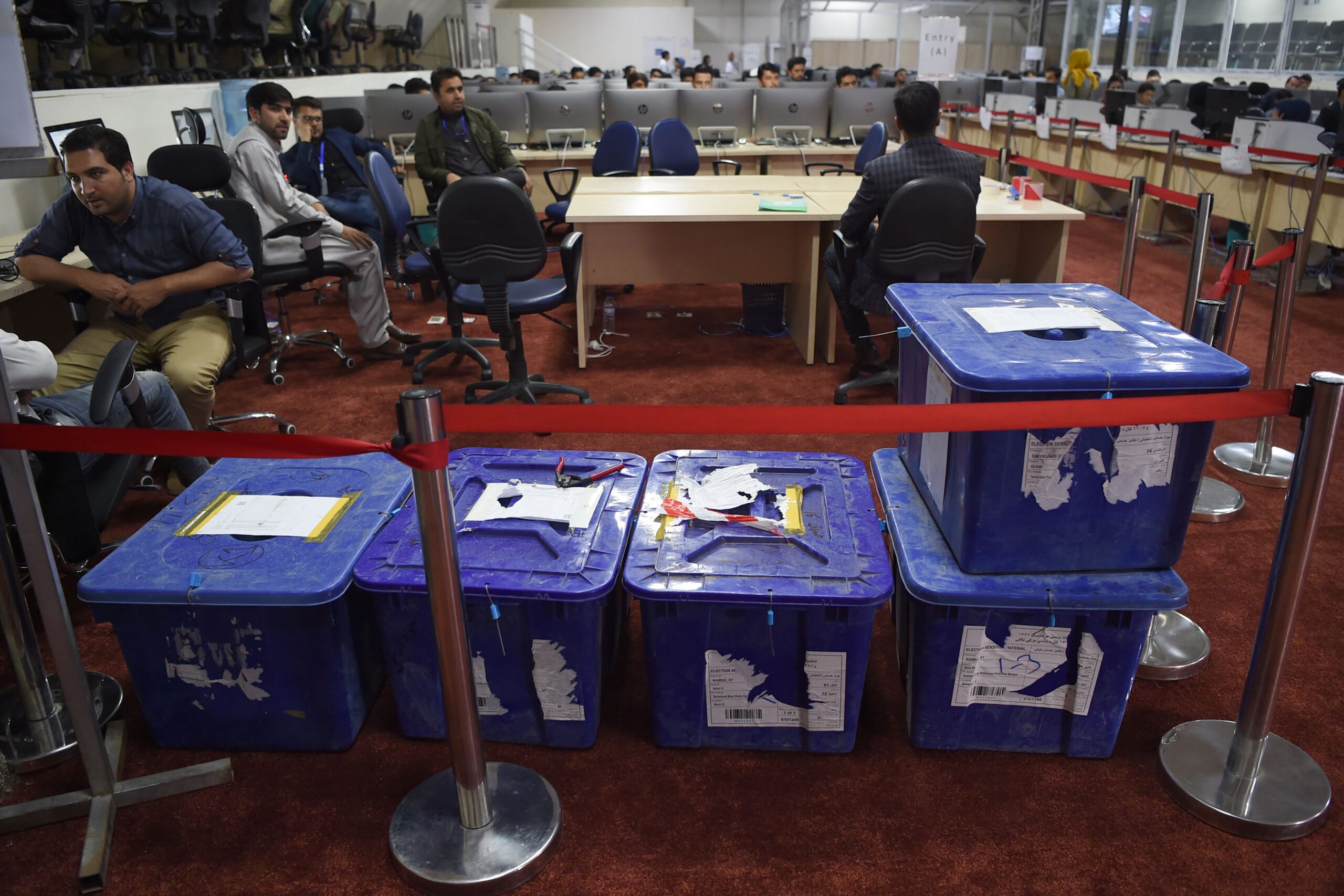
In a move that surprised no one, on Oct. 19 the Afghan election commission said it was unable to announce the preliminary results of the Sept. 28 presidential election as planned, due to delays in processing biometric data. Held amid political uncertainty, terrorist violence, and general skepticism, the September election was the fourth presidential contest in Afghanistan since 2001, when the brutal Taliban regime was toppled in the wake of the Sept. 11 terror attacks on the United States.