Closing the Channels of the Military's Economic Influence in Turkey
After a decade of working to subordinate Turkey’s military establishment so that it cannot influence the trajectory of Turkish politics, closing the channels of the military’s economic influence has been part of this process. Despite early expectations, the AKP has not forged a more democratic and liberal Turkey, but there is no denying the critical importance of its successful effort to institutionalize civilian control of the armed forces.
From the standpoint of Turkish civil-military experts, the concern has never been whether Turkey should civilianize but rather what civilianization would lead to when it was finally achieved. Following the 2013 Gezi protests and the government’s harsh response to the protesters, Turkey’s success in the civilianization of its politics is quickly snowballing into uncertainty.
It seemed like an ordinary demonstration. Clusters of banner-waving youths marched along the sun-drenched main street of Damanhour, in the heart of Egypt’s Nile Delta, on March 6. But the banners they held, featuring a large cartoonish drop of red blood beside an emphatic “No!,” were directed not at political figures but at Hepatitis C (HCV), a blood-transmitted virus attacking the liver that counts nearly 12 million Egyptians as its victims.
Shifting Allegiances: The Israel-Gaza-Egypt Triangle
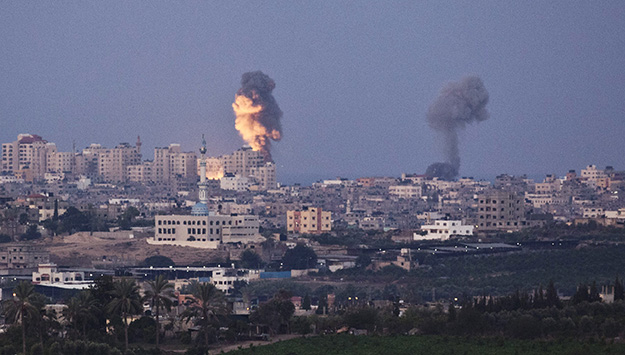
U.S. diplomatic efforts to resolve the conflict between Israel and the Palestinians have in the last year focused on relations between Israel and the Ramallah-based Palestinian Authority, led by PLO chairman Mahmoud Abbas. Yet there is arguably a far more dynamic and perilous front: one that encompasses Israel, Egypt’s lawless Sinai Peninsula, and the Gaza Strip, the latter of which is run by Hamas.
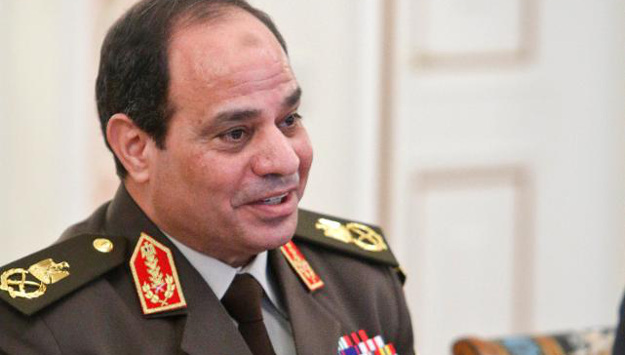
On March 26, Egyptian Field Marshal Abdul-Fattah el-Sisi resigned from the military and announced his presidential bid. What do we know of Sisi’s platform, and what kind of military leadership does he leave behind? MEI spoke with resident scholar Mohamed Elmenshawy about these and other issues.
Will any challengers take on the enormously popular Sisi?
The political crisis in Ukraine and subsequent annexation of Crimea by Russia have sent reverberations throughout the Middle East, where Western and Russian influences continue to weave a complex geopolitical web. MEI interviewed four of its scholars to produce this detailed account of the challenges the conflict poses to the region’s political, security, and economic conditions.
Bad Neighbor, Good Neighbor: Libya-Egypt Relations
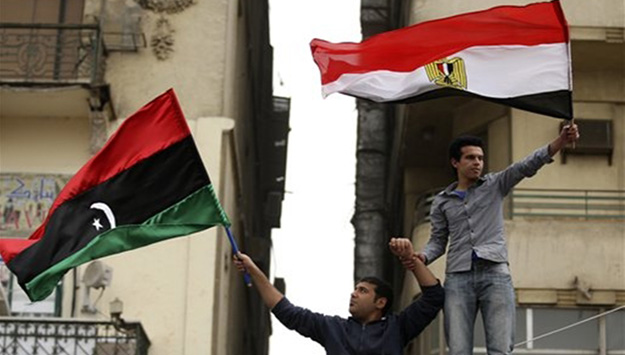
In 2011, many observers predicted that relations between Libya and Egypt would become closer after both countries underwent similar revolutions followed by attempts at democratic transition. But three years later, the realization of this prediction appears unlikely. Political realities and ideological differences have led to a relationship that is contentious at best.
Jawad Nabulsi was looking straight at the policeman the moment he was shot in the face. The black-clad officer raised the barrel of his gun, pointed it directly at Nabulsi’s eyes, and pulled the trigger.
It was 11pm on January 28, 2011. The “Friday of Rage,” as protesters called it, would later be labeled the bloodiest day in the revolution that toppled autocrat Hosni Mubarak.
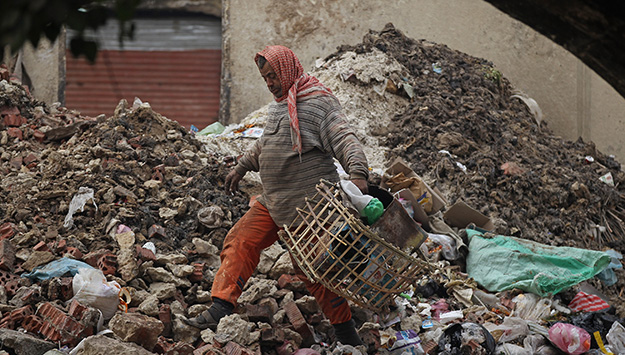
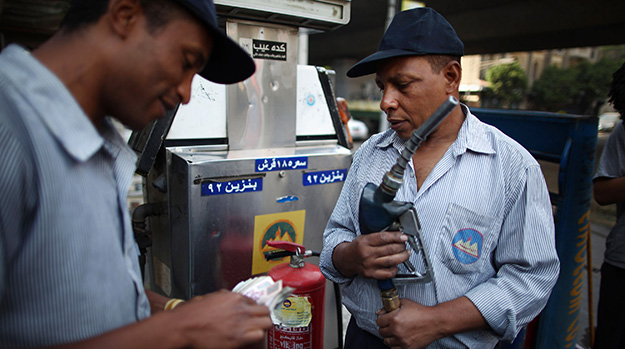
Coverage of Egypt over the past three years has focused on the dramatic political events, yet it was the dire economic situation that created the pressure for the multiple uprisings. And if economic decline is not reversed over the next few years, Egypt might fall over an economic precipice that risks rendering the country eventually ungovernable. Security and political reform are urgently necessary in their own right, and will have a positive effect on the economy if achieved, but bold structural economic reform is also necessary to reverse Egypt’s downward spiral.
The Clash of Former Allies: The AKP versus the Gulen Movement
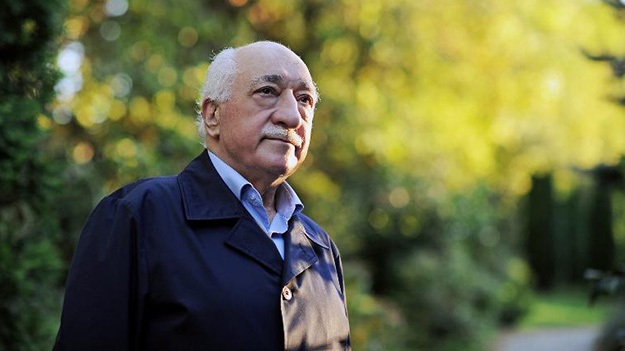
A major political row between Turkish Prime Minister Recep Tayyip Erdogan’s Justice and Development Party (AKP) and preacher Fethullah Gulen’s Islamic movement has been simmering in Turkey. The clash between the two former allies will have important implications at a time when Turkey appears increasingly vulnerable, with a war raging in Syria and the government facing fierce challenges from within. The rift will have an effect on a gamut of issues, from the “Kurdish opening” to upcoming local and presidential elections.
All Retributive Justice, No Restorative Justice in the Post-Arab Spring Middle East
In the wake of the revolutionary fervor that has swept the Middle East and North Africa since the beginning of 2011, retributive justice has taken precedence over restorative justice approaches as countries seek to address human rights violations.
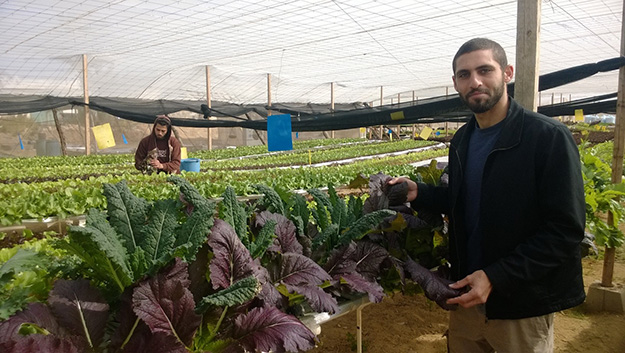
The Egyptian revolutionary motto, “bread, freedom, social justice,” which echoed over 18 days until Hosni Mubarak’s ouster on February 11, 2011, illustrated how restricted access to food had become one of the people’s main grievances. In the aftermath of the revolution, infused by a renewed sense of ownership of their country, many citizens launched environmental initiatives with a focus on sustainable agriculture.


 Caught by Surprise: Letter Found in Rare Book Collection