Israel’s Natural Gas Sector: A Regional Perspective
Israel’s recent natural gas discoveries have the potential to transform the country into a major supplier of natural gas to the Eastern Mediterranean and beyond. Israel’s Leviathan field alone is believed to contain tens of billions of dollars worth of natural gas, and is the world’s largest offshore natural gas discovery of the last decade. In addition to representing a tremendous boon for Israeli domestic energy needs, the finds are likely to result in significant windfalls for the Israeli state and could dramatically impact the political economies of neighboring states.
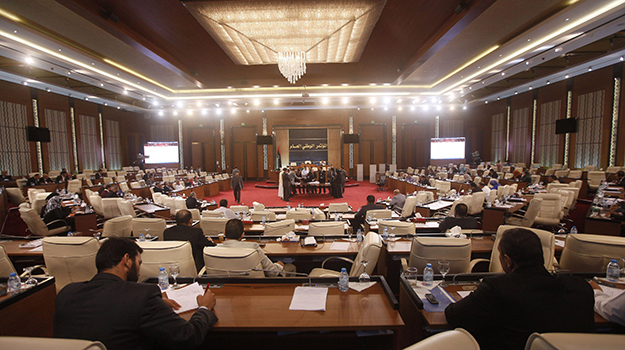
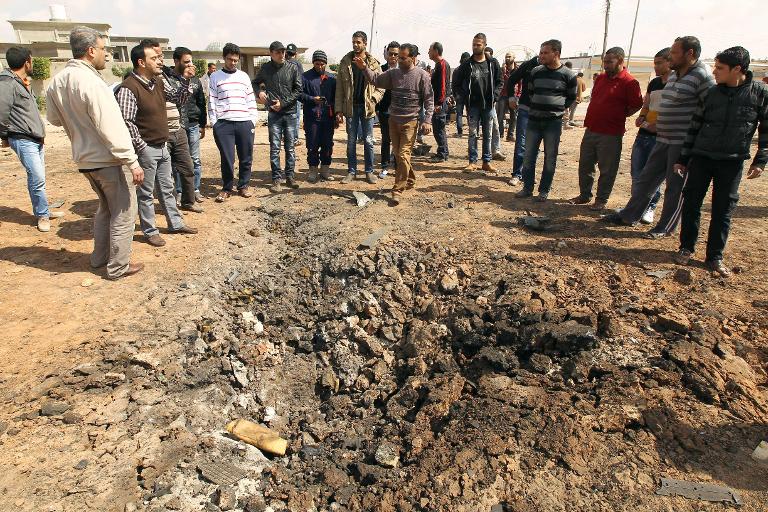
Libya’s road to democracy is shaky at best. Security is deteriorating, with targeted killings, criminal attacks, and bombings on the rise and clashes between rival armed groups—some apparently with government legitimacy and others not—growing more frequent. While these negative trends put tremendous pressure on the transition, Libya’s political process, albeit fickle, manages to keep moving. The efforts at institution building in Libya present a nuanced landscape: for every step forward in one aspect, there are steps backward in others.
Shifting Allegiances: The Israel-Gaza-Egypt Triangle
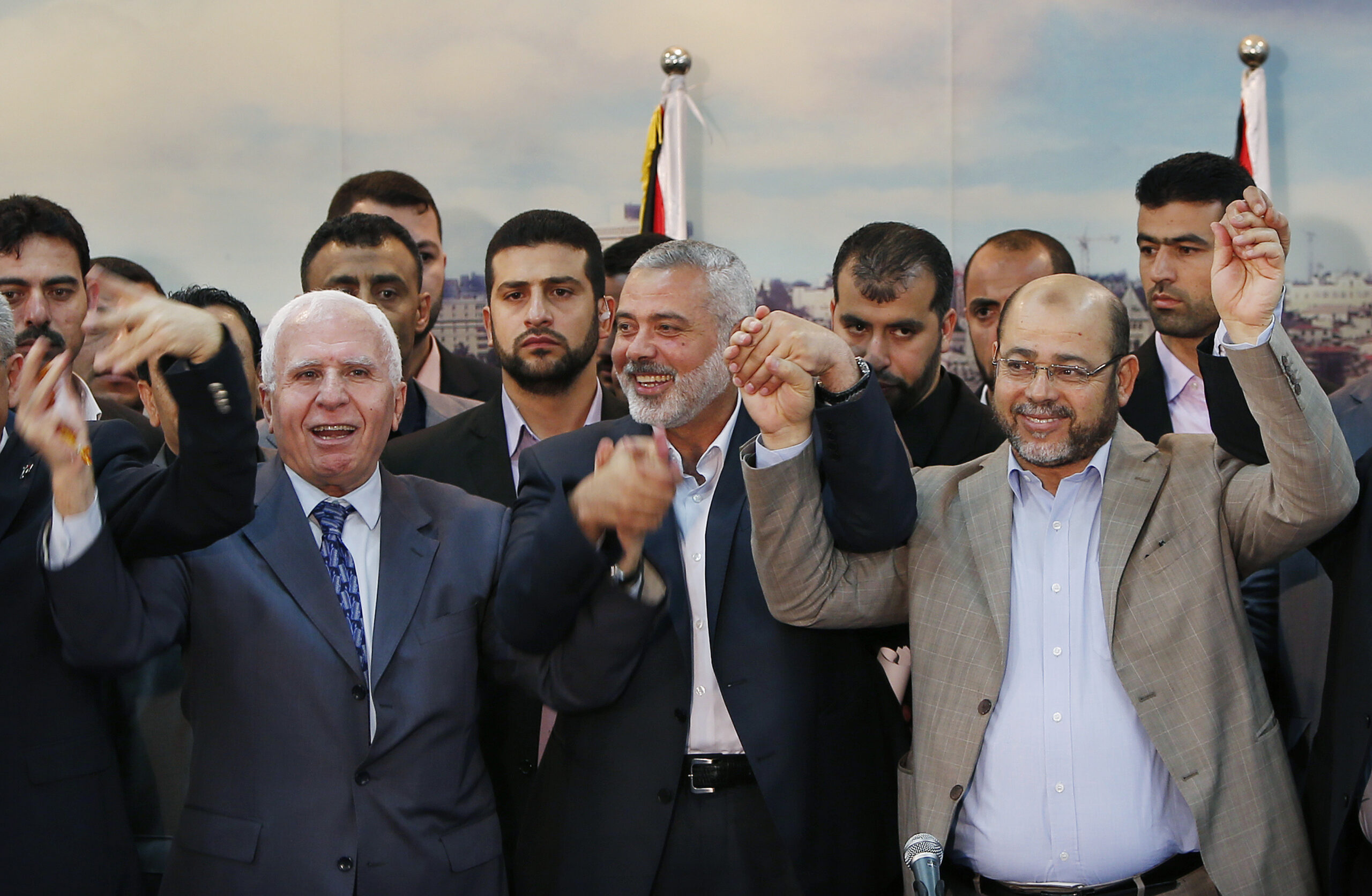
U.S. diplomatic efforts to resolve the conflict between Israel and the Palestinians have in the last year focused on relations between Israel and the Ramallah-based Palestinian Authority, led by PLO chairman Mahmoud Abbas. Yet there is arguably a far more dynamic and perilous front: one that encompasses Israel, Egypt’s lawless Sinai Peninsula, and the Gaza Strip, the latter of which is run by Hamas.
Challenges to State Building after the Fall of Qaddafi
The fall of the Qaddafi regime and the loss of the state monopoly on violence gave way to a duopoly of power in Libya whereby rudimentary “national” forces—under the control of the National Transitional Council (NTC) from March 2011 to August 2012—were established in competition with the non-state “Revolutionary Brigades,” which had borne the brunt of the military struggle against Qaddafi’s forces. Since then, the Revolutionary Brigades have increasingly sought to assert themselves in the political arena.
Libyan popular and political support for engaging the international community offers the United States and Western partners an opportunity to help stabilize a North African energy producer and encourage orderly political change. Conversely, a failure to act could have costly, long-term regional and international security consequences. Domestic political limitations to direct U.S. government engagement, along with other issues that compete for attention and resources, are constraints on a more active policy. Moreover, Libyans themselves would not tolerate a dominating U.S. role.
Bad Neighbor, Good Neighbor: Libya-Egypt Relations
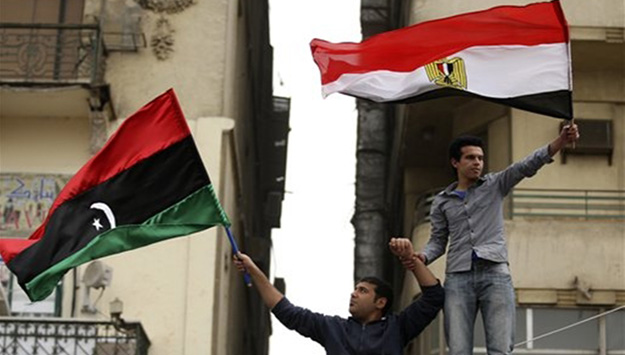
In 2011, many observers predicted that relations between Libya and Egypt would become closer after both countries underwent similar revolutions followed by attempts at democratic transition. But three years later, the realization of this prediction appears unlikely. Political realities and ideological differences have led to a relationship that is contentious at best.
Libya on the Brink: Insecurity, Localism, and the State Not Back In
This essay is part of the Middle East-Asia Project (MAP) series on “’Civilianizing’ the State in the Middle East and Asia Pacific Regions.” The series explores the past and ongoing processes of Security Sector Reform (SSR) in Asia-Pacific countries and examines the steps already taken and still needed in the MENA region. See More
All Retributive Justice, No Restorative Justice in the Post-Arab Spring Middle East
In the wake of the revolutionary fervor that has swept the Middle East and North Africa since the beginning of 2011, retributive justice has taken precedence over restorative justice approaches as countries seek to address human rights violations.
Kerry’s Proposed “Framework” Offers Way Forward for Israel/Palestine
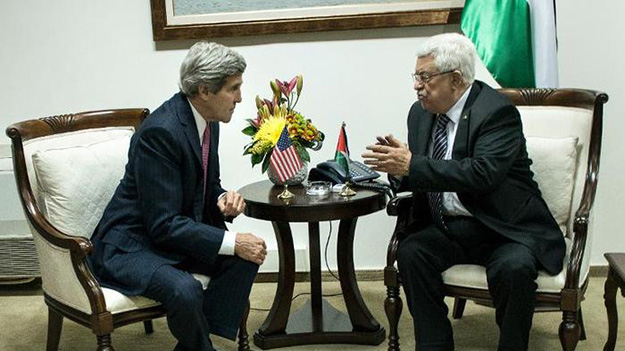
John Kerry’s extraordinary efforts to make peace between Israel and Palestine through six months of bilateral talks have produced no significant results. Kerry, determined to succeed, is turning to a “framework” that would create a new basis for continued negotiations. The framework has not yet been released. But if it is a clear outline of an American plan for peace, not just a collection of ideas that avoids laying out U.S. positions, it could be a game changer.
Libya's Political Isolation Law: Politics and Justice or the Politics of Justice?
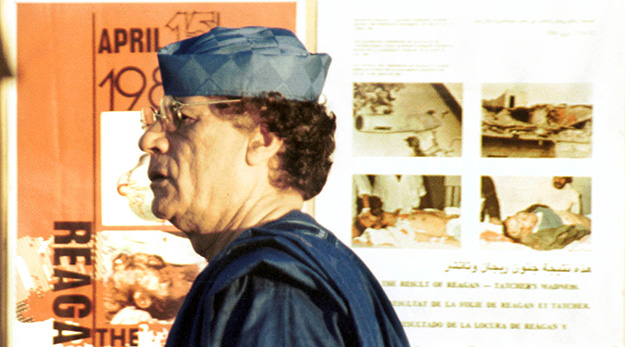
In May 2013, Libya’s General National Congress (GNC) overwhelmingly passed the Political Isolation Law (PIL). The PIL’s enactment represented a far-reaching attempt to prevent members of the regime of Muammar Qaddafi from holding public office during the country’s transition. But the decision also appeared to fit a precarious pattern of post-conflict accountability in Libya, which has been characterized by acts of vengeance and one-sided justice aimed at anyone associated with the defeated regime. The passage of the law also reflects the current state of political instability in Libya wherein decisions are politically motivated and often forced at the barrel of the gun rather than agreed upon through public consultation and democratic decision-making.
Dressing for Diplomatic Success: Iranian Negotiations Lead the Way
In the Middle East today, diplomatic success and failure are unfolding side by side, often with some of the same players. High-profile attempts are being made to end the conflict between Israel and the Palestinians, to stop the massacre of innocents in Syria, and to bring Iran in from the cold.
Libya, the ICC, and Securing Post-Conflict Justice
Since questions of post-atrocity accountability began to surface in regard to the “Arab Spring,” there has been interest in the pursuit of international-led justice in countries that have experienced uprisings, such as Bahrain, Libya, Syria, and Yemen. There were calls for the involvement of the International Criminal Court (ICC) in both Libya and Syria. The ICC has become involved only in Libya. However, this involvement has become mired in struggles that expose the challenges of a system that some regard as simply another expression of a profoundly undemocratic international order.
Ori Nir of Americans for Peace now will hold a conversation with Akiva Eldar on the current situation in Israel and Palestine.Akiva Eldar is a senior political columnist for Al-Monitor news service’s Israel Pulse. He was formerly a senior columnist and editorial writer for Haaretz and served as Haaretz’s US bureau chief and diplomatic correspondent in the 1980’s. His most recent book (with Idith Zertal), Lords of the Land, on the Jewish settlements, was a best-seller in Israel and has been translated into English, French, German and Arabic.