Skip to Content

Research & Commentary Results

Filter by
1230 Results
Monday Briefing: The Middle East is the closest it has ever been to an all-out war
  • Commentary
  • Monday Briefing: The Middle East is the closest it has ever been to an all-out war

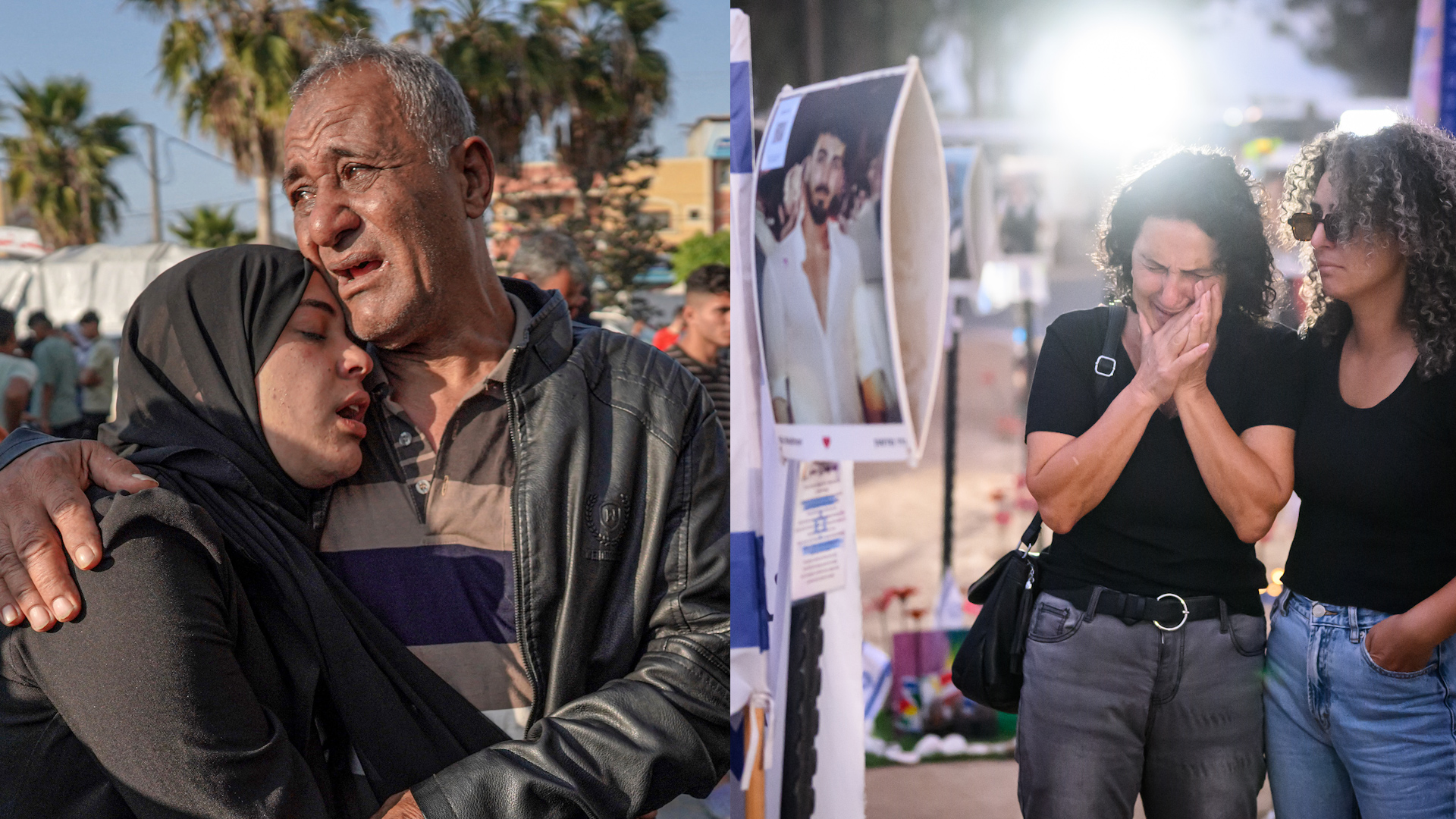
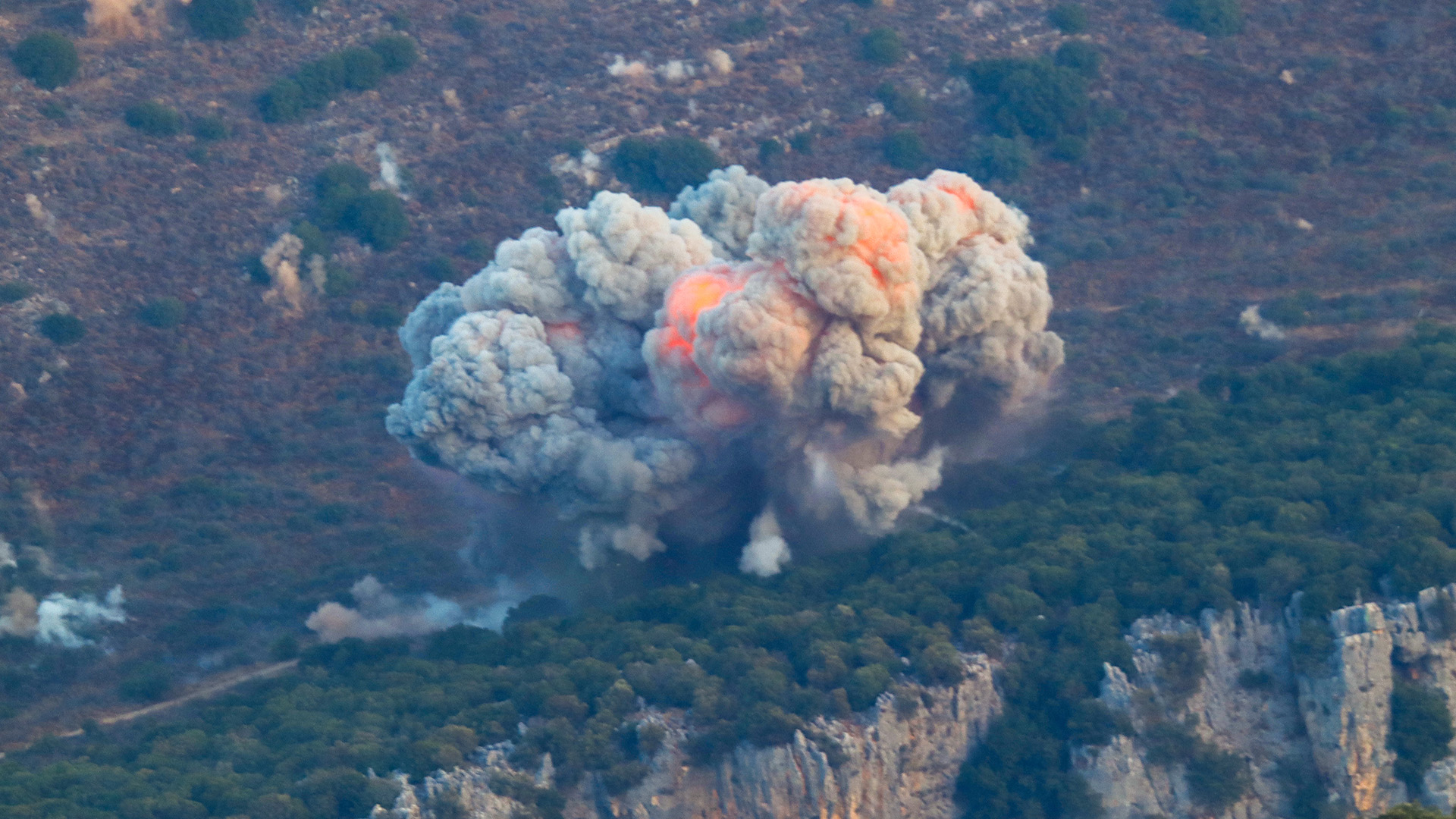
    After 10 months of Israel’s war on Gaza, the US administration has lost control over its ally and the fear of its opponents. As a result, Washington has only limited, if any, impact on the cost-benefit escalation calculus of the fighting sides. The Middle East is today the closest it has ever been to an all-out multi-front regional war.

    A waiting game as the region teeters on the brink of full-blown war
    Photo by HOSSEIN BERIS/Middle East Images/AFP via Getty Images
  • Analysis
  • A waiting game as the region teeters on the brink of full-blown war

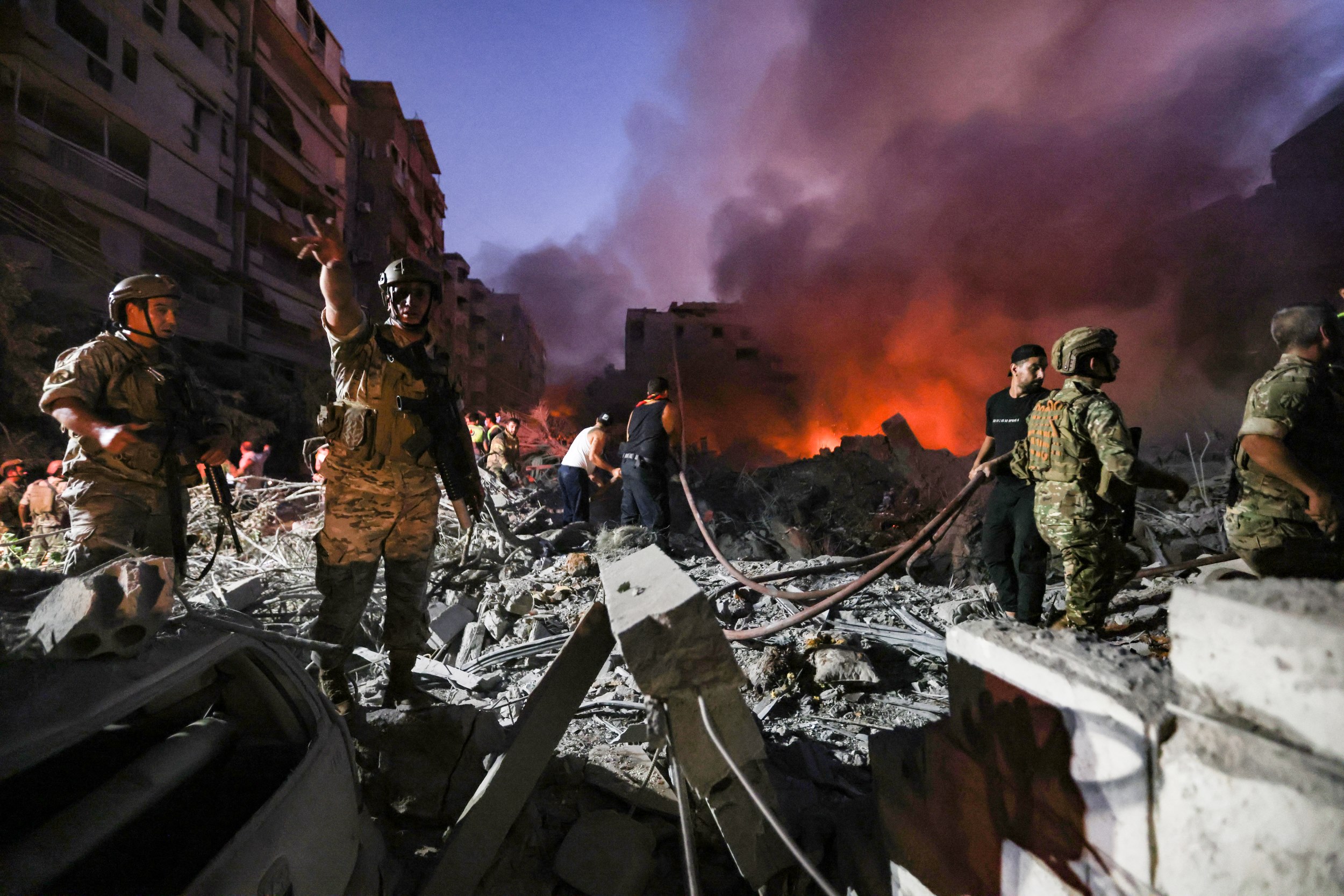
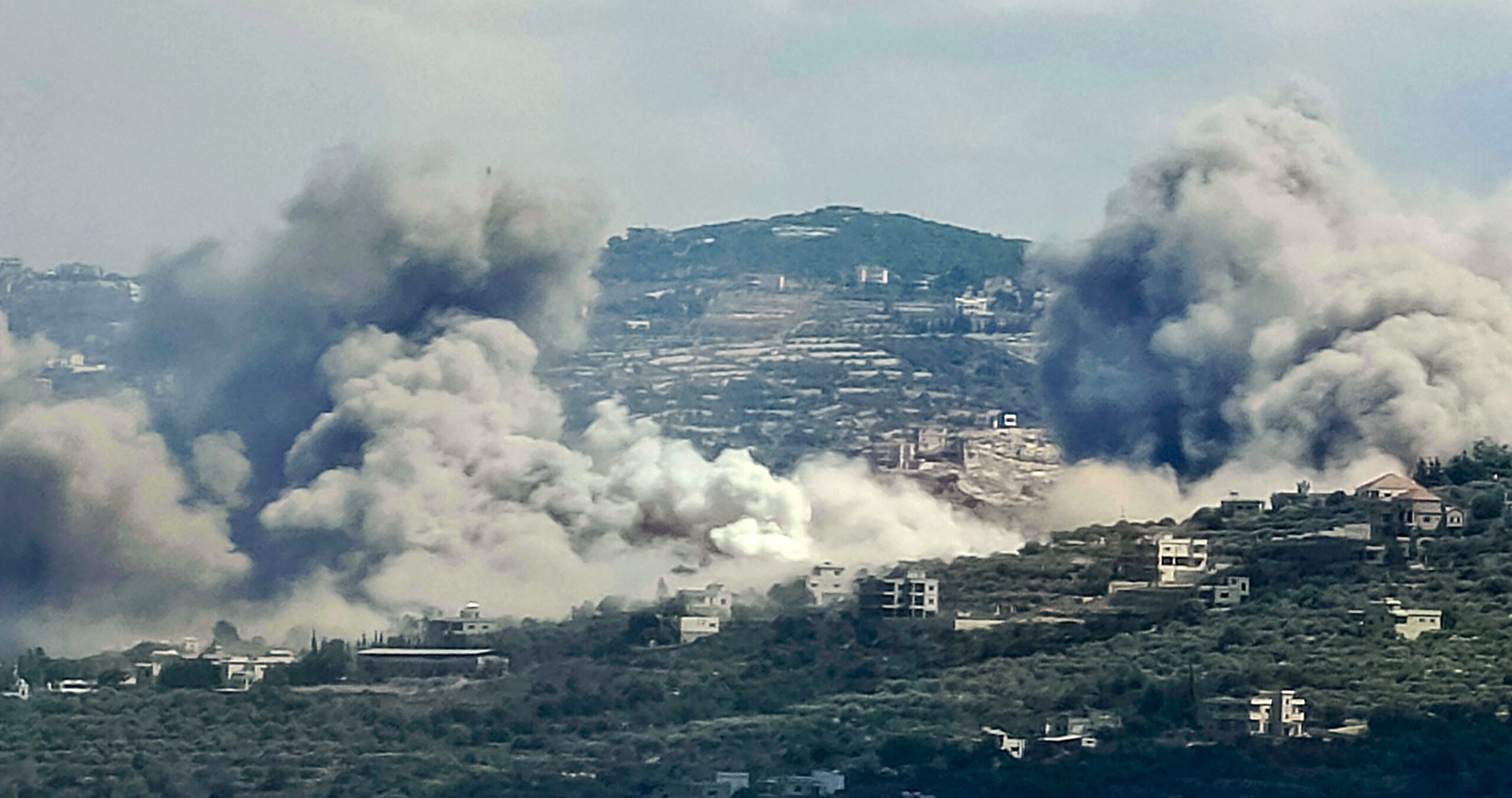
    Israel’s targeted killing of Hezbollah military leader Fuad Shukr in Beirut and Hamas political chief Ismail Haniyeh in Tehran are explosive events for the region. Coming within 12 hours of each other, they were also an earthquake within the “Axis of Resistance” — but not one likely to encourage de-escalation. Far from it.

    Special Briefing: The regional impact of Ismail Haniyeh’s assassination
  • Commentary
  • Special Briefing: The regional impact of Ismail Haniyeh’s assassination

    In a new special briefing, scholars from across MEI weigh in with their thoughts on the assassination of Hamas political leader Ismail Haniyeh and the potential regional impact.

    July 31, 2024

    Israeli Strikes and the Risk of Regional Escalation
  • Podcast
  • Israeli Strikes and the Risk of Regional Escalation

    This week’s episode looks at the dramatic regional developments of the past 24 hours, including the Israeli strike on a top Hezbollah commander in Beirut and the assassination of Hamas political leader Ismail Haniyeh in Tehran. The strikes mark a significant escalation, and are expected to provoke retaliation from Iran and Hezbollah that could potentially ignite a wider regional conflict.

    July 31, 2024

    The Limits of Biden’s Middle East Diplomacy: An Assessment of US Policy, April-July 2024
    Photographer: Michael Reynolds/EPA/Bloomberg via Getty Images
  • Analysis
  • The Limits of Biden’s Middle East Diplomacy: An Assessment of US Policy, April-July 2024

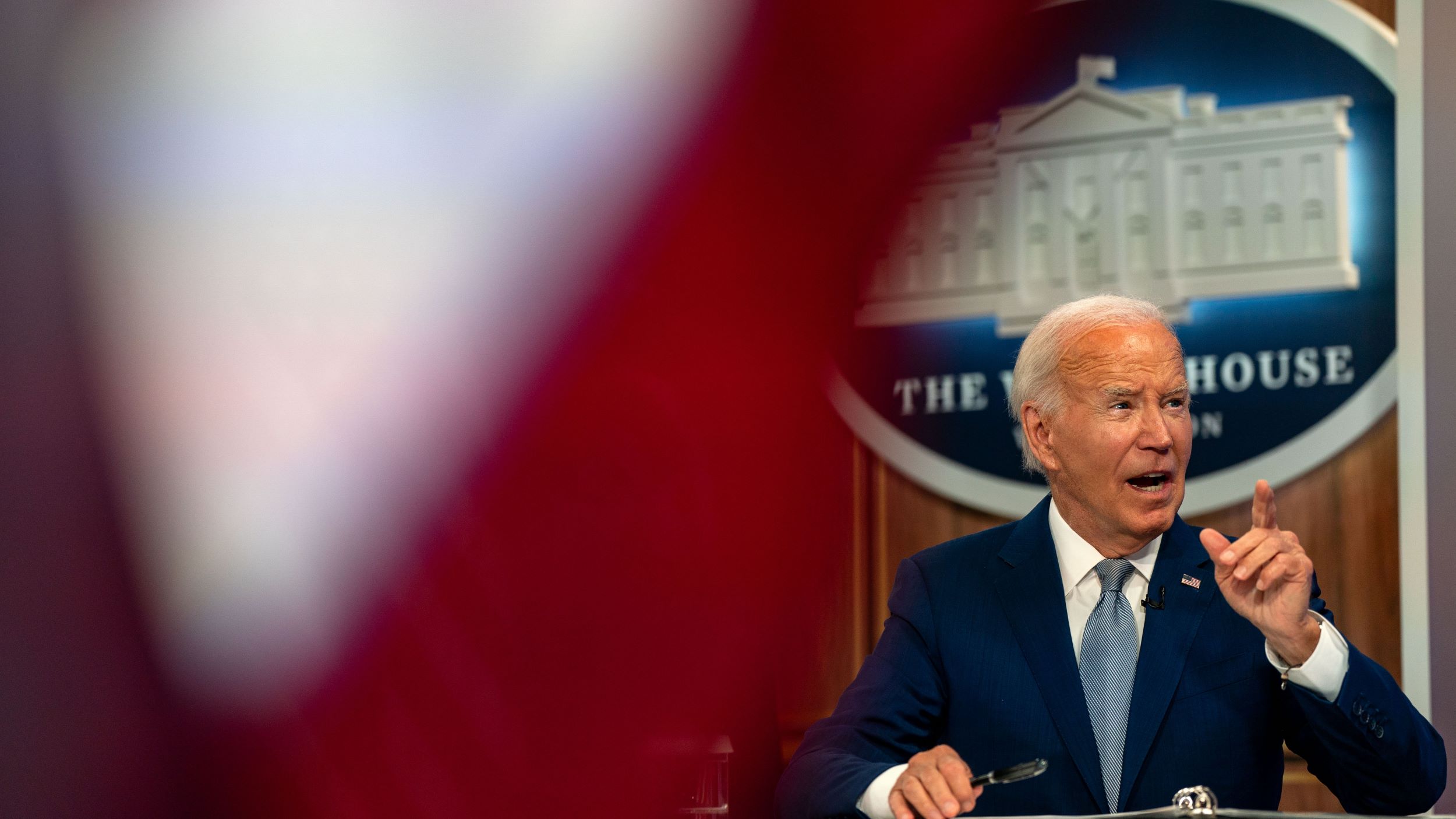
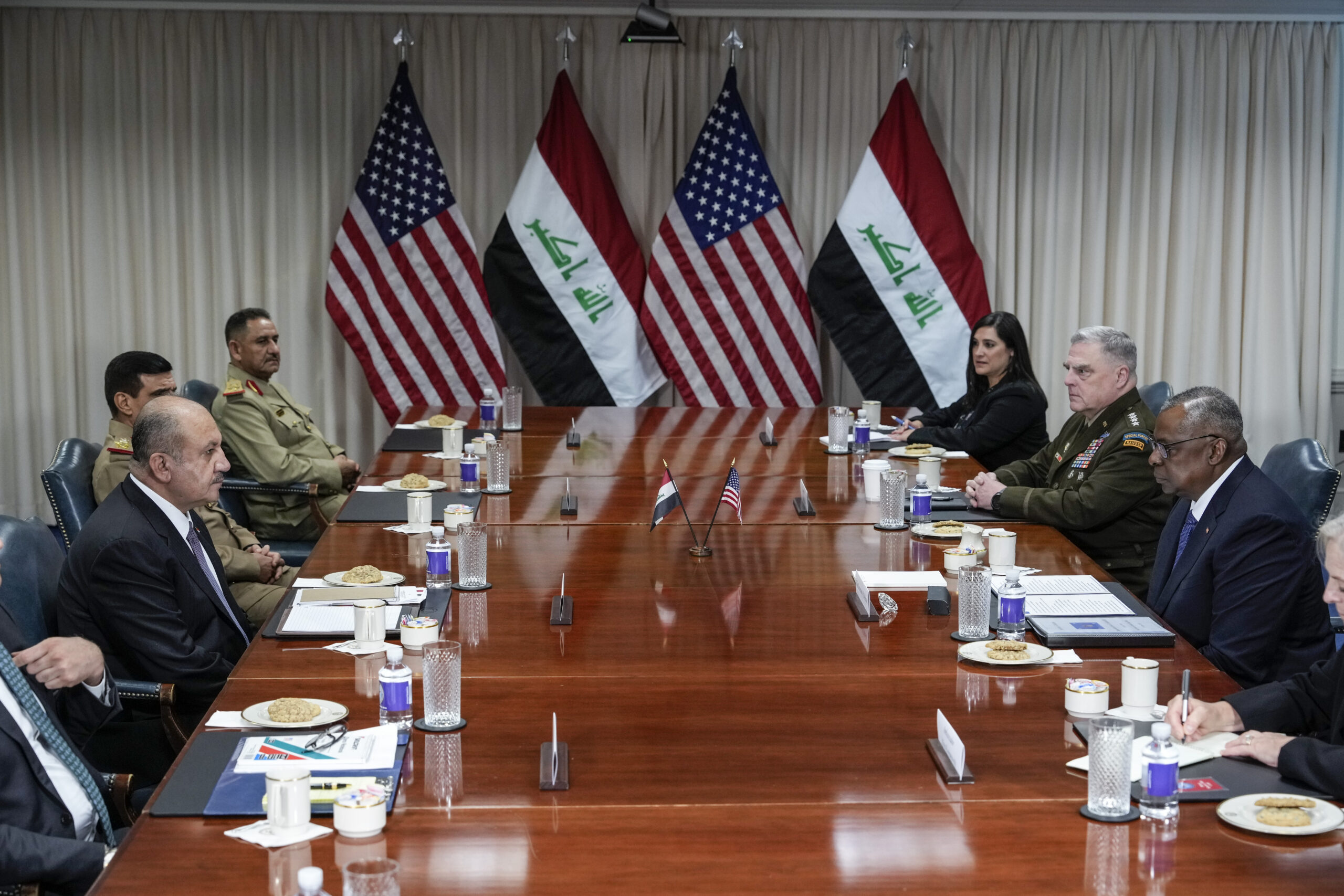
    In reaction to the Oct. 7 Hamas attack on Israel and the subsequent Gaza war, the Biden administration articulated six main objectives. After nine months of the Israel-Hamas conflict, which has repeatedly threatened to spill out into neighboring theaters, the Biden administration’s success toward achieving these goals has mostly declined, not for a lack of effort but rather a reflection of considerable challenges in the environment and major shortcomings in policy conceptualization and implementation.

    Iraq’s competition to control local administrations goes national
    Photo by Safin HAMID/AFP
  • Analysis
  • Iraq’s competition to control local administrations goes national

    In the aftermath of the December 2023 Provincial Council (PC) elections, political parties across Iraq have been seeking to shore up their gains or minimize their losses in the formation of the provincial executive governments, with some provinces, like Kirkuk and Diyala, remaining in deadlock at time of writing. However, in other provinces, such as Ninewa, those now in power are looking to ensure that they are maximizing their new gains by dominating key administrative positions at the district and subdistrict levels.

    July 22, 2024

    CENTCOM says ISIS is reconstituting in Syria and Iraq, but the reality is even worse
    Photo by Ali Makram Ghareeb/Anadolu Agency via Getty Images
  • Analysis
  • CENTCOM says ISIS is reconstituting in Syria and Iraq, but the reality is even worse

    On July 16, CENTCOM announced that after six months of 2024, “ISIS is on pace to more than double” the number of attacks in Syria and Iraq it claimed in 2023. But the reality is far worse than this statement suggested because the data represents only a fraction of ISIS’s actual attacks in Syria and Iraq.

    Securing Lebanon to Prevent a Larger Hezbollah-Israel War and Wider Escalation
    Report cover
  • Commentary
  • Securing Lebanon to Prevent a Larger Hezbollah-Israel War and Wider Escalation

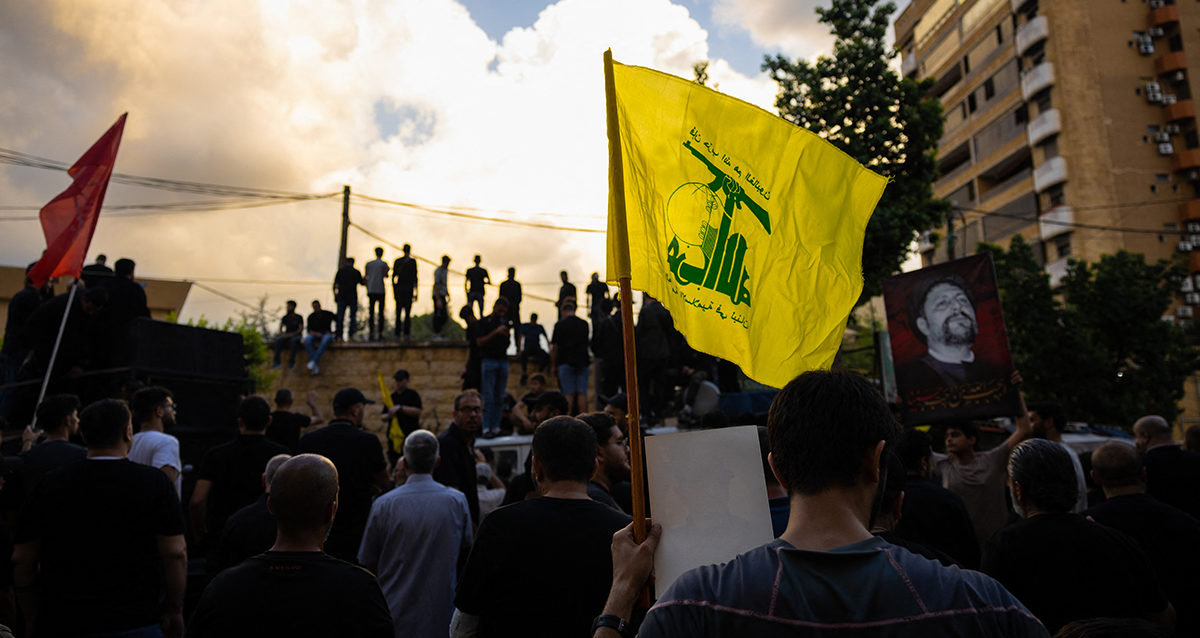
    The Middle East Institute (MEI) and the American Task Force on Lebanon (ATFL) convened a group of experts on Lebanon who co-authored this policy brief.

    Executive Summary

    As tensions between Israel and Hezbollah escalate, the specter of a full-scale war, with the potential to draw in the United States and Iran, demands the US’s immediate attention. The Biden-Harris Administration has tasked, in response, White House Senior Advisor Amos Hochstein with mediating efforts to de-escalate the conflict and bring stability to the Lebanon-Israel border.

    July 1, 2024

    “Vision of darkness balanced by light”: Lebanese-American Artist Nabil Kanso’s Works Express the Current Moment, Decades After Their Creation
    Photo Source: nabilkanso.org
  • Arts & Culture
  • “Vision of darkness balanced by light”: Lebanese-American Artist Nabil Kanso’s Works Express the Current Moment, Decades After Their Creation

    Nearly six decades after Kanso moved to America and began his career as a visual artist, his work remains enormously important, channeling the zeitgeist of our uncertain and violent era. Yet as dark as Kanso’s vision is, he also reminds us that even the most hellacious of contexts can contain light and the possibility of rebirth and renewal.

    June 25, 2024

    No real alternative: The failure of opposition parties in Iraq’s Kurdistan Region
    Photo by SHWAN MOHAMMED/AFP via Getty Images
  • Analysis
  • No real alternative: The failure of opposition parties in Iraq’s Kurdistan Region

    Politics in Iraq’s Kurdistan Region is centered on the ruling duopoly of the Kurdistan Democratic Party (KDP) and the Patriotic Union of Kurdistan (PUK). Other political parties — broadly referred to as the opposition — offer themselves as alternatives to the KDP and the PUK, but are disorganized, divided, and largely unable to capitalize on public grievances about governance. At present, they do not constitute a viable alternative to the ruling parties.

    June 20, 2024