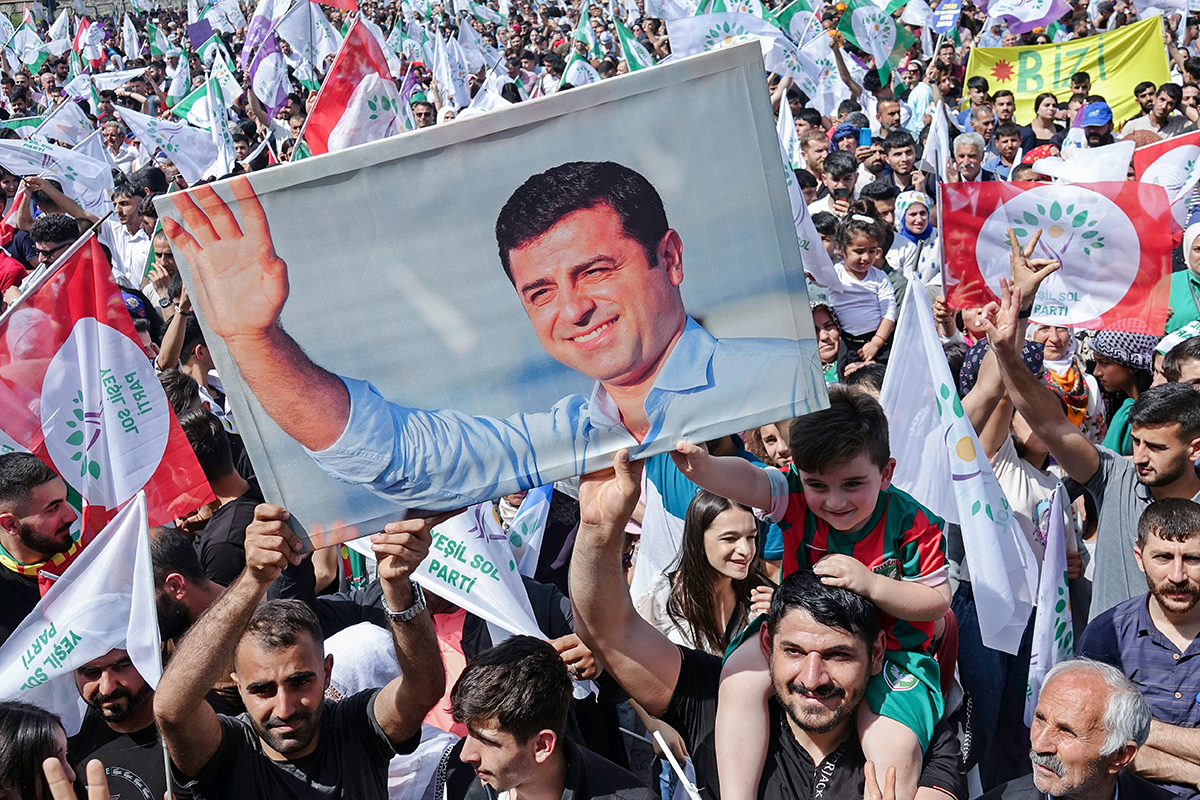
If the pro-Kurdish Peoples’ Equality and Democracy Party (DEM) were to take a more active role in efforts to peacefully resolve the Kurdish issue in Turkey, it could potentially help to break the current impasse. What this role might entail and whether the party is capable of playing it effectively are key questions. This piece will explore these issues by examining the experience of its predecessor, the Peoples’ Democratic Party (HDP), over the past decade, as well as the debates following the May 2023 general elections and March 2024 local elections.
Turkey after the 2024 elections: Transition to democracy or bumpy road to authoritarian consolidation?
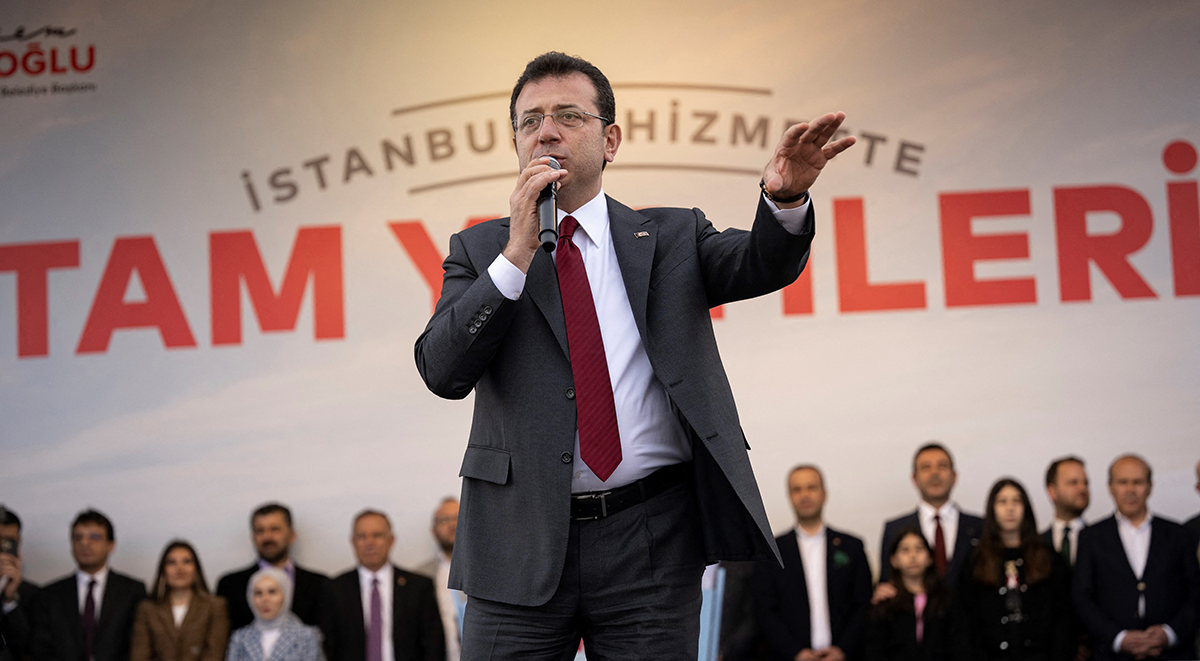
While the 2023 elections caused widespread disappointment among op-position voters and an acute rise in political apathy, the 2024 elections once again restored hopes for Turkish democratization. About a month after the local elections, President Erdoğan held a private meeting with CHP leader Özgür Özel at the AKP headquarters. The meeting ended with both leaders announcing the beginning of a new period in Turkish politics, which Erdoğan described as a “softening” and Özel as a “normalization.”
NATO, North Africa, and the Sahel: Squaring the triangle of insecurity
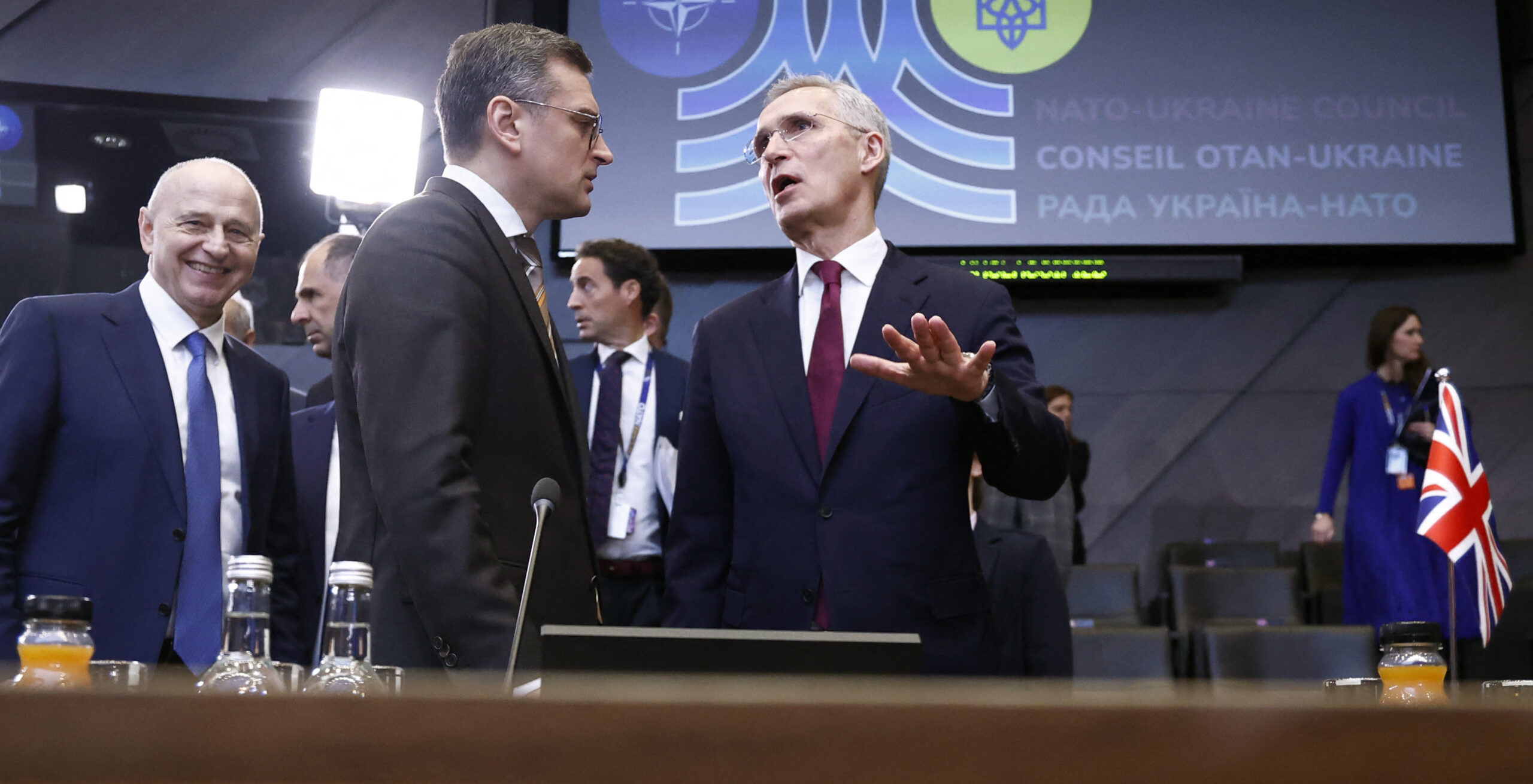
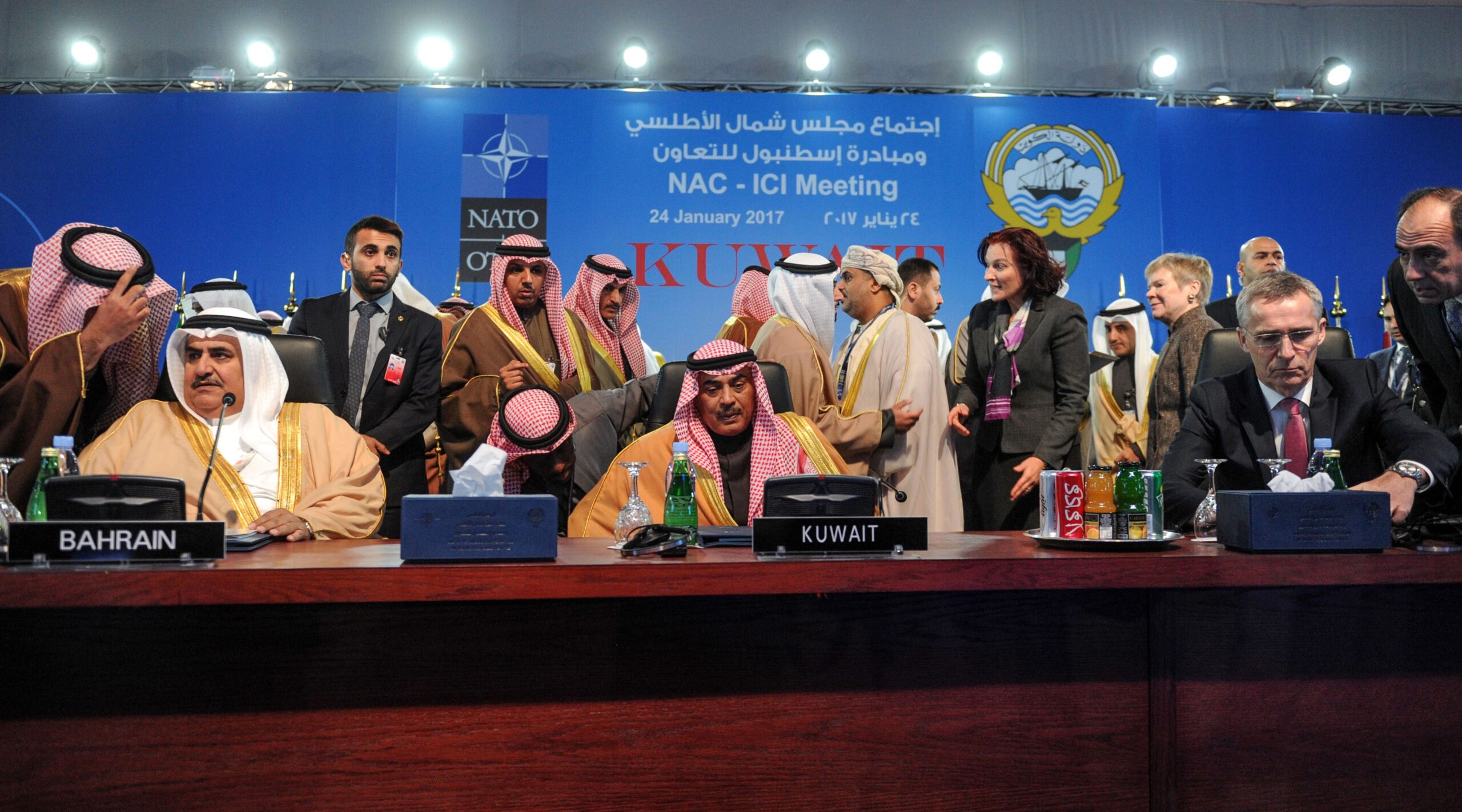
With NATO celebrating 75 years since its founding, Alliance members will gather in Washington, DC, on July 9-11, for a historic summit. Two of the key issues on the agenda will be addressing the acute threats emanating from the Black Sea region and adopting a strategic approach toward the Middle East and Africa.
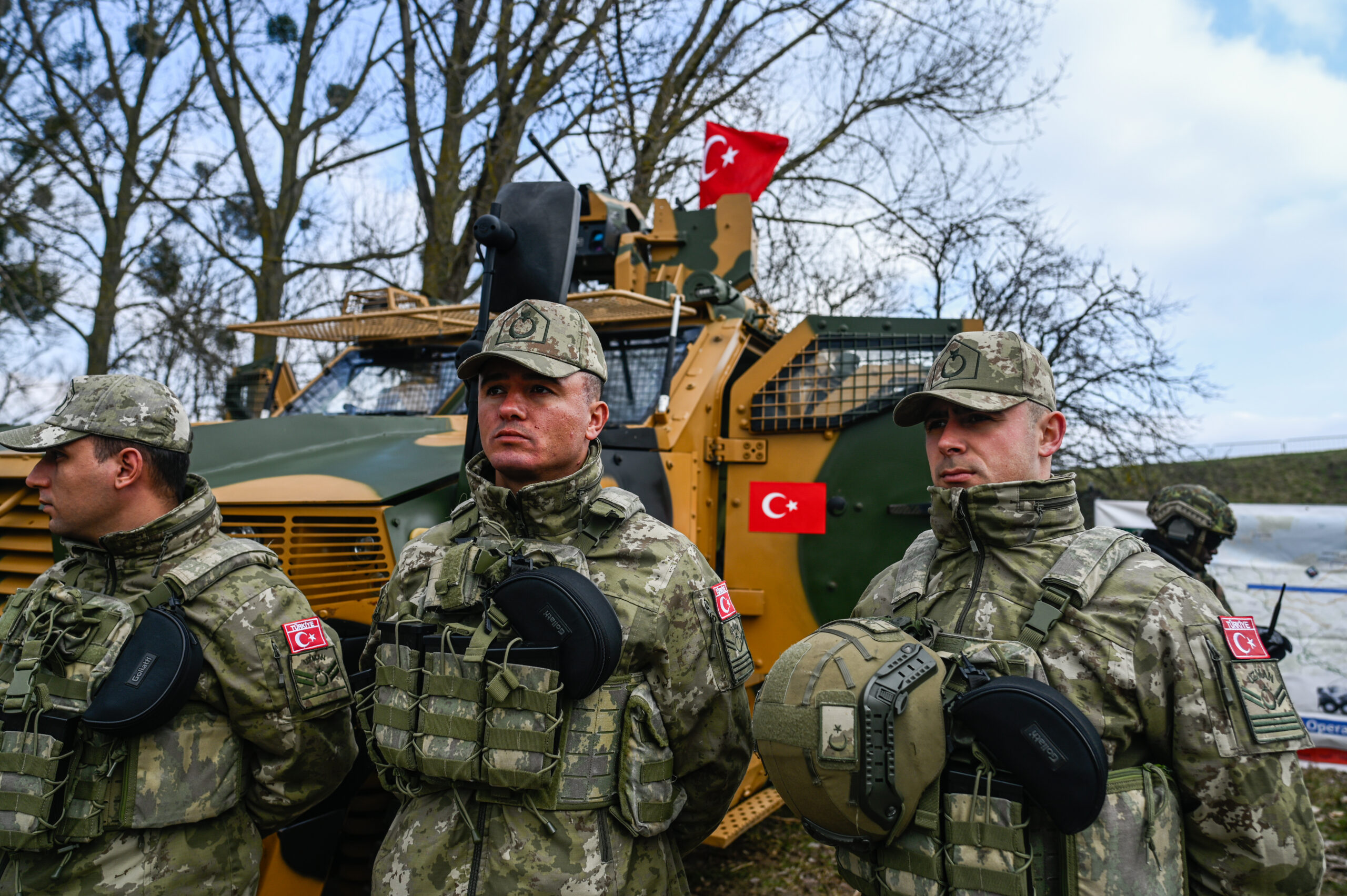
In its 2022 Strategic Concept, NATO declared the Black Sea Region (BSR) of strategic importance for the Alliance, yet this recognition has never translated into NATO developing a proper strategy toward its critical southeastern flank. That glaring gap must be addressed right away.
NATO’s narrow window of opportunity for an effective Southern Strategy
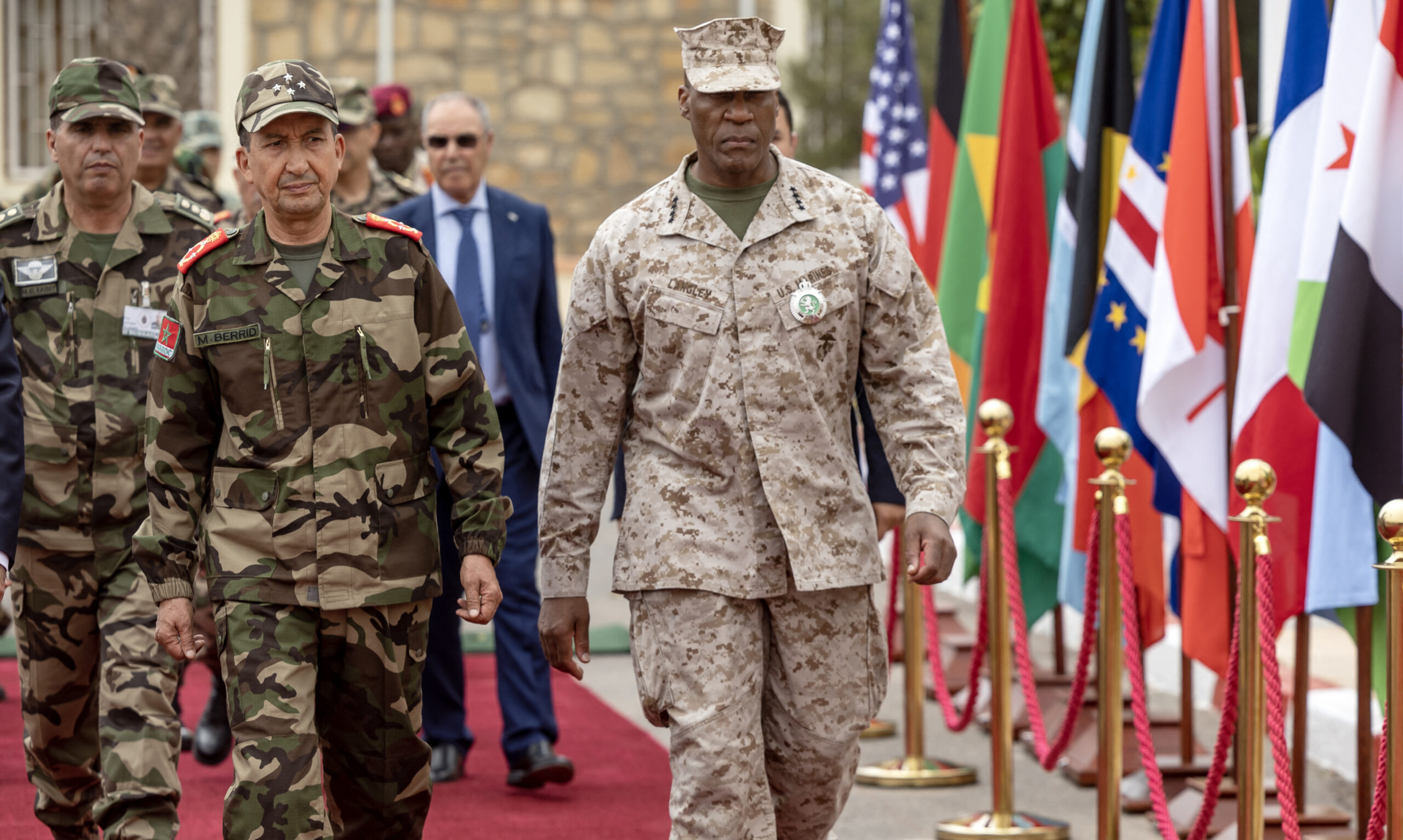
While the Washington Summit is unlikely to deliver any ground-breaking outcome, it certainly offers the opportunity to articulate the nexus between security in Europe and the Mediterranean-African region. NATO also has the opportunity to renew and streamline its partnerships with Middle Eastern and North African countries while strengthening its outreach to Africa.
No real alternative: The failure of opposition parties in Iraq’s Kurdistan Region
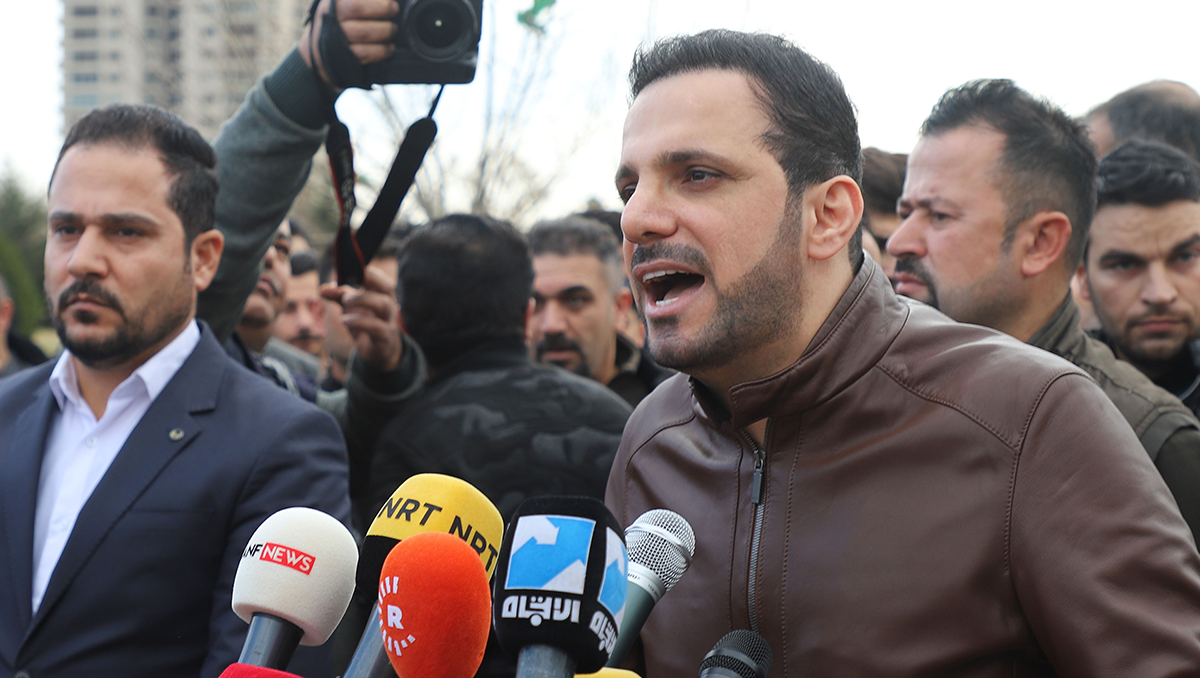
Politics in Iraq’s Kurdistan Region is centered on the ruling duopoly of the Kurdistan Democratic Party (KDP) and the Patriotic Union of Kurdistan (PUK). Other political parties — broadly referred to as the opposition — offer themselves as alternatives to the KDP and the PUK, but are disorganized, divided, and largely unable to capitalize on public grievances about governance. At present, they do not constitute a viable alternative to the ruling parties.
A Turkish foreign minister in China: Subtitles of a silent visit
The most defining aspect of the Sino-Turkish relationship is the need for Turkey to find economic or geopolitical leverage to attain some semblance of equality with China. During Turkish Foreign Minister Hakan Fidan’s recent visit to Beijing, his subtle references to the Turkic and Islamic credentials of Xinjiang may have gotten lost in translation for the Chinese.
Even as more and more countries move toward authoritarianism, big cities across the world are becoming strongholds for pro-democracy forces, a fact underlined by the recent local elections in Israel and Turkey. So the question is, can cities lead a democratic revival in countries that have experienced a democratic recession?
Iraq’s prime minister will toe a fine line in Washington visit
Prime Minister Sudani has been delicately balancing between maintaining bilateral relations with Washington and ensuring political support for his cabinet from pro-Iran hardliners in Baghdad. Both sides have conflicting expectations from the prime minister, and delivering on his promises will come down to his ability to convince each to compromise. But Sudani’s task has now become even more challenging as Iraq finds itself in the middle of direct confrontation between Iran and Israel.
Opposition Upset Victory in Turkey's Local Elections
On this week’s episode, Murat Somer – Professor of Political Science and International Relations at Istanbul’s Ozyegin University – and MEI Turkey Program Director Gonul Tol join MEI Editor-in-Chief Alistair Taylor to discuss the main opposition party’s surprising victory in Turkey’s March 31 local elections. In what some are calling a “red wave,” the Republican People’s Party (or CHP) notched up victories in both major cities and smaller towns and villages, winning control of Turkey’s 5 largest metropolitan areas and 35 of its 81 provincial municipalities.