The thickening fog of tactics and propaganda in Trump’s foreign policy
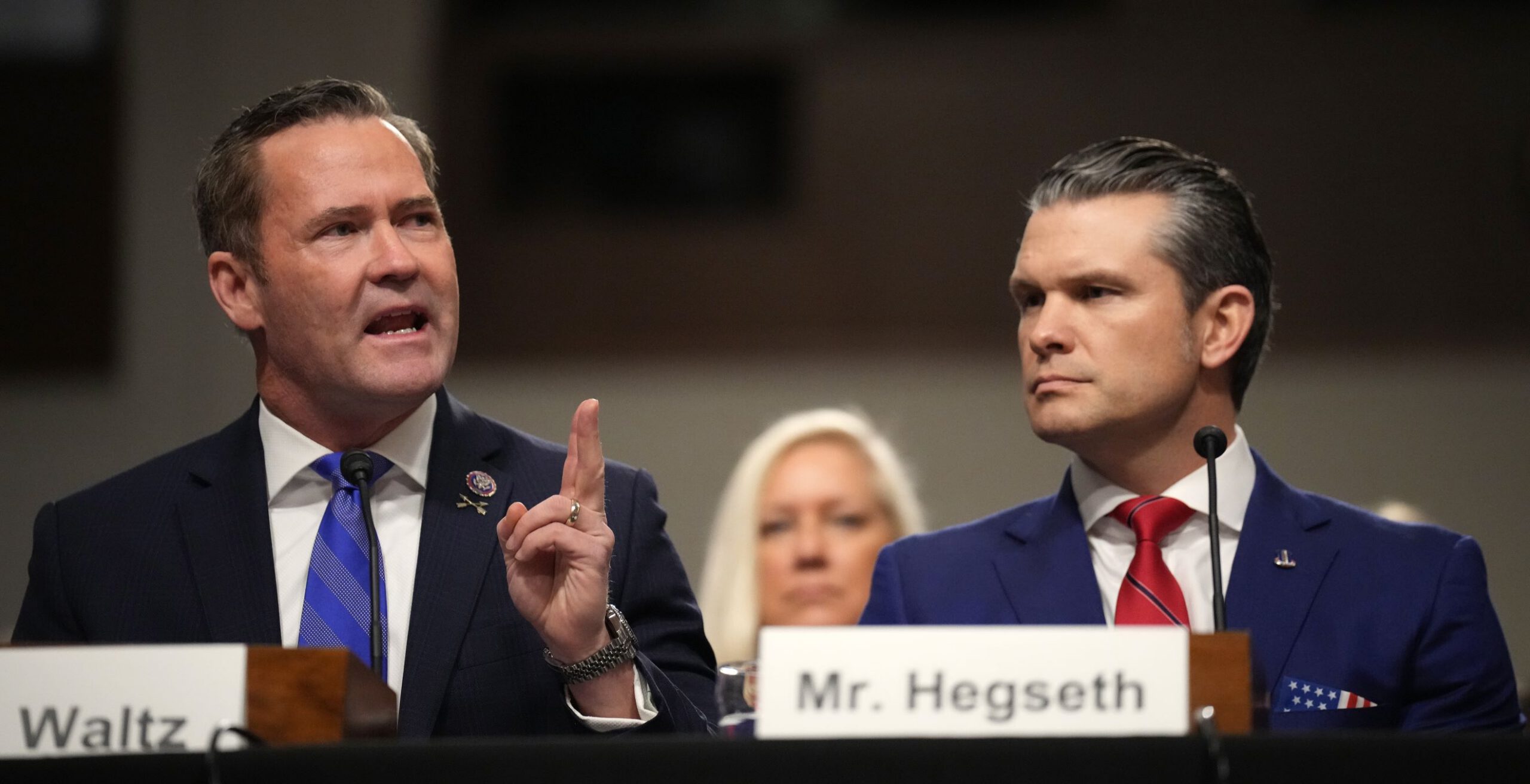
The leaked Signal chat among top US administration officials discussing military strikes against the Houthis laid bare the central problems with Trump 2.0’s nascent national security approach: a strong inclination to prioritize tactics and propaganda in statecraft without a clear and practical strategic framework to deal with the biggest challenges in the world and in the Middle East.
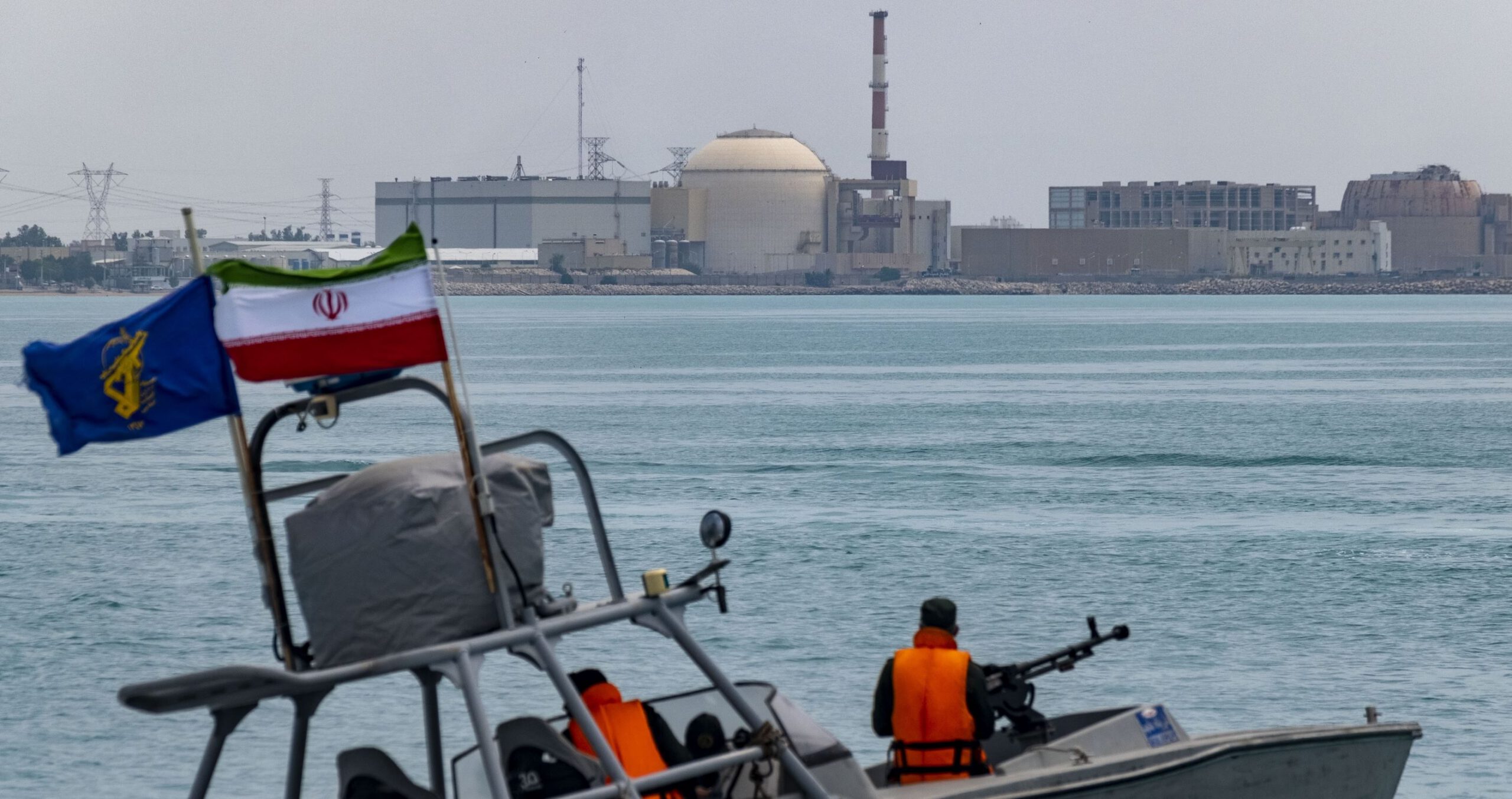
Iran is accumulating enough near-weapons-grade enriched uranium to build a nuclear weapon within weeks or months, not years. President Donald Trump, having withdrawn the United States in 2018 from the nuclear deal that would have postponed that possibility, is now appealing for negotiations with Tehran. But in the Middle East, the nuclear question does not concern only Iran.
Reimagining Syria: A Roadmap for Peace and Prosperity Beyond Assad
The work of the Syria Strategy Project and the considerable policy recommendations found in this report present a realistic and holistic vision for Syria’s recovery and reintegration into the international system.
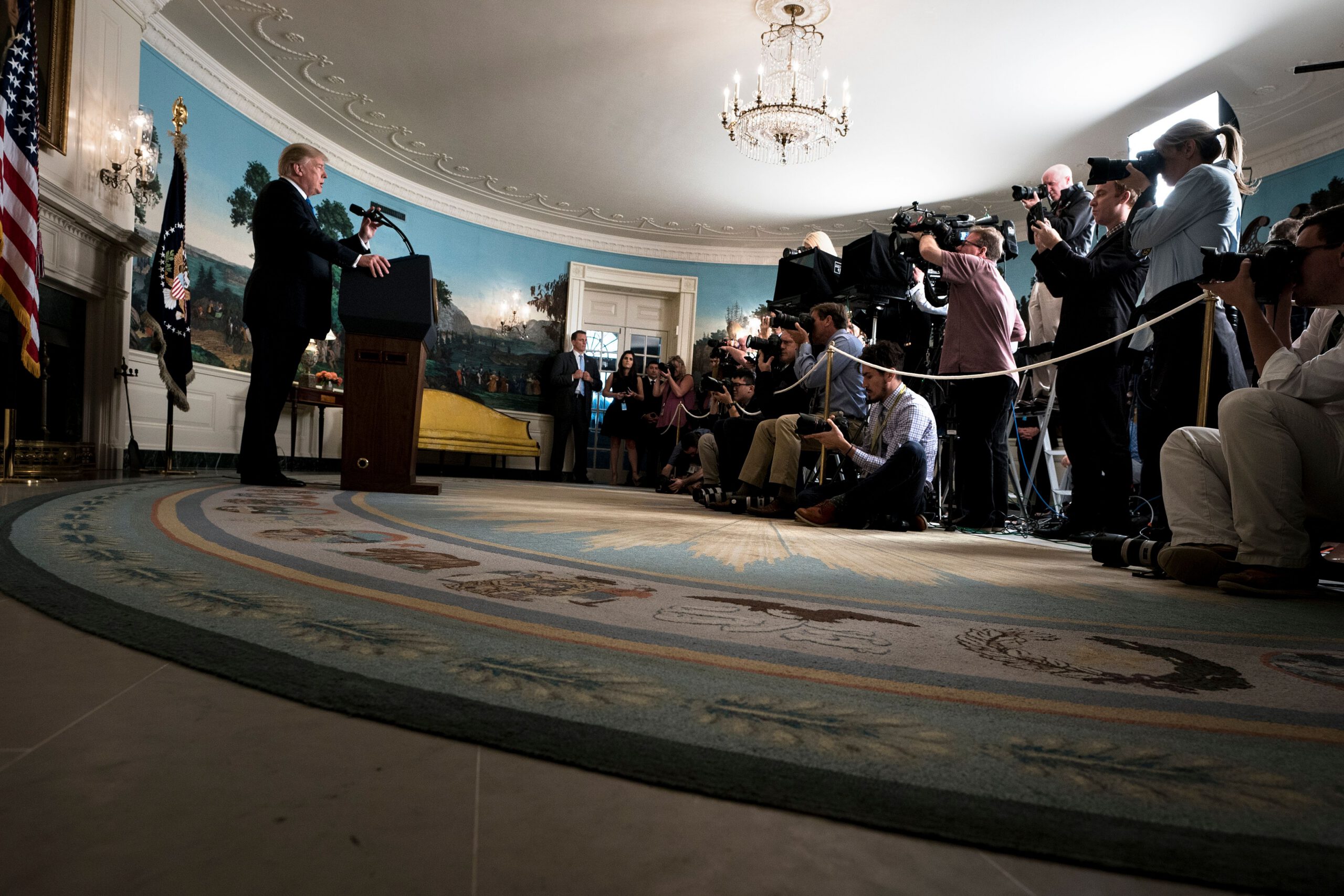
Trump brings his foreign policy improv act to the Middle East
While most media attention was focused on its global economic policy moves, the Trump administration continued to keep the Middle East high on its agenda this past week, with the president sending a letter to Iran’s supreme leader and his team directly engaging with the Palestinian group Hamas. This continued engagement on the region’s top two strategic questions, Iran and Arab-Israel affairs, contrasted with America’s hands-off approach to Syria, which saw some troubling violence.
The national dialogue in Syria: A step forward or a concerning trajectory?
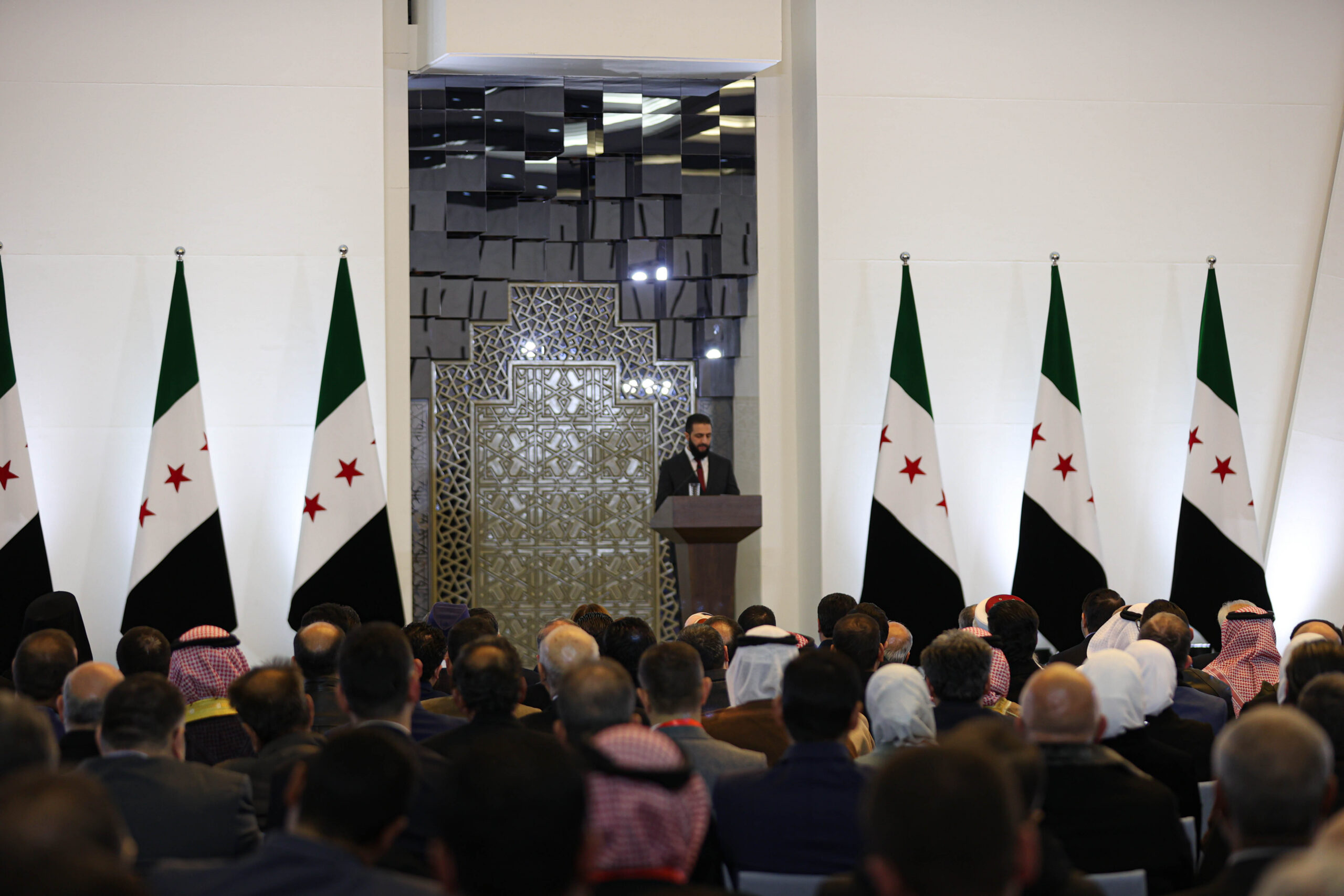
Syria’s national dialogue, held in Damascus at the end of February, was intended to chart the country’s future, one that would have been unthinkable just three months earlier. However, the process and outcomes of the dialogue were flawed, left critical questions unanswered, and raised new concerns.
Trump’s mixed messages and actions on the Arab-Israeli front
Some analysts try to explain Trump’s Middle East rhetoric as an effort to provoke a new type of conversation and to break the mold. But one unconventional source that helps explain Trump’s tactics is pro wrestling, in which the actions are understood to be illusory but still prompt a response from all sides.
Trump’s diplomatic gambit in the Middle East at one month
This massive distraction of the Trump administration’s Gaza non-plan and the even more serious move of dismantling America’s ability to shape and influence events abroad together carry three risks for the Middle East.
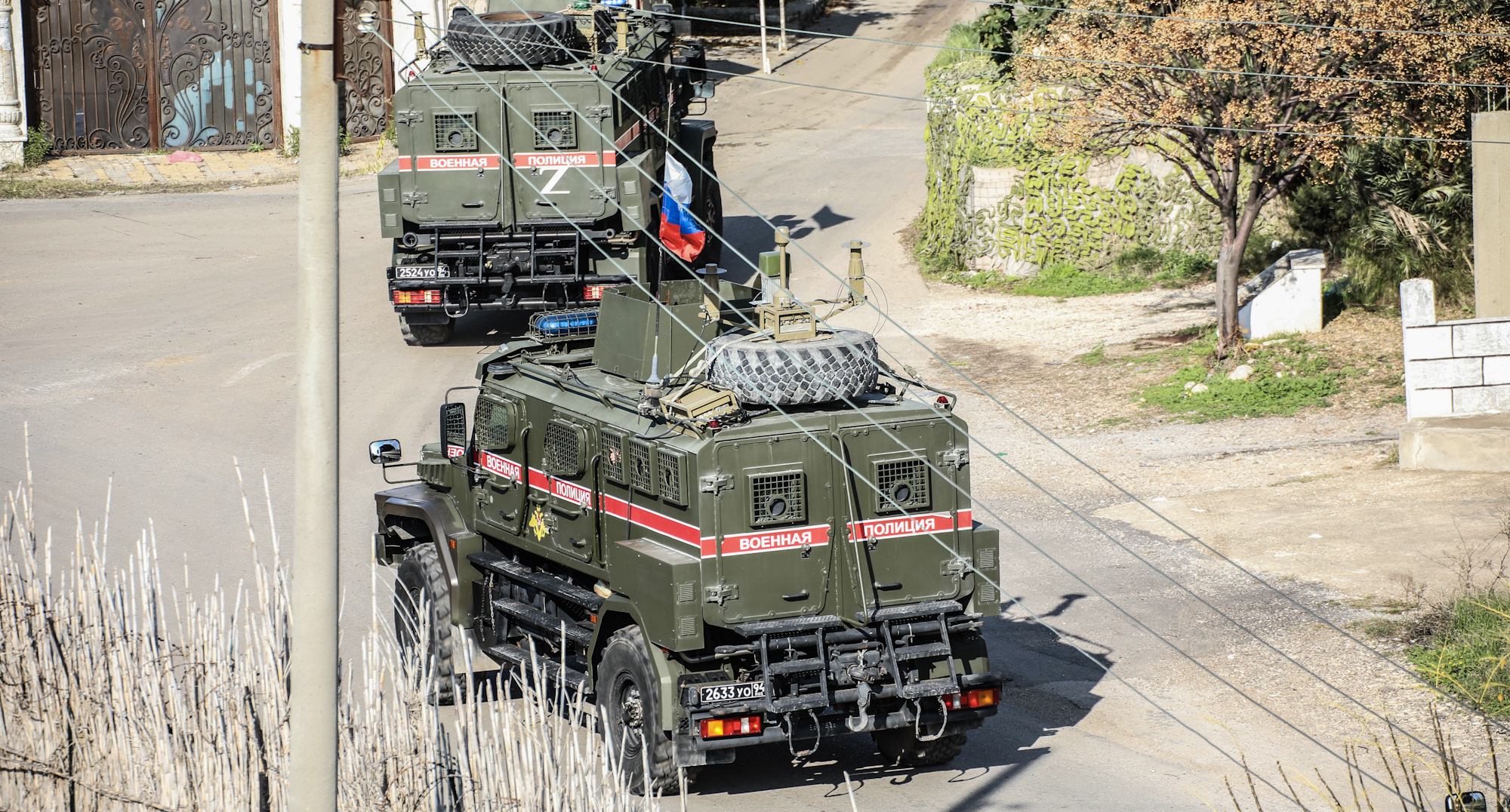
Rebalancing Russia’s Mediterranean strategy: From showing the flag to retreating to the gray zone
Either maintaining Russia’s military bases in Syria or finding an alternative outpost in the Mediterranean will prove extremely difficult for Moscow. And part of the problem with pursuing the latter option, particularly if in Libya, is that it would require a full-on transformation of Russia’s military presence model — from more traditional bases designed to establish deterrence by showing the flag in the region to building up a military and logistical operation inside a security “gray zone.”
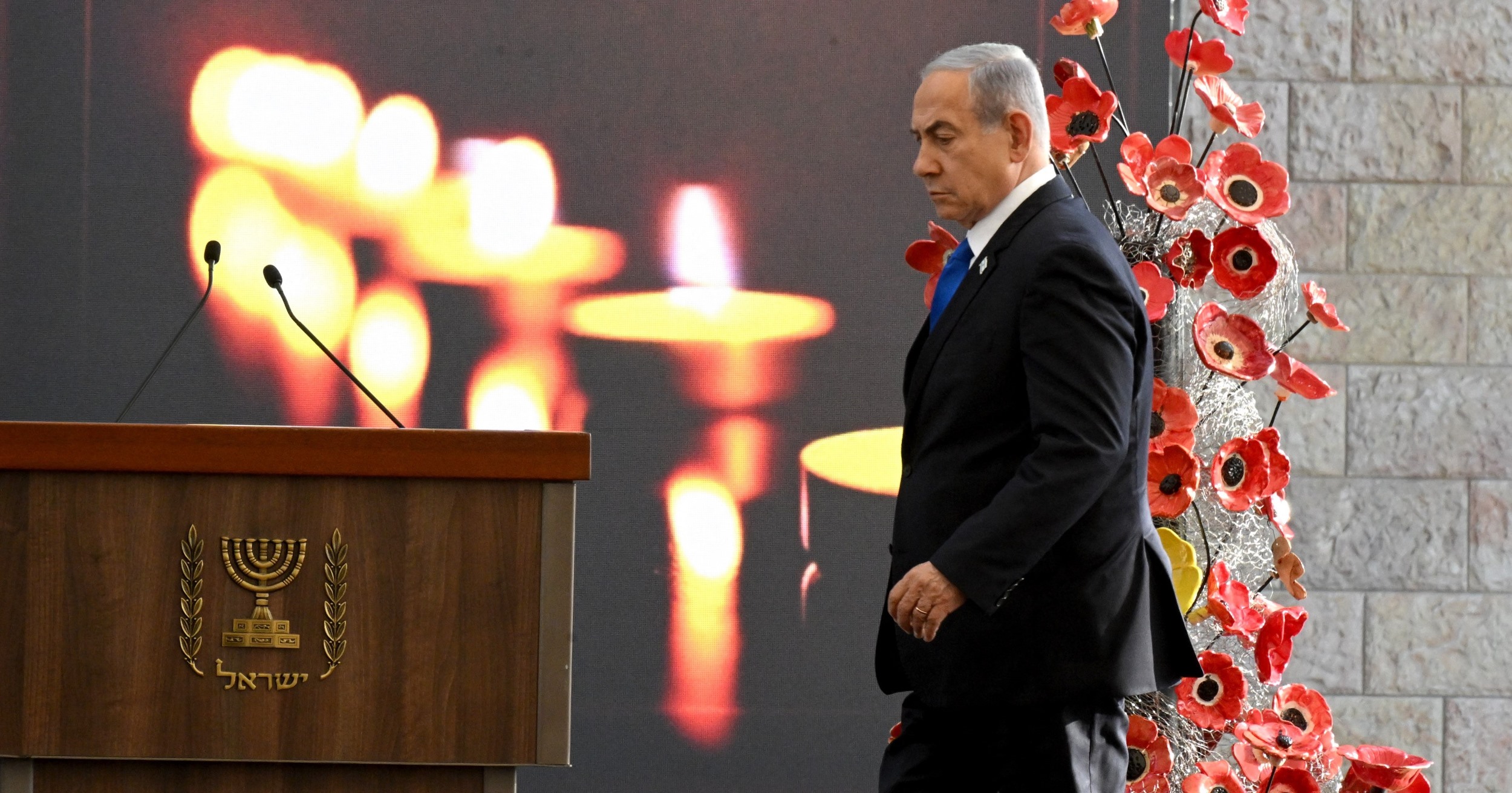
Israeli Prime Minister Benjamin Netanyahu faces a potentially disastrous showdown within the next month that could shake his hold on power, unless he manages to deter the strongly held positions of the foreign and domestic politicians and political forces on which he is dependent.
Beyond “Maximum Pressure” in US Policy on Iran: Leveraging Regional Partners to Contain Iran's Actions and Shape its Future Choices
In his second term in office, President Donald Trump faces a Middle East undergoing multifaceted upheaval and an Islamic Republic of Iran currently in its weakest and most isolated position since the founding of the regime in 1979. Yet far from permanently subdued, Tehran continues to move closer to building a nuclear weapon, and it is trying to preserve its regional network of proxies and non-state allies. Trump now faces an important strategic choice on Iran policy. This report analyzes three overarching dynamics: the shifting strategic landscape across the Middle East in 2023-24; the impact of these shifts on Iran and its Axis of Resistance network; and Iran’s current position and standing at home and in the region. It concludes with a series of strategic-level recommendations for the new administration.
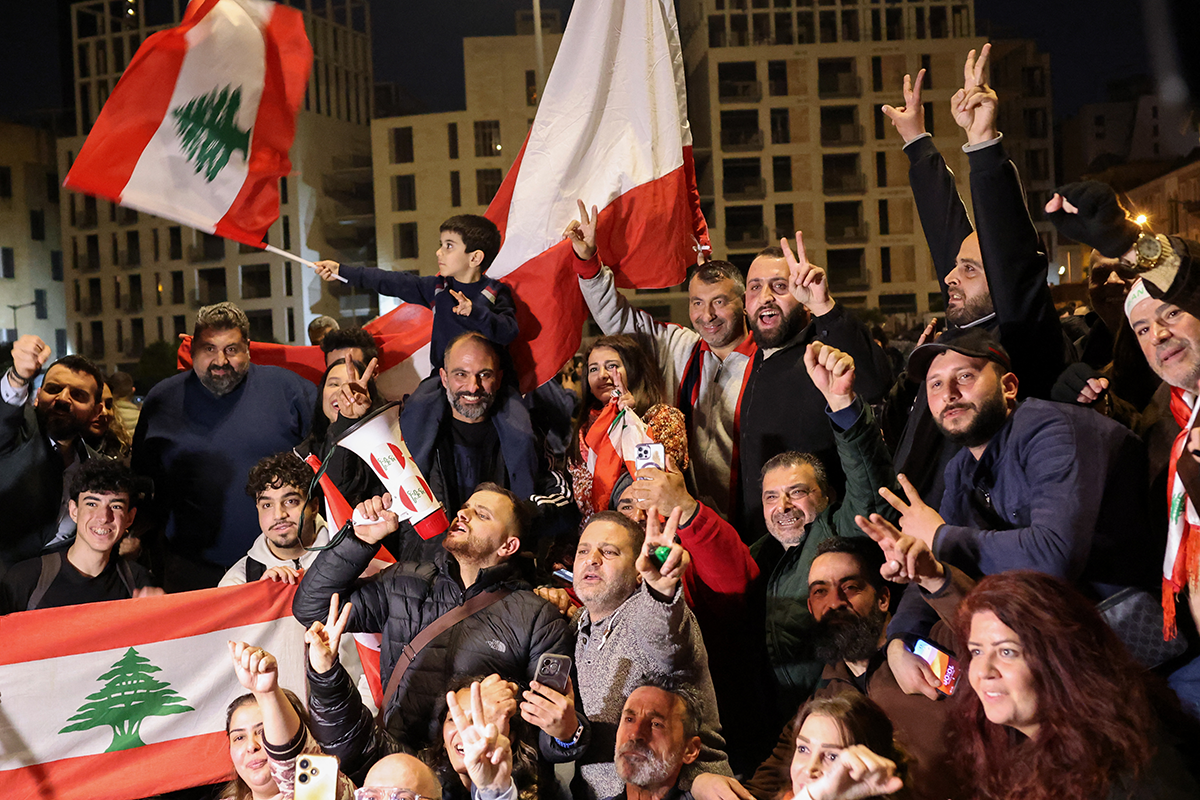
The election of President Joseph Aoun and Prime Minister Nawaf Salam is a political breakthrough in Lebanon and a harbinger of what could happen in a country long dismissed as unsalvageable. Beirut’s new leadership reflects the aspiration of a majority of the Lebanese people to live in a functioning state free from the dual drivers of its failure: political violence and pervasive corruption. Those leaders must now deliver on their commitment to establish a state committed and accountable to its people and rise to meet the responsibility that comes with holding the promise of a nation’s future.
Will Damascus-SDF negotiations lead to agreement or escalation?
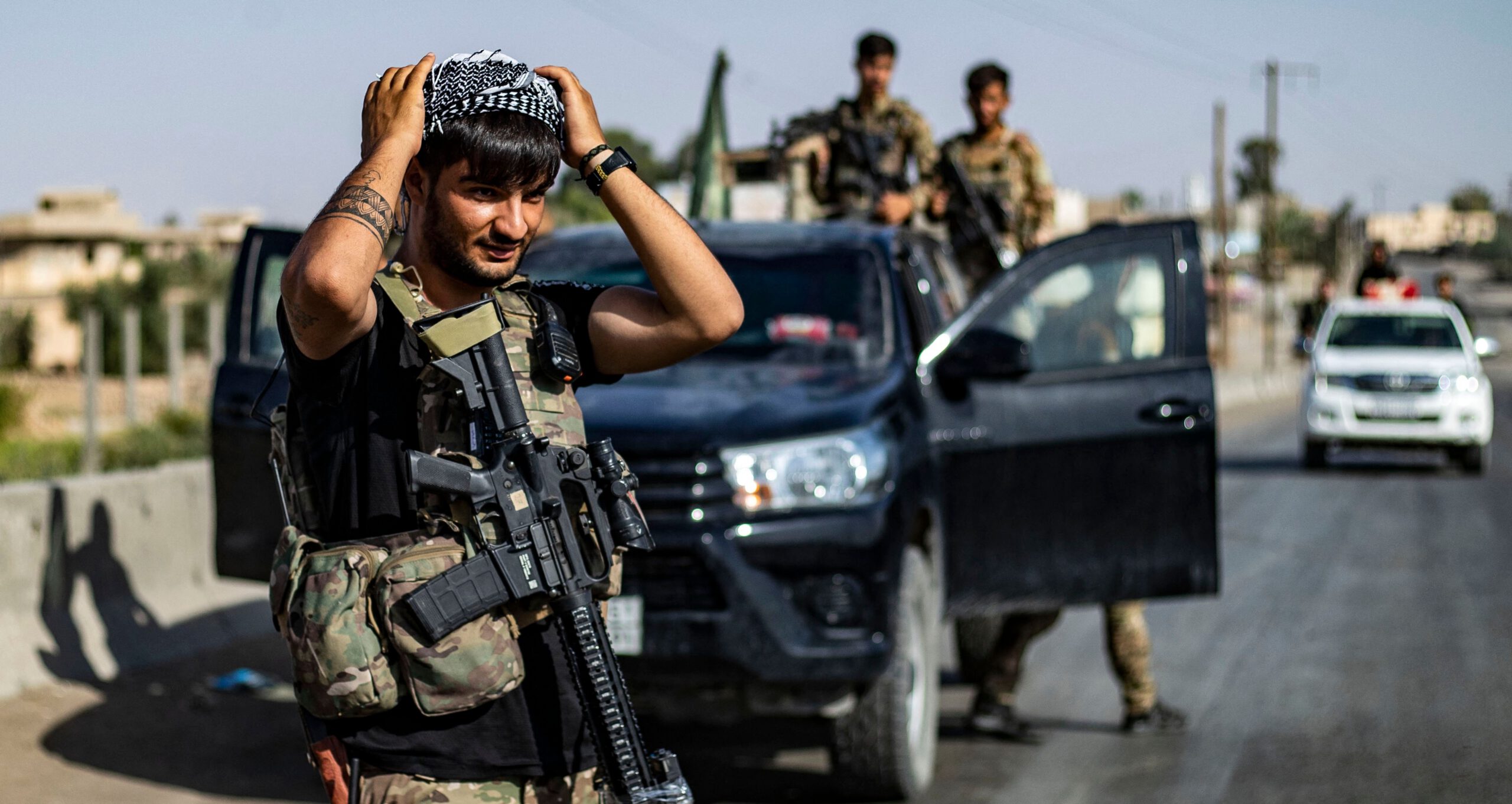
It is becoming apparent that negotiations between the new leadership in Damascus and the Syrian Democratic Forces (SDF) face significant obstacles due to disagreements over military structure and administrative demands. These issues reflect the difficulty of reaching a mutual understanding between the two parties. As these challenges persist, there is growing talk of a potential military escalation in eastern Syria, amid residents’ fears and international mediation efforts to contain the crisis and achieve progress in the negotiations.
Syria’s first post-Assad protests broke out on Dec. 25 after a video claiming to show the destruction of an Alawite shrine spread rapidly across Facebook. The video was quickly debunked as several weeks old, the shrine only partially damaged, and the damage occurring during the capture of Aleppo city rather than in an act of sectarian vandalism. But those first hours were enough to stir up the widespread fears lingering just below the surface among Syria’s Alawite minority, bringing many Alawites (as well as Sunnis) to the streets to denounce sectarianism.
A different Middle East: How should Washington respond?
A very different Middle East will greet President-elect Trump this month compared to the region he experienced during his first term. However, there are opportunities to advance American interests for a more stable and less conflictual Middle East, which might not require the kind of intense US commitment we have seen over the last quarter-century.