Trump’s mixed messages and actions on the Arab-Israeli front
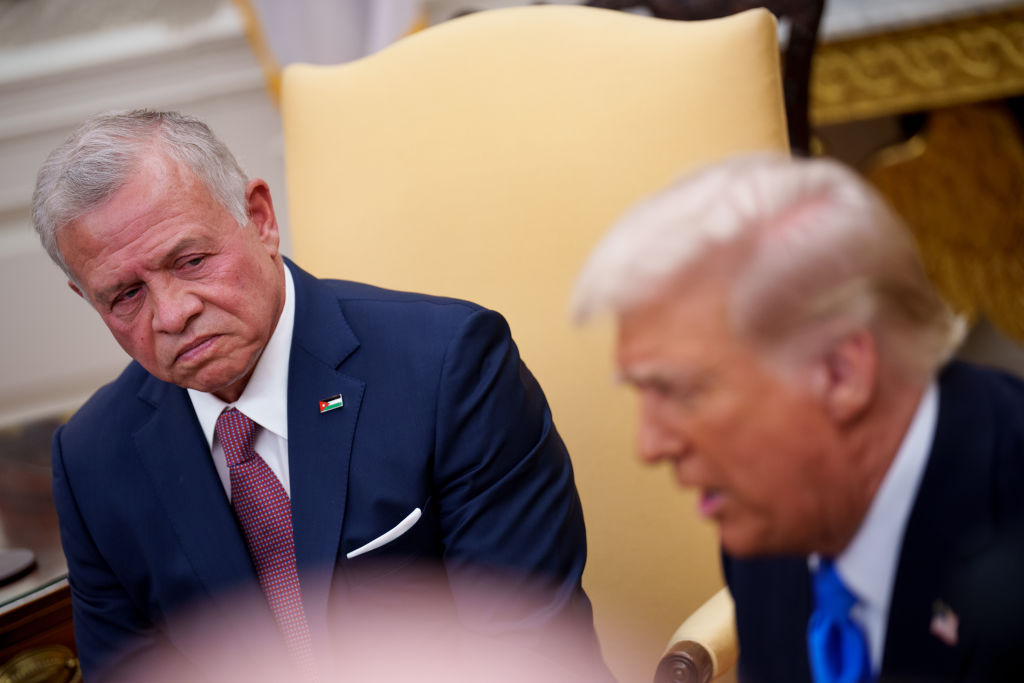
Some analysts try to explain Trump’s Middle East rhetoric as an effort to provoke a new type of conversation and to break the mold. But one unconventional source that helps explain Trump’s tactics is pro wrestling, in which the actions are understood to be illusory but still prompt a response from all sides.
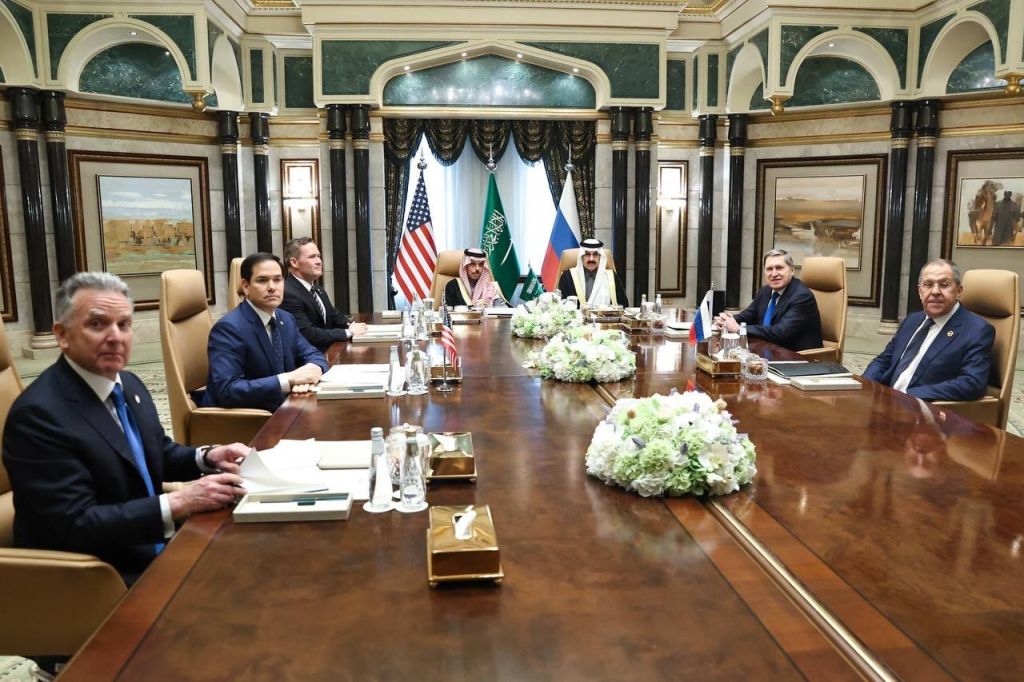
Trump’s diplomatic gambit in the Middle East at one month
This massive distraction of the Trump administration’s Gaza non-plan and the even more serious move of dismantling America’s ability to shape and influence events abroad together carry three risks for the Middle East.
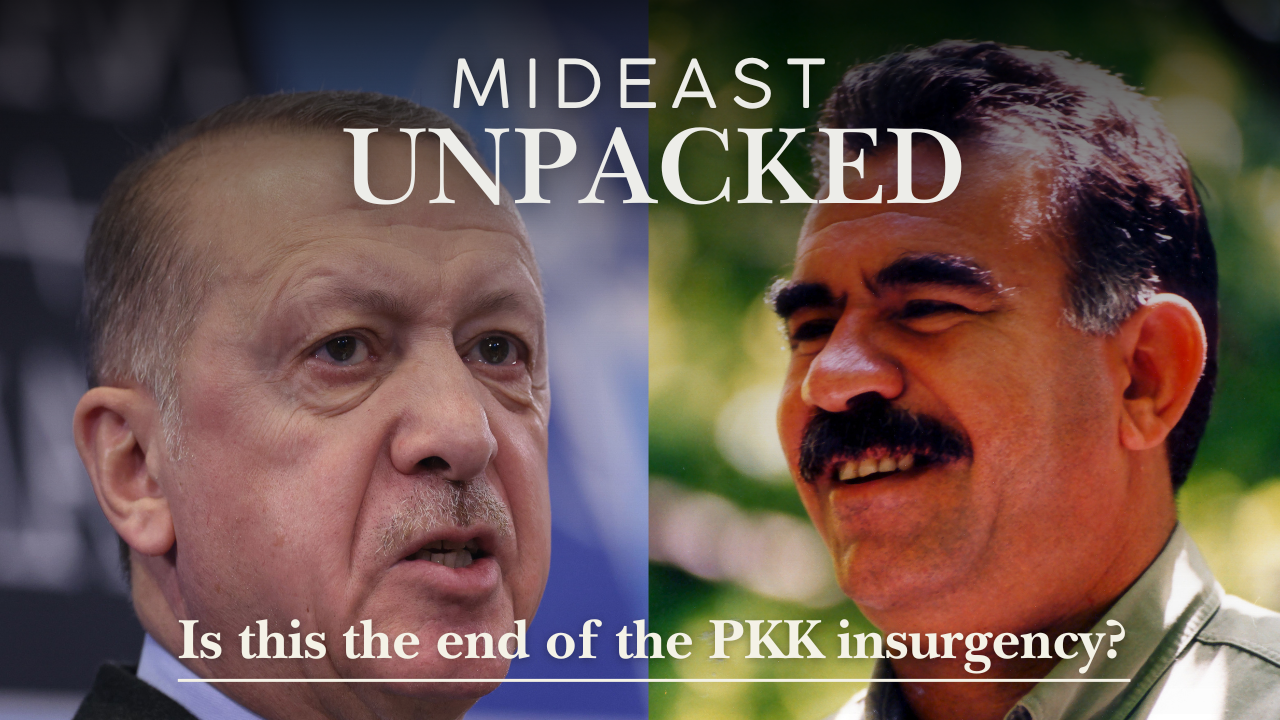
A historic shift may be on the horizon, as Turkey and Kurdish militant leader Abdullah Ocalan engage in unexpected peace talks. After 40 years of insurgency and 40,000 lives lost, Ocalan is expected to call for PKK fighters to lay down their arms. However, with President Erdogan’s democratic backsliding and continued crackdown on Kurdish political rights, questions remain about whether lasting peace is possible. MEI’s Gönül Tol explains.
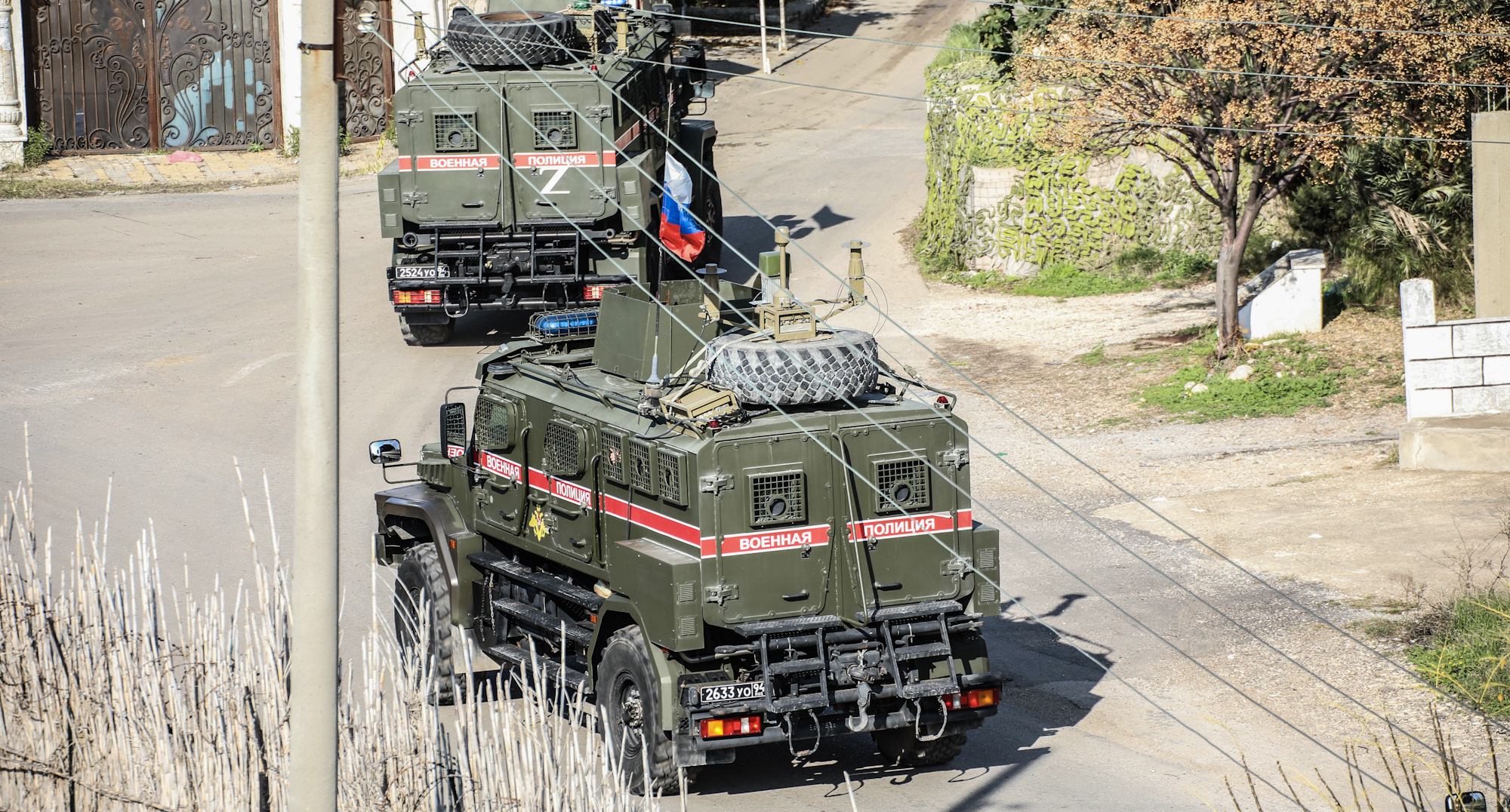
Rebalancing Russia’s Mediterranean strategy: From showing the flag to retreating to the gray zone
Either maintaining Russia’s military bases in Syria or finding an alternative outpost in the Mediterranean will prove extremely difficult for Moscow. And part of the problem with pursuing the latter option, particularly if in Libya, is that it would require a full-on transformation of Russia’s military presence model — from more traditional bases designed to establish deterrence by showing the flag in the region to building up a military and logistical operation inside a security “gray zone.”
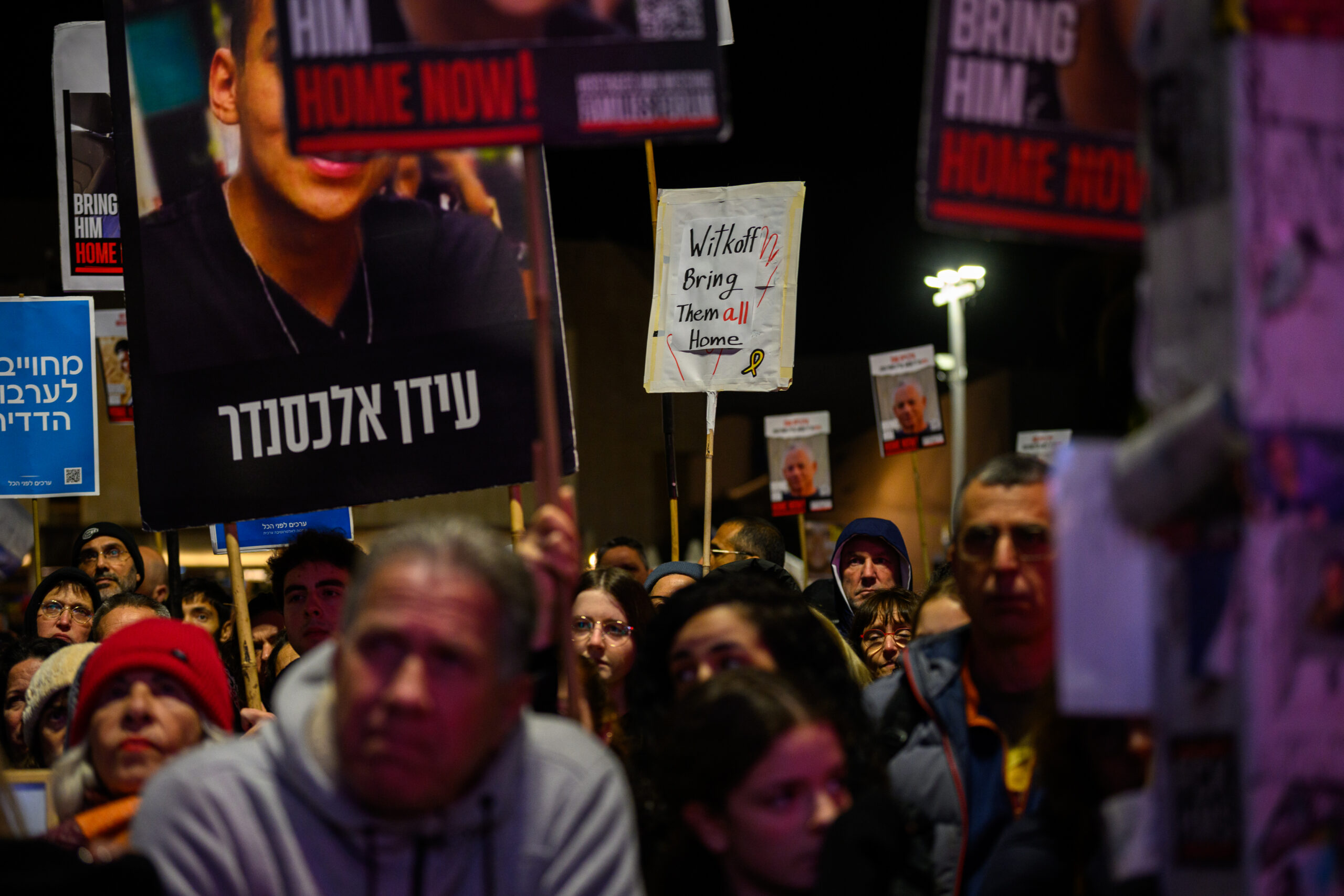
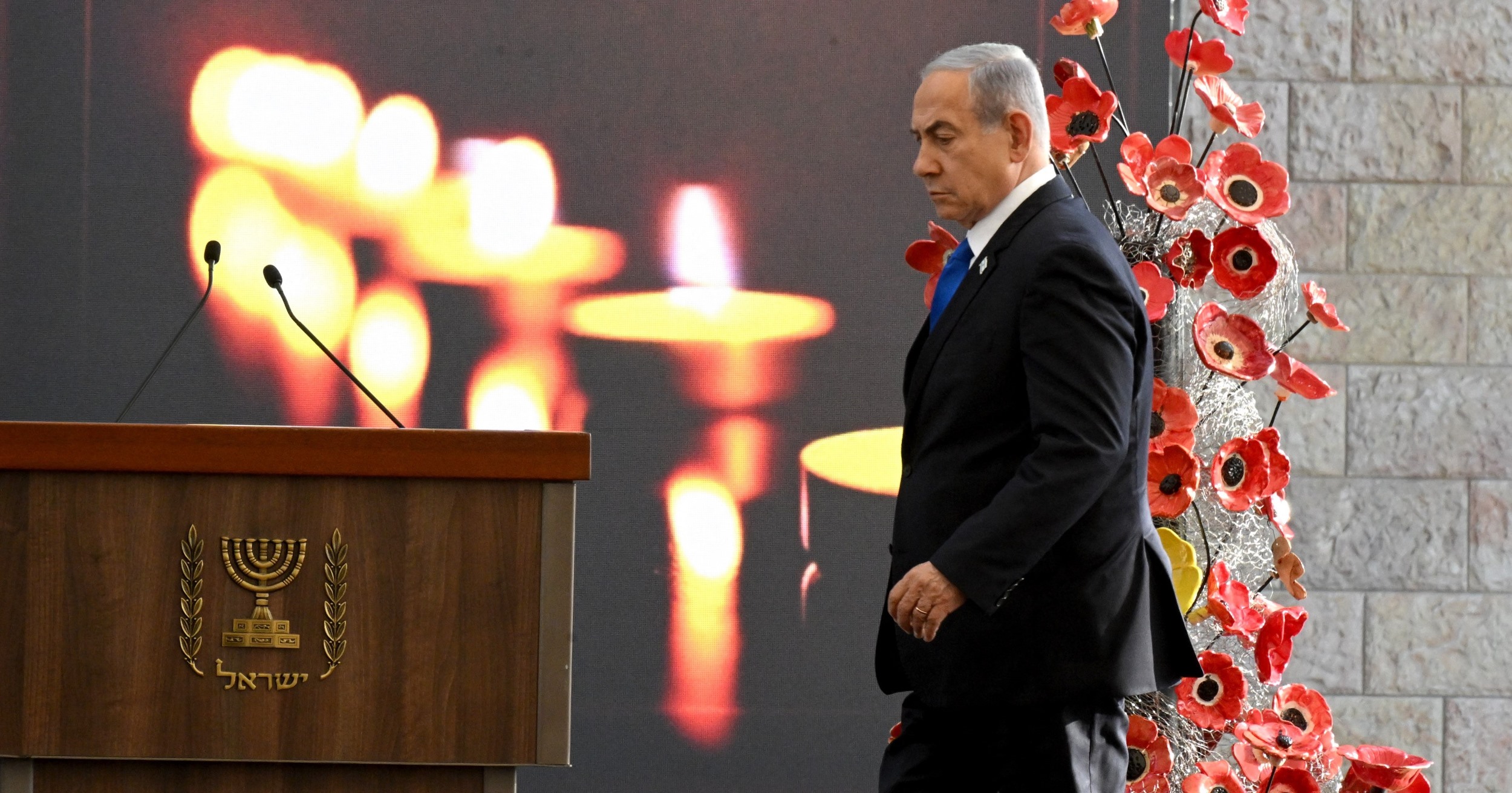
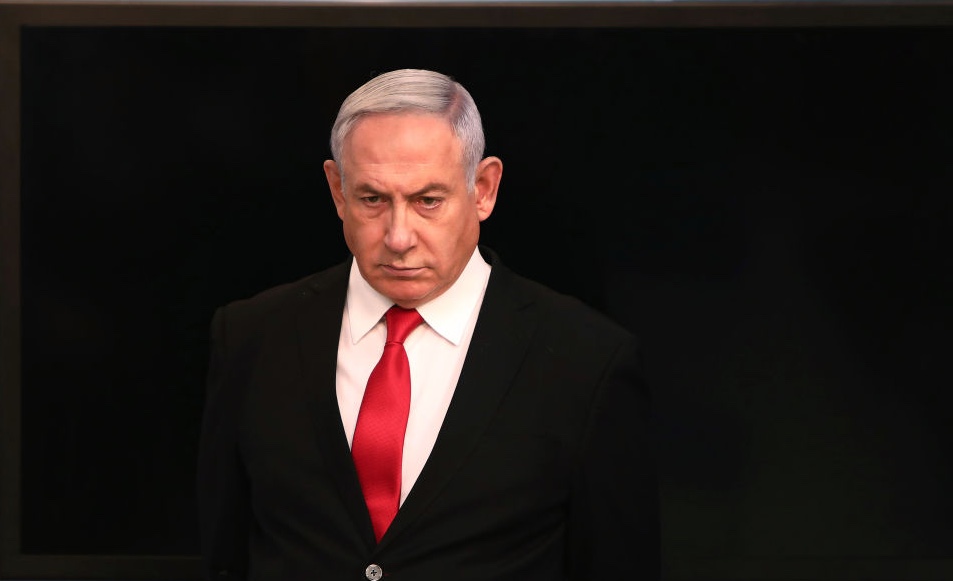
Israeli Prime Minister Benjamin Netanyahu faces a potentially disastrous showdown within the next month that could shake his hold on power, unless he manages to deter the strongly held positions of the foreign and domestic politicians and political forces on which he is dependent.
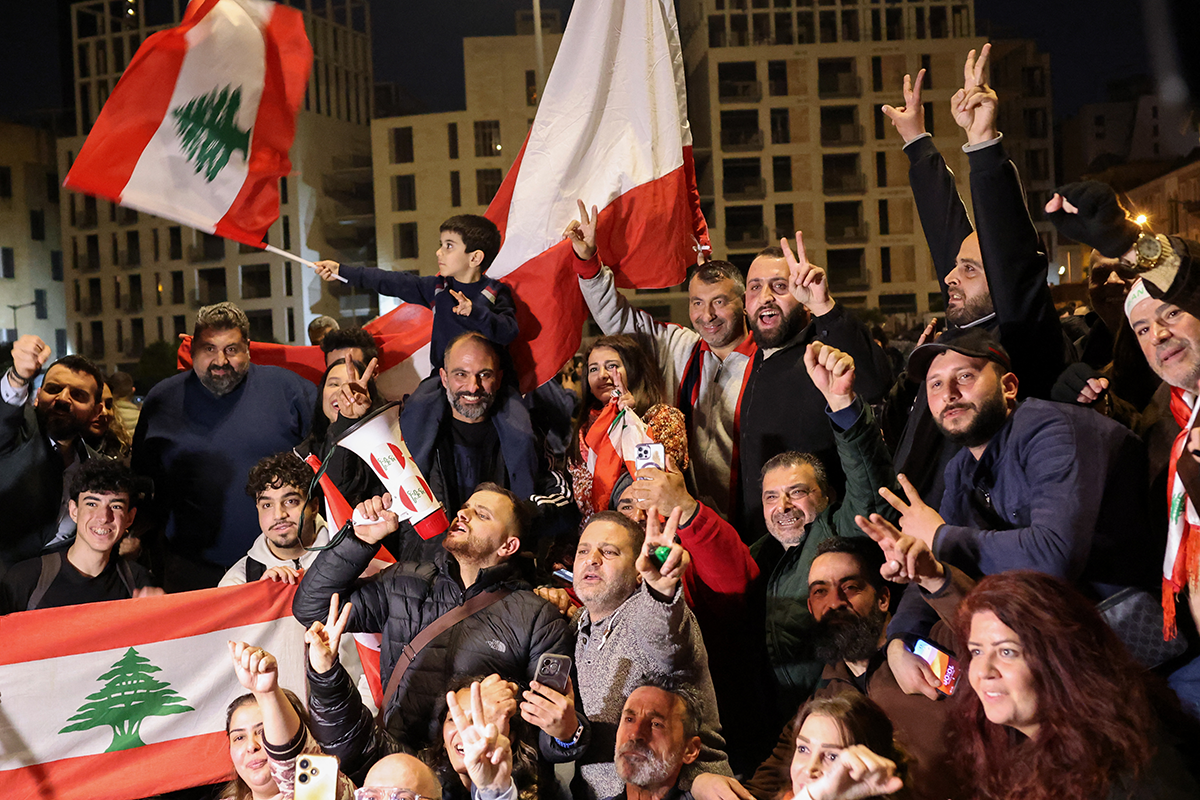
The election of President Joseph Aoun and Prime Minister Nawaf Salam is a political breakthrough in Lebanon and a harbinger of what could happen in a country long dismissed as unsalvageable. Beirut’s new leadership reflects the aspiration of a majority of the Lebanese people to live in a functioning state free from the dual drivers of its failure: political violence and pervasive corruption. Those leaders must now deliver on their commitment to establish a state committed and accountable to its people and rise to meet the responsibility that comes with holding the promise of a nation’s future.
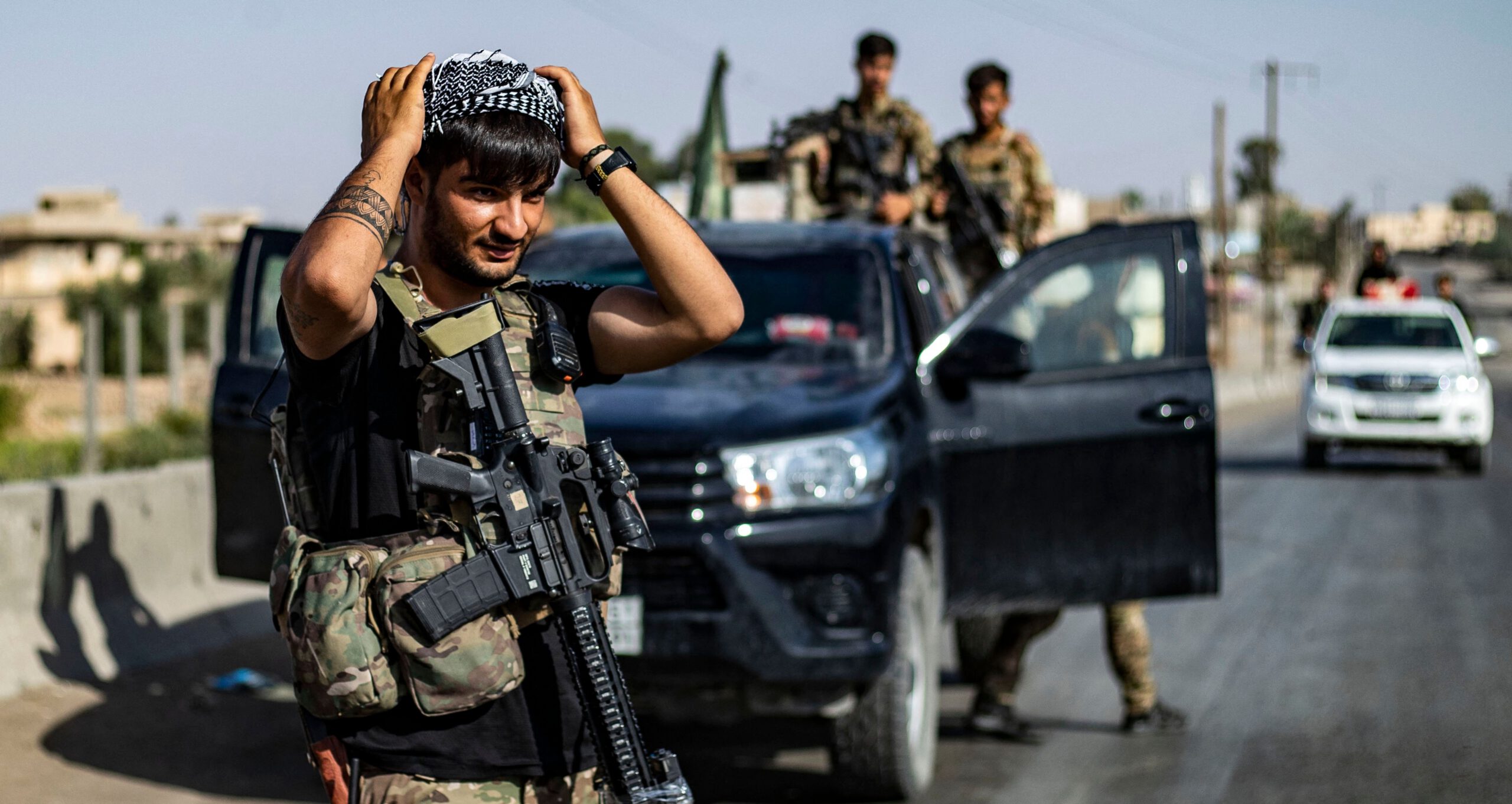
Will Damascus-SDF negotiations lead to agreement or escalation?
It is becoming apparent that negotiations between the new leadership in Damascus and the Syrian Democratic Forces (SDF) face significant obstacles due to disagreements over military structure and administrative demands. These issues reflect the difficulty of reaching a mutual understanding between the two parties. As these challenges persist, there is growing talk of a potential military escalation in eastern Syria, amid residents’ fears and international mediation efforts to contain the crisis and achieve progress in the negotiations.
A different Middle East: How should Washington respond?
A very different Middle East will greet President-elect Trump this month compared to the region he experienced during his first term. However, there are opportunities to advance American interests for a more stable and less conflictual Middle East, which might not require the kind of intense US commitment we have seen over the last quarter-century.
Saudi Arabia’s diversified support for a two-state solution
More than a year has passed since the horrific attacks that took the lives of 1,200 innocent Israeli citizens on Oct. 7, 2023, a devasting day that led to many more devasting days in Gaza, where tens of thousands of innocent people have died and countless more have experienced suffering on an industrial scale. All hopes that the war might soon wind down are fading, as the conflict has expanded regionally and internationally and attention has been diverted to a hot cease-fire in Lebanon and the dramatic events unfolding in Syria. Saudi Arabia can help support a credible path to peace.
Preserving evidence and securing justice for Assad’s crimes
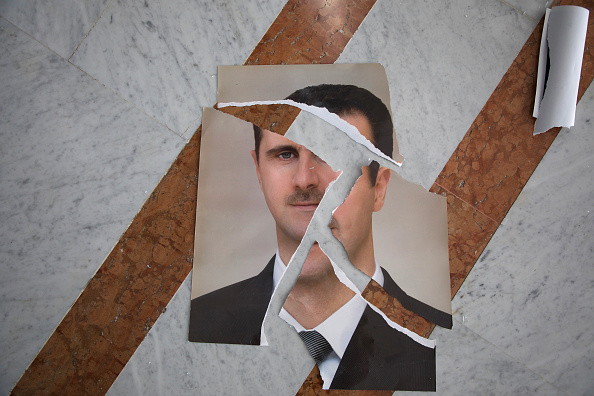
Under former President Bashar al-Assad’s regime, the Syrian security sector kept meticulous records of their crimes. The international community must now step up to help Syria’s new authorities secure and protect the documents, provide information to the loved ones of those who suffered in Assad’s prisons, and pursue justice.
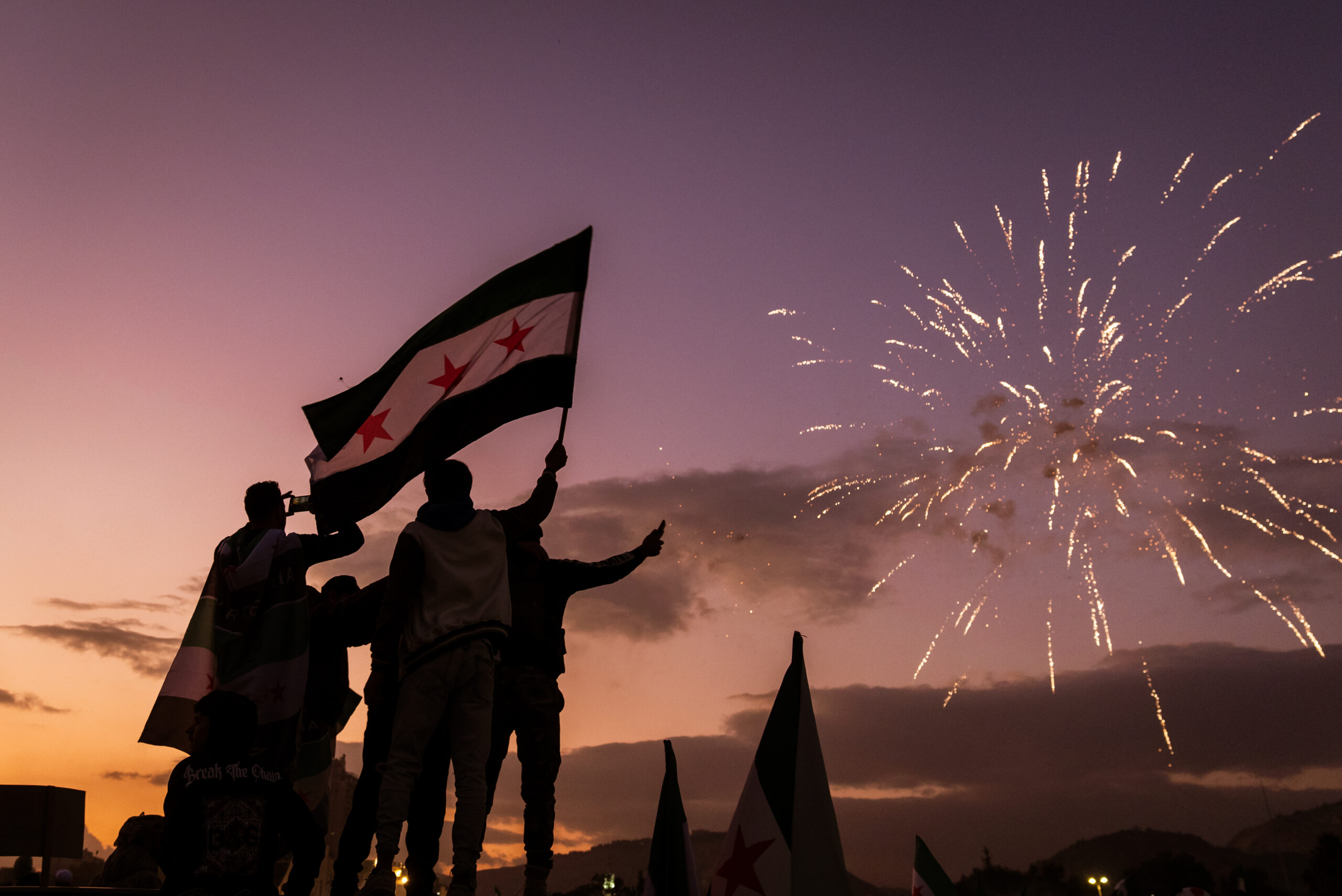
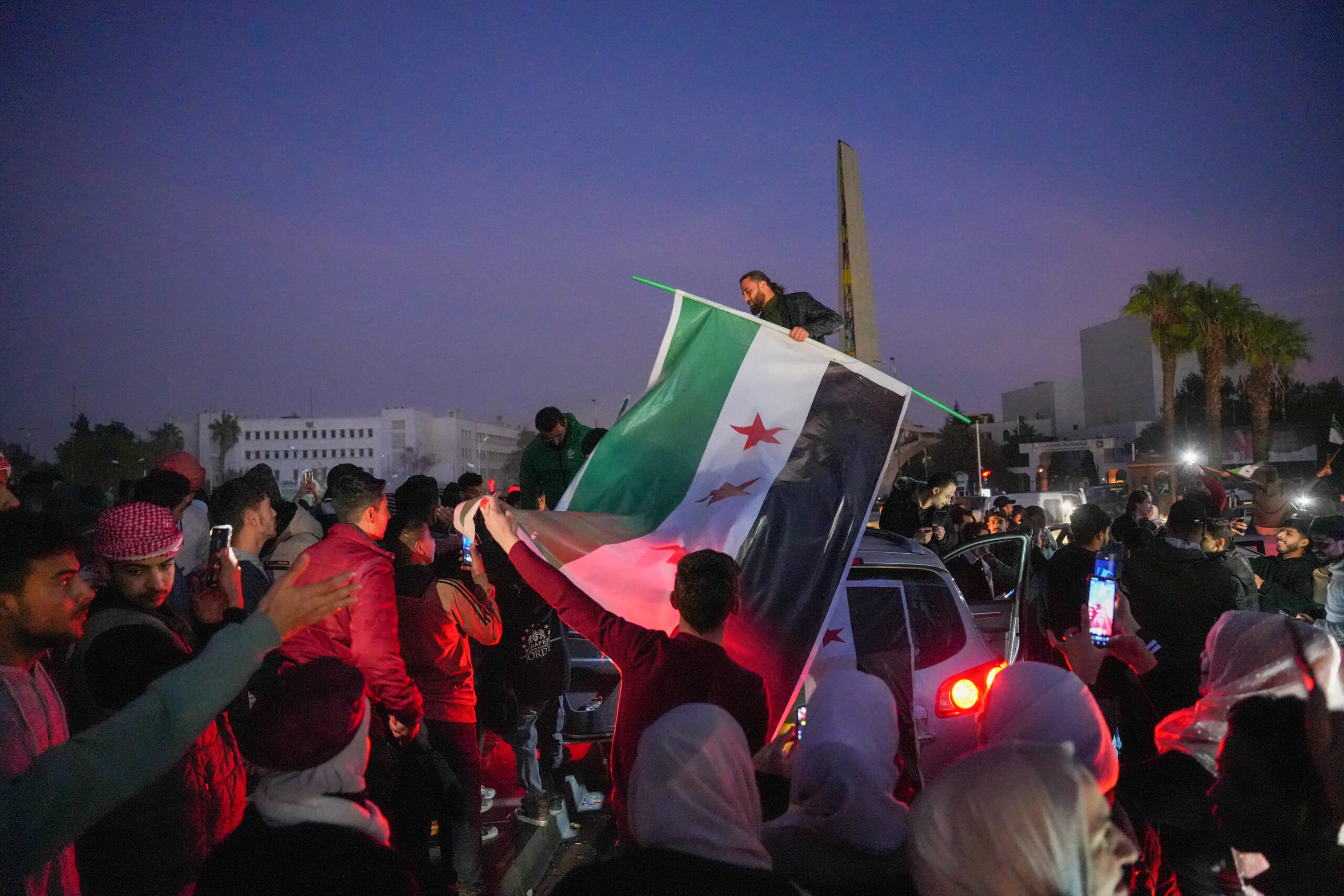
On Dec. 8, 2024, Bashar al-Assad’s regime fell. This is a fact, but it woefully understates the enormity, speed, and consequences of what has transpired. The brutal dictatorship that ruled Syria for more than 50 years disintegrated in fewer than 10 days. Celebrations erupted across public squares, thousands of Syrian refugees lined up at the borders of Turkey, Jordan, and Lebanon eager to return, and the release of political prisoners fueled hope for a new era after decades of despotism and conflict. However, concerns about Syria’s political future and territorial integrity quickly surfaced.
The current Israeli government’s extremism encompasses two entwined trends in Israeli political culture. The first is the rise and mainstreaming of the ideological settler movement and far-right nationalism. The second is Israel’s growing authoritarian tendencies, manifested in systematic efforts to reshape state institutions. As democratic institutions are weakened, the government faces fewer barriers to implementing its expansionist territorial agenda, while the mainstreaming of far-right ideology helps justify the erosion of democratic safeguards. Yet the vast majority of Israelis fail to recognize the connection between these trends, as do most policymakers in the United States.
Half a century of rule by the Assad family in Syria collapsed astonishingly quickly after insurgents burst out of a rebel-held enclave and took Damascus in a matter of days. For Turkish president Recep Tayyip Erdoğan, however, it was not fast enough. He has been waiting for this moment since the Syrian uprising in 2011 and is determined to reap the benefits of Bashar al-Assad’s ousting ahead of Turkey’s 2028 elections.
In most capitals across the Middle East, the news of Syrian President Bashar al-Assad’s fall sparked immense anxiety. Ankara is not one of them. Rather than worrying about Syria’s prospects after more than a decade of conflict, Turkish President Recep Tayyip Erdogan sees opportunity in a post-Assad future. His optimism is well founded: out of all the region’s major players, Ankara has the strongest channels of communication and history of working with the Islamist group now in charge in Damascus, positioning it to reap the benefits of the Assad regime’s demise.