Syrian armed groups divided over Turkey-Syria normalization push
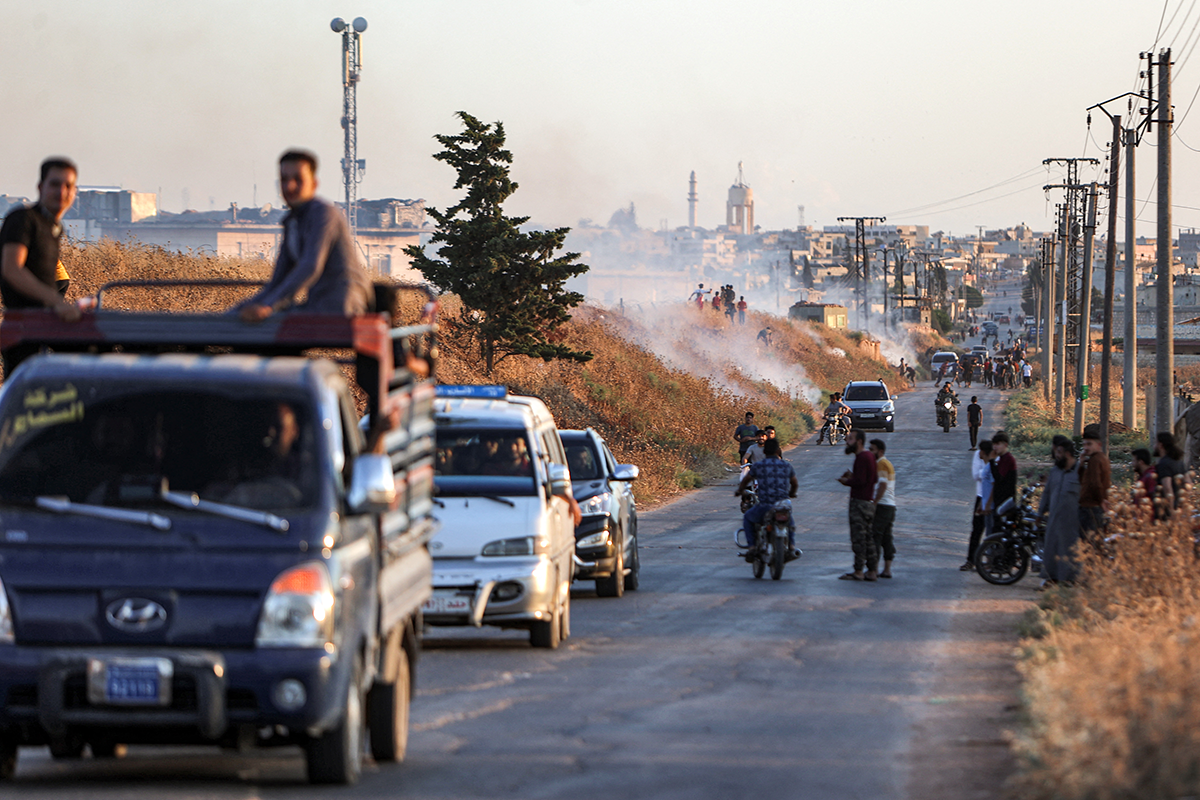
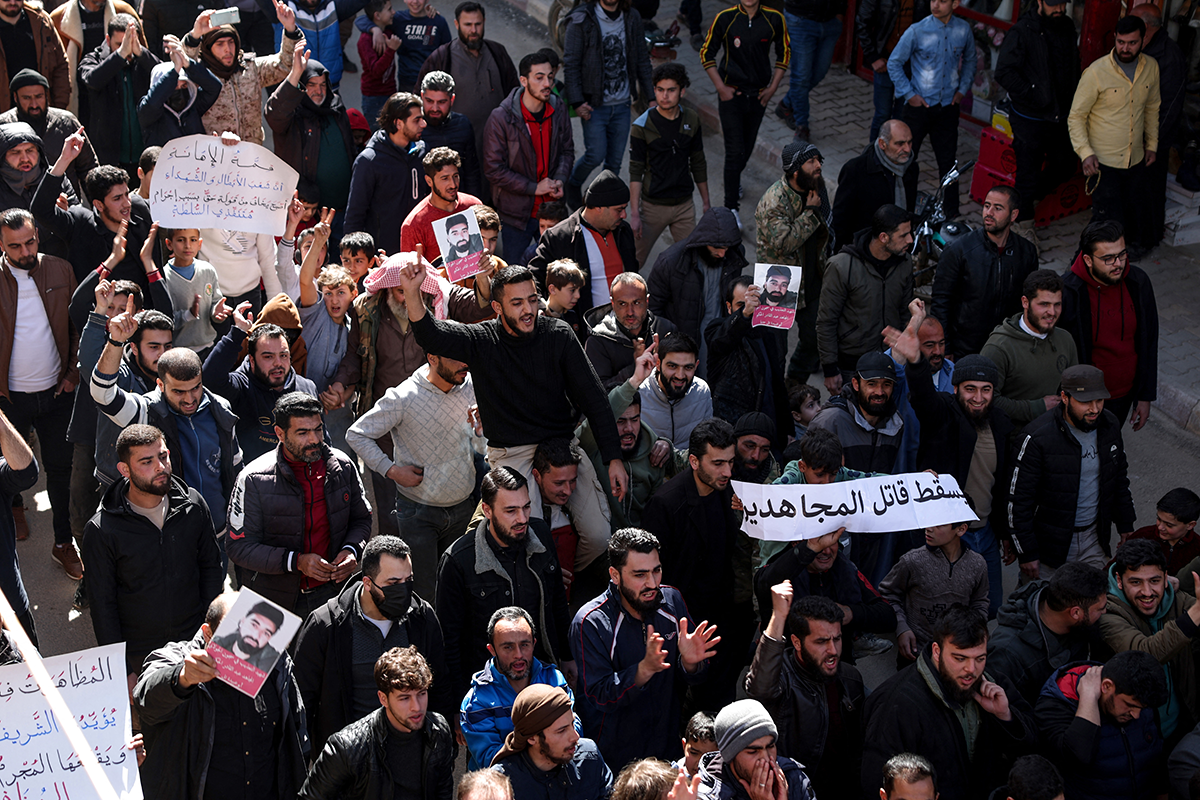
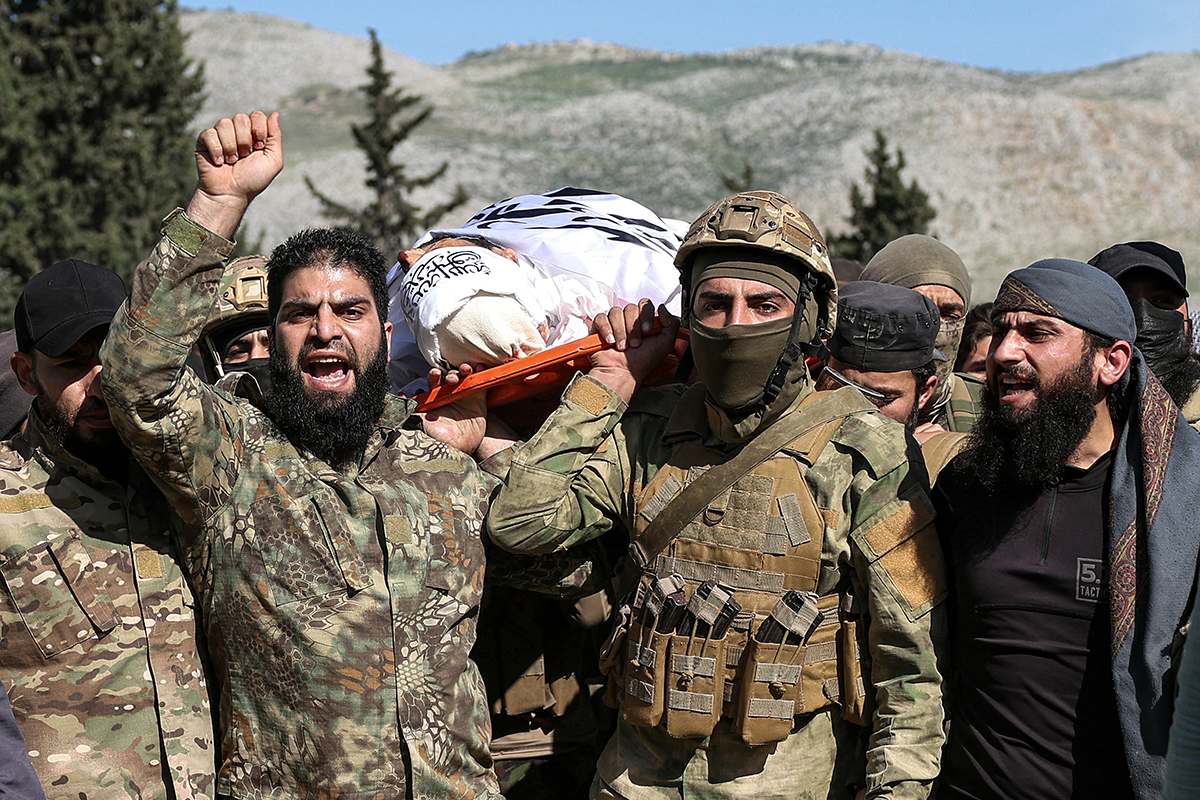
Despite their popular nature, the protests in northwestern Syria, sparked by racist attacks on Syrians over the border in Turkey, have exposed the rifts and divisions between various opposition factions. Bilal Samir explores the positions of the major military groups in Turkish-controlled areas and assesses how closely they align with Turkey’s policy.
Smoke and mirrors: The Syrian regime's dubious anti-drug campaigns
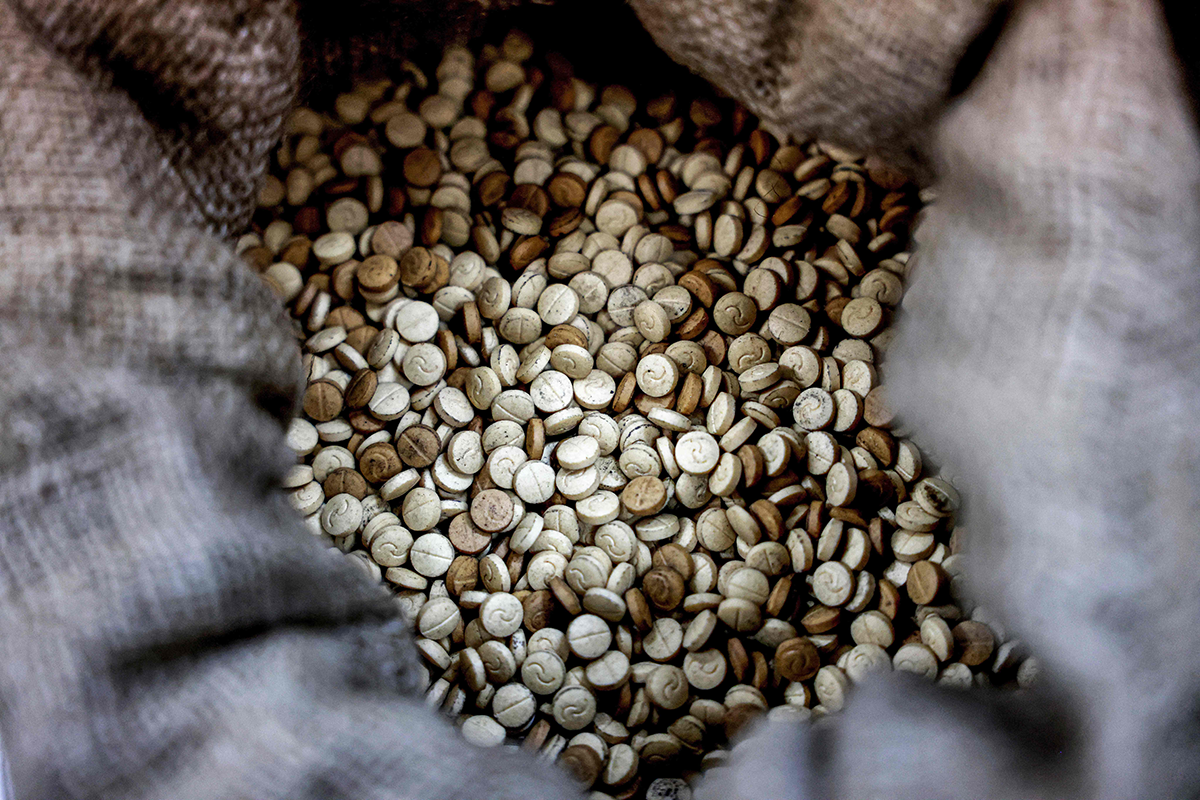
The Syrian regime recently announced that it had arrested over 2,000 people in Damascus on drug-related charges during the first half of 2024. However, the relatively small amount of drugs confiscated suggests the regime is focusing on arresting users and street-level pushers rather than going after the major producers and traffickers. This highlights how the Syrian regime manipulates drug crackdowns to serve multiple agendas while ensuring the flow of illicit drugs continues uninterrupted.
Crossroads in Idlib: HTS navigating internal divisions amid popular discontent
As the world focuses on Israel’s war in Gaza, northwest Syria is undergoing a significant political upheaval that could lead to major instability. For the last three months, Hay’at Tahrir al-Sham, an armed Sunni Islamist group that governs more 4.5 million people in the Idlib region, has been facing widespread protests.
Syrians turn to street justice to free relatives from Assad's prisons
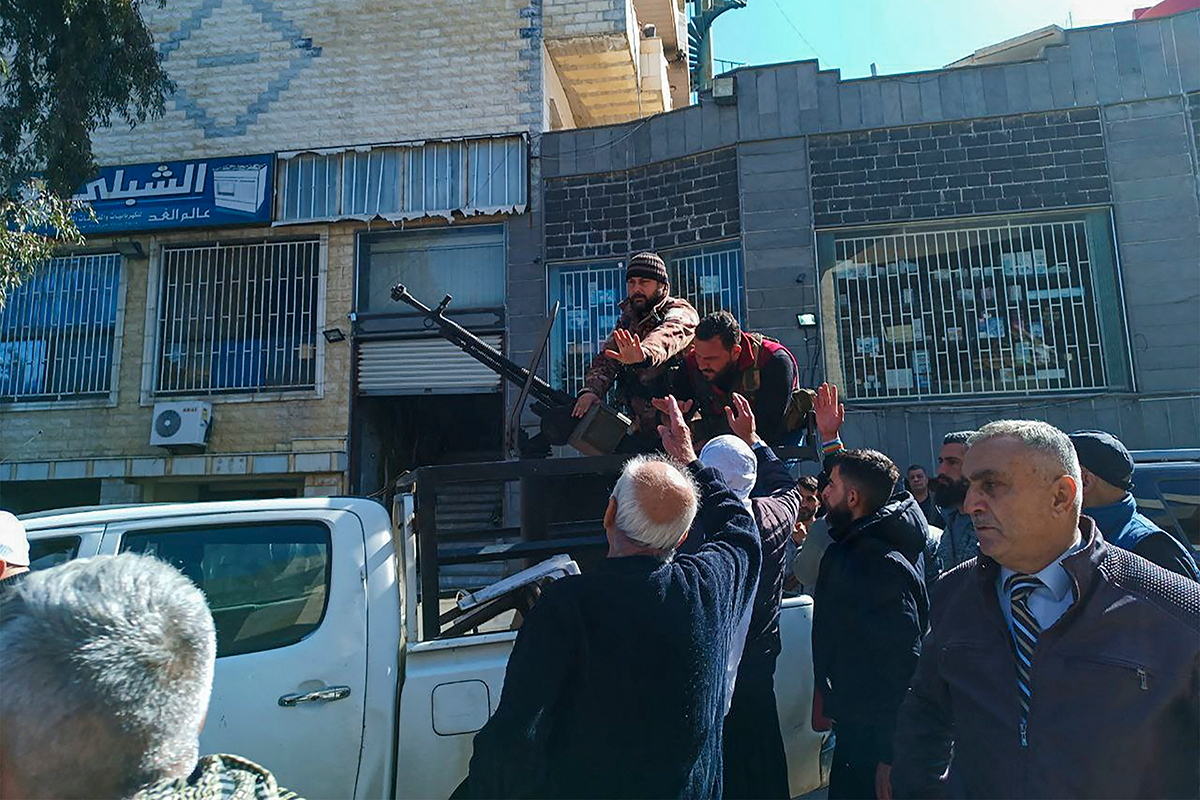
In recent weeks, the southern Syrian province of Sweida has seen a series of kidnappings targeting regime military officers. Unlike the financially motivated incidents common in the region, these abductions, which occurred on April 2 and 25, stand out because they targeted individuals based on their affiliation with the regime of Bashar al-Assad rather than their personal identities. Reports suggest that Sweida residents orchestrated the abductions as a way of negotiating the release of relatives detained by the regime.
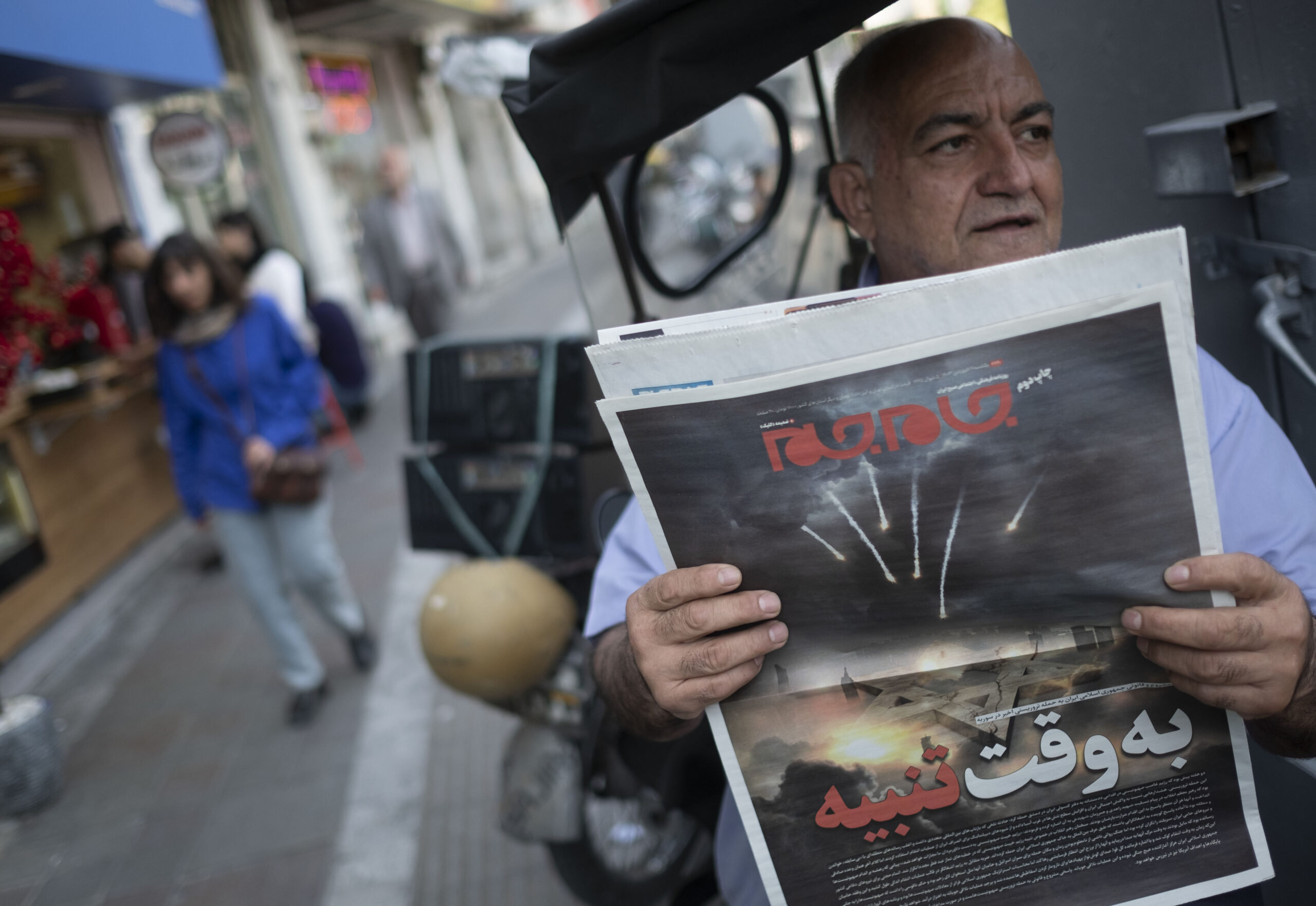
Expert Views: How should we navigate the new rules of the game in the Israel-Iran conflict?
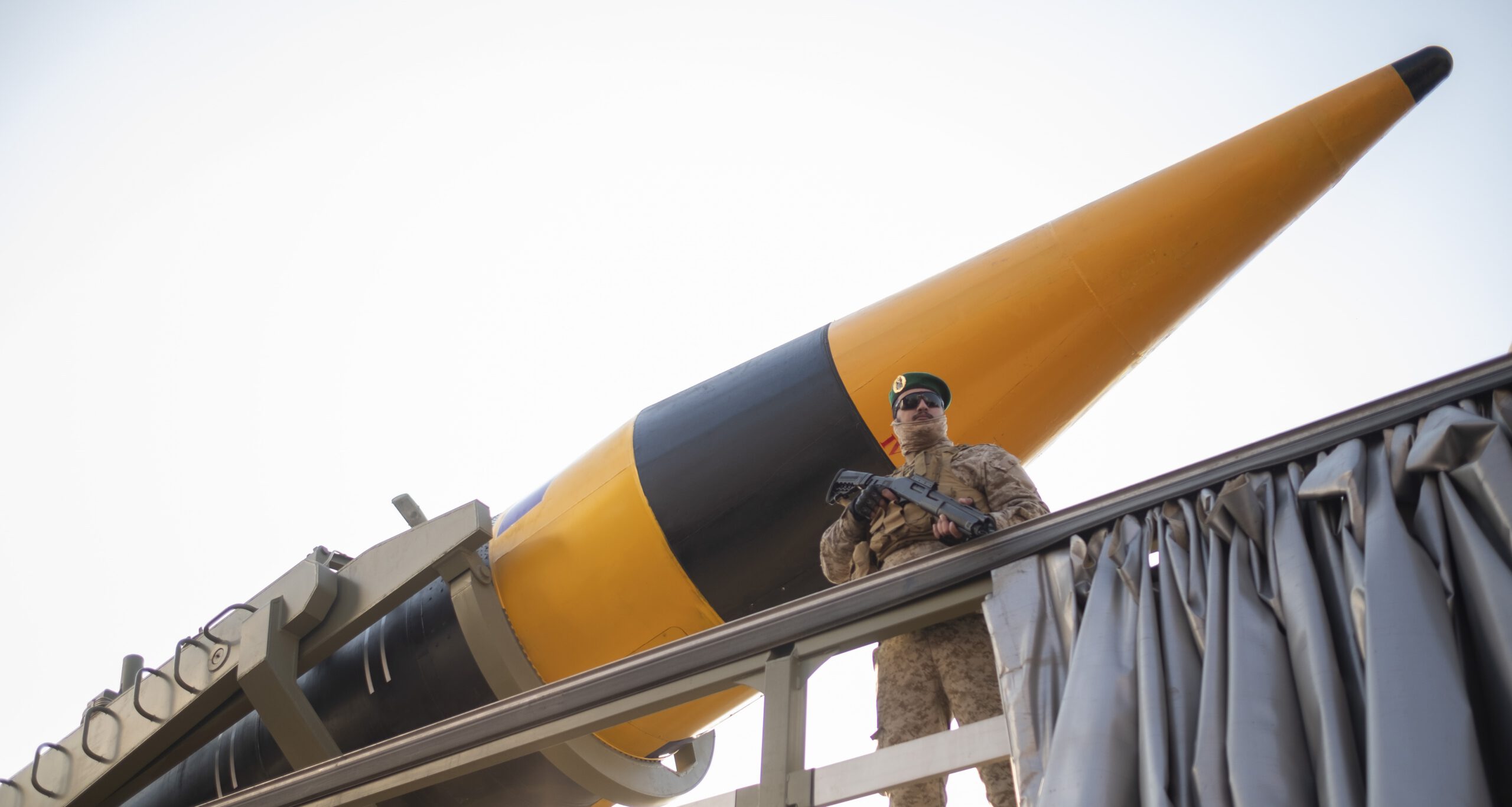
The month of April saw a series of unprecedented escalations in the long-simmering Iranian-Israeli conflict, with both countries launching missile and drone attacks against the other’s territory for the first time in history.
In the wake of these strikes, what will be the impact on the regional security and political environment going forward, what is needed to stabilize the new rules of the game, and how can US diplomacy help to facilitate that process? MEI has asked its experts to weigh in.
The long rise and sudden death of jihadist leader Abu Maria al-Qahtani
In a significant and surprising turn of events, on the evening of April 5, a prominent Iraqi leader in the Syrian Sunni Islamist group Hay’at Tahrir al-Sham, Maysar bin Ali al-Juburi, also known as Abu Maria al-Qahtani, was reportedly killed in an attack in Idlib’s northern countryside.
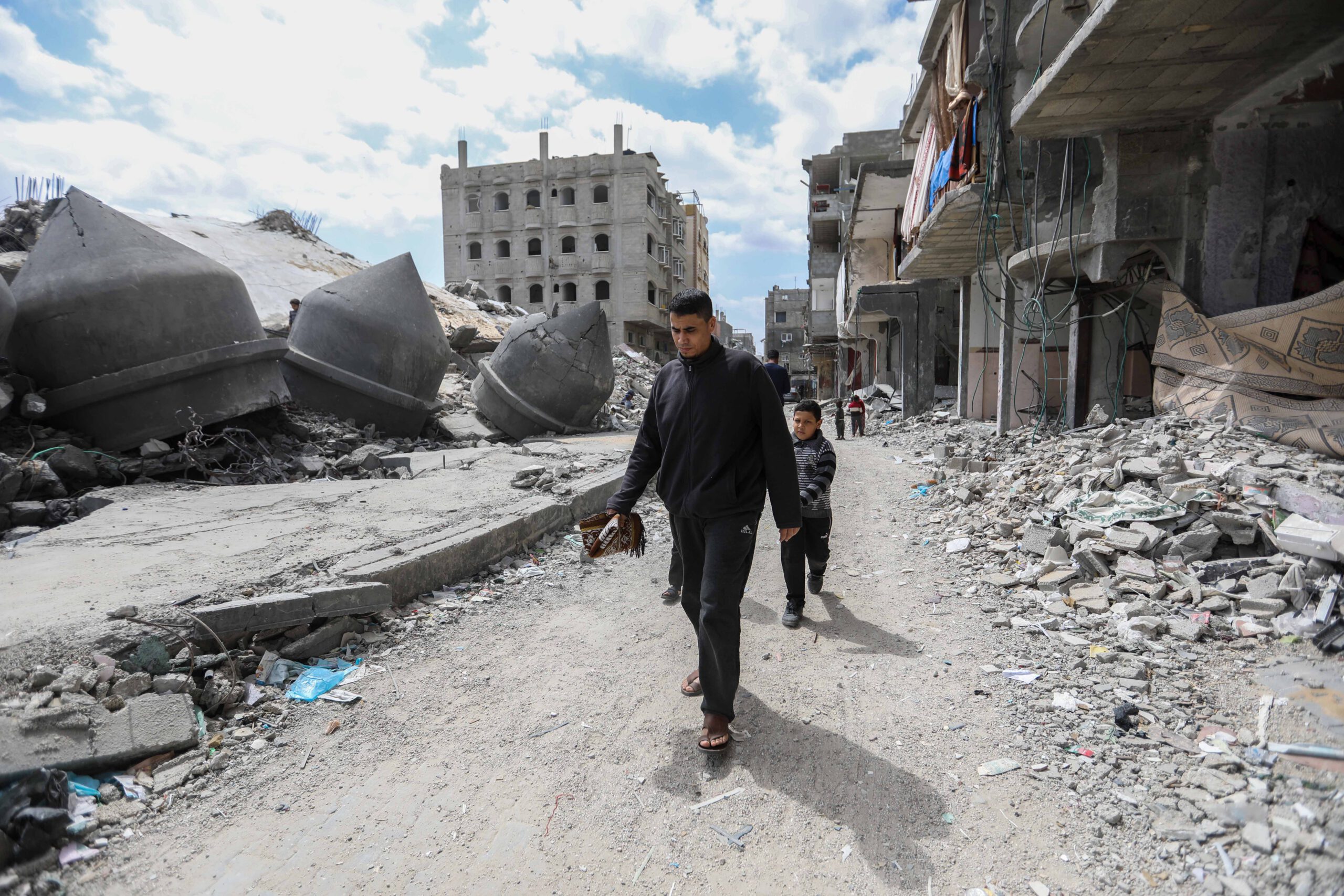
Expert Views: What is needed to end the war in Gaza?
Six months since the October 7 Hamas attacks on Israel and subsequent outbreak of war in Gaza, the deadly and devastating conflict looks no closer to concluding. Is it still possible to achieve a sustainable cessation of hostilities and restart the conflict-resolution process? To get there, what are the incentives and disincentives that could be constructed for the two main combatants, Israel and Hamas?
“Exporting its internal problems”: Understanding Iran’s January missile salvos against its neighbors
In mid-January, with the war in Gaza continuing to rage on, Iran launched a series of surprise missile attacks on its immediate neighbors Iraq, Syria, and Pakistan over two days. Taken together, these attacks illustrate that the Islamic Republic puts regime survival above national interest in its foreign policy calculations, which undermines its efforts to engender solidarity and good relations with other Muslim-majority states in the region.
US response to Tower 22 attack in Jordan: Less intense, more restrained than anticipated
On the evening of Saturday, Feb. 3, local time, US warplanes bombed facilities used by Iranian forces and Iran-backed militias in Syria and Iraq, in retaliation for the death of 3 US service members in a Jan. 28 drone attack on Tower 22, a US military base in northeastern Jordan on the Syrian border. The airstrikes primarily targeted locations in eastern Syria and western Iraq.