NATO, North Africa, and the Sahel: Squaring the triangle of insecurity
With NATO celebrating 75 years since its founding, Alliance members will gather in Washington, DC, on July 9-11, for a historic summit. Two of the key issues on the agenda will be addressing the acute threats emanating from the Black Sea region and adopting a strategic approach toward the Middle East and Africa.
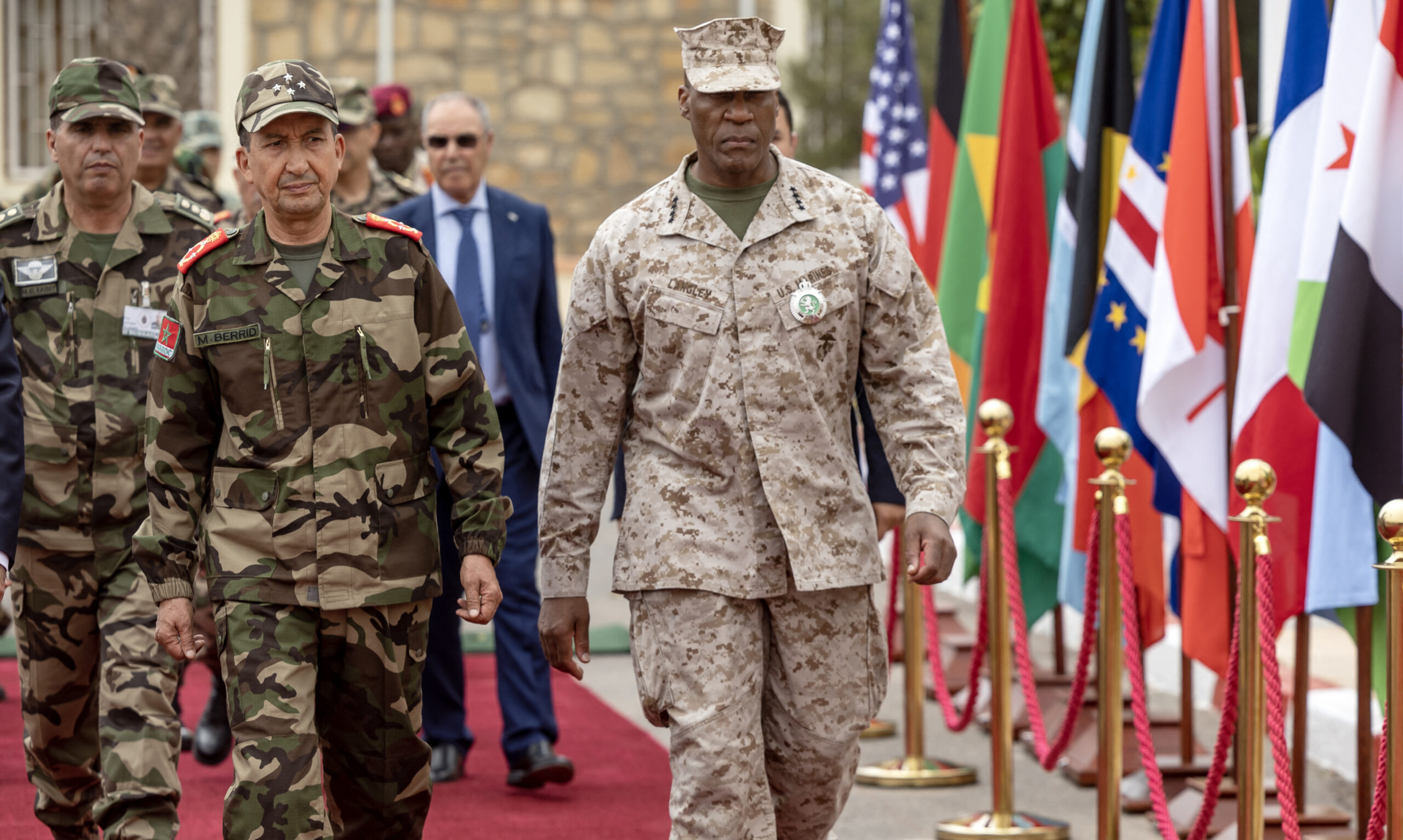
Libya remains the key for NATO to counter Russian malign activities in Africa
Eight years ago, few would have predicted that Russia could move in as quickly and comprehensively throughout Africa as it has done. Now there is widespread recognition of the threat posed by the destabilizing Russian expansion in Africa, to NATO, its members, and the African region.
Post-disaster reconstruction: Tackling water security in Derna after Storm Daniel
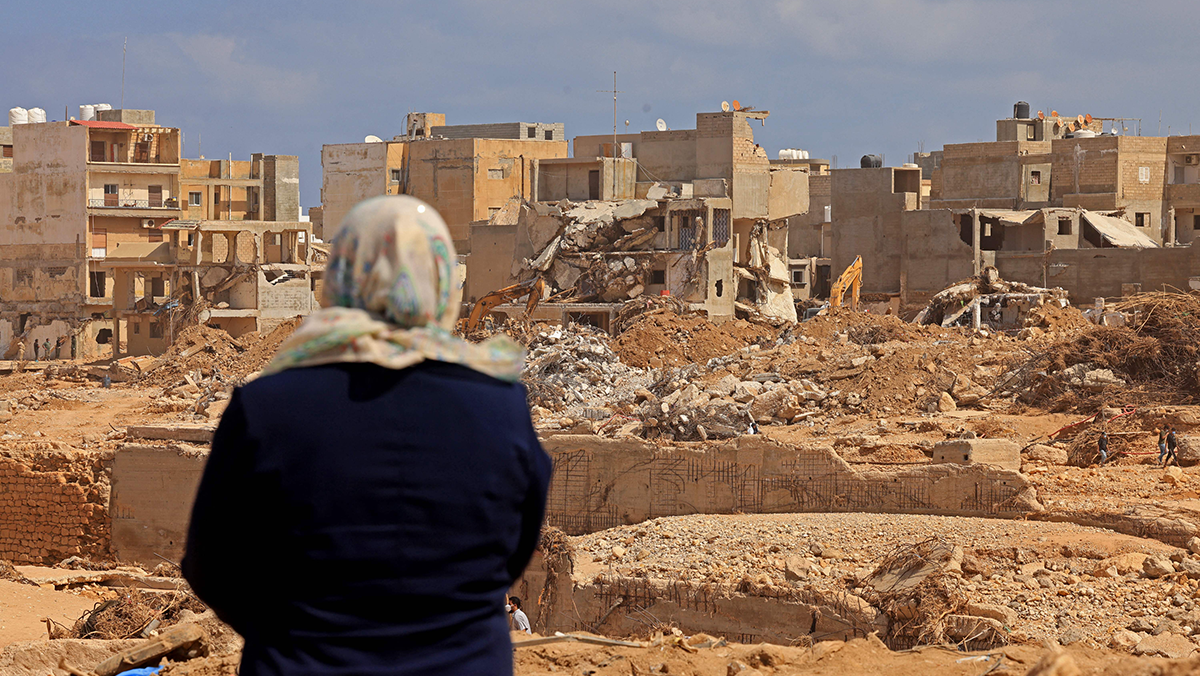
Storm Daniel struck Libya on Sept. 10, 2023. The northeastern coast of the country was the hardest hit by the storm, especially the city of Derna. The storm generated strong winds and heavy rains that led to massive flooding throughout the city, washing away entire residential neighborhoods. The death toll from the floods was staggering, estimated in the thousands.
Libya, Tunisia, and Niger as Case Studies for Counter-Productive Anti-Migration Policies: Sustaining Abuses and Criminality
Anti-migration policies in Libya, Tunisia, and Niger have had dire consequences, as highlighted by the more than 25,000 migrant deaths in the Mediterranean since 2014, a figure that does not fully capture the extent of the tragedy. To address these failures will require substantial policy changes and an evolution in approach to the migration issue.
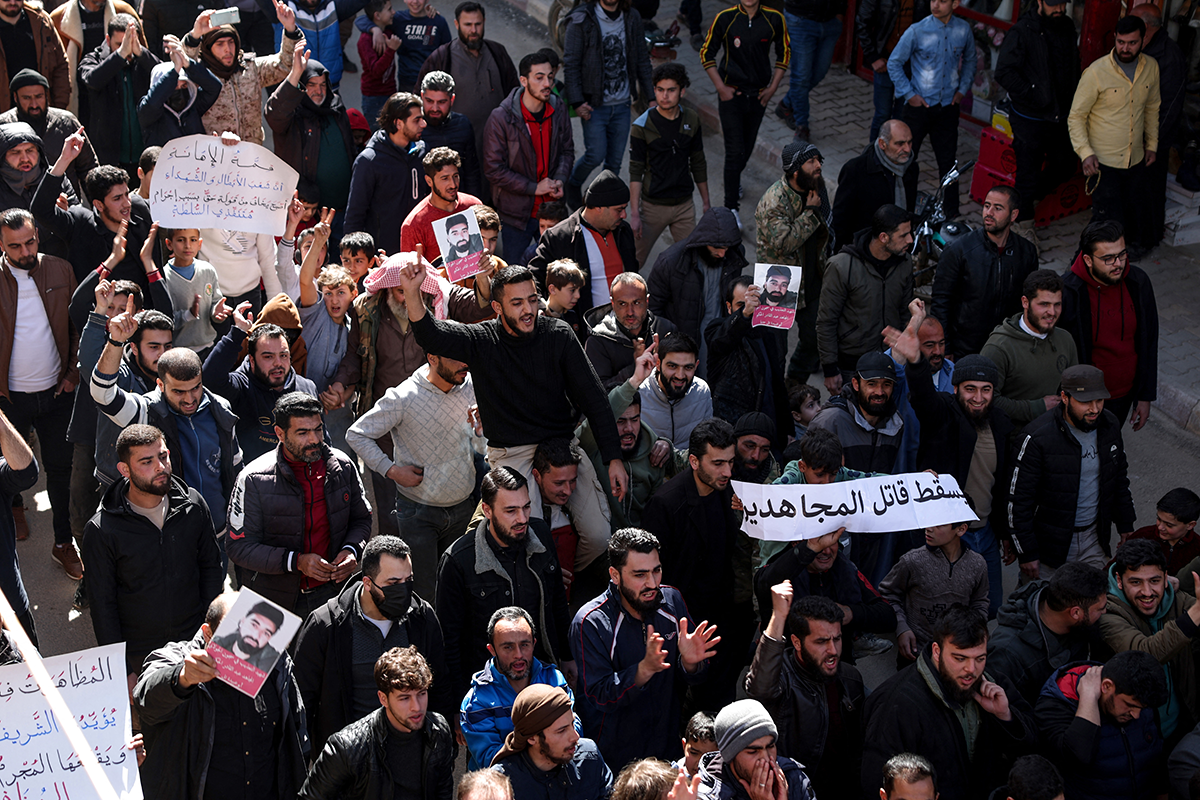
Crossroads in Idlib: HTS navigating internal divisions amid popular discontent
As the world focuses on Israel’s war in Gaza, northwest Syria is undergoing a significant political upheaval that could lead to major instability. For the last three months, Hay’at Tahrir al-Sham, an armed Sunni Islamist group that governs more 4.5 million people in the Idlib region, has been facing widespread protests.
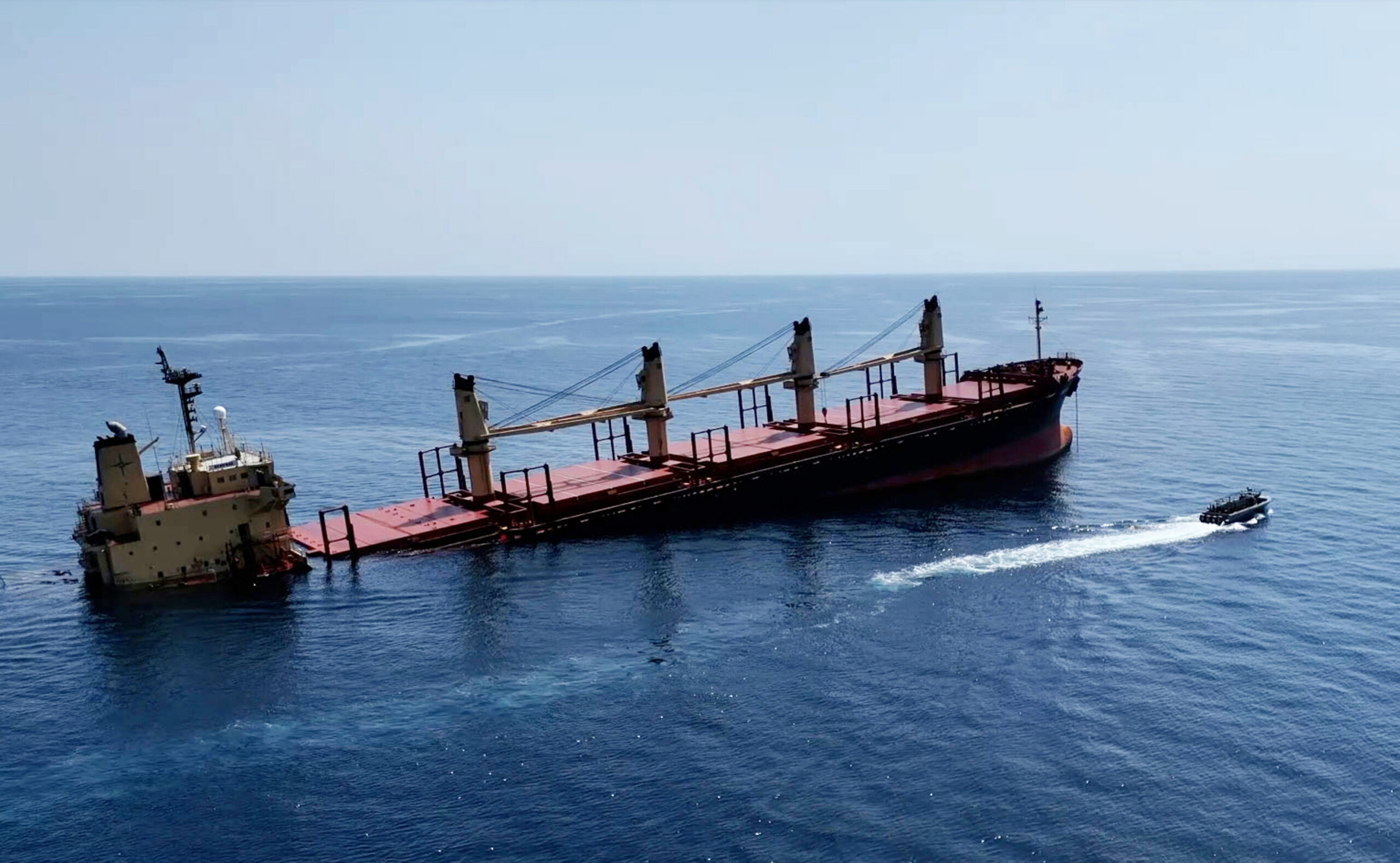
Israel in the Red Sea during the War in Gaza: Strategic insights
In recent months, Israel’s situation in the Red Sea has grown increasingly challenging in the security, economic, and diplomatic spheres. But the country is in a better position to meet these challenges and threats by leveraging the strategic regional partnerships it has developed over the past several years.
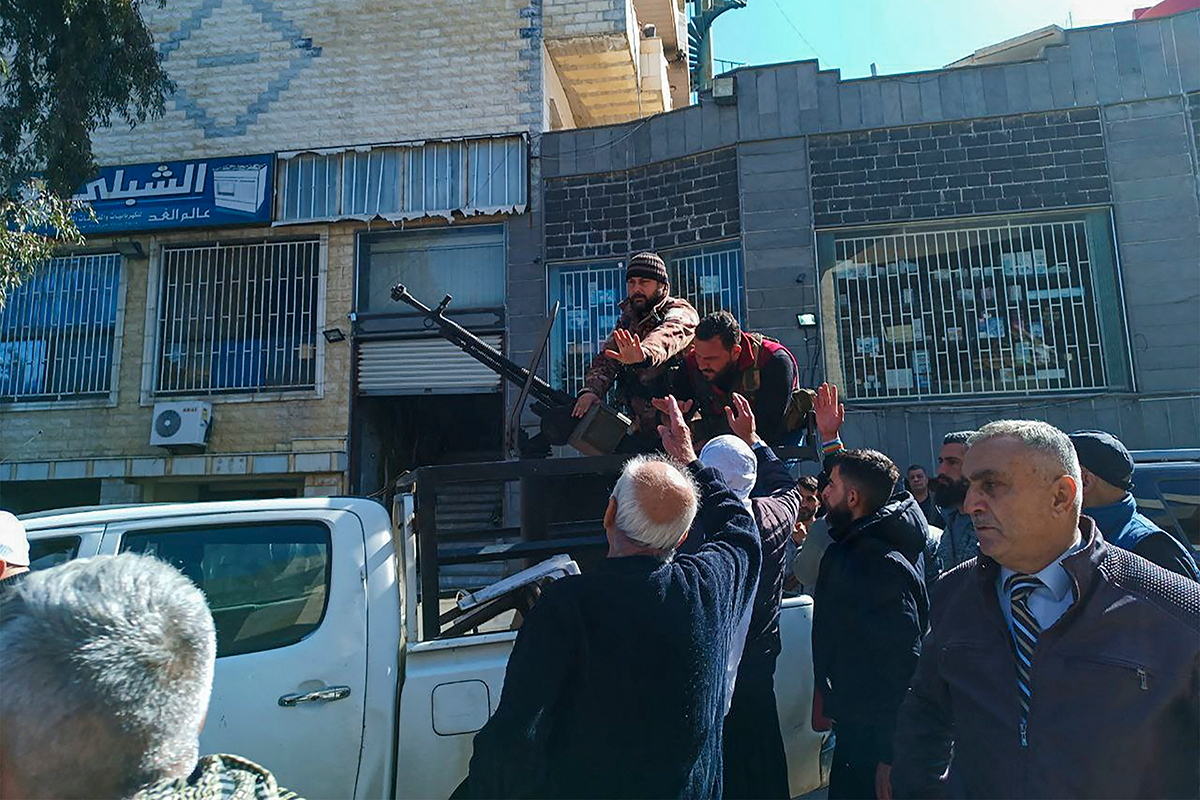
Syrians turn to street justice to free relatives from Assad's prisons
In recent weeks, the southern Syrian province of Sweida has seen a series of kidnappings targeting regime military officers. Unlike the financially motivated incidents common in the region, these abductions, which occurred on April 2 and 25, stand out because they targeted individuals based on their affiliation with the regime of Bashar al-Assad rather than their personal identities. Reports suggest that Sweida residents orchestrated the abductions as a way of negotiating the release of relatives detained by the regime.
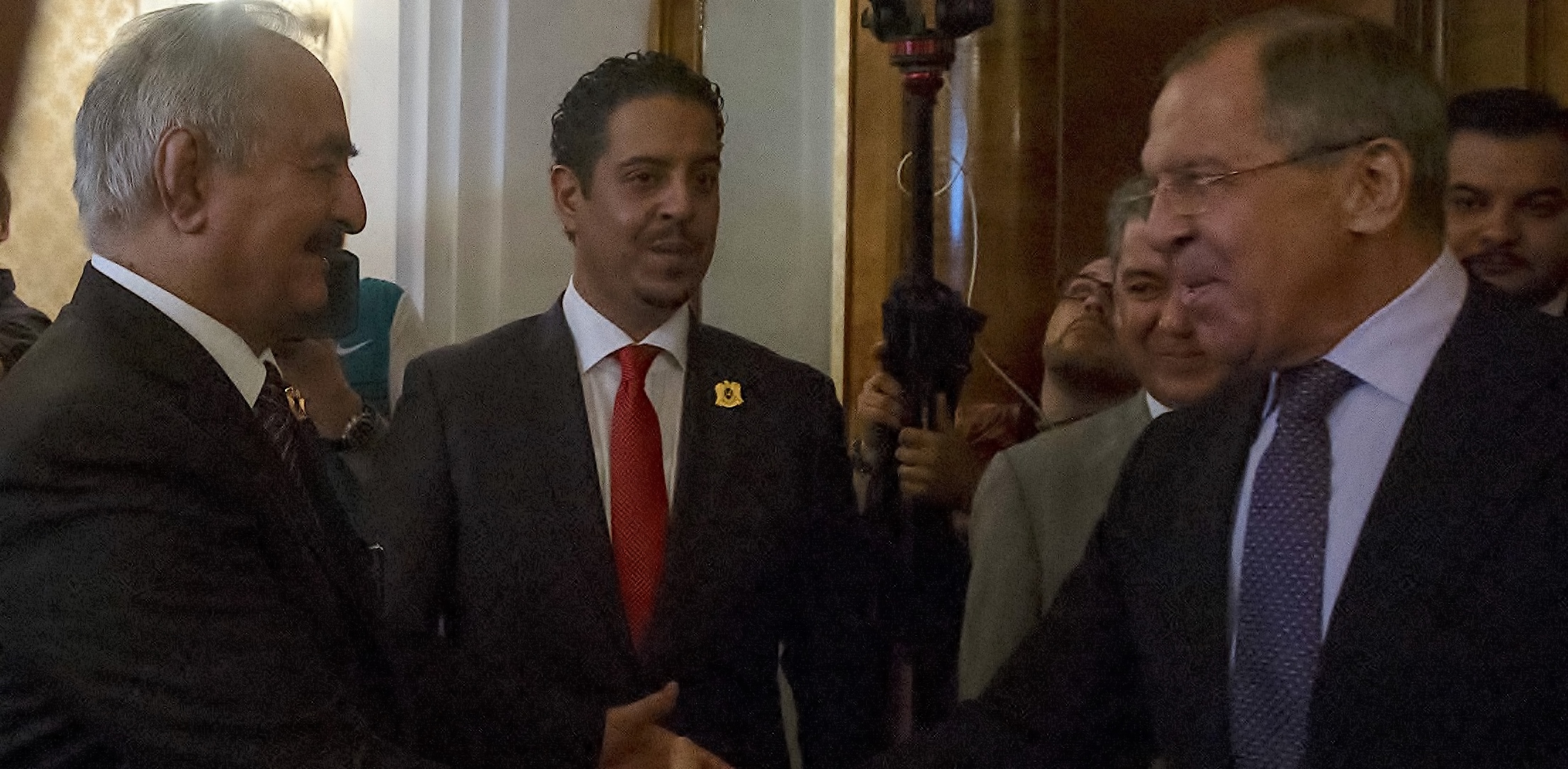
In Libya, UN failure and Russian influence require updated US policy
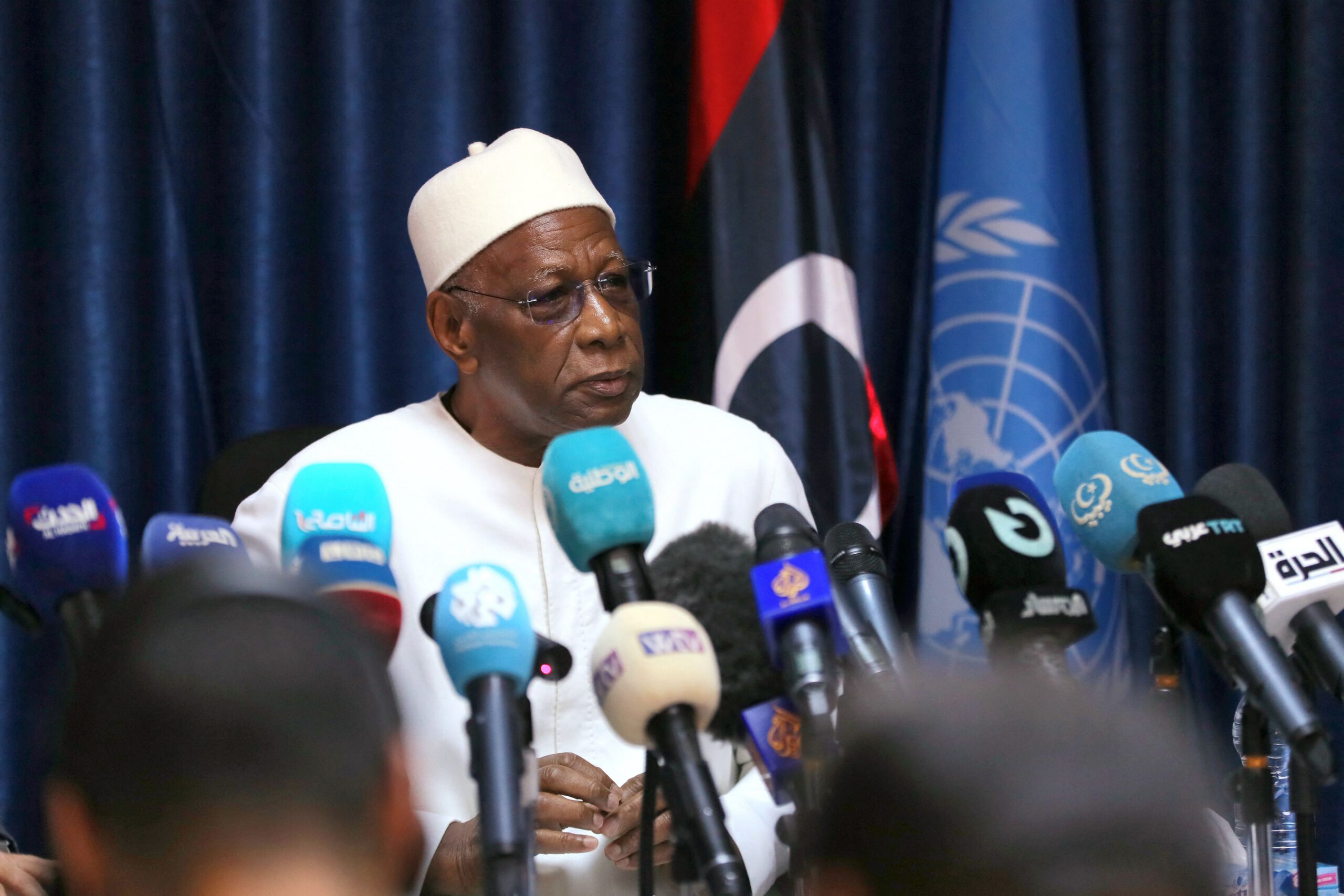
The United Nations Support Mission in Libya (UNSMIL) has made limited progress on its goals, and existing US policy on Libya has foundered. Beyond reopening the American embassy and having diplomats on the ground, the US should consider what tools it retains to exercise influence there in a way that benefits the people of Libya — and helps to stabilize the region by countering what the Russians are doing to it.
The long rise and sudden death of jihadist leader Abu Maria al-Qahtani
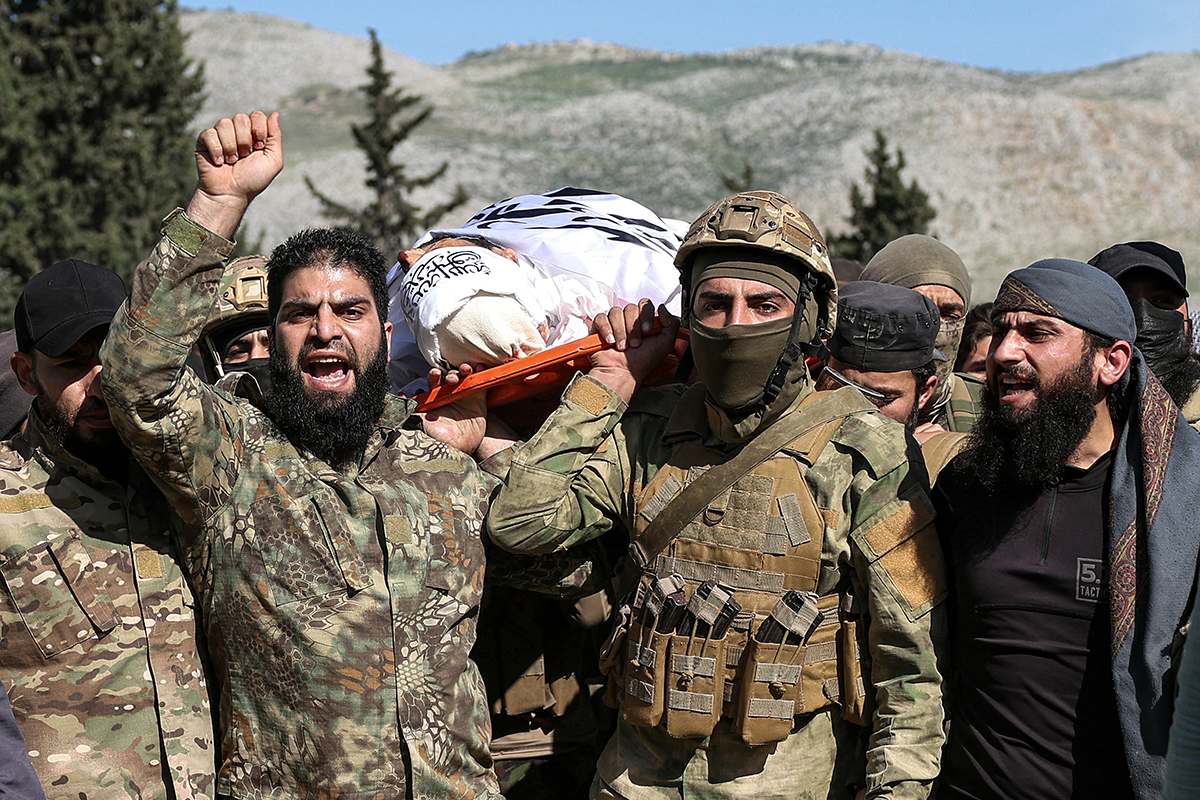
In a significant and surprising turn of events, on the evening of April 5, a prominent Iraqi leader in the Syrian Sunni Islamist group Hay’at Tahrir al-Sham, Maysar bin Ali al-Juburi, also known as Abu Maria al-Qahtani, was reportedly killed in an attack in Idlib’s northern countryside.
“Exporting its internal problems”: Understanding Iran’s January missile salvos against its neighbors
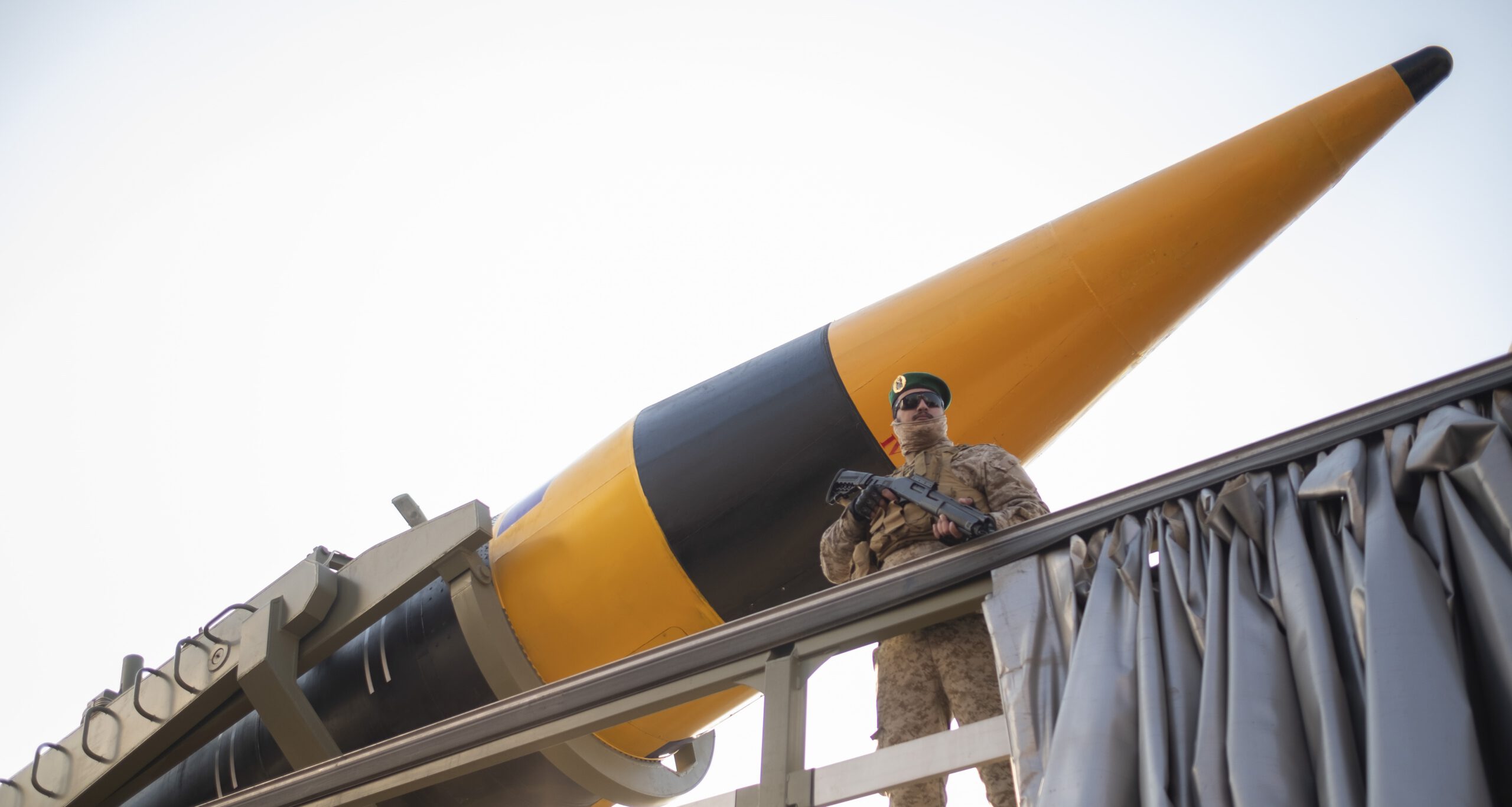
In mid-January, with the war in Gaza continuing to rage on, Iran launched a series of surprise missile attacks on its immediate neighbors Iraq, Syria, and Pakistan over two days. Taken together, these attacks illustrate that the Islamic Republic puts regime survival above national interest in its foreign policy calculations, which undermines its efforts to engender solidarity and good relations with other Muslim-majority states in the region.
US response to Tower 22 attack in Jordan: Less intense, more restrained than anticipated
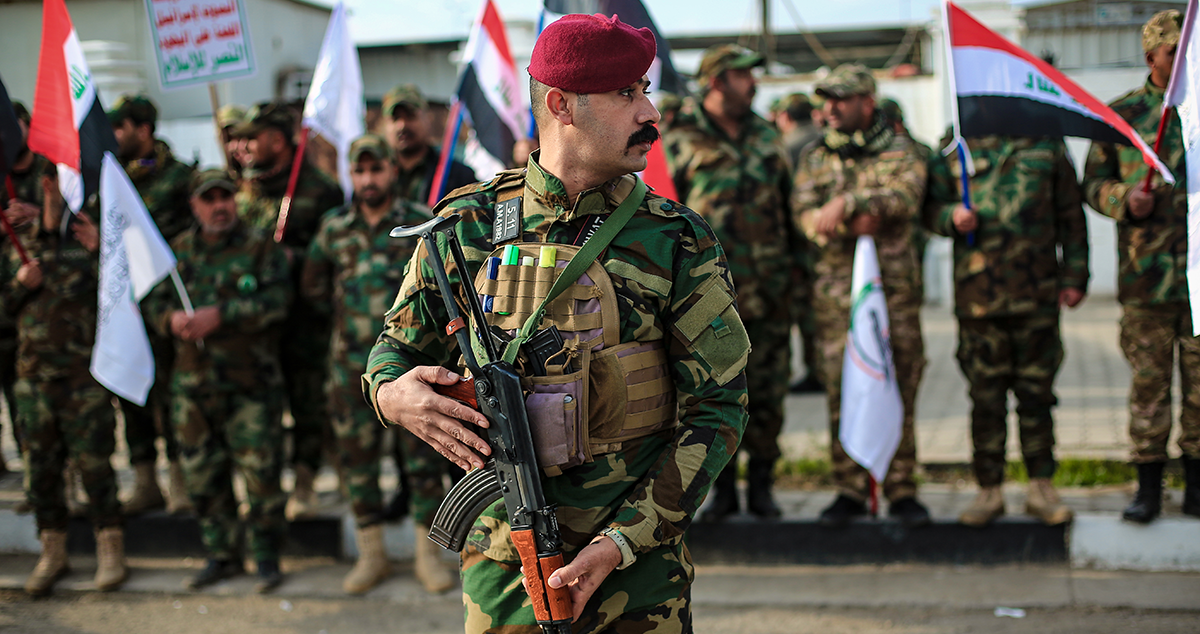
On the evening of Saturday, Feb. 3, local time, US warplanes bombed facilities used by Iranian forces and Iran-backed militias in Syria and Iraq, in retaliation for the death of 3 US service members in a Jan. 28 drone attack on Tower 22, a US military base in northeastern Jordan on the Syrian border. The airstrikes primarily targeted locations in eastern Syria and western Iraq.