Key takeaways for NATO and the Middle East from the Washington Summit Declaration
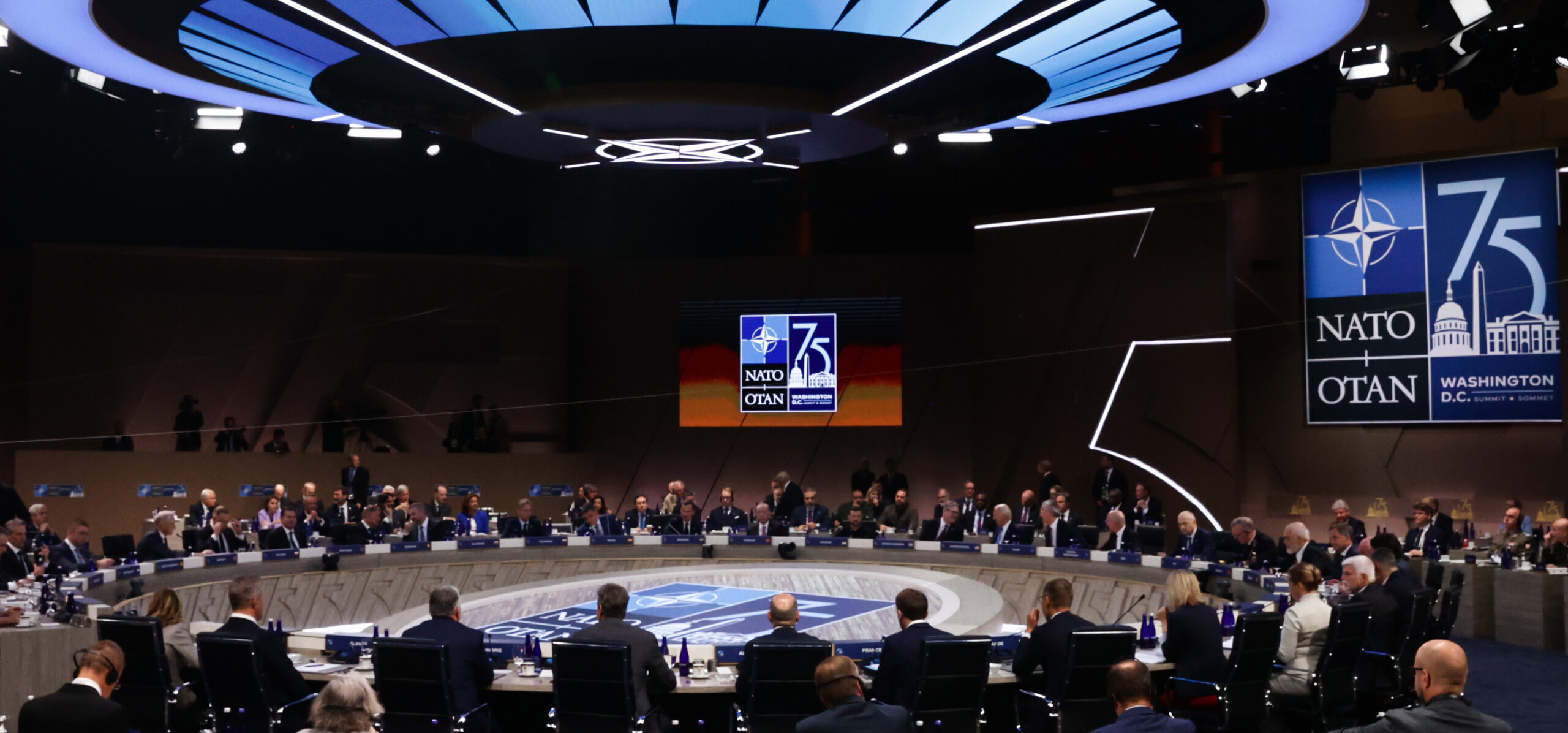
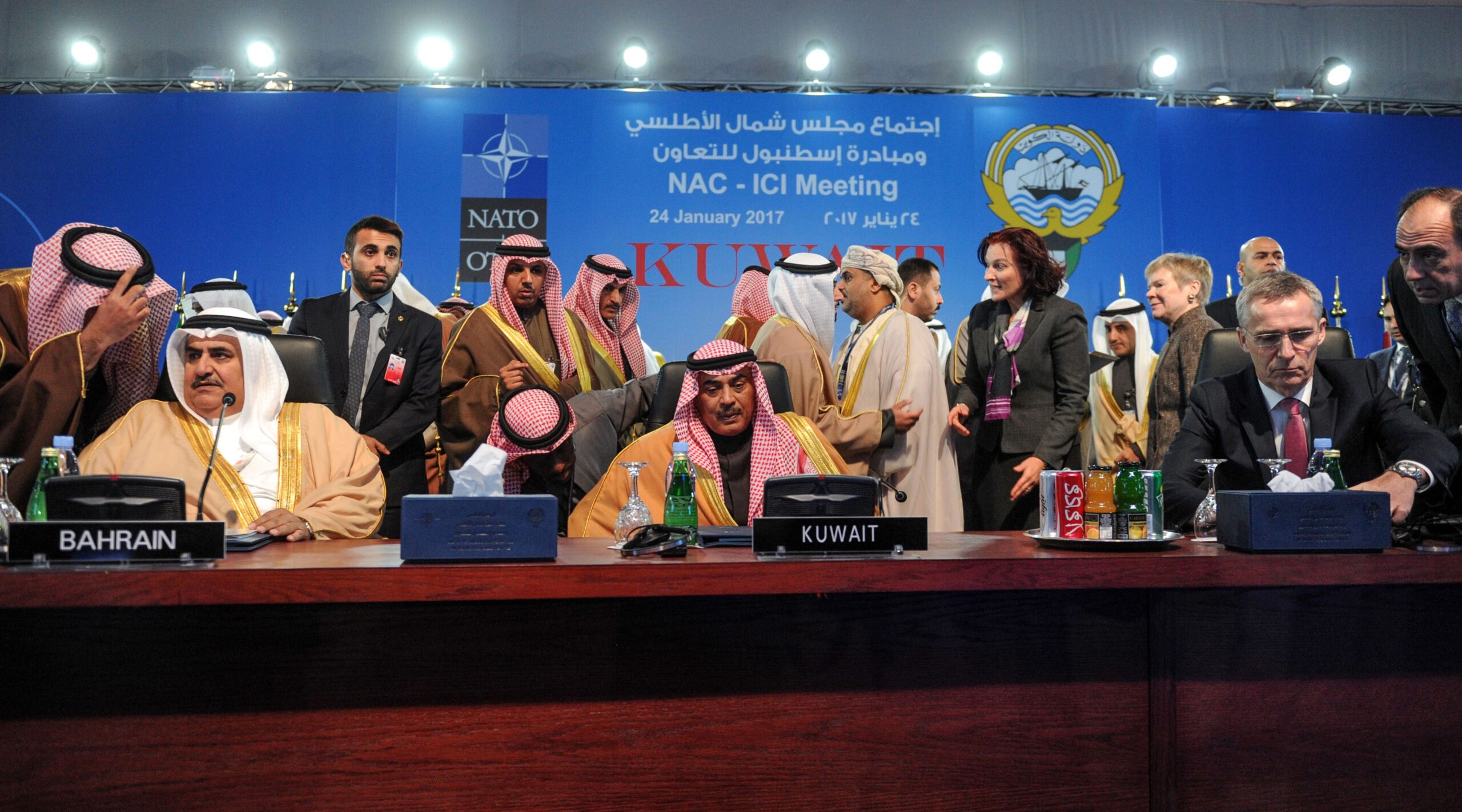
At the Washington Summit, NATO member states mostly focused on efforts to counter Russia and to support Ukraine. However, the 2024 summit communiqué also addresses non-Euro-Atlantic risks and opportunities, based on the idea that “conflict, fragility and instability” elsewhere directly affects NATO security.
Wide gap between the Egyptian government’s rosy figures and the economic hardship suffered by millions
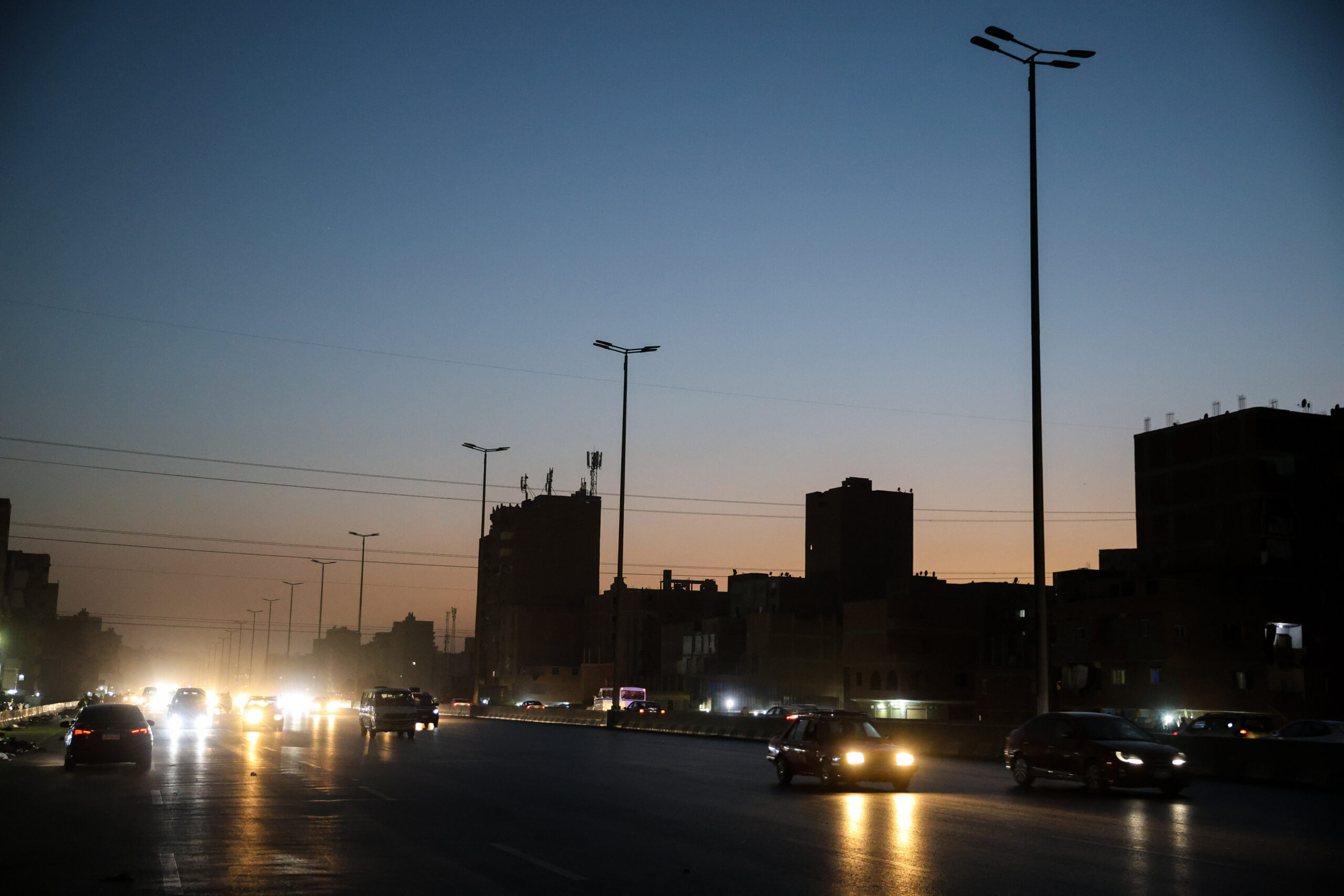
For Egyptian officials, June should have been a month to celebrate. And yet none of the seeming macroeconomic successes that the government recorded brought much reassurance to the average Egyptian, who has continued to experience currency shortages, an unreliable energy grid, and fears of a resurgent spike in inflation.
New EU aid and investment in Egypt linked to migration control
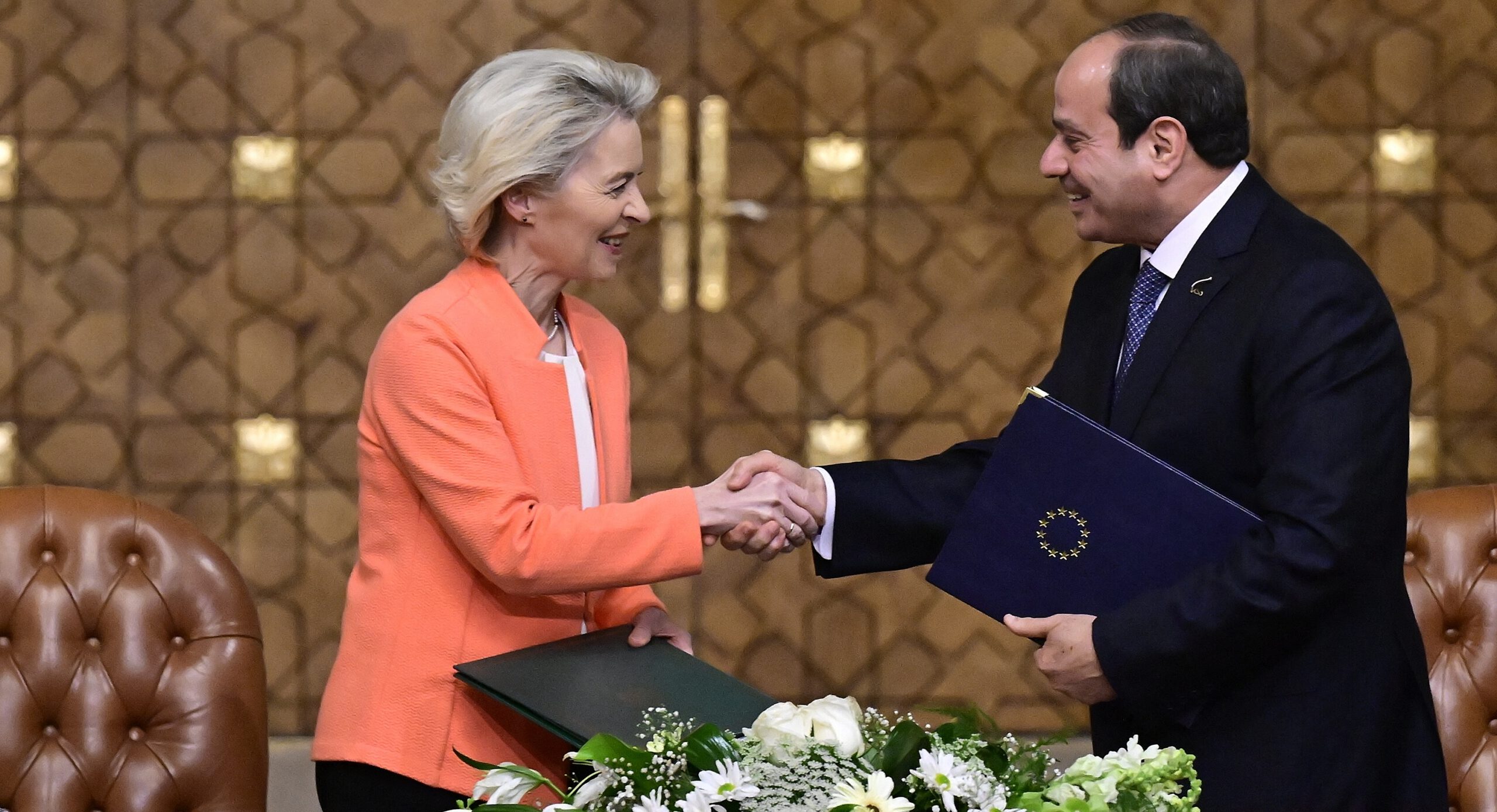
On June 29, at an aid and investment conference in Cairo, Egypt and the EU reached a €1 billion investment deal, and over 20 MoUs, collectively worth approximately €40 billion in private investment, were signed on the sidelines. Little mention has been made of migration in the new European agreement with Egypt, but there is little doubt that it is a pivotal factor.
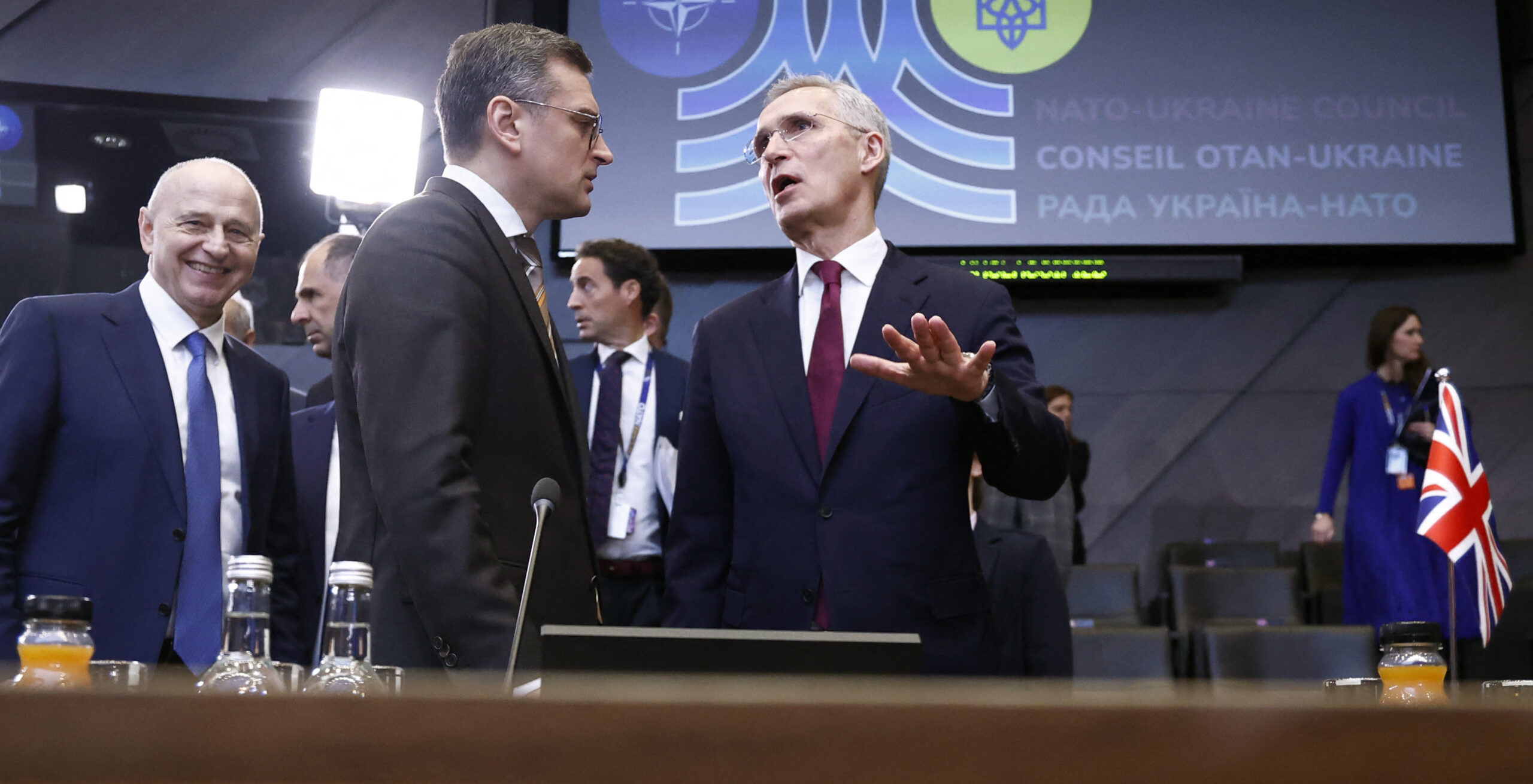
In its 2022 Strategic Concept, NATO declared the Black Sea Region (BSR) of strategic importance for the Alliance, yet this recognition has never translated into NATO developing a proper strategy toward its critical southeastern flank. That glaring gap must be addressed right away.
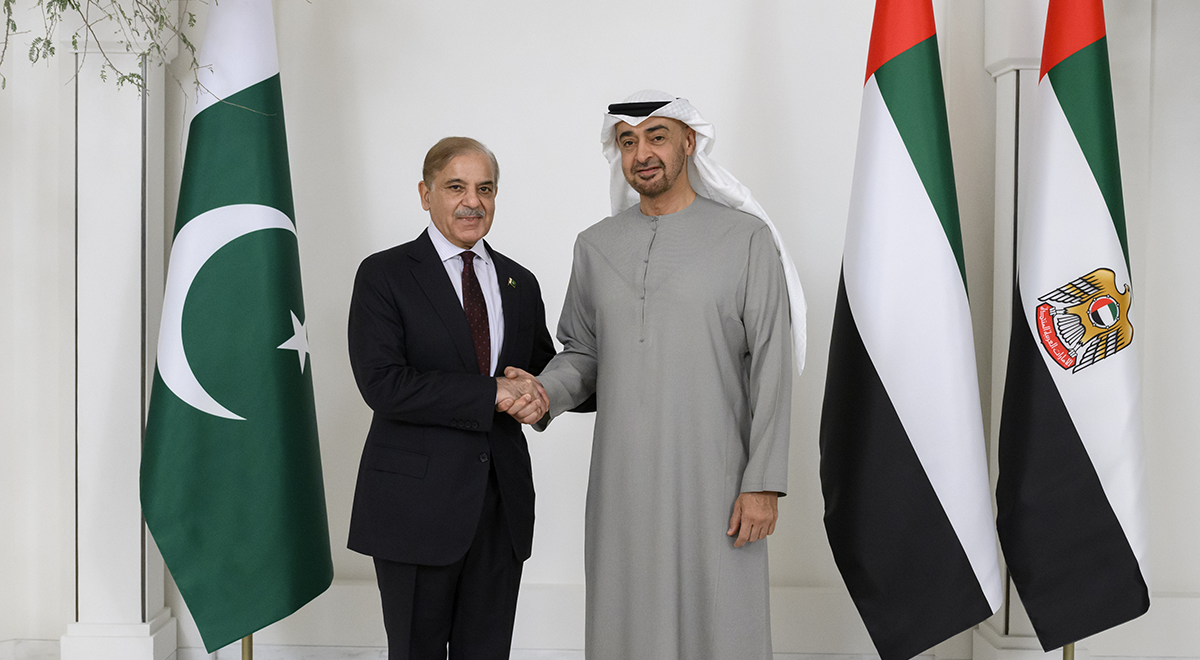
Why Pakistan is looking to Saudi Arabia and the UAE to ramp up investment
Pakistan’s government is pursuing a two-track approach to stabilize the country’s long-troubled economy. It is engaged in lengthy negotiations with the IMF to secure at least $6 billion in loans to shore up its ability to service its external debt. At the same time, Islamabad is also trying to woo its Gulf allies, most notably Saudi Arabia and the UAE, in a bid to diversify its sources of external financing, address the lingering threat of insolvency, and put its economy on an upward trajectory of sustainable growth.
NATO’s narrow window of opportunity for an effective Southern Strategy
While the Washington Summit is unlikely to deliver any ground-breaking outcome, it certainly offers the opportunity to articulate the nexus between security in Europe and the Mediterranean-African region. NATO also has the opportunity to renew and streamline its partnerships with Middle Eastern and North African countries while strengthening its outreach to Africa.
“Vision of darkness balanced by light”: Lebanese-American Artist Nabil Kanso’s Works Express the Current Moment, Decades After Their Creation
Nearly six decades after Kanso moved to America and began his career as a visual artist, his work remains enormously important, channeling the zeitgeist of our uncertain and violent era. Yet as dark as Kanso’s vision is, he also reminds us that even the most hellacious of contexts can contain light and the possibility of rebirth and renewal.
A Turkish foreign minister in China: Subtitles of a silent visit
The most defining aspect of the Sino-Turkish relationship is the need for Turkey to find economic or geopolitical leverage to attain some semblance of equality with China. During Turkish Foreign Minister Hakan Fidan’s recent visit to Beijing, his subtle references to the Turkic and Islamic credentials of Xinjiang may have gotten lost in translation for the Chinese.
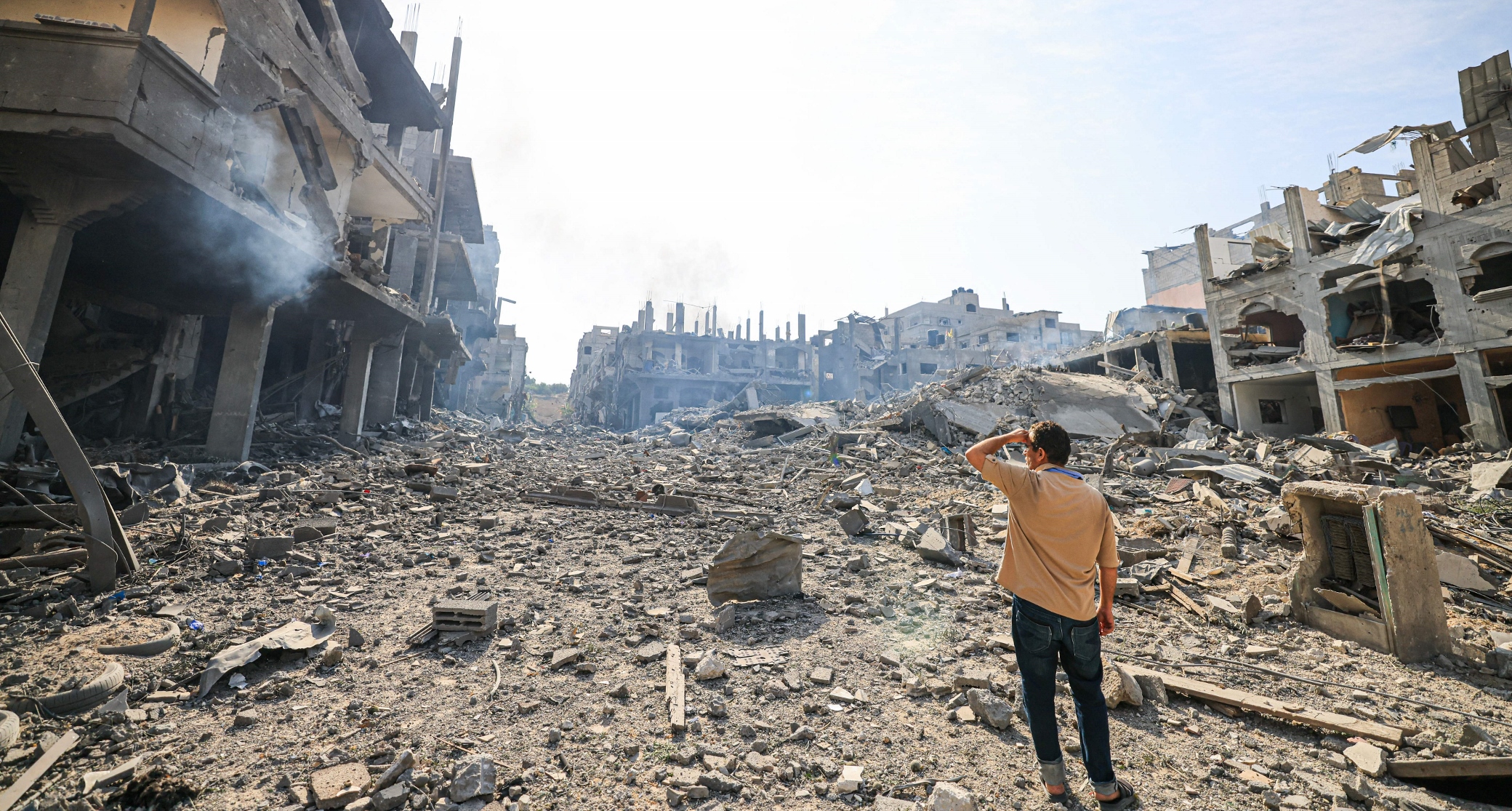
To assist government policymakers faced with a plethora of “day after” plans for Gaza, the following proposes a framework for how to consider and decide among such proposals.
Beyond guns and oil: The emerging soft power rivalry between Iran and Saudi Arabia
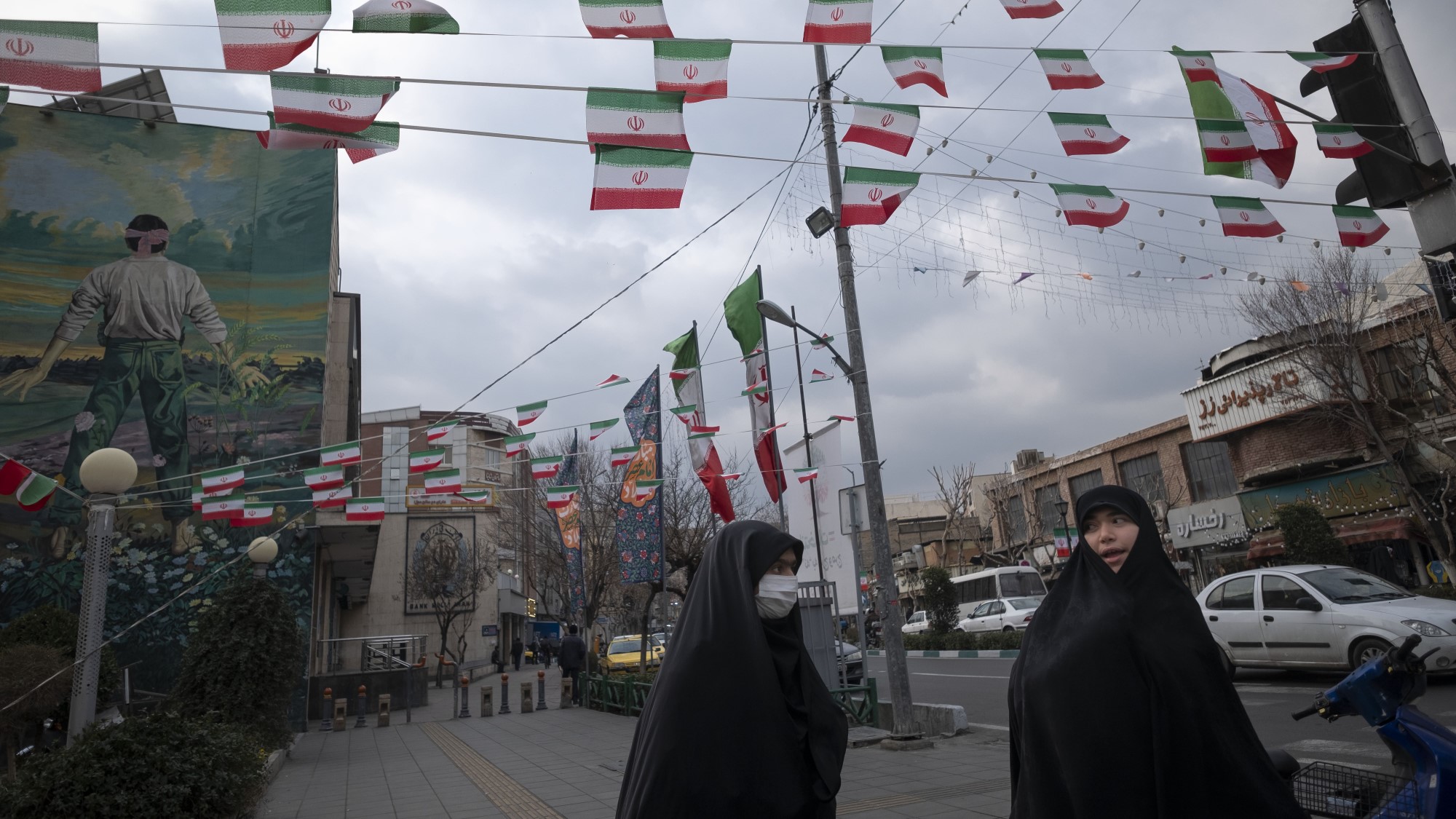
A little over a year ago, the icy relations between Iran and Saudi Arabia underwent a remarkable thaw. But beneath this détente, a new front emerged in their longstanding rivalry — one rooted not in geopolitics or religious ideologies but in the realm of soft power and societal aspirations.
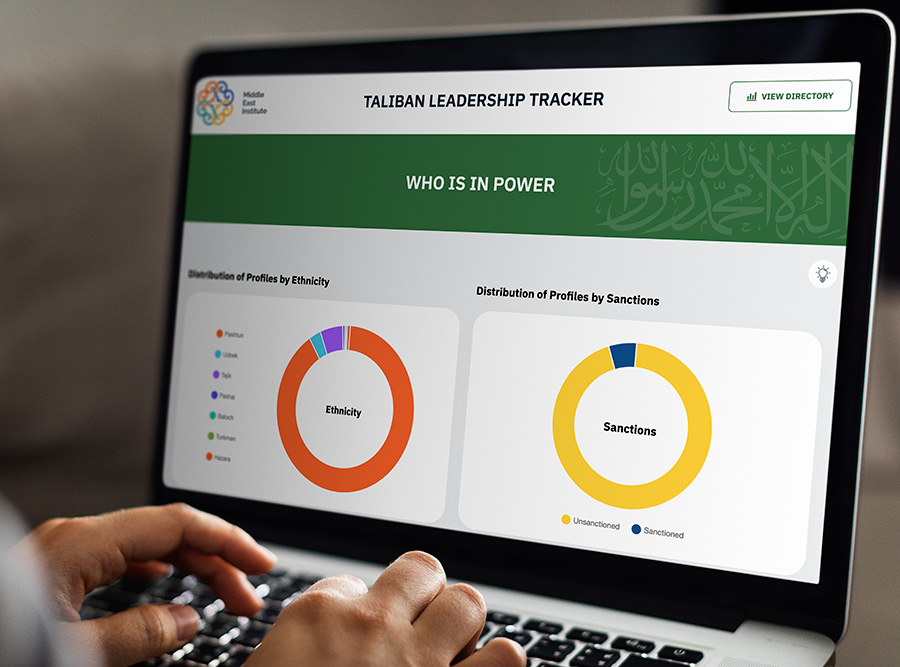
Since seizing control of Afghanistan in August 2021, the Taliban has appointed thousands of individuals to various political, military, administrative, and judicial positions across the country, occupying crucial roles as decision-makers, influencers, local enforcers, and implementers who help shape the Taliban government policies and actions.
The clock is ticking to reset Kuwait’s economic course and reinstate legislature
Kuwait’s emir, Sheikh Mishal Al Ahmad Al Jaber Al Sabah, took his next step in governance without a parliament in place on June 1, when he appointed Sheikh Sabah Khalid Al Sabah as crown prince. Although the timing of the announcement suspending portions of the constitution and dissolving the parliament caught most observers off guard, the emir’s decision was not surprising.
From “fierce entanglement” to a viable path toward Palestinian statehood: A pragmatic proposal
The Israelis and Palestinians are stuck with each other in a situation of “fierce entanglement.” Things never got “bad enough” for Israel to work toward a better and lasting solution with the Palestinians until Oct. 7 abruptly changed the status quo. After the visceral anger subsides and Hamas is replaced in Gaza, Israel and the Palestinian Authority must work together for something other than “waiting for the next round of violence.”