Briefing: Latest UN reports highlight urgency of emissions reductions just ahead of COP27
The latest Nationally Determined Contributions assessment report demonstrates that the parties to the Paris Agreement are boosting their plans to reduce carbon emissions.
However, current climate mitigation efforts are still insufficient to curb future global temperature increases to below 2°C — with a projected average temperature rise of 2.8°C by the end of century.
With Egypt hosting COP 27 this week, all eyes are on climate change in the MENA region. For today’s episode, Senior Fellow and Director of the Climate and Water Program Mohammed Mahmoud asked several of MEI’s Climate and Water Program scholars what they consider to be the most pressing issues regarding climate change, water resources, and the environment. Today’s guests include Andrei Covatariu, Athraa Khamis, Malak Altaeb, Megan Ferrando, Orestes Morfin, and Youssef Wehbe.
Climate change and salinity in the Eastern Mediterranean
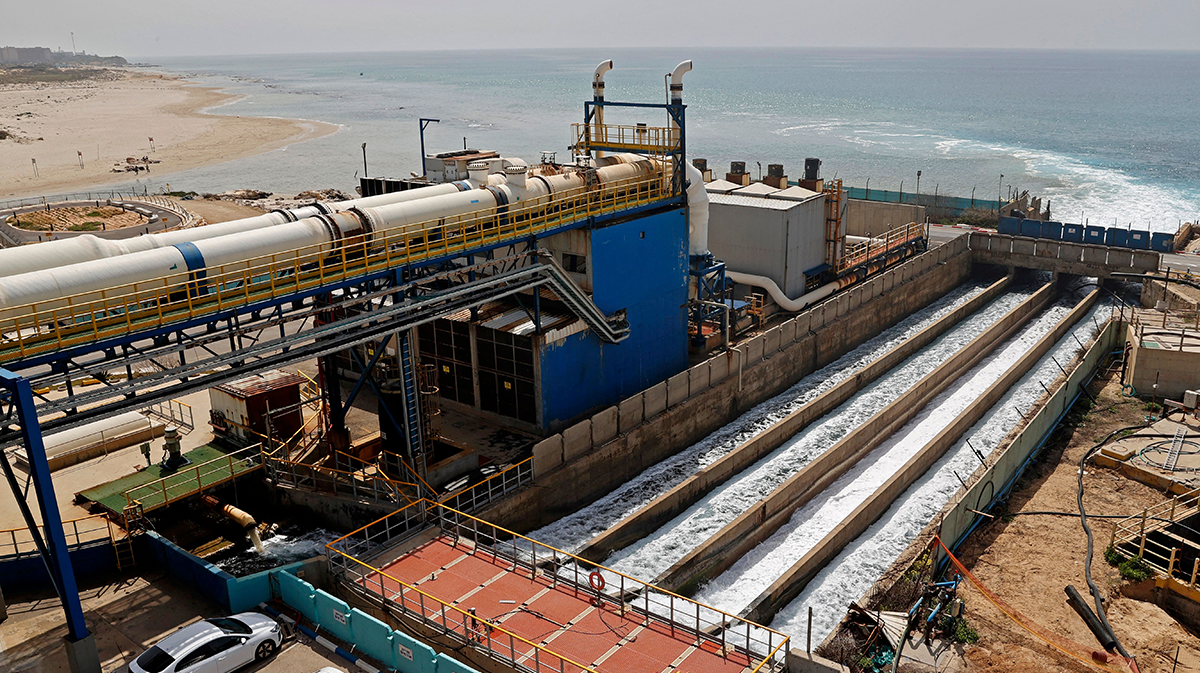
In the Mediterranean Basin, water-starved countries from Morocco to Israel are not only expanding their reliance on desalination, they are doing so precisely because they are increasingly susceptible to the effects of climate change on global atmospheric and marine circulation. With desalination now within reach as a more viable, long-term water augmentation strategy, increased attention has been given to the detrimental effects of brine disposal on the local environment. More immediately obvious effects such as these, however, may belie greater factors at work at the nexus of salinity and climate change.
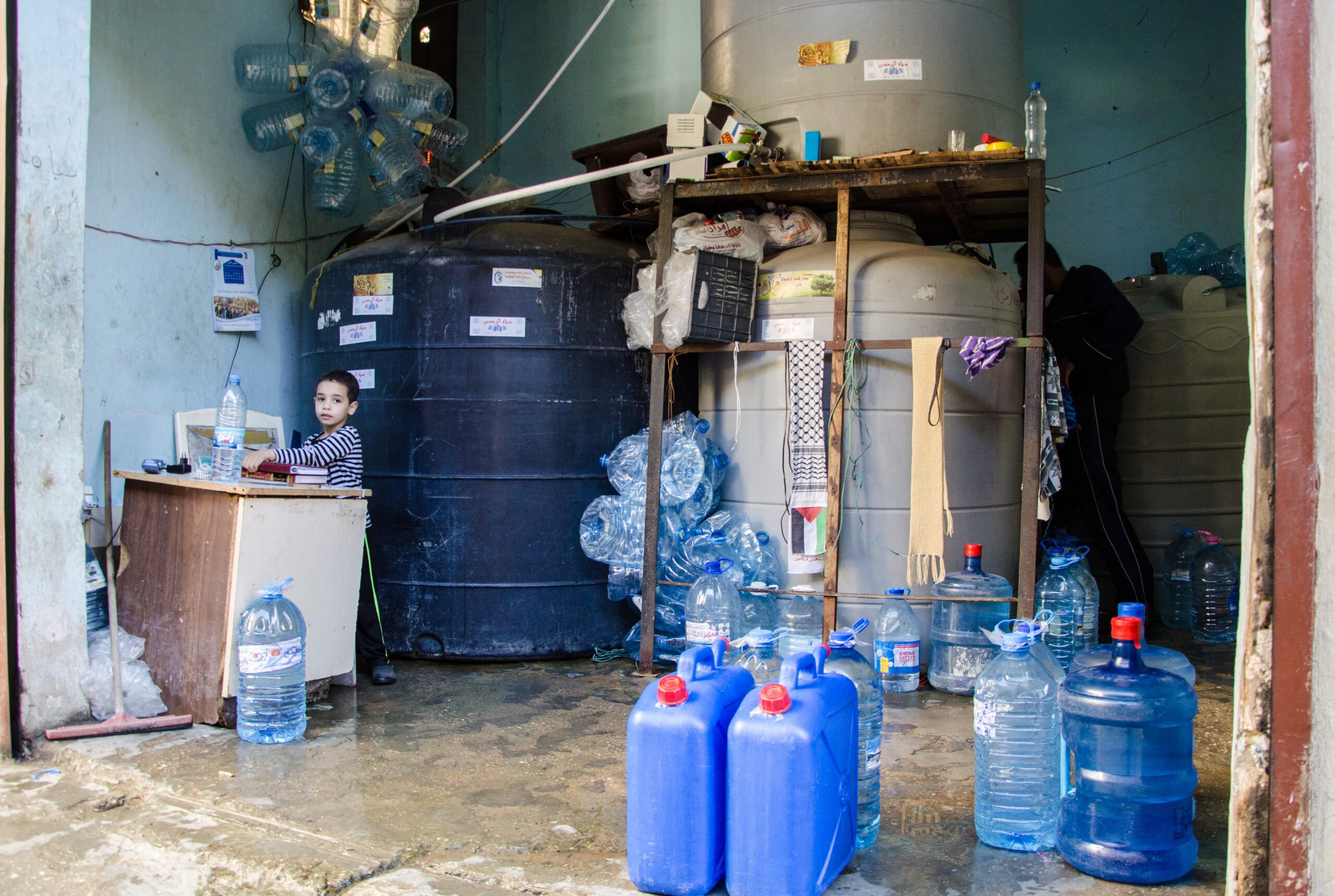
Amid Lebanon’s perfect storm of crises, water demands attention
Lebanese crises have repeatedly made international news since October 2019, when the country witnessed the start of a popular revolution against a stagnant and corrupt political elite. Much less discussed but no less critical is the issue of water. The problem has been slumbering for years but has recently come to light along with other failings of the Lebanese government.
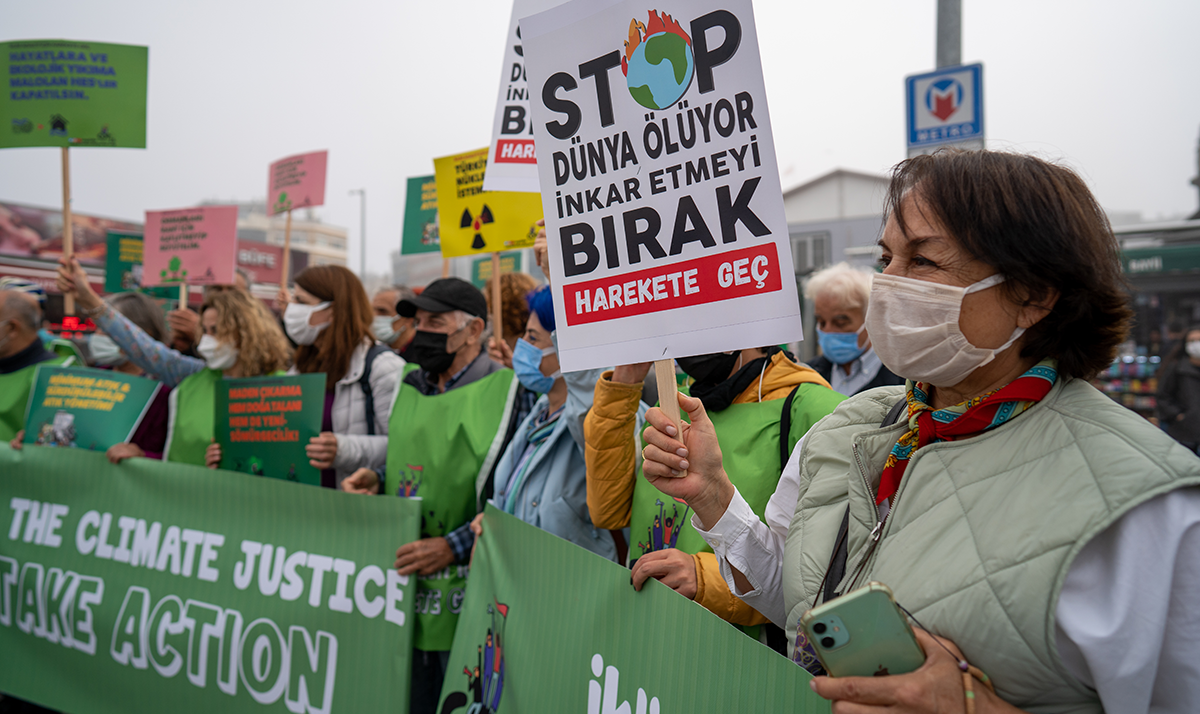
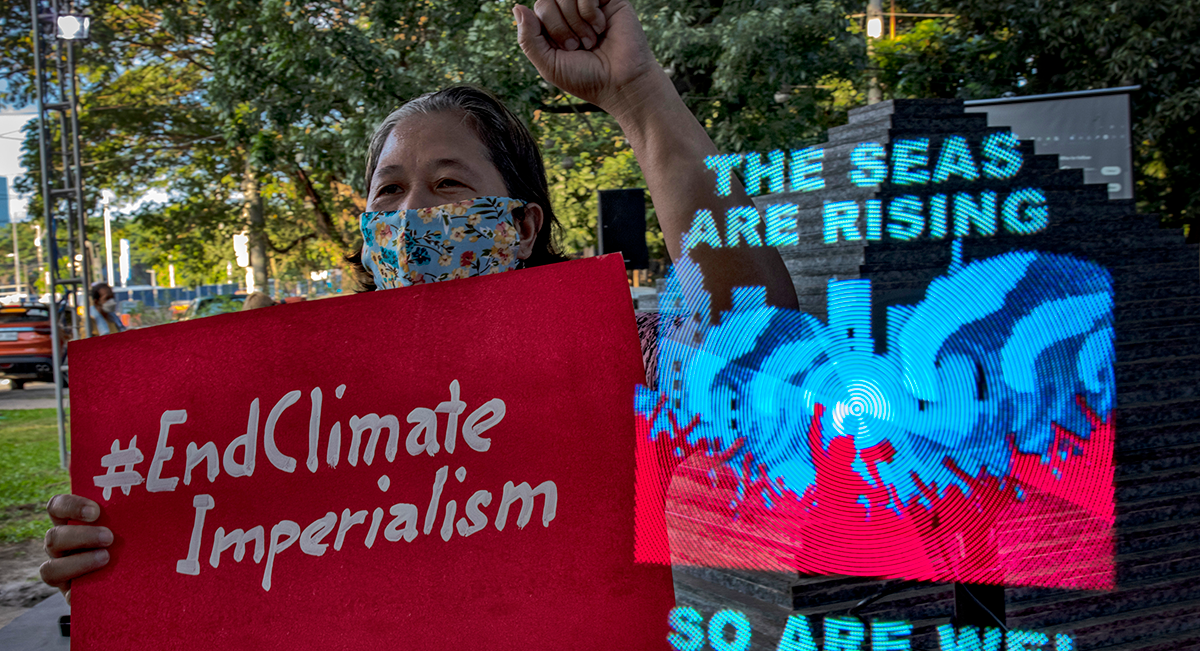
Since the founding of the UNFCCC at the Rio de Janeiro Earth Summit in 1992, climate justice has been a contentious issue that has divided developed and developing countries. The concept of climate justice is crucial for negotiating the diverse responsibilities of different nations and actors, and for shaping climate policies, and it has arguably come a long way since the early days of global climate change negotiations.
Hospitable Thoughts: Saudi artist Abdulnasser Gharem’s New York show explores control and authority
When acclaimed Saudi artist Abdulnasser Gharem opened his first solo show in New York City last week, it closed the circle on a story that began more than two decades ago on Sept. 11, 2001, and the wars and chaos that followed. The 49-year-old Gharem, a seminal figure in and pioneer of Saudi Arabia’s contemporary art scene, hopes his exhibition Hospitable Thoughts, at the Marc Straus Gallery through Oct. 16, will spark a “new cultural dialogue.”
Expert Views: The implications of this summer’s scorching heatwaves
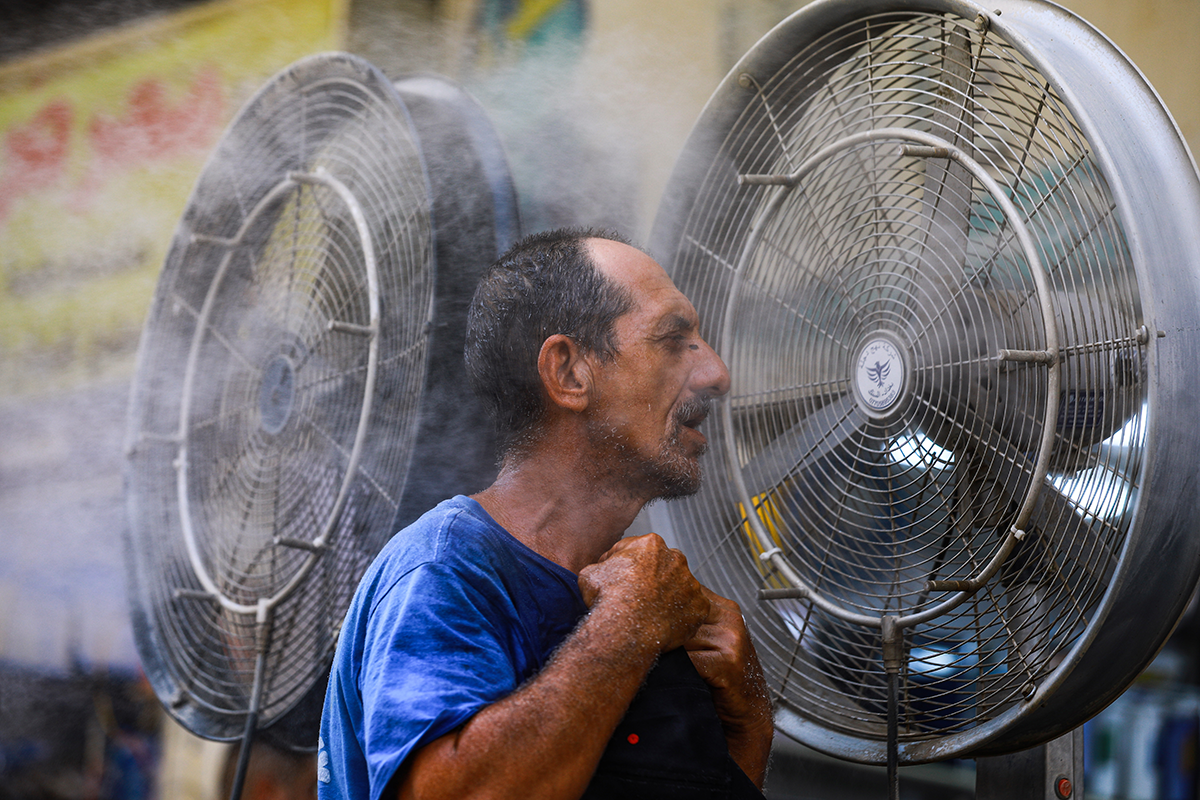
What began as a summer heatwave of significantly above-normal temperatures in Europe expanded to a series of successive heatwaves that has afflicted most of the northern hemisphere. Temperatures reached and remained at substantially elevated levels in the months of June and July, breaking historical records in many countries across Europe, Asia, North America, and the Middle East.
As the first of two consecutive global climate conferences to be held in the MENA region, COP27 could provide a new opportunity for international leaders to overcome the failures of COP26, especially the censorship of the voices of vulnerable communities from the Global South. Addressing the legacy of climate coloniality means decolonization is a key part of tackling the climate crisis.
MEI Arts and Culture Center Director Lyne Sneige speaks with photographers Eman Ali and Samar Hazboun, who are featured in MEI’s latest gallery exhibition “More Than Your Eyes Can See: Contemporary Photography from the Arab World” – curated by Laila Abdul-Hadi Jadallah and in partnership with Tribe Magazine.
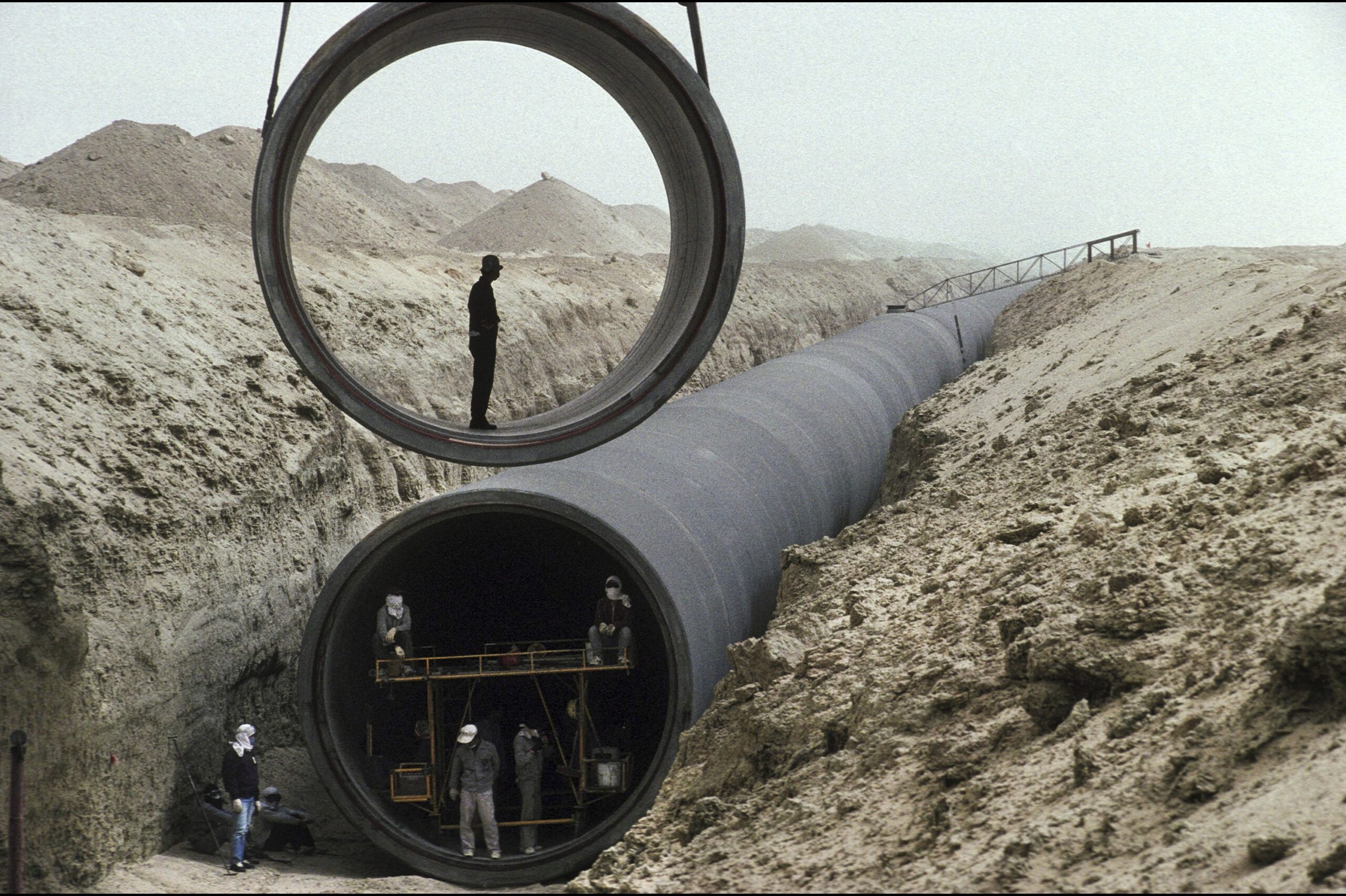
What’s next for Libya’s Great Man-Made River Project?
The Middle East and North Africa are well known for their severe water scarcity. The region’s lack of water resources is the result of many factors, including the harsh climate, intense heat, high evaporation rates, and increasing population growth. Libya is no exception in this regard. According to the World Resources Institute, it ranks 6th among the top countries worldwide facing “extremely high baseline” water stress.