Young Ukrainians’ evolving war-time attitudes toward Russia and the West
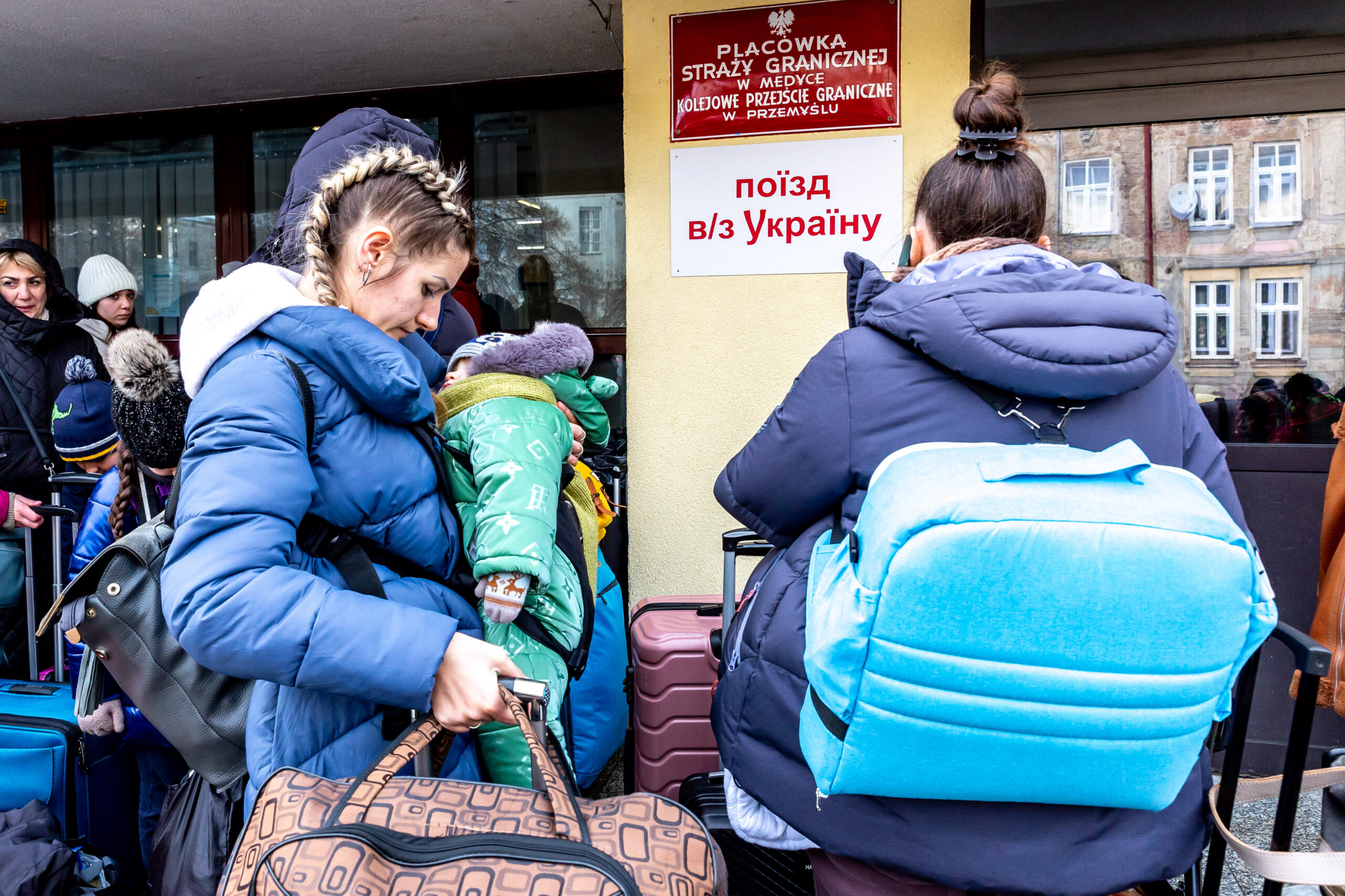
Listening to students and young professionals is instrumental in understanding the Ukrainian perspective. A series of interviews, conducted in summer 2022, centered around their identity as Ukrainians, how the war is impacting their lives, and how they viewed Russia and the West before and after Feb. 24, 2022. The participants in these interviews have only known an independent Ukraine, and their negative feelings toward Russia will not improve anytime soon.
War crimes in Ukraine: Failure to prosecute Russia will damage international security for years to come
Historically, Russia has escaped accountability for the war crimes it has committed. The war in Ukraine must not follow the same path. Otherwise, the entire international security architecture will bear the consequences of such impunity.
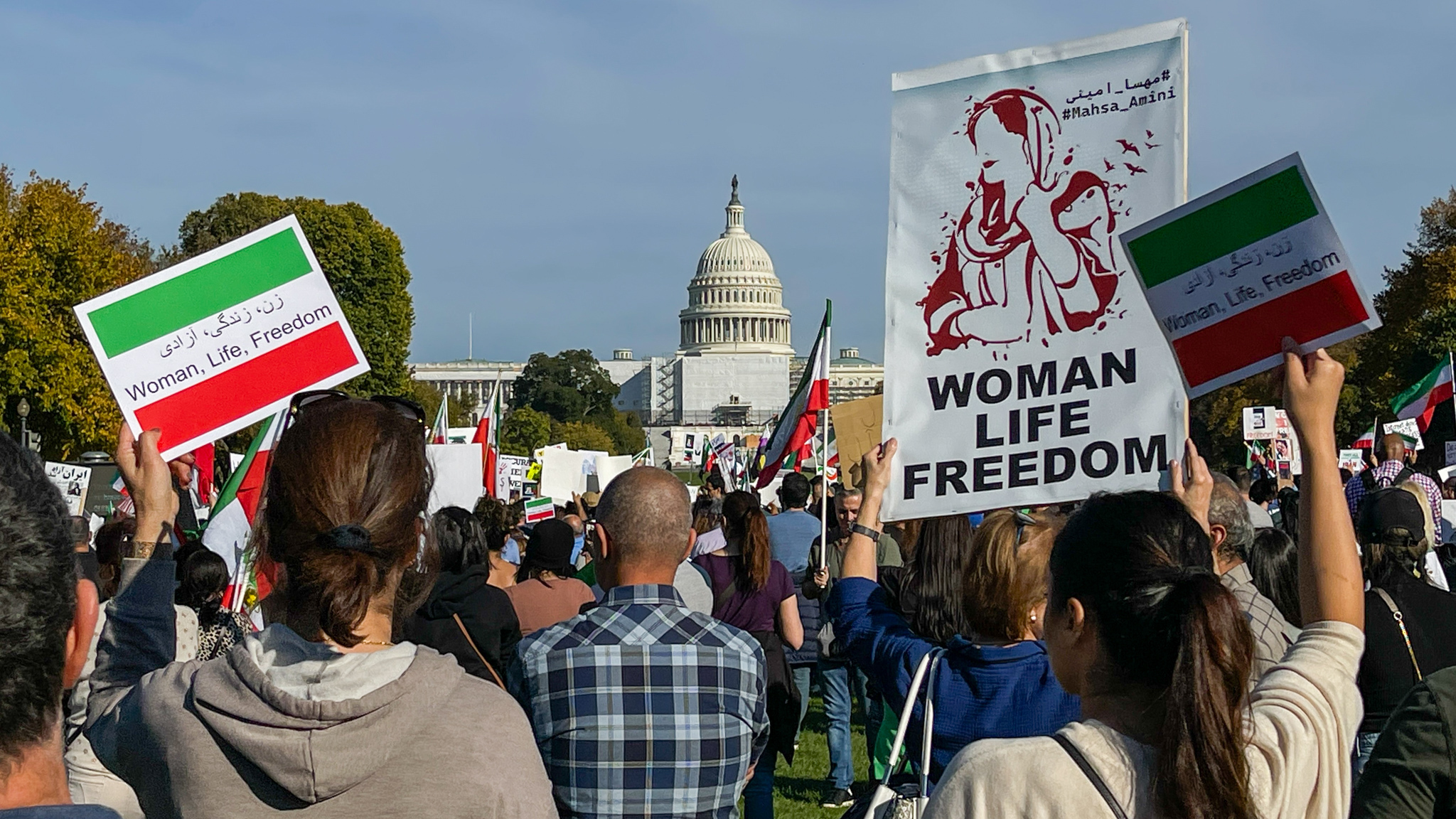
Tehran lashes out at Israelis’ support for Iranian protest movement
The Iranian regime is pointing the finger at Israel and the U.S. for allegedly orchestrating the nationwide protests. But while the U.S. and Israel both might have an interest in shaping and aiding the protest movement once it began, this large-scale mobilization of the Iranian public is a result of the regime’s own policies.
The Islamic Republic’s authorities have learned that they don’t need to take Washington’s reactions to internal oppressions very seriously. Presumably, in their view, as long as the Biden administration maintains even the slightest hope for a new nuclear deal with Tehran, it will not take any tough actions vis-à-vis Iran’s domestic policies.
Algerians’ clandestine exodus: A complex national tragedy
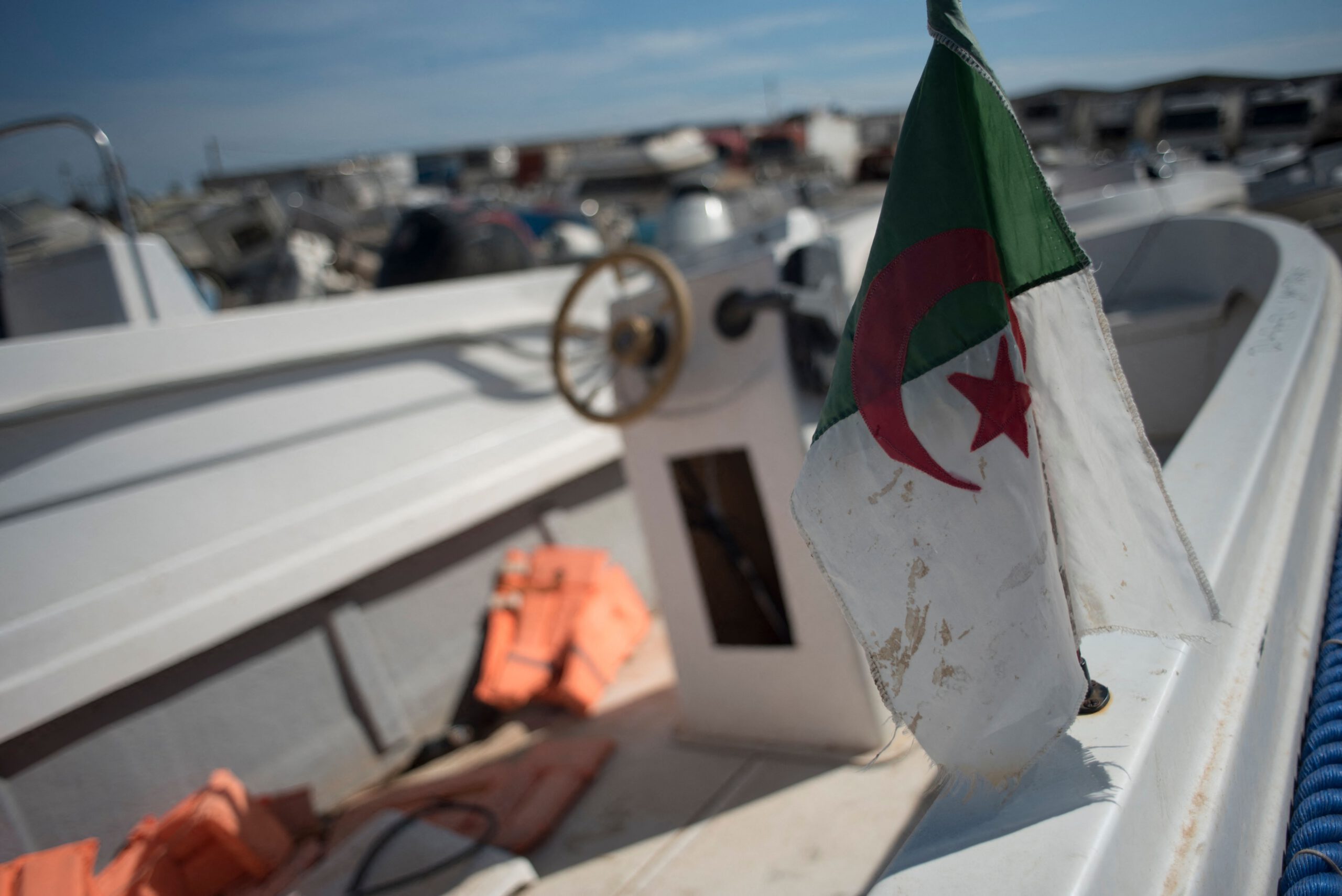
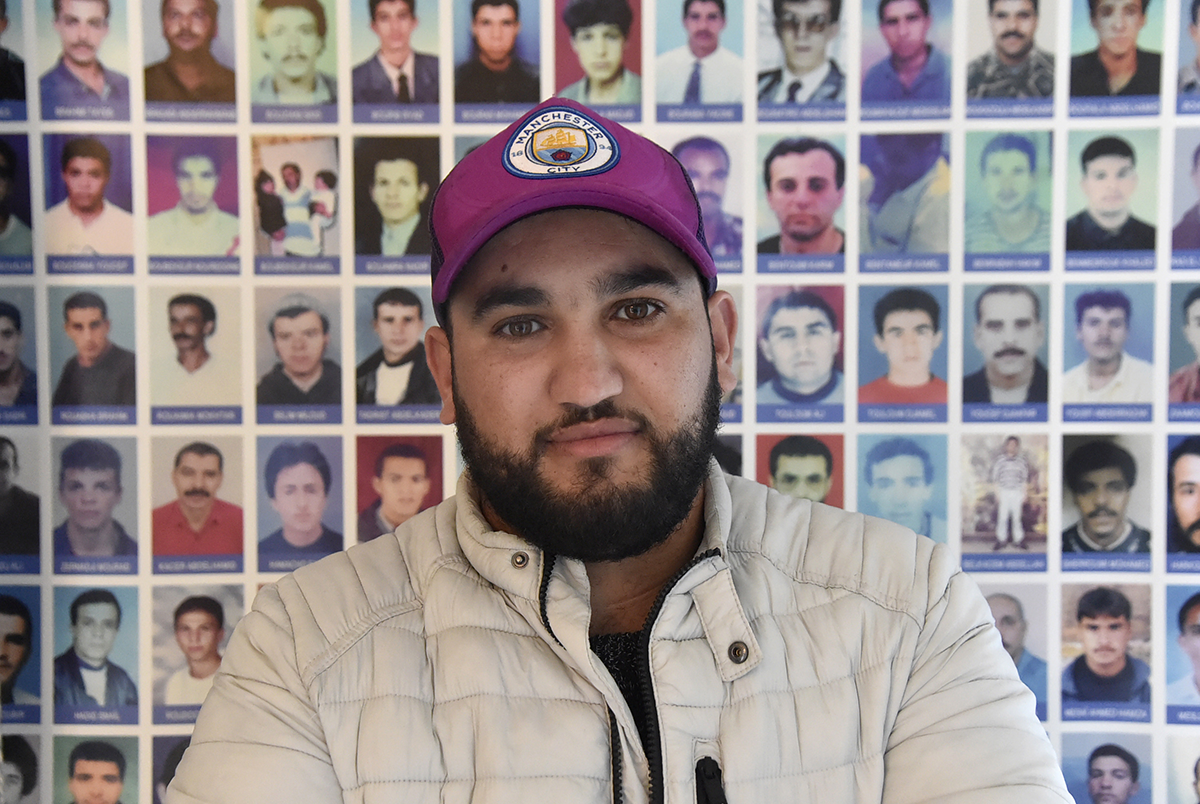
The growing wave of Algerians illegally trying to reach Southern European shores while risking death is by no means a new development. But these perilous trans-maritime voyages are also a reminder of the bleak political and economic situation in which Algeria finds itself three years after the 2019 protest movement sparked hope for fundamental change.
Today’s episode challenges preconceived notions about Iranian society, the hijab, and the regime clinging to power in Tehran. Joining us today for an enlightening conversation are two Iran experts, Marjan Keypour Greenblatt and Alex Vatanka. Marjan is the founder and director of the Alliance for Rights of All Minorities (ARAM), a non-resident scholar with MEI’s Iran Program, and a member of the Anti-Defamation League’s Task Force on Middle East Minorities. Alex is the director of MEI’s Iran Program and a Senior Fellow with the Frontier Europe Initiative.
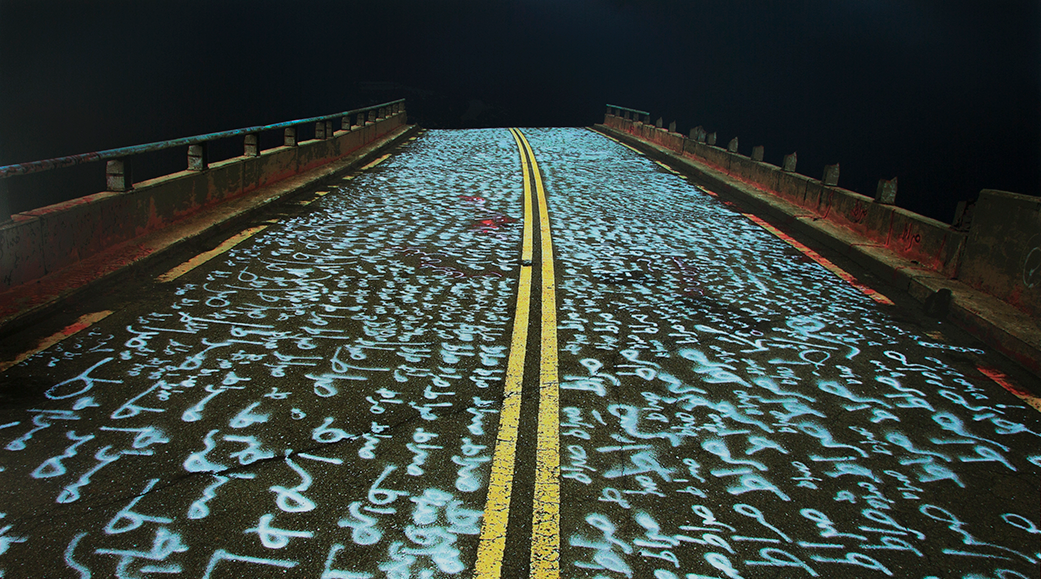
Hospitable Thoughts: Saudi artist Abdulnasser Gharem’s New York show explores control and authority
When acclaimed Saudi artist Abdulnasser Gharem opened his first solo show in New York City last week, it closed the circle on a story that began more than two decades ago on Sept. 11, 2001, and the wars and chaos that followed. The 49-year-old Gharem, a seminal figure in and pioneer of Saudi Arabia’s contemporary art scene, hopes his exhibition Hospitable Thoughts, at the Marc Straus Gallery through Oct. 16, will spark a “new cultural dialogue.”
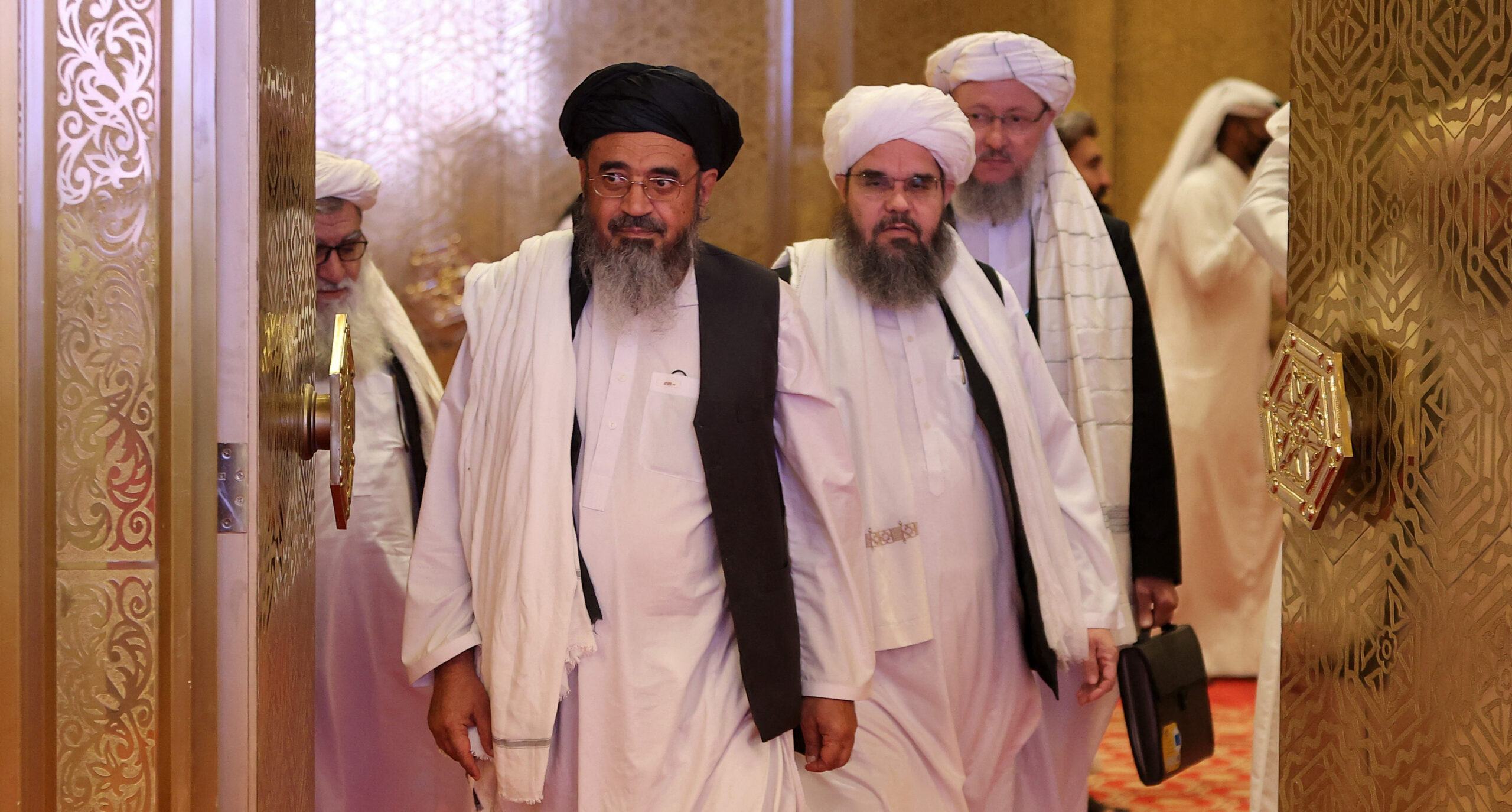
Why the Afghan peace process failed, and what could come next?
Multiple factors converged to derail the peace process prior to the U.S. withdrawal from Afghanistan. The lessons from this failure can inform policymakers on how to successfully pursue a new round of political peace talks involving the Taliban and all major segments of Afghan society.
MEI Arts and Culture Center Director Lyne Sneige speaks with photographers Eman Ali and Samar Hazboun, who are featured in MEI’s latest gallery exhibition “More Than Your Eyes Can See: Contemporary Photography from the Arab World” – curated by Laila Abdul-Hadi Jadallah and in partnership with Tribe Magazine.
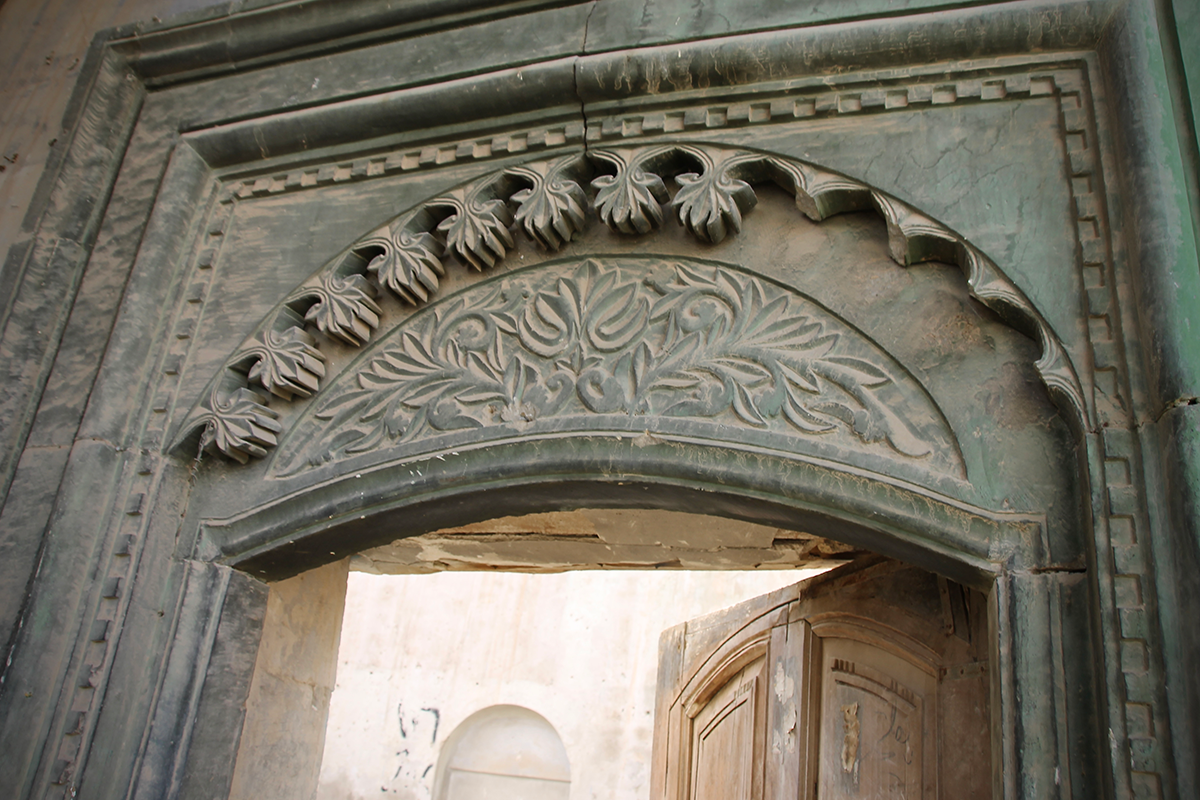
A portal to the past: The restoration of Erbil’s architectural heritage
When architect Mustafa Mofaq first started working on heritage restoration at Erbil’s citadel last year, it was with a great sense of personal connection. “My great-grandfather had a house here,” explains the 27-year-old, who is employed by an EU-UNESCO partnership aimed at supporting livelihoods through cultural heritage development in Iraq and Jordan.
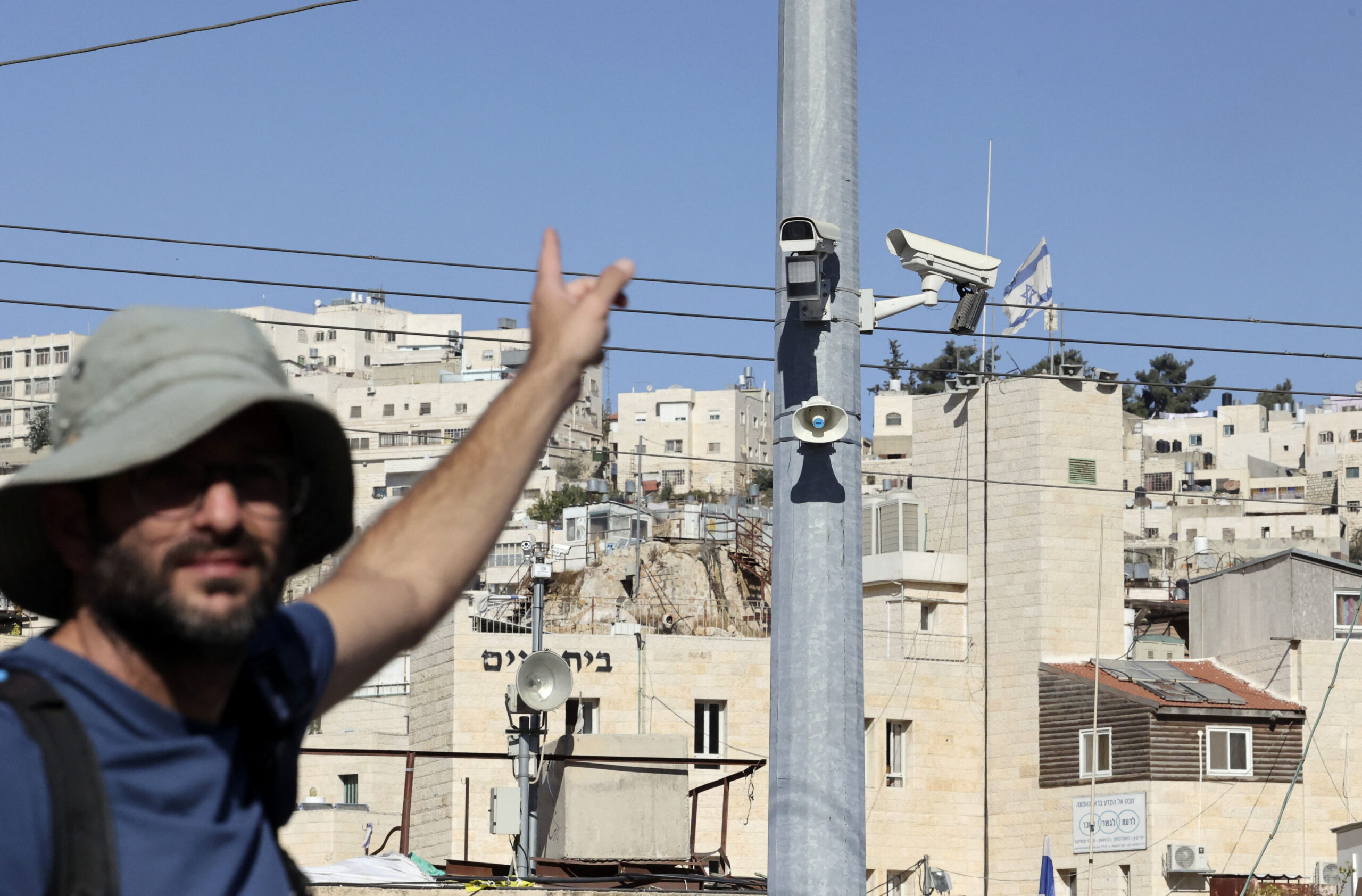
Nowhere to hide: The impact of Israel's digital surveillance regime on the Palestinians
Over the course of 2020 and 2021, groundbreaking investigations revealed in stark detail Israeli authorities’ intensifying use of surveillance and predictive technologies to police and control Palestinians. Subjecting Palestinians to such scrutiny from security and military apparatuses narrows their expressive spaces and plunges them into a state of constant anxiety. This practice also carries out a commercial purpose: Occupied Palestine effectively functions as an open-air laboratory for Israel to test techniques of espionage and surveillance before selling them to repressive regimes around the world.
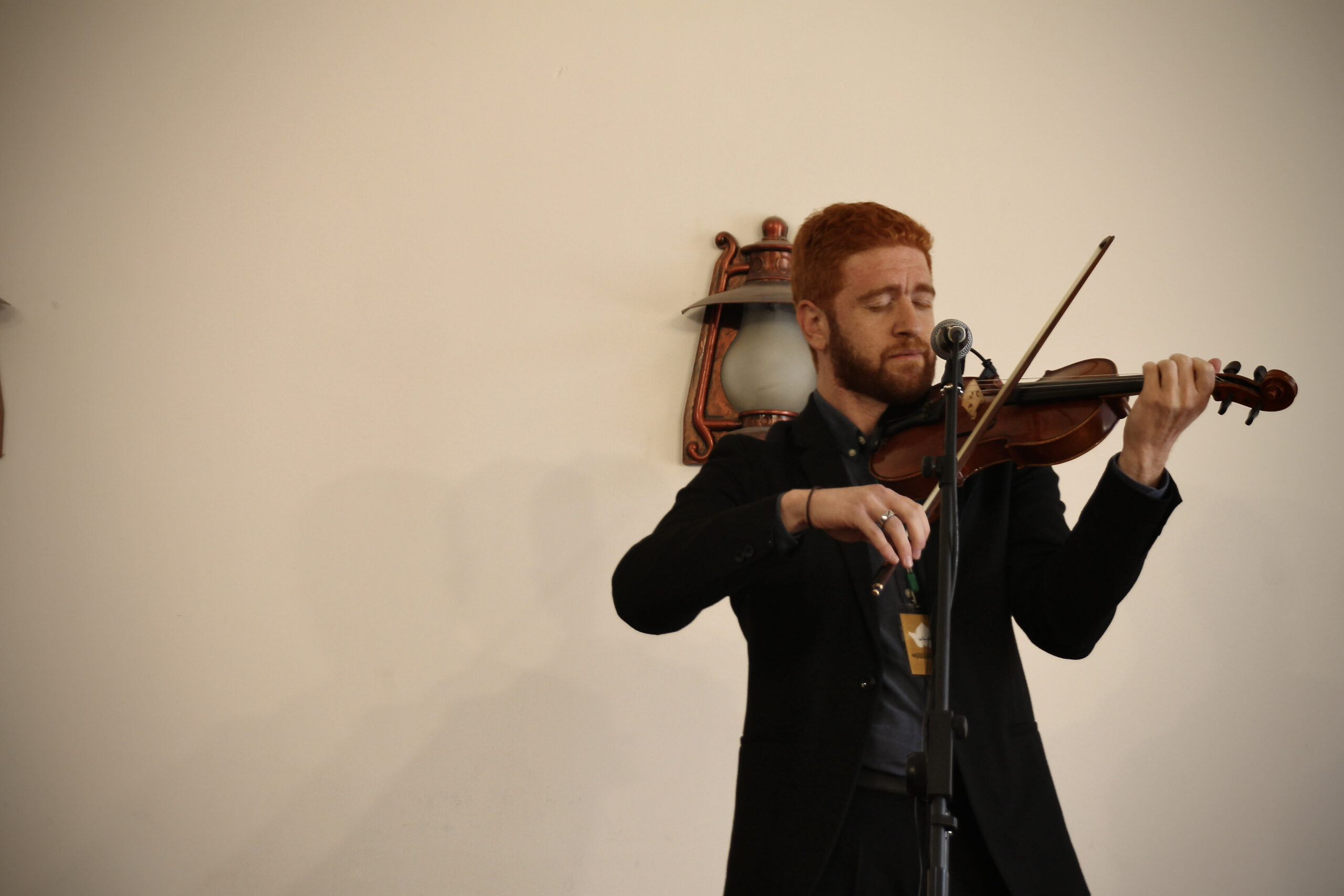
In a room at the old Mosul Museum, a young Moslawi singer closes his eyes in a moment of rapture. Singing next to the museum’s modernist 1974 incarnation still being restored after ISIS’s pillage of it treasures, his voice lifts the hearts of listeners.
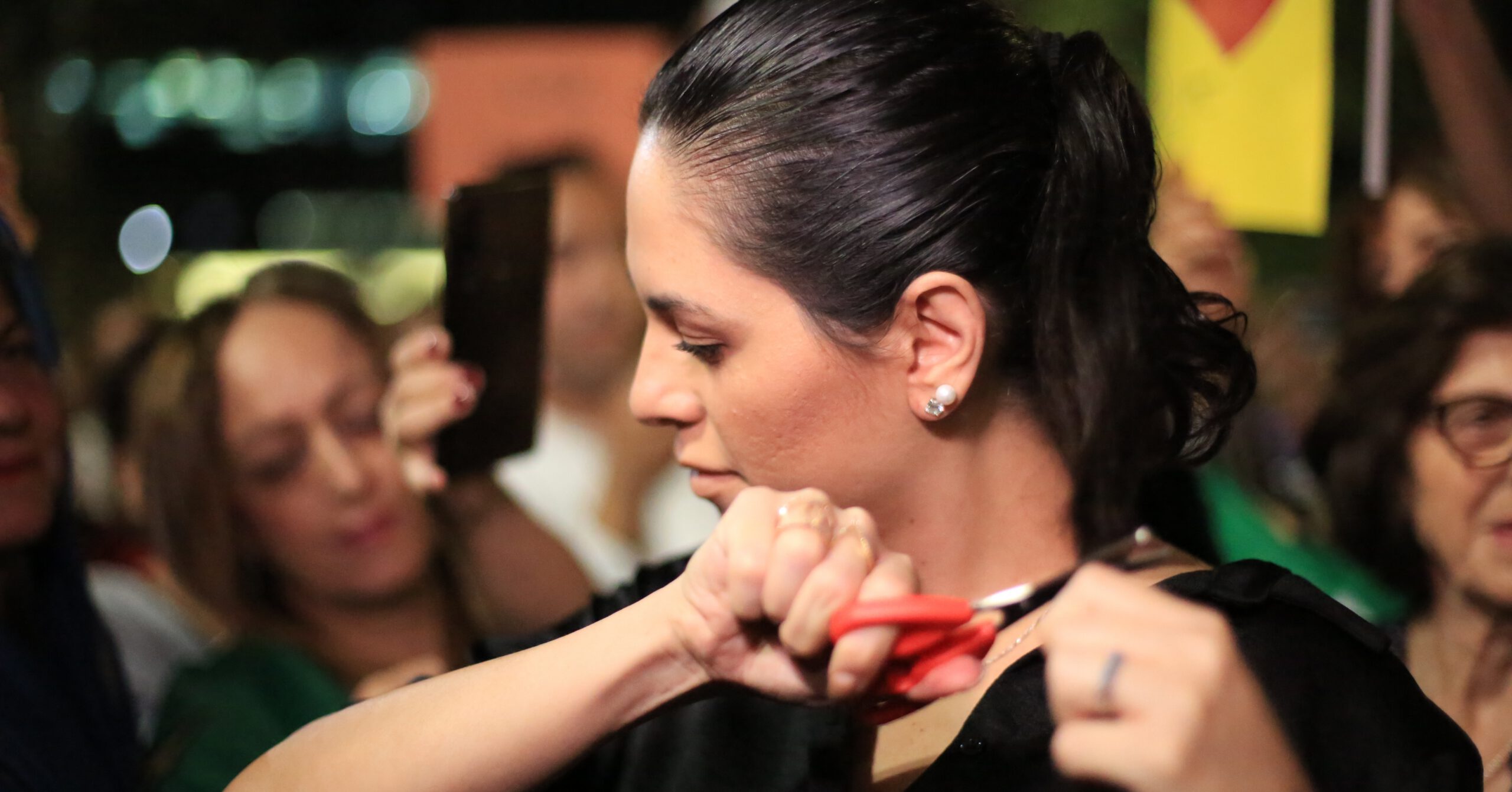
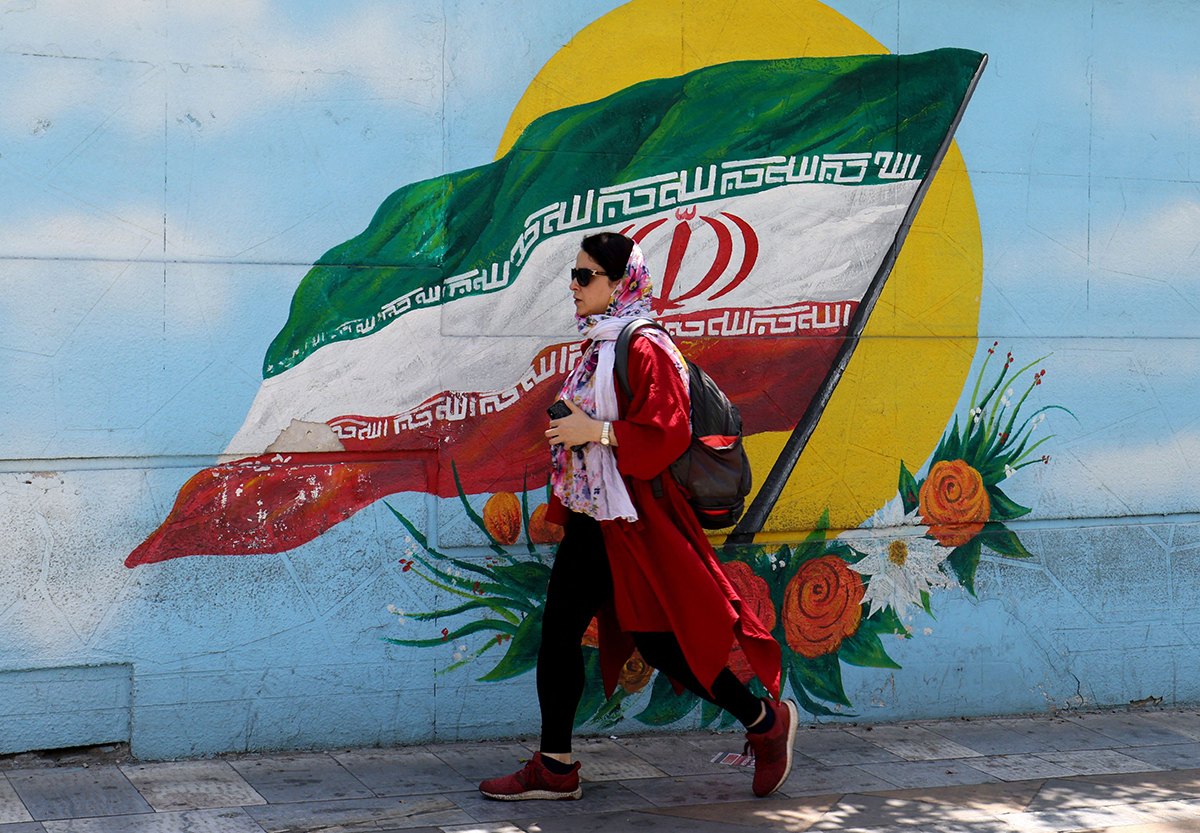
Iranian women both within the country and in the diaspora are working together to usher in real social and political change in Iran. Women-led grassroots organizations are leading an effort to promote democracy and human rights through a collaborative, non-ideological approach.
Algeria rings in the old: Civil society under assault
The Algerian authorities are intensifying repression against the last voices of dissent, hoping to put an end to the Hirak once and for all. Human rights in Algeria are under serious threat; the pattern toward a more authoritarian, less competitive regime is clear.
Between the Sky and the Earth: Contemporary Art from the UAE
Afra Aldhaheri and Asma Belhamar, two featured artists in the MEI Art Gallery’s latest exhibition, Between the Sky and the Earth: Contemporary Art from the UAE, join MEI’s Lyne Sneige to discuss the inspirations and artistic processes behind their pieces in the show.