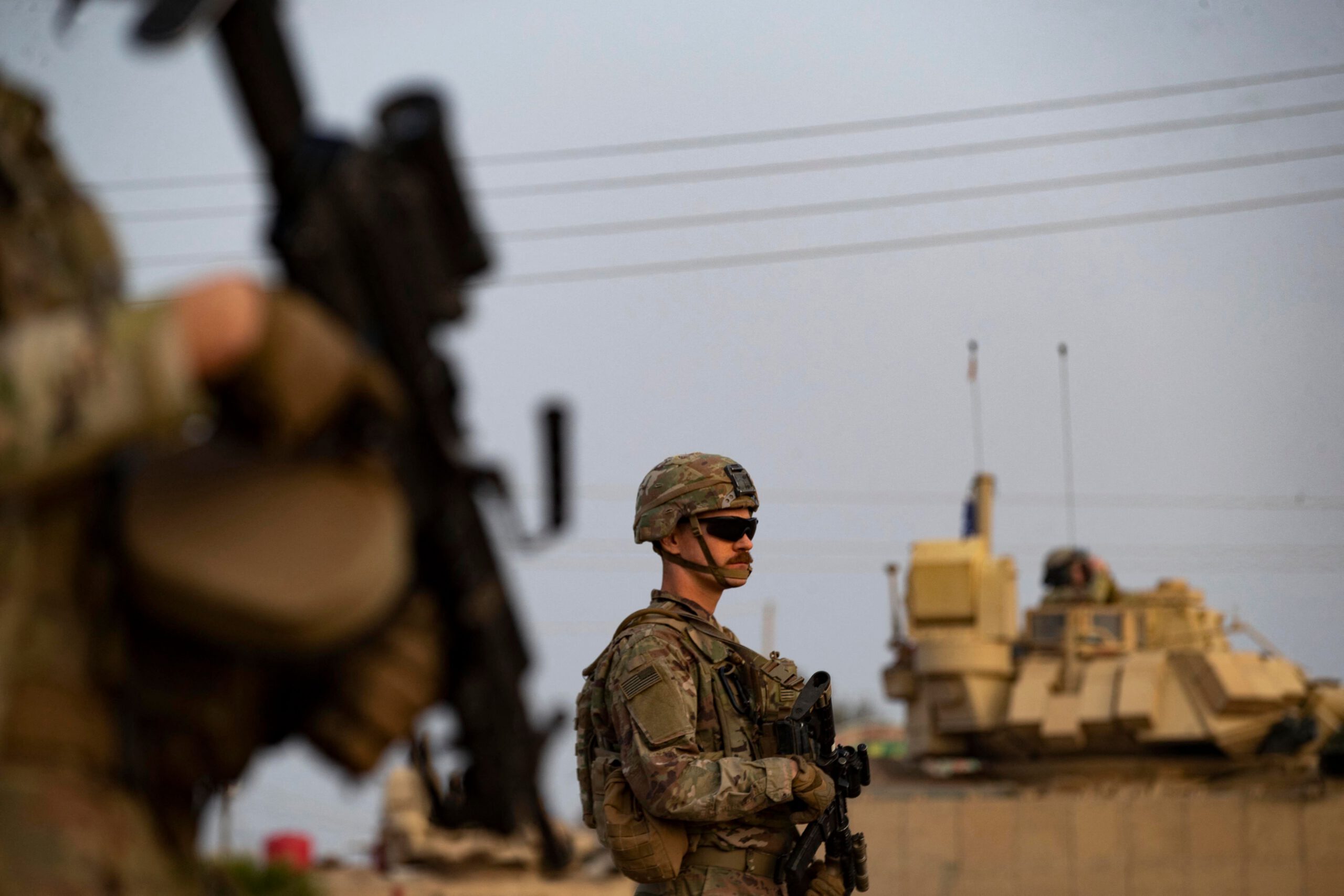
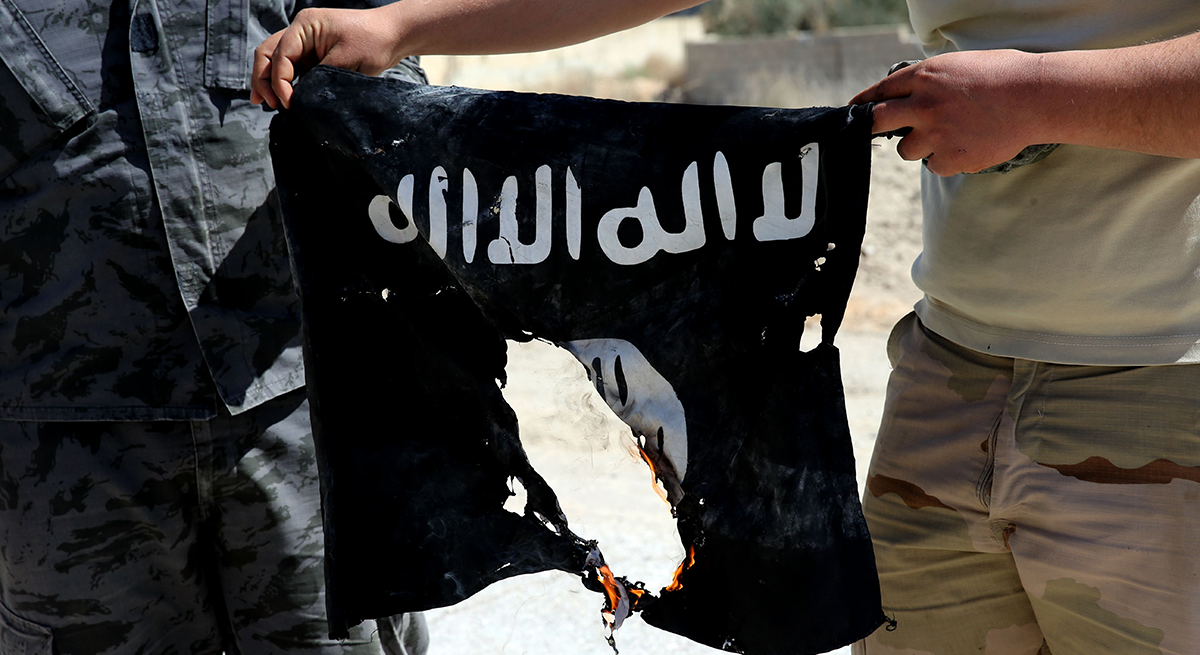
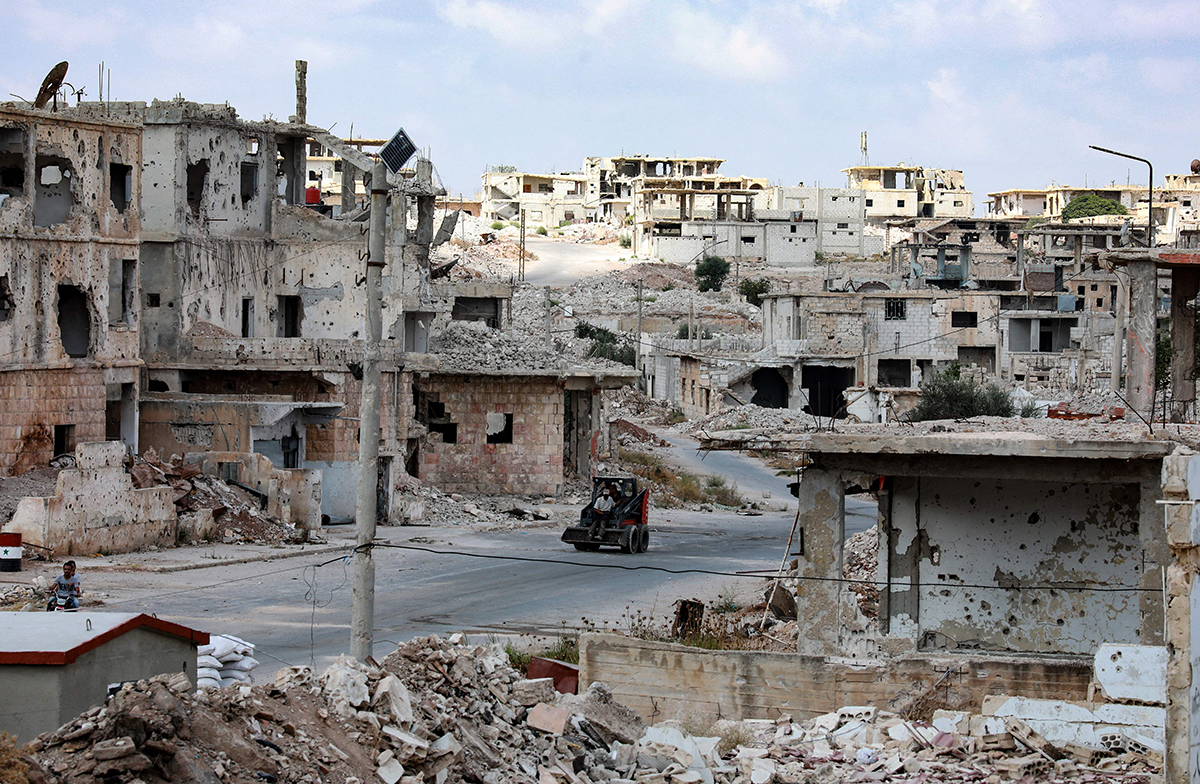
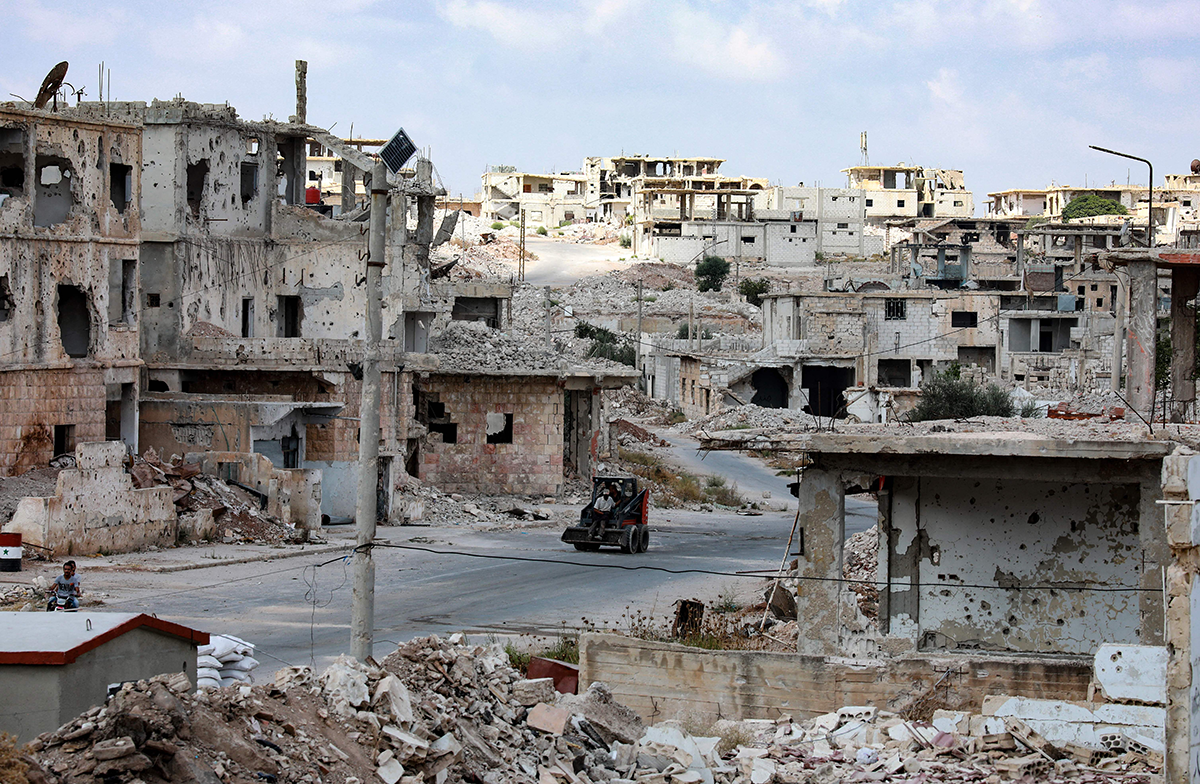
The U.S. administration is tacitly contributing to growing acceptance and re-normalization of Syrian President Bashar al-Assad, the 21st century’s most notorious war criminal, putting in jeopardy the continuation of our counter-terrorism mission in Syria. Assad is toasting his survival on the ashes of his victims — but within the small community of optimistic actors in Syria, ISIS is sitting pretty comfortably too.
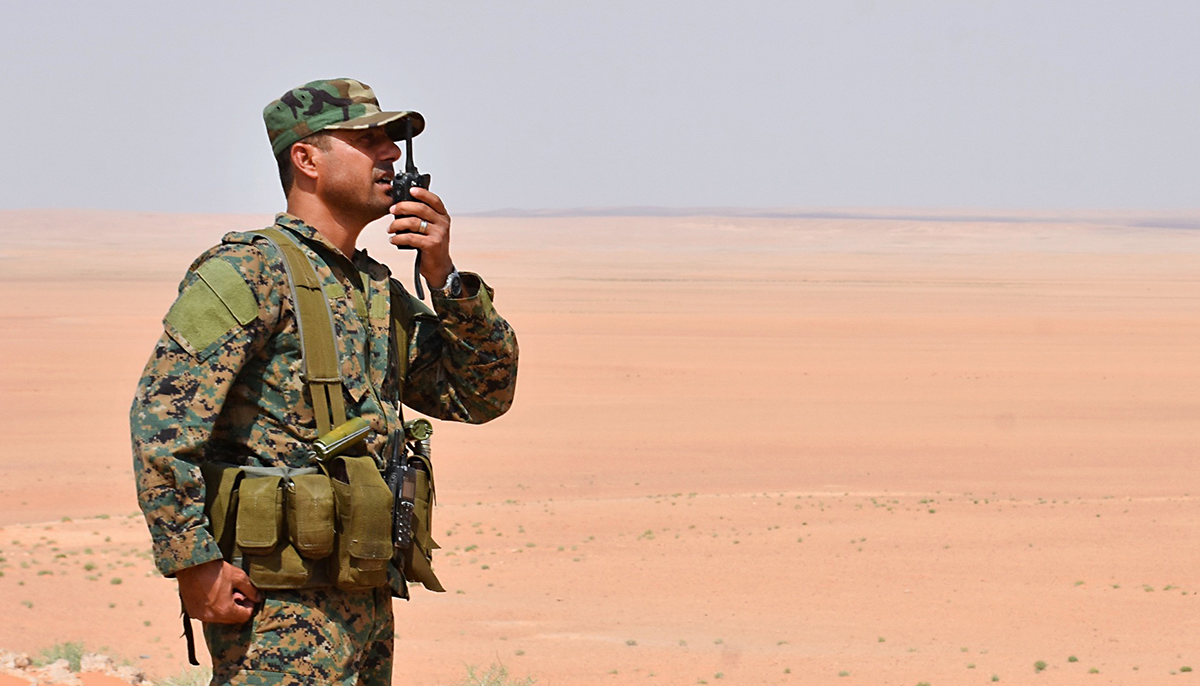
It has been an accepted fact that ISIS ceased being a territory-controlling entity in Syria after its March 2019 defeat in the town of Baghouz. Yet it is perhaps time to reevaluate this perspective on the group and its insurgent trajectory in the country. While recent massacres of civilians in central Syria have refocused some international attention on the desert region, known as the Badia, the renewed widespread battles between militants and regime security forces that have occurred in parallel to these attacks have gone unnoticed.
Composing this bricolage of most frequented places is to identify with the environment. Each of the works in this exhibition strives to enliven such connections by looking anew and afresh. Whether considering the lives lived in the temporal or spatial shadows cast by unrest, migration, and industry, or taking a long view of history or an attentive approach to an immediate setting, new relations are found.
On Food and Sustainability: A Conversation with Moza Al Matrooshi and Christian Sleiman
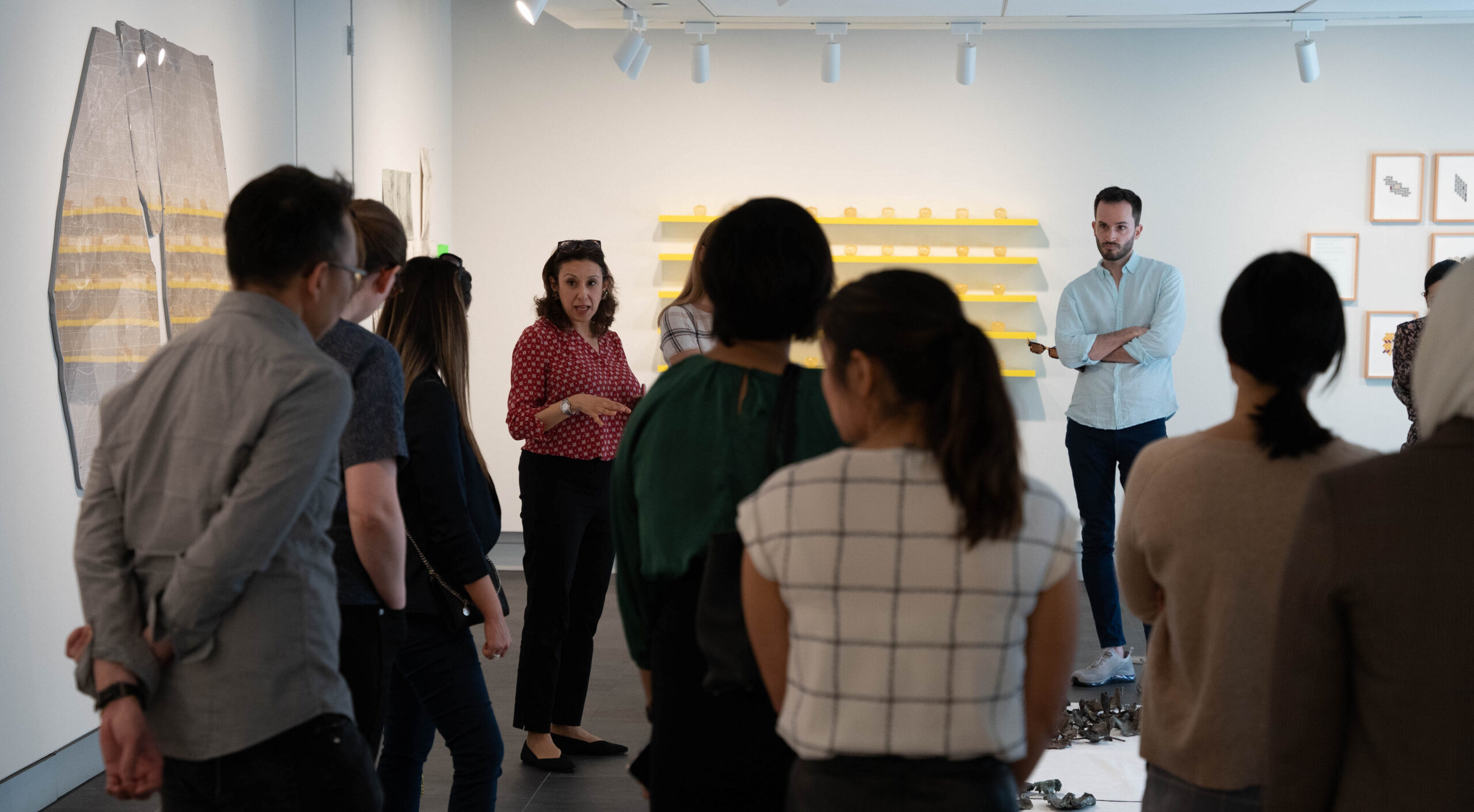
Lyne Sneige, Director of the Arts & Culture Program at the Middle East Institute, speaks with artists Moza Al Matrooshi and Christian Sleiman about their works that are featured in MEI’s current exhibition, Perceptible Rhythms/Alternative Temporalities. The conversation provides greater detail on the relationship between each artist’s works and the themes of food and sustainability.
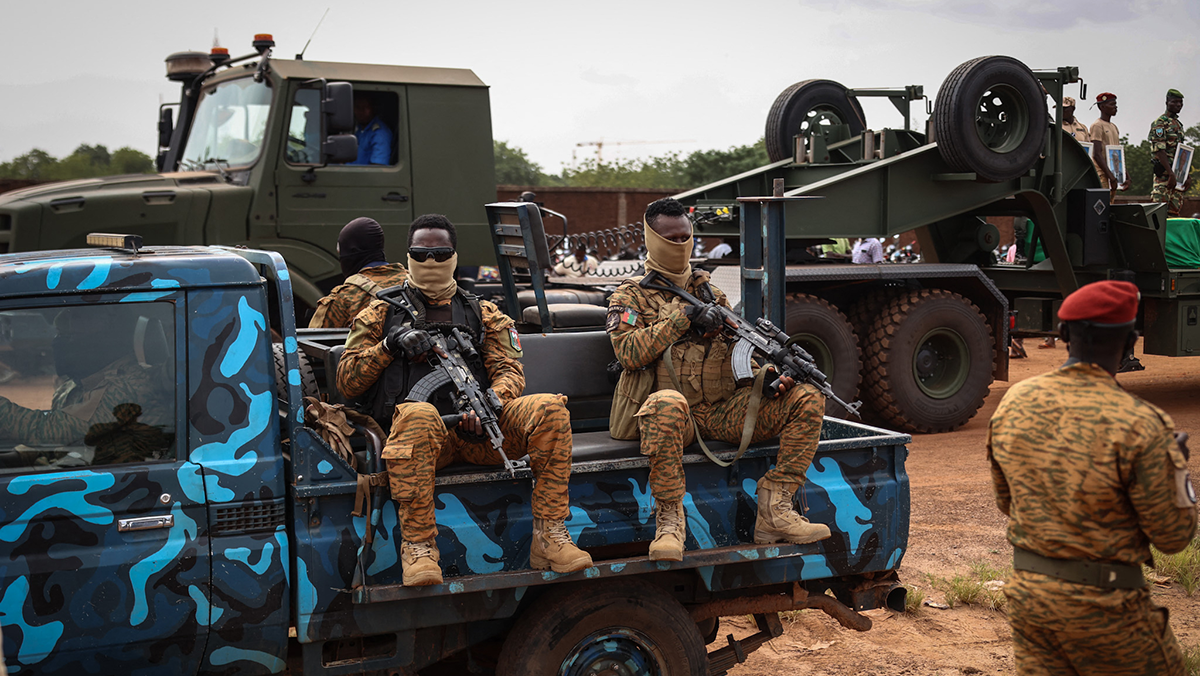
In Disorder, They Thrive: How Rural Distress Fuels Militancy and Banditry in the Central Sahel
The central Sahel — Burkina Faso, Mali, and Niger — is buffeted by three main forms of armed conflict that overlap and fuel each other: communal conflict, banditry, and violent extremism. These conflicts are partly rooted in a crisis of governance in rural areas, and are exacerbated by climate change, demographics, and internal and cross-border migration.
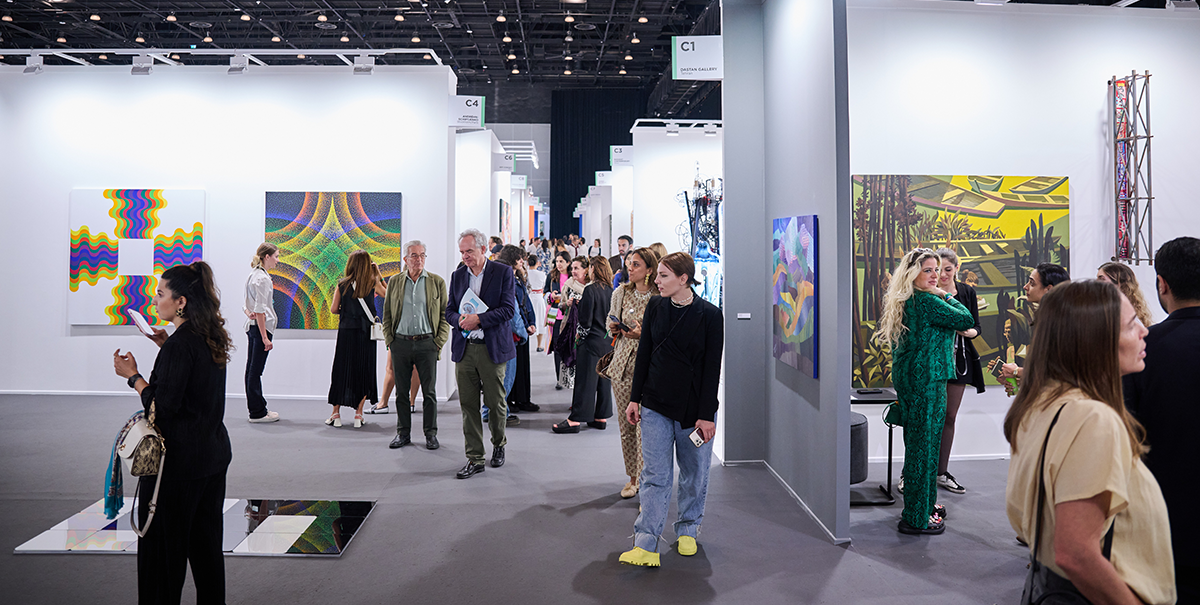
Art Dubai’s most ambitious iteration blends commerce and aesthetics
Art Dubai is so much more than an art fair. In this, its most ambitious iteration and 16th year, it promises to be both a cultural emporium and a litmus test for the global economy.
MEI's Arts and Culture Center joins DESIGNEAST in Dubai
MEI’s Arts and Culture Center joins DesignEast at Alserkal Avenue in Dubai
DesignEast is a new platform launching in Dubai during Alserkal Art Week from 26 February to 5 March, 2023 focused on providing opportunities for emerging designers from the Middle East, South East Asia and China. MEI’s Arts and Culture Center director Lyne Sneige speaks to founder and creative director Rue Kotharie about their opening show ‘(Un)common Threads’ and two of the participating artists Ghizlane Sahli (Morocco) and Nour Hage (UAE/UK).
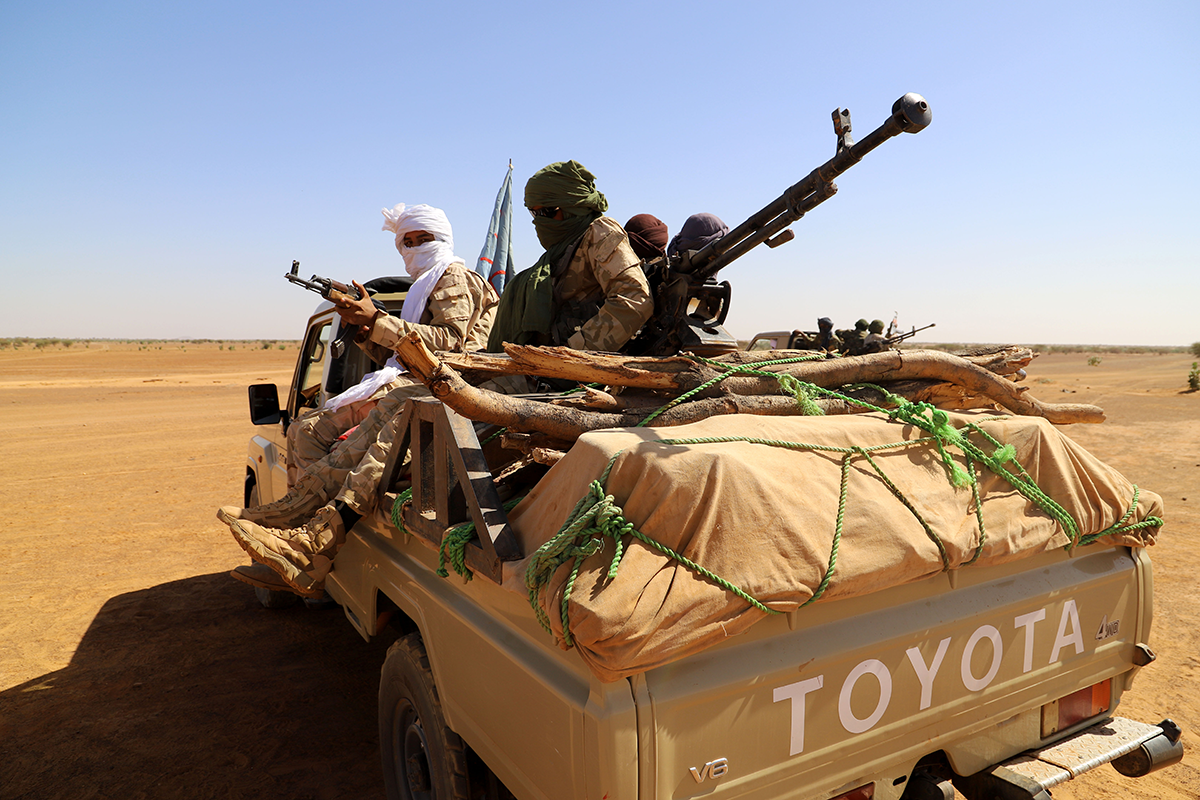
As terrorist groups expand in the Sahel, is Algeria the missing link?
Over the past two years, the steady expansion of terrorist and fundamentalist threats in the Sahel has not gotten the attention it deserves. Algeria’s regional diplomatic clout, military might, and experience in fighting terrorism could help Sahelian states ward off an imminent political and security collapse.
On Nov. 30, the Islamic State announced that its leader, Abu al-Hassan al-Hashimi al-Qurayshi, had been killed in battle and that his successor, Abu al-Hussein al-Husseini al-Qurayshi, was now in place. Hours later, the United States military’s Central Command confirmed the death of Abu al-Hassan, adding that it had occurred in Daraa, in southern Syria, in mid-October at the hands of “the Free Syrian Army.”
أطلقت المجموعات المحلية في مدينة درعا البلد ، وهي مجموعات عسكرية كانت تتبع للجيش السوري الحر، و بقيت في المحافظة بعد توقيع أتفاقية المصالحة مع النظام السوري برعاية روسية في يوليو / تموز عام 2018، عملية عسكرية واسعة على مجموعات هفو _ الحرفوش في أحياء طريق السد والمخيم داخل درعا البلد.
On Oct. 31, local units previously affiliated with the FSA launched a large-scale military operation against the al-Hafo-Harfoush group in the southern Syrian city of Daraa al-Balad. The operation followed a suicide bombing targeting the house of Ghassan al-Akram Abazid, a former FSA leader, that left four dead and several others wounded, on Oct. 28, in Daraa al-Balad. The attack was only the latest in a string of similar operations in southern Syria conducted by the group over the past year targeting military factions affiliated with the opposition.
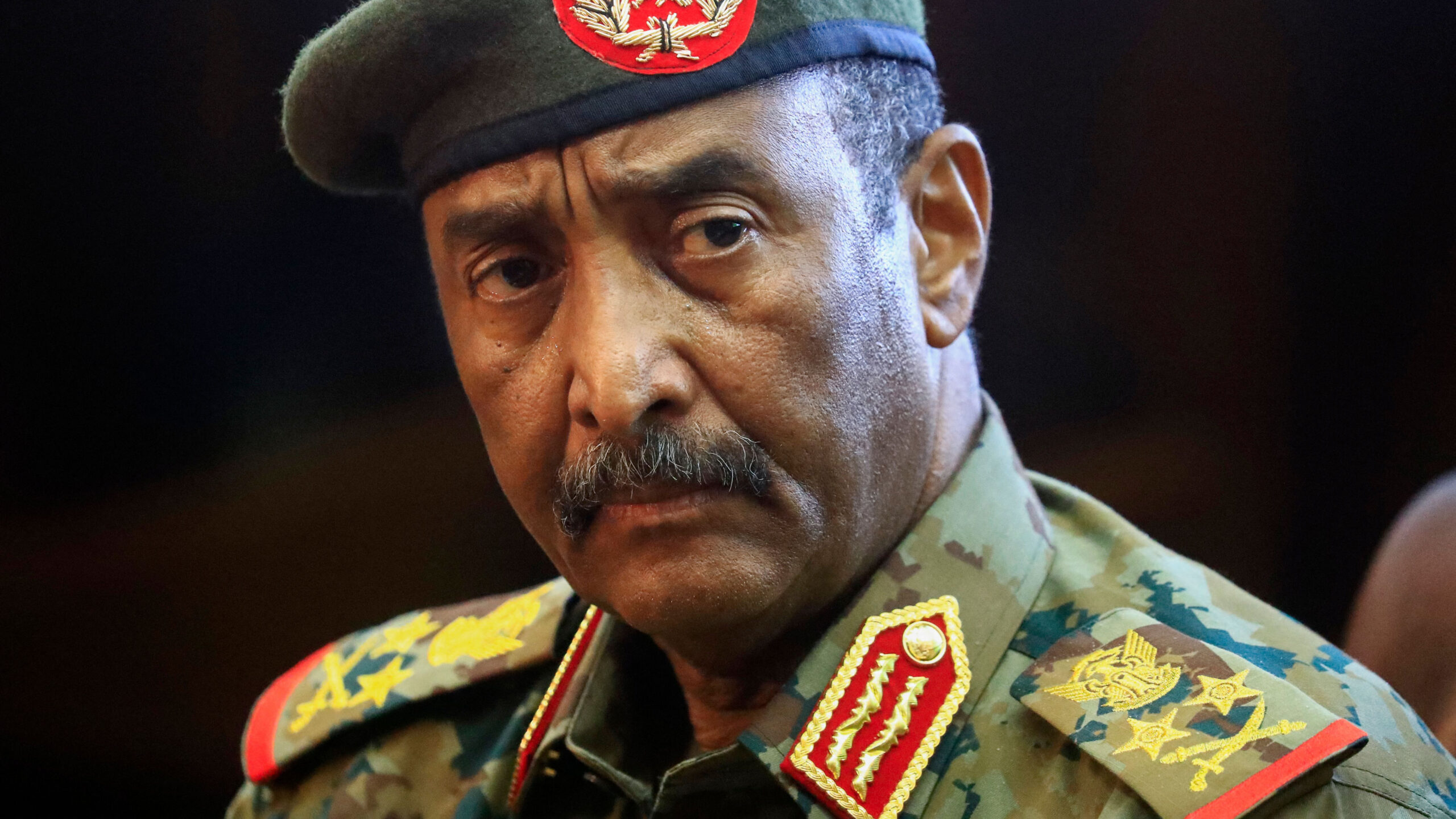
Sudan is geostrategically important to U.S. interests in both Africa and the Middle East. The country’s military rulers, Lt.-Gen. Abdel Fattah al-Burhan and his deputy Lt.-Gen. Mohamed Hamdan Dagalo (also known as “Hemedti”), are banking on that fact as they seek to press the Biden administration to focus its Sudan policy on stability, rather than supporting calls for democracy.