Sovereignty first: Reshaping international cooperation in North Africa
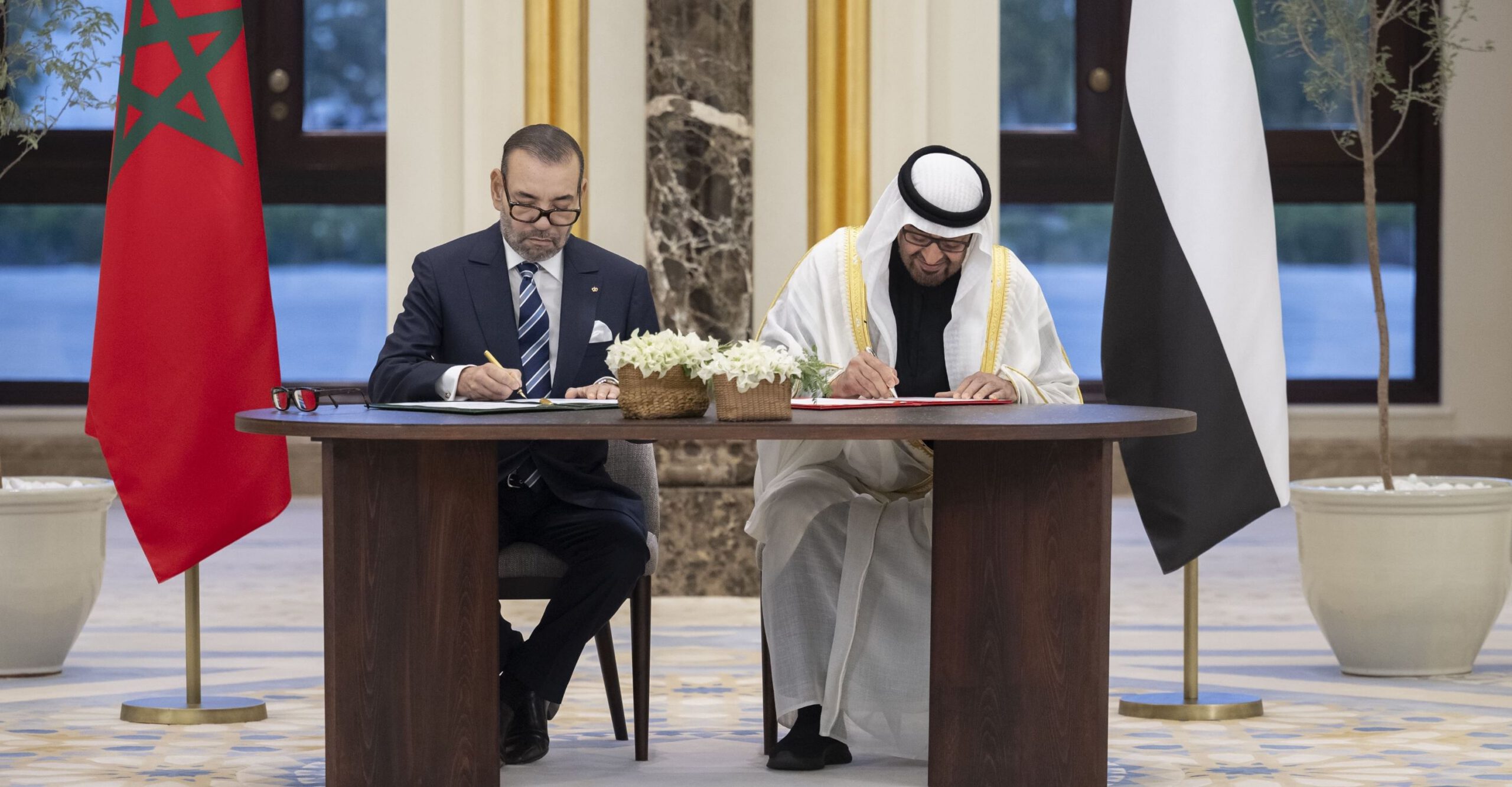
Countries in North Africa and around the world are increasingly prioritizing a strict definition of sovereignty and tending toward transactional diplomacy. Understanding the motivations behind North Africa’s “sovereignty-first” approach can help the United States and Europe build mutually beneficial and durable links with the region in this new reality.
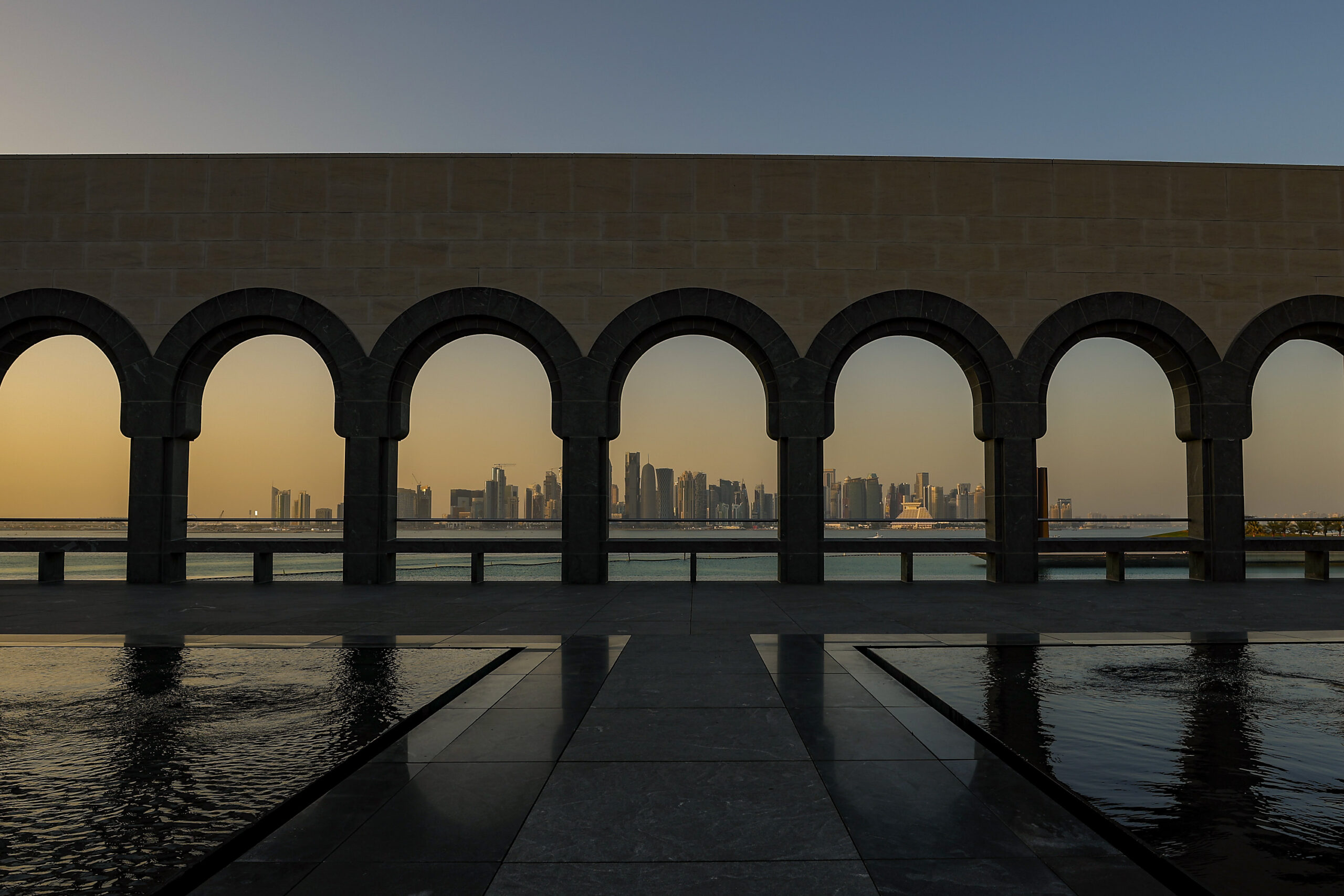
The Middle East Dialogue, a panel of regional and extra-regional experts convened by the Middle East Institute’s Conflict Resolution and Track II Dialogues Program and the Middle East Council for Global Affairs, met in Doha, Qatar, on May 21-22, 2024, to explore regional political and economic dynamics. This moderator’s report provides a summary of the issues and recommendations discussed.
After Hezbollah’s retaliation, no broader war for now, but the conflict drags on
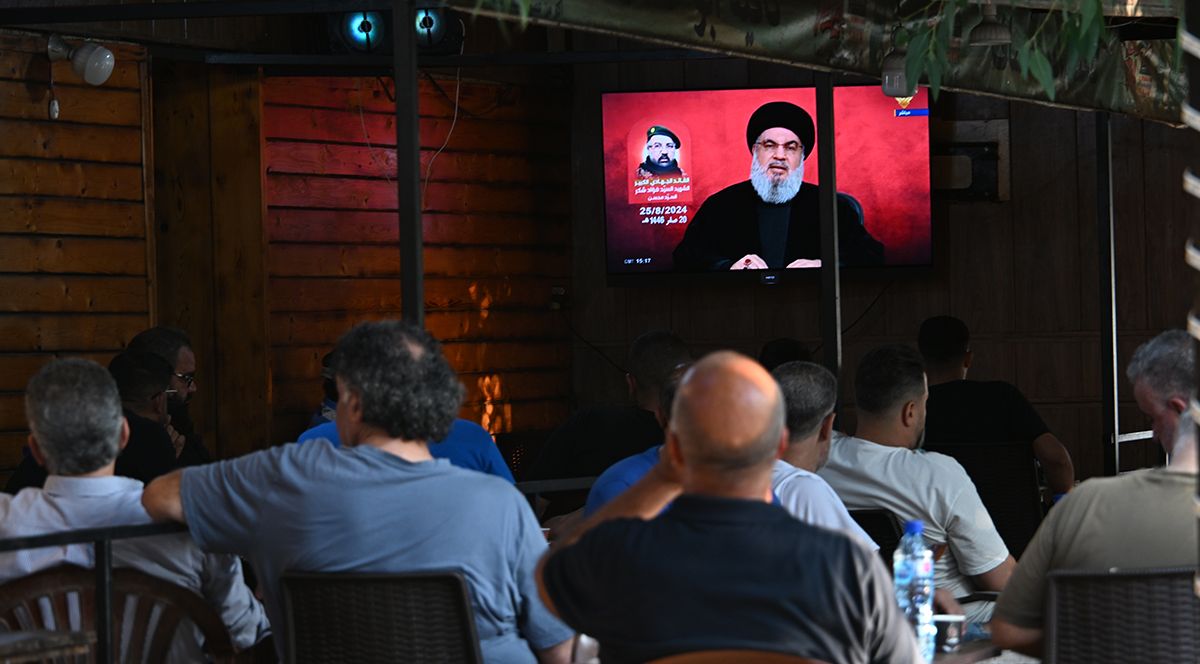
On Aug. 25, Hezbollah retaliated for Israel’s assassination of senior commander Fuad Shukr on July 30, launching 340 rockets and tens of drones from southern Lebanon and the eastern Beka’a region. Hezbollah’s retaliation started shortly after Israel undertook what it called a “preemptive strike,” in which 100 fighter jets targeted Hezbollah military sites, including rocket launching platforms, to thwart a larger attack that, according to Israeli officials, involved up to 6,000 rockets.
Monday Briefing: The Middle East is the closest it has ever been to an all-out war
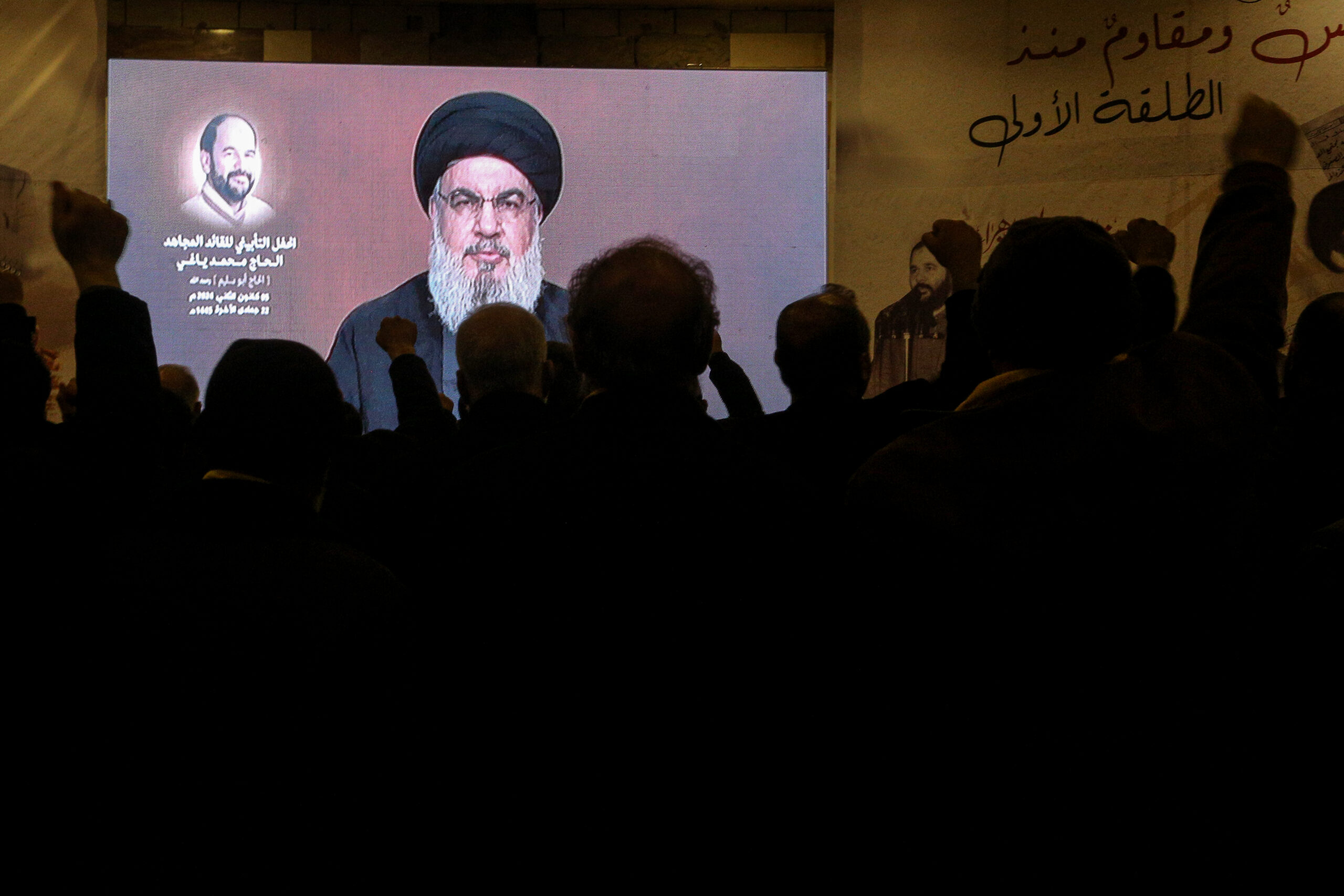
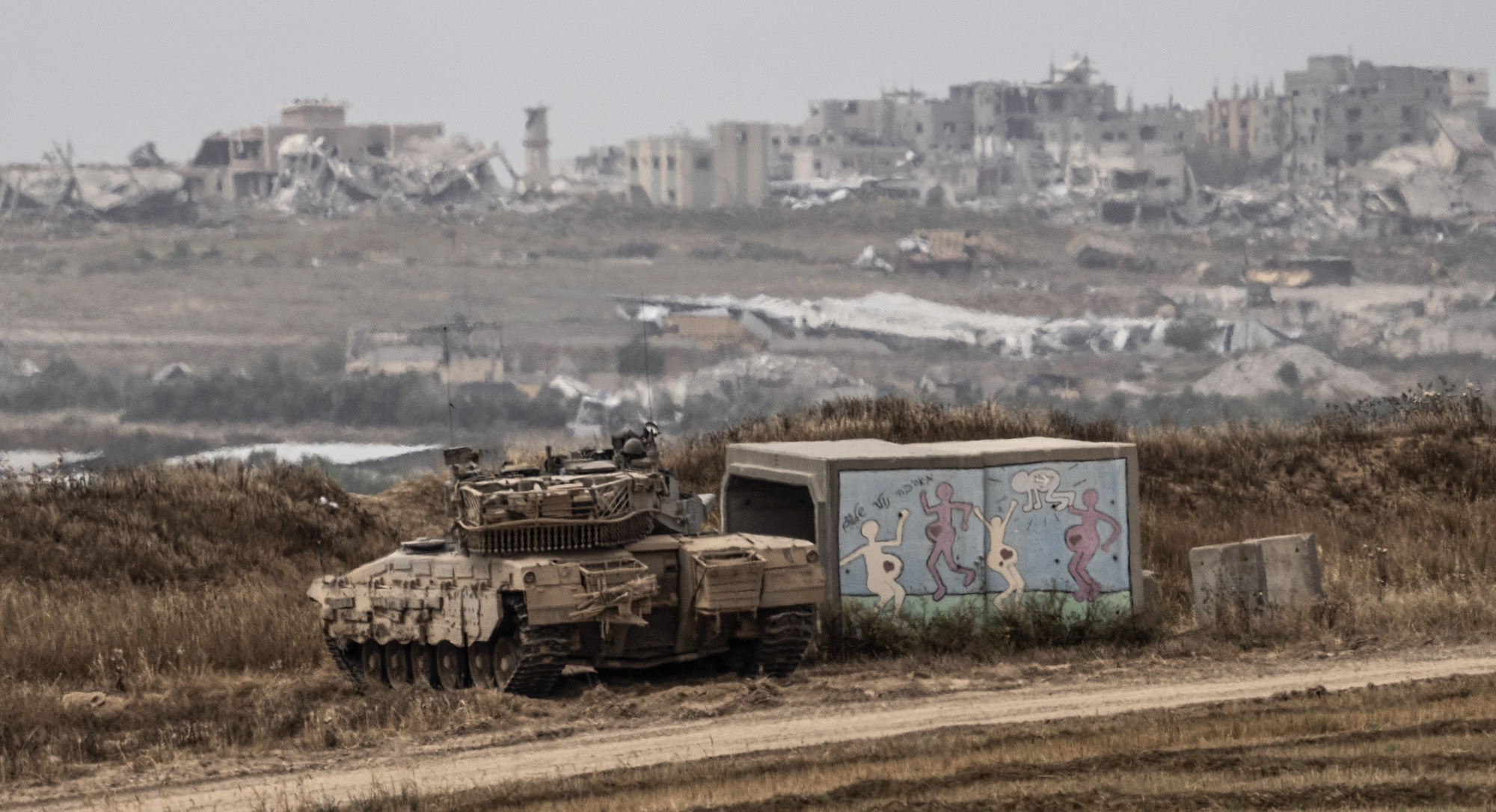
After 10 months of Israel’s war on Gaza, the US administration has lost control over its ally and the fear of its opponents. As a result, Washington has only limited, if any, impact on the cost-benefit escalation calculus of the fighting sides. The Middle East is today the closest it has ever been to an all-out multi-front regional war.
Climate-smart cities in the MENA region: Promise and pitfalls
Around two-thirds of the population in the Middle East and North Africa lives in urban settlements and the region’s population is projected to double by 2050, exposing a growing number of people to intensifying natural and climate hazards. As a result, cities will need to take additional steps to boost climate resilience and advance decarbonization efforts, including through climate-informed urban planning measures like compact, transit-oriented development, urban greening initiatives, and a focus on green buildings. With this in mind, regional governments have recently adopted the concept of “smart cities,” aiming to utilize technology and sustainable practices to address the challenges of urbanization and climate change.
Building a More Resilient Bahrain: An Integrated Approach to Climate Change, Socioeconomic, and Governance Challenges
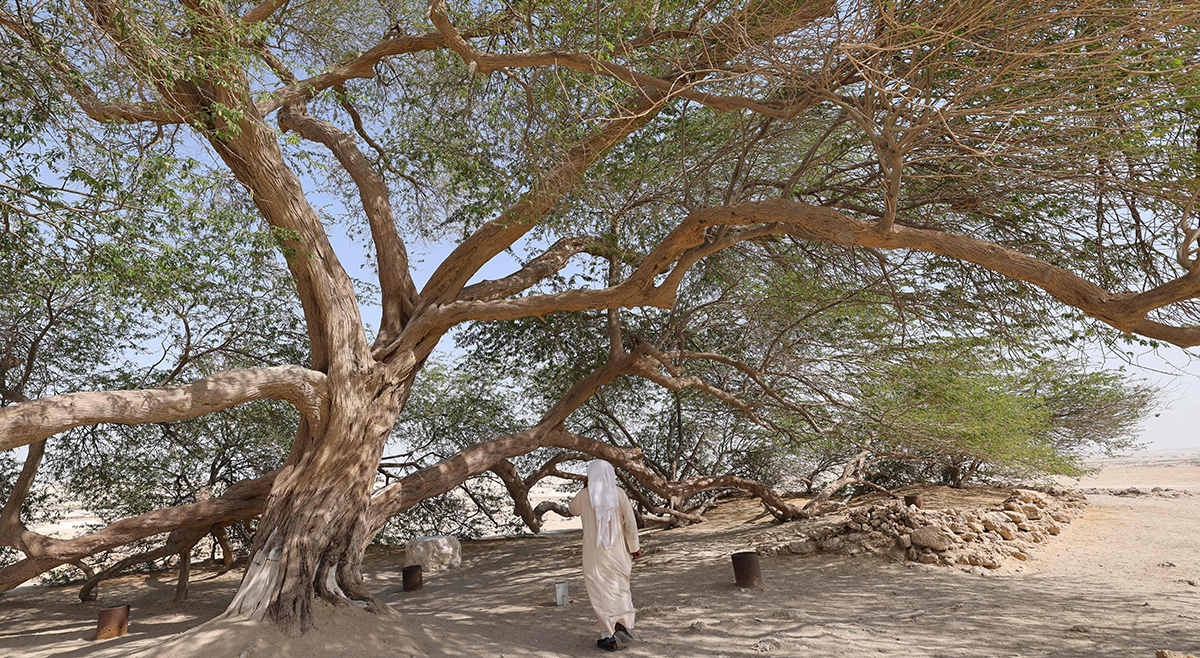
From extreme heat and drought to dust storms and rising sea levels, the Kingdom of Bahrain is facing the growing impact of climate change, with projections indicating conditions will only get worse in the future. Manama’s vulnerability to the effects of climate change directly intersects with its broader societal and governance issues, necessitating comprehensive climate-resilience strategies to address these interconnected challenges.
Debunking the role of cloud seeding in the April Arabian Gulf floods
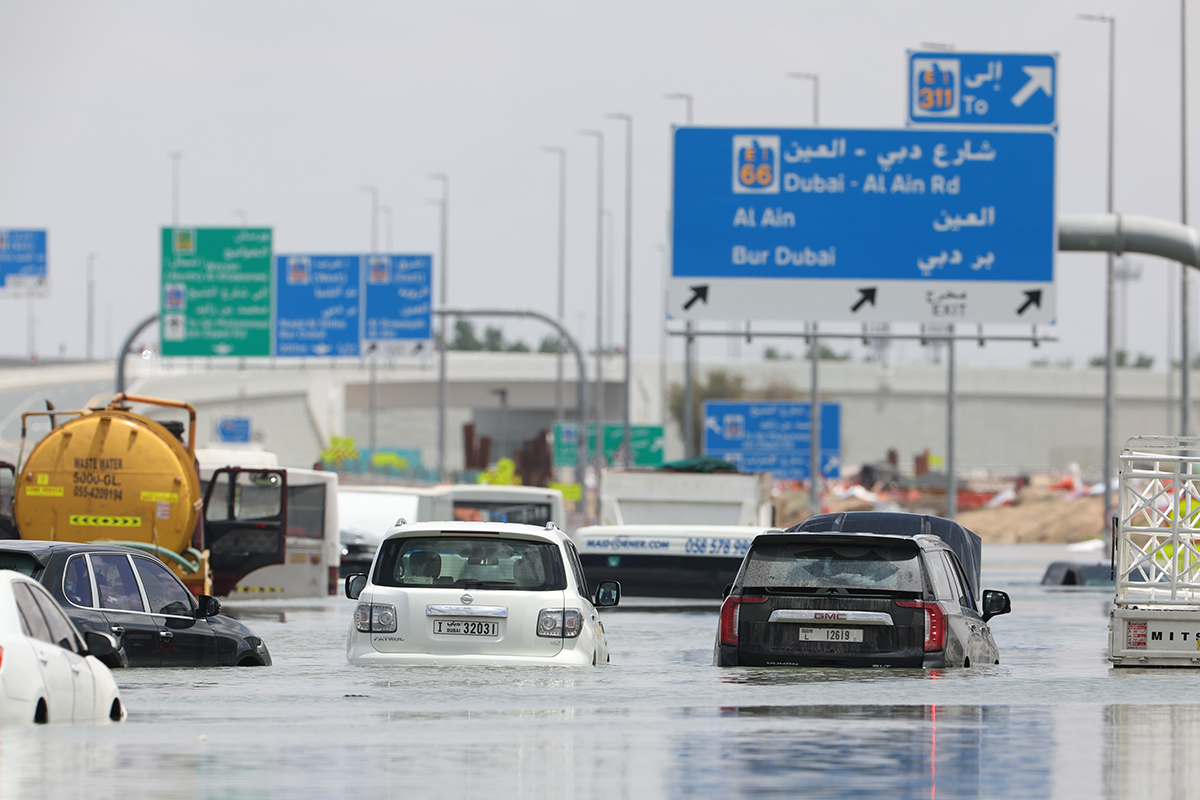
Intense flooding across the Arabian Peninsula caused by a storm in mid-April sparked speculation about the role cloud seeding might have played in the precipitation event, giving rise to conspiracy theories on social media and warnings trumpeting the hazards of human intervention into natural processes. Cloud seeding is not the only climate change-adaptive strategy to have been targeted in this way, and the effort being expended to combat such disinformation (though nascent) is growing.
Post-disaster reconstruction: Tackling water security in Derna after Storm Daniel
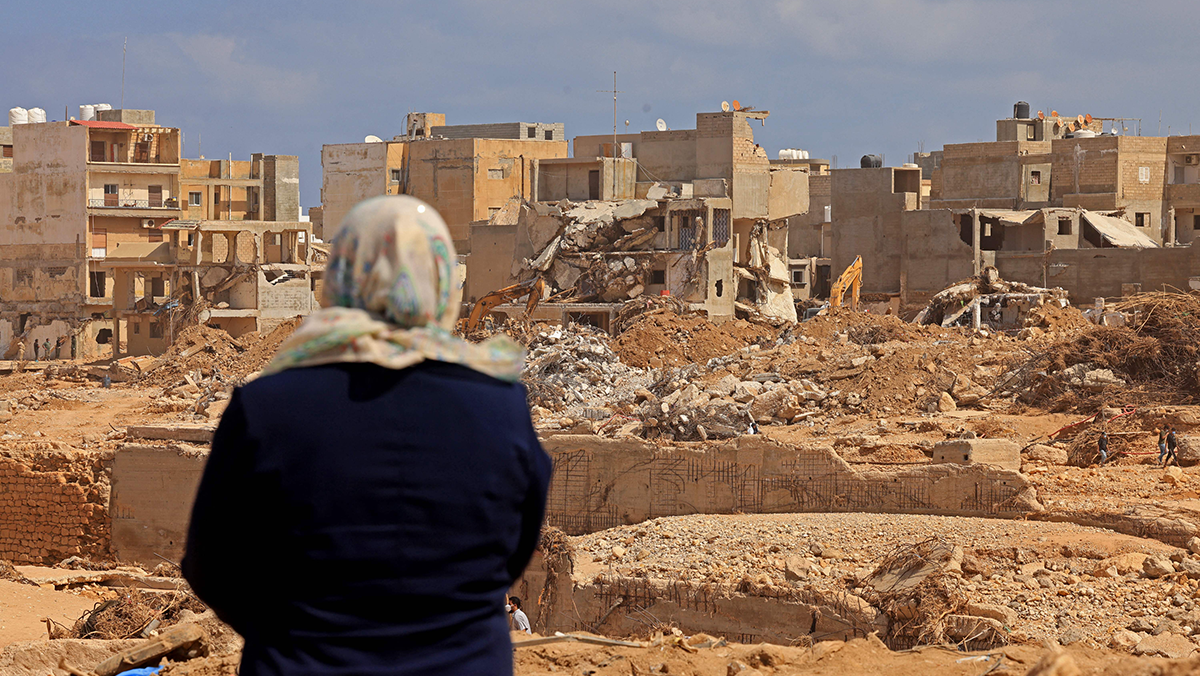
Storm Daniel struck Libya on Sept. 10, 2023. The northeastern coast of the country was the hardest hit by the storm, especially the city of Derna. The storm generated strong winds and heavy rains that led to massive flooding throughout the city, washing away entire residential neighborhoods. The death toll from the floods was staggering, estimated in the thousands.