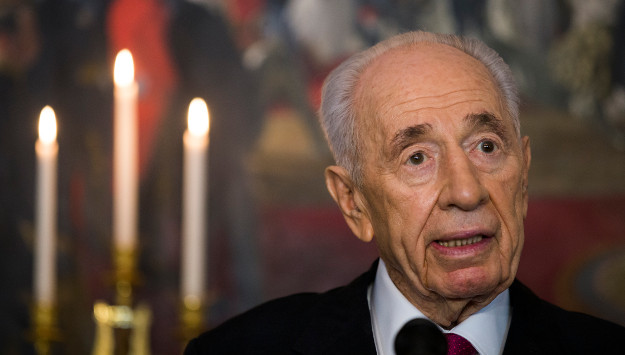
MEI Scholars Share Recollections of Working with Shimon Peres
Amb. Richard Murphy
Amb. Richard Murphy
The article was first published on NPR.
The last surviving leader of Israel’s founding generation, Shimon Peres was a three-time prime minister, the architect of the country’s secretive nuclear program and a winner of the Nobel Peace Prize for his efforts to make peace with the Palestinians.
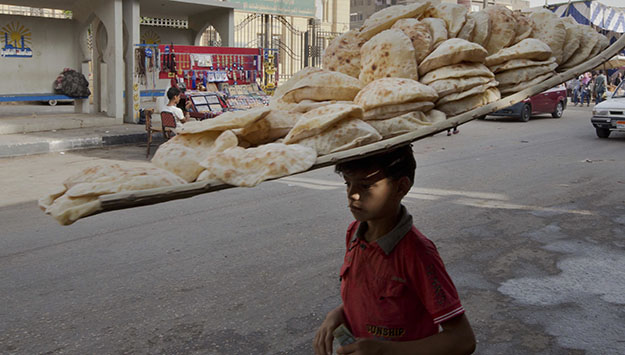
Addressing Egypt’s economic woes remains a matter of urgency for the stability of the government and the country as a whole. Egypt’s economic recovery plan, which was spearheaded by President Abdel Fattah el-Sisi in 2015, promised an improvement in living standards and social justice in the Middle East’s most populous nation. More than two years since the president assumed power, living standards have yet to see much improvement.
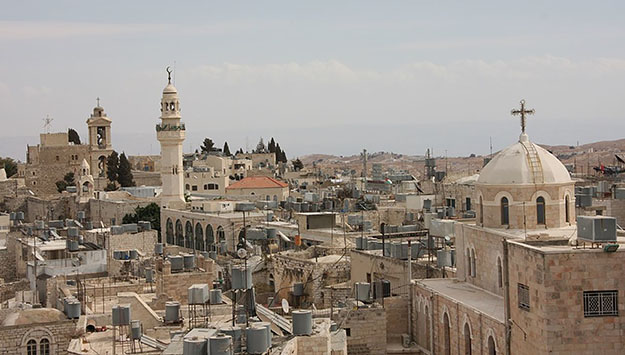
Leila Sansour is an acclaimed filmmaker, best known for “Jeremy Hardy versus the Israeli Army.” She returned to her hometown Bethlehem to document the detrimental effect of the wall on the city and its people. She discusses her latest film, Open Bethlehem.
The following interview was edited for style and clarity.
MEI: Tell me about the genesis of this film and project, and your inspiration for it?
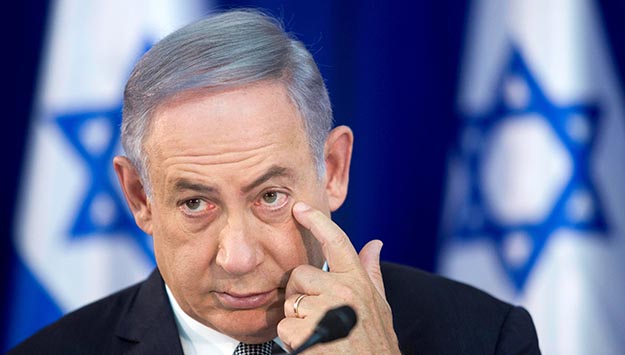
Any Middle East observer would find a question about the basic posture of Israel vs. ISIS a practical no brainer. Such an observer would confidently state that these two entities are staunch enemies, currently engaged in multiple types of warfare and destined to continue on that path. For Israel, according to this intuitive rational, ISIS is but another link in a long chain of terror entities sworn to its destruction, much like Hamas, Hezbollah, Palestinian Islamic Jihad, and many others. For ISIS, the narrative would continue to claim, Israel is a natural primary target.
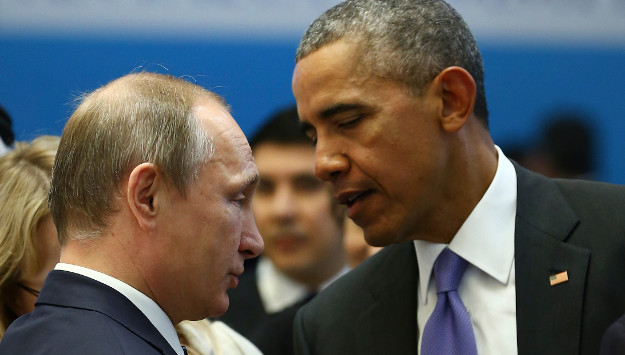
In this issues of MEI’s weekly briefing, contributors Daniel Serwer, Randa Slim, Eran Etzion, and Alex Vatanka provide analysis on recent and upcoming events including discussions between the United States, Russia and Turkey on Syria policy at the G20 Summit, the Syrian opposition’s transition plans, Russian moves on Israel-Palestine, and Iran’s energy policy.
“[Food insecurity has] the potential to amplify destabilization, engender violence, and even accelerate state failure processes in an already geopolitically charged region”
– Andy Spiess in Food Security in the GCC Economies (2012)
I. Introduction
Regional Cooperation Series
This Policy Paper is part of The Middle East Institute’s Regional Cooperation Series. Throughout 2016, MEI will be releasing several policy papers by renowned scholars and experts exploring possibilities to foster regional cooperation across an array of sectors. The purpose is to highlight the myriad benefits and opportunities associated with regional cooperation, and the high costs of the continued business-as-usual model of competition and intense rivalry.
Summary
Summary
Summary
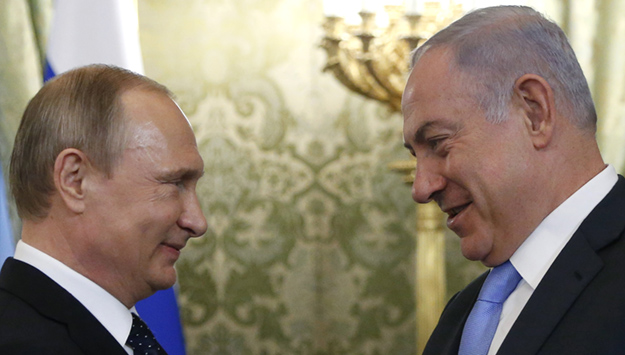
Israeli-Russian relations have attracted unusual levels of interest in recent months, against the backdrop of Russia’s military intervention in Syria and the unprecedented creation of a ‘de-confliction’ mechanism between the I.D.F. and the Russian forces. As is so often the case in today’s hyper-connected media and political environment, this small nucleus of reality was blown out of proportion and portrayed as nothing short of a strategic love affair.
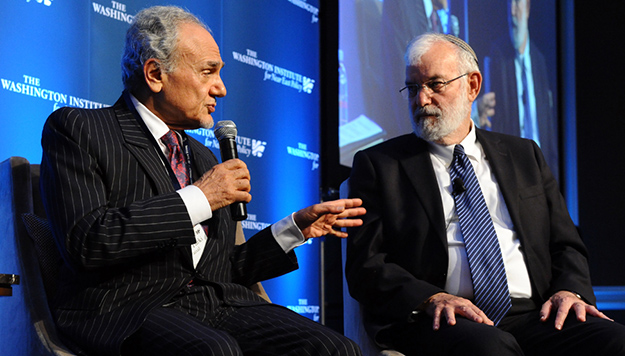
Much has been made, particularly by Israelis, of the expanding horizons for collaboration between the Jewish state and Arab Gulf states. Israeli ministers and business people lose no opportunity to tout Israel’s interest in expanding ties of all sorts in a region viewed as a valuable market for Israeli industry and an intelligence gold mine.
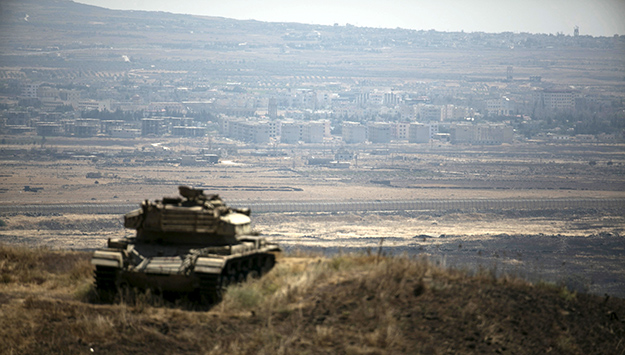
For successive Israeli governments and the defense establishment, the Syrian arena has traditionally been considered Israel’s “front yard” in terms of threat analysis, early warning and force readiness. The defense budget, comprising 7.7 percent of Israel’s G.N.P. in 2011 (latest available data), included considerable allocations designed to meet the Syrian army’s threat.
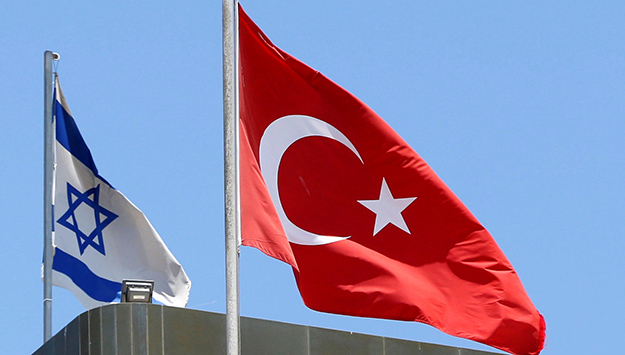
After years of negotiations that produced sporadic headlines but few results, Israel and Turkey finally reached terms for reconciliation on June 27. While relations will not return to the “love affair” of the 1990s, there is reason for cautious optimism. Rapprochement will serve to create the foundation for a stronger dialogue between two of the Middle East’s most important actors.