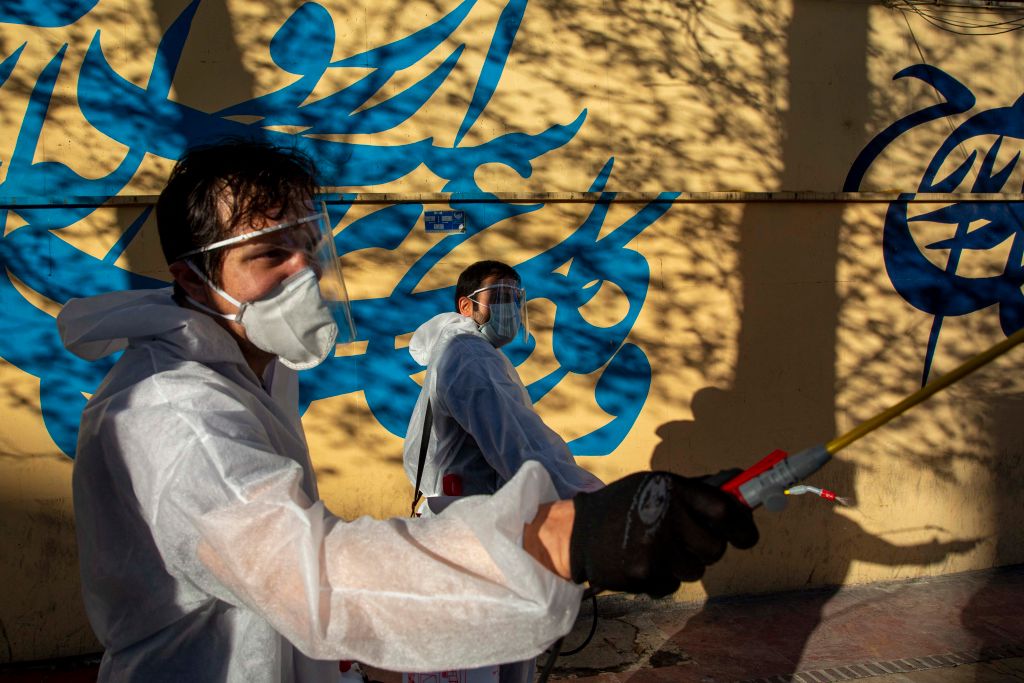
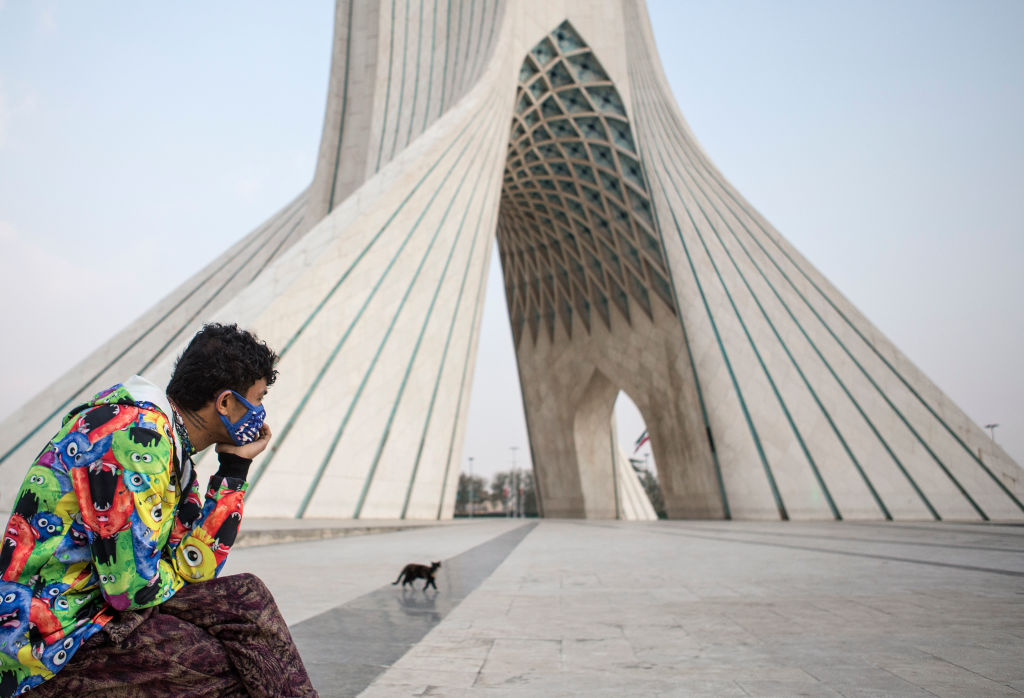
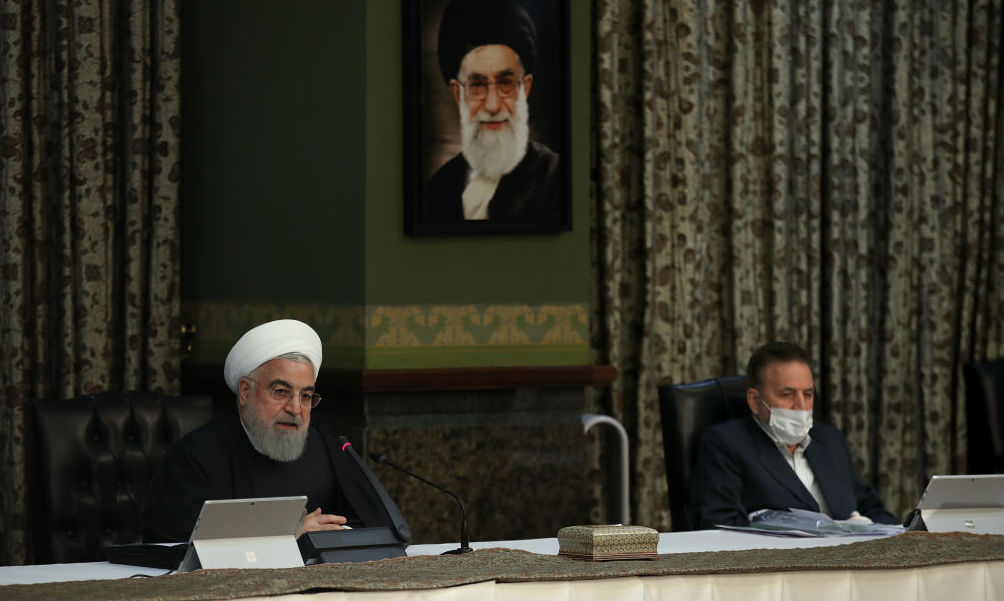
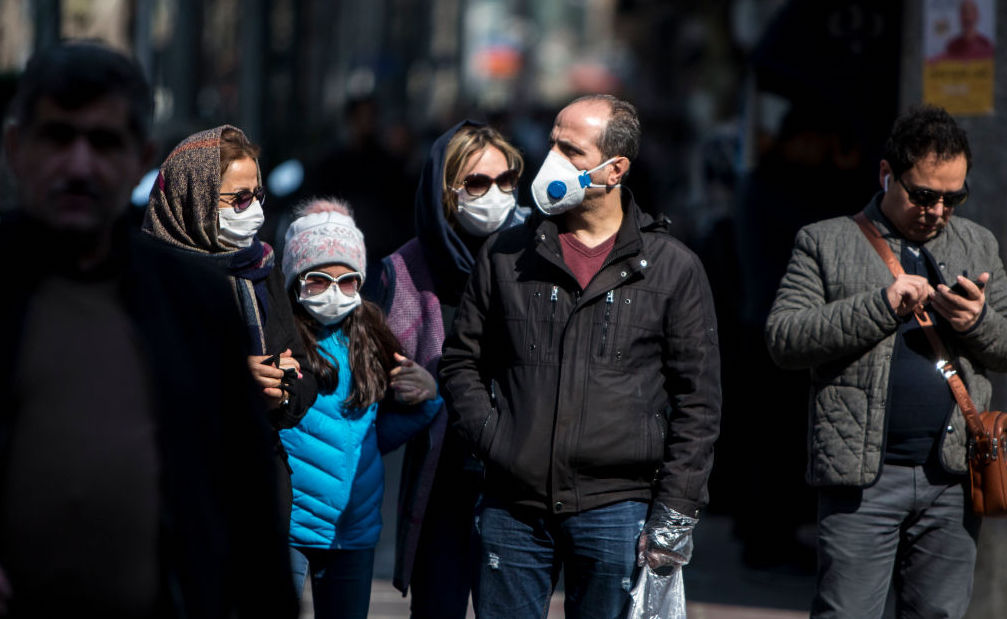
COVID-19 presents a major threat to the global economy and the health of millions of people around the world, but its impact on Iran, one of the early epicenters of the outbreak, has been particularly severe.
US engagement in the Black Sea and Middle East. What more can be done?
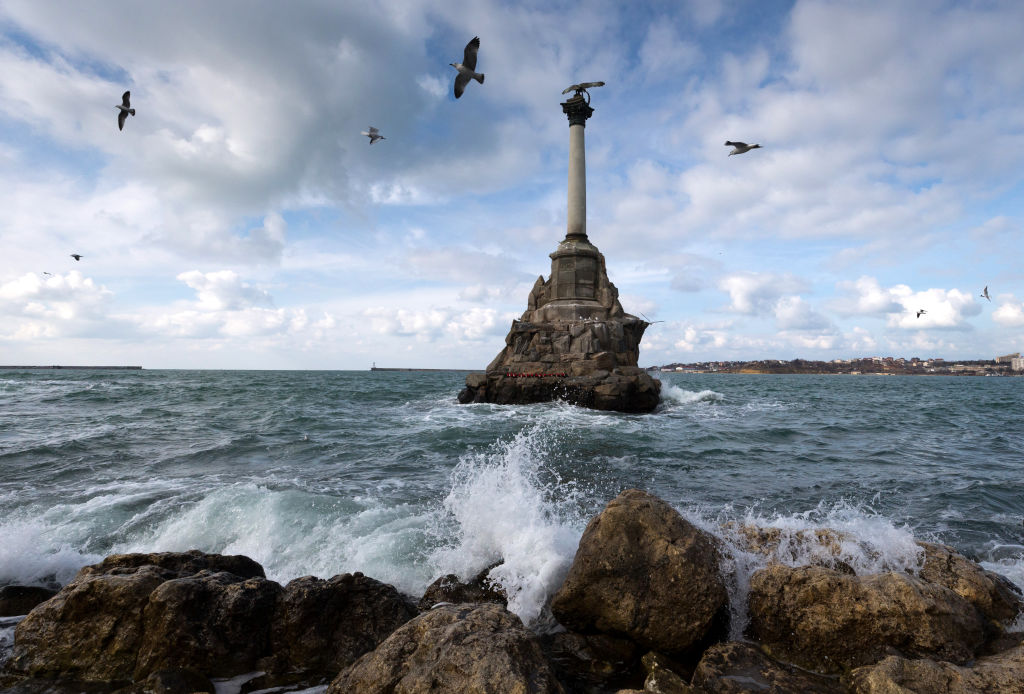
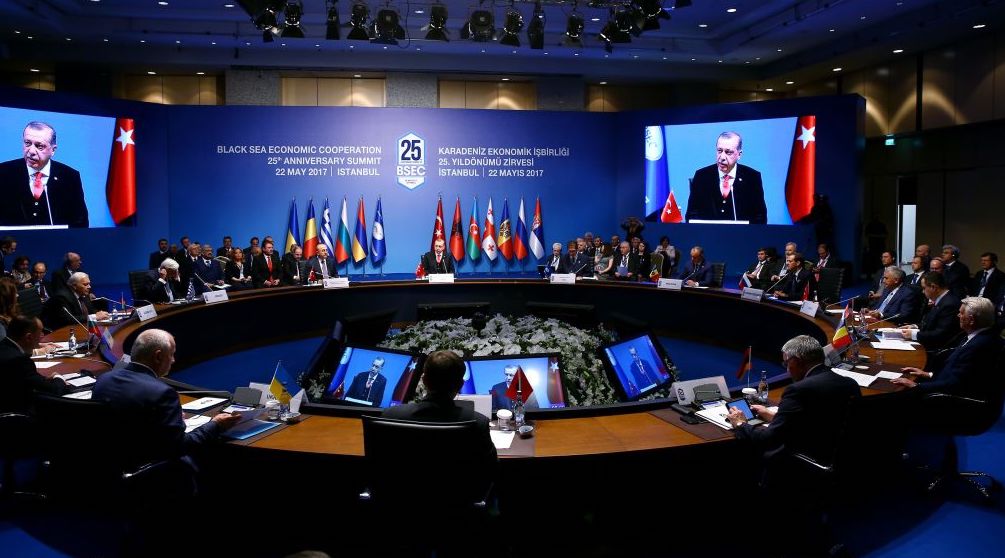
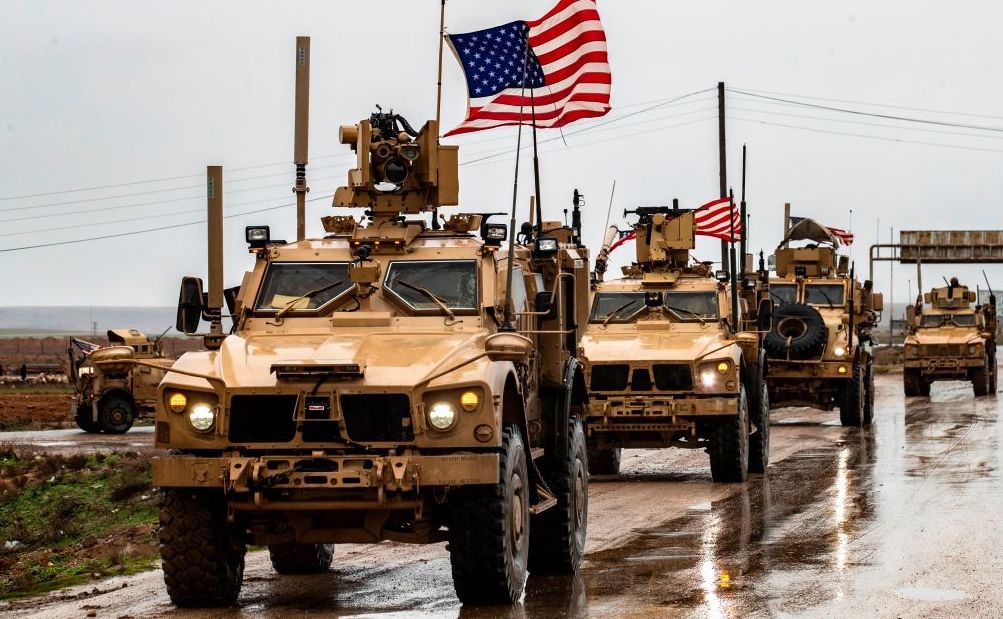
US support for the Black Sea and the Middle East has been through several phases in recent years, with President Donald Trump’s generals having the biggest impact on policy change. While there has been increased engagement in the region, much more is needed from the US – as well as NATO and the EU – to ensure Black Sea security.
Iran’s Unconventional Alliance Network in the Middle East and Beyond
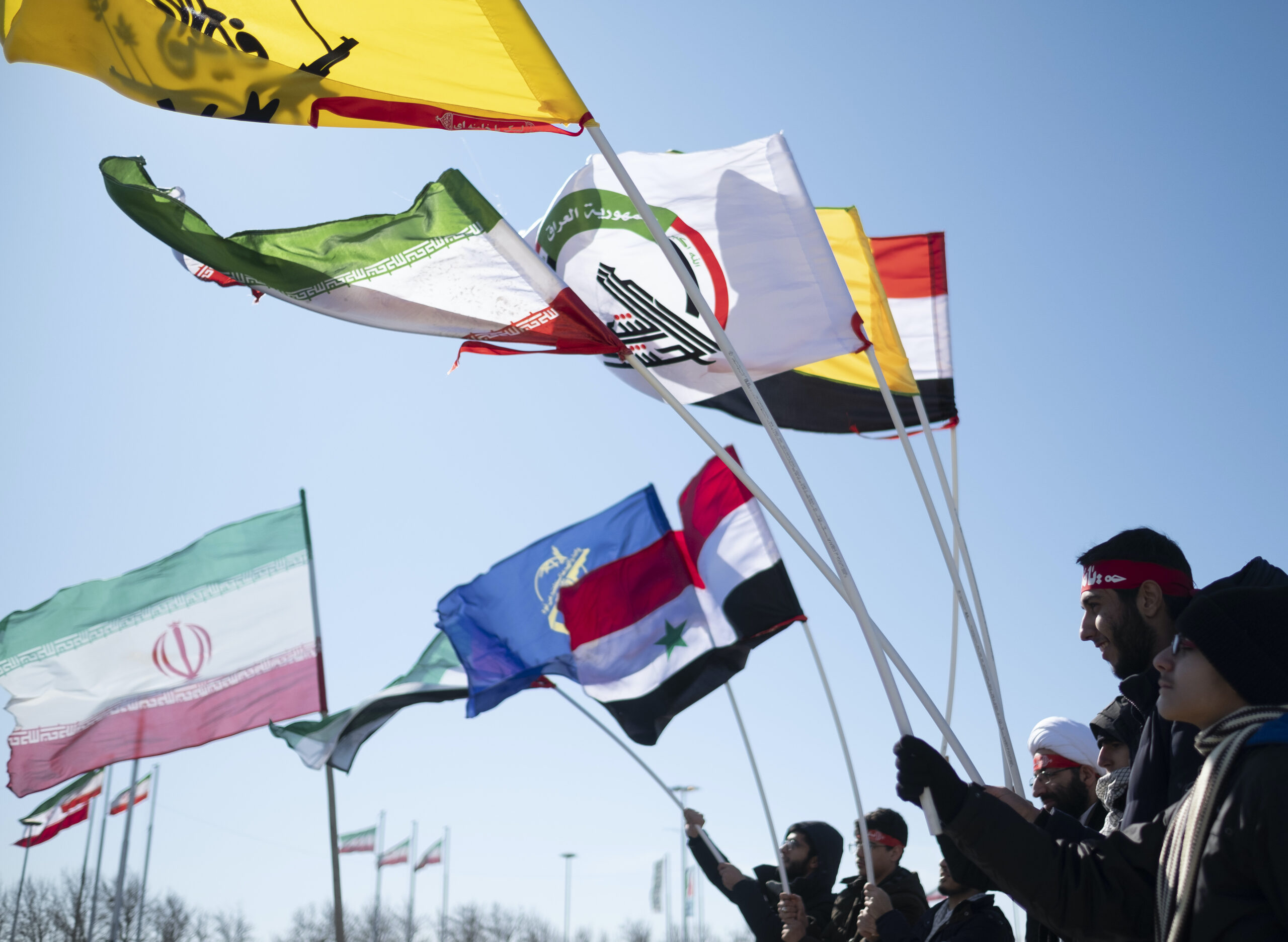
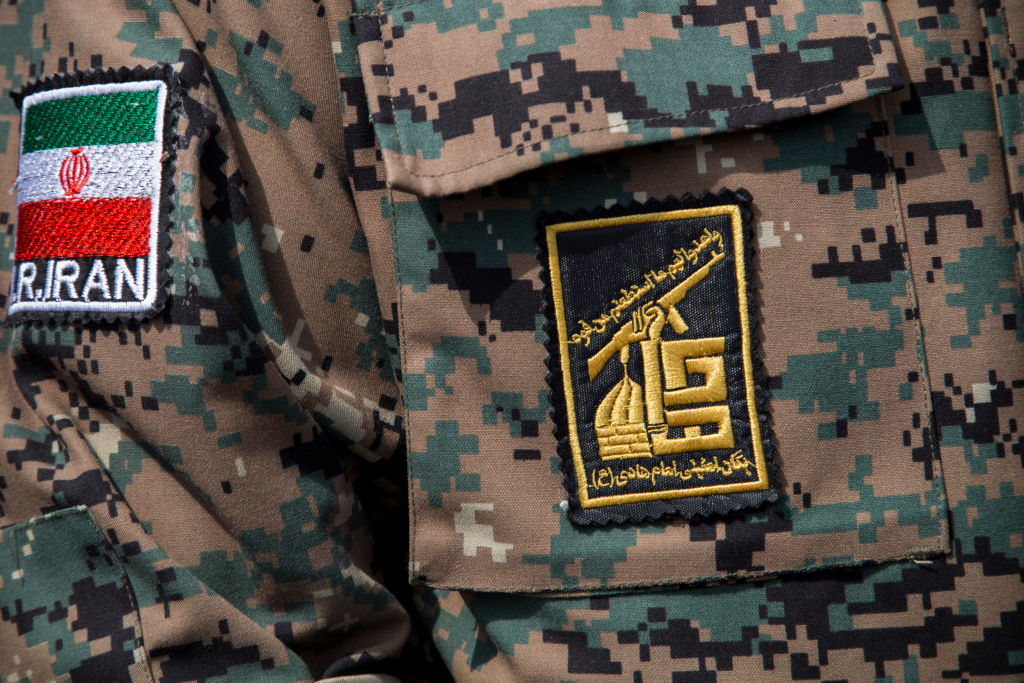
The Islamic Republic’s unconventional alliance network reaches far and wide, and its workings have only intensified since the killing of Gen. Qassem Soleimani in early January 2020. The systematic effort to consolidate these alliances, indicated by the swift appointment of Gen. Esmail Qaani and his new deputy Gen. Mohammad Hosseinzadeh Hejazi to lead the Quds Force, is about much more than just retaliation and revenge against the United States. It is also, and perhaps more importantly, a calibrated response to the Trump administration’s reckless and escalatory changes to the established “rules of engagement” between Washington and Tehran.
Blurring the lines: The case of the Nakhsa Warriors
Blurring the lines between the physical world and the online one, the Iranian group known as the “Nakhsa Warriors” remains cloaked in mystery. Their identity and status are unclear. Are they a military force that carries out operations, an online group of like-minded individuals that share content, part of an Iranian disinformation campaign — or perhaps something else altogether?
Gonul Tol and Alex Vatanka join host Alistair Taylor to discuss how the coronavirus pandemic is affecting Iran, one of the first countries hit by the outbreak, and Turkey, where it arrived later but has since spread rapidly.
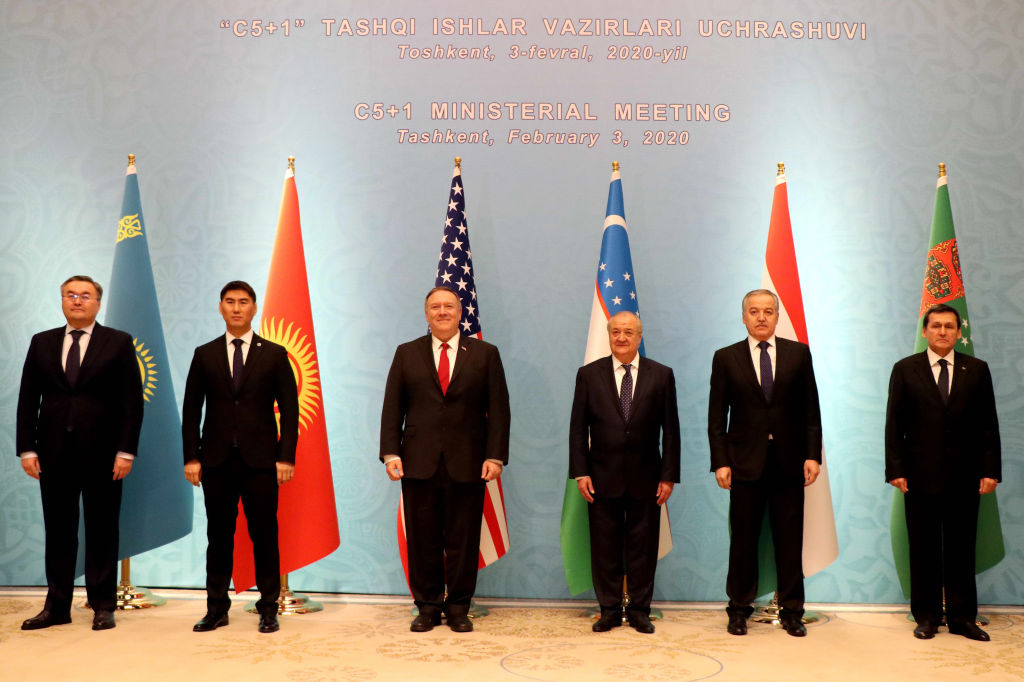
Continuity and Change in US Policies towards the Caspian Region
The U.S. government agenda for Central Asia and the South Caucasus has regularly included a multitude of goals. Whereas in the 1990s, U.S. policy focused on state building, economic development, WMD elimination, and democracy promotion, in the 2000s, counterterrorism rose to the forefront of the U.S. agenda.
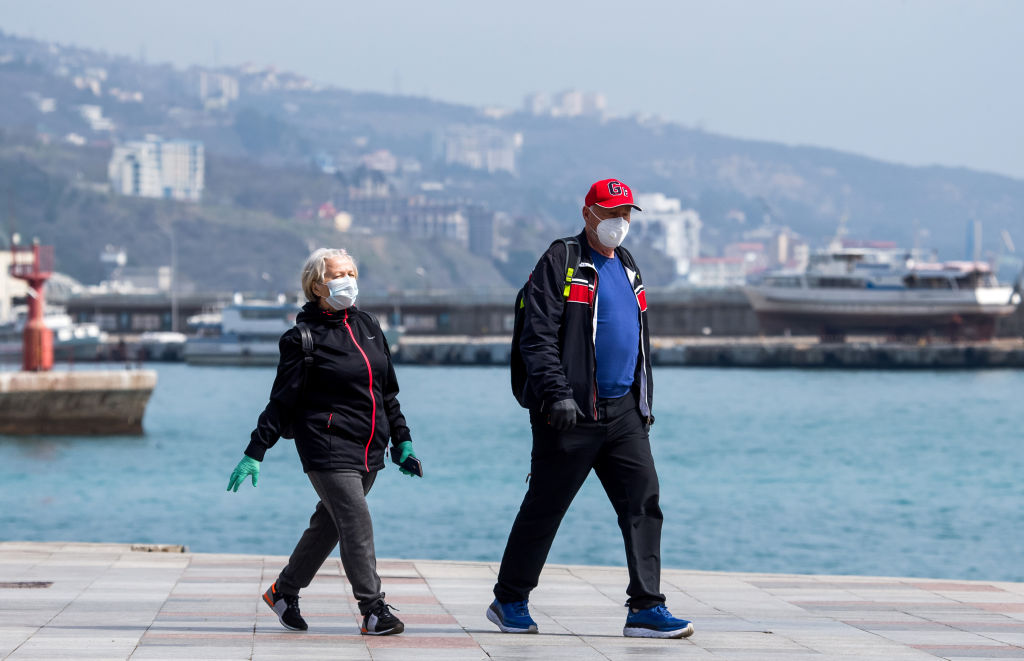
As with the rest of the world, COVID-19 is likely to wreak havoc across the Black Sea region in a very short period of time. With the outbreak projected to peak in April or May – and with some predicting the pandemic will last two years and infect 60 to 70 percent of the global population – it is difficult to fathom the potential consequences for this region.
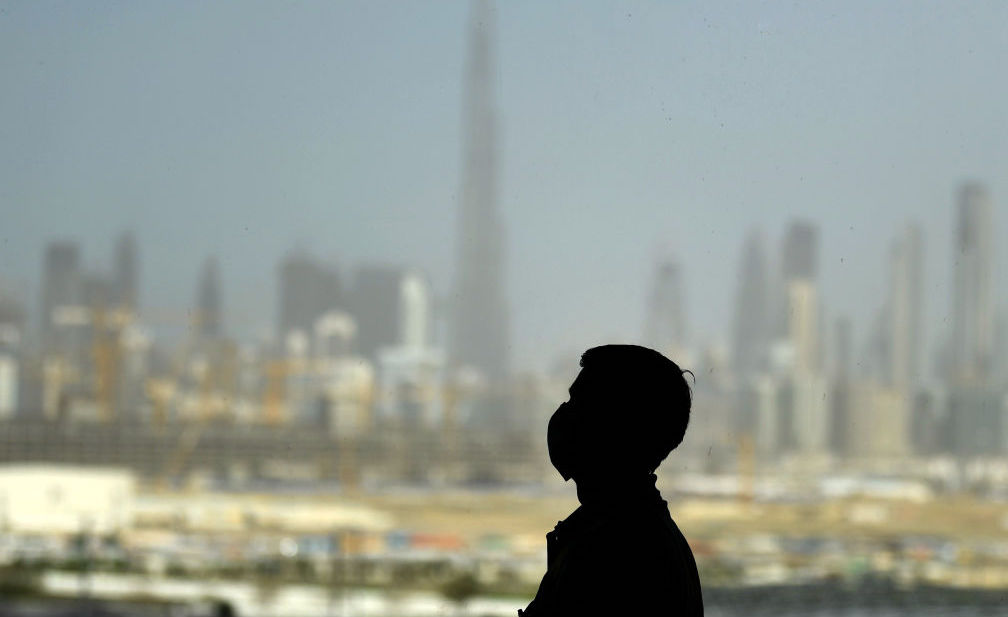
COVID-19 is undoubtedly the biggest health crisis in our lifetime. Pundits around the world, but also a long list of policymakers from Washington to Abu Dhabi to Beijing, wonder about the long-term implications of this deadly pandemic. While there is plenty of speculation about how this crisis might re-balance global power dynamics, other foreign policy implications are more immediately tangible. In the case of the Middle East, the swift support shown by the UAE towards Iran, the most affected country in the region, has been refreshing.
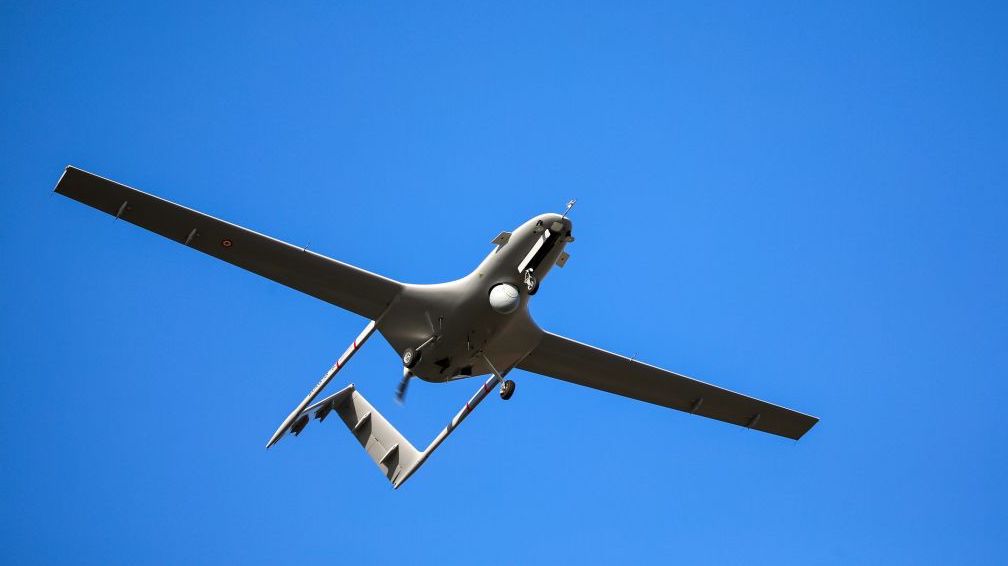
The fight for Syria’s skies: Turkey challenges Russia with new drone doctrine
In retaliation for an airstrike that killed 33 Turkish soldiers at the end of February, Ankara launched “Operation Spring Shield” (OSS) against the Syrian regime and the pro-Iranian militias supporting it. Despite being unable to rely on its fleet of F-16s due to Russia’s control of the Syrian airspace over Idlib, Turkey managed to successfully wipe out a large portion of Assad’s army in the area within just a couple of days by making innovative use of drones.
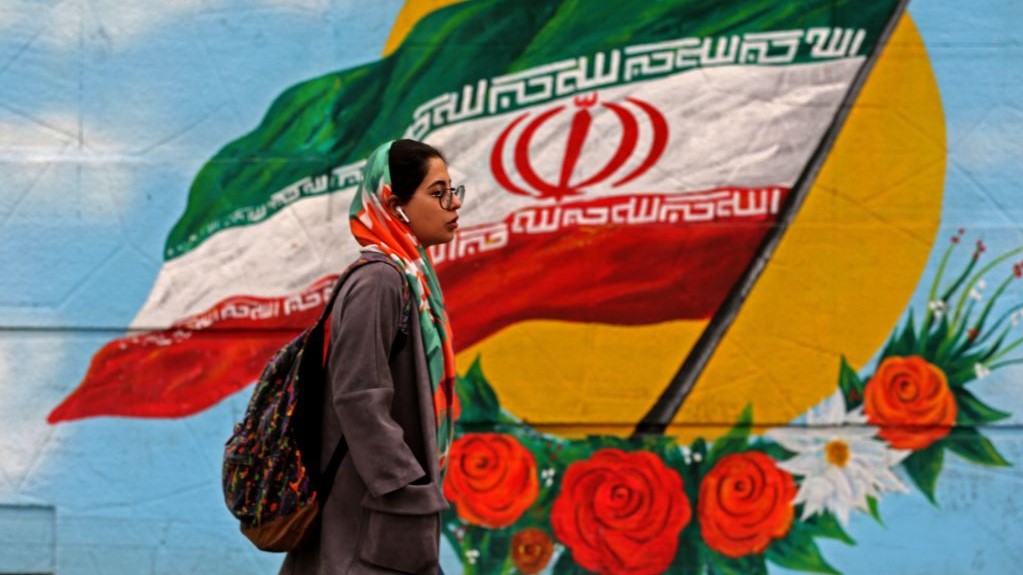
For more than a century, Iranian women have worked for change and fought for their freedom. Under the system in place in the Islamic Republic, however, they continue to face systematic, widespread legal discrimination. Despite the hurdles they currently face, with organization, unity, and common purpose, Iranian women are capable of changing history and building a new future for their country.
Europe has a vested interest in a safe, secure, and prosperous Black Sea
The European Union’s interest in the Black Sea is based mainly on the fact that two of its members, Romania and Bulgaria, are littoral states. However, the organization is also closely linked with other non-EU Black Sea states, be it economically or politically. Ukraine and Georgia aspire to be EU members while Russia and Turkey both have their own unique and difficult relationships with the EU.
Coronavirus underscores Iran's internal struggle over its relationship with the world
The coronavirus crisis is the latest reminder that political factions in the Islamic Republic continue to struggle over what kind of relationship the country should have with the rest of the world.
Democrats ought to build a moral firewall around Syria policy, establishing a framework for understanding the Syrian conflict and debating policy options.