Iran to empower "axis of resistance" and retaliate against Israel and US for Syria strikes, warns cleric
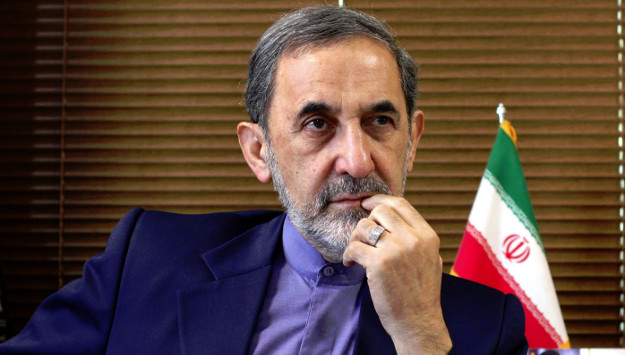
A representative of Supreme Leader Ali Khamenei warned today that Iran will respond to the latest Israeli air raids in Syria and stressed that the country will further empower its proxies to confront the United States and its allies across the world.
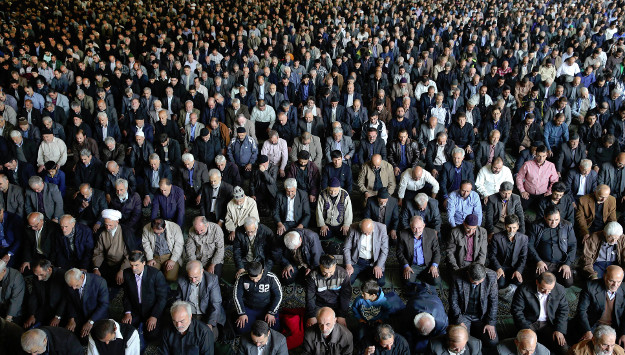
Riyadh, 05:40 a.m: It’s the first day of Ramadan, the holy month of fasting. It is a time of intense prayer and introspection for Saudis and more than 1.8 billion Muslims around the world.
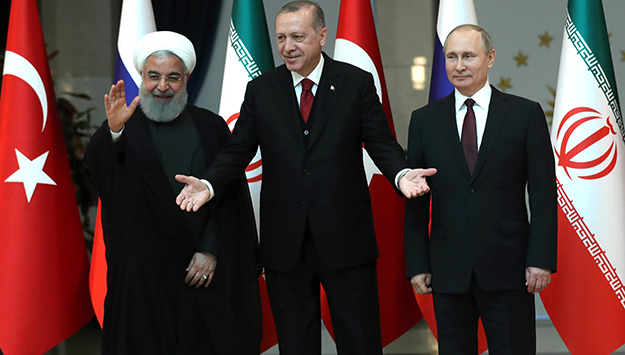
Just last week, Turkey’s President Recep Tayyip Erdogan hosted his Russian and Iranian counterparts in Ankara for talks to end the Syrian civil war. The summit of the three leaders was a strong display of unity against a backdrop of rising tensions between them and the United States. The underlying message was that the three countries were calling the shots in Syria, and that President Donald Trump’s announcement that the U.S. would be pulling out soon was right on the spot.
Top Khamenei adviser threatens retaliation against Israel for Syria strikes
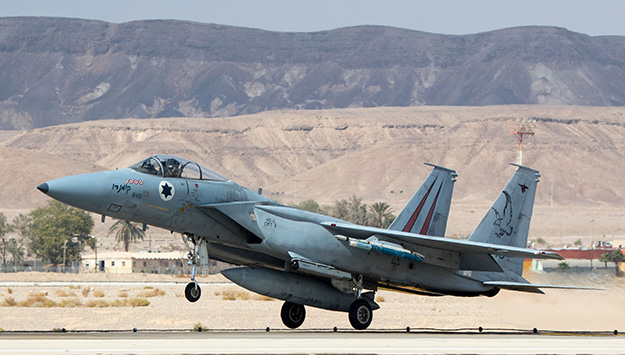
A senior advisor to Iranian Supreme Leader Ali Khamenei has threatened retaliation against Israel and its allies for the latest air strikes on a Syrian air base that killed several Iranian nationals, the Iranian media reported.
Iranian-backed Houthi rebels in Yemen fire ballistic missiles at Riyadh
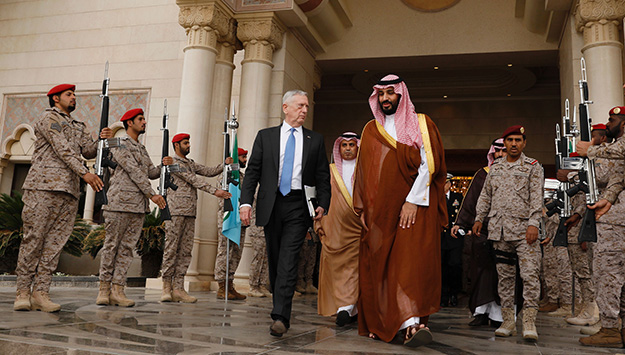
With international attention focused on the escalating tension in Syria, Iranian-backed Houthi rebels in Yemen today fired several ballistic missiles at military and civilian targets in Saudi Arabia,
IRGC outlets delete reports of Iranian casualties in suspected Israeli strikes in Syria
On Monday, the Iranian media reported that a number of the Islamic Republic’s military personnel were killed in a suspected Israeli air strike on a Syrian air base in Homs Governorate.
Rouhani calls for continued Tehran-Moscow cooperation in Syria in wake of chemical attack
Iran’s President Hassan Rouhani on Monday praised his close relationship with Russian President Vladimir Putin and emphasized that Tehran and Moscow should continue their cooperation in Syria until the complete establishment of security and stability in the war-torn country, the Iranian media reported. “Close relations and cooperation between Iran and Russia have been very effective in Syria and for peace and security across the region,” Rouhani said in a meeting with Vyacheslav Volodin, the chairman of Russia’s State Duma (lower house of parliament), who is visiting Tehran leading a parlia
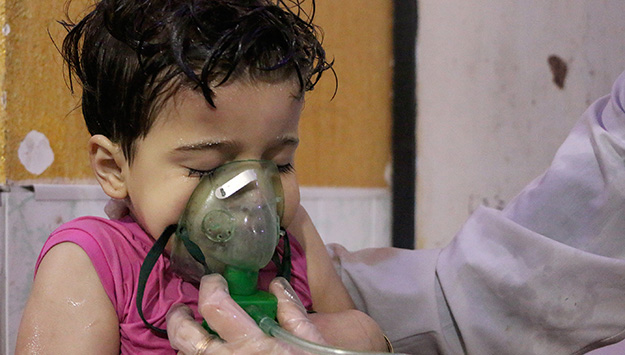
In this week’s Monday Briefing, MEI experts Robert S. Ford, Gerald Feierstein, Randa Slim, and Alex Vatanka provide analysis on recent and upcoming events including the chemical attack on Douma, Sheikh Tamim’s Tuesday meeting with Trump, Lebanese parliamentary elections, Moroccan and Algerian tension over Western Sahara, and Iran and India’s strategic partnership.
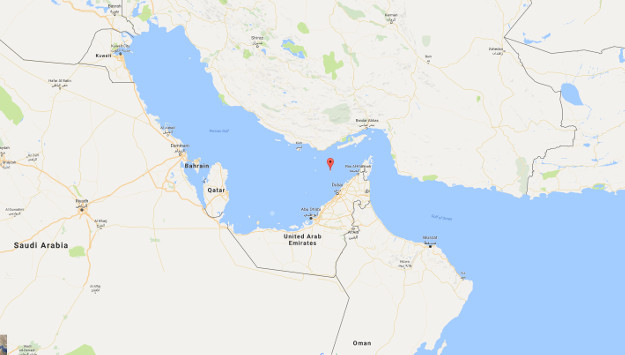
UAE official calls for international action to end “Iranian occupation” of disputed islands
A senior official of the United Arab Emirates has called on Iran to end its “occupation” of the three islands of Abu Musa, Greater Tunb, and the Lesser Tunb, the Arab press reported. Marwan Ahmad bin Ghalaita, the first voice president of UAE’s Federal National Council (FNC), said the UAE has a firm position on the three disputed islands and will not abandon its claim over them. He stressed that the dispute can either be resolved through negotiations between Iran and UAE or Abu Dhabi will report the case to the International Court of Justice for arbitration.
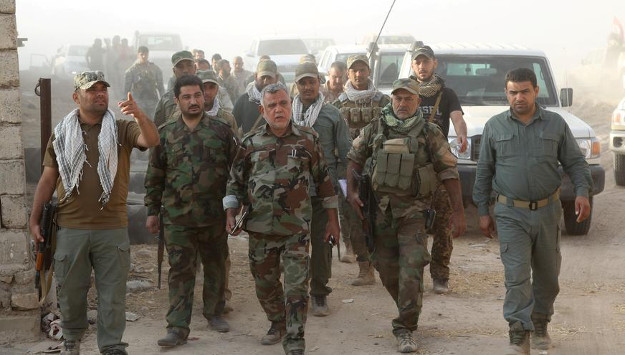
Iranian-backed PMF leaders gearing up for elections while keeping military roles
Hadi al-Amiri, the head of the Badr Organization, has said that an alliance of Shiite militia forces that fought against the Islamic State will now shift attention to politics and will participate in the upcoming parliamentary elections. In an interview with the Lebanese al-Mayadeen TV, Amiri said that the Fateh Alliance, a coalition of Iranian-supported Shiite units within the Iraqi Popular Mobilization Force (PMF), will take an active part in the elections and expressed the hope that it can play a major role in the next government.
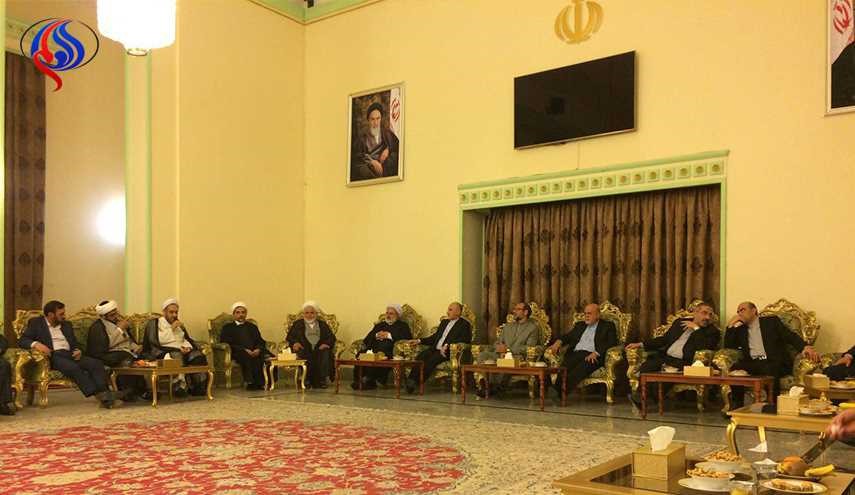
Tehran’s envoy to Baghdad meets Iraqi leaders in run-up to parliamentary vote
Iraj Masjedi, Tehran’s ambassador to Baghdad, held separate meetings with Iraqi President Fuad Masum and prominent Shiite leaders in the run-up to the Iraqi parliamentary elections slated for May 12, Iranian and Arab media outlets reported. In the meeting with the Iraqi president on Thu
The leaders of Russia, Iran and Turkey held a high-profile summit in Ankara this week, their second such summit in six months. Are we seeing the formation of a new security axis in the region, and if so, where would that leave the United States? MEI’s Gonul Tol and Alex Vatanka join host Paul Salem to discuss.
Listen closely to the debate in Tehran about Syria and you will detect great unease. There is an underlying fear—inside both the moderate and the hard-line camps of the regime—that Iran won the war but is in danger of losing out in the post-war period that will follow. This apprehension has always been there. But it has become markedly more distinct as the principal foreign powers that intervened in Syria—Russia, Turkey and the U.S.—set their sights on the long-term endgame.