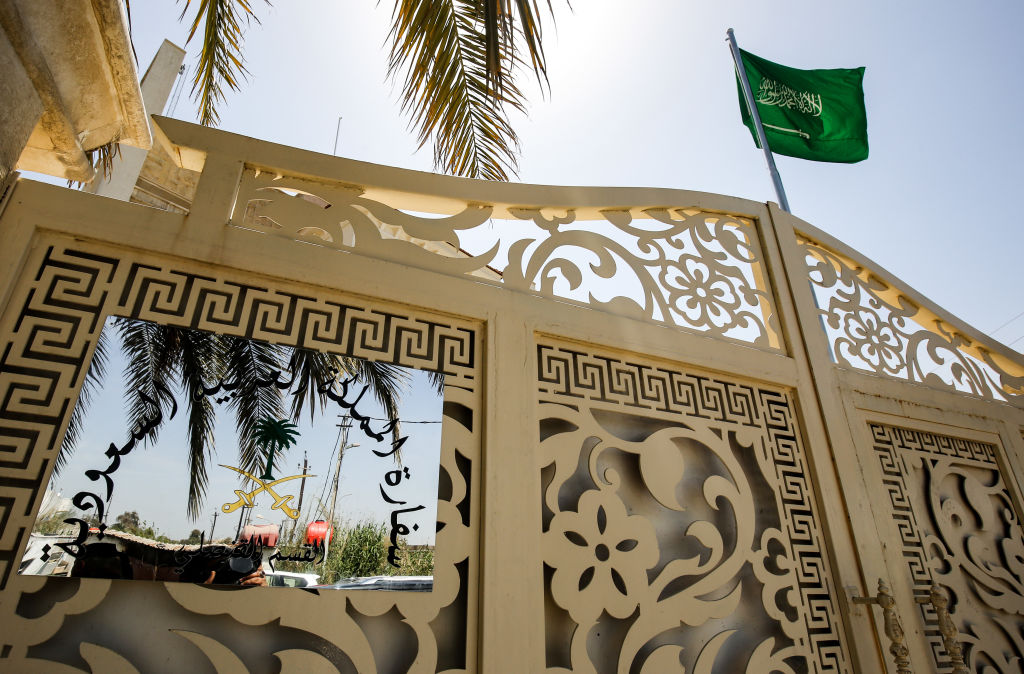
Over the past few months, an awkward courtship has been going on between Iraq and its two most polarizing neighbors, as Tehran and Riyadh attempt to convince Baghdad of the merits of their respective orbits. While both sides make compelling points, the fact is that Iraq is exceedingly happy to occupy the middle ground, geopolitically and economically, between the two regional powers.
Understanding the Fatemiyoun Division: Life Through the Eyes of a Militia Member
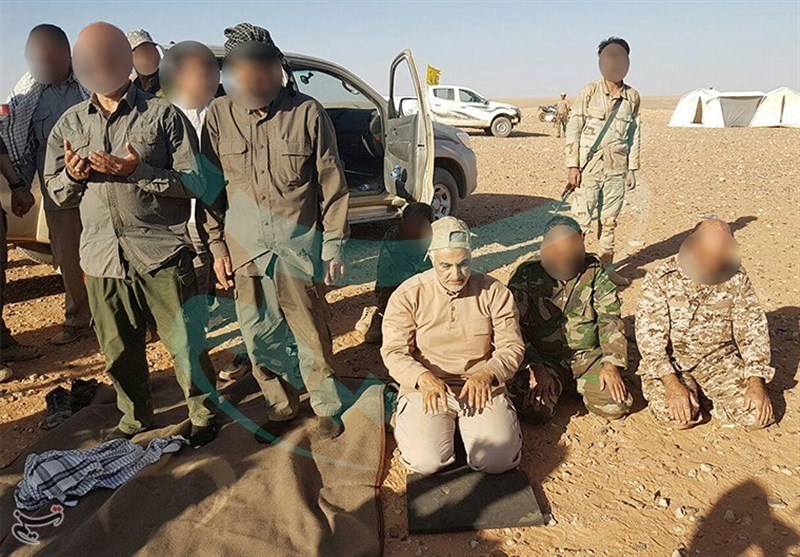
Approximately 10,000-20,000 Afghan men, mostly from the Hazara ethnic group, have fought in Syria in support of the government of President Bashar al-Assad. Organized by Iran and led by the Islamic Revolutionary Guard Corps and other affiliated groups, they have gathered under the banner of the so-called “Fatemiyoun” Division. This is the story of one of those men, Mohammed Jalil Dinsta, told through selections from his writings, alongside relevant analysis.
The growing economic and political role of Iraq’s PMF
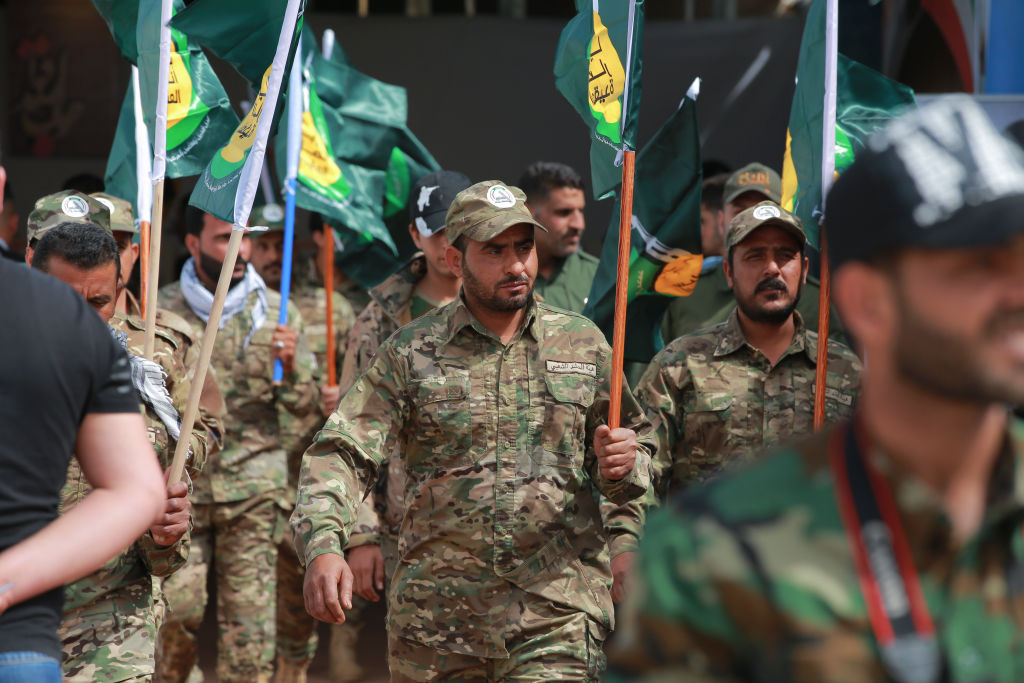
Conditions in Iraq since the defeat of ISIS’s territorial “caliphate” justify both optimism and concern at the same time. One issue where there has been much hand wringing but few practical suggestions for what to do is that of the popular mobilization forces (PMF). As the main campaign against ISIS drew to a close, many of the PMF’s leaders sought to translate their fighters’ battlefield sacrifices into political and economic gains.
Monday Briefing: Iraq back in the eye of the storm
In this week’s Monday Briefing, MEI experts Randa Slim, Gerald Feierstein, Zubair Iqbal, Marvin G. Weinbaum, Mirette F. Mabrouk, Robert S. Ford, and Rauf Mammadov provide analysis on recent and upcoming events including the escalating tensions between the United States and Iran with Iraq caught in between, Jared Kushner’s economic development plan for Palestinians, the IMF’s bailout deal with Pakistan, political turmoil ahead of the Afghan presidential election, developments in the Egyptian media landscape following recent constitutional amendments, debate over how to approach elections in Algeria, and the impact of US-Iran tensions on the oil market.
MEI Senior Vice President Gerald Feierstein and Senior Fellow Alex Vatanka join host Alistair Taylor to discuss the rapid rise of tensions between the US and Iran this week, the political calculations being made by each side, and where things could go from here.
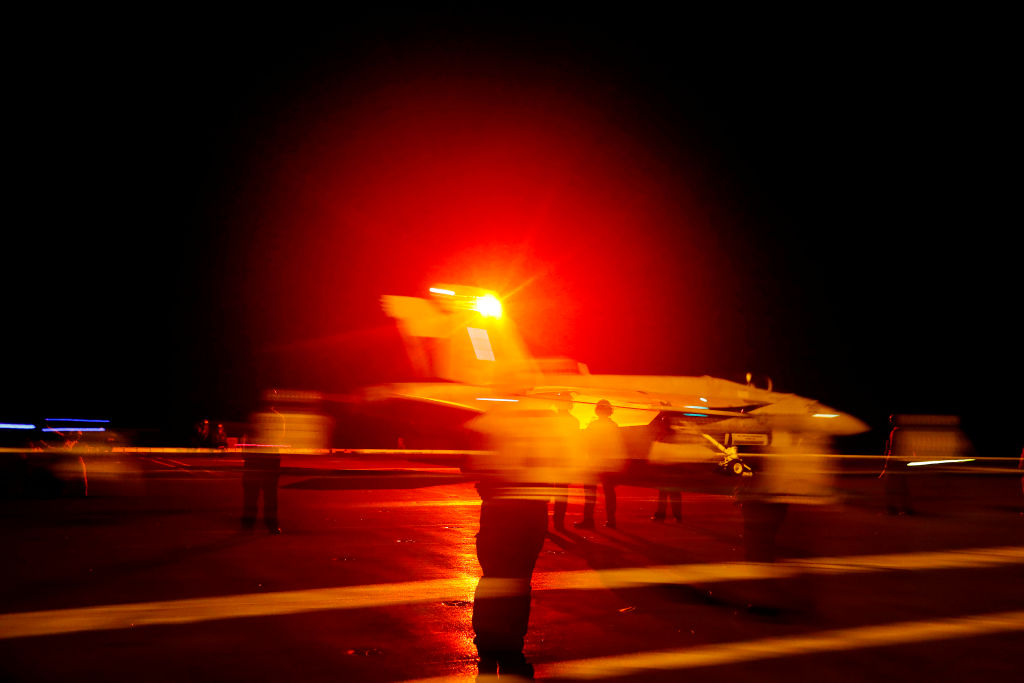
With tensions rising, are we heading toward conflict in the Gulf?
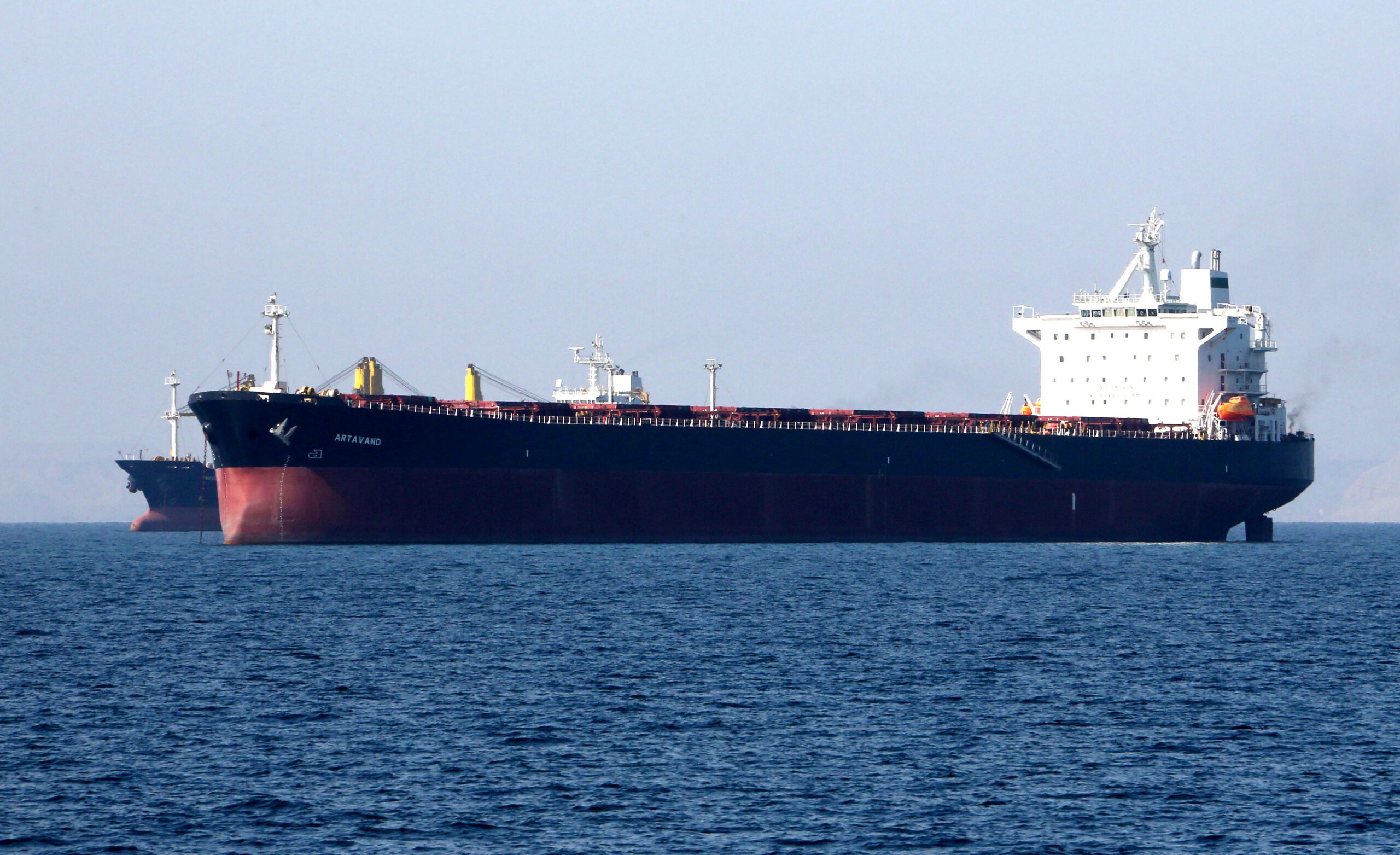
Since the Trump administration refused to extend waivers for Iranian oil exports expiring on May 2nd, the U.S. and Iran have engaged in a cycle of escalating threats and actions. The U.S. has further ratcheted up its “maximum pressure” campaign by adding new sanctions, and in the last few days, the turmoil has deepened as the region absorbed reports of mysterious sabotage against tankers in Emirati ports, apparent Houthi drone attacks on Saudi oil facilities, and news that the Trump administration is contemplating substantial deployments of U.S. military personnel to the region.
Forgotten Lives: Life Under Regime Rule in East Ghouta
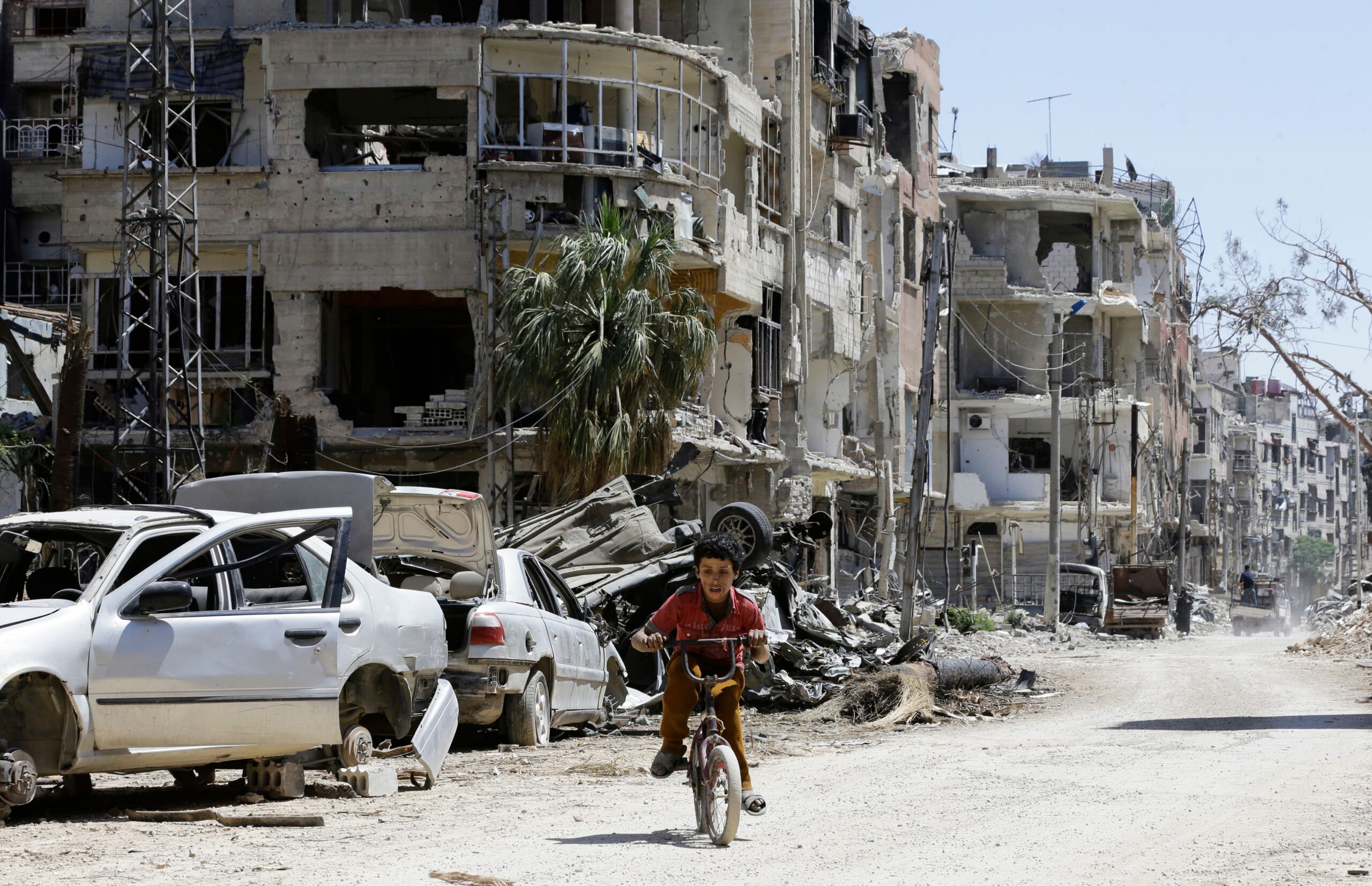
A “black hole” of information, East Ghouta is a dark example of the reimposition of the Assad regime’s rule over a community once controlled by the opposition. This paper, produced in association with ETANA Syria, shines a light on what the regime’s military rule looks like on the ground and the resulting human rights violations against the population, and details the scale of the Iranian presence in key strategic locations around Damascus.
Monday Briefing: Ships sabotaged in the Gulf amid rising tensions with Iran
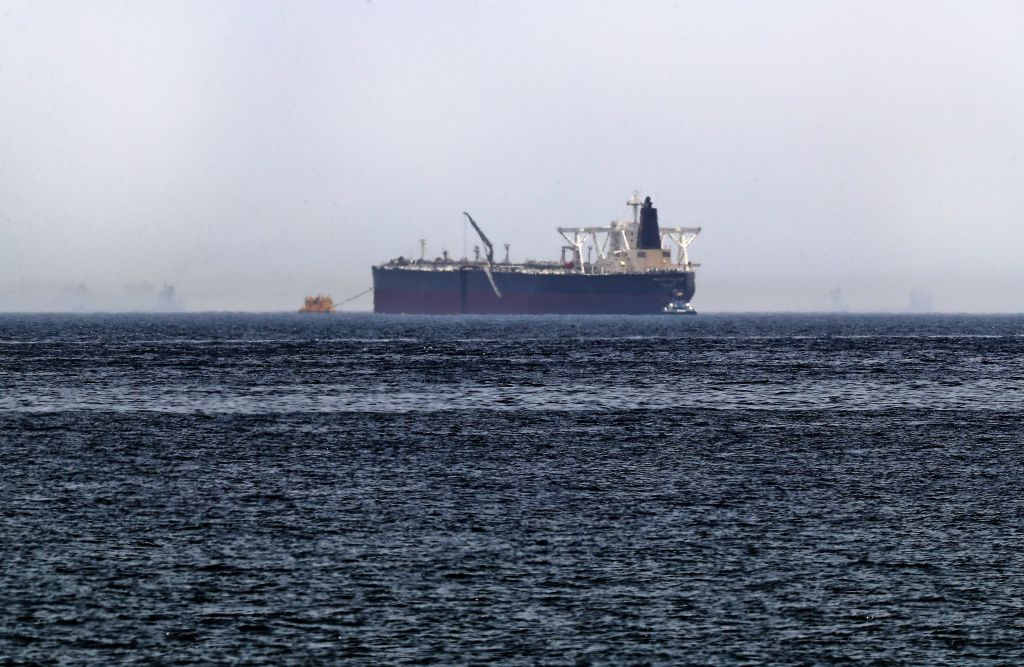
In this week’s Monday Briefing, MEI experts Alex Vatanka, Robert S. Ford, Jonathan M. Winer, and Gonul Tol provide analysis on recent and upcoming events including the sabotage this weekend of four ships off the coast of the UAE, the recent escalation of fighting in northwestern Syria, efforts to negotiate a ceasefire in Libya, and mounting concerns about Turkey’s economic health.
Much analysis of the geopolitical ramifications of President Omar al-Bashir’s ouster last month has focused on how Sudan fits into the larger struggle between the Middle East’s Sunni powers, but Iran is also part of the equation as well. Saudi and Emirati leaders have a number of objectives in Sudan and preventing the Islamic Republic from re-establishing a foothold in Africa is one of them. Indeed, Riyadh and Abu Dhabi are determined to ensure that Khartoum remains firmly in the anti-Iranian camp, following its realignment between 2014 and early 2016.
Monday Briefing: Troubled paths ahead for US and Iran
In this week’s Monday Briefing, MEI experts Paul Salem, Randa Slim, and Marvin G. Weinbaum provide analysis on recent and upcoming events including the anniversary of the US withdrawal from the Iran nuclear deal, the economic crisis in Lebanon, and ongoing peace talks in Afghanistan.
Following a brief lull on the Israel-Syria front earlier this year, Tel Aviv has once again resorted to striking Iranian assets to its north. While a direct confrontation between the IDF and Syrian forces seems unlikely, the path forward for Israel and Syria is unclear.
How will the end of US sanctions waivers impact Iran and global energy markets?
The Trump administration’s decision on April 22 to stop waiving sanctions on eight countries that purchase Iranian crude sent oil prices to their highest levels in six months and resulted in defiance and hand-wringing from the three biggest buyers. Meanwhile, Iran said it would retaliate by shutting the Strait of Hormuz, a move that would make it difficult for other Persian Gulf countries to get their crude to market.
Monday Briefing: Conflict is far from over in Syria
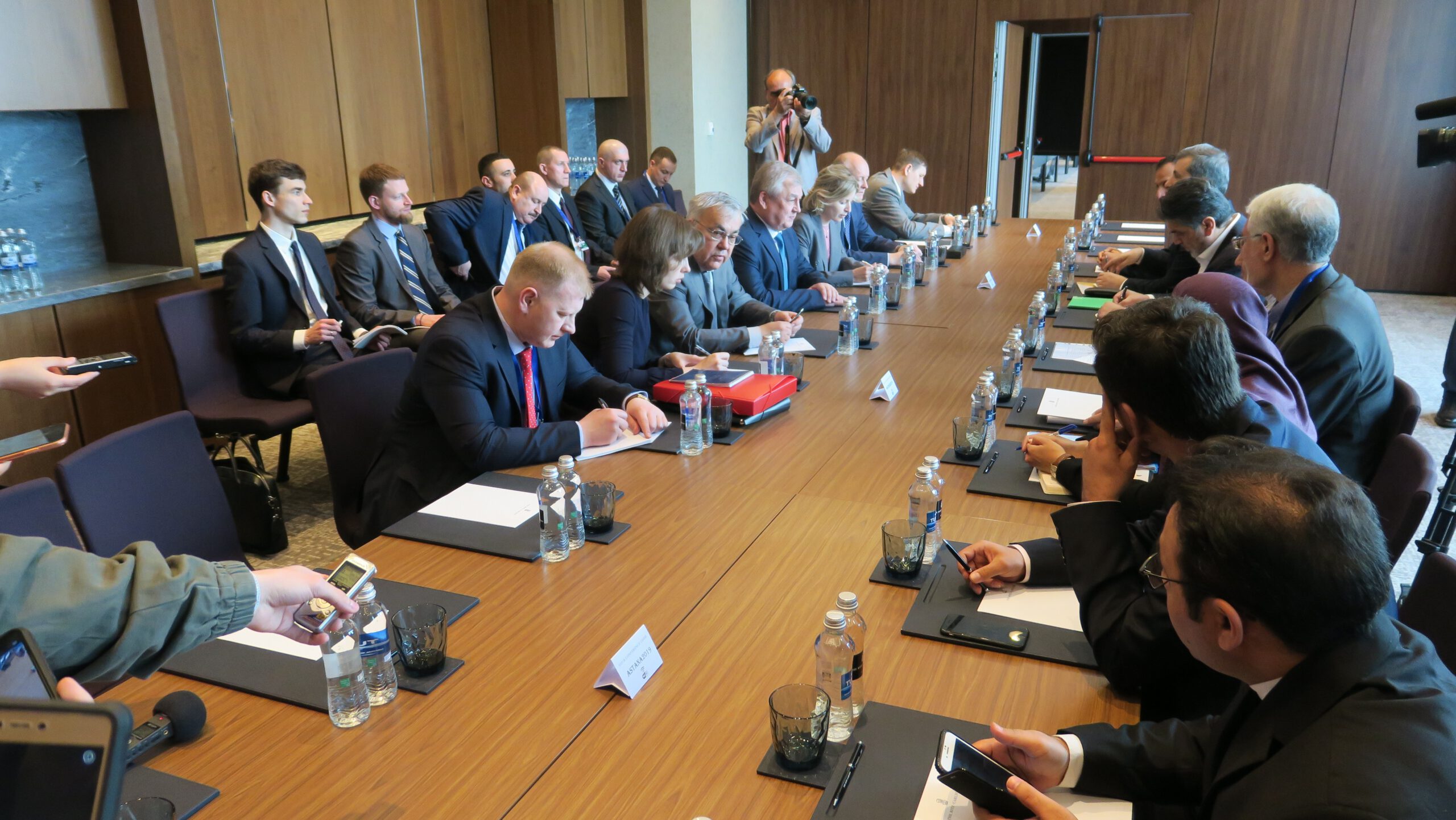
In this week’s Monday Briefing, contributors Charles Lister, Gerald Feierstein, Ruba Husari, Guney Yildiz, Mirette F. Mabrouk, and John Calabrese provide analysis on recent and upcoming events including the failure of the twelfth rounds of Syria peace talks in Astana, negotiations over Yemen’s strategic port of Hodeida, a new report on Iraq’s oil production potential, ongoing US-Turkey talks about a buffer zone in Syria, Egypt’s recently passed constitutional amendments, and Beijing’s second Belt and Road Forum.
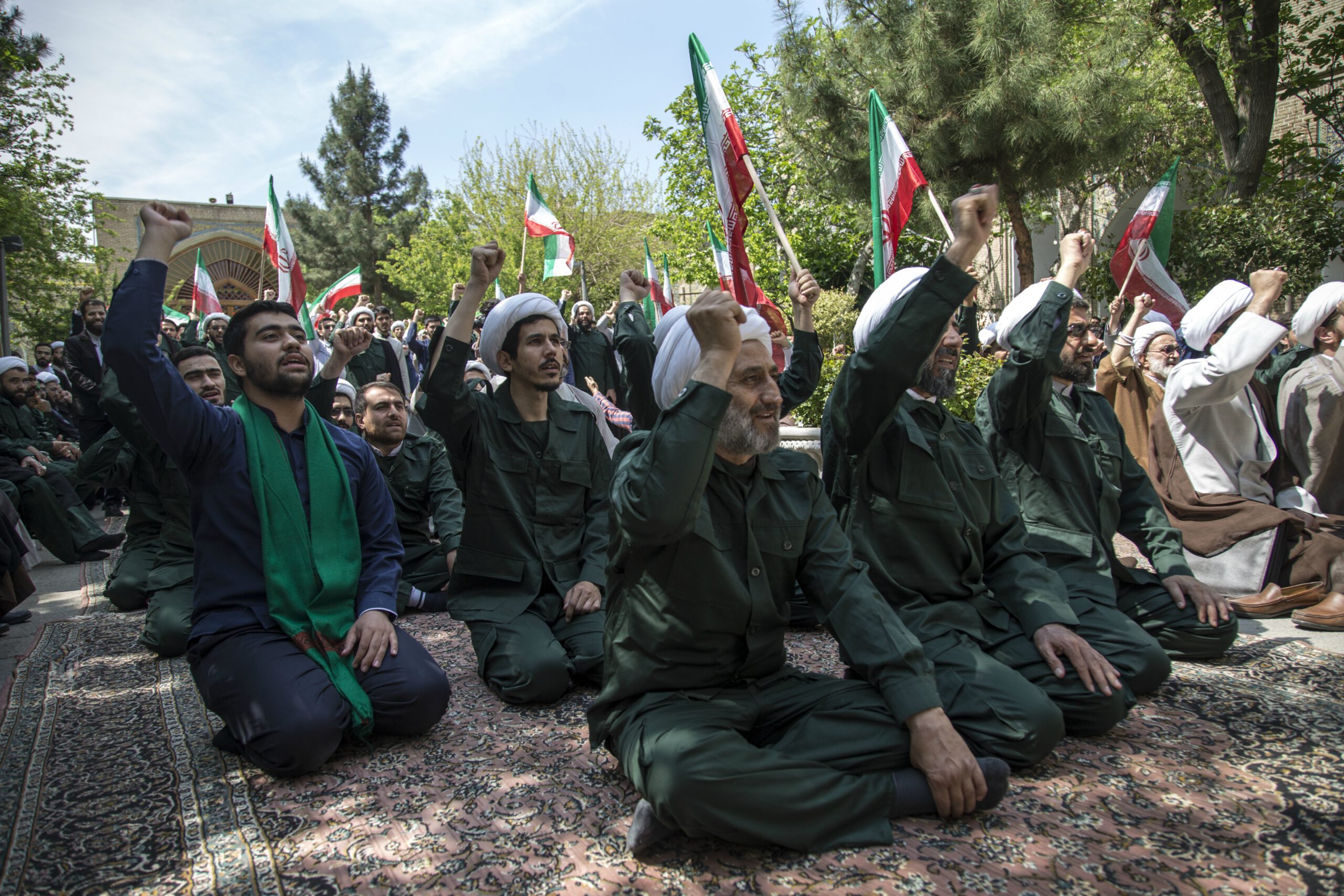
Iranian President Hassan Rouhani has faced many difficulties over the past few years, both at home and abroad. It seems likely that President Trump’s recent designation of the Islamic Revolutionary Guard Corps (IRGC) as a foreign terrorist organization (FTO) may render Rouhani’s prospects even worse as domestic support for the organization grows.