Iran Hails Aoun’s Election as Victory for Resistance
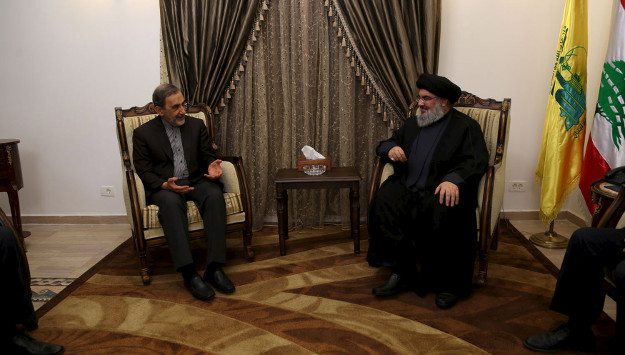
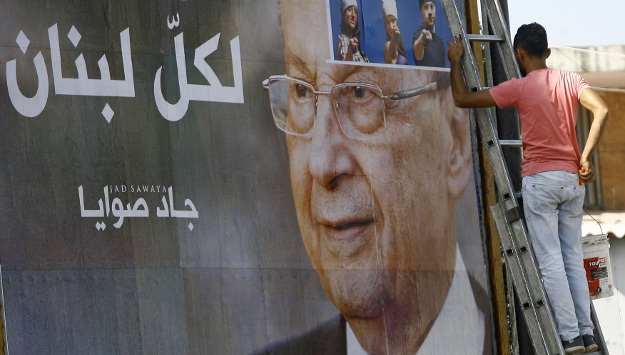
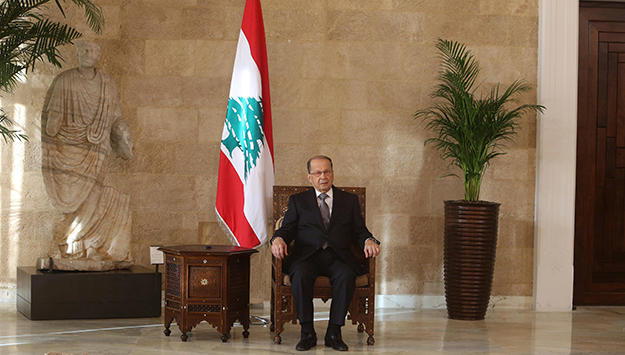
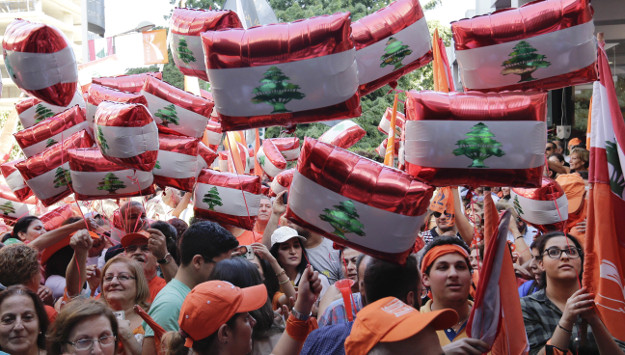
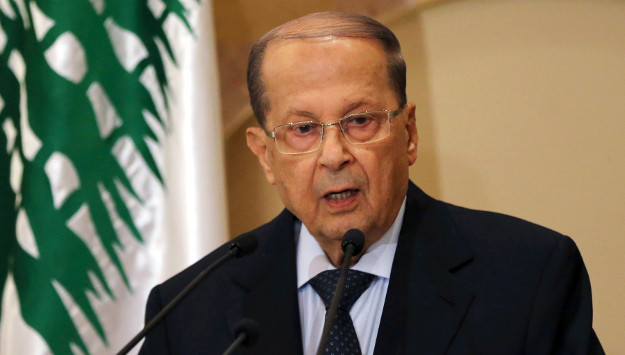
On Monday, Lebanon’s lawmakers ended more than two years of political gridlock and elected Michel Aoun as the country’s president. The news was greeted with elation in Tehran as Aoun, a former general from Lebanon’s Christian community, is a close ally of Iran-backed militia and political party Hezbollah.
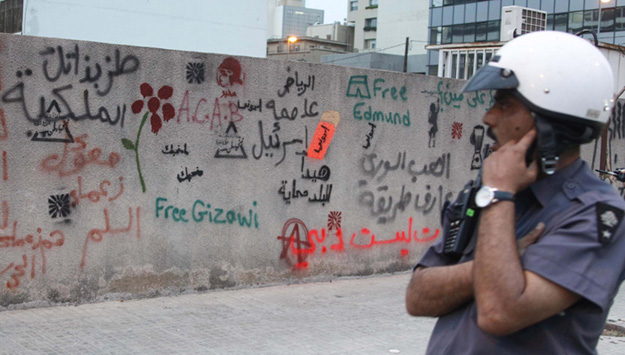
“Kullun haramiyyeh” — “they’re all thieves” — is the most common sentiment about Lebanon’s politics on the streets of Beirut. You’ll hear it from street vendors, waiters, students, teachers, architects, taxi drivers, doctors, Muslims, and Christians. It’s a view, in short, that unites this perpetually fragmented country.
After a hiatus of two and a half years, Lebanon has a new president. The Lebanese parliament has elected Michel Aoun, a former army chief, as the country’s 17th president. Michel Aoun owes the presidency to three men: Samir Geagea, the leader of the Christian Lebanese forces, Saad Hariri, the former Sunni prime minister, and Hassan Nasrallah, the leader of the Shiite Hezbollah.
Note: This article was published by Foreign Affairs on October 29; On Monday, October 31, Michel Aoun was elected president. Read the full article on here.
Against Ontologies of Hospitality: About Syrian Refugeehood in Northern Lebanon
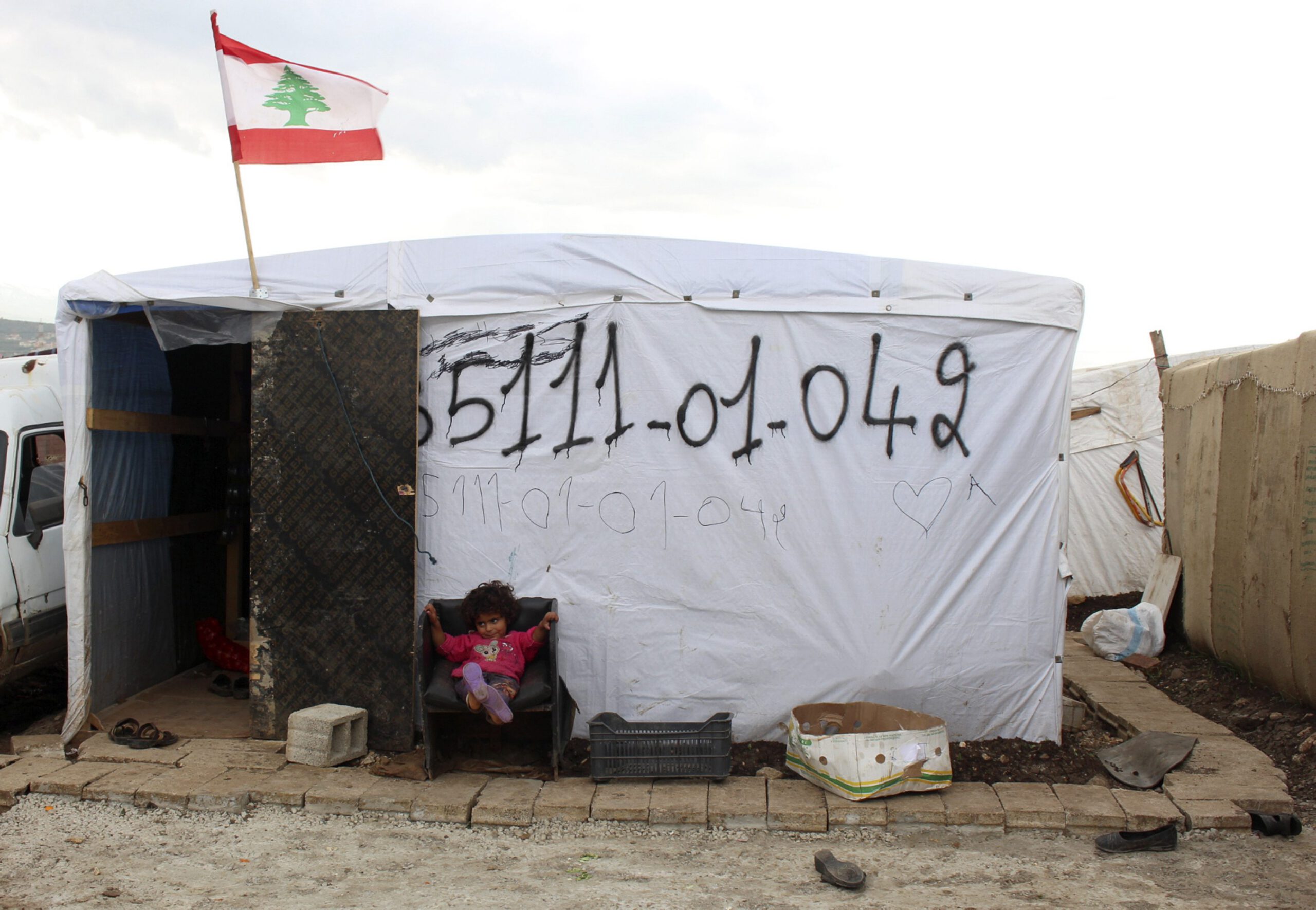
This essay explores the relationship between Syrian refugees and local Lebanese. In particular, it discusses the dominance of the discourse of ‘hospitality’ in the international media depiction of this relationship and in the humanitarian response informed by it. As this essay will show, these tendencies have resulted in the ‘hospitality’ discourse informing and reinforcing the international response to the Syrian refugee influx into and presence in Lebanon.
Monday Briefing: Lebanon Set to Elect President; Steady Progress toward Mosul
In this week’s Monday Briefing, MEI experts Paul Salem and Charles Lister provide analysis on recent and upcoming events including the expected election of Michel Aoun as president of Lebanon and the operation to expel ISIS from Mosul.
A different kind of horror descended upon Beirut with the opening of Maskoon Fantastic Fest, the Middle East’s first film festival for horror, fantasy, action, and science-fiction.
The brainchild of Abbout members, Lebanon’s most prominent production house, Maskoon was an attempt to expand the scope of genres undertaken by the local industry. The festival was held September 14-18.
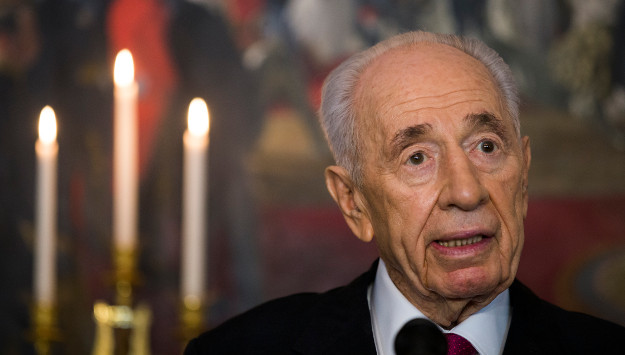
The last surviving leader of Israel’s founding generation, Shimon Peres was a three-time prime minister, the architect of the country’s secretive nuclear program and a winner of the Nobel Peace Prize for his efforts to make peace with the Palestinians.
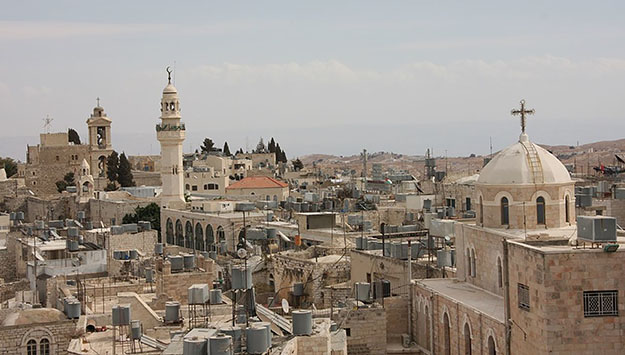
Palestinian Director Leila Sansour Talks Bethlehem
Leila Sansour is an acclaimed filmmaker, best known for “Jeremy Hardy versus the Israeli Army.” She returned to her hometown Bethlehem to document the detrimental effect of the wall on the city and its people. She discusses her latest film, Open Bethlehem.
The following interview was edited for style and clarity.
MEI: Tell me about the genesis of this film and project, and your inspiration for it?
Any Middle East observer would find a question about the basic posture of Israel vs. ISIS a practical no brainer. Such an observer would confidently state that these two entities are staunch enemies, currently engaged in multiple types of warfare and destined to continue on that path. For Israel, according to this intuitive rational, ISIS is but another link in a long chain of terror entities sworn to its destruction, much like Hamas, Hezbollah, Palestinian Islamic Jihad, and many others. For ISIS, the narrative would continue to claim, Israel is a natural primary target.
Weekly Briefing: Syria Talks at G20 Summit, Russian Moves on Israel-Palestine, and Iran Energy Policy
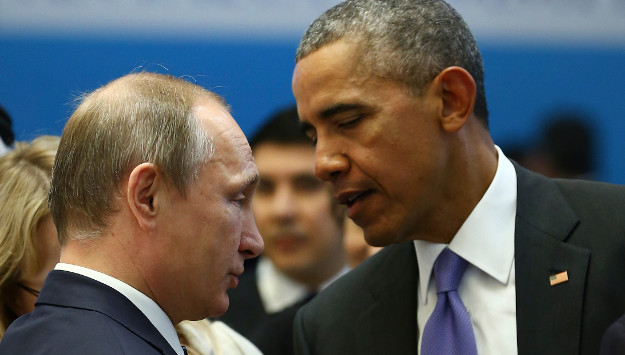
In this issues of MEI’s weekly briefing, contributors Daniel Serwer, Randa Slim, Eran Etzion, and Alex Vatanka provide analysis on recent and upcoming events including discussions between the United States, Russia and Turkey on Syria policy at the G20 Summit, the Syrian opposition’s transition plans, Russian moves on Israel-Palestine, and Iran’s energy policy.
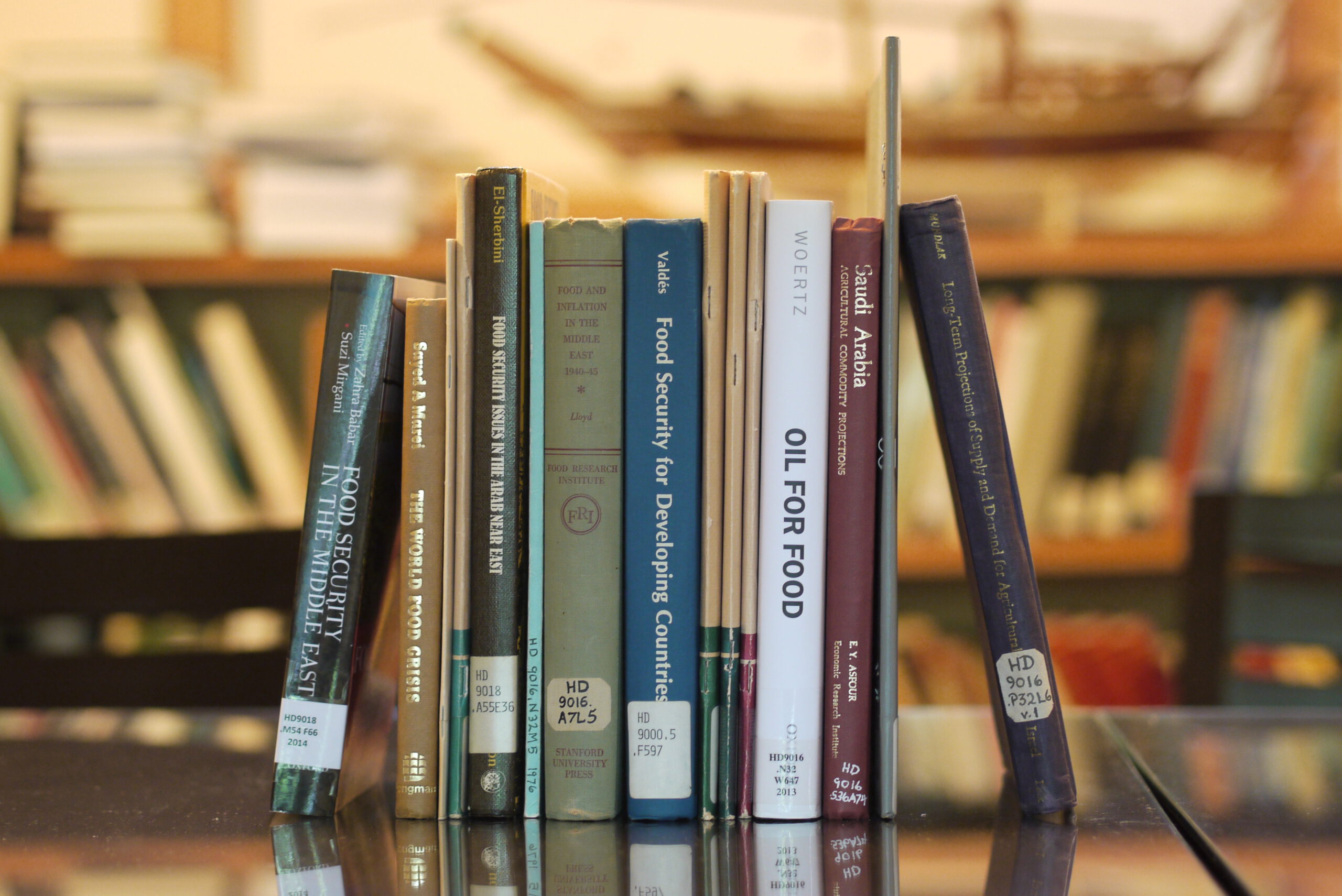
“[Food insecurity has] the potential to amplify destabilization, engender violence, and even accelerate state failure processes in an already geopolitically charged region”
– Andy Spiess in Food Security in the GCC Economies (2012)