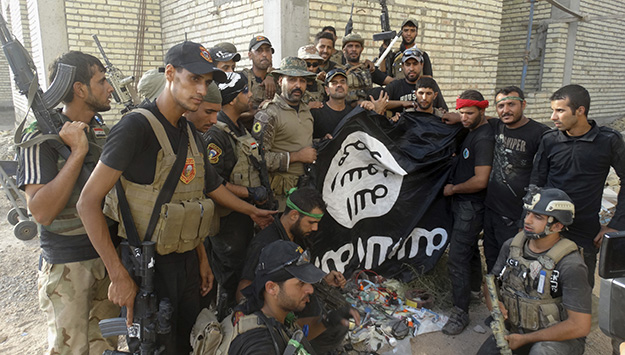
If the hallmark of al-Qa‘ida was to execute simultaneous spectacular attacks to advance its strategic momentum, the month of Ramadan in June and July showed that the Islamic State (ISIS) is taking this tactic to a new level. Yet the extreme amounts of blood shed during the holy month will likely ultimately weaken ISIS, as tribes and other groups in Syria and Iraq, even more appalled by the organization’s barbarism, unite against it.
Predictions of a new Palestinian intifada in the occupied territories tend to accompany every breakdown in the diplomatic process, announcement of a new colonial expansion project, and Israeli violence against Palestinian life—such as the recent horrific murder of Palestinian infant Ali Dawabsheh by settler terrorists who set fire to his West Bank family home.
This article was first published on NPR’s Parallels blog.
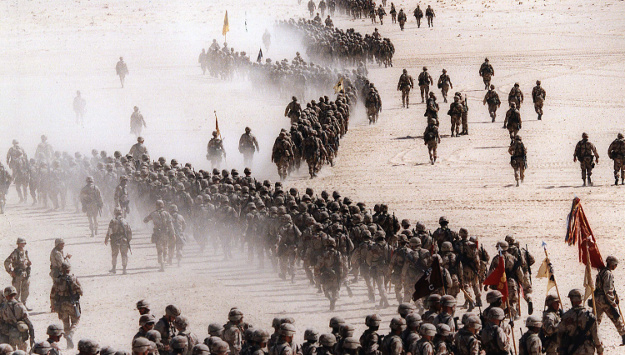
It started so well. When Saddam Hussein’s Iraq invaded Kuwait on Aug. 2, 1990, the United States swiftly cobbled together a broad coalition, unleashed a stunning new generation of air power and waged a lightning ground offensive that lasted all of four days. Iraqi troops were so desperate to quit that some surrendered to Western journalists armed only with notebooks.
The Humanitarian Crisis in the Middle East: Highlights from the MEI Conference
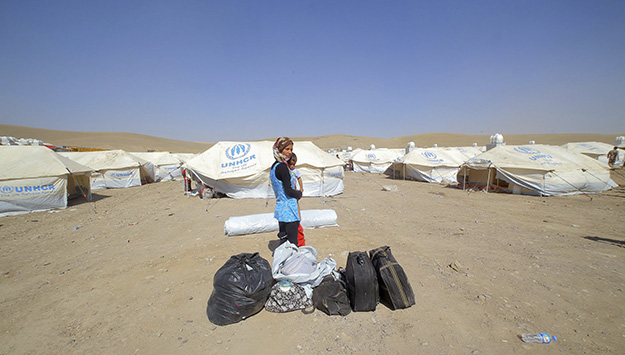
For decades, most refugee crises followed a pattern: A war erupted, usually in a poor country, and beleaguered civilians staggered across the nearest border. The United Nations organized a response, rich nations footed the bill, and aid groups sent in workers to tend to the needy. Even in extreme cases, such as the mass exodus from Afghanistan during the Soviet invasion in the 1980s, the crisis was largely confined to the country at war and a few immediate neighbors.
Be Careful What You Wish For: A Security Council Resolution on Palestine Might Come True
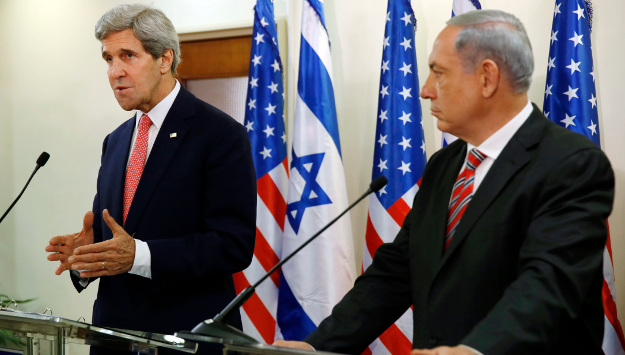
For the first time in decades absolutely nothing is happening on the Israeli-Palestinian diplomatic front. There is no agreed-upon structure for diplomatic engagement under U.S.—or anyone’s—guidance. Moreover, there is an international consensus that includes the United States that doubts, with good reason, Prime Minister Benjamin Netanyahu’s commitment to a two-state solution.
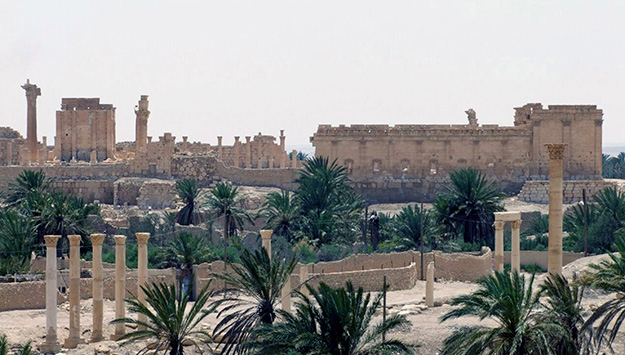
Since March 2011 Syria has gone through a traumatic process that has strained the ethnic, sectarian, and social fabric of the country—almost all that makes Syria a unified state with a people who share a common history, goals, and aspirations—to beyond the breaking point. Much of the country lies in ruins today, and its cultural heritage has been a deliberate casualty of the conflict from its earliest days.
Will China Interfere in the Israeli-Palestinian Conflict?
In June 1954, the leaders of China, India, and Burma (now Myanmar) issued a joint statement affirming the Five Principles of Peaceful Coexistence―mutual respect for sovereignty and territorial integrity, mutual non-aggression, non-interference in each other’s internal affairs, equality and mutual benefit, and peaceful coexistence―as the basis for conducting international relations. Since then, China has adhered strictly to the principle of non-interference in other countries’ domestic turmoil, as displayed prominently over the past several years in Beijing’s response to the Syrian civil war.
When it Comes to Israeli Occupation, Better is Not Good Enough
Palestinians, beset by calamities at every turn, have all but ceased to think about their indeterminate prospects for independence and freedom. This dismal state of affairs suits Israel’s newly reelected Prime Minister Benjamin Netanyahu fine. His opposition to a sovereign Palestinian state, broadcast in word and deed, leaves little room for doubt.
The bar has been set so low that all concerned are searching for any shred of evidence that merely hints at better times for Palestinians, who have now lived under Israeli rule for almost a half century.
How Iraq's PM Is Balancing U.S. Relations and Regional Tension
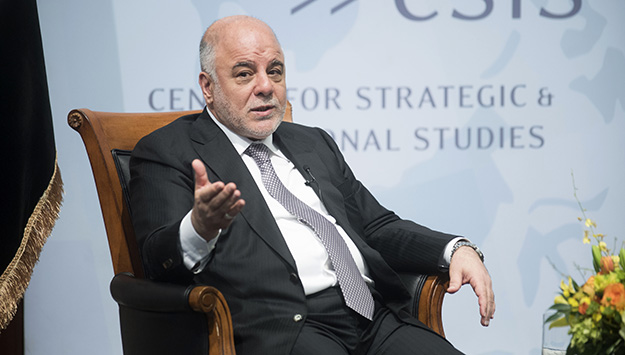
April 17, 2015- Ambassador Robert S. Ford discusses the Iraqi PM’s objectives during his visit to Washington, D.C. and the current security situation in Iraq.
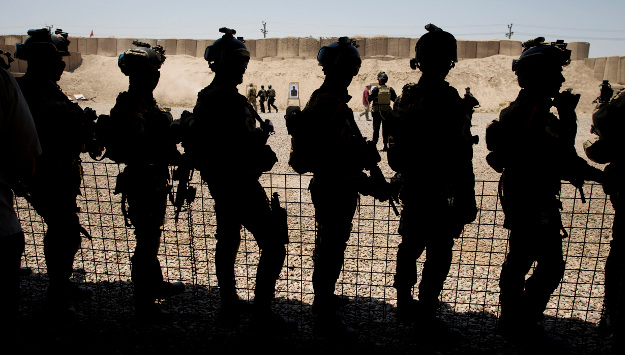
When Iraqi Prime Minister Haider al-Abadi weighs the pros and cons of running such a fractured country, here’s the upside: He can count on five separate military groups supporting his battle against the self-declared Islamic State.
The downside is that he has limited control of these groups, and of much of his country.
The Hashd: Redrawing the Military and Political Map of Iraq
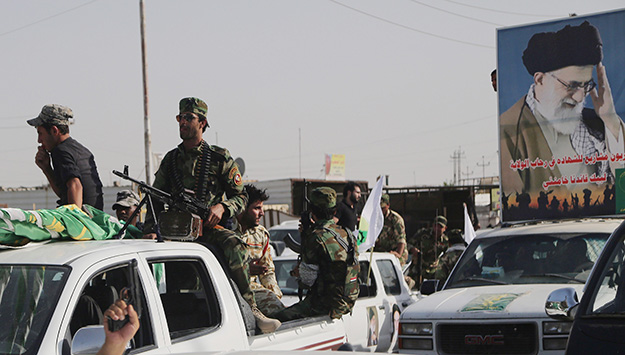
Al-Hashd al-Sha‘bi—also known as the Popular Mobilization Units, the Shi‘i militias, or simply “the Hashd”—has joined Iraqi security forces and the Kurdish peshmerga to spearhead Iraq’s ongoing offensive against ISIS. The coordinated assault has scored significant successes in various parts of Diyala, Babil, and Salah al-Din, including the recapture of Tikrit. With this string of recent triumphs, the Hashd has provided a potent rallying point for a reinvigorated sense of Iraqi nationalism, albeit one with distinctly Shi‘i overtones.