Monday Briefing: Manbij Offensive, Yemen Talks, Turkey-Israel, Tunisia Unity Government
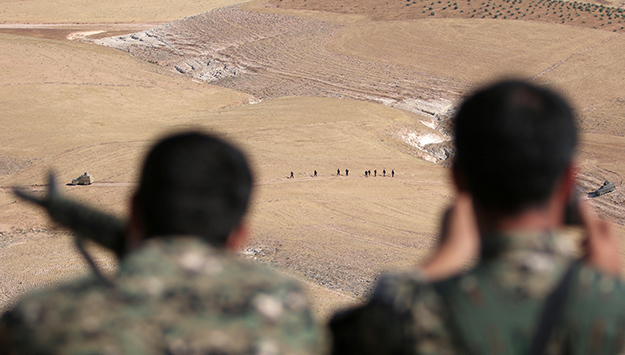
In this week’s Monday Briefing, MEI experts Robert S. Ford, Charles Schmitz, Gonul Tol, and Mabrouka M’Barek provide analysis on recent events including Manbij offensive, Yemen talks, Israel-Turkey rapprochement, and Tunisia national unity government.
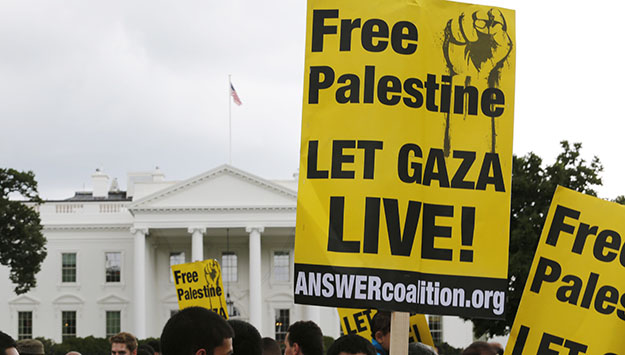
Presidential Race Shifts Discourse on Israel-Palestine
The 2016 presidential primaries have upended a wide variety of assumptions about the rules of American politics, and what the traffic will bear. One of these areas is the Israeli-Palestinian conflict.
The battle for Fallujah, Thursday's OPEC meeting, and Hariri's loss in Tripoli
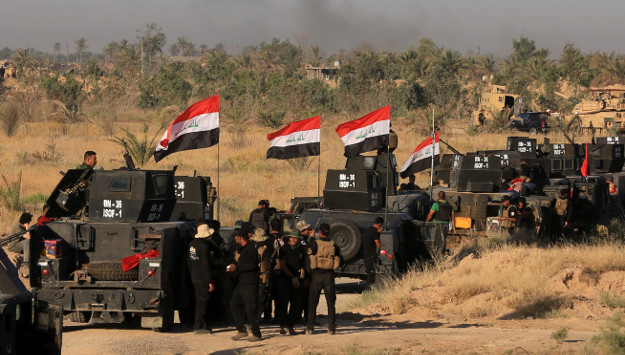
In this week’s briefing, MEI experts Charles Lister, Herman Franssen, and Paul Salem provide analysis on recent and upcoming events including the battle for Fallujah, Thursday’s OPEC meeting, and Saad Hariri’s defeat in Tripoli, Lebanon.
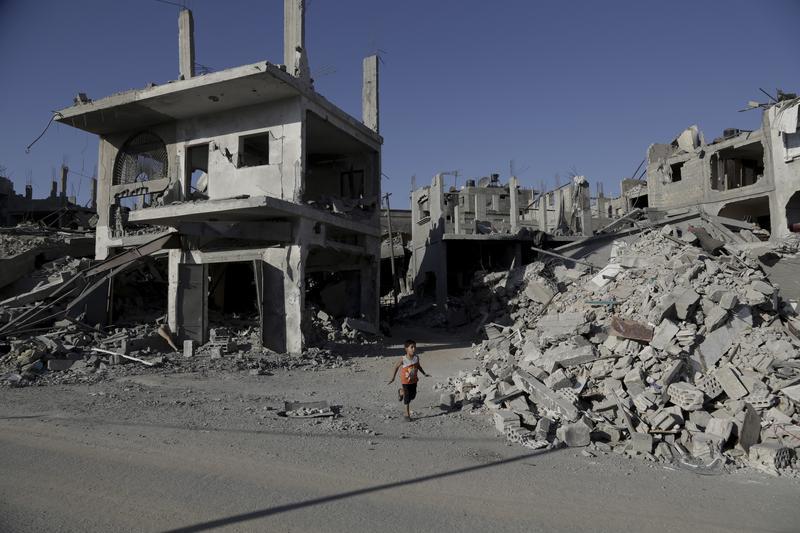
New Gaza War Inevitable without International Action
With the exception of the extremely slow reconstruction process of what was destroyed during the last Israel-Gaza war in the summer of 2014, the conditions that preceded that war remain in place. The Palestinian reconciliation process remains cosmetic, negotiations for a truce between Israel and Hamas that were supposed to resume under Egyptian auspices have stalled, and humanitarian conditions in Gaza are becoming increasingly dire. Without improvement on any of these issues, the risks for a new round of fighting remain high.
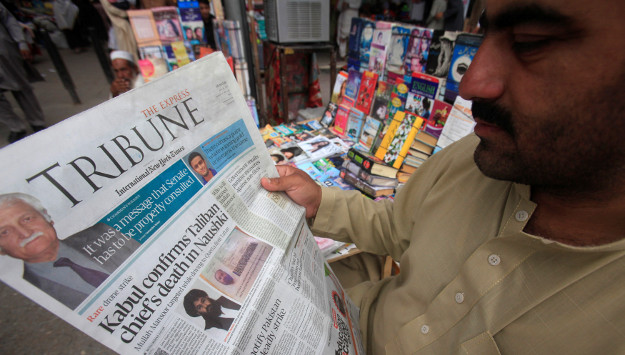
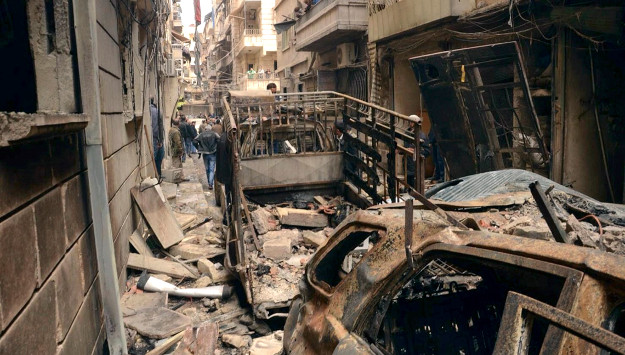
In this week’s Monday Briefing, MEI experts Marvin G. Weinbaum, Charles Lister, Hassan Mneimneh, and Paul Scham provide analysis on recent events including the killing of Afghan Taliban leader Mullah Akhtar Mansour, deadly blasts targeting regime-held territory in Syria, Iraq’s intra-Shiite feud, and Avigdor Lieberman’s appointment as Israel’s Defense Minister.
Monday Briefing: Lebanon's Elections, Gaza Unrest, Syria Talks, and Saudi's New Oil Minister
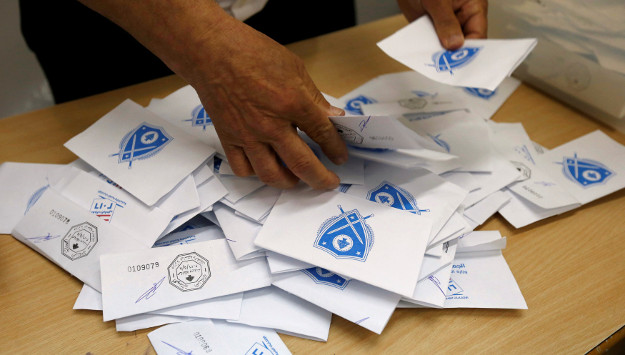
In this week’s Monday Briefing, MEI experts Paul Salem, Paul Scham, Charles Lister, and Jean-François Seznec provide analysis on recent events including Lebanon’s elections, unrest in Gaza, the ongoing Syria talks, and Saudi Arabia’s new oil minister.
Humanitarianism in Highly Religious Contexts: Responding to Syrian Refugees in Lebanon
This essay discusses the potential value of and impediments to the provision of assistance to refugees by local religious institutions. It explores this issue by focusing on Lebanon, highlighting the important contribution of a small NGO, the Lebanese Society for Educational and Social Development (LSESD), in mentoring and training pastors and many of the key local church leadership in how to respond to the humanitarian needs of Syrian refugees.
Weekly Briefing: Syria Ceasefire, Iran Elections, and Saudi Arabia's Suspension of Aid to Lebanon
In the first installment of a new series of weekly briefings on the most important regional issues, MEI experts Randa Slim, Alex Vatanka, and Paul Salem analyze recent events including the ceasefire agreement in Syria, upcoming elections in Iran, and Saudi Arabia’s suspension of military aid to Lebanon.
Will New Cease-fire Deal in Syria Succeed?
Randa Slim Director, Initiative for Track II Dialogues
U.S. Should Allow International Input in Israel-Palestine
For the first time in almost half a century, the United States has acknowledged that it is “out of ideas” about how to address Israel’s occupation and fulfill a declared American interest in establishing a Palestinian state at peace with Israel.
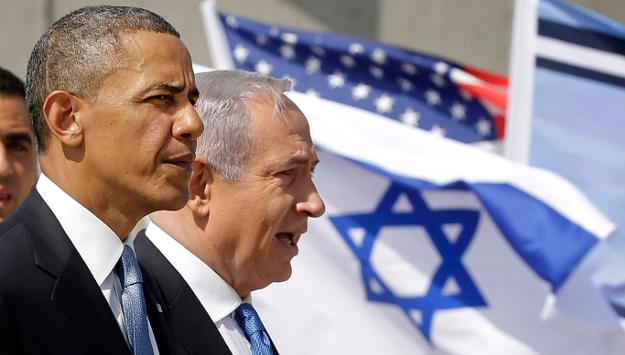
The White House recently acknowledged that it was out of ideas on how to pursue Israeli-Palestinian peace talks in the final year of Barack Obama’s presidency, raising — for the first time — the prospect that Israel’s occupation of East Jerusalem and the rest of the West Bank is permanent.
Lebanon’s Uprisings—Bringing the Political Back In
The #YouStink movement and its various associate movements have denounced “the system,” “confessionalism,” and “the political class” of all orientations, including the parliament, the cabinet of minister, the prime minister, and so on, without really showing an understanding of how all these institutional positions relate to one another, and to the problem of corruption and of the poor public sector. By looking at the recent protests in Lebanon, this article proposes ways to avoid this slippery slope and demonstrates how to think of genuine change––and recognize its limits––given the prevailing political context.