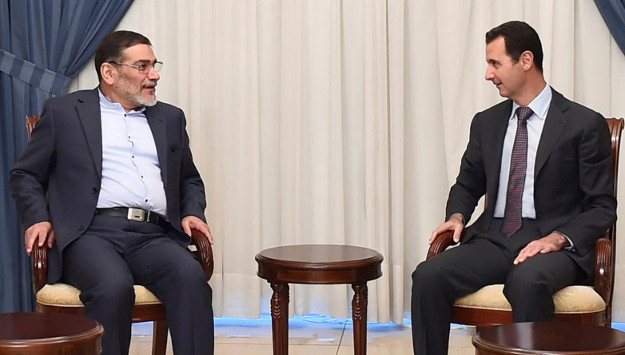
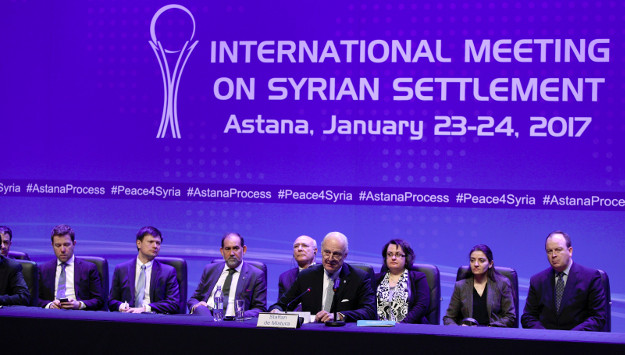
On February 5, the Secretary of Iran’s Supreme National Security Council, Ali Shamkhani, said that “certain countries are worried about the weakening of terrorist groups in Syria.” Shamkhani made the remarks after his meeting with visiting Russian president’s Special Envoy for Syrian Affairs, Alexander Lavrentiev. Shamkhani and Lavrentiev praised the latest Syrian peace talks held in Astana and which were brokered by Russia, Turkey and Iran.
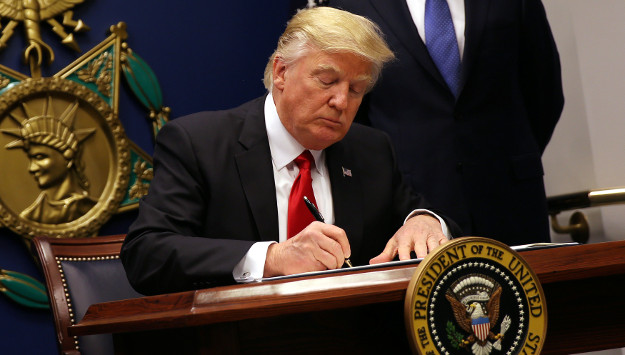
Monday Briefing: Trump Scores a Ruinous ‘Own Goal’ in the Middle East
In this week’s Monday Briefing, MEI experts Paul Salem, Robert S. Ford, and W. Robert Pearson provide analysis on recent and upcoming events including the Trump administration’s controversial travel ban, the Syrian regime’s dismissal of calls for a cease-fire, and the upcoming meeting between German Chancellor Angela Merkel and Turkish President Recep Tayyip Erdogan.
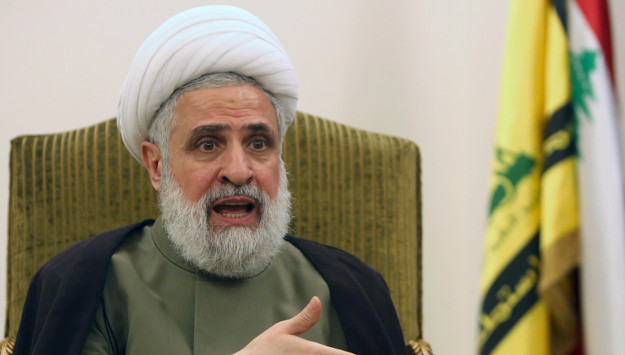
Hezbollah Deputy Leader Expresses Gratitude to Iran and Syria
The deputy head of Lebanon’s Hezbollah organization, Naim Qassem, has again come out to remind a skeptical Lebanese population about reasons why the militant group has intervened in the Syrian conflict. According to Qassem, Hezbollah’s approach is “non-interference in the affairs of other countries” but
Top Iran Envoy Meets Khamenei’s Special Representative in Syria
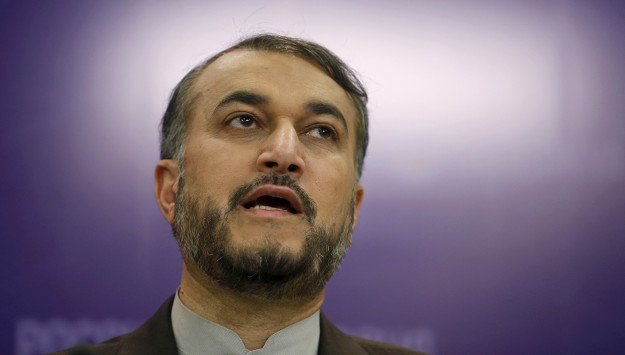
On January 27, Iranian media reported that top Iranian envoy, Hossein Amir Abdollahian, who visited Damascus this week, also met the Iranian supreme leader’s special representative to Syria, Abolfazl Tabatabai Ashkezari. Ashkezari was appointed by the personal decree of Khamenei in March 2016. He has been living in Syria since.
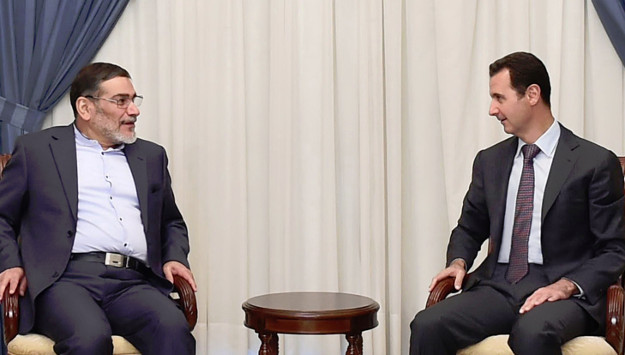
The January 26 meeting between the Syrian President Bashar al-Assad and Hossein Amir Abdollahian is another important sign that Iran’s President Hassan Rouhani has at best very little influence over Iran’s Syria’s policy. The official title of Amir Abdollahian is “Director General of International Affairs” at the Iranian parliament, the Majlis. However, this generic title given to Abdullahian is in no way a true reflection of his power in Tehran and the critical base of support he enjoys.
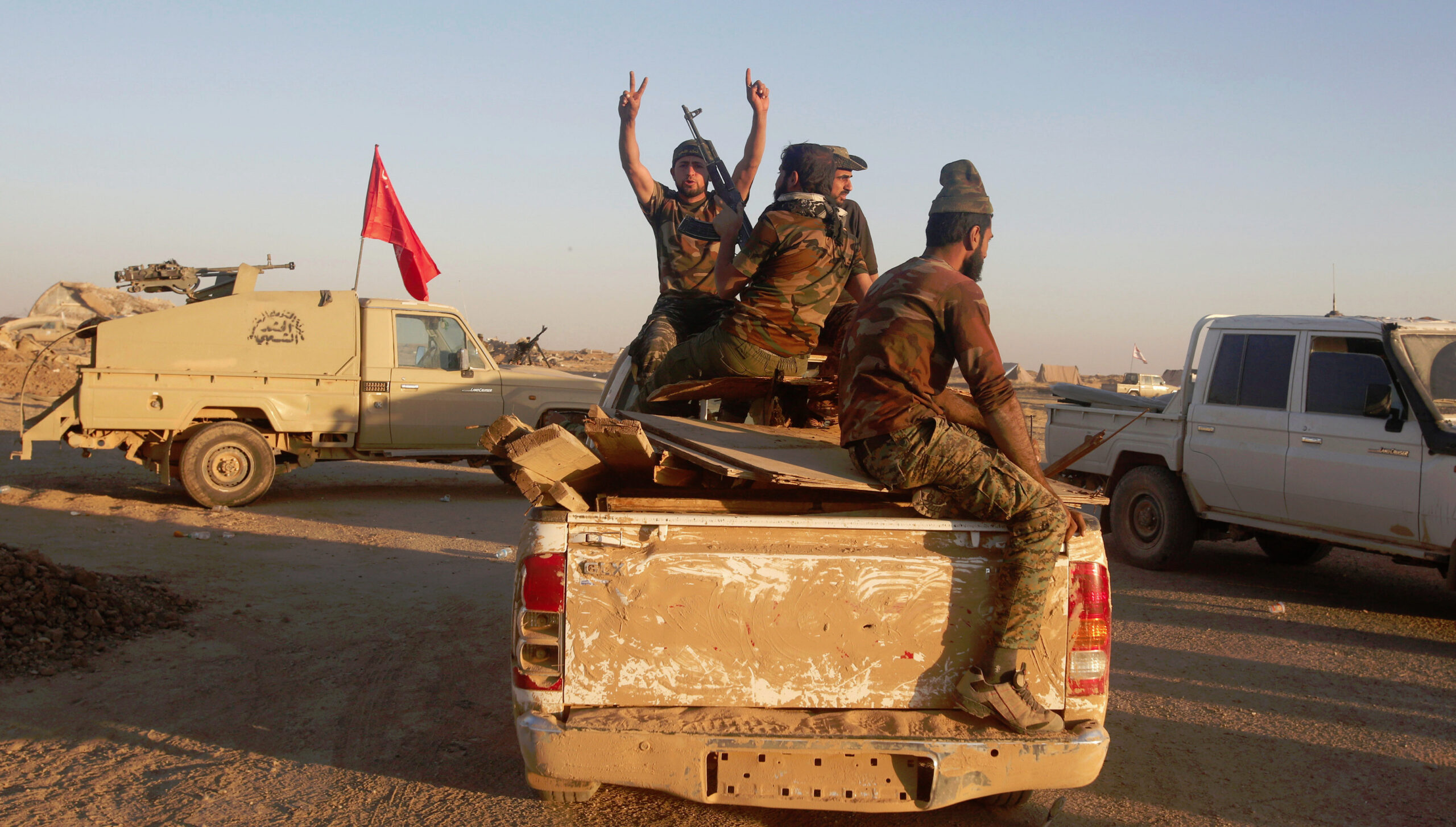
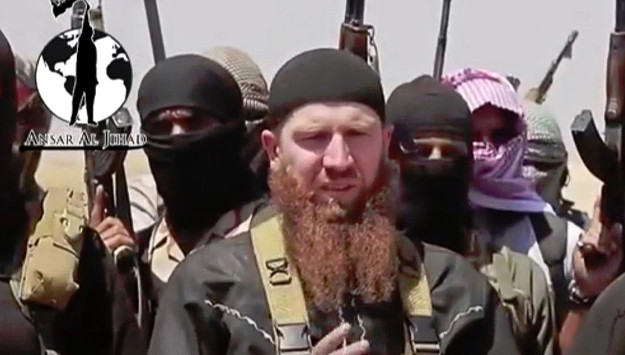
Fars News, an outlet that is linked to Iran’s Islamic Revolution Guards Corps (IRGC), reported that ethnic Chechen forces from Russia are now acting as police units in the Syrian city of Aleppo. The outlet reported that Chechens had also from December 2016 been deployed “to serve in the military police to protect Russia’s Khmeimim air base in Syria.”
Tehran’s fears of losing out influence during the ongoing peace talks on Syria in Astana were evident even in the makeup of the Iranian delegation. According to Iranian sources, Tehran had been compelled to dispatch a top military figure with extensive experience in Syria in order not to be eclipsed by Russian and Turkish militaries.
Iran, Russia and Turkey agreed earlier today to establish a trilateral mechanism to enforce the fragile cessation of hostilities in Syria. After a two-day meeting in Kazakhstan sponsored by Moscow, the trio issued a joint statement that called for “a political process based on the implementation of the UN Security Council resolution 2254” to end the Syrian civil war.
Monday Briefing: Middle East Reactions to Trump's Inauguration
In this week’s Monday Briefing, MEI experts Paul Salem, Alex Vatanka, Gerald Feierstein, and Charles Lister provide analysis on recent and upcoming events including U.S.-Middle East relations in the new Trump administration, the view of Trump’s inauguration from Tehran, the Gulf’s ‘wait and see’ approach to the new administration, and Russia’s public position on Syria talks at the outset of talks in Astana.
Iran will build a mobile phone network in Syria under an agreement signed by the two countries’ ministries of information and communications technology, Iranian media reports.
Iran Recruits and Trains Large Numbers of Afghan and Pakistani Shiites
While much ink has been spilled about how Iran’s involvement in the Syrian civil war has fueled sectarianism and instability in the Arab world, the implications of Iran’s increasing recruitment of Afghan and Pakistani Shiites on security and stability in South Asia have largely been overlooked. Over the past five years, the Islamic Revolution Guards Corps (IRGC) has recruited, indoctrinated, trained and deployed thousands of Afghan and Pakistani Shiites to fight under its command against Sunni rebel groups across Syria.
Weekly Briefing: Confirmation Hearings, Syria Peace Talks, and OPEC
In this week’s briefing, MEI experts Gerald Feierstein, Robert S. Ford, Yousef Munayyer, Eran Etzion, and Ruba Husari provide analysis on recent and upcoming events including the ongoing confirmation hearings for key members of the incoming administration’s foreign policy team, the upcoming Syria talks, the recently convened Paris talks on Israel and Palestine, and OPEC’s assessment of its agreement to cap oil output.
Iran Opposes US Participation in Russia-Sponsored Syria Talks
As Russia and Turkey are trying to broaden the scope of the upcoming peace talks on Syria, Tehran says it opposes the inclusion of the United States in the meeting scheduled for next week in Kazakhstan.