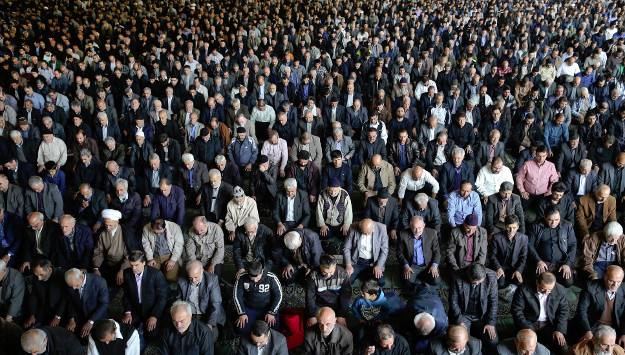
Protesters chant antigovernment slogans at Isfahan Friday prayer
Earlier today, worshippers in the central Iranian province of Isfahan used the occasion of Friday prayers to protest against the government. According to Radio Farda, the protesters turned their back to the Friday prayer leader as a gesture of disdain and chanted anti-regime slogans.
Iran, Turkey, Russia discuss Syria as violence rages unabated
The foreign ministers of Iran, Turkey and Russia today held a trilateral meeting in Astana, Kazakhstan’s capital, to discuss the Syrian conflict. In a statement after the meeting, the three sides stressed that they will work together to seek a political settlement to end the seven-year war and protect Syria’s sovereignty and territorial integrity.
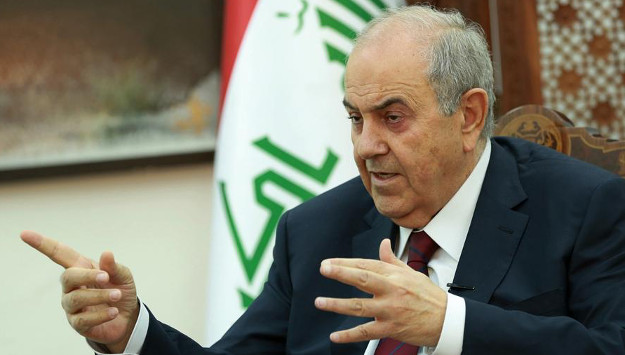
Iraq’s Vice-President calls on Iran to stop meddling in Iraqi internal affairs
Iraq’s Vice President Ayad Allawi has called on Iran to stop interference in the Iraqi internal affairs, Fars News Agency, which is affiliated with Iran’s Revolutionary Guards, reported.
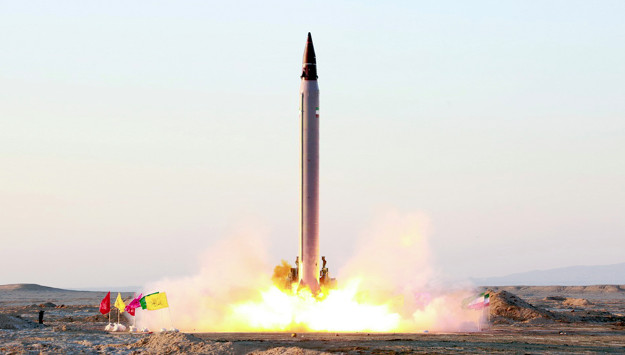
Iran’s top clerical body rules out missile negotiation with West
Iran’s Assembly of Experts has said that Tehran will not negotiate with Western powers over its defense matters and called on the government to further enhance the country’s ballistic missile program.
Afghans see Iran’s hand in Taliban’s latest gains in western Afghanistan
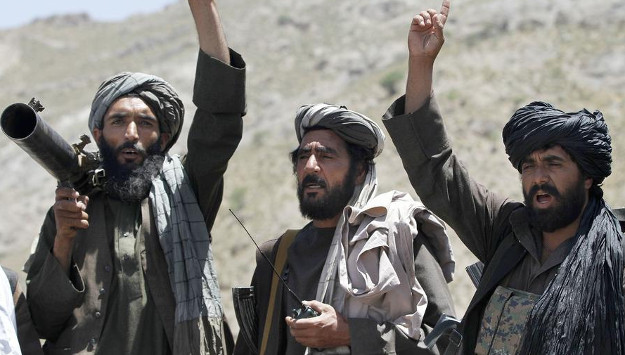
On Monday, the Taliban briefly overrun a district in western Afghanistan’s Farah Province bordering Iran, just days after the insurgents killed several Afghan security forces in another district in the province. With Farah teetering on the brink of collapse, Afghan officials blame the Islamic Revolution Guards Corps (IRGC) for aiding the Taliban insurgents in western Afghanistan in an effort to torpedo construction projects and undermine stabilization efforts by the US-led coalition in the region.
Tillerson's departure and the future of US policy in the Middle East
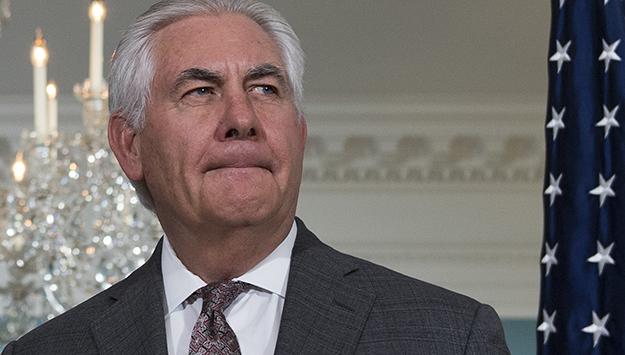
Rex Tillerson’s unhappy tenure at State Department ends with a whimper – Gerald Feierstein
Rex Tillerson was never an easy fit for the Trump administration. His management of the State Department was a source of constant frustration for the career staff as well as Capitol Hill. On policy issues, Tillerson hewed more closely than Trump to establishment Republican positions. Allied with Secretary of Defense Mattis and National Security Advisor McMaster, Tillerson often acted as an anchor against the president’s more aggressive impulses.
The plight of the Iranian dual national, dozens of whom have been detained by Iranian authorities in the past two decades, was tragically brought back into the headlines with the death of Kavous Seyed Emami. The 63-year-old Iranian-Canadian founder of the Persian Wildlife Heritage Foundation, who died in solitary confinement at Evin Prison on Feb. 9, had been imprisoned with other environmentalists on trumped-up charges of “espionage.”
IRGC chief: Expansion of Basij-like “resistance” groups in region has rattled Israel
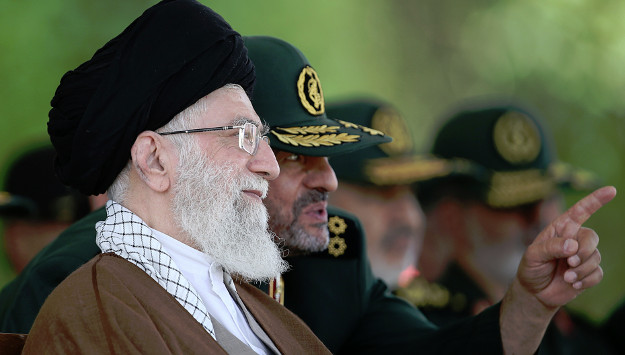
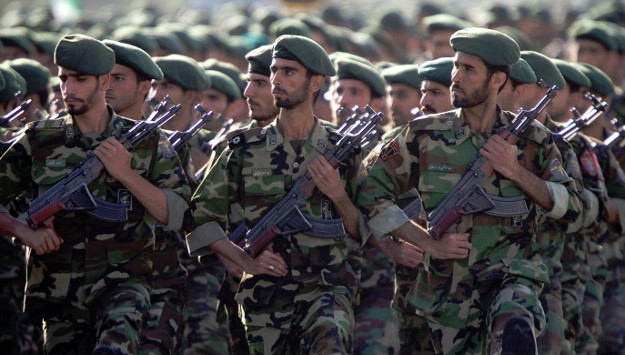
The creation and expansion of Iranian-backed “resistance” forces in Iraq, Syria, Palestine, Yemen and Lebanon serve Iran’s national security interests and have created panic in Israel, Major General Mohammad Ali Jafari, the chief commander of the Islamic Revolution Guards Corps (IRGC), said today.
Monday Briefing: Senate moves to end US engagement in Yemen conflict
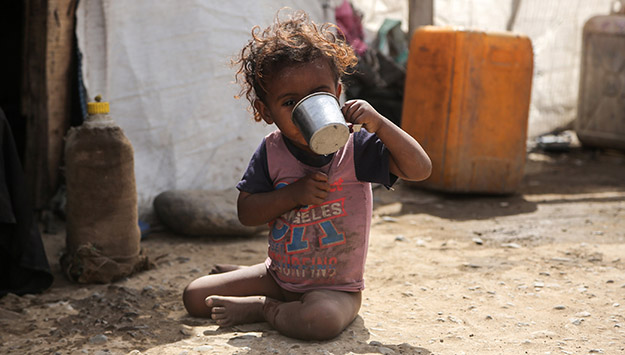
In this week’s Monday Briefing, MEI experts Gerald Feierstein, Alex Vatanka, Nathan Stock, and Randa Slim provide analysis on recent and upcoming events including the Senate’s decision to pull out of Yemen, enduring Iran-Pakistan political strain, Egypt’s role in Palestinian reconciliation, and America’s dissolving influence in Syria.
IRGC says suicide assailants attacked its base near Pakistan’s border
The Islamic Revolution Guards Corps Ground Force (IRGC-GF) said today that its troops foiled attempts buy suicide bombers trying to attack one of its bases in the southeastern province of Sistan and Baluchestan near the Pakistani border,
Iranian outlets analyze implications of Trump-Kim meeting on Iran nuclear deal
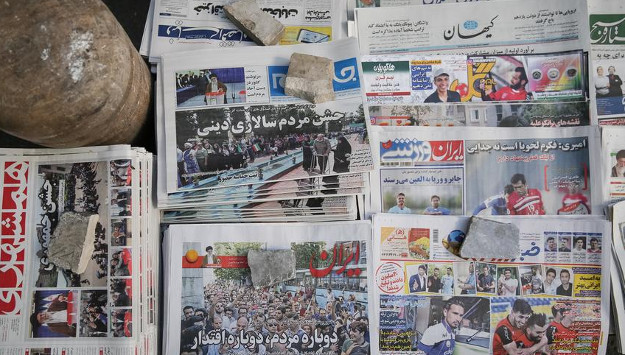
President Donald Trump’s potential meeting with North Korean leader Kim Jong Un has drawn a great deal of attention in Tehran. Iranian media outlets and analysts debate how the historic summit could impact US policy vis-à-vis the Islamic Republic. Many articles, particularly in reformist publications, warn that a possible thaw in Washington-Pyongyang relations would help the Trump administration to pursue a more assertive policy against Tehran.
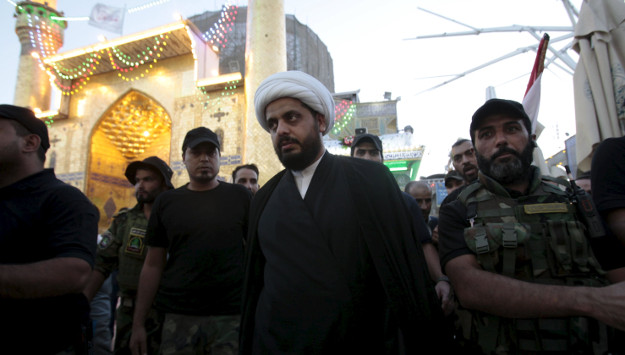
Iran-backed group says Hashd al-Shaabi will not merge into Iraq’s security institutions
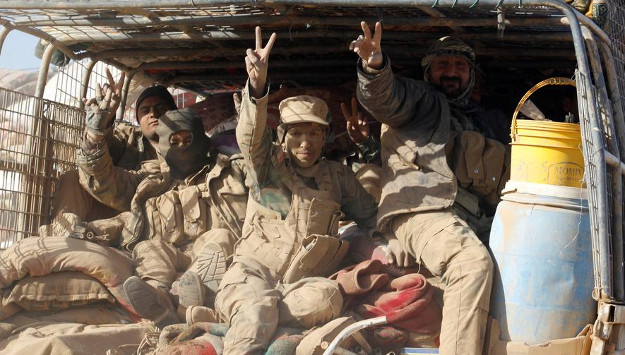
The spokesman of Asa’ib Ahl al-Haq, a militia unit within Iraq’s Popular Mobilization Force (PMF) with close ties with Iran’s Revolutionary Guards, welcomed Iraqi Prime Minister Haider al-Abadi’s decree giving PMF members equal salaries and benefits as those of regular military personnel, but emphasized that the PMF paramilitary forces will will not be merged into any of the country’s security institutions. According to AAH spokesman Naim al-Abudi, the PMF – also known by its Arabic name Hashd al-Shaabi – has 140,000 members, including 122,000 combatants.
Iranian protesters clash with police over water dispute in Isfahan
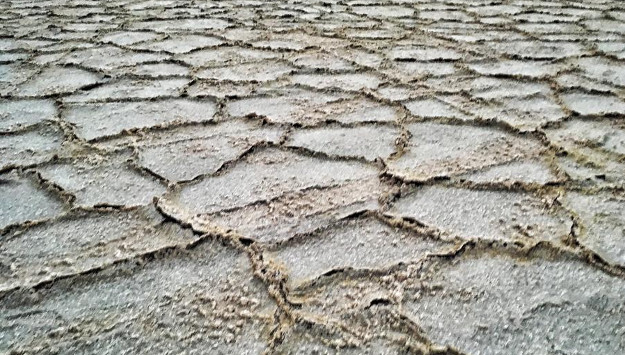
Scores of angry Iranian farmers clashed with local security forces in the central province of Isfahan over a water dispute, the BBC Persian reported. The police used tear gas to disperse the protesters, who were chanting antigovernment slogans.
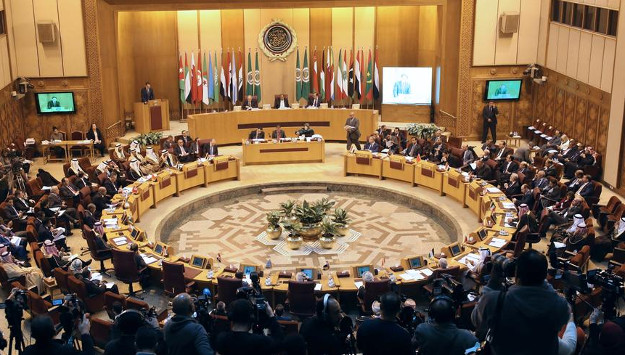
Arab summit calls on Iran to end “expansionist policies”, return disputed islands to UAE
A summit of Arab foreign ministers in Cairo called on Iran to stop its “expansionist policies” and interference in the internal affairs of the Arab countries – drawing an angry response from the Iranian foreign ministry.