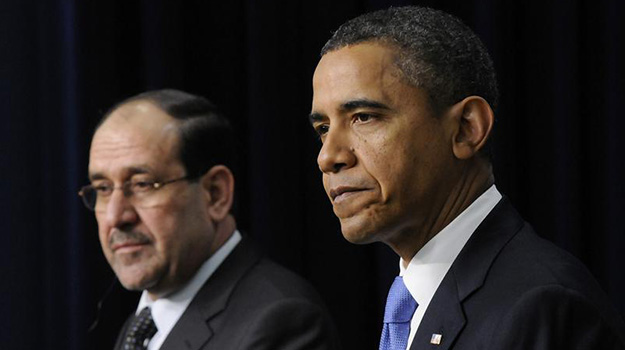
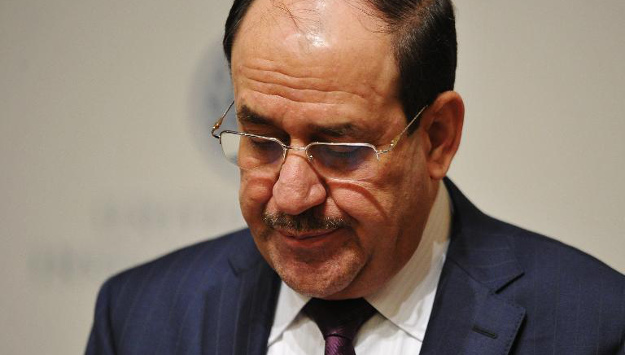
With Iraq’s elections scheduled for April 30, the United States should be acutely aware of its reduced but remaining influence in the country. Even in 2006 and 2010, when more than 100,000 U.S. soldiers were present in Iraq, it was largely Iran that had the final say on the premierships, if not the exact shape of the cabinets that were formed after the elections.
Two years after the U.S. withdrawal and four years into Prime Minister Nuri al-Maliki’s second term, Iraq is on the brink of breaking apart. The upcoming parliamentary elections scheduled for April 30, and the political process of government formation that will follow, present an opportunity to push for a return to more inclusive politics in Iraq. Unless Maliki is replaced or drastically changes his policies, these might be the last elections in a nominally united Iraq.
The Middle East Dialogue is a regional Track II forum that meets twice a year and brings together current and former officials and senior experts from the Middle East, the United States, Russia, China, and the EU to discuss emerging political & security trends in the region. What follows is a report from the latest meeting of the Dialogue in Erbil, Iraq, on March 30-31, 2014, led by MEI’s Director of Track II Dialogues Randa Slim and VP for Policy and Research Paul Salem.
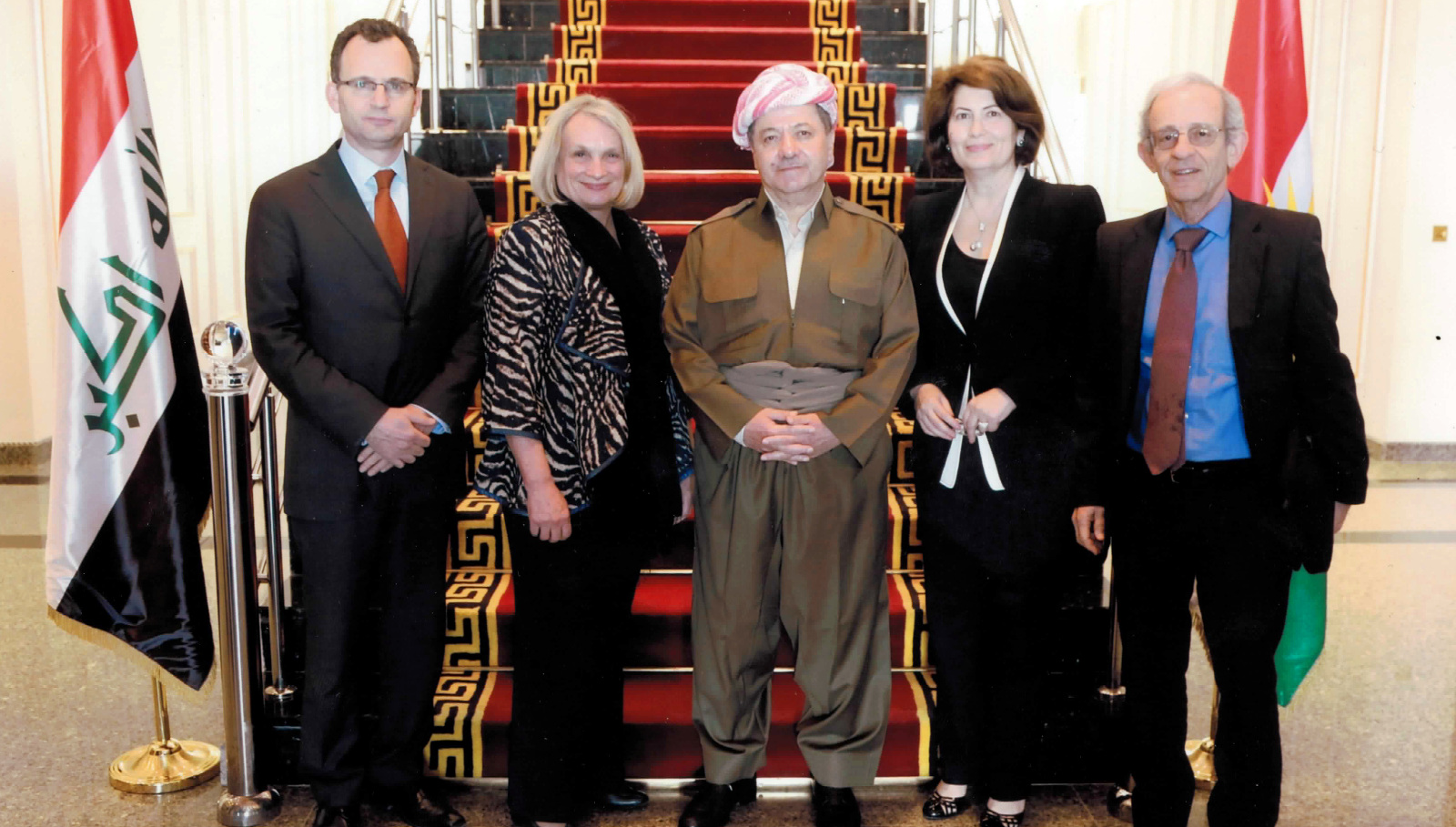
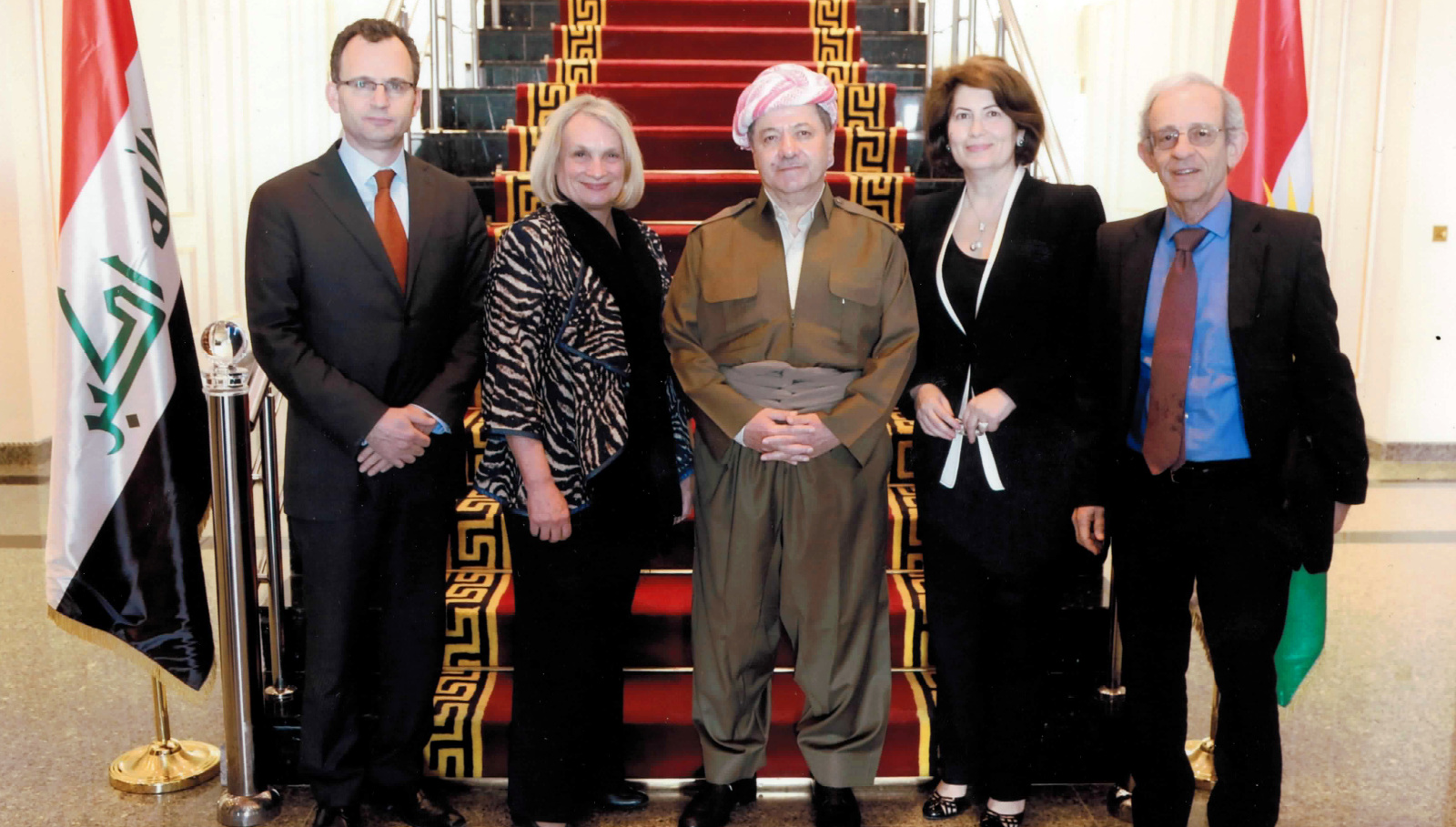
Comments by KRG President Massoud Barzani at Middle East Dialogue in Erbil
The Middle East Dialogue is a Track II forum focusing on emerging political and security trends in the region that meets twice a year, bringing together current and former officials and senior experts from Egypt, Saudi Arabia, the UAE, Iraq, Iran, Turkey, Jordan, Lebanon, Kuwait, the United States, Russia, China, and the EU. Members of the delegation, led by The Middle East Institute’s president, Wendy Chamberlin, met March 31 with Kurdistan Regional Government (KRG) President Massoud Barzani in Erbil, the capital of Iraqi Kurdistan.
Erbil, Baghdad, and Implications of the Oil Dispute
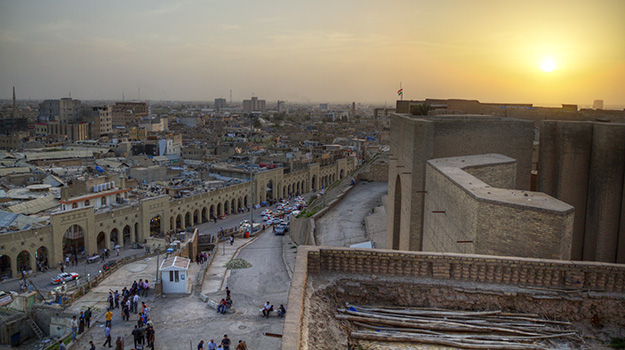
Erbil—the capital of Iraqi Kurdistan—was once a chaotic and dusty backwater. Today, it is well on its way to becoming an attractive and orderly commercial and government center. A decade ago there were virtually no trees, as they had all been cut down for firewood to heat Kurdish hearths during the 1990s wars among Kurds and between Kurds and Saddam Hussein’s army. A magnificent wooded park now graces the mile or so from the high-rise hotel district to the Kurdistan Regional Government’s parliament and offices.
Ethnic Divisions and Alliances in the Afghan Elections
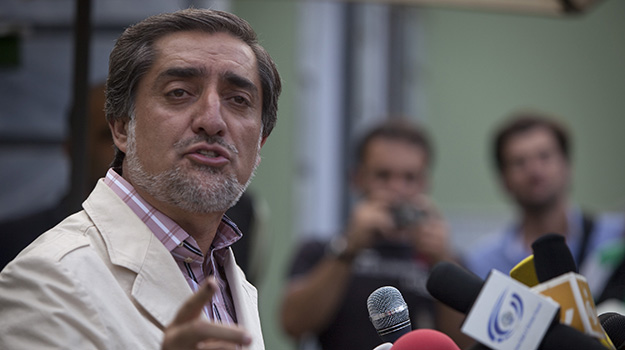
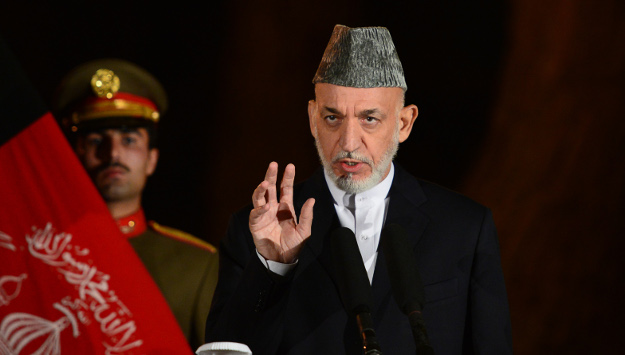
As the April 5 Afghan presidential elections draw closer, there is a growing consensus among most analysts that there will be a runoff vote and that ethnic groups will firmly ally themselves with a particular candidate in this second round of voting.
The political crisis in Ukraine and subsequent annexation of Crimea by Russia have sent reverberations throughout the Middle East, where Western and Russian influences continue to weave a complex geopolitical web. MEI interviewed four of its scholars to produce this detailed account of the challenges the conflict poses to the region’s political, security, and economic conditions.
Turkey and the Kurds: From Predicament to Opportunity
This report was co-authored by Ömer Taşpınar and was published by the Center on the United States and Europe at the Brookings Institution on Jan. 22, 2014. Click here to download the full report as a PDF.
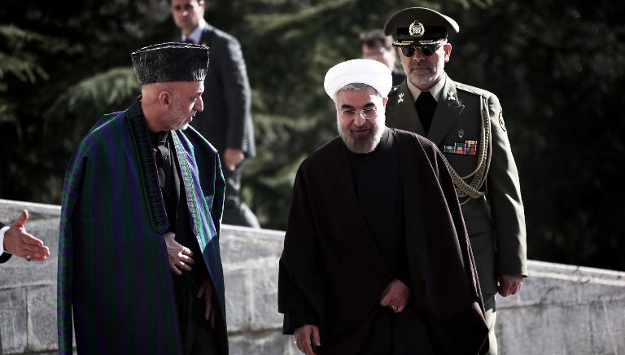
As President Obama met his top Afghanistan commanders in the Oval Office on February 4 to discuss his decision to reduce the U.S. military presence in Afghanistan, he received a compliment from an unlikely source. Ali Akbar Velayati, the top foreign policy aid to Iran’s Supreme Leader, Ayatollah Khamenei, called Obama’s Afghan withdrawal policy “wise.”
De-Ba`thification in Iraq: How Not to Pursue Transitional Justice
The de-Ba`thification process in Iraq has fallen profoundly short as a transitional justice mechanism over the past decade. Poorly conceived, badly implemented, and controlled by hard-liners, the process has been so highly politicized that it has eroded the rule of law and intensified the sectarian tensions that are at the heart of the violence haunting Iraq.
Qanats and Water Cooperation for a Sustainable Future
This essay is part of the Middle East-Asia Project (MAP) series on “Harvesting Water and Harnessing Cooperation: Qanat Systems in the Middle East and Asia.”
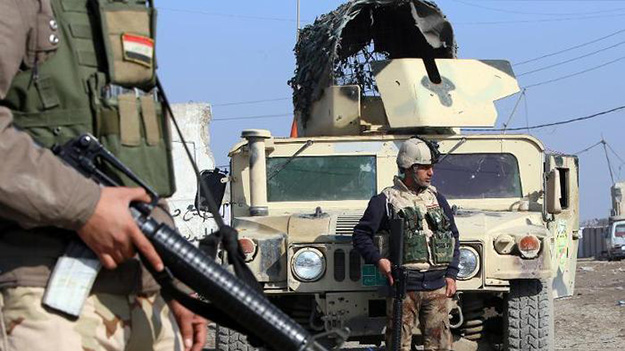
Since the departure of U.S. ground forces from Iraq in 2011 in the wake of failed negotiations to extend the 2008 Status of Forces Agreement, the security situation in Iraq has steadily declined. To many, the situation was predictable, as the absence of a residual U.S. force to mature the Iraqi security forces and moderate long-standing political tensions among the sects led to a security vacuum filled by extremists and terrorists. To others, 10 years of investment and over 4,000 troops lost was enough, and it was time for the Iraqis to resolve their own internal conflicts.
The following is an excerpt from “Iraq’s Tangled Foreign Interests and Relations,” written by MEI Vice President Paul Salem and published by the Carnegie Middle East Center on December 24, 2013. Click here to view the full report.
Turkey-Pakistan Security Relations since the 1950s
The initial impulse for Pakistan and Turkey to pursue security cooperation stemmed from their common opposition to Communism in the 1950s. Over the past decade, Pakistan and Turkey have once again sought to cooperate in the security sphere, this time in countering terrorism and ensuring stability in Afghanistan.