Senior Iranian Official Threatens to Annihilate Israeli Cities within Minutes If Attacked
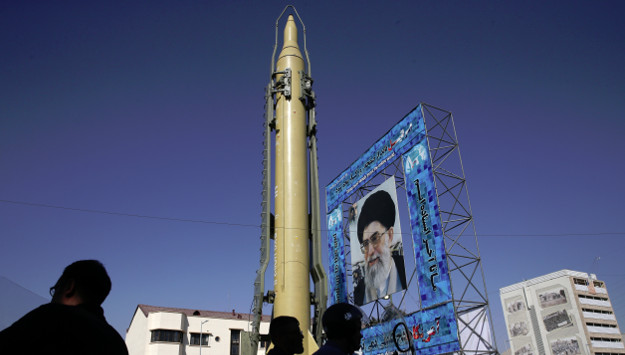
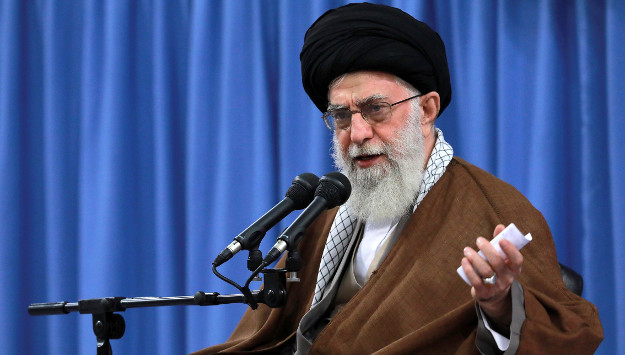
A senior adviser to the Islamic Revolution Guards Corps (I.R.G.C.)’s secretive Quds Force has warned that Iran will annihilate the Israeli cities of Tel Aviv and Haifa if Israel shows any aggression. “When Supreme Leader [Ali Khamenei] says we will turn Tel Aviv and Haifa to dust within seven minutes if needed, it is no joke.
One-State Solution an Existential Threat to Jordan
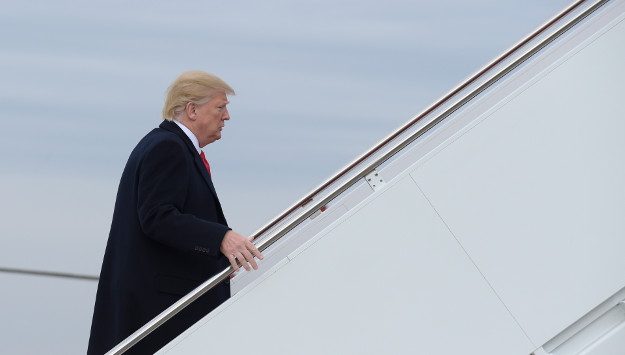
President Donald Trump’s refusal to endorse the two-state solution to resolve the Israeli-Palestinian conflict has irked one close ally—Jordan. During King Abdullah’s visit to Washington in early February, Trump and other officials restated continued U.S. military and economic support for the kingdom. The king had outlined the dangers of moving the U.S. embassy to Jerusalem and underlined the need for peace between Israel and the Palestinians.
Afghan Daily: Tehran “Blackmails” Kabul for Political Concessions
Afghanistan’s leading daily newspaper Hasht-e Sobh has blasted the Iranian government for blocking Afghanistan’s accession to the Transport Corridor Europe-Caucasus-Asia (TRACECA) and using its leverage within TRACECA to “blackmail” the Afghan government and seek political concessions from Kabul.
Weekly Briefing: Geneva Talks, Iranian War Games, and Trump's New National Security Advisor
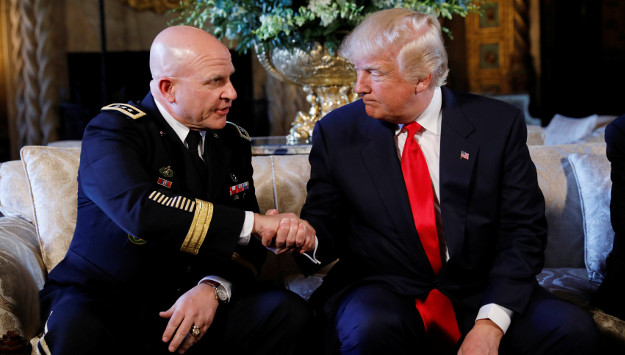
In this week’s Monday Briefing, contributors Randa Slim, Alex Vatanka, Paul Salem, and Antoun Issa provide analysis on recent and upcoming events including the next round of Syria talks in Geneva, Iranian war games directed at President Trump, the appointment of a new U.S. National Security Advisor to replace Michael Flynn, and Israeli PM Netanyahu’s trip to Australia.
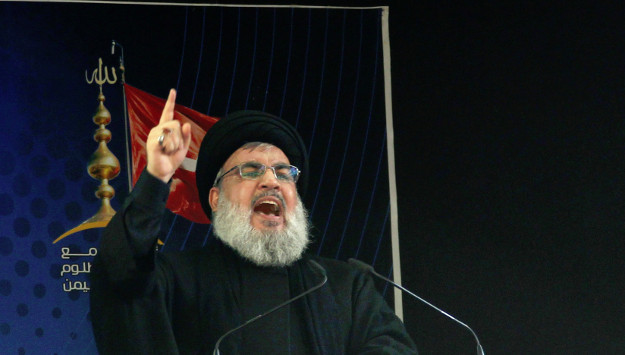
In a fiery speech, Hassan Nasrallah, the head of Lebanon’s Hezbollah organization, has threatened Jerusalem with devastating military response in the event of a new round of conflict between Hezbollah and Israel.
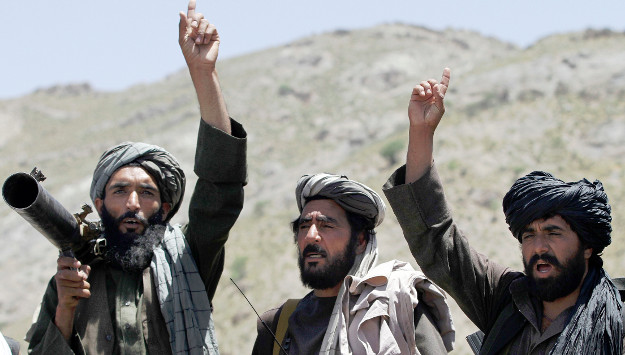
Prominent Afghan Jihadi Leader Warns Iran against Supporting Taliban
Prominent Afghan jihadi leader Amir Ismail Khan has warned the Iranian government against providing military and financial assistance to the Taliban militants in Afghanistan.
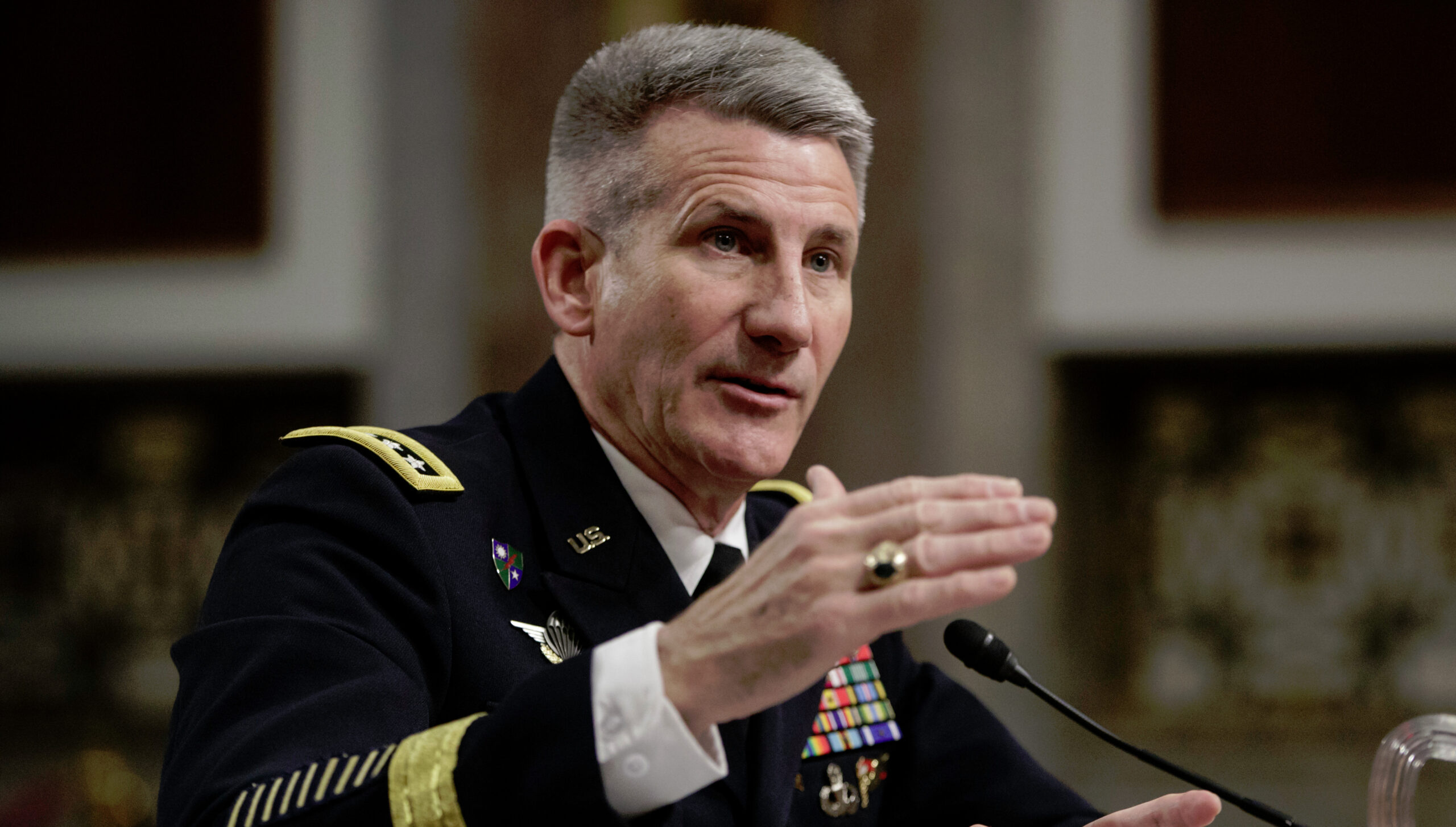
Top U.S. General Provides Further Evidence of Iran’s Support for Taliban
The top American commander in Afghanistan told Congress yesterday that Iran and Russia are supporting the Taliban to undermine the U.S. mission to stabilize the war-ravaged country. Army Gen.
Afghan Official Says Iran Is Fueling Sectarian Tension in Western Provinces
The BBC Persian reports that Iran has significantly expanded its ideological, cultural and economic sphere of influence in Afghanistan’s western province of Nimroz and is inflaming sectarian tension in the province.
Monday Briefing: Trump’s Executive Orders Don’t Reveal a Coherent Strategy
In this week’s Monday Briefing, MEI experts Paul Salem, Paul Scham, Randa Slim, W. Robert Pearson, and Marvin G. Weinbaum provide analysis on recent and upcoming events including the Trump administration’s apparent lack of a coherent strategy in the implementation of executive orders, the possibility of an improved relationship between Israel and the UK in the wake of Brexit, the Astana meeting to discuss the Syrian cease-fire deal, bilateral efforts to improve Turkish-Israel relations, and the uncertainty surrounding U.S.-Pakistani relations under the Trump administration.
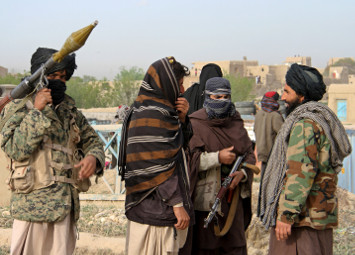
Top Afghan Leader Orders Probe into Iran’s Support for Terrorists in Helmand
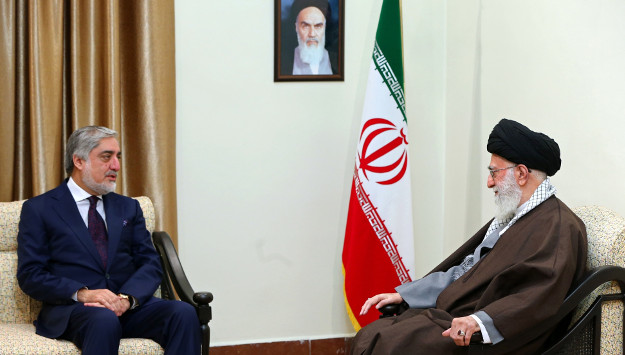
Afghanistan’s Chief Executive Abdullah Abdullah has called for an investigation into the latest reports of the Iranian government’s ties with the Taliban, the Afghan media reports.