Fires of Damascus: Protecting Syria’s homes and heritage from the failed and rapacious state
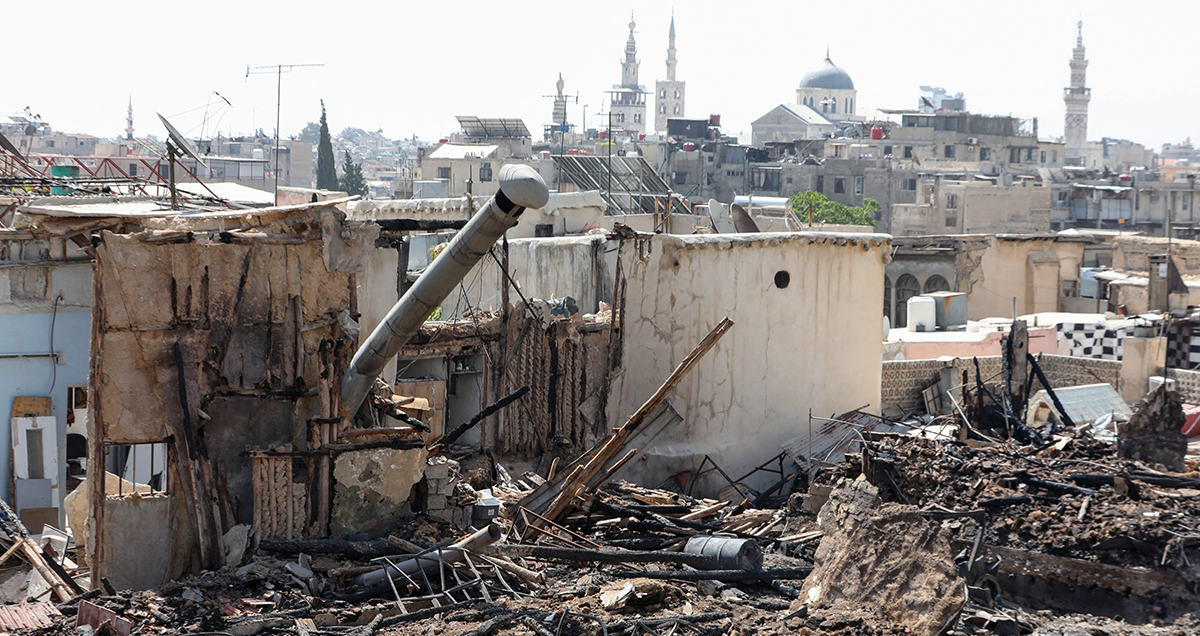
July 16, 2023, was a dark day for the ancient city of Damascus. A fire raged through the historic Sarouja neighborhood, reducing a number of heritage homes to ashes. Two months later, in September 2023, a residential building in the Syrian capital’s Malki neighborhood partially collapsed as a result of unauthorized excavation for a basement. While these events might not seem connected, they underscore an overarching issue: the vulnerability of Damascus properties in the face of natural and man-made crises, exacerbated by corruption, greed, and failed and vicious state policies.
Myths and realities of ‘gender apartheid’ in Afghanistan under the Taliban
The dire state of girls and women in Afghanistan under the Taliban, a tragedy that has featured frequently in international media reports in the last two years, came up for discussion in the United Nations Security Council (UNSC) on September 27. The UNSC convened for an open briefing, followed by consultations focusing on the severe restrictions imposed on the rights of women and girls in the country.
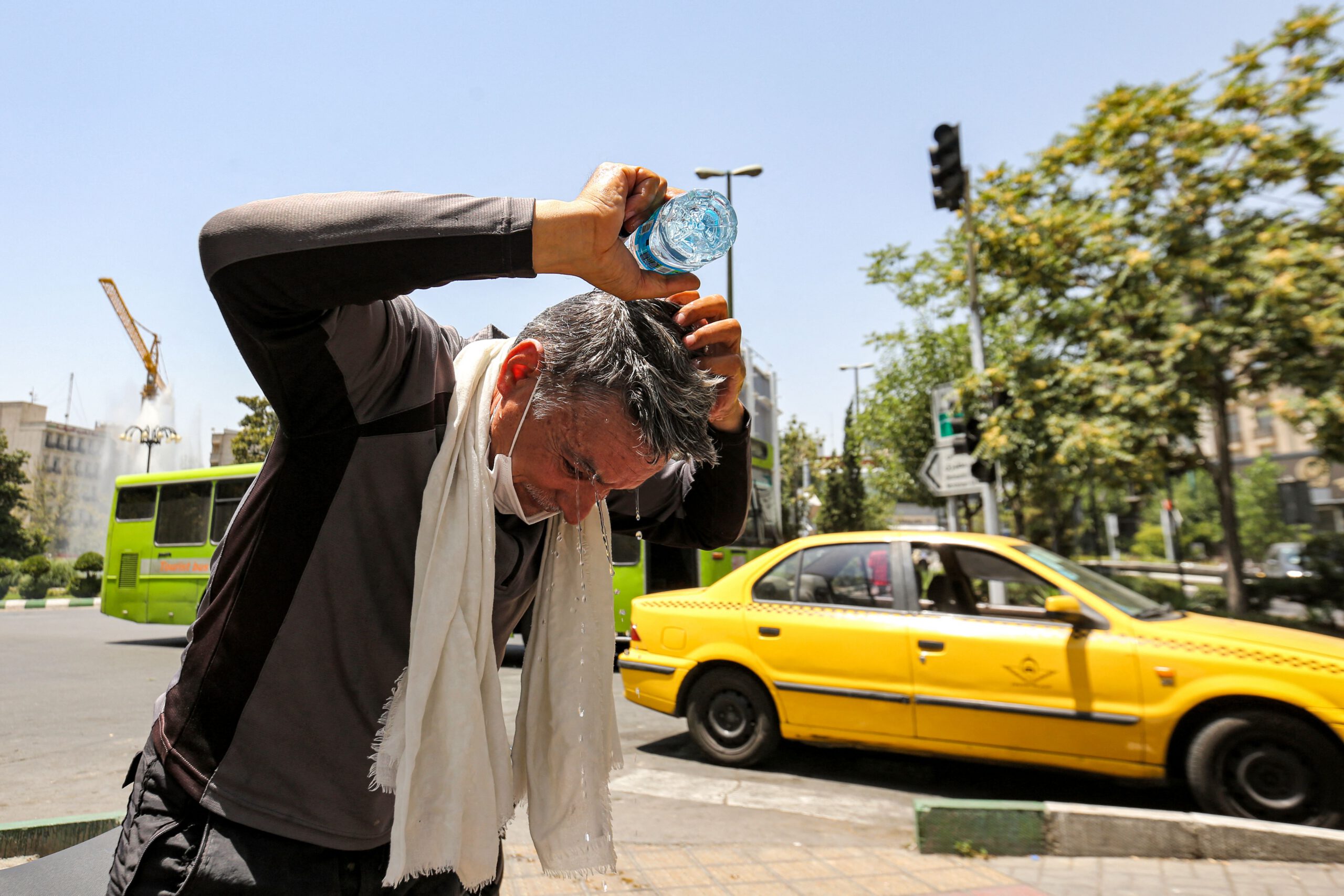
Climate change and the Arabian Sea: Adapting to a “new normal”
In the summer of 2022, flash flooding due to heavy monsoon rains in Pakistan, Oman, the UAE, and southeast Iran killed well over 1,000 people. In this part of the world, the extreme shifts in weather between monsoon and dry season dictate subsistence cycles and financial livelihood. Shifting global precipitation patterns due to climate change, however, are altering the timing and magnitude of these events. What can be done to adapt to this new reality? Can infrastructure be adapted, optimized, or possibly even reimagined to take advantage of such events?
Shared governance of groundwater resources: The case of the Nubian Sandstone Aquifer System
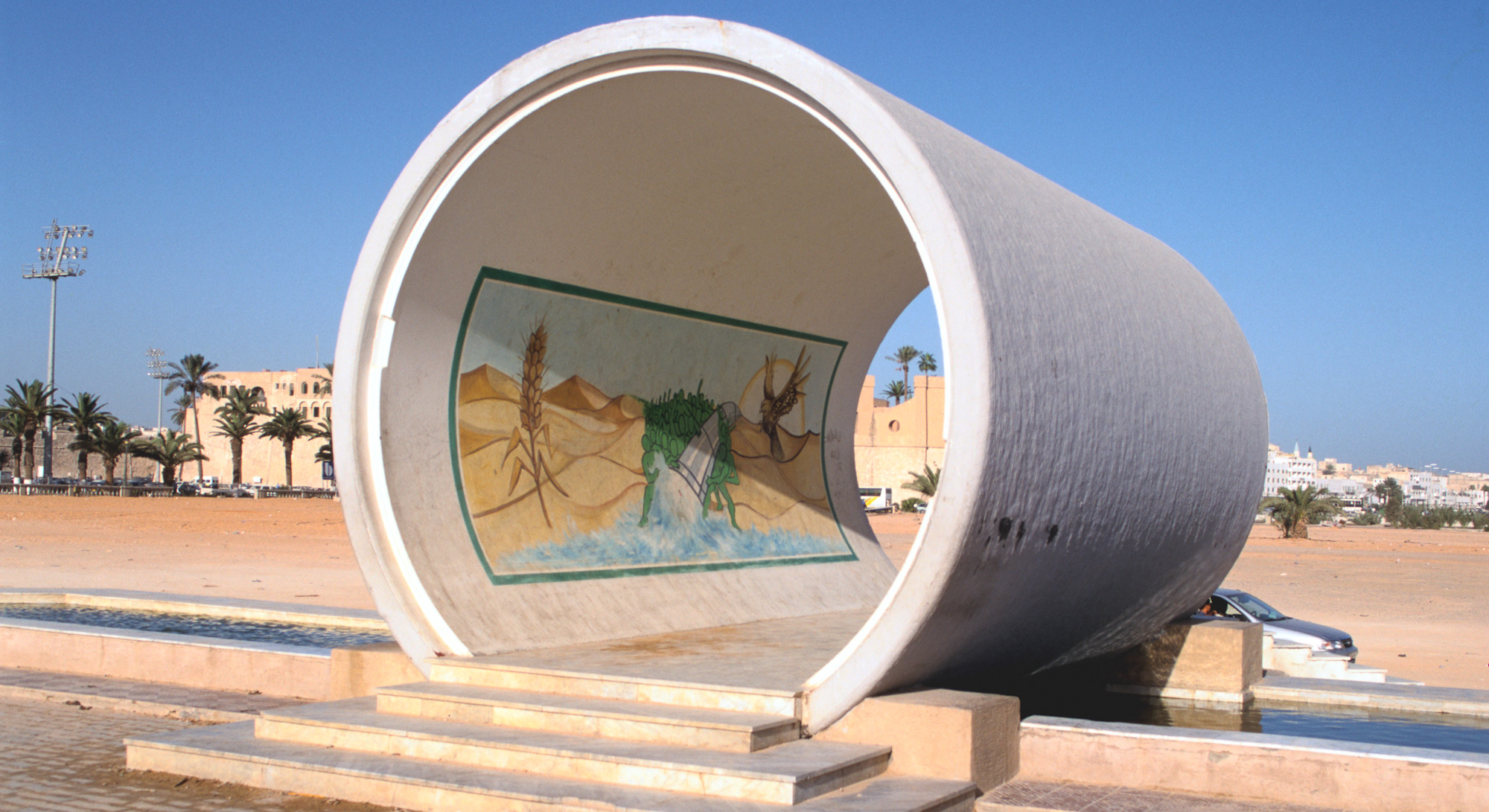
Groundwater resources are critical for the MENA region as much of it suffers from high water scarcity, and for some countries, groundwater aquifers are the only sources of available freshwater supply. The Nubian Sandstone Aquifer System in northeastern Africa is one of the most prominent examples, and must be managed properly in order to maintain regional security and avoid transboundary conflicts.
Human rights to counter terrorism: Now is the time for a Global Humanitarian Coalition to Defeat ISIS
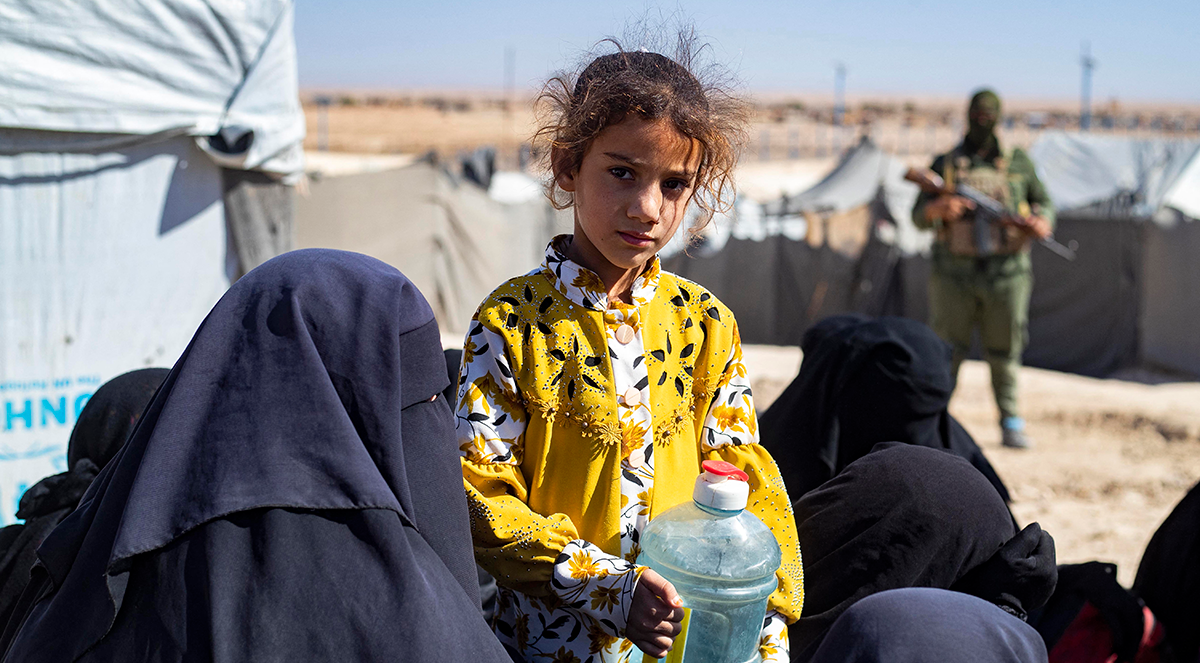
There is an urgent need for a Global Humanitarian Coalition to Defeat ISIS to conduct human rights-centered action and build upon hard-fought military gains in the campaign against ISIS. Repatriation of all third-country nationals in the squalid detention camps and prisons in northeast Syria must be the first joint task in order to ease the burden of the local administration and to accomplish long-sought security, justice, and stabilization goals.
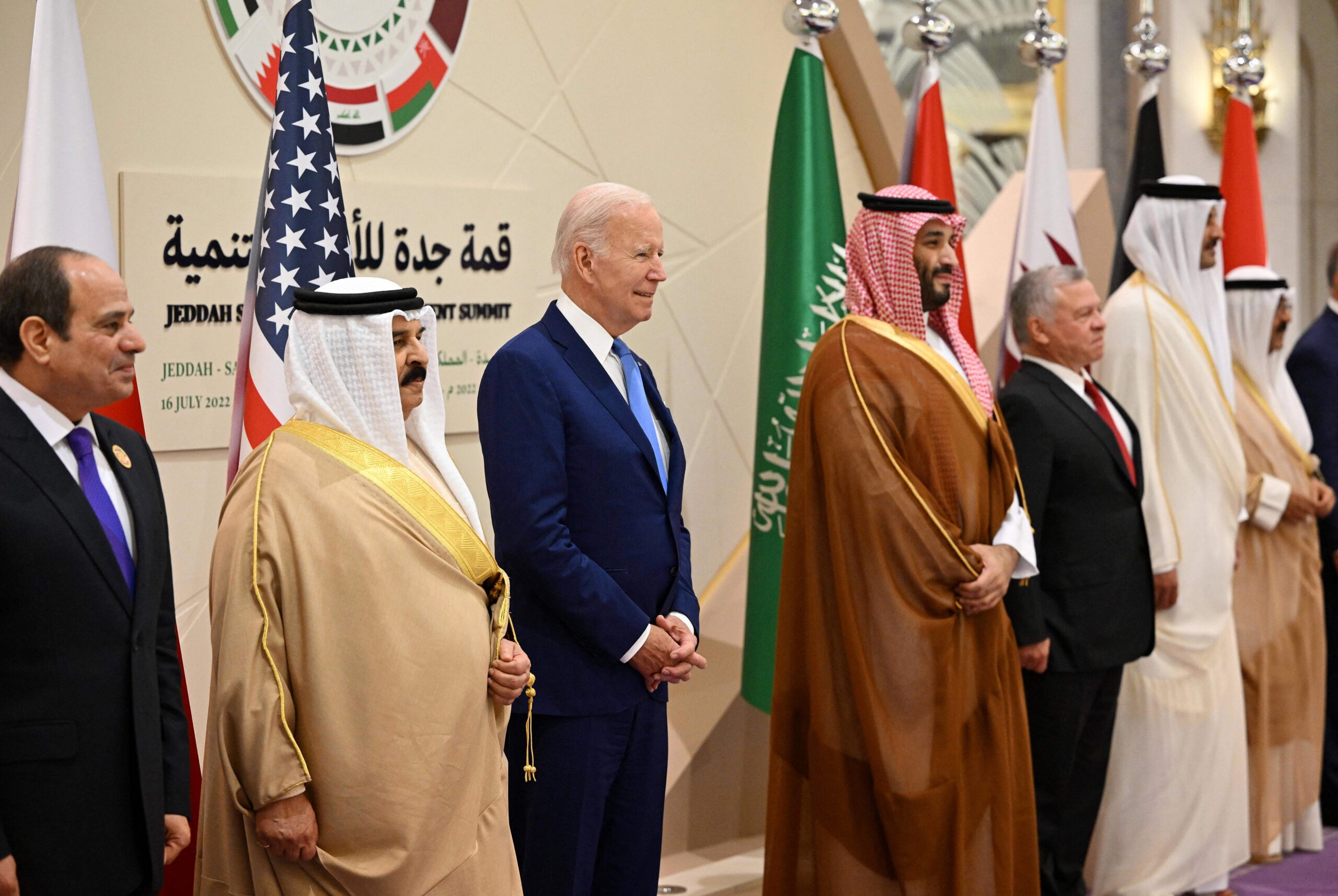
Treading Cautiously on Shifting Sands: An Assessment of Biden’s Middle East Policy Approach, 2021-2023
This report provides an interim assessment of the Biden administration’s overall Middle East strategy and examines the strategic opportunities and risks for U.S. policy in the broader region.
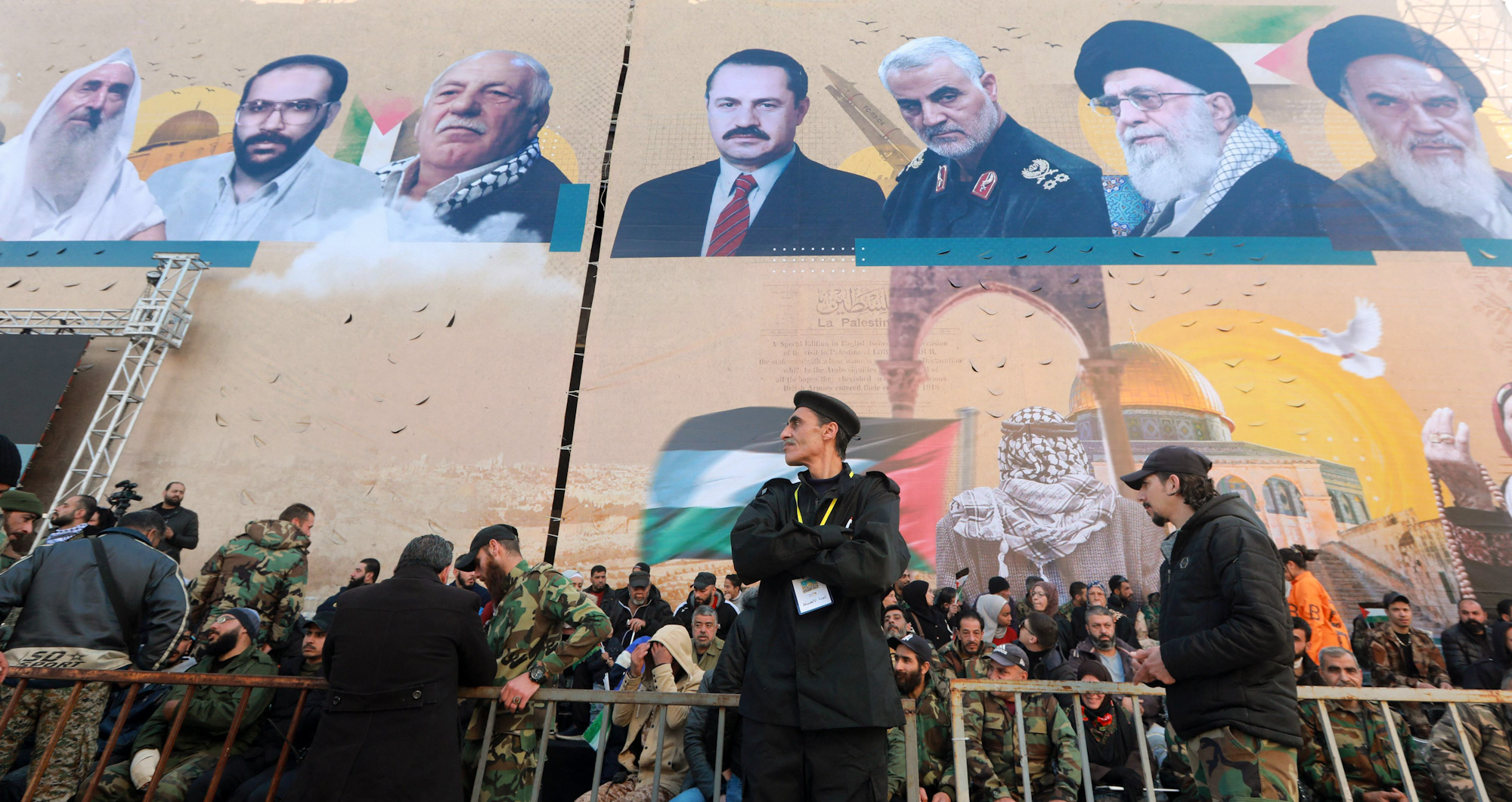
Iran’s unification of the arenas campaign against Israel: Foundations and prospects
As Israel faces a relentless, unprecedentedly severe political crisis at home, in the regional theater Iran has amplified its anti-Israeli activities, undermining the efforts Israel undertook during 2020-22 to build up a common security front with neighboring Arab states against Tehran as well as to intensify various military operations against Iranian interests.
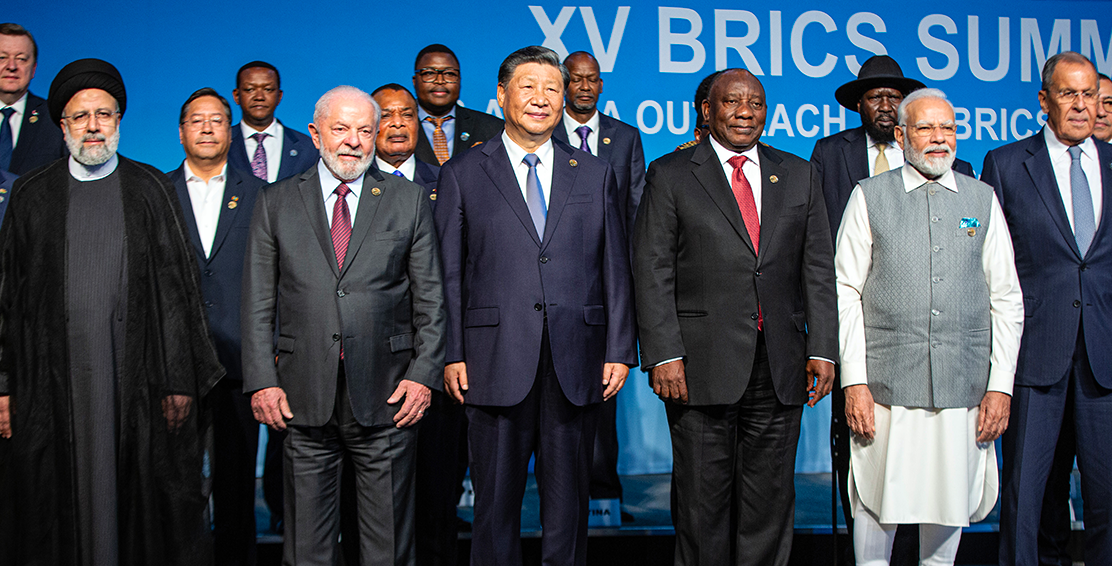
Will BRICS membership recast Iran’s foreign policy?
Iran has said that its membership in the BRICS grouping of major emerging economies, announced at the BRICS summit in South Africa in late August, is an “historic achievement,” but what’s really driving Tehran’s actions and how much is its membership likely to achieve?
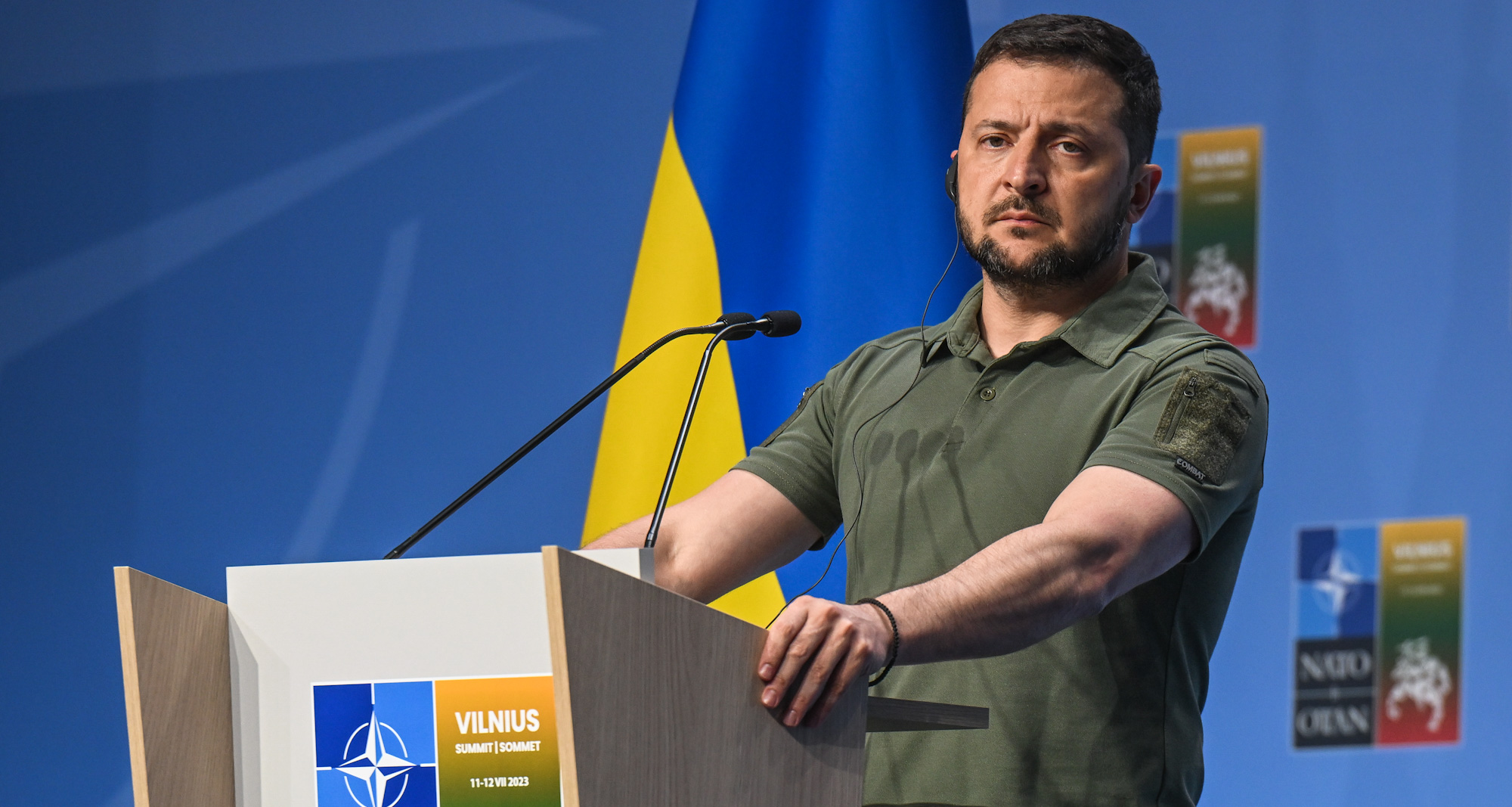
NATO membership for Ukraine: The only lasting deterrence against future Russian aggression
As important as it is for Ukraine to work with individual partners and receive their long-term support, the key security guarantor for Ukraine can only be NATO and its Article V umbrella. No arrangement other than full NATO membership will entirely remove the threat of a Russian re-invasion, at least so long as Putin remains in power.
Iran has yet to ratify the 2015 Paris Agreement, but efforts to address the impact of climate change have great potential to create opportunities for mutually beneficial cooperation, building on the recent trend of regional de-escalation. Climate diplomacy represents an untapped opportunity for Iran to engage globally by incentivizing it to adopt the U.N. Sustainable Development Goals in exchange for sanctions or debt relief.
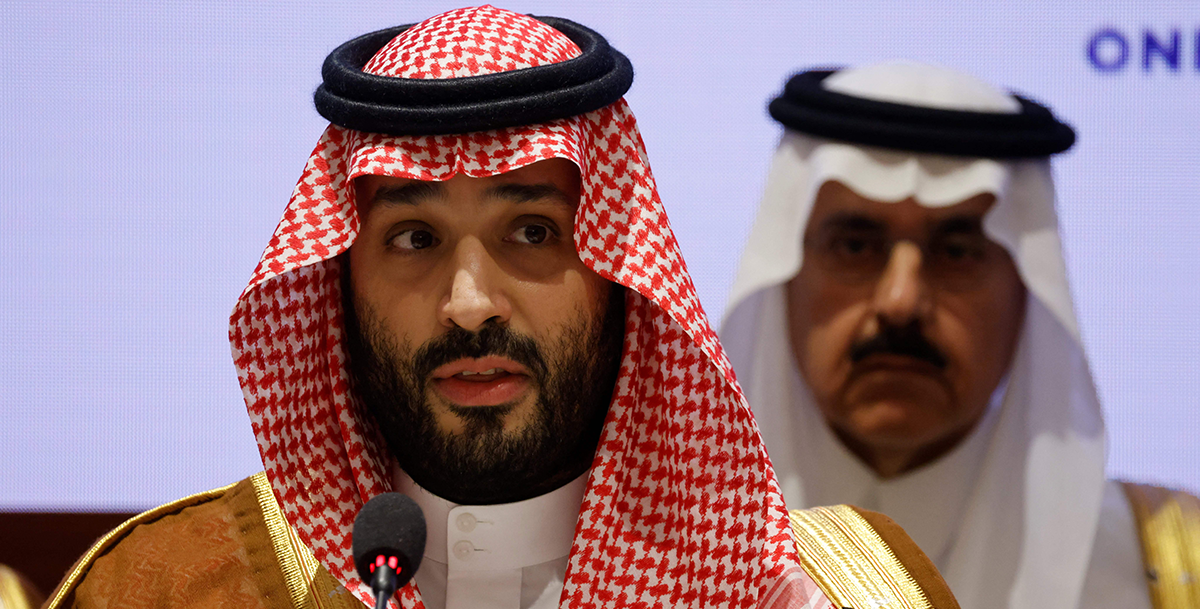
Key takeaways from Mohammed bin Salman’s Fox interview
Saudi Crown Prince Mohamed bin Salman’s interview on Wednesday night with Bret Baier of Fox News didn’t break news or produce controversy. But that wasn’t the point of his appearance on one of America’s top networks.
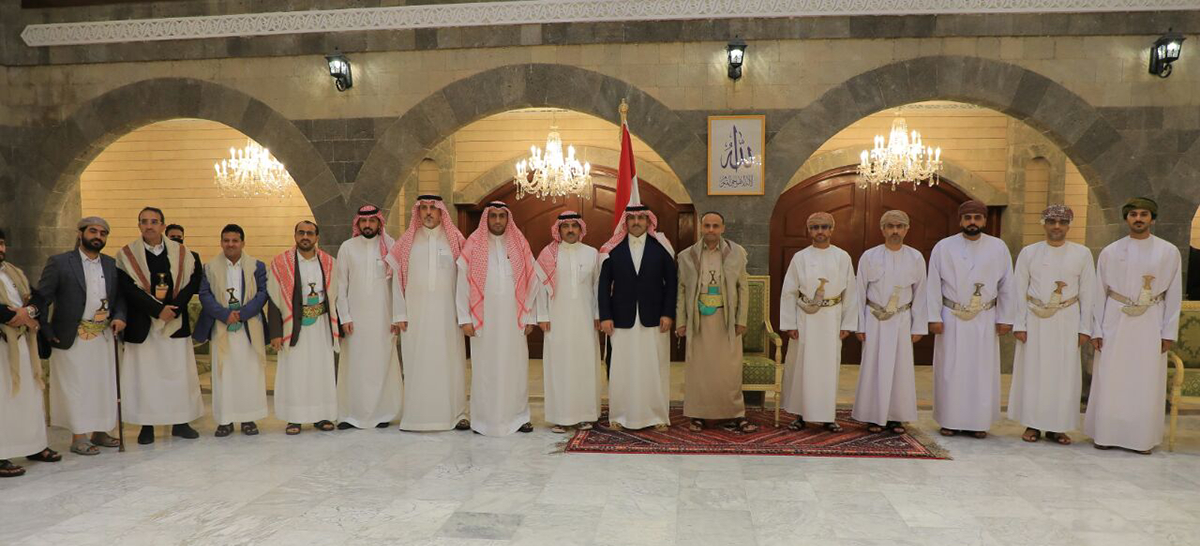
The war next door: Omani foreign policy toward Yemen
Over the past decade of turmoil, conflict, and external military intervention in Yemen, Oman’s foreign policy has emerged as the Gulf exception. Muscat has pursued a unique role, driven by both pragmatic concern and opportunity. It has harnessed its relations with most of the actors involved, including armed non-state actors, and sought to access new economic opportunities as part of its policies of strategic hedging, omni-balancing, and undeclared alignment.
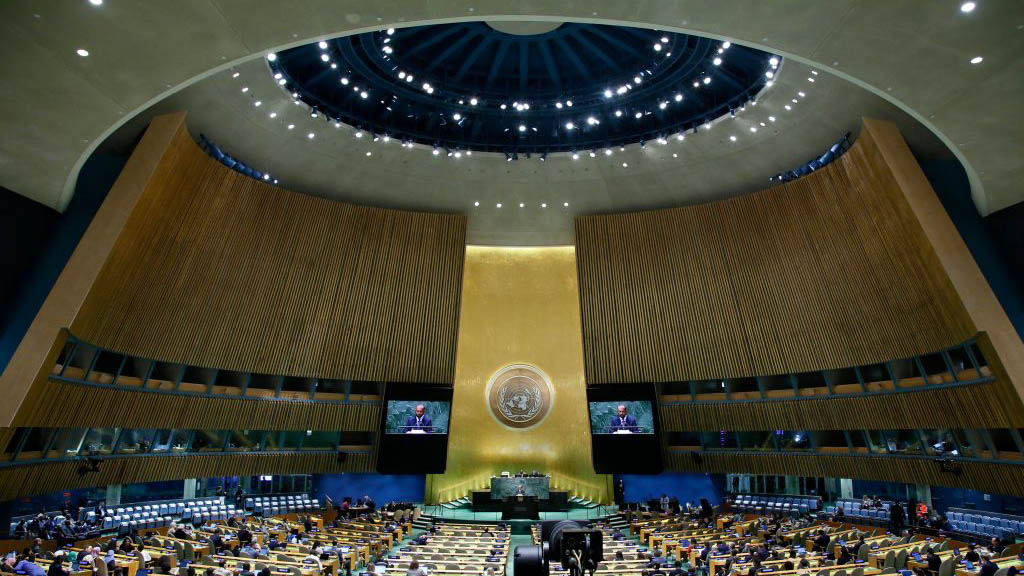
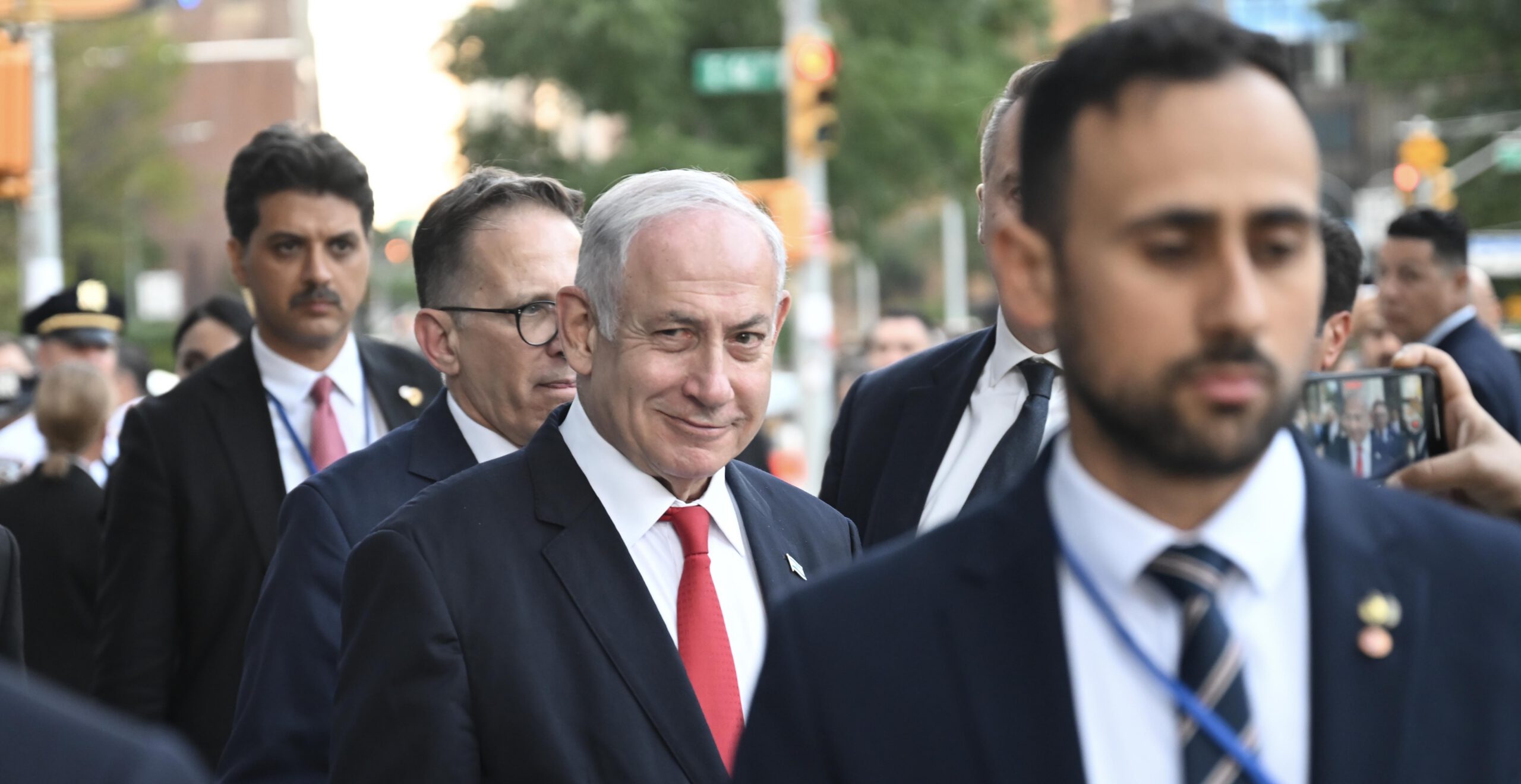
When assessing the Netanyahu government's foreign policy, Israelis do not like what they see
When Netanyahu takes the stage in this year’s UNGA, much fewer Israelis will see him as their country’s diplomatic savior. Rather, he will be met with unprecedented demonstrations in the streets of New York, showcasing once again the extent to which Israelis are concerned about the damage the current far-right government is causing to their country’s democracy and standing in the world.