Balance in the Black Sea: The complex dynamic between Turkey, Russia, and NATO
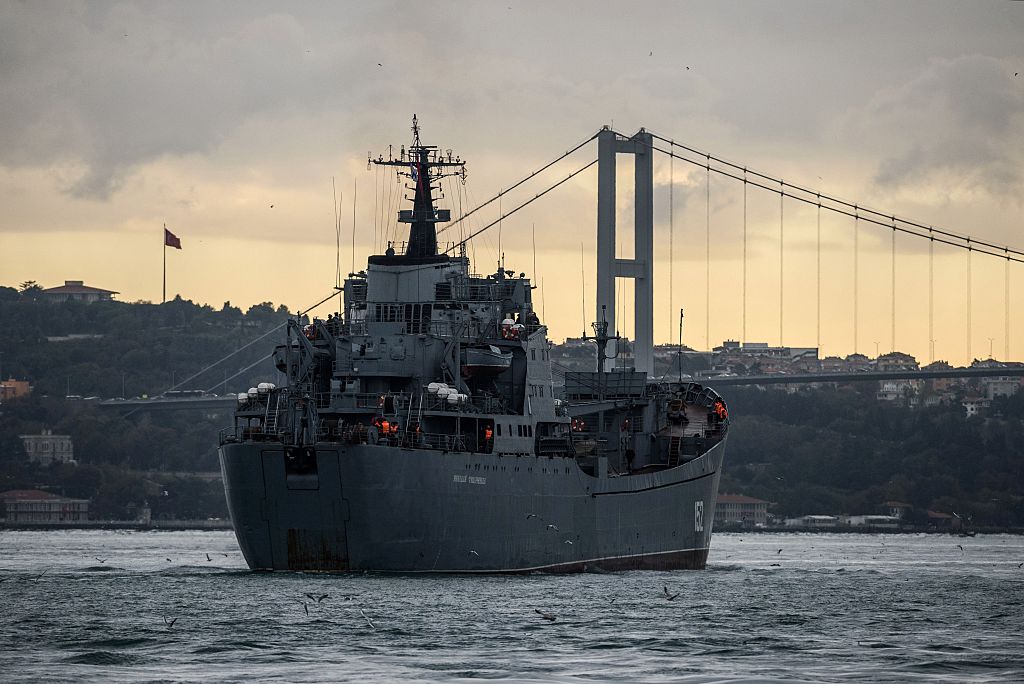
Turkey’s relations with its Western allies are at an all-time low while its partnership with Russia is flourishing. Since Russia began delivery of its S-400 advanced aerial defense system in July, questions have abounded about Turkey’s future in the NATO alliance. Such concerns are not baseless. Turkey-Russia ties have never been closer. The two countries cooperate closely not only on energy and trade but also in the defense sector. But fears of a Turkish withdrawal from the alliance overlook the continued tension between Ankara and Moscow, which makes NATO an indispensable partner for Turkey.
Emerson T. Brooking of the Digital Forensics Research Lab at the Atlantic Council and Steph Shample of Flashpoint join guest host Mike Sexton, director of MEI’s Cyber Program, to discuss several recent investigations into Iranian and Russian hacking and disinformation campaigns that have targeted US politics and other international organizations.
Syria tops the agenda as Erdogan heads to Washington
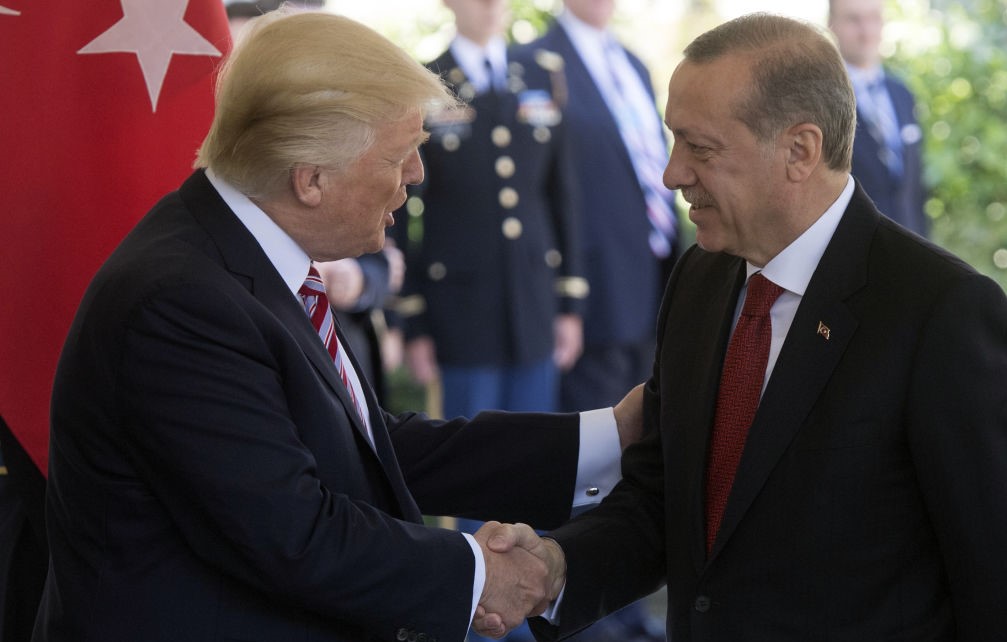
Turkish President Recep Tayyip Erdogan is set to meet with his U.S. counterpart, Donald Trump, in Washington on Wednesday. While there are doubtless other items for discussion on the agenda, at the top of the list is, at least on Turkey’s side, Syria — or more specifically, what U.S. policy is and should be in Syria.
With the fall of the Berlin Wall 30 years ago, ties between Western and Eastern Europe were renewed. In the same period, another wall crumbled — between the Middle East and the former Soviet states. And yet, to this day, U.S. national security institutions continue to view these two regions through a Cold War lens, separating how they are handled. This approach needs to change; integrating research and policy toward the Middle East and the bordering states of the former Soviet Union would improve analytical understanding and help identify new policy options.
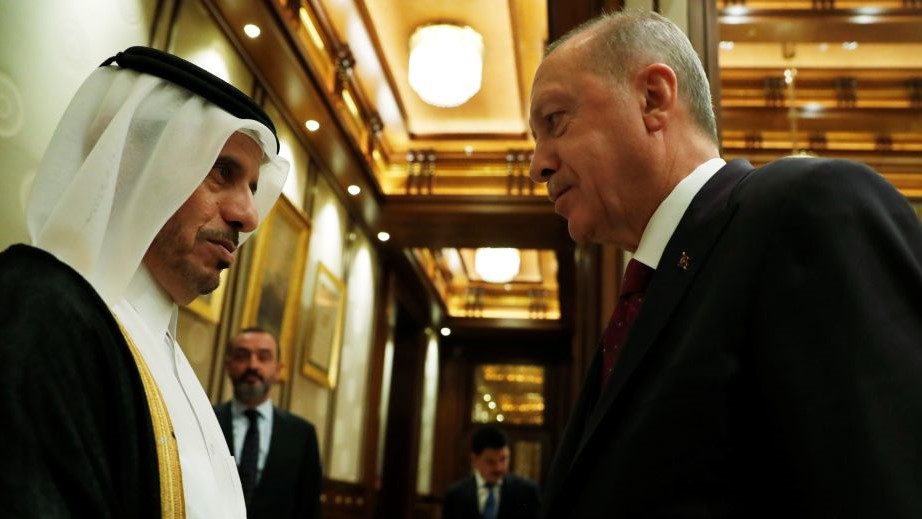
On Nov. 4 Daily Sabah, a strongly pro-government English-language daily in Turkey, published a scathing editorial with a title that says it all: “Al Jazeera English: A threat against the Turkey-Qatar alliance.” According to the editorial, Al Jazeera English slandered Turkey over its recent military incursion into northern Syria, and thus jeopardized the future of the Turkey-Qatar alliance. Given the close relationship between the Turkish government and Daily Sabah — and indeed the broader media environment in Turkey — it is highly unlikely that such a fiery editorial, which directly threatens Qatar, would have been published without a green light from “the palace.”
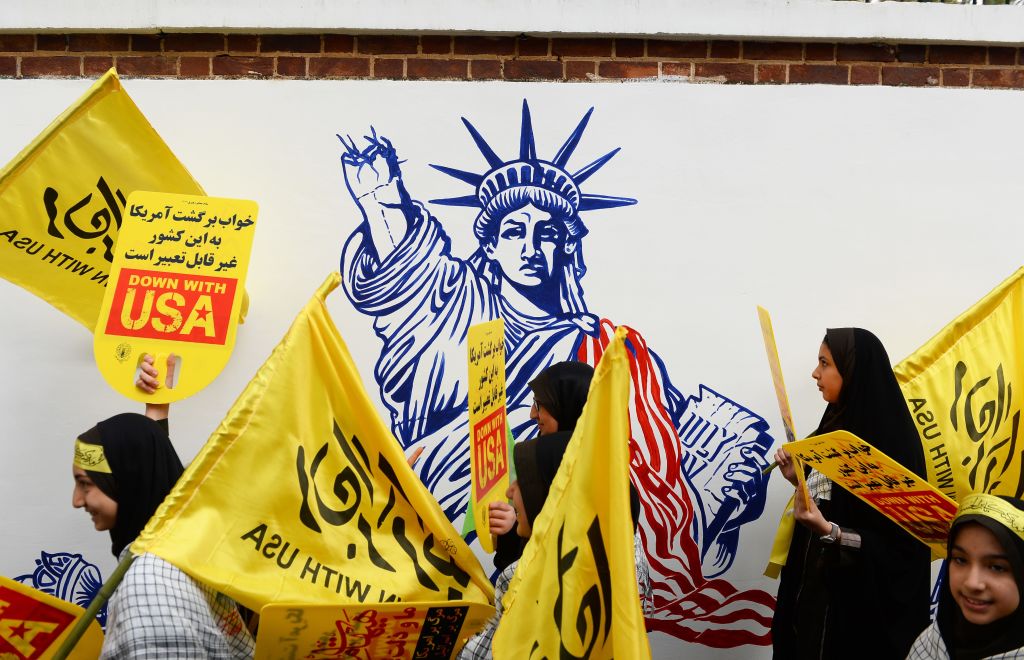
40 years on from the moment that forever changed US-Iranian relations
Taking the American diplomats hostage for 444 days consolidated the Iranian revolution around the Khomeinists, but very few people in Tehran today will deny that it came at the great expense of isolating Iran internationally for the past 40 years.
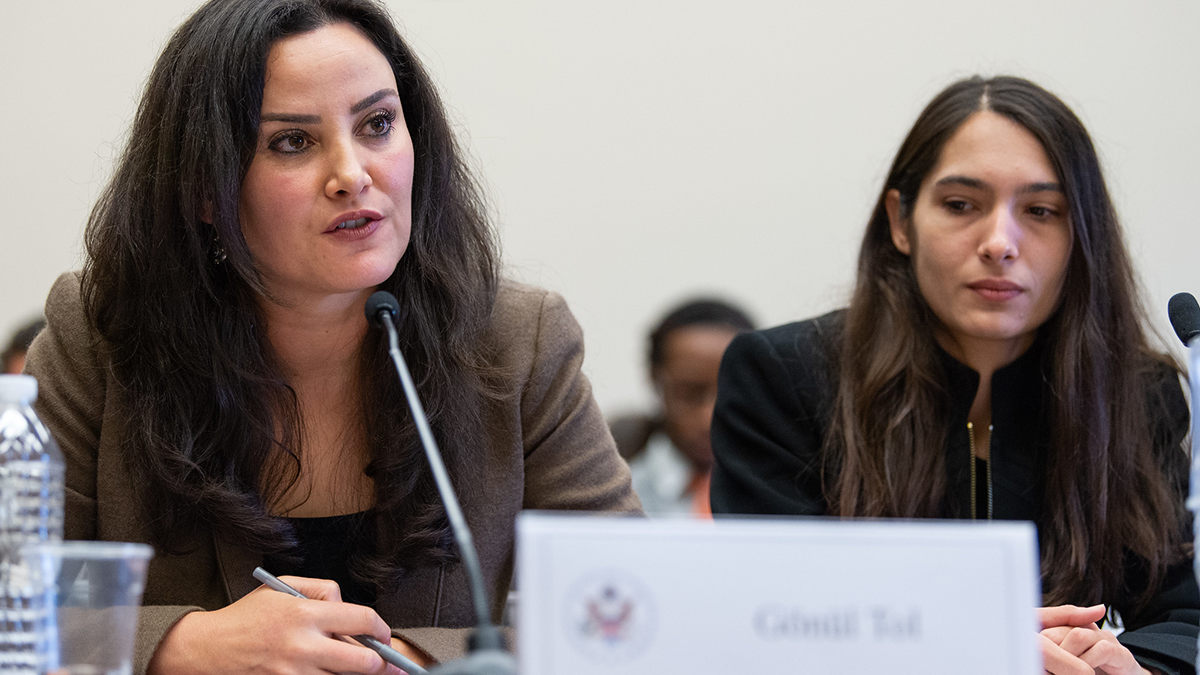
Testimony: The Human Toll of Turkey’s Policy at Home and Abroad
The following testimony was delivered before the U.S. Helsinki Commission at a hearing titled, “At What Cost: The Human Toll of Turkey’s Policy at Home and Abroad,” on October 31, 2019.
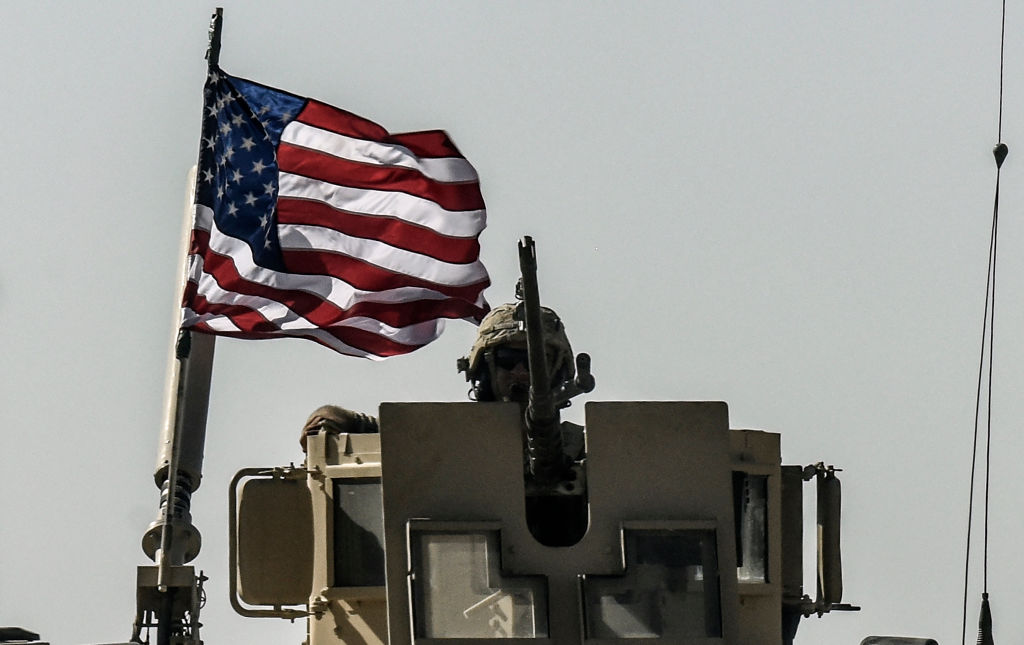
The US has a partner in eastern Syria — provided it has the will
The Trump administration inherited a number of complex problems in the Syrian file from its predecessors in the White House. In dealing with the Syrian crisis, the Obama administration had three main priorities: not disturbing Iran in Syria during the process of nuclear negotiations, working with Russia toward a ceasefire in various parts of Syria (without trusting that Russia could deliver or should have the upper hand), and, most importantly, carrying out a limited military intervention in the northeast to defeat ISIS — an issue it considered separately from the Syrian crisis.
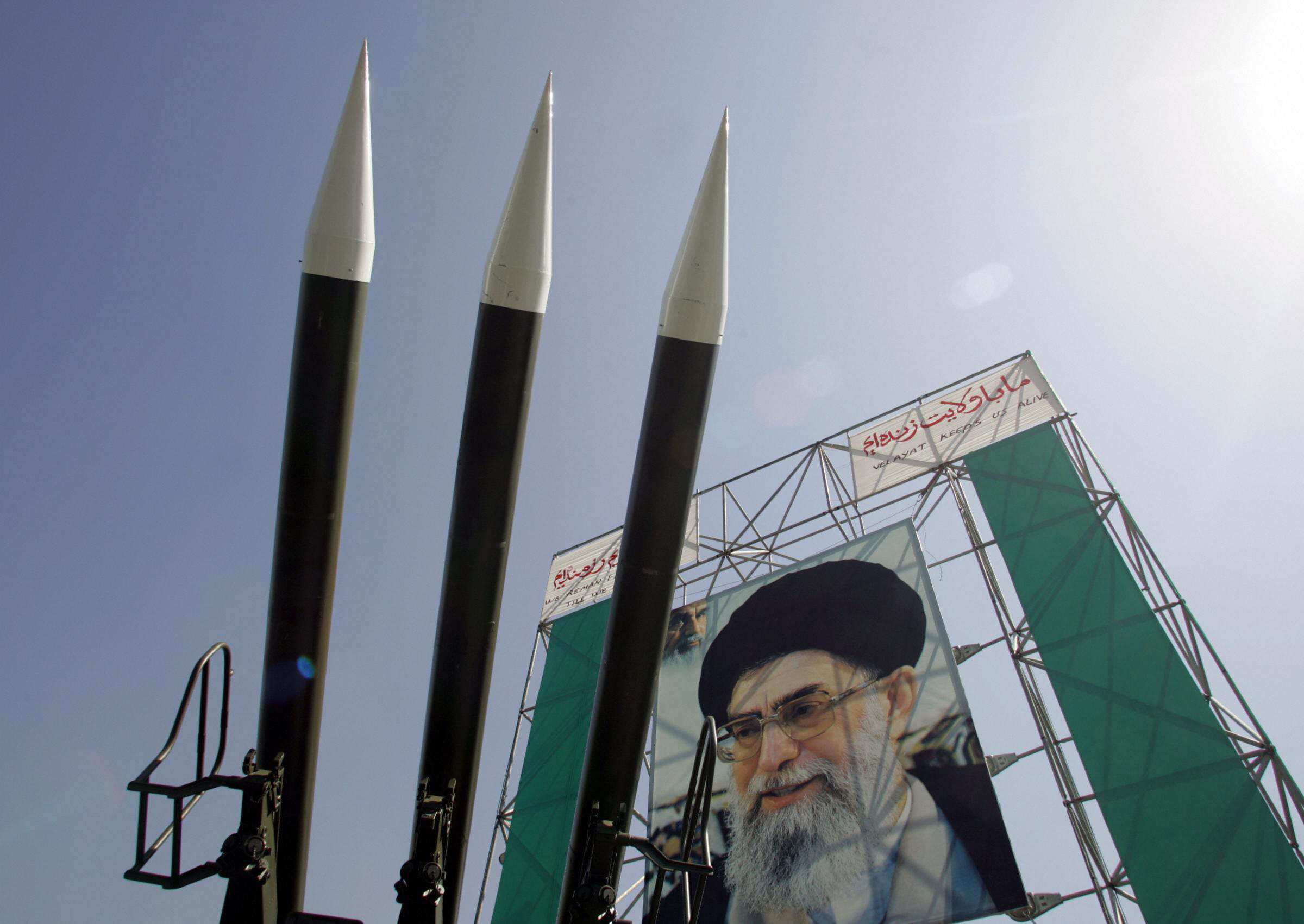
US can maximize pressure against Iran's leaders while helping its people
It has now been almost 18 months since Secretary of State Mike Pompeo issued 12 demands to Iran and imposed a “maximum pressure” campaign to compel Tehran to change behavior.
Turkish consolidation and American improvisation in eastern Syria
Damascus’ position is marginally stronger, and it is unlikely to concede anything of substance in Geneva despite continued American control of Deir ez-Zor’s oilfields.
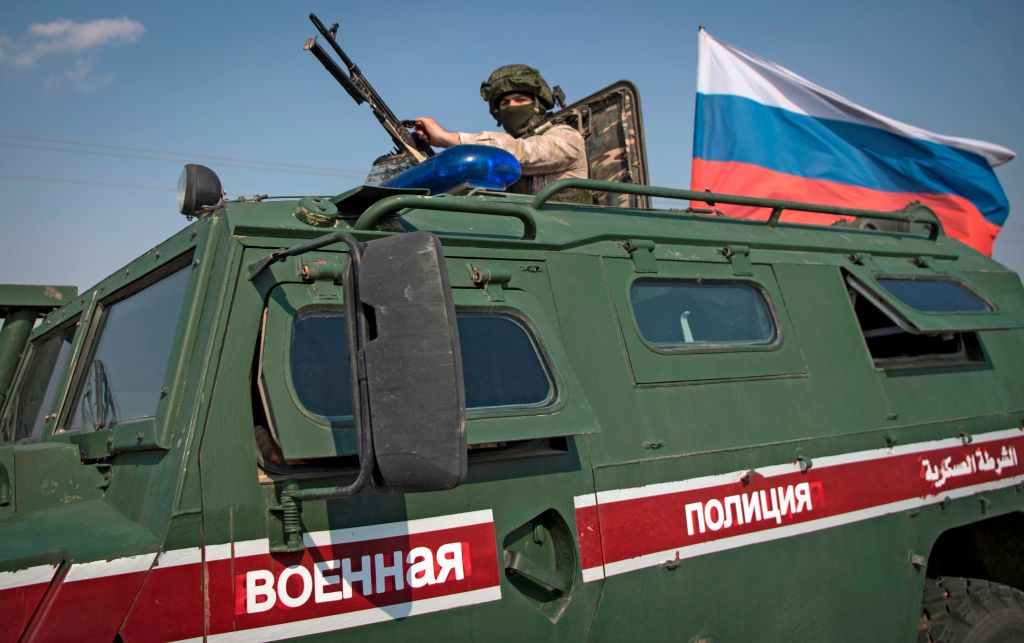
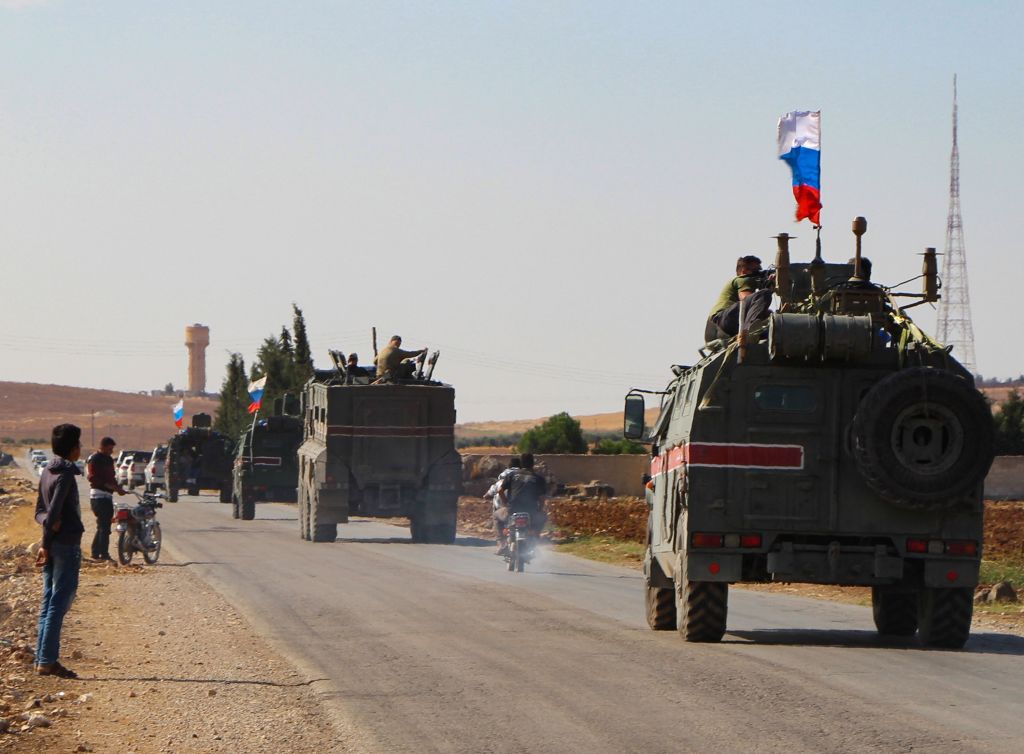
Russian-Turkish border deal on Syria holds, but the Western response is muddled
Russia is clear in its policy toward northeastern Syria: The future of the region will be determined through talks between the representatives of the Kurds, who traditionally live in the area, and Damascus.
Securing the 2020 election from disinformation is going to get complicated
The increasing involvement of Iran in disinformation and attempted email hacking, in tandem with the revelation of Turla hijacking Iranian hacking infrastructure, risks muddying the waters even further with regard to attributing and countering election interference in 2020.
Iran may not like it, but it can live with a Turkey-Russia deal on Syria
While the Iranians would have preferred it if the Turks had not invaded Syria, it does not change their most immediate policy objective, which is the survival of the Assad regime. As long as the Russians keep the Turks away from Assad’s forces, Tehran will, at least in the short term, be able to manage the consequences of Ankara’s actions.
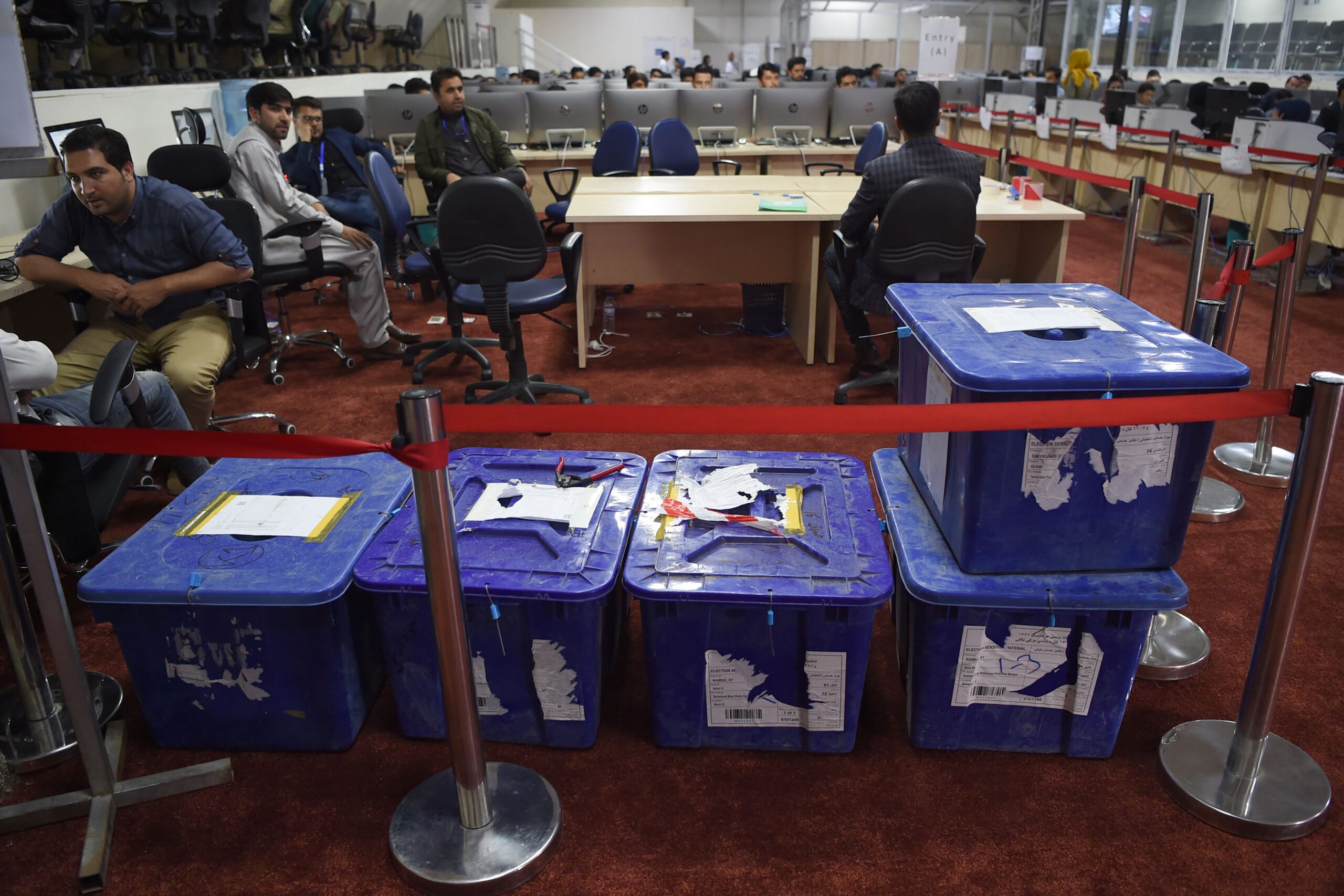
The US eyes the exit as Afghan election results are once again delayed
In a move that surprised no one, on Oct. 19 the Afghan election commission said it was unable to announce the preliminary results of the Sept. 28 presidential election as planned, due to delays in processing biometric data. Held amid political uncertainty, terrorist violence, and general skepticism, the September election was the fourth presidential contest in Afghanistan since 2001, when the brutal Taliban regime was toppled in the wake of the Sept. 11 terror attacks on the United States.