This week’s briefing on recent news and upcoming events in the region featuring Marvin G. Weinbaum, Robert S. Ford, Fatima Abo Alasrar, Jean-François Seznec, Michael Sexton and Eliza Campbell.
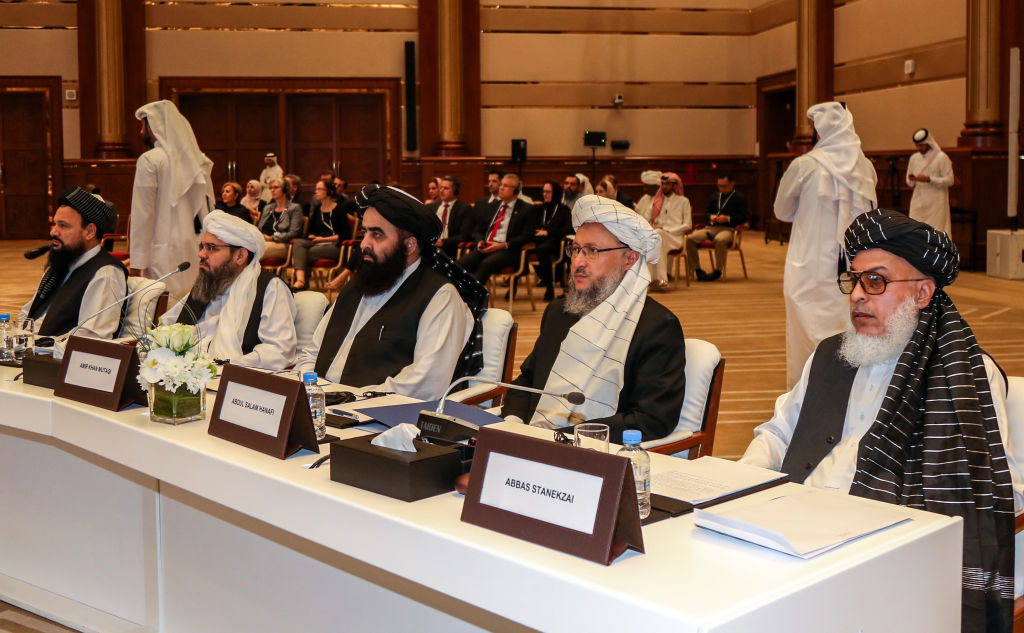
US negotiations with the Taliban: The cases for hope and skepticism
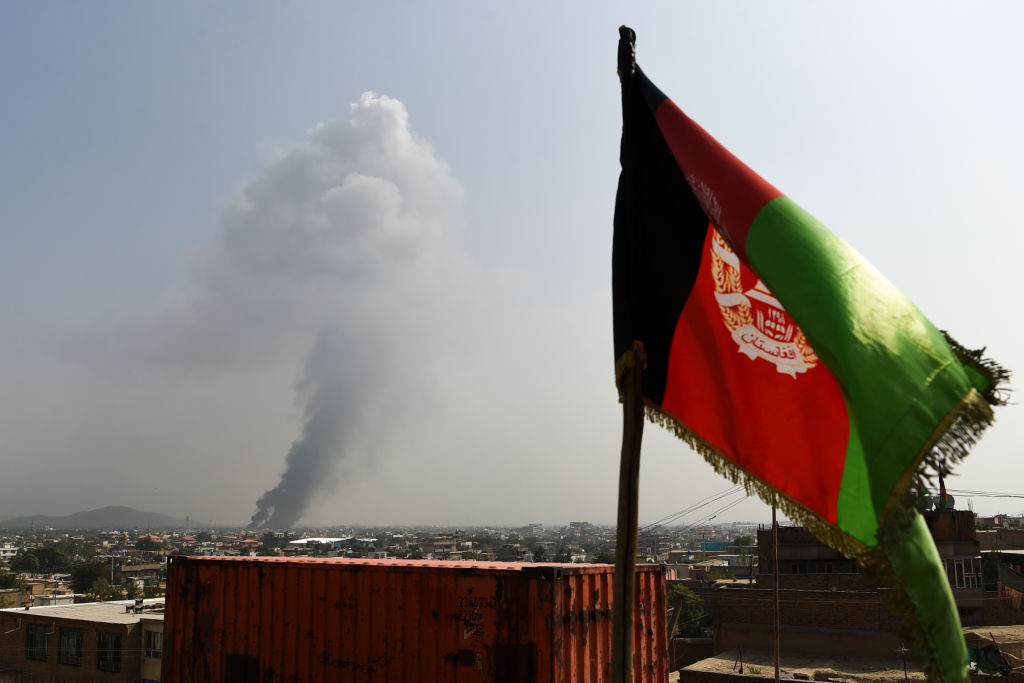
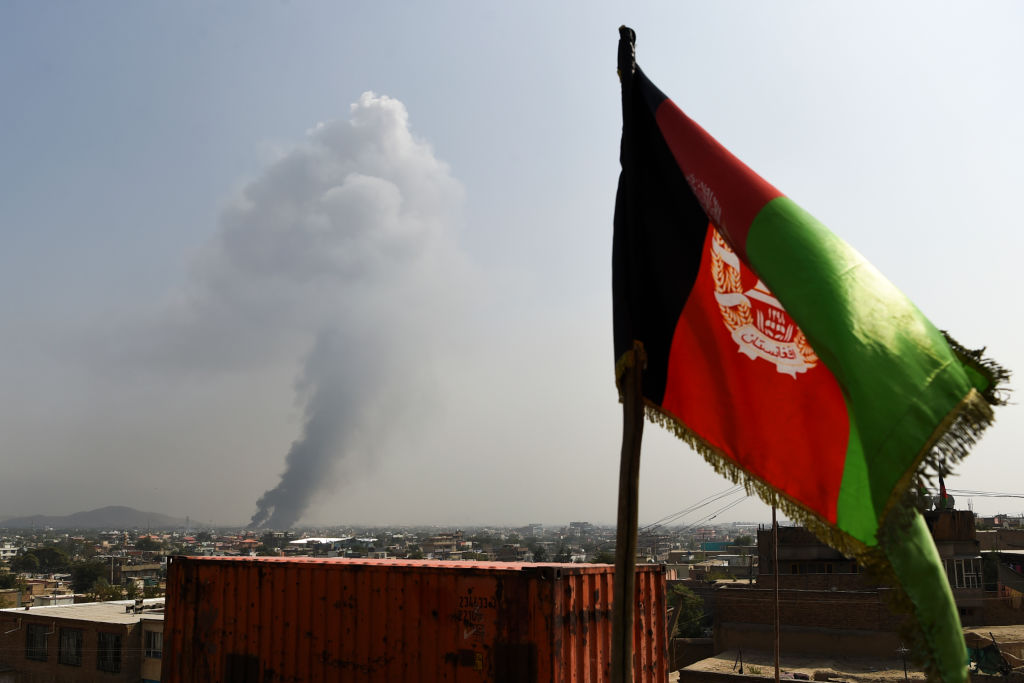
Amb. Robin Raphel and MEI’s Marvin Weinbaum join guest host Jerry Feierstein to discuss the latest round of negotiations between the US and the Taliban and lay out their competing views on whether there is greater cause for optimism or pessimism as the US seeks to withdraw its troops after nearly twenty years in Afghanistan.
Pakistan on Kashmir: “They have colonized the territory”
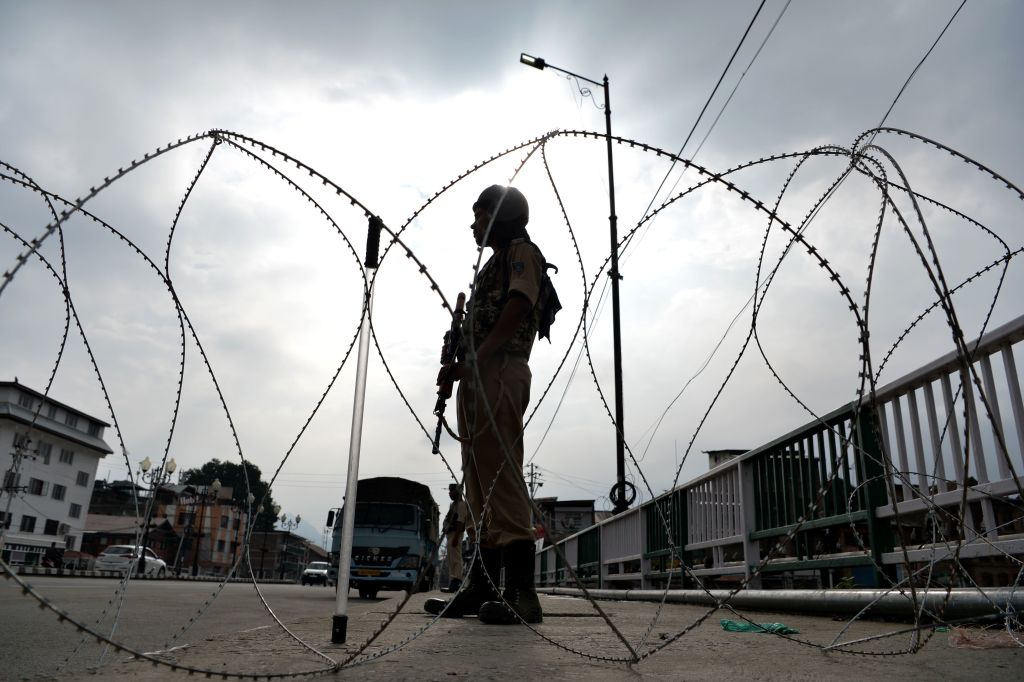
MEI scholar Lawrence Pintak speaks to Sardar Masood Khan, the president of Pakistani-administered Kashmir, about India’s early August annexation of the semi-autonomous territory of Jammu and Kashmir.
Randa Slim, director of MEI’s Conflict Resolution and Track II Dialogues initiative, and MEI Senior Fellow Alex Vatanka join guest host Jerry Feierstein to discuss recent regional developments that may be early indicators of an emerging round of diplomatic talks between the United States and Iran, and what renewed talks might be able to achieve.
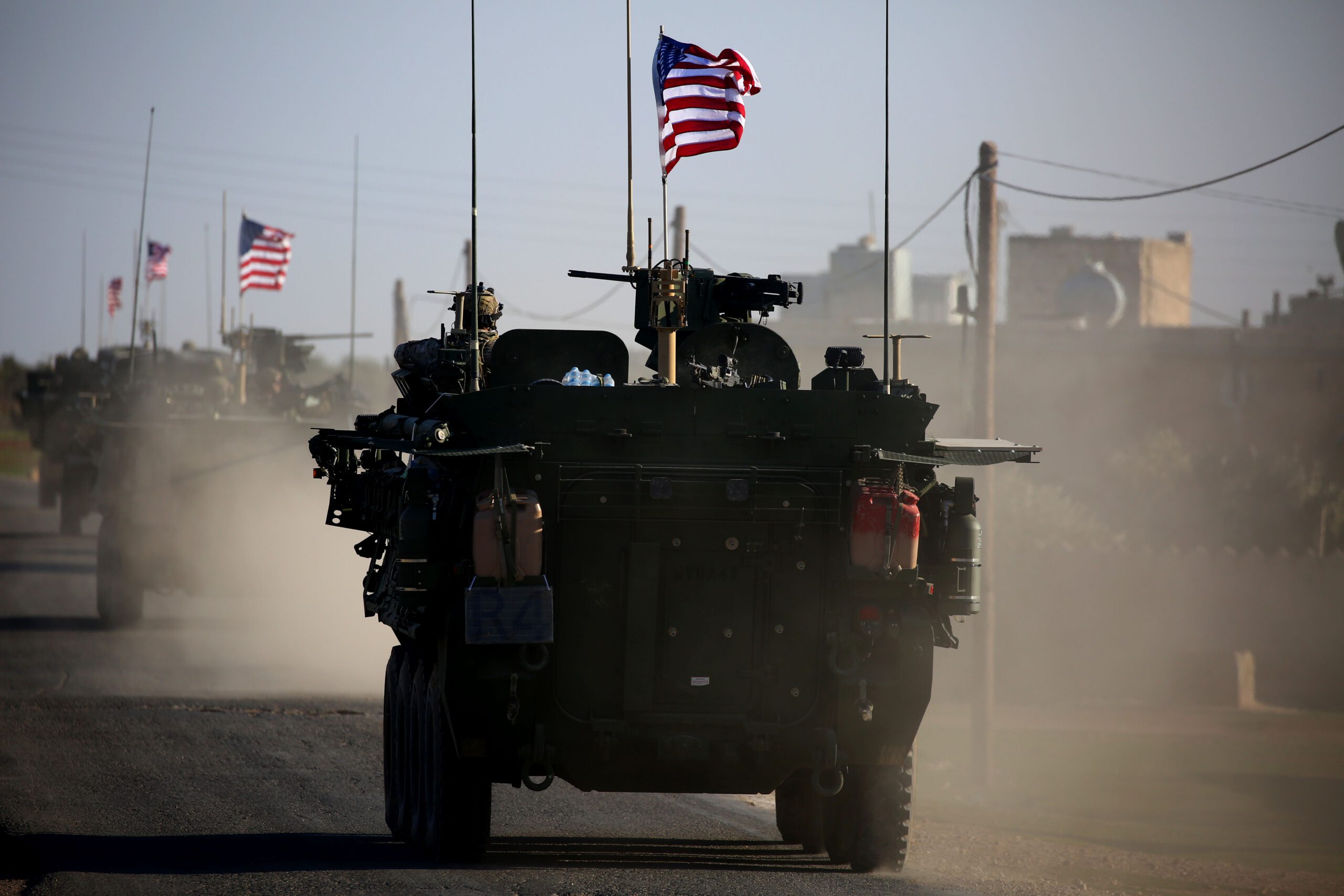
Over the past few weeks, my colleagues at MEI have debated whether the U.S. should stay in Syria or leave. Here I’d make a different argument: that it doesn’t really matter. The president has already made the decision to leave, and while his aides may have been able to slow roll the troop drawdown, the reality is that Donald Trump has made it clear the U.S. will not disburse any additional resources. Even within the 2020 Democratic field, not a single candidate has advocated increasing resources.
The Syrian Oil Crisis: Causes, Possible Responses, and Implications
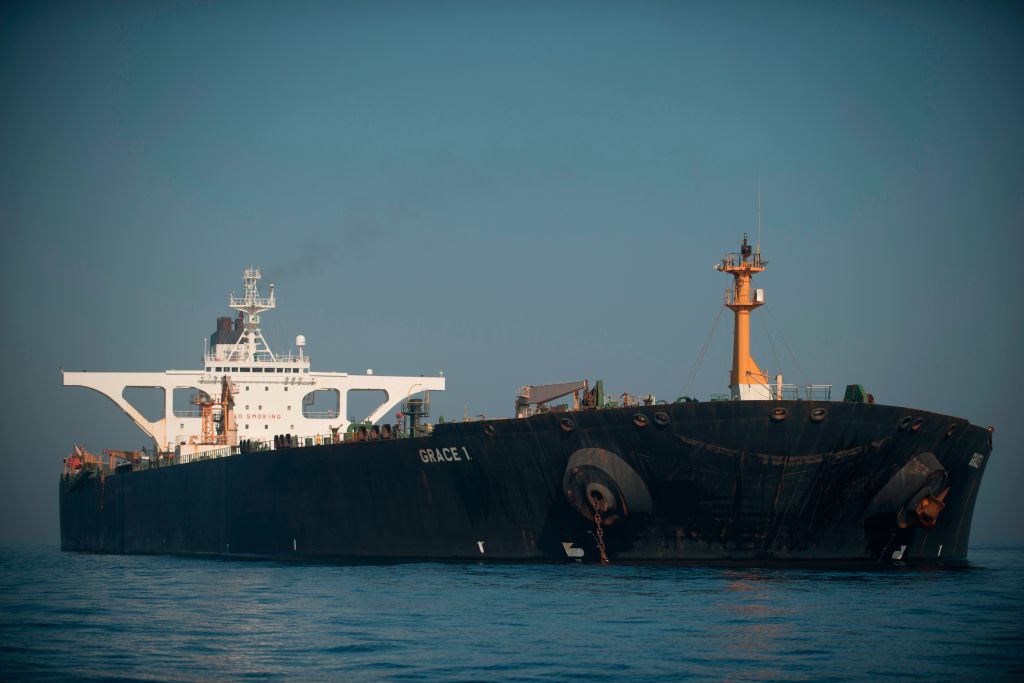
Unlike most other goods, the inflation-adjusted prices of oil and oil derivatives actually became cheaper in the years after the Syrian uprising and the loss of most of the country’s oil fields. Iran stepped in to fill the gap by shipping oil by sea through the Suez Canal. In recent months, however, these shipments seem to have ground to a halt, crippling regime-controlled areas. This paper examines several competing explanations for the slowdown in Iranian oil shipments, explores a range of possible responses for the Assad regime, and takes a closer look at the implications for the regime, its allies, and regular Syrians.
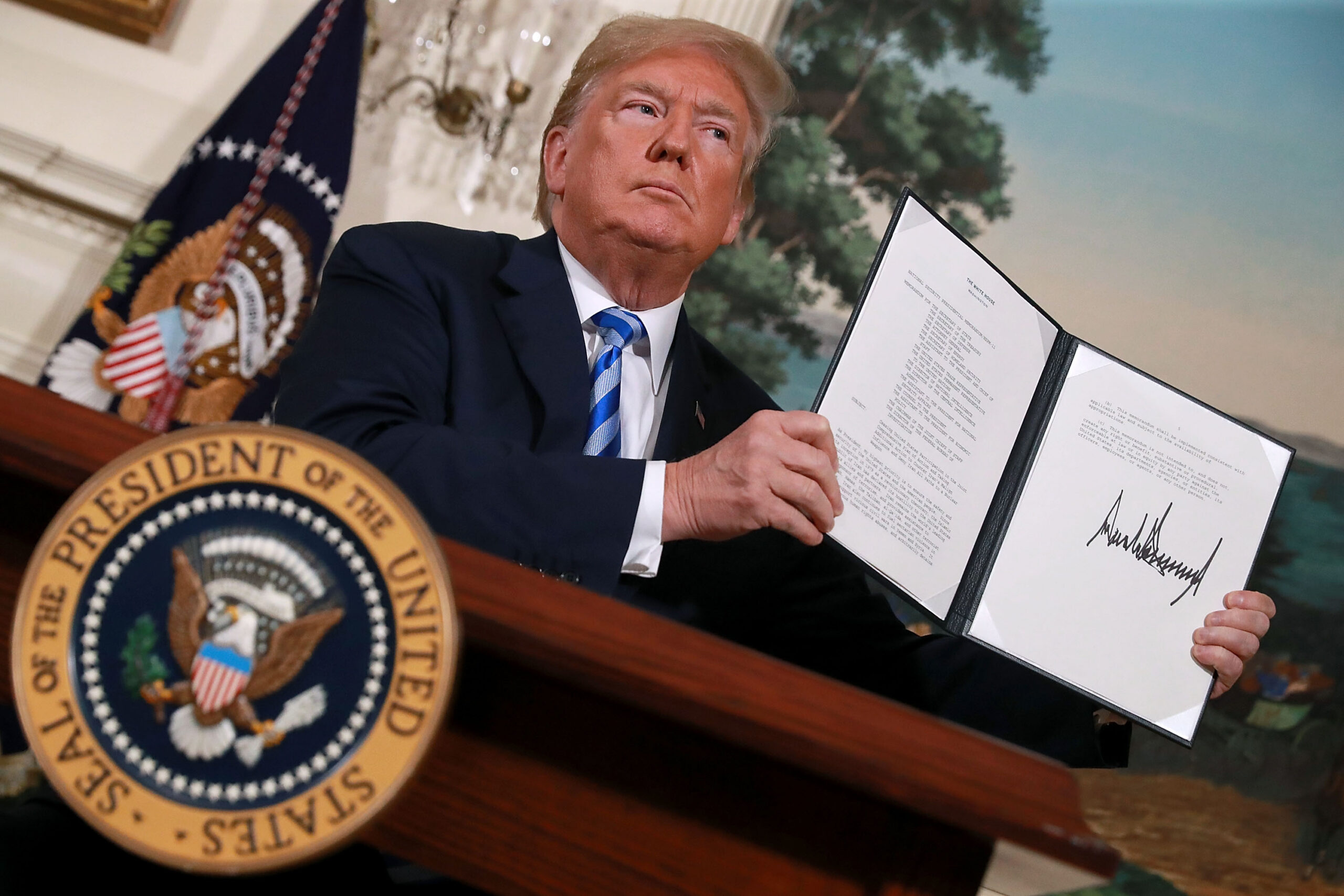
Why does Trump treat Iran and North Korea so differently?
Iran and North Korea both get a great deal of attention from the international community — for all the wrong reasons. Yet while U.S. President Donald Trump and North Korean Supreme Leader Kim Jong-un have met several times now, shaking hands, smiling, and posing for photos, Trump has not once met with Iranian President Hassan Rouhani or other senior Iranian officials. What accounts for this difference?
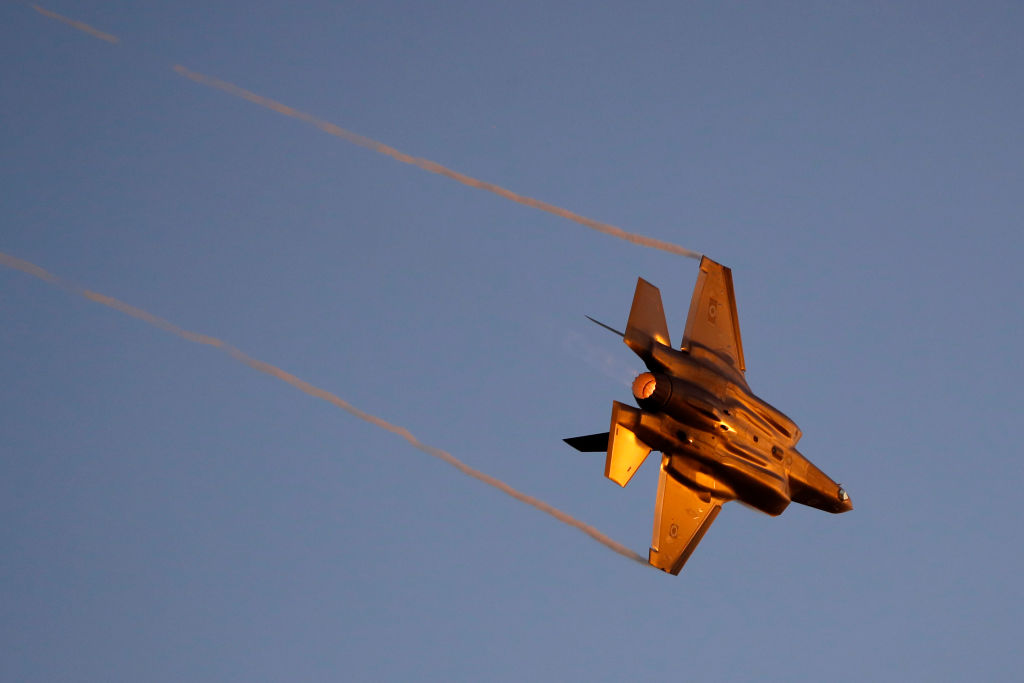
Monday Briefing: Drone strike thrusts Iraq into Iranian-Israeli military confrontation
This week’s briefing on recent news and upcoming events in the region featuring Randa Slim, Gerald Feierstein, Alex Vatanka, Robert S. Ford, and Michael Sexton.
Countering and courting Iran: Israeli-Palestinian objectives in Iraq
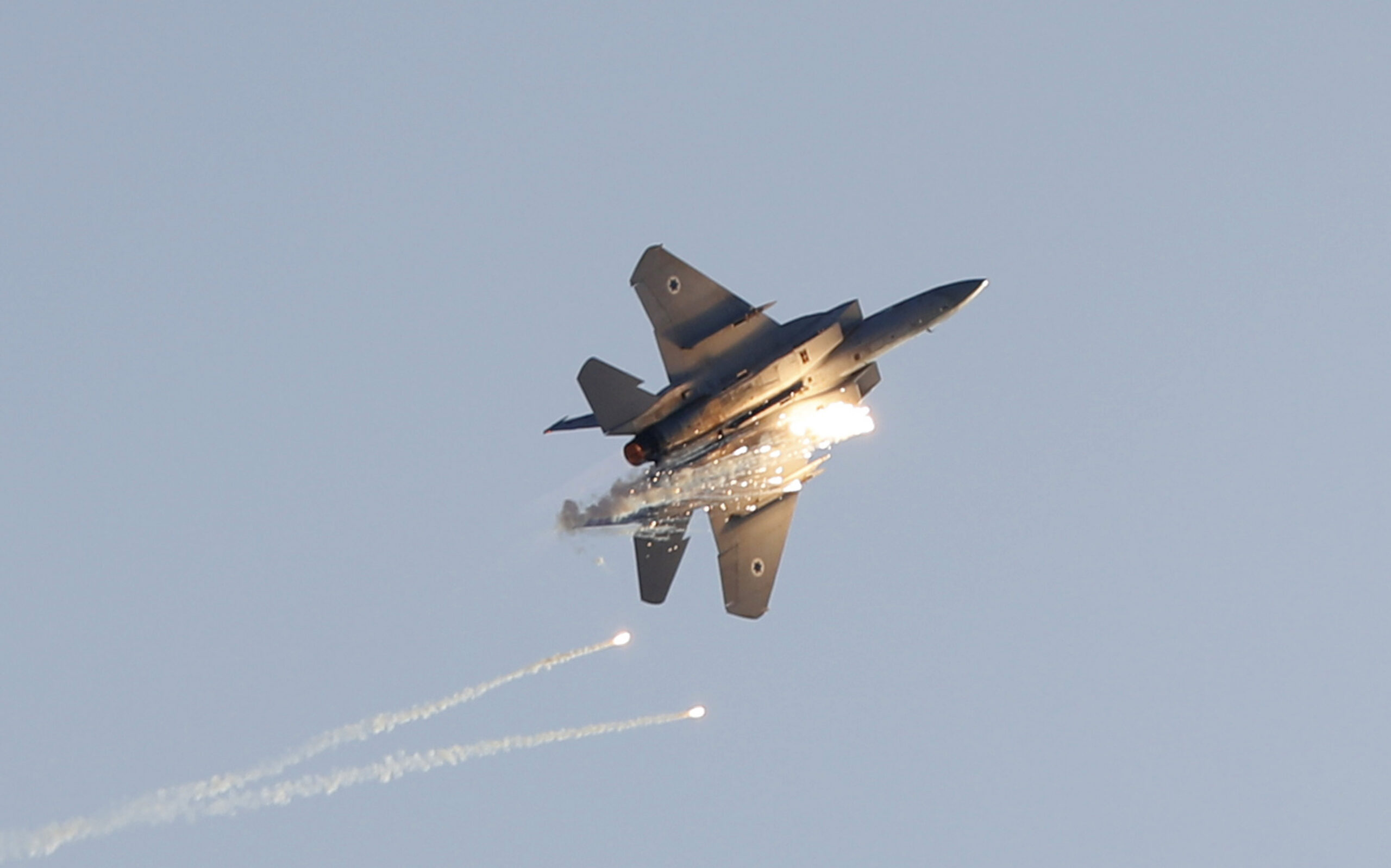
Israel has reportedly expanded its operations against Iran in the Middle East. In July, Israeli and foreign media attributed airstrikes on Iranian targets near Baghdad to Israel. Last week, U.S. officials confirmed that Israel was responsible for the attacks, which mark the first such air raids on Iraq since 1981, when Tel Aviv destroyed Saddam Hussein’s Osirak nuclear reactor.
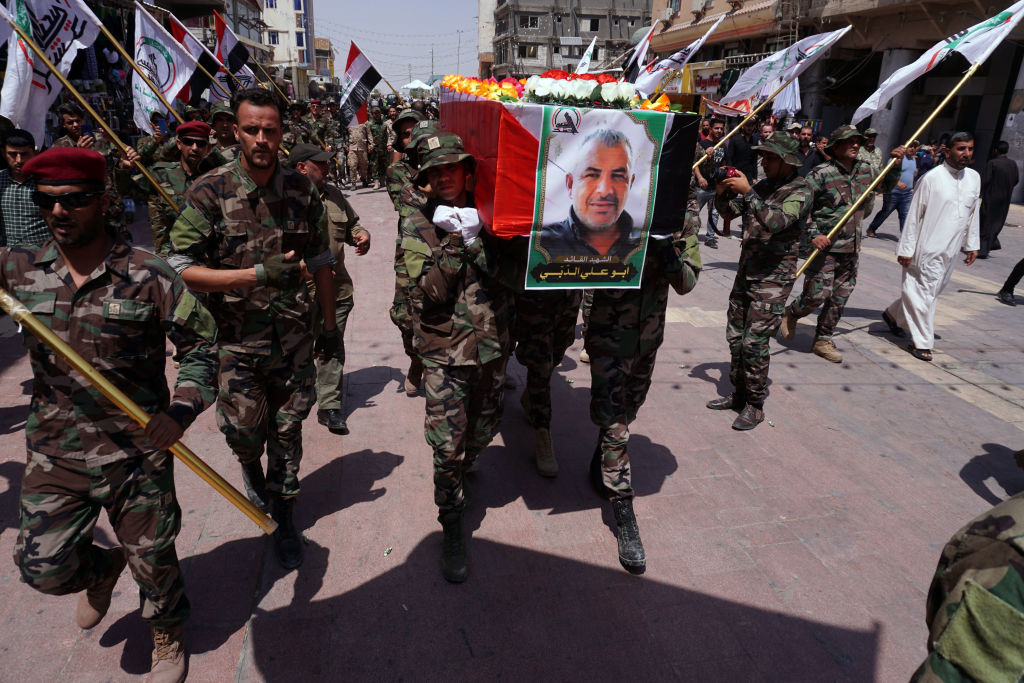
On Aug. 12, an explosion took place inside an ammunition warehouse in the al-Saqr military base in southern Baghdad, triggering hundreds of mortars and rockets to fire off in all directions throughout urban, populated areas. One person was killed and 29 wounded, as munitions and debris scattered as far as 5 kilometers away.
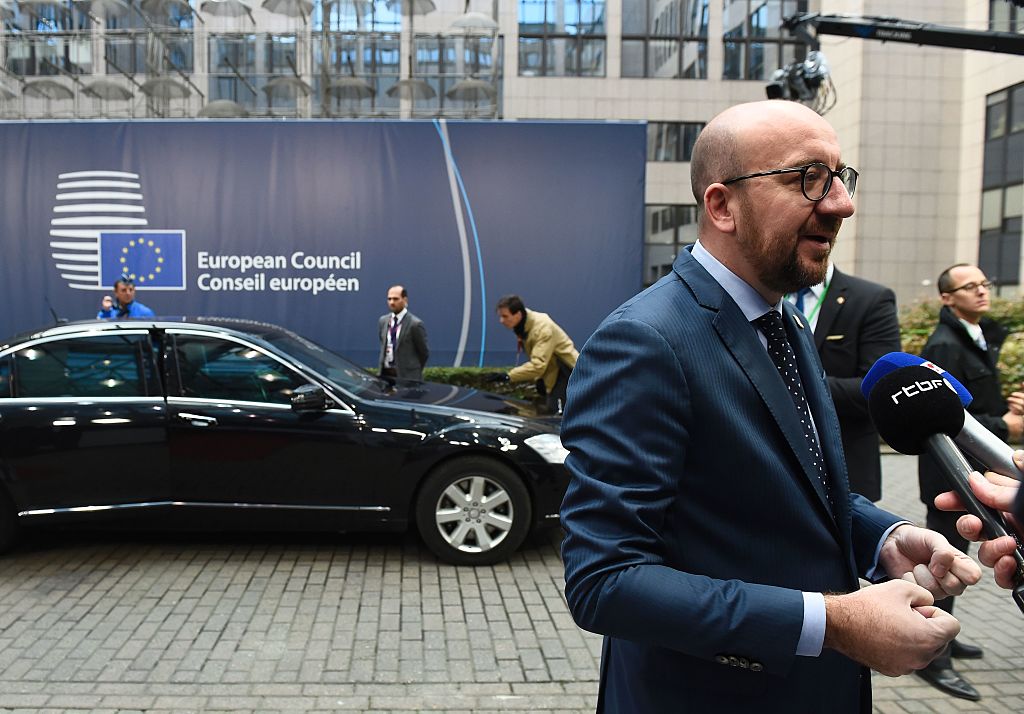
What will the European Council's new president mean for EU-MENA relations?
While some changes may be in the offing, for now most signs suggest that regional leaders should expect neither new opportunities, nor new challenges, but more likely a broad continuity of existing EU policy toward the region.
Monday Briefing: A mixed record for PM Khan’s first year in office
This week’s briefing on recent news and upcoming events in the region featuring Arif Rafiq, Ibrahim Jalal, Michael Sexton and Eliza Campbell, and Alex Vatanka.
Much has been written about the ongoing direct peace talks between U.S. Special Representative Zalmay Khalilzad and an Afghan Taliban delegation headed by Mullah Sher Mohammad Abbas Stanikzai in Doha, Qatar. This article takes a closer look at the challenges to negotiating with the Afghan Taliban and lays out six reasons why the prospects for peace in Afghanistan still seem bleak.
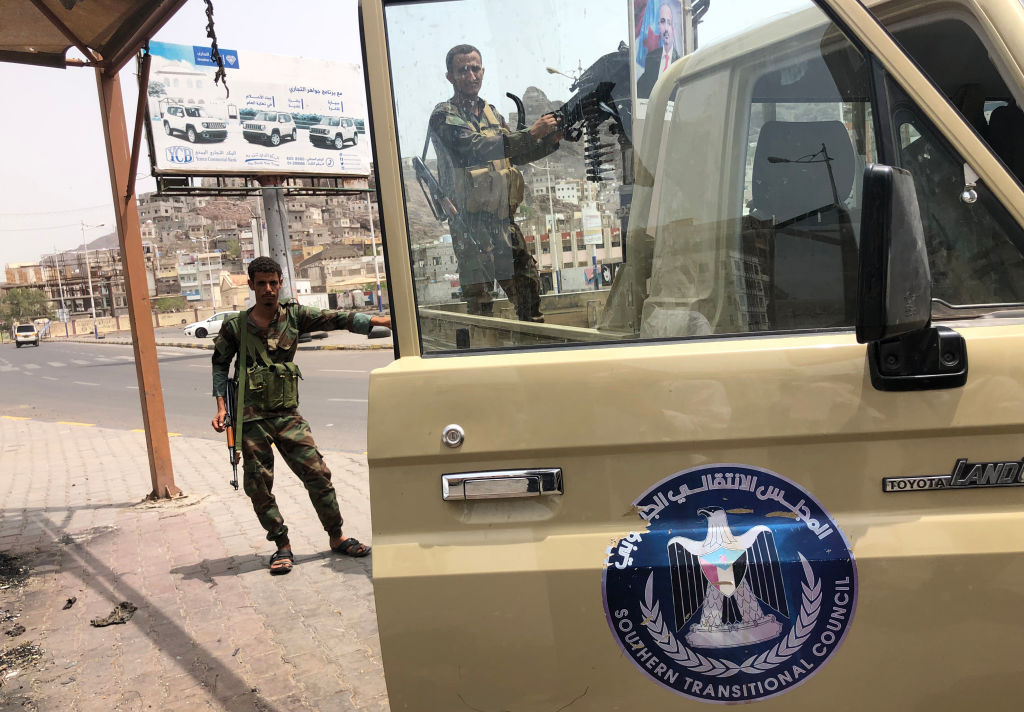
Monday Briefing: Fighting flares up in southern Yemen
This week’s briefing on recent news and upcoming events in the region featuring Fatima Abo Alasrar, Gonul Tol, Marvin G. Weinbaum, Randa Slim, and Michael Sexton and Eliza Campbell.