UAE's Siding with Saudi Arabia in Diplomatic Row Unsettles Iran
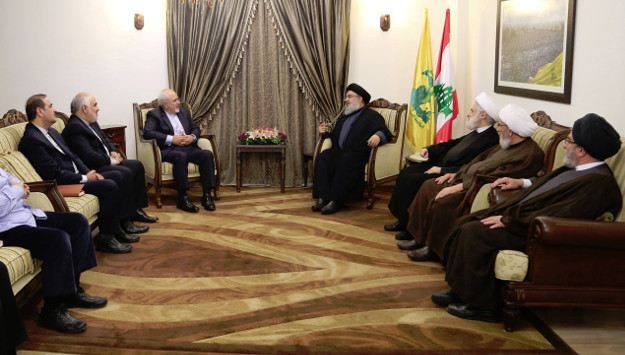
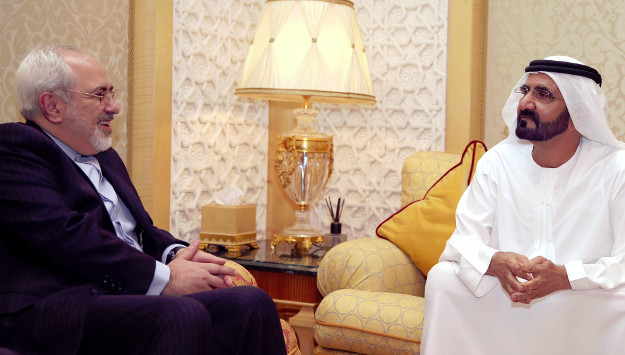
Diplomatic relations between Iran and the United Arab Emirates are going through another rough patch as the latter recently submitted a letter to the United Nations General Assembly, expressing concern over Iran’s “expansionist” policies in the region.
Briefing: Middle East Reactions to the U.S. Election
In this special edition of our weekly briefing, MEI experts Paul Salem, Robert S. Ford, Eran Etzion, Gonul Tol, Alex Vatanka, and Gerald Feierstein provide analysis on the impact of Donald Trump’s victory in the U.S. Presidential Election on the future of Middle East policy, its particular effect on the crises in Iraq and Syria, and how the news has been received across the region, including in Turkey, Iran, and the GCC.
When Osama bin Laden carefully recruited a number of Saudis to carry out the 9/11 attacks, his intention was to drive a wedge between his two enemies, the United States and the Saudi government. Fifteen years after the attacks, the JASTA legislation appears to be doing just that.
The State Department has welcomed an agreement among all Yemeni parties and the Saudi-led coalition to observe a 72-hour cease-fire beginning on October 19. The warring factions agreed to “implement a full and comprehensive halt to military activities of any kind and help facilitate the delivery of humanitarian assistance to Yemenis across the country.”[i]
Yemeni Factions, Saudi Arabia Escalate Aimless War
The parties to the intractable Yemen war appear further entrenched in their enmity than ever before, despite U.S. and British efforts to push Yemeni leaders toward new negotiations.
In this week’s Monday Briefing, MEI experts Robert S. Ford, Paul Salem, and Marvin G. Weinbaum provide analysis on recent and upcoming events including Russia’s recent escalation of military force in Syria, deteriorating Saudi-Iranian relations, and an escalation in the Kashmir between India and Pakistan.
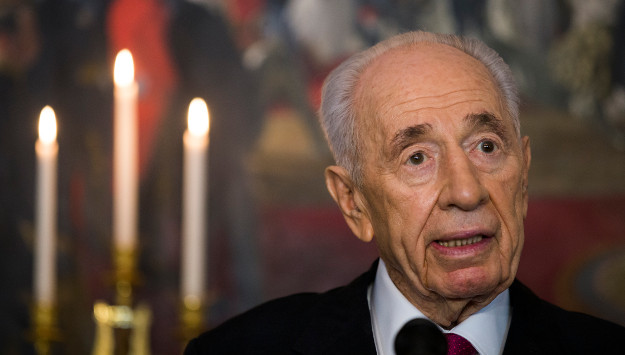
The last surviving leader of Israel’s founding generation, Shimon Peres was a three-time prime minister, the architect of the country’s secretive nuclear program and a winner of the Nobel Peace Prize for his efforts to make peace with the Palestinians.
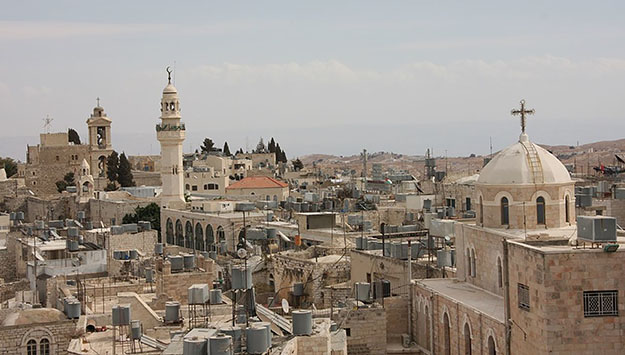
Palestinian Director Leila Sansour Talks Bethlehem
Leila Sansour is an acclaimed filmmaker, best known for “Jeremy Hardy versus the Israeli Army.” She returned to her hometown Bethlehem to document the detrimental effect of the wall on the city and its people. She discusses her latest film, Open Bethlehem.
The following interview was edited for style and clarity.
MEI: Tell me about the genesis of this film and project, and your inspiration for it?
Any Middle East observer would find a question about the basic posture of Israel vs. ISIS a practical no brainer. Such an observer would confidently state that these two entities are staunch enemies, currently engaged in multiple types of warfare and destined to continue on that path. For Israel, according to this intuitive rational, ISIS is but another link in a long chain of terror entities sworn to its destruction, much like Hamas, Hezbollah, Palestinian Islamic Jihad, and many others. For ISIS, the narrative would continue to claim, Israel is a natural primary target.
Weekly Briefing: Syria Talks at G20 Summit, Russian Moves on Israel-Palestine, and Iran Energy Policy
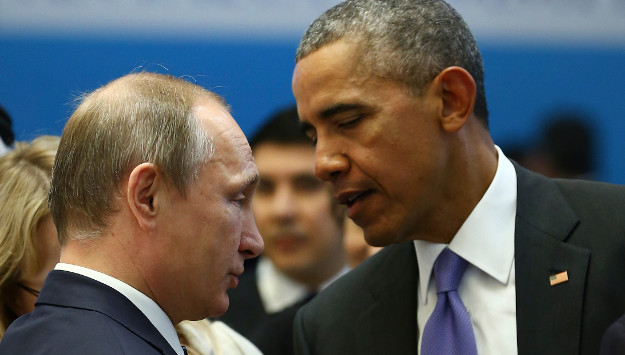
In this issues of MEI’s weekly briefing, contributors Daniel Serwer, Randa Slim, Eran Etzion, and Alex Vatanka provide analysis on recent and upcoming events including discussions between the United States, Russia and Turkey on Syria policy at the G20 Summit, the Syrian opposition’s transition plans, Russian moves on Israel-Palestine, and Iran’s energy policy.
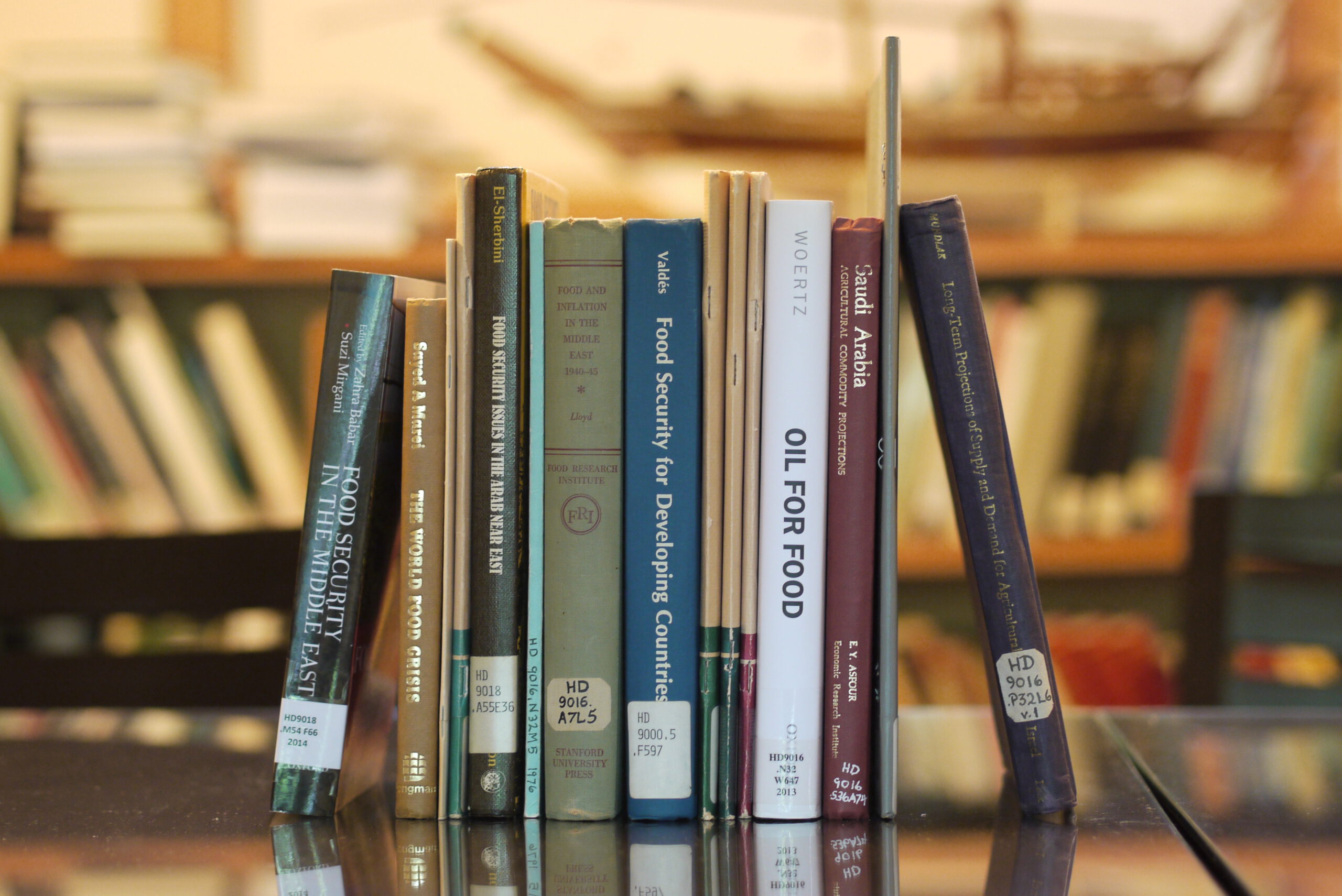
“[Food insecurity has] the potential to amplify destabilization, engender violence, and even accelerate state failure processes in an already geopolitically charged region”
– Andy Spiess in Food Security in the GCC Economies (2012)
G.C.C., Iran Look to Sea Trade to Reduce Dependence on Oil
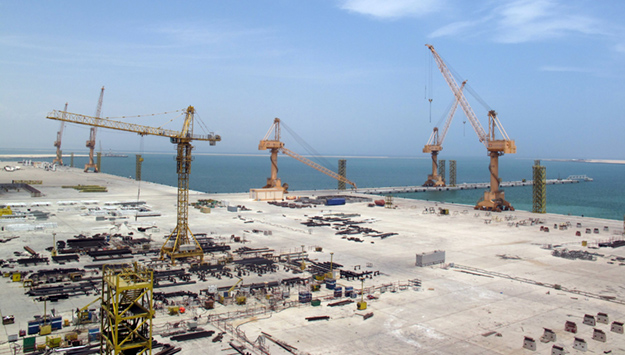
Continuing low oil prices have prompted Persian Gulf states to diversify their heavily petro-dependent economies. This issue is forcing the oil-rich states to invest and expand their potential as international trade hubs as a pathway away from the time bomb of single commodity exports. As many Gulf states have outlined in economic plans, as well as developed on the ground, maritime trade is an increasingly essential link connecting the Middle East to the global economy.