When the young Shaykh Tamim bin Hamad al-Thani became ruler of Qatar last month after his father stepped aside in a seamless transition, one of his first official acts was to seal the generational shift by appointing a new prime minister.
This Opinion first appeared on CNN.com’s “Global Public Square” blog on June 20, 2012
Ever since Saudi Arabia’s King Abdullah proposed forming a political federation among the six members of the Gulf Cooperation Council, the pros and cons have been fiercely debated across the Middle East.
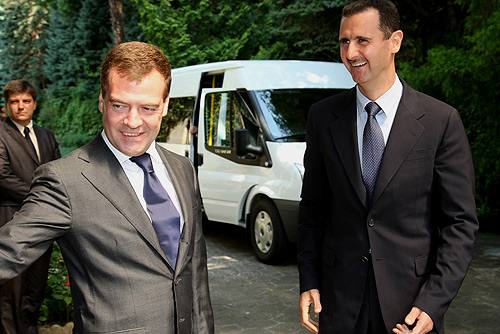
The Russian government, like its counterparts in the West, the Middle East, and elsewhere, was caught off guard by the outburst of Arab uprisings beginning in January 2011 that swept away long-ruling authoritarian regimes in Tunisia, Egypt, Libya, and (it appears) Yemen, and have threatened to topple those in Bahrain and Syria. The response of the Russian government to these events has, like that of Western governments, often been confused and inconsistent. Just as Western governments have done, Moscow has sought to protect its interests in the region.
The total number of Bahraini citizens is reported to be about 570,000 nationals, less than half of a total population of over 1.2 million.[1] Nevertheless, this very small number makes up an amazingly complex society comprised of groups and subgroups with different interests and agendas. A short unpacking of Bahraini society may shed some light on the problems facing the Kingdom in 2012, and perhaps guide us through possible steps toward reconciliation.
Introduction to Revolution and Political Transformation in the Middle East: Government Action and Response
Originally posted September 2011
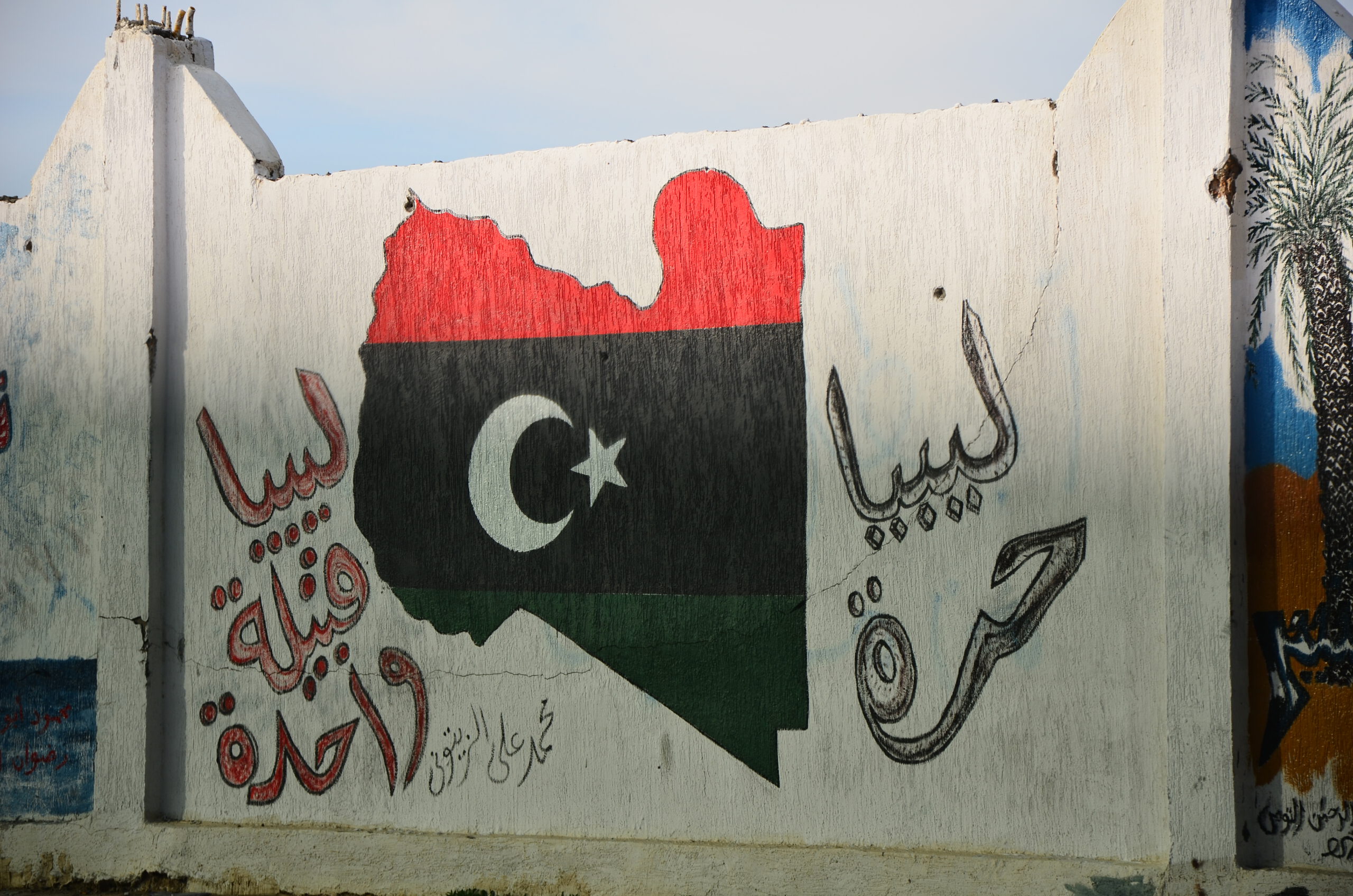
On August 21, 2011, rebel forces in Libya rolled into the capital Tripoli, seemingly finishing off months of armed combat and foreign intervention and bringing down yet another Arab head of state. At the same time, sporadic but violent repression of protests in Syria continues, while other states remain calm or have seen their protest movements fizzle. We open this second volume of our series, Revolution and Political Transformation¸ at a time of uncertainty and transition for the region.
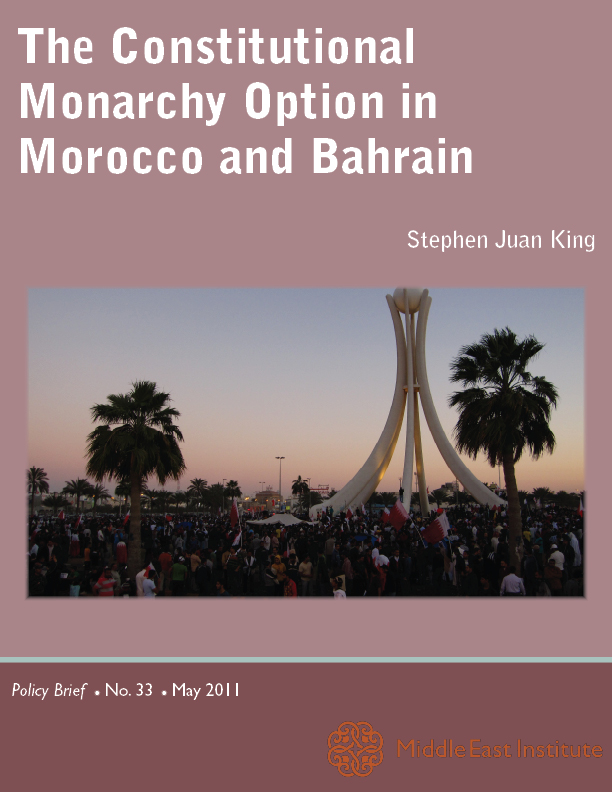
Three months after the release of the Bassiouni report, which documented systematic government abuses of pro-democracy protesters, Bahrain's King Hamad has announced constitutional reforms to increase parliamentary oversight. His announcement has done little to appease opposition forces, however, who contend the reforms do little to address the underlying sectarian inequities in Bahrain. Popular protests continue almost daily and are often met with police violence. In this highly polarized environment, is political compromise possible?
Governments in the Middle East and North Africa have long relied on repression to intimidate, harass, and punish political opponents. During the Arab uprisings, dictators under threat have all ordered and used violence against peaceful protestors as a way to maintain power. But this repression has had widely divergent effects on the course of the different conflicts.
This Commentary was first published as an op-ed in the Washington Post on August 4, 2011
The political crisis in Bahrain appears to have subsided, even if the issues that provoked it remain unresolved. Now, the challenge before Washington is redefining the terms on which it deals with an important but seriously tarnished ally.
After the Arab Spring: Toward Political & Economic Inclusion in the Arab World
The Middle East Institute and the UNDP are proud to host a discussion with UNDP Administrator Helen Clark, Under Secretary for Economic, Energy and Agricultural Affairs Robert D. Hormats, and Middle East Institute Scholar Amb. Edward Walker about how best to address political, economic and human development needs in the Arab world today.