Powering up: Turkey-Iraq transmission line is part of a broader strategic shift
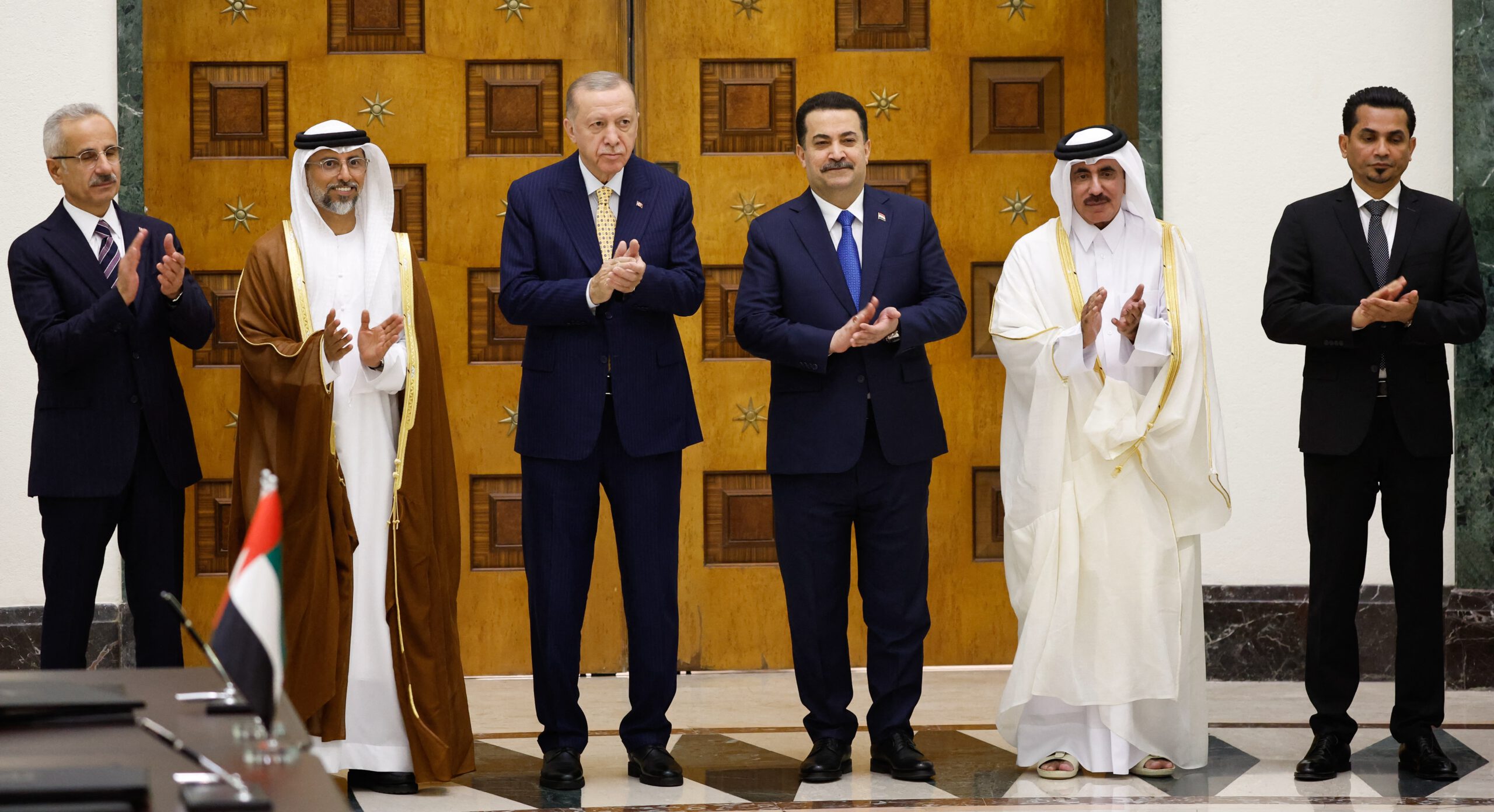
On July 21, 2024, Iraq inaugurated a new power line connecting Turkey and Iraq to handle Turkish electricity imports. Iraq is operationalizing this new power line with the goal of ensuring a more stable energy future, reshaping its geopolitical relationships, and reducing its reliance on Iran.
The impact of Turkish-Syrian normalization on the SDF
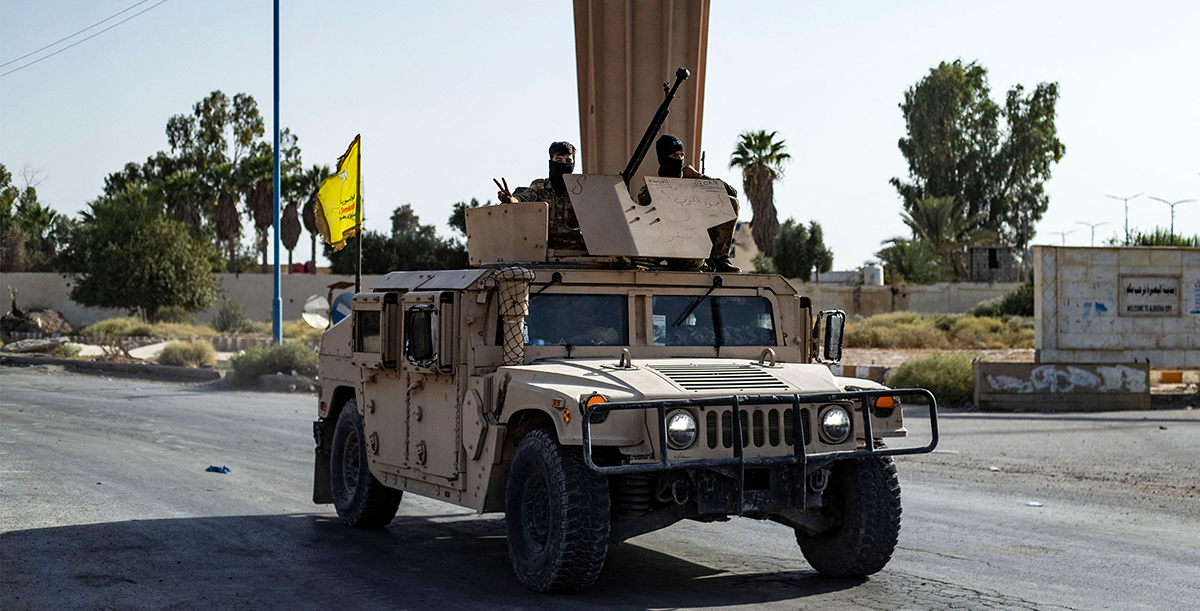
As speculation continues about a possible Turkish-Syrian normalization, what might such a process mean for the Syrian Democratic Forces (SDF), a close US ally? In a new piece for MEI, Amer al-Ahmed lays out three possible scenarios for the future of the SDF amid normalization.
A waiting game as the region teeters on the brink of full-blown war
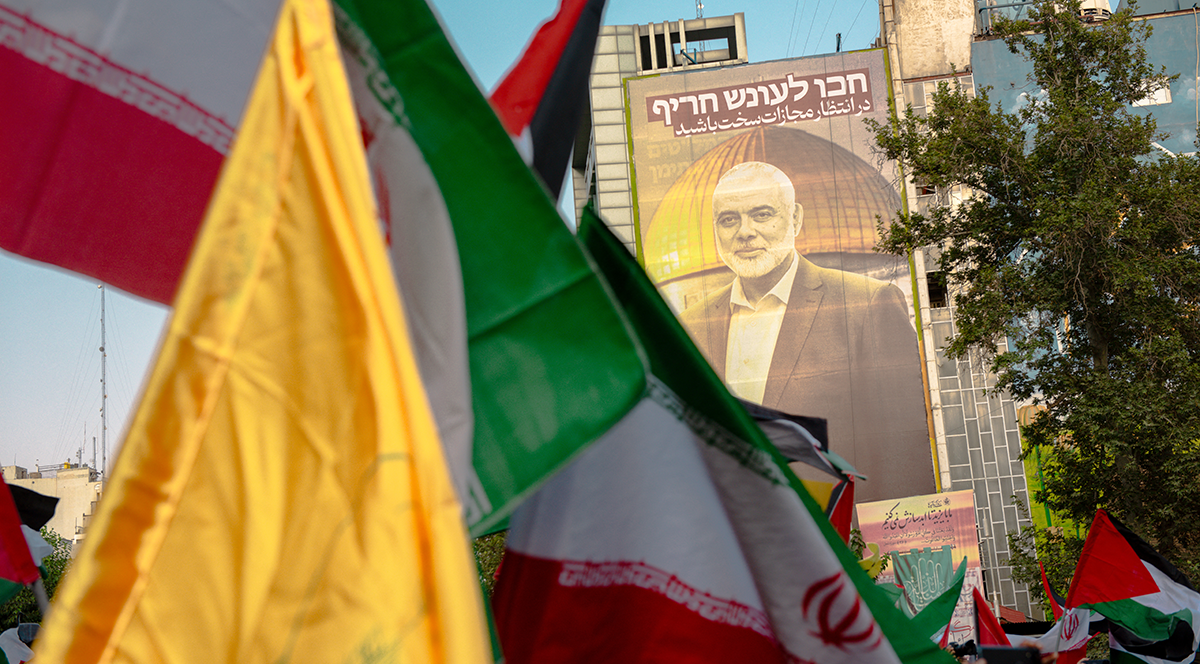
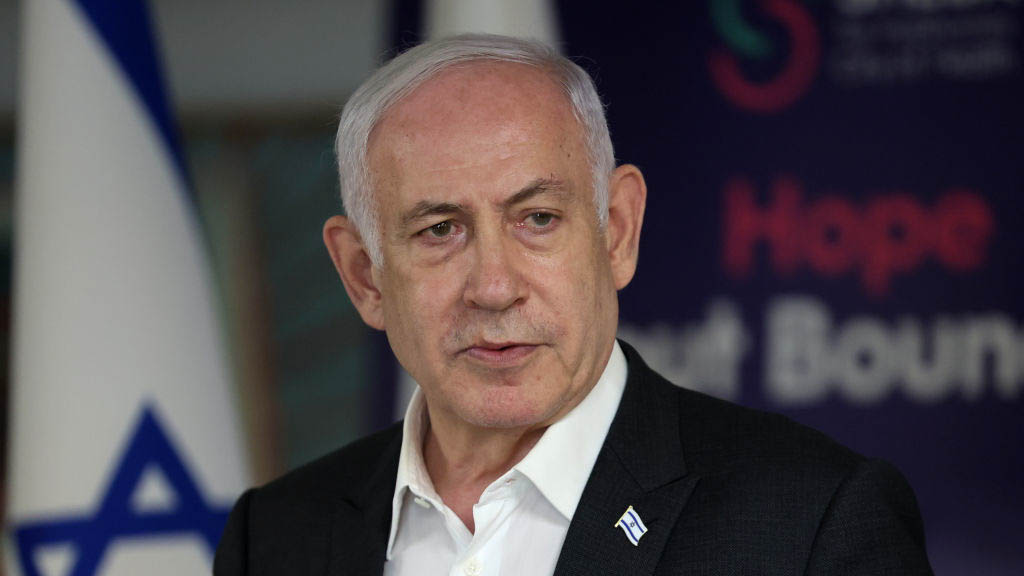
Israel’s targeted killing of Hezbollah military leader Fuad Shukr in Beirut and Hamas political chief Ismail Haniyeh in Tehran are explosive events for the region. Coming within 12 hours of each other, they were also an earthquake within the “Axis of Resistance” — but not one likely to encourage de-escalation. Far from it.
China’s humanitarian role: Insights from the Syrian refugee crisis
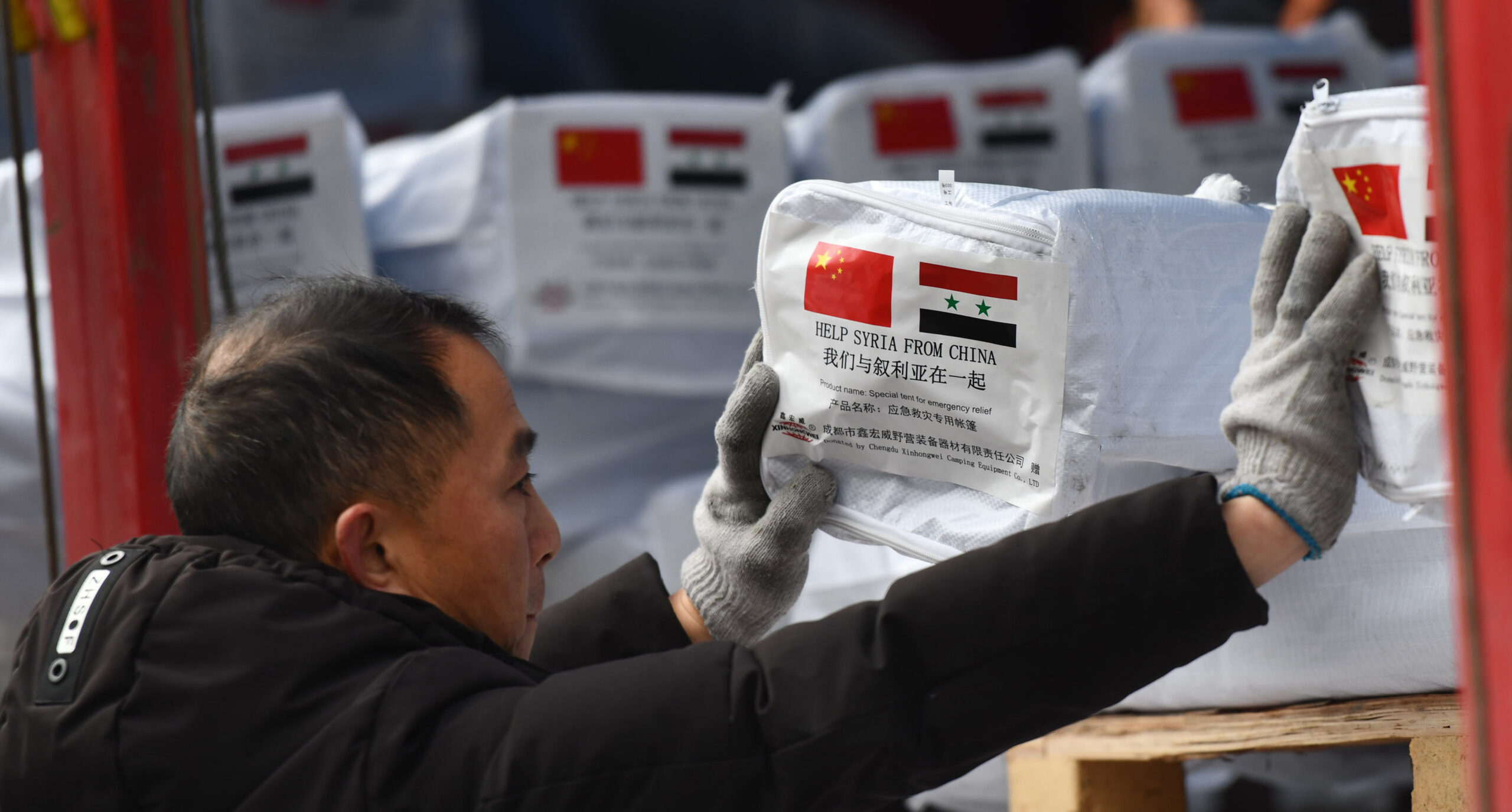
China’s response to the Syrian refugee crisis should be viewed within the broader context of its evolving approach to humanitarian aid and its overall involvement and objectives in the Syrian conflict.
Iraq’s competition to control local administrations goes national
In the aftermath of the December 2023 Provincial Council (PC) elections, political parties across Iraq have been seeking to shore up their gains or minimize their losses in the formation of the provincial executive governments, with some provinces, like Kirkuk and Diyala, remaining in deadlock at time of writing. However, in other provinces, such as Ninewa, those now in power are looking to ensure that they are maximizing their new gains by dominating key administrative positions at the district and subdistrict levels.
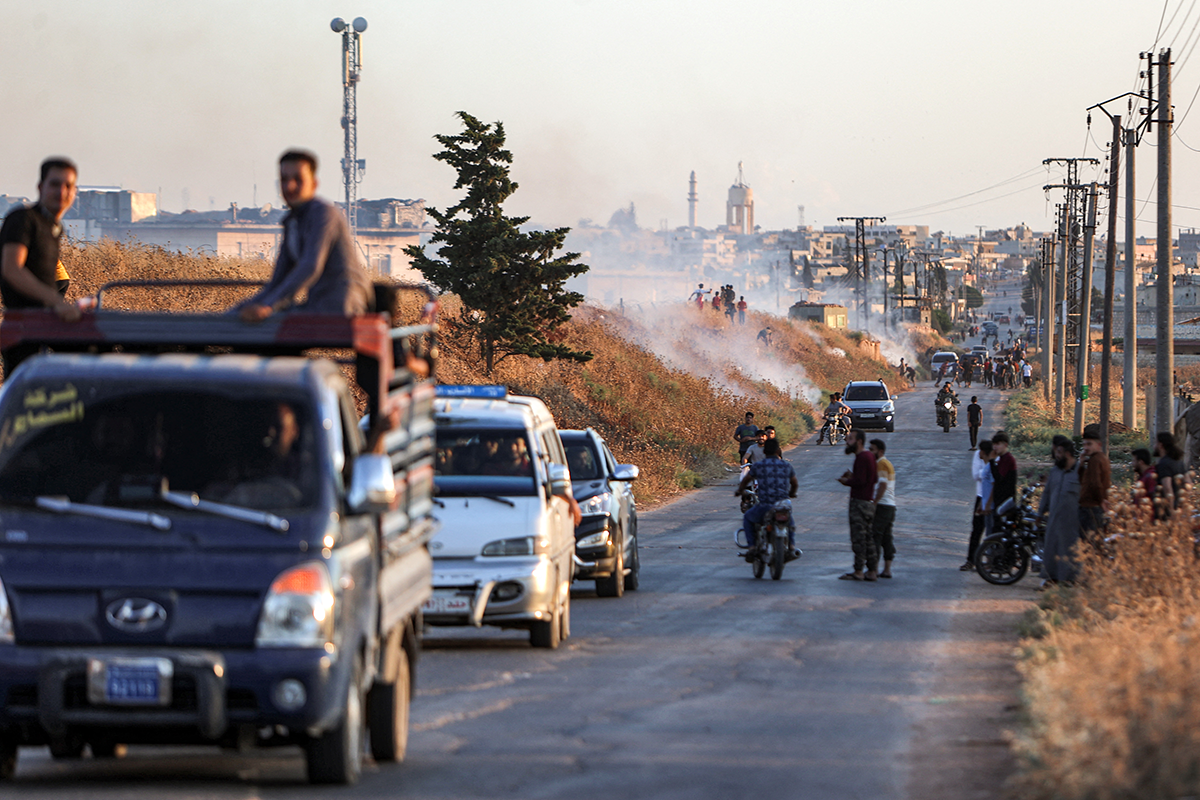
Six years ago, the Syrian regime conquered the southern province of Daraa, popularly known by millions of Syrians as the “cradle of the revolution.” That military victory represented a pivotal moment for Syrian President Bashar al-Assad. After all, it was the last time the regime captured a sizable swath of opposition territory, and in doing so in July 2018, its impunity was laid bare for all the world to see. On paper, Daraa had been designated a “de-escalation zone” after months of intensive international diplomacy in which the United States had played a central role.
CENTCOM says ISIS is reconstituting in Syria and Iraq, but the reality is even worse
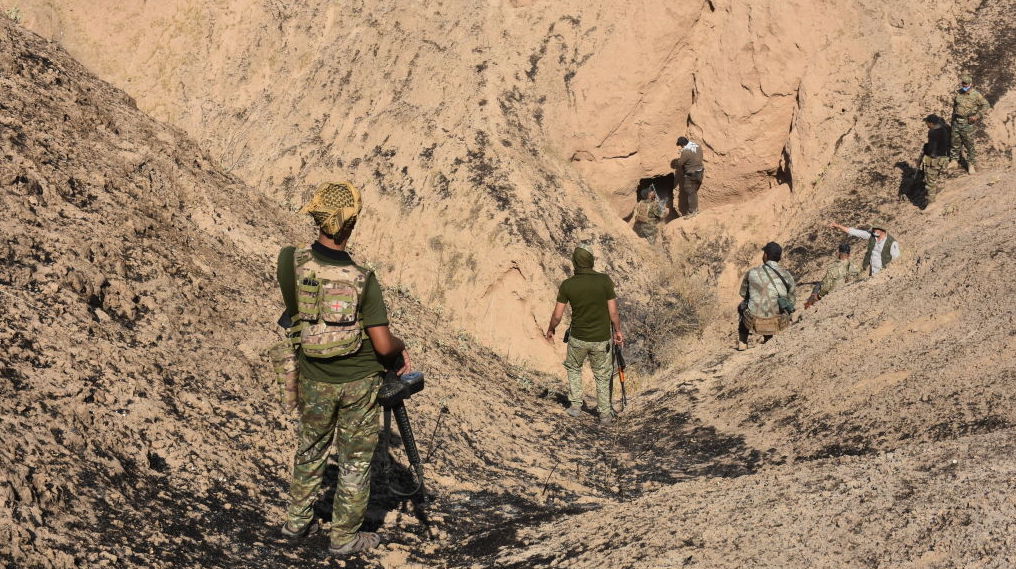
On July 16, CENTCOM announced that after six months of 2024, “ISIS is on pace to more than double” the number of attacks in Syria and Iraq it claimed in 2023. But the reality is far worse than this statement suggested because the data represents only a fraction of ISIS’s actual attacks in Syria and Iraq.
Syrian armed groups divided over Turkey-Syria normalization push
Despite their popular nature, the protests in northwestern Syria, sparked by racist attacks on Syrians over the border in Turkey, have exposed the rifts and divisions between various opposition factions. Bilal Samir explores the positions of the major military groups in Turkish-controlled areas and assesses how closely they align with Turkey’s policy.
Smoke and mirrors: The Syrian regime's dubious anti-drug campaigns
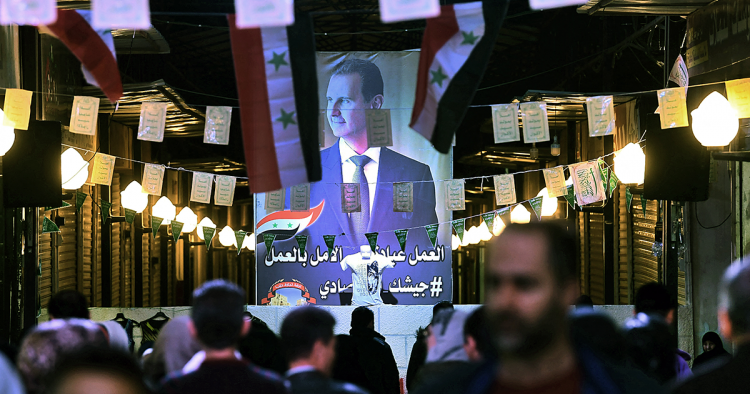
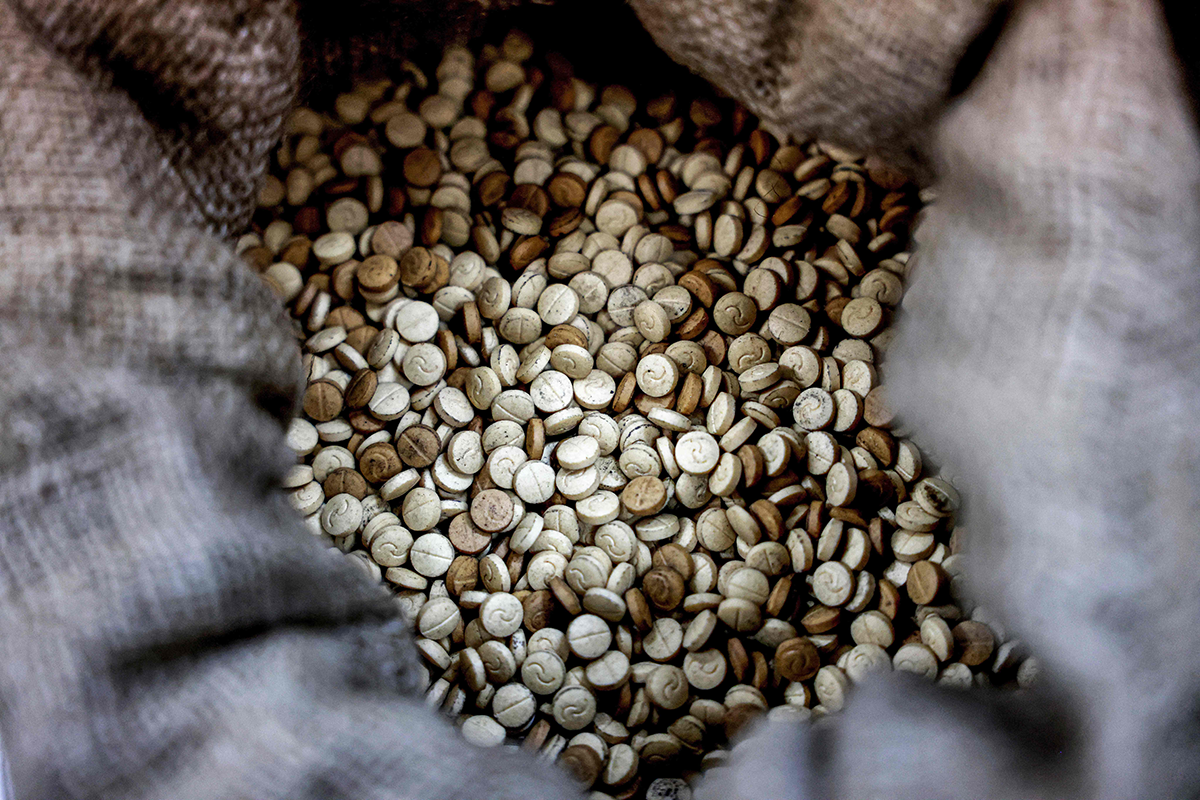
The Syrian regime recently announced that it had arrested over 2,000 people in Damascus on drug-related charges during the first half of 2024. However, the relatively small amount of drugs confiscated suggests the regime is focusing on arresting users and street-level pushers rather than going after the major producers and traffickers. This highlights how the Syrian regime manipulates drug crackdowns to serve multiple agendas while ensuring the flow of illicit drugs continues uninterrupted.
No real alternative: The failure of opposition parties in Iraq’s Kurdistan Region
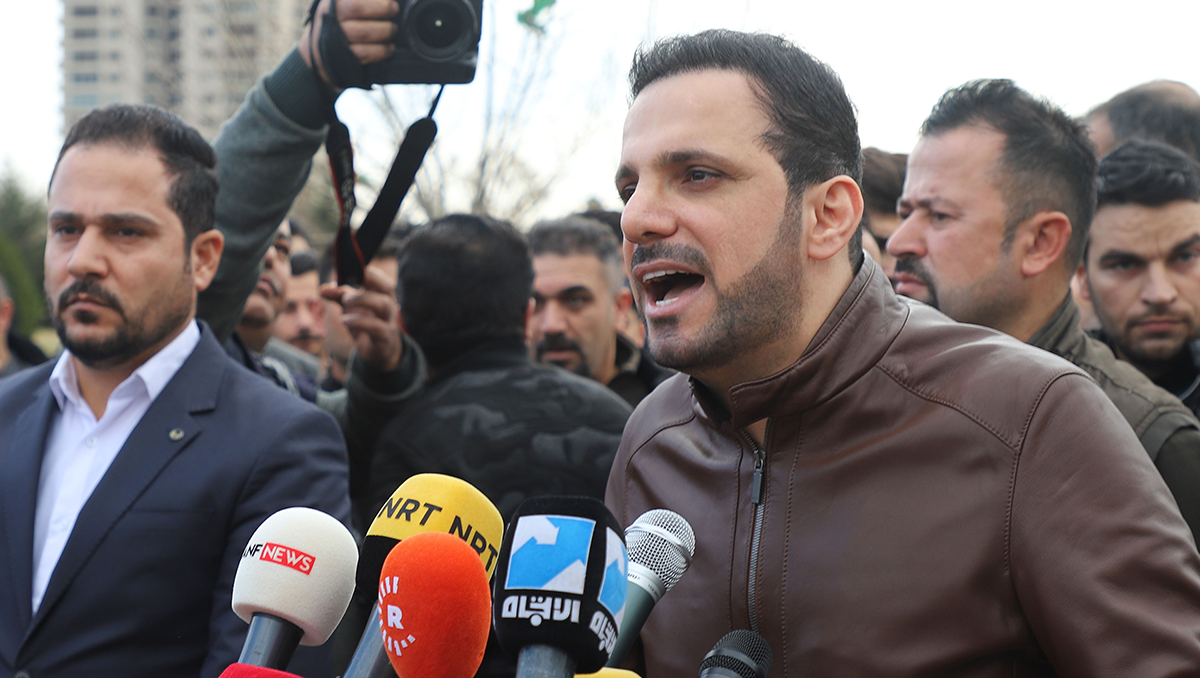
Politics in Iraq’s Kurdistan Region is centered on the ruling duopoly of the Kurdistan Democratic Party (KDP) and the Patriotic Union of Kurdistan (PUK). Other political parties — broadly referred to as the opposition — offer themselves as alternatives to the KDP and the PUK, but are disorganized, divided, and largely unable to capitalize on public grievances about governance. At present, they do not constitute a viable alternative to the ruling parties.