Lavrov’s Gulf trip highlights Russia’s growing regional role
Russian Foreign Minister Sergei Lavrov made a four-day trip to the Gulf in early March, stopping in Qatar, Saudi Arabia, Kuwait, and the UAE as part of a broader effort to boost Moscow’s ties with the region. Although the Gulf monarchies are traditionally considered of some of the U.S’s closest allies, relations between Russia and the Gulf have improved in recent years and there is potential for further cooperation going forward.
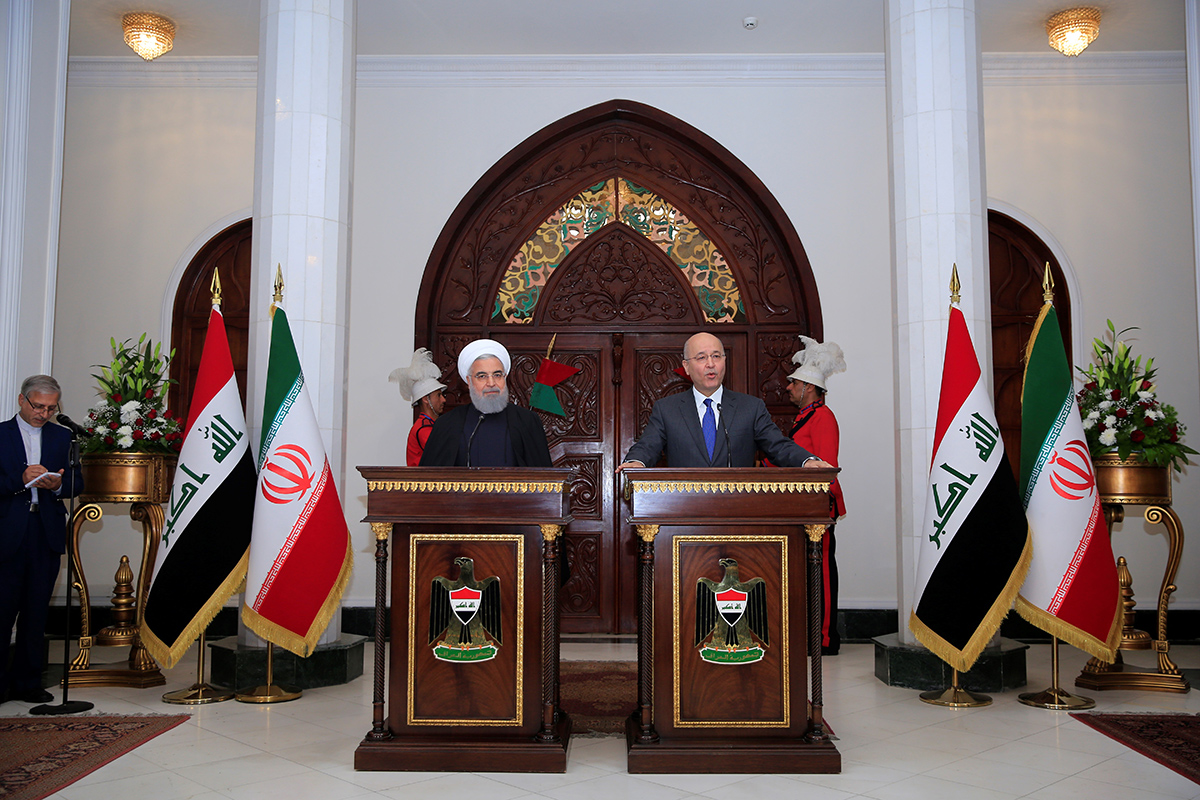
In this week’s Monday Briefing, MEI experts Randa Slim, Robert S. Ford, Marvin G. Weinbaum, James P. Farwell, Emadeddin Badi, Guney Yildiz, and Jean-François Seznec provide analysis on recent and upcoming events including Iranian President Hassan Rouhani’s visit to Baghdad, reconstruction efforts in Syria, the crackdown on militant Islamists in Pakistan, Iran’s cyber attack capabilities, upcoming elections in Libya, Turkish-Egyptian tensions, and Qatar’s $12B loan from bond markets.
Climate Change, Sea Level Rise, and Sustainable Urban Adaptation in Arab Coastal Cities
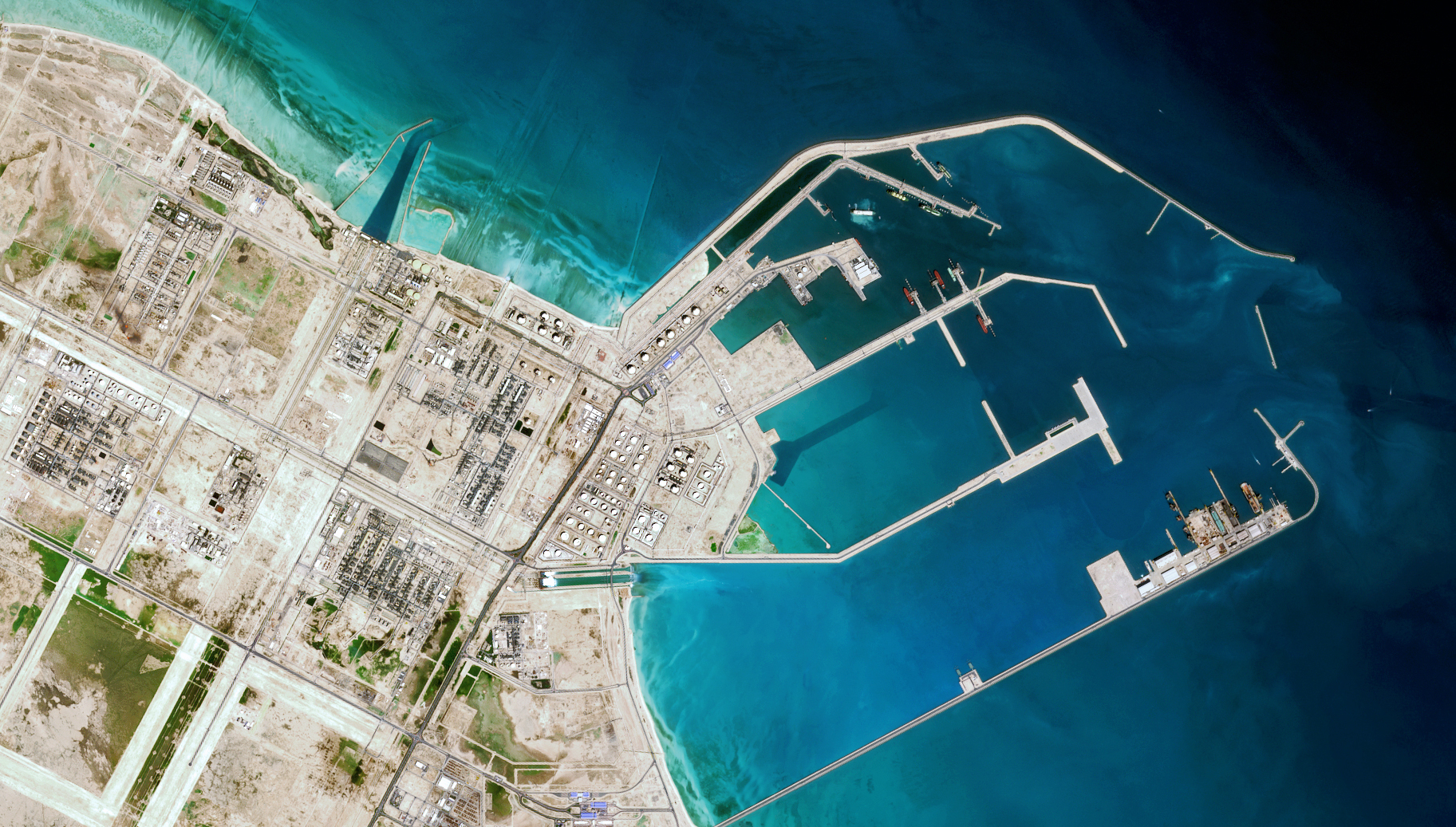
This article highlights how the lesser-known issue of sea level rise makes Arab states increasingly vulnerable to climate change. Using the city of Doha as a case study to highlight how sea level rise represents a critical threat to many Arab coastal cities and a national security challenge to Gulf Arab nations, this article underscores the need for greater anticipation in the region’s urban planning of the risks posed by climate change and sea level rise.
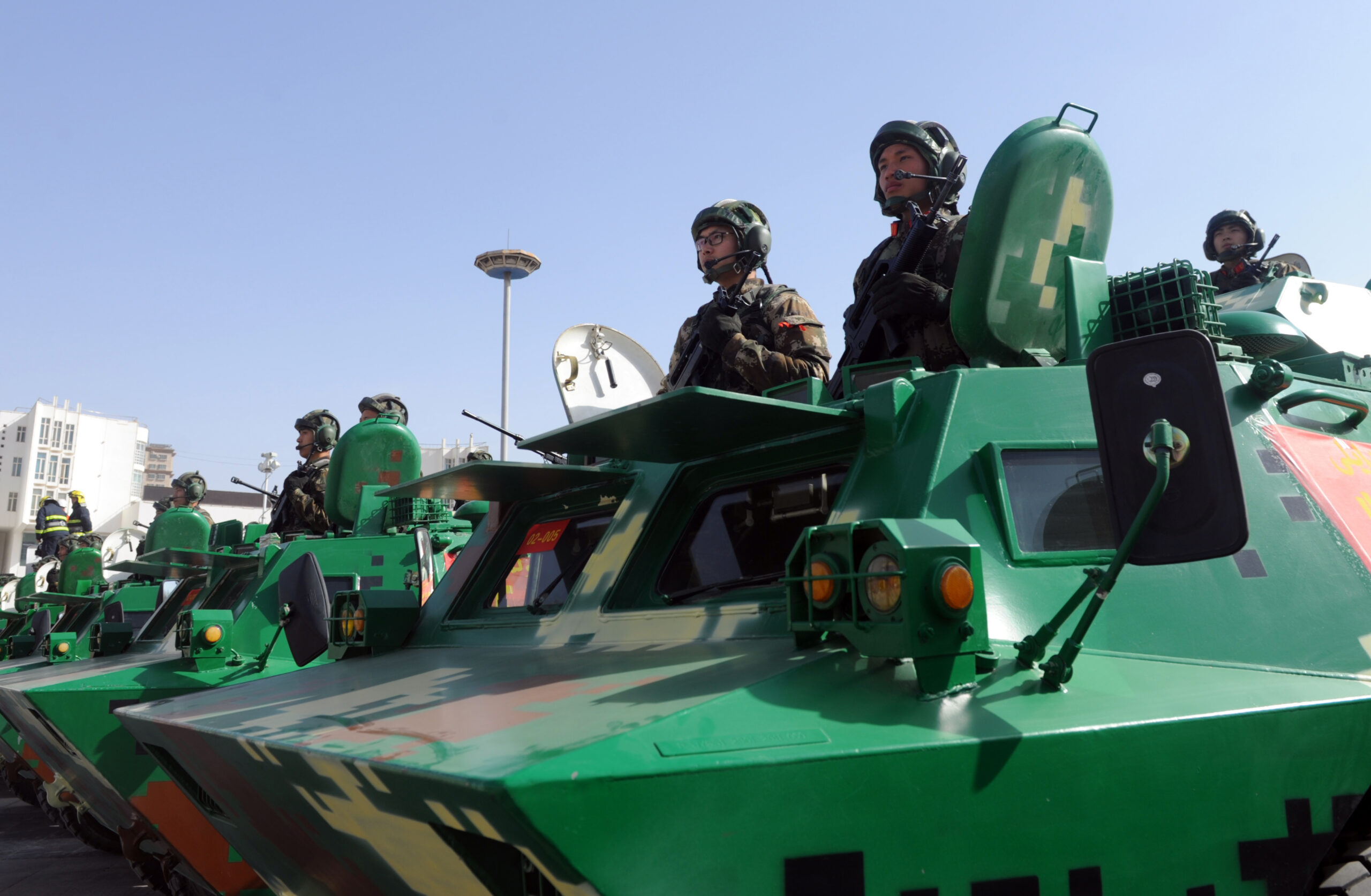
Arab Gulf states silent on China’s Xinjiang crackdown
Unlike other cases of repression against Muslims around the world, such as Myanmar, the Gulf monarchies have been silent about the “cultural cleansing” taking place in China’s Xinjiang Province.
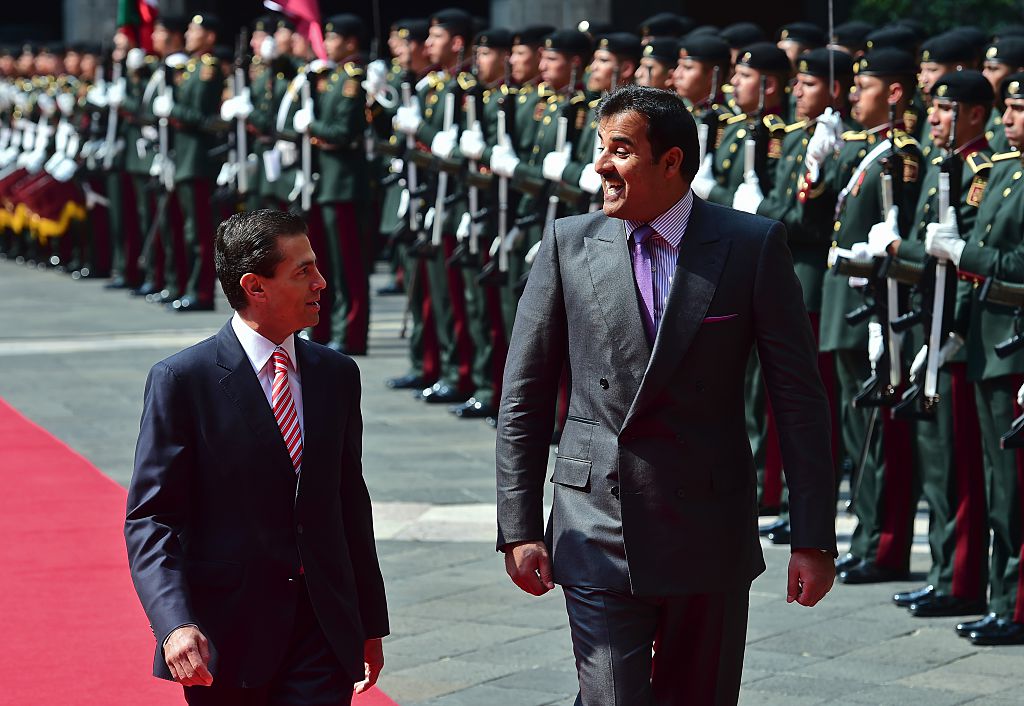
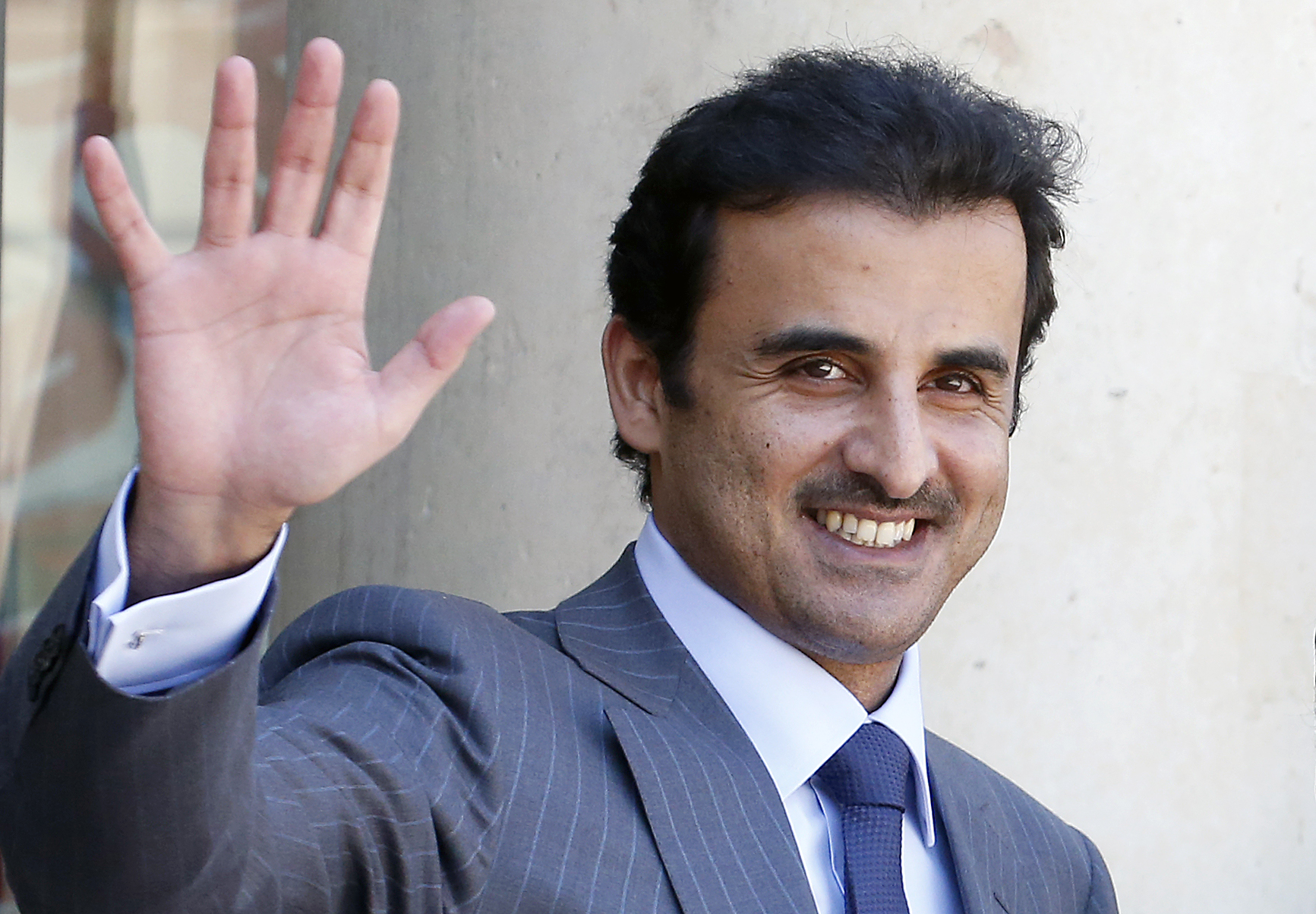
A growing partnership: Gulf crisis fosters Qatar-Mexico ties
Since Sheikh Tamim became emir in 2013, and especially since the diplomatic and economic blockade of Qatar began in mid-2017, Doha and Mexico City have begun to develop an increasingly fruitful partnership.
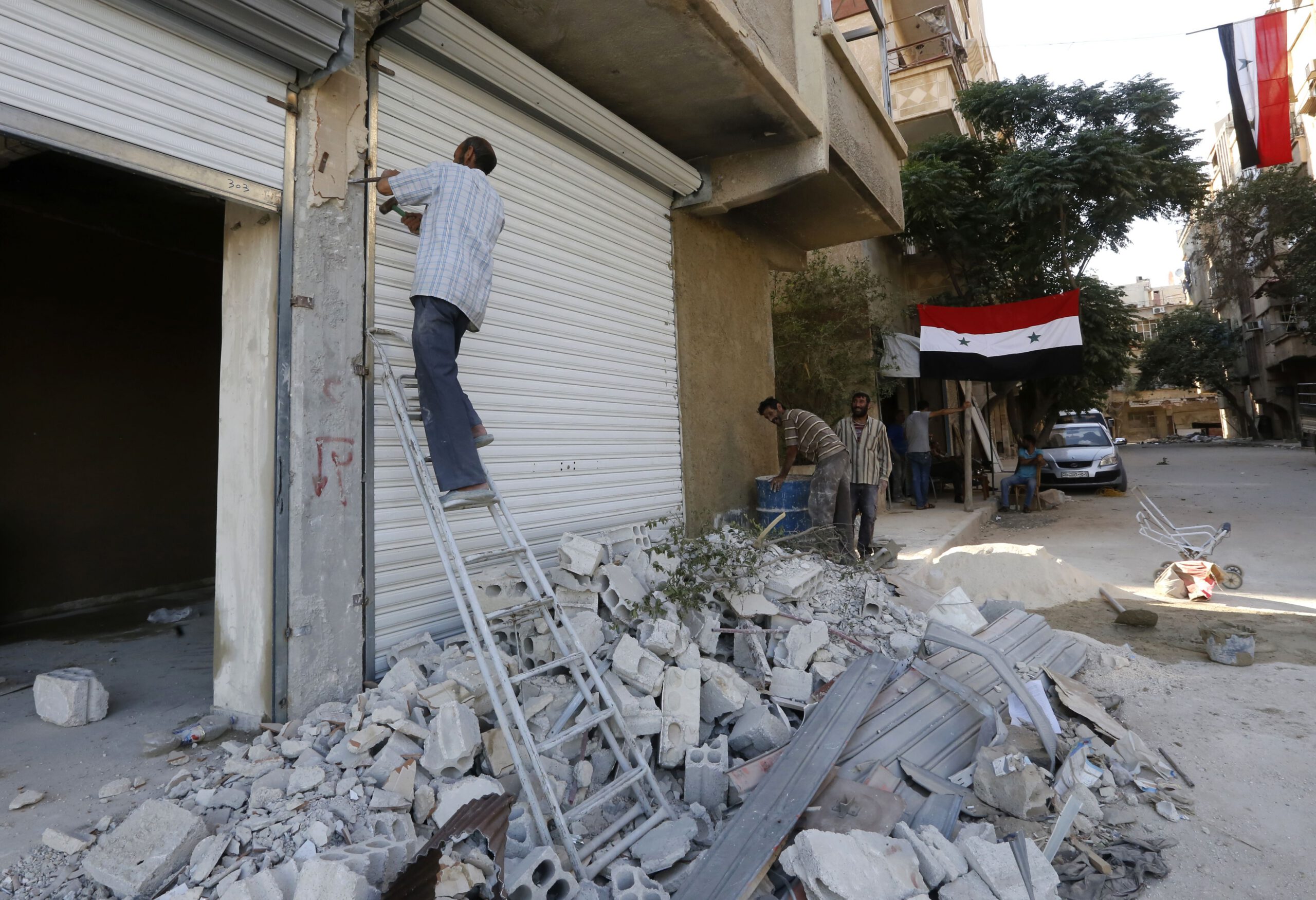
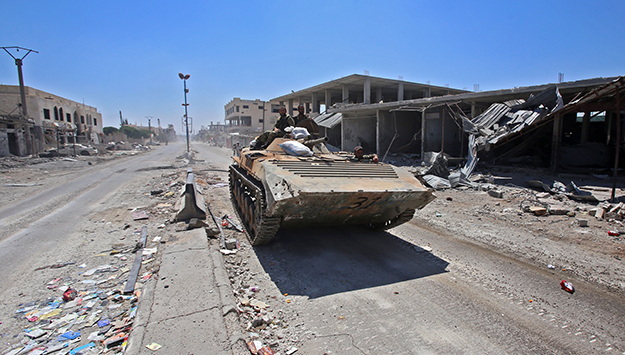
While non-Arab powers have taken the lead in the Syrian crisis so far, Damascus will need to restore political, economic, and diplomatic ties with regional Arab states as it moves into the phase of postwar reconstruction and development.
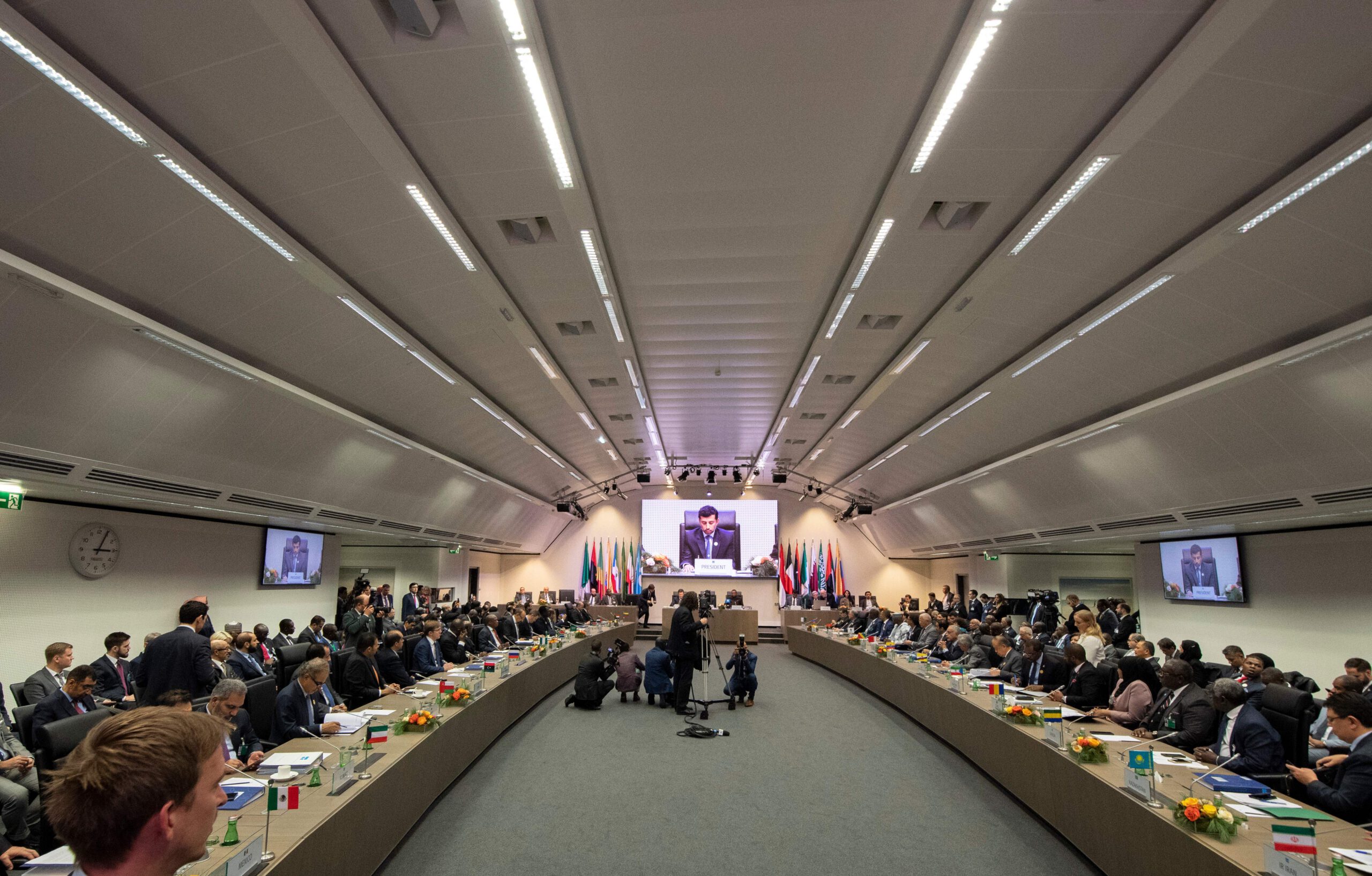
New OPEC+ deal shows Saudis’ oil-market grip continues to slip
While OPEC and Russia-led non-OPEC members agreed to cut oil production last week by 1.2 million bpd, Riyadh’s ability to control the cartel and global oil prices is waning.
Giorgio Cafiero, CEO and founder of Gulf State Analytics, and F. Gregory Gause, head of the Department of International Affairs at Texas A&M University, join host Jerry Feierstein to discuss the state of GCC relations amid the Qatar dispute and other crises heading into the next GCC Summit.
The GCC Riyadh summit: Beginning of the end of the Qatar crisis?
The upcoming GCC summit in Saudi Arabia offers an opportunity to bring the opposing sides to the table, but it is far from clear what will come out of the meeting
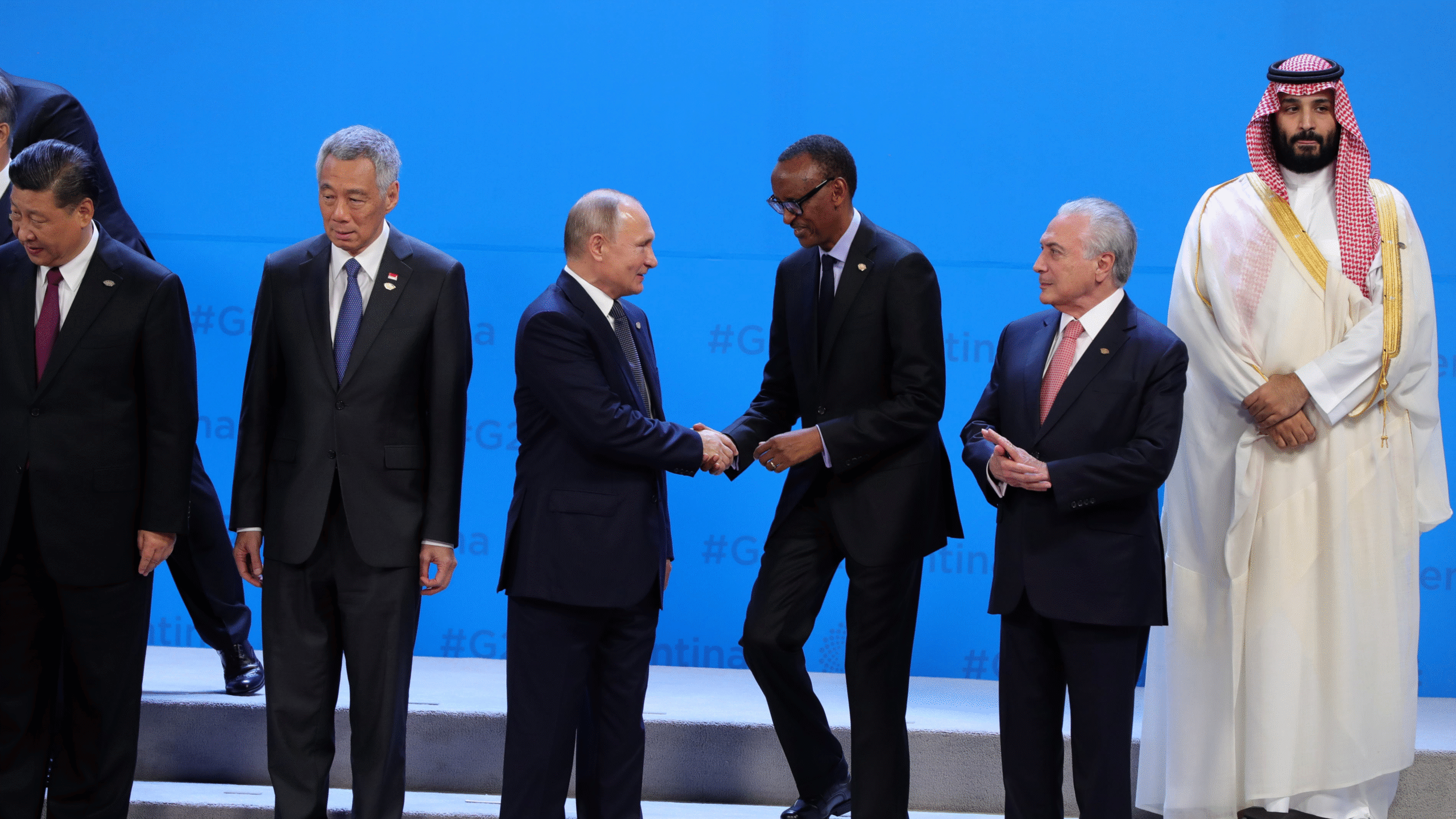
Monday Briefing: Optics and geo-economics at the G20
In this week’s Monday Briefing, MEI experts discuss recent and upcoming events including MBS’ lukewarm reception at the G20 summit, plans for a UN-hosted Western Sahara roundtable, and Qatar’s decision to leave OPEC.
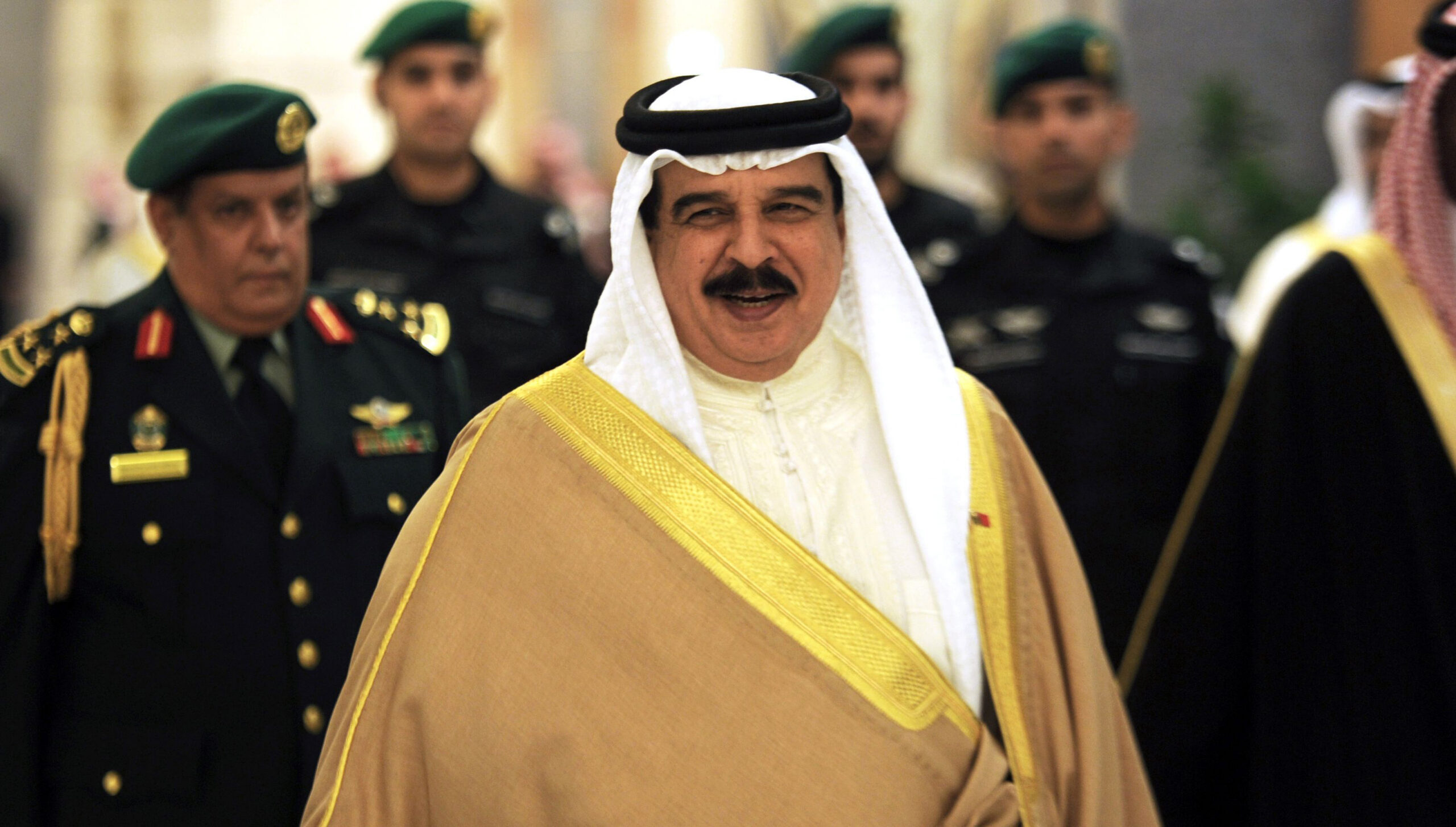
The GCC aid package for Bahrain illustrates how massive capital flows underlie the contentious politics and strategic alliances within the Gulf and broader Middle East.
Even though energy production and exports are the lifeblood of all Arab states in the Gulf, the present crisis between Qatar on the one hand and Saudi Arabia, the United Arab Emirates, Bahrain, and Egypt on the other has had very little influence on the economics of oil and gas either internationally or within the region. However, the countries involved have a lot to gain from a resolution of the conflict, particularly if it leads to greater energy market integration.
In this week’s Monday Briefing, MEI experts Robert S. Ford, Gerald Feierstein, Marvin G. Weinbaum, and Bilal Y. Saab provide analysis on Iran’s efforts to stay in Syria, Pompeo’s upcoming trip to Abu Dhabi, the Pakistan Muslim League’s struggle in the upcoming National Assembly elections, and Qatar’s decision to renege on its Russian S-400 purchase.
Vibrant art scene inspires cooperation, competition in Gulf
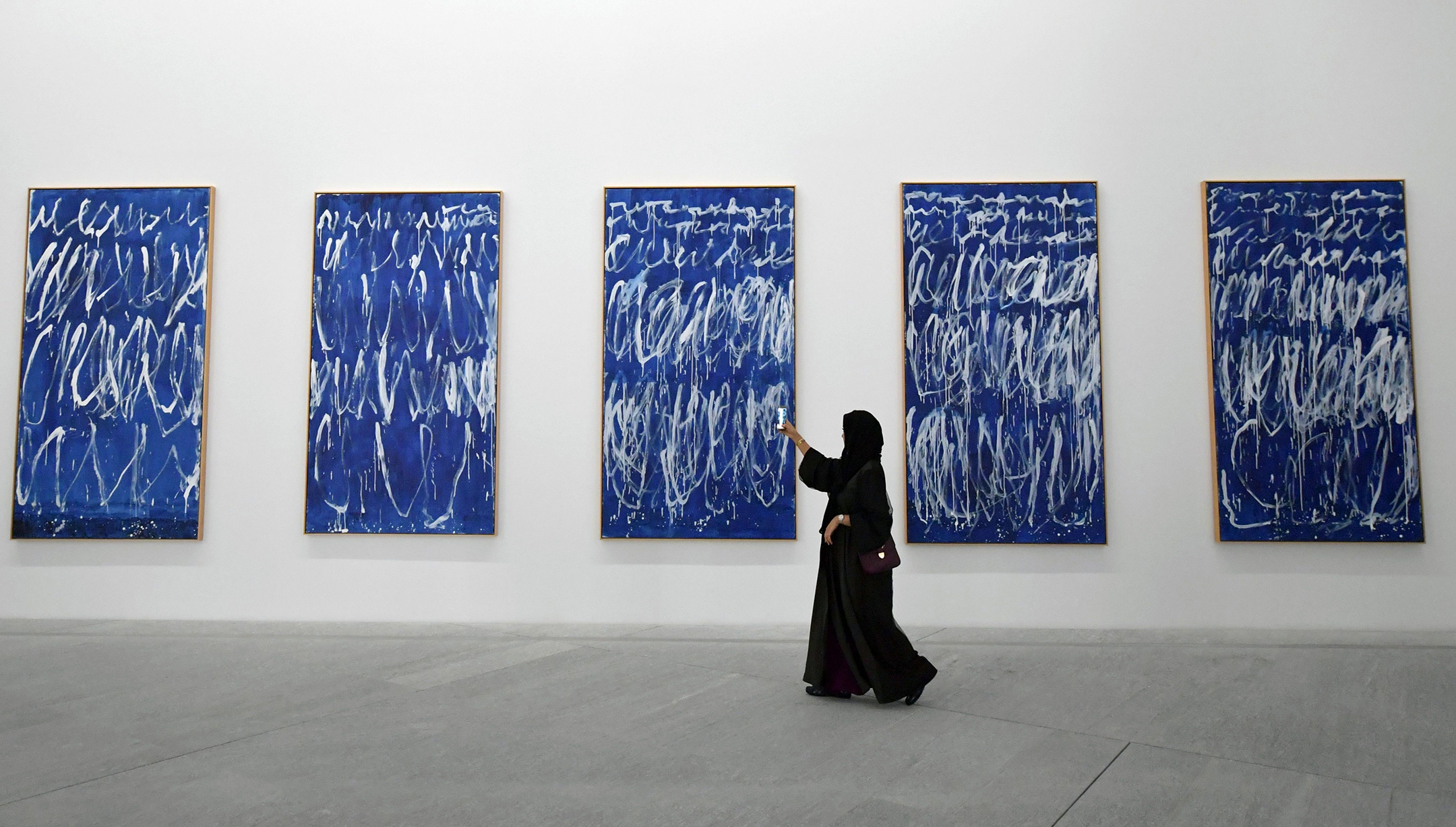
The countries of the Middle East are using art to remodel their national identities. Billions of dollars have been spent on colossal building efforts and massive acquisition programs in an effort to expand the cultural sector in the Middle East, especially in the Gulf. Art acquisition now appears to be part of a geopolitical strategy by Gulf countries to use their hydrocarbon money to purchase cultural clout and establish themselves as international cultural centers.
Tillerson's departure and the future of US policy in the Middle East
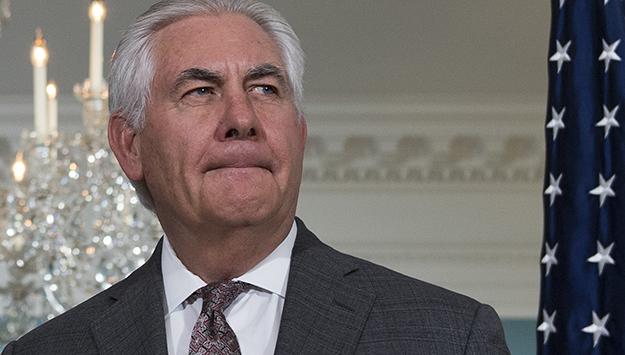
Rex Tillerson’s unhappy tenure at State Department ends with a whimper – Gerald Feierstein
Rex Tillerson was never an easy fit for the Trump administration. His management of the State Department was a source of constant frustration for the career staff as well as Capitol Hill. On policy issues, Tillerson hewed more closely than Trump to establishment Republican positions. Allied with Secretary of Defense Mattis and National Security Advisor McMaster, Tillerson often acted as an anchor against the president’s more aggressive impulses.