Art in Dialogue with Nature: An Exploration of Saudi Arabia’s New Valley of the Arts
Wadi AlFann (‘Valley of the Arts’) is a new global cultural destination in Saudi Arabia, where monumental contemporary artworks are being commissioned for AlUla’s majestic desert landscape.
Curator Iwona Blazwick and participating Saudi artist Manal Al Dowayan speak with MEI’s Senior Vice President Kate Seelye about Wadi Al Fann’s permanent art commissions and the impact of the Kingdom’s investment in the arts as part of Saudi Vision 2030 on local communities and the international art scene.
War as a catalyst for greater Black Sea-Gulf interconnectivity
Russia’s full-scale invasion of Ukraine has destabilized and distressed the entire Black Sea neighborhood. Yet despite the war, or perhaps because of it, strategically important foreign direct investments into Black Sea littoral countries, including from the Gulf, have endured or even grown.
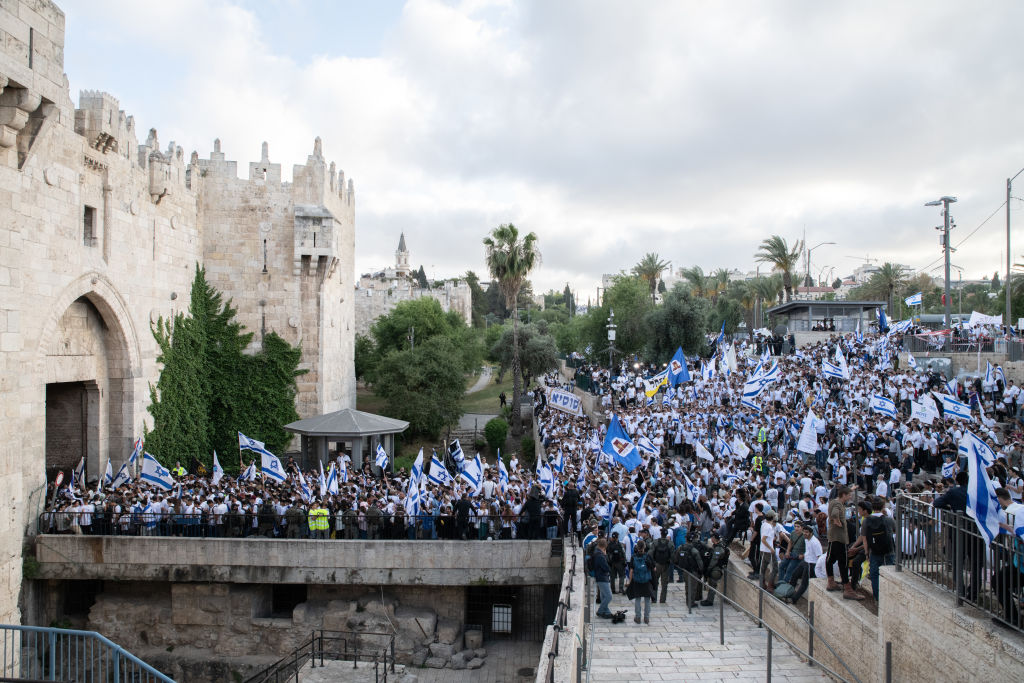
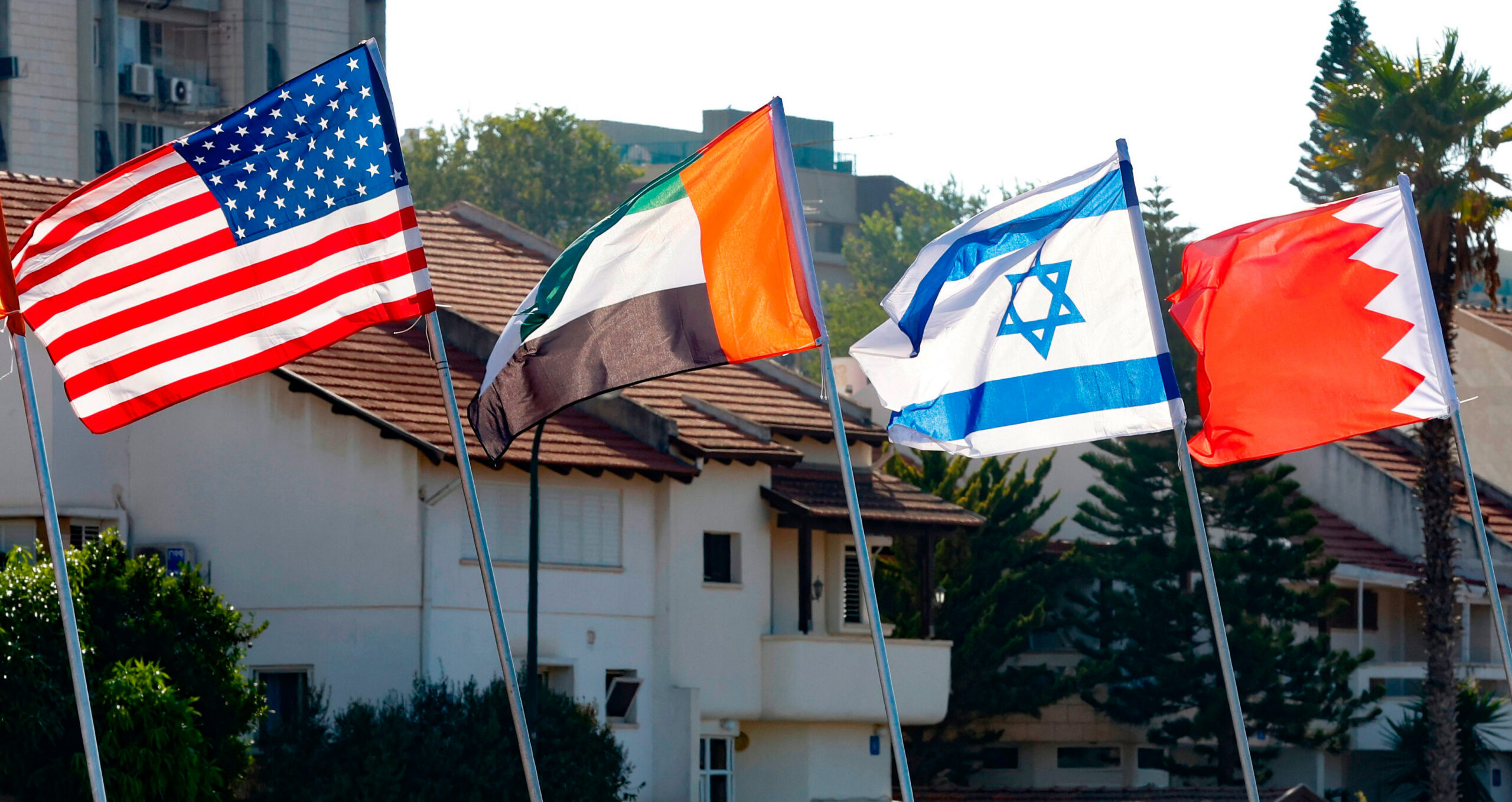
In an era of Middle East détente, how should the US and Israel respond?
Both Washington and Jerusalem welcome any reduction in regional tensions and prospects for a more stable, secure, and prosperous environment. However, there is a risk for U.S. and Israeli policy priorities, such as that regional de-escalation will reduce pressure on Tehran to negotiate on issues of concern, especially its nuclear weapons program.
Both historical and modern-day conflicts in the Middle East have all been centered around classical territorial considerations of the loss or recovery of land. Escaping that cycle required a shift away from one of the main root causes of conflict: geography. The current changes in the region, characterized by a significant drive toward de-escalation and a growing willingness to periodically part ways with traditional allies, may be telling symptoms of a profound tectonic shift toward “quantum politics.”
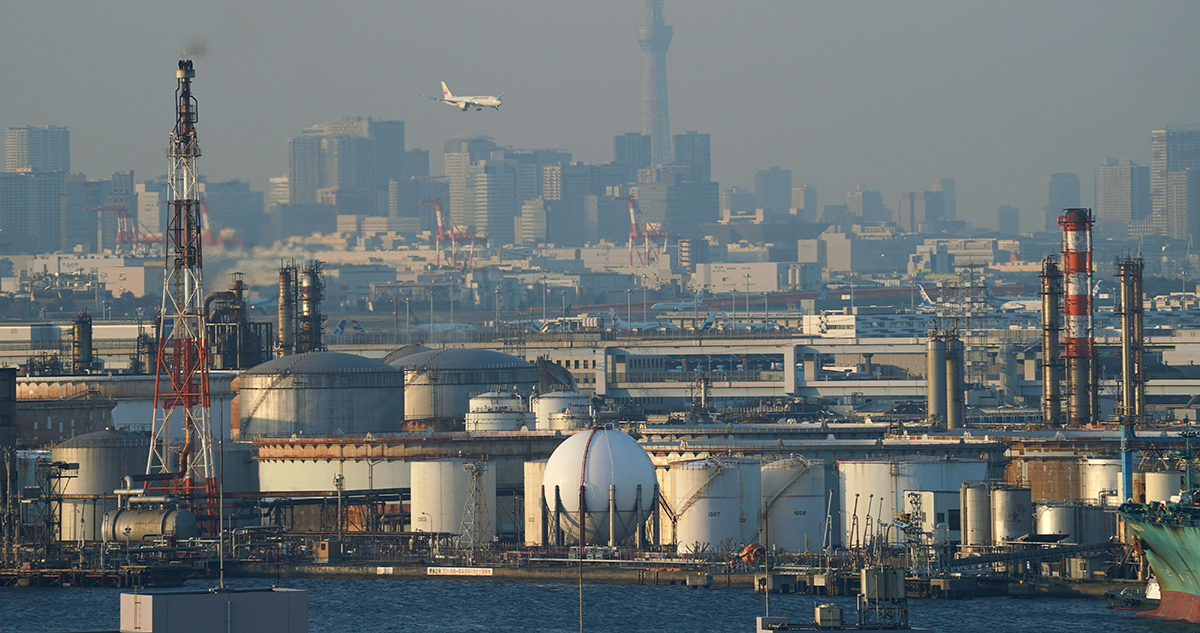
When Saudi Arabia suddenly announced in early April that it would reduce its oil production by 500,000 bpd, followed shortly thereafter by several other OPEC+ members, bringing the total cut to 1.1 million bpd, Japan was greatly concerned. In spite of Japan’s serious efforts to work toward a carbon-neutral society, the country is still heavily dependent on oil, the overwhelming majority of which comes from the Persian Gulf.
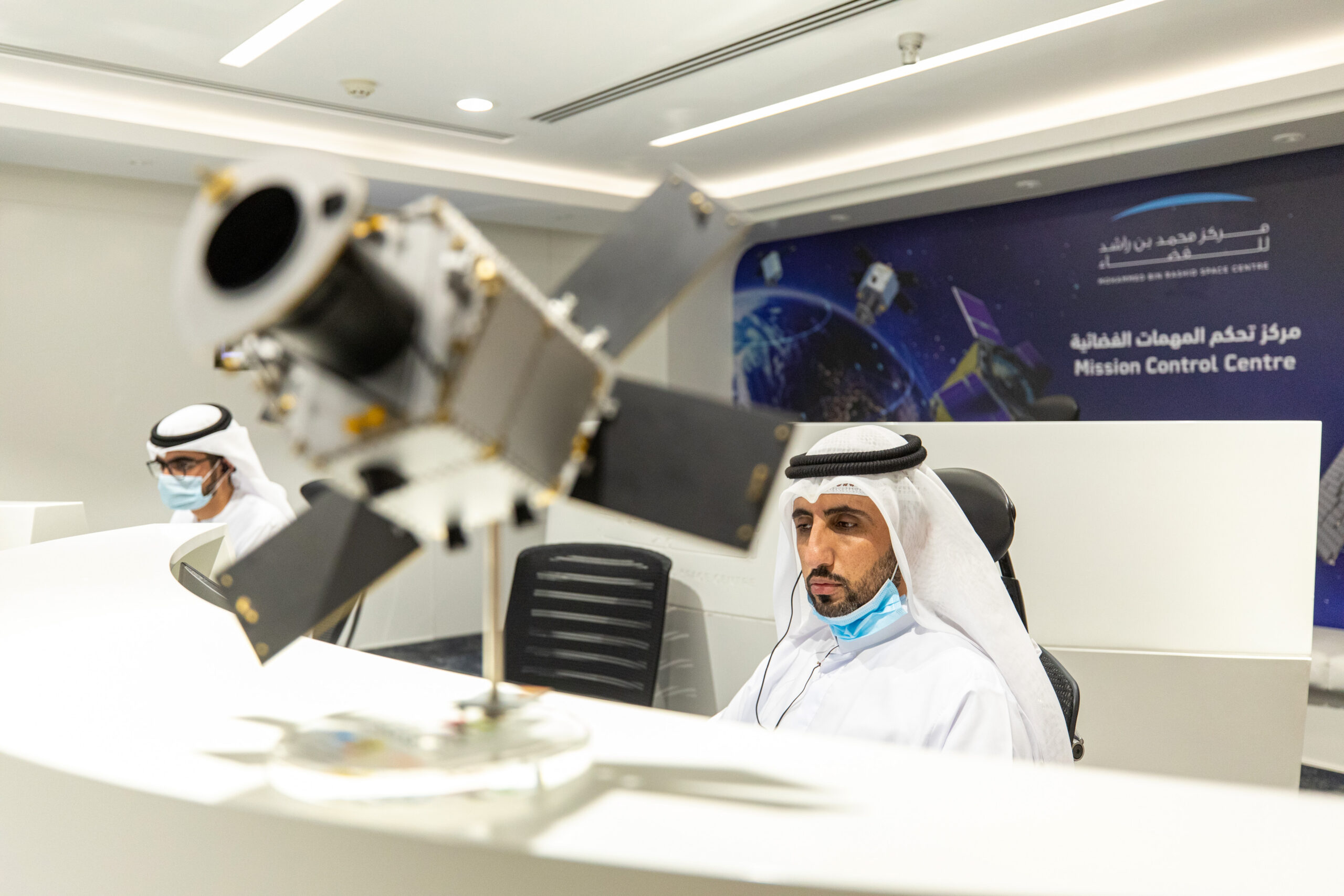
In the Middle East, the Gulf states — working together and on their own — are looking to achieve new scientific and commercial breakthroughs in various areas of the space industry. These ambitions carry major geopolitical implications with them, as an ever-growing number of spacefaring countries negotiate a sensitive and increasingly high-powered sector.
Small-scale LNG as a solution for Saudi Arabia’s environmental and fuel supply problems
The development of small-scale LNG and the domestic deployment of LNG as a transport and power-generation fuel could help to lower Saudi Arabia’s carbon footprint as well as improve air quality by reducing vehicle exhaust.
Saudi Arabia has made it clear that it wants a defense pact with the United States in return for normalizing ties with Israel. However, that isn’t a price Washington is able or willing to accept, for both political and strategic reasons. But the conversation about improved U.S.-Saudi defense cooperation shouldn’t stop here. There’s plenty of room for achieving that objective without having to upgrade the relationship to a full-fledged alliance.
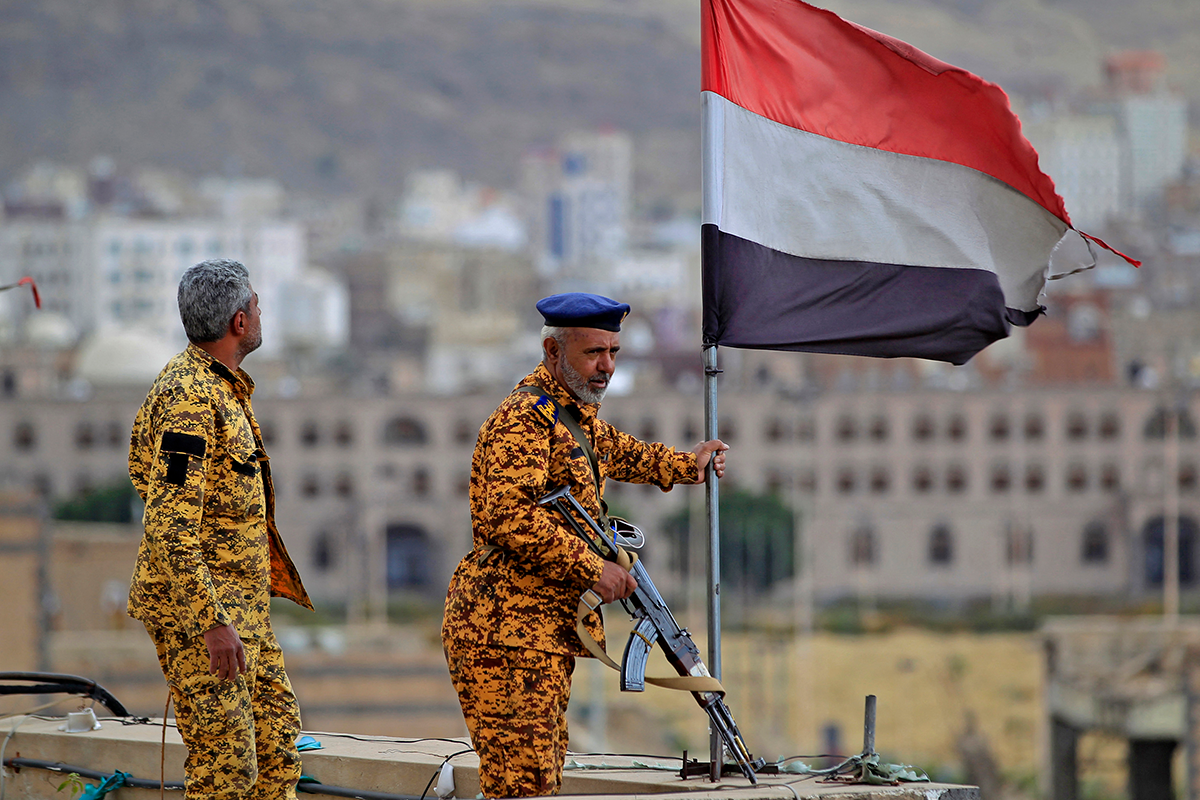
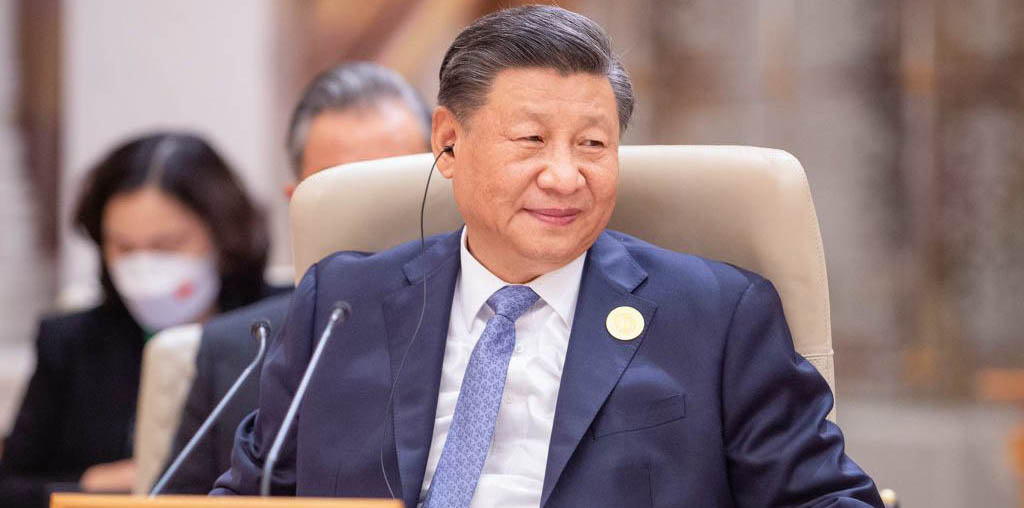
China and the Saudi-Iran rapprochement: Implications for Yemen
The conclusion of the China-brokered Saudi-Iranian détente on March 10, which aims to thaw long-standing enmity and manage competition between the two regional arch rivals, has multi-layered implications for Yemen.