Century-old grievances continue to fester in Yemen’s Tihama region
Grievances have been piling up unaddressed in Tihama, Yemen’s Red Sea coastal plain, for almost a hundred years. Since the revolt of al-Zaraniq against Imam Yahya Hameed al-Din of the Mutawakkilite Kingdom (then North Yemen) in 1925-26, consecutive Imams and the republican elite have pursued policies that have systematically marginalized the Tihamis. They have been deprived of a fair share of their region’s wealth, as well as opportunities for equitable power-sharing and economic empowerment.
Elisabeth Kendall and Nadwa al-Dawsari join Charles Lister to discuss Al-Qaeda in the Arabian Peninsula (AQAP) and its place in Yemen’s persistent internal conflict.
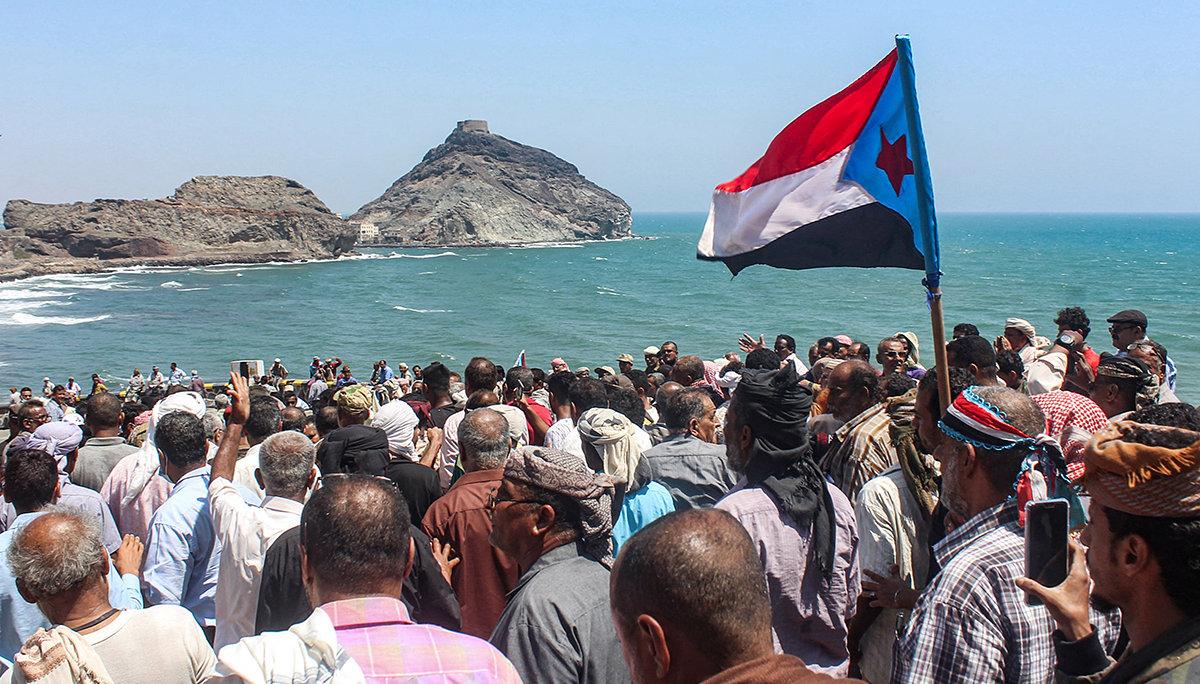
Southern inclusivity is key to Yemen’s chances for lasting peace
A reinvigorated international approach to Yemen is possible. The current architecture for advancing a negotiated peace is being challenged by both international and local developments. The protracted nature of the conflict, the risk that it could worsen, and local political developments over the past two years necessitate a recalibration of the peace process, informed by realities on the ground, the urgent needs of the population, and the demand for security. Evolving coalition priorities, renewed U.S. engagement, and the appointment of a new U.N. special envoy may be an opportunity to advance conflict resolution. Achieving greater unity among southern actors will be key to the success of national-level talks and is urgently needed to prevent a further descent into violence, extremism, and humanitarian catastrophe.
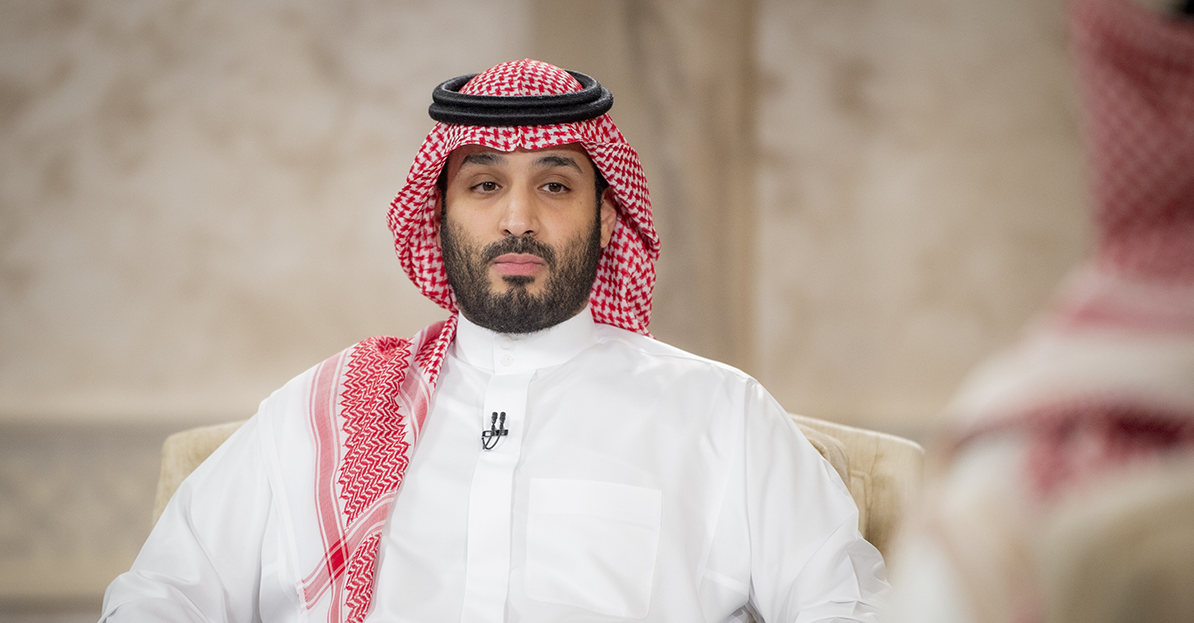
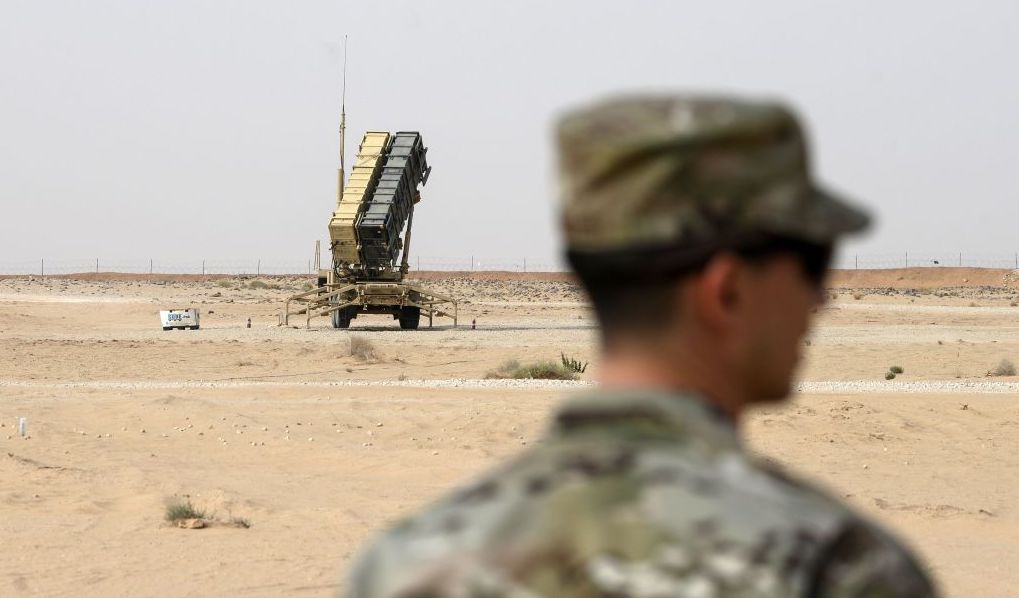
At the dawn of the Biden era of American foreign policy, a more mature, realistic Saudi foreign policy is emerging to match the shifting signals from Washington. In some measure, the Saudis are readopting elements that traditionally characterized their policy preferences before the meteoric rise of Crown Prince Mohammed bin Salman (MbS), the kingdom’s de facto ruler.
Hezbollah’s Regional Activities in Support of Iran’s Proxy Networks
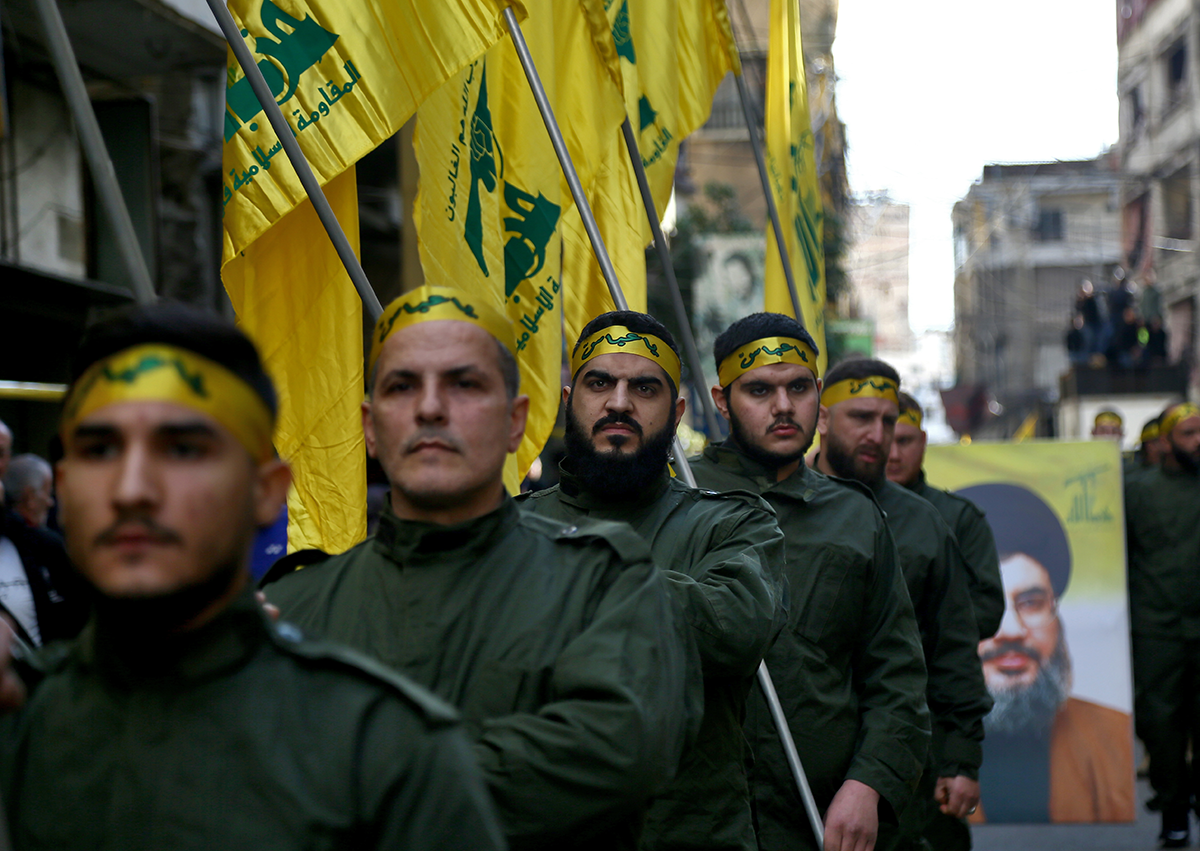
As a Lebanese actor ideologically tied to Iran, Hezbollah has multiple allegiances and objectives that do not always align symmetrically. Hezbollah’s regional activities are a reflection of the group’s increasingly close alignment with Iran, rather than the interests of the Lebanese state or citizenry. Today, Hezbollah’s regional adventurism is most pronounced in its expeditionary forces deployed in Syria and elsewhere in the region, but no less important are the group’s advanced training regimen for other Shi’a militias aligned with Iran, its expansive illicit financing activities across the region, and its procurement, intelligence, cyber, and disinformation activities. Together, these underscore the scale and scope of the group’s all-in approach to transforming from one of several Lebanese militias into a regional player acting at Iran’s behest.
On the campaign trail and in his first weeks in office, President Joe Biden promised to end the conflict in Yemen. Reflecting a bipartisan Washington consensus, his approach hinged on supporting the U.N.-led negotiating process and pressuring Saudi Arabia to end its active military engagement inside of Yemen.
President Joe Biden’s commitment to “stepping up” diplomacy to end the war in Yemen generated hope among peace practitioners and policy shapers. In February, the president appointed Tim Lenderking, a seasoned diplomat with solid experience in the region, as the U.S. special envoy to Yemen.
بوادر واعدة للانخراط في اليمن، ولكن هناك المزيد الذي يتعين القيام به
أكثر من أي دولة أخرى في المنطقة، تلقى اليمن اهتمامًا خاصًا من إدارة بايدن. خلال أول 100 يوم من تولي جو بايدن منصبه، أُبلِغَ عن الحاجة إلى إنهاء الدعم العسكري للسعودية (مع ترك الباب مفتوحًا للدفاع عن المملكة) ودفع من أجل تحقيق السلام في اليمن، وكذلك شطب الحوثيين من قوائم الإرهاب، وهو التصنيف الذي فرضته إدارة ترامب. كما عيَّن تيم ليندركينغ مبعوثًا خاصًا لليمن، مما أعطى الزخم لأهمية عملية صنع السلام لهذا البلد.
Peacebuilding in the Time of War: Tribal Cease-fire and De-escalation Mechanisms in Yemen
As the current U.N.-led political negotiations between the Yemeni government and the Houthis seem to have hit a dead end, there has been growing interest in exploring the role tribal leaders and local tribes can play in ending Yemen’s conflict. The role of Yemeni tribes, however, remains largely misunderstood, and the authority of tribal leaders and the influence of tribes on national political decision making are often overestimated. This report looks into the possibilities and limitations of tribal mediation on de-escalation and cease-fire. It argues that while the tribes developed relatively effective mechanisms to limit the spread of violence into their areas, there are major limitations to their ability to mediate the national-level and political conflict.
For Yemen’s Houthis, the status quo is the key to power
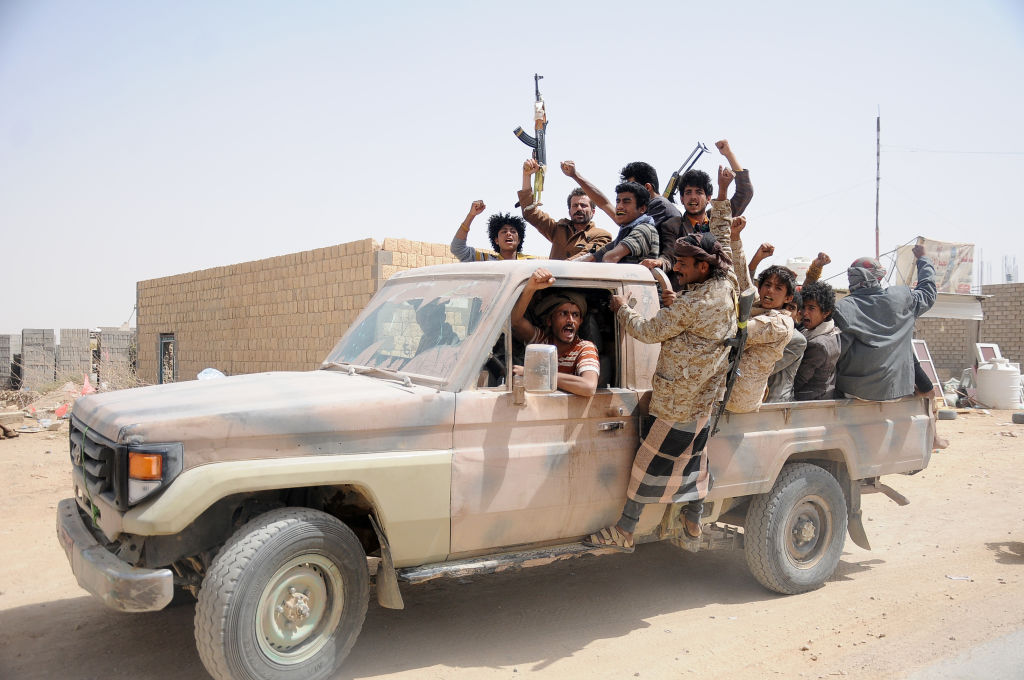
On Monday, March 22, Saudi Arabia’s foreign minister, Prince Faisal bin Farhan al-Saud, proposed an initiative to end the war in Yemen in an offer that addressed various long-standing issues that the Houthis wanted to resolve, including lifting land and sea restrictions, and allowing fuel and food imports to the Houthi-held port of Hodeidah. The initiative proposed engaging the parties to the conflict to find a comprehensive peace agreement. The problem, however, is that the Houthis have no incentive to accept any peace proposal for the time being because a resolution to Yemen’s war, at least for now, is at odds with their political and military strategy.
Yemen’s prisoners of war and detainees: Lessons learned from local mediation
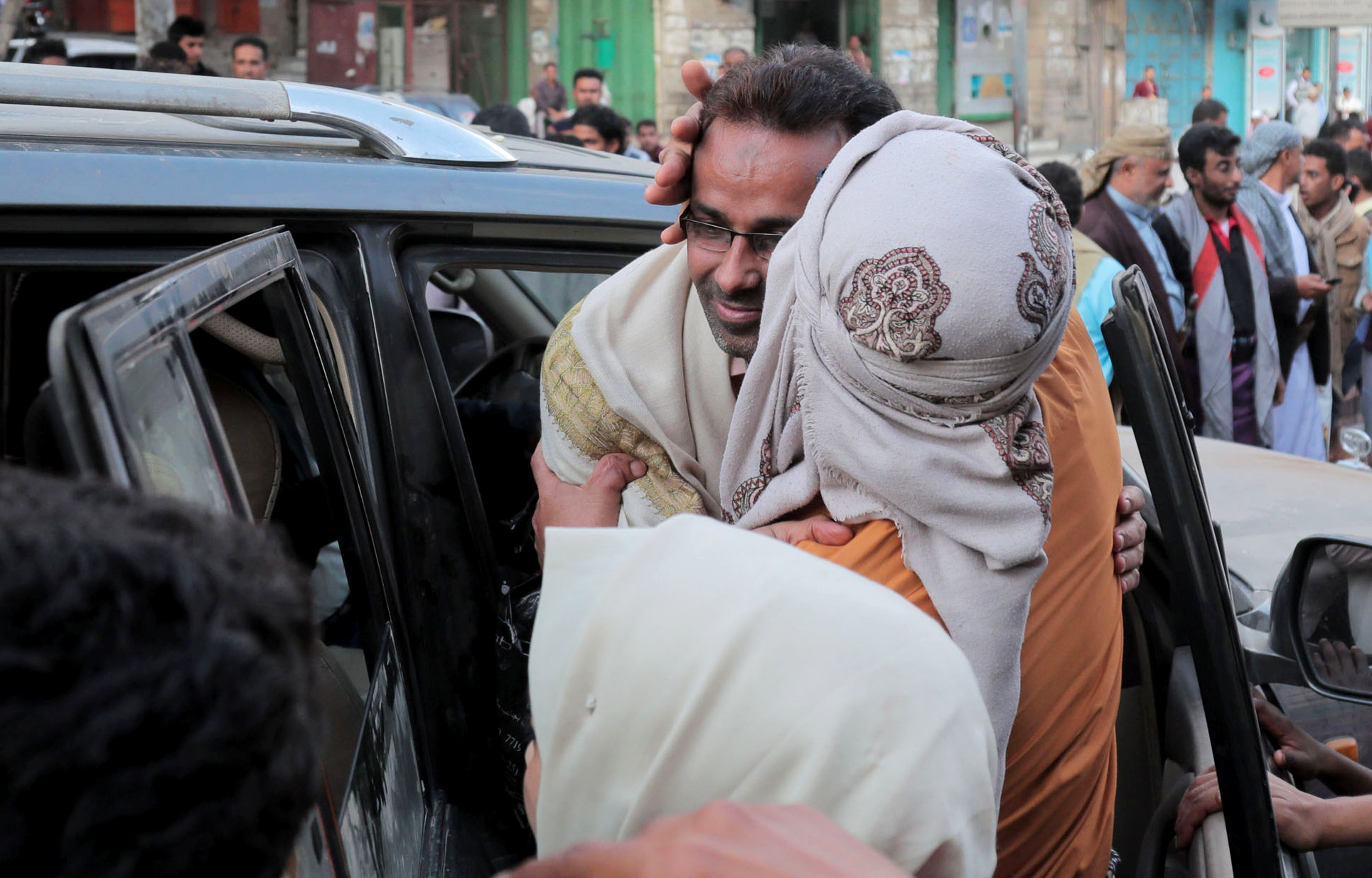
Prisoners of war and political and civilian detainees are two of the most important humanitarian issues in Yemen. Local mediation has had impressive results, and local mediators, including women, have become key players in resolving this issue. Experience has shown that to bring an end to the war in Yemen, international mediators need to stop ignoring and excluding local efforts and peace builders. Achieving sustainable peace will not happen without the equal involvement of women leaders and the inclusion of those who had no hand in the war.
How is Iran responding to Biden’s policy shift on Yemen?
On Feb. 4, President Joe Biden announced the end of U.S. support for the Saudi Arabia-led coalition’s offensive military operations in Yemen. This decision fuelled optimism about a U.S. return to negotiations over the JCPOA with Iran. Instead of engaging with the United States, Iran has supported the Houthi-orchestrated Marib offensive and stepped up its diplomatic efforts in Yemen.
Yemen’s Joint Declaration: A bigger repeat of the stalled Hodeida Agreement?
With debate on Yemen in recent weeks focused on the decision by the U.S. State Department to revoke the Houthis’ designation as an FTO, the Joint Declaration (JD) proposal by U.N. Special Envoy for Yemen Martin Griffiths has received relatively little attention. Since the global outbreak of COVID-19 a year ago, the U.N. special envoy has sought to use the urgency engendered by the pandemic to broker a nationwide cease-fire alongside a set of confidence-building measures — branded as the JD — between the Houthi rebels and the Republic of Yemen Government. But the content of the proposal is not new, nor is it a recipe for effective de-escalation and sustainable conflict resolution.