Shifting sentiments in the Sahel: Anti-France or pro-Russia?
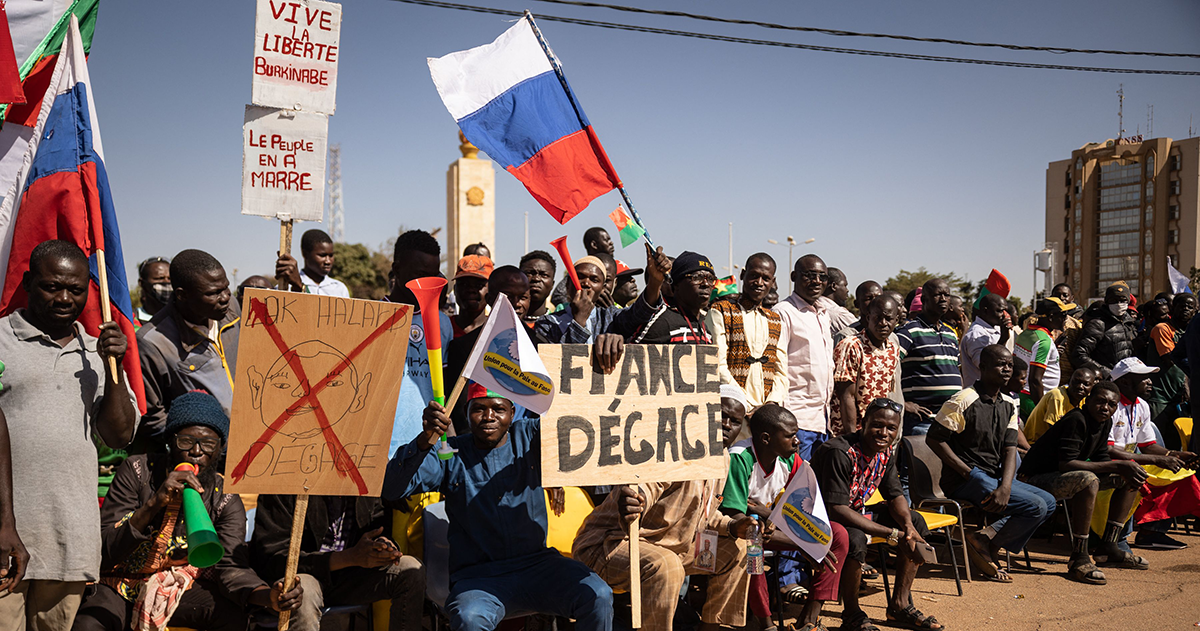
In recent months, fervent anti-French sentiment has been on the rise in Burkina Faso and Mali. In February 2023, the Burkinabe army announced the end of the French Sabre Force in the West African country. This came three weeks after the transitional government withdrew from the 2018 defense agreements with France that had previously allowed 400 French troops to be stationed in a cantonment outside of the capital, Ouagadougou.
Navigating complex maritime security challenges in the Black and Mediterranean seas: Insights from the updated EUMSS
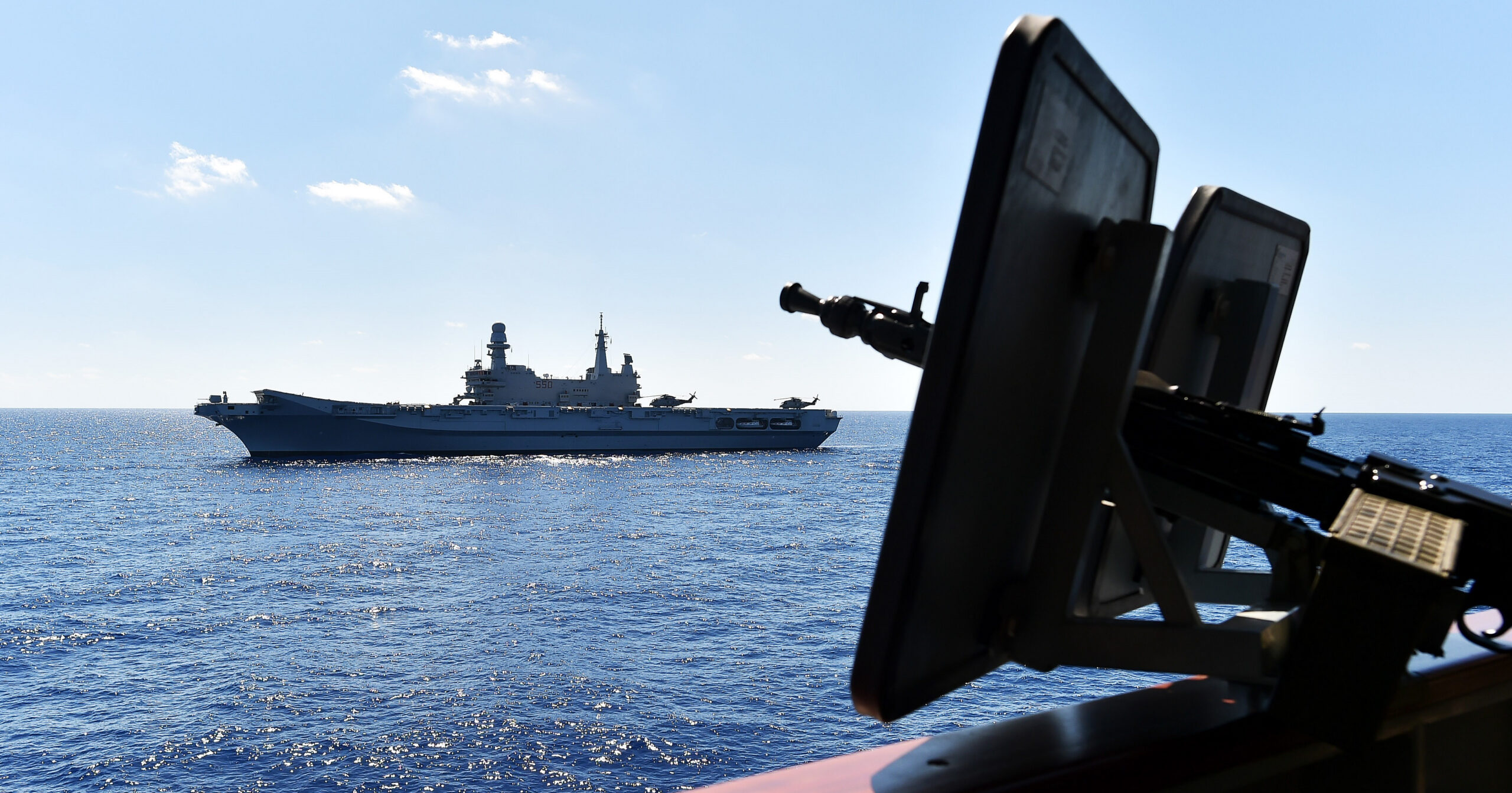
Russia’s February 2022 full-scale invasion of Ukraine helped influence the updated European Maritime Security Strategy’s approach to the Black and Mediterranean seas, with implicit and explicit references to the war dispersed throughout the document. The updated EUMSS showcases the wide array of security issues present in the region, including seaborne UXOs, human and drug trafficking, and threats to critical infrastructure. But security in the Black and Mediterranean seas will require greater cooperation with non-EU countries.
As fighting in Sudan rages, Russia’s primary goal is to ensure authoritarian rule
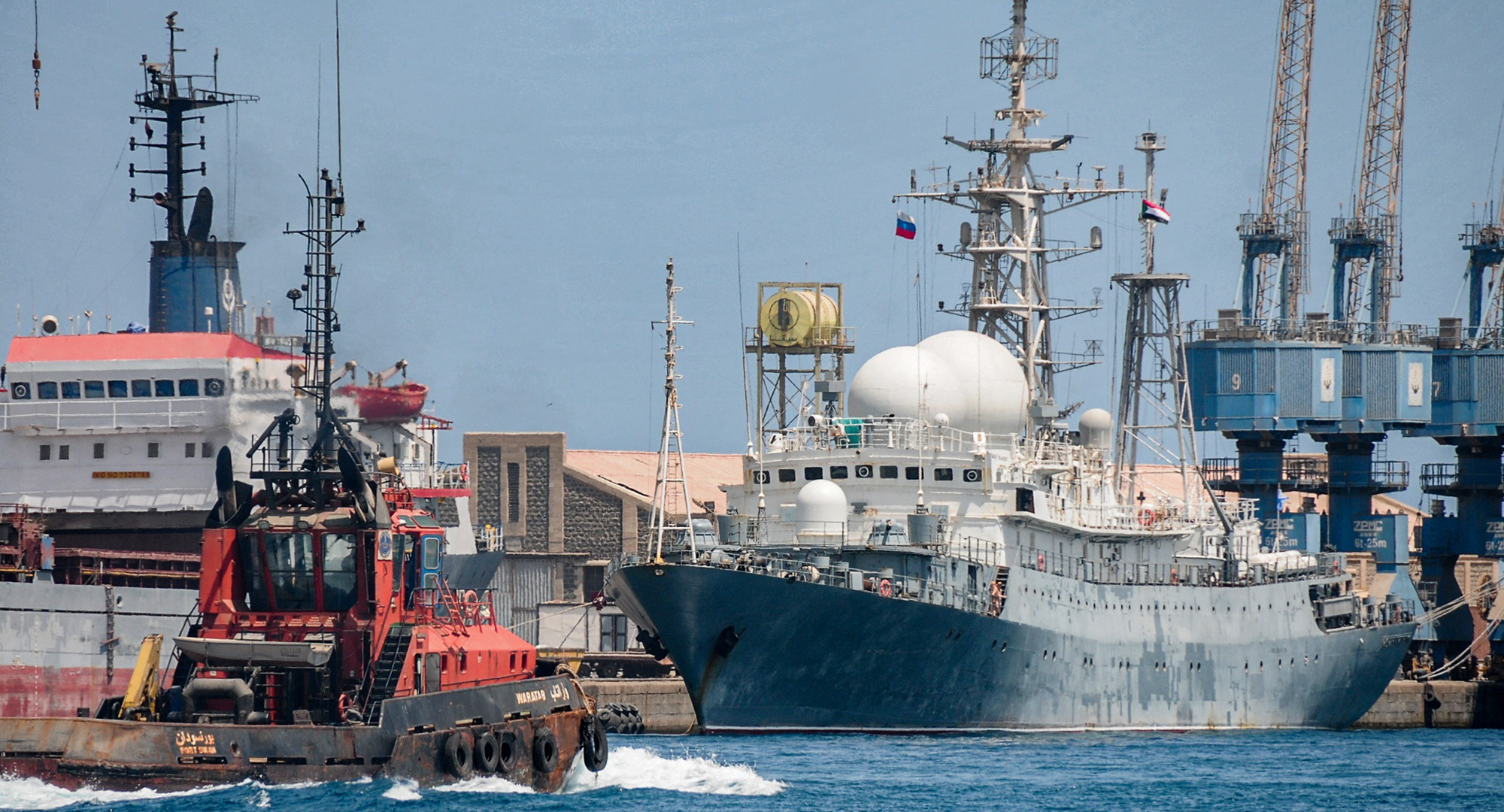
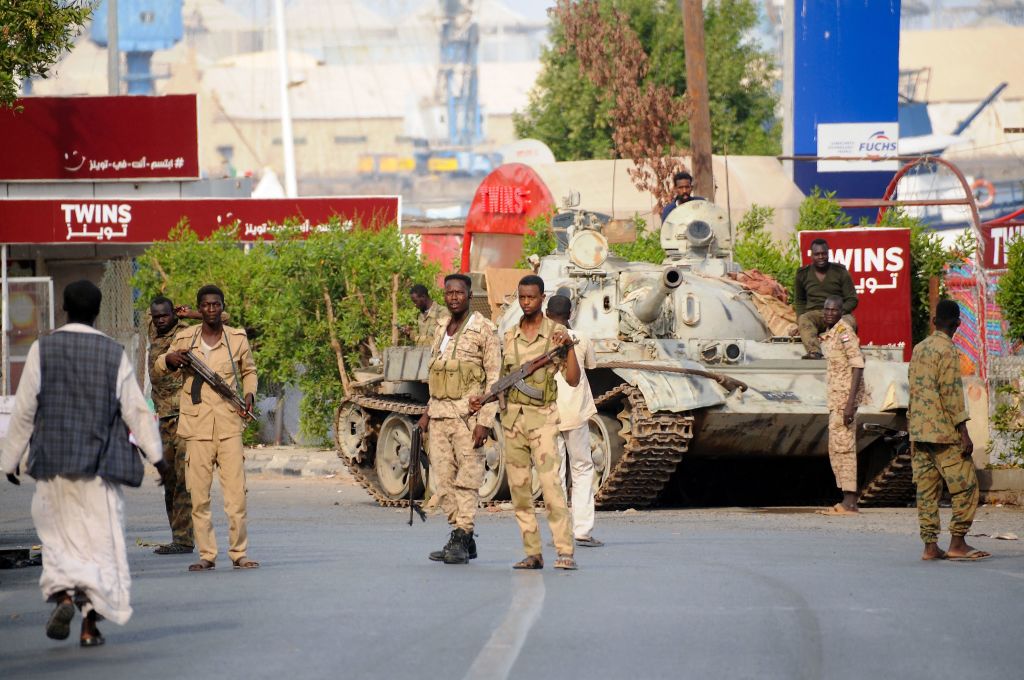
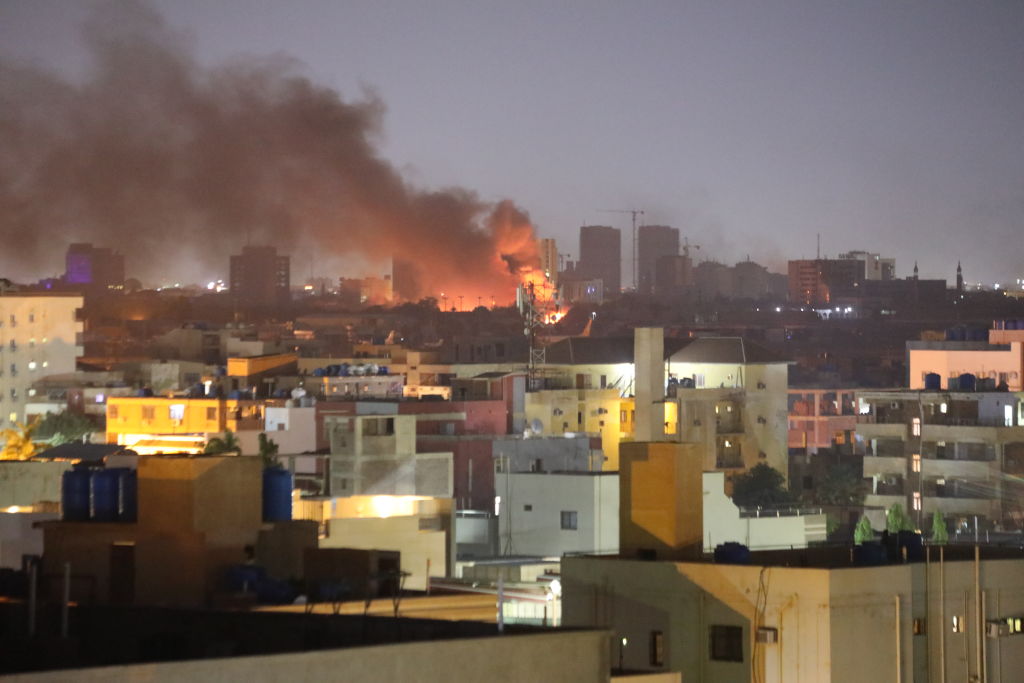
Although Russia has vested interests in the Burhan-Hemedti conflict, it is unlikely to actively pursue a blanket destabilization strategy in Sudan. Instead, it is likely to balance close ties with both warring parties and continue actively opposing a democratic transition in Sudan.
Tunisia's New State Institutions, Legitimacy, and the Future of the Political Transition
Tunisian President Kais Saied has reformed the structure of the Tunisian government, creating worries that democracy is being eroded in the North African country. Amidst ongoing economic turmoil and a growing migration issue, many are wondering if it is still possible to preserve democracy in Tunisia. Intissar Fakir, Director of MEI’s North Africa & Sahel program, is joined by Chiraz Arbi and Lilia Blaise to discuss the current political situation and what the future may look like for Tunisia.
President Kais Saied’s statement during a speech on April 6 claiming to reject the conditions, or “diktats” as he called them, that come with a potential loan from the IMF has provoked debate. Reactions to the speech as well as actions taken by Tunisian officials before and after it seem to contradict its intention, causing confusion over whether the deal is still on. Meanwhile, others took the speech as a sign that Tunisia is seriously considering the possibility of alternatives to IMF financing or even a geopolitical reorientation.
Getting ahead of the Middle East’s climate refugee conundrum
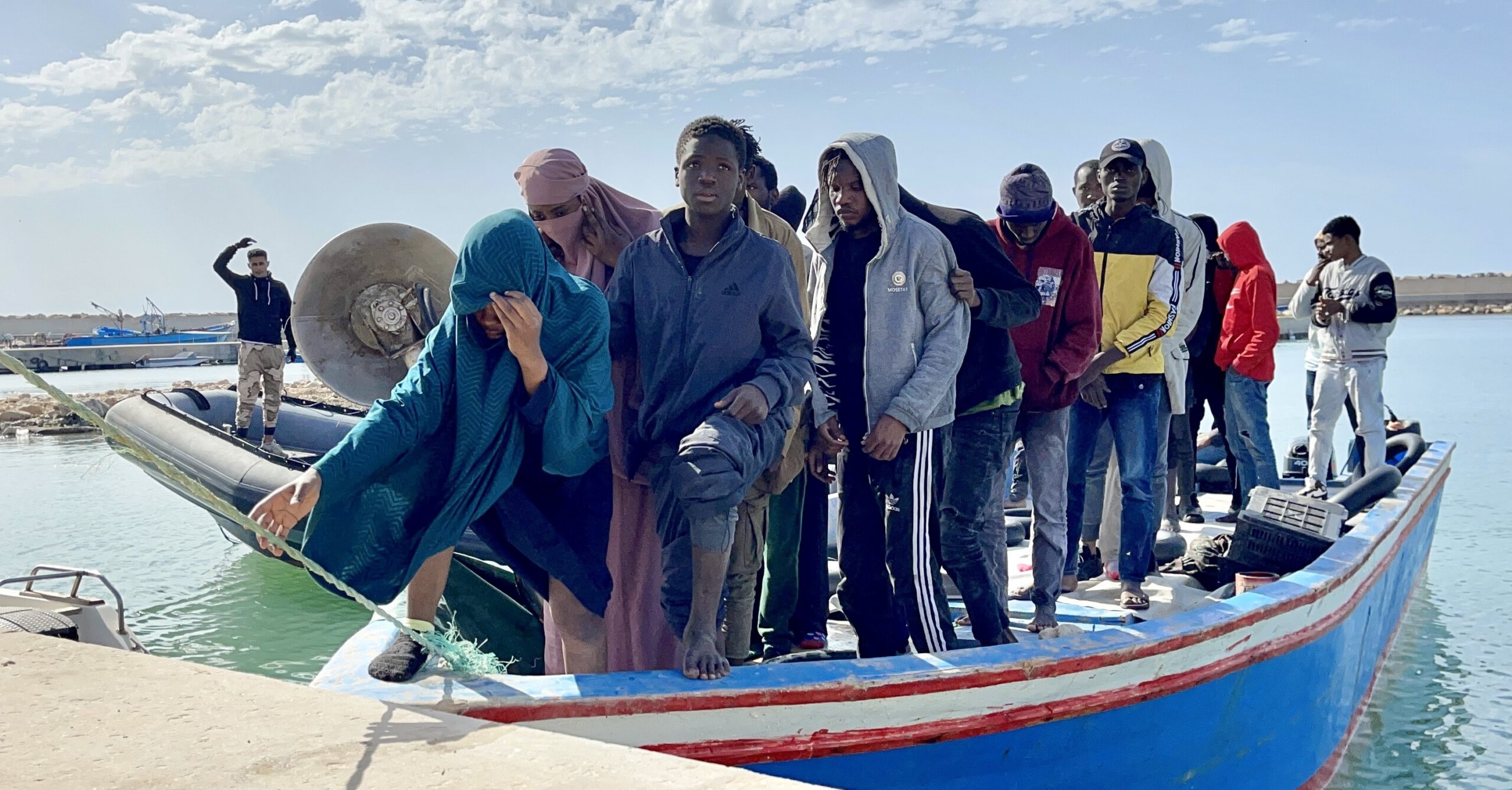
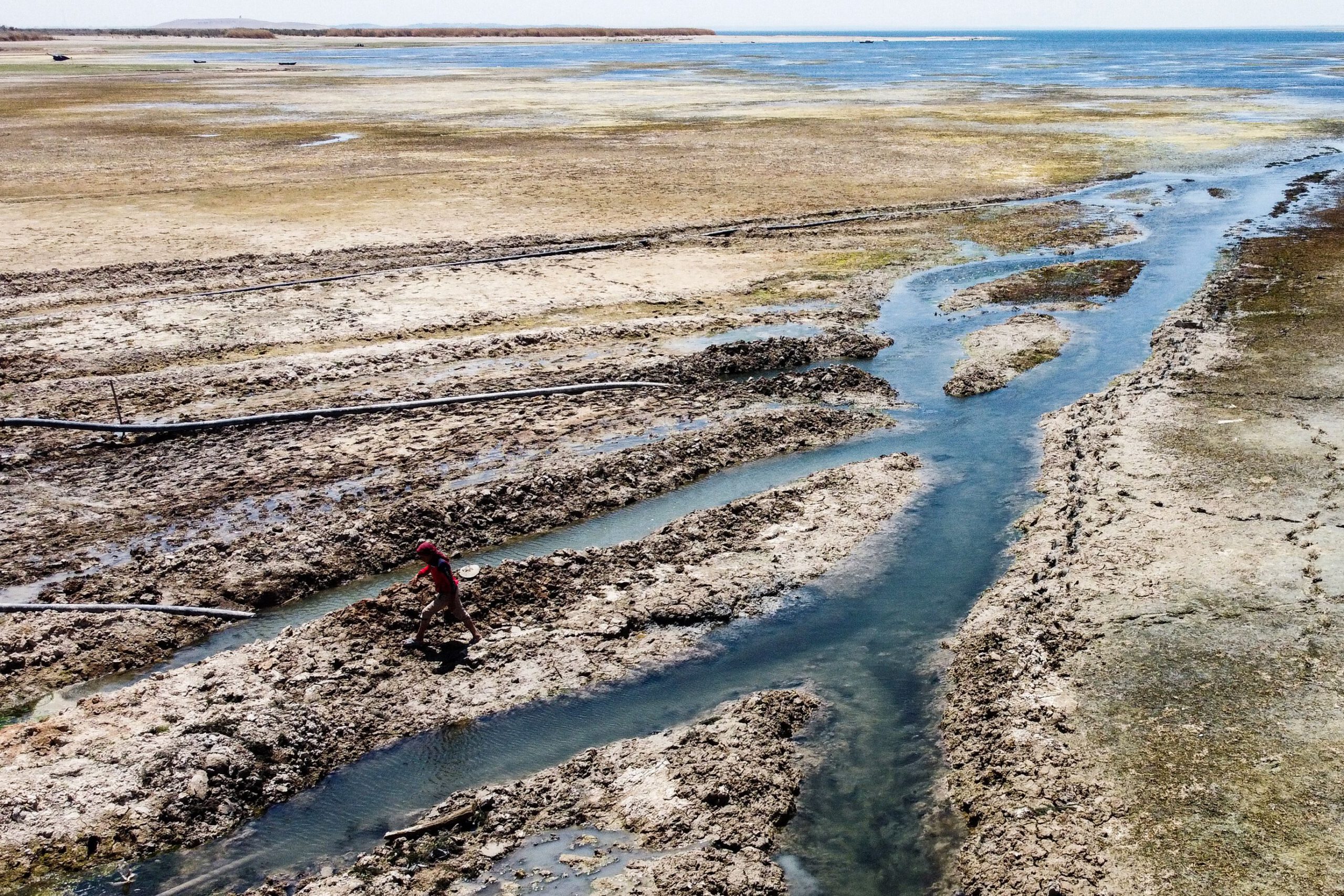
Over the coming decades, the worsening effects of climate change will increasingly displace many millions of vulnerable people in the Middle East and North Africa, and many of these refugees will attempt to relocate to the Global North. To avert such a monumental looming problem requires pragmatic solutions and their swift implementation.
The road to Marrakech: US-China tensions loom over IMF/WB spring meetings
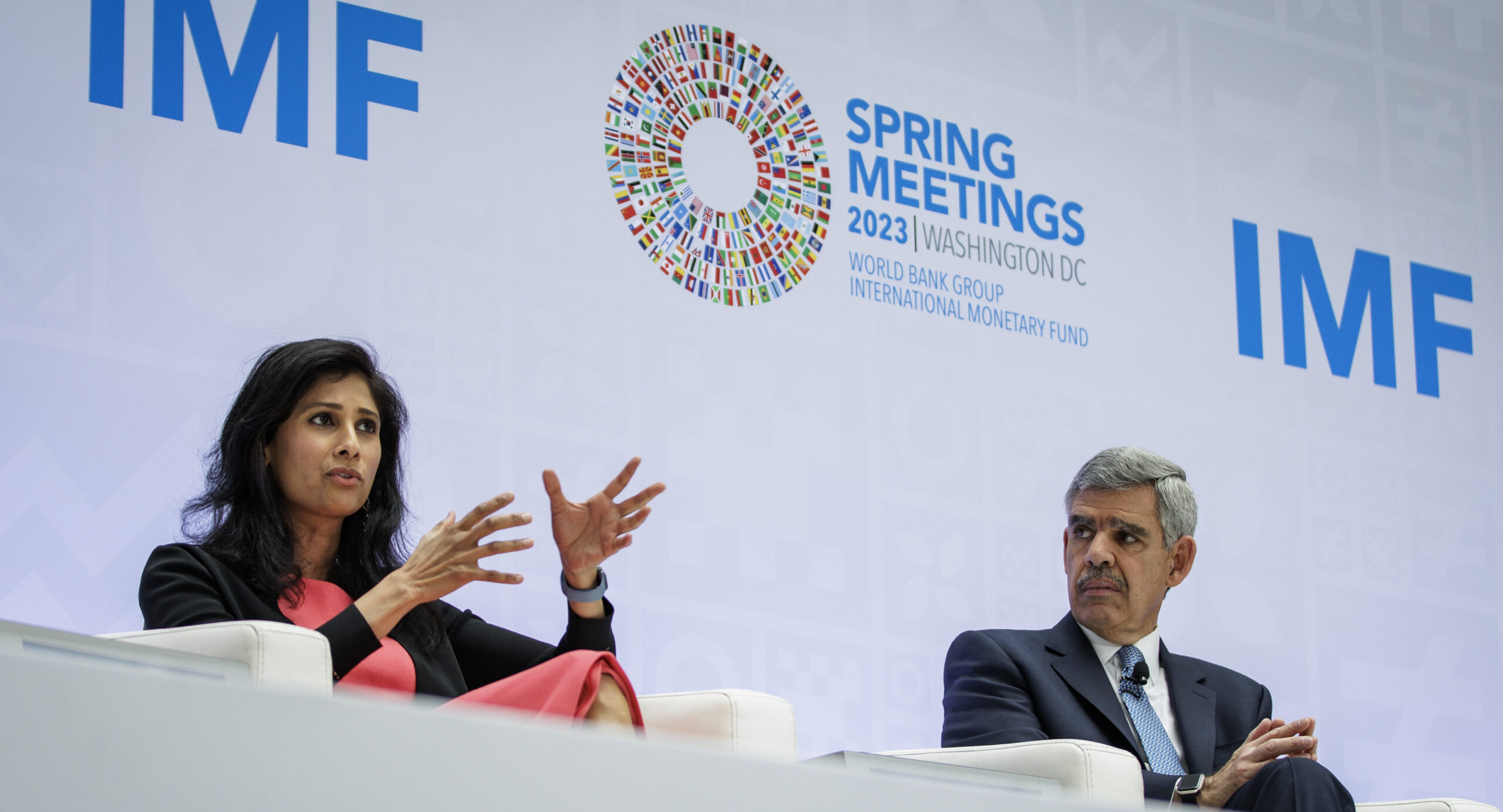
Last week’s spring meetings of the IMF and World Bank in Washington, D.C., were an important occasion for financial and economic leaders from the MENA region to meet with their counterparts from these IFIs and major bilateral donor countries. At the same time, they serve as a lead up to the important Annual Meetings that will be held in Marrakech, Morocco, in the fall — the first time they will be hosted by an Arab or African country.
Women’s Reproductive Rights and Abortion in Morocco: Regulatory Reforms Should Not Miss the Bigger Picture
The recent death of a 14-year-old girl following a botched “back alley” abortion at the house of her abuser is the latest reminder of the need to better protect women’s reproductive rights in Morocco and should push Moroccan authorities to address the multi-faceted social, legal, and economic drivers behind unwanted pregnancies.
Expert Views: Opportunities to enhance water security in MENA
Water resources are a key component of global sustainability, especially in light of the mounting environmental challenges posed by climate change. We asked some of MEI’s Climate and Water Program scholars to share their perspective on strategies and opportunities that could most readily alleviate the region’s water security concerns.
In Disorder, They Thrive: How Rural Distress Fuels Militancy and Banditry in the Central Sahel
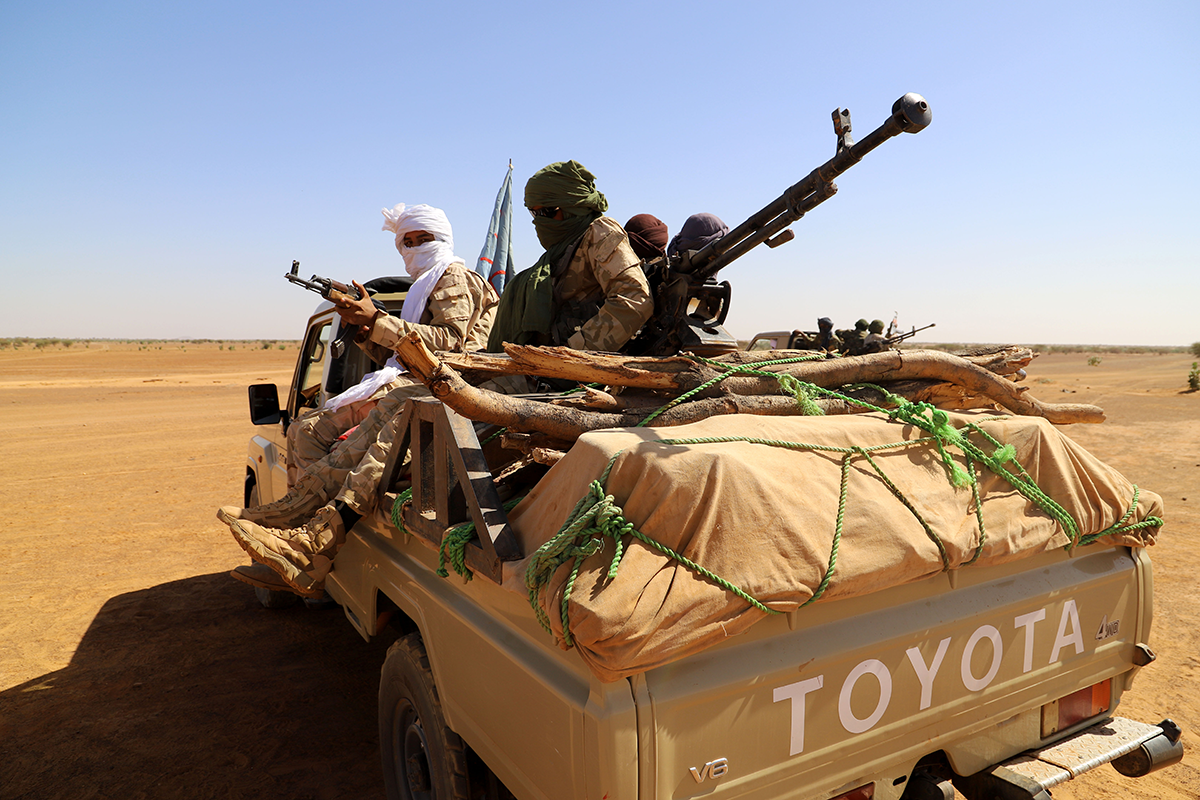
The central Sahel — Burkina Faso, Mali, and Niger — is buffeted by three main forms of armed conflict that overlap and fuel each other: communal conflict, banditry, and violent extremism. These conflicts are partly rooted in a crisis of governance in rural areas, and are exacerbated by climate change, demographics, and internal and cross-border migration.
The Libyan Banking Sector: A Microcosm of Global Enduring Disorder
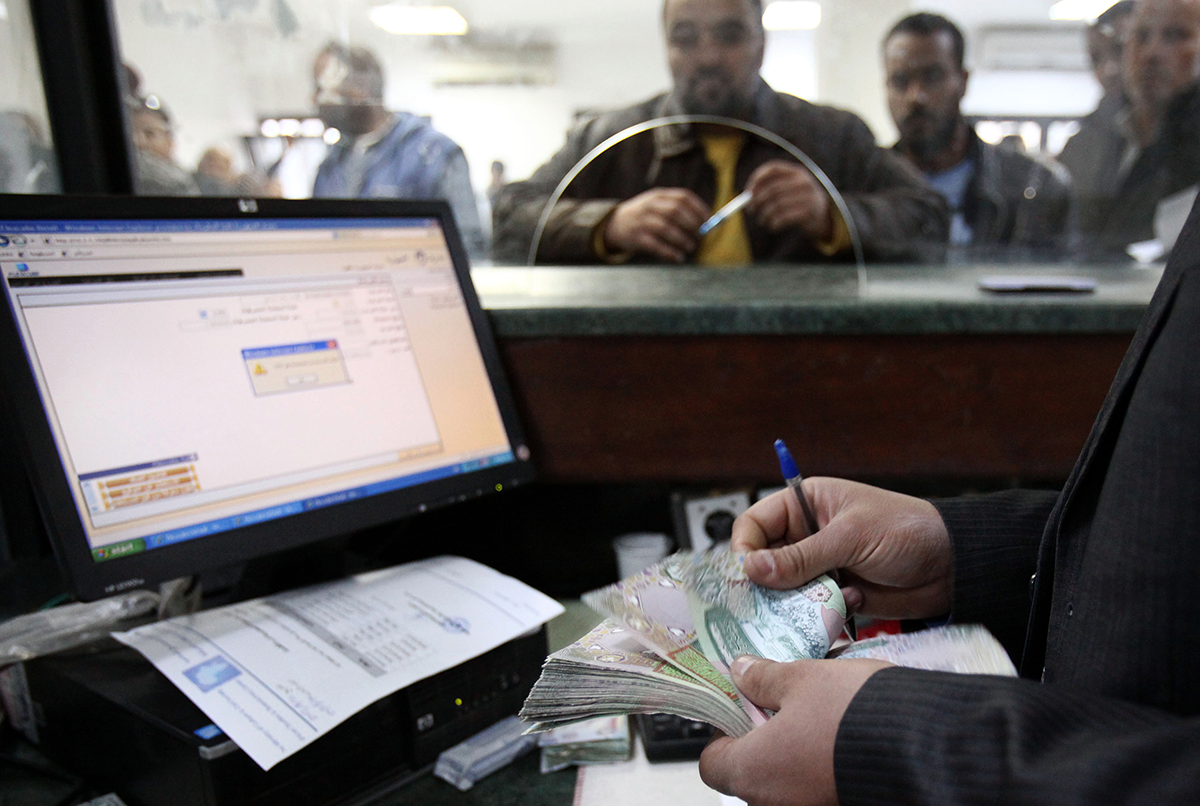
This paper investigates the ongoing Libya conflict through the Enduring Disorder paradigm, focusing on the financial and banking sectors, honing in on stakeholder perceptions of the Central Bank of Libya (CBL), its transparency/opacity, and the “narrative wars” over who is to blame for, and who benefits from, Libya’s economic dysfunction, the lack of an annual budget, and the current lack of a quorum on the CBL board.