1,000 Days of Russia's Full-Scale War Against Ukraine
Wednesday, November 20, marks a somber anniversary for Ukraine: 1,000 days since Russia’s full-scale invasion of the country. Though the Ukrainians continue to hold out with Western assistance against Russian attacks, the past two-and-a-half years have been devastating for the country and its people. Ukraine now faces another winter at war as momentum appears to be shifting in Russia’s favor. What can the US and its allies do to ensure hostilities end as favorably as possible to Ukraine and in line with American strategic national interests?
Ukraine’s role in the Black Sea: Navigating a geopolitical crossroads
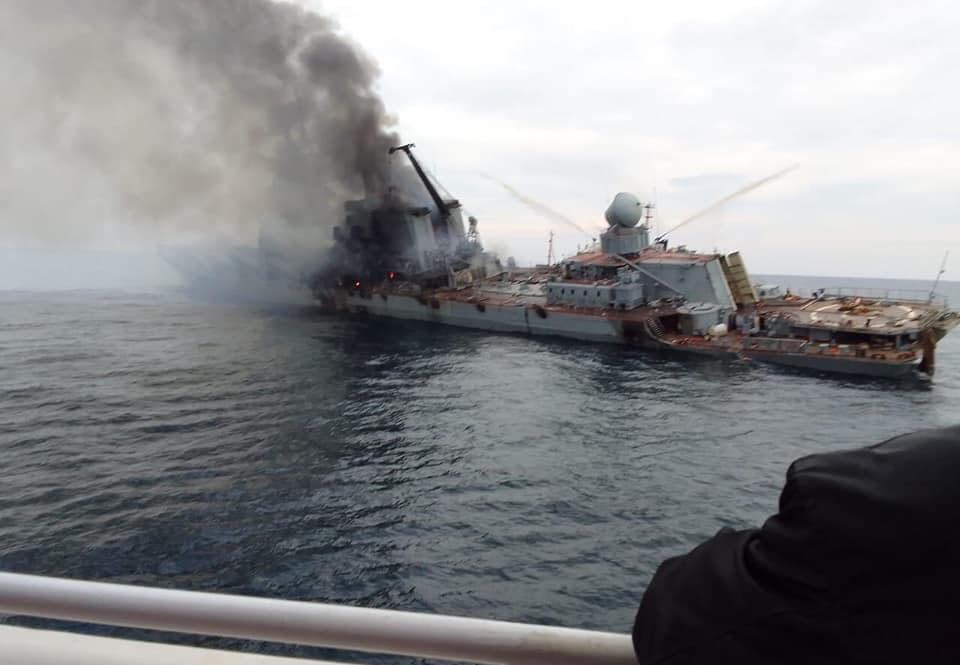
The Black Sea has recently become one of the world’s most important dynamically shifting geostrategic maritime areas, with Ukraine playing a crucial role in upending the naval balance of power there. Ukraine’s efforts to push back against Russia, bolstered by Western military aid, have challenged the status quo and reshaped the region’s security landscape.
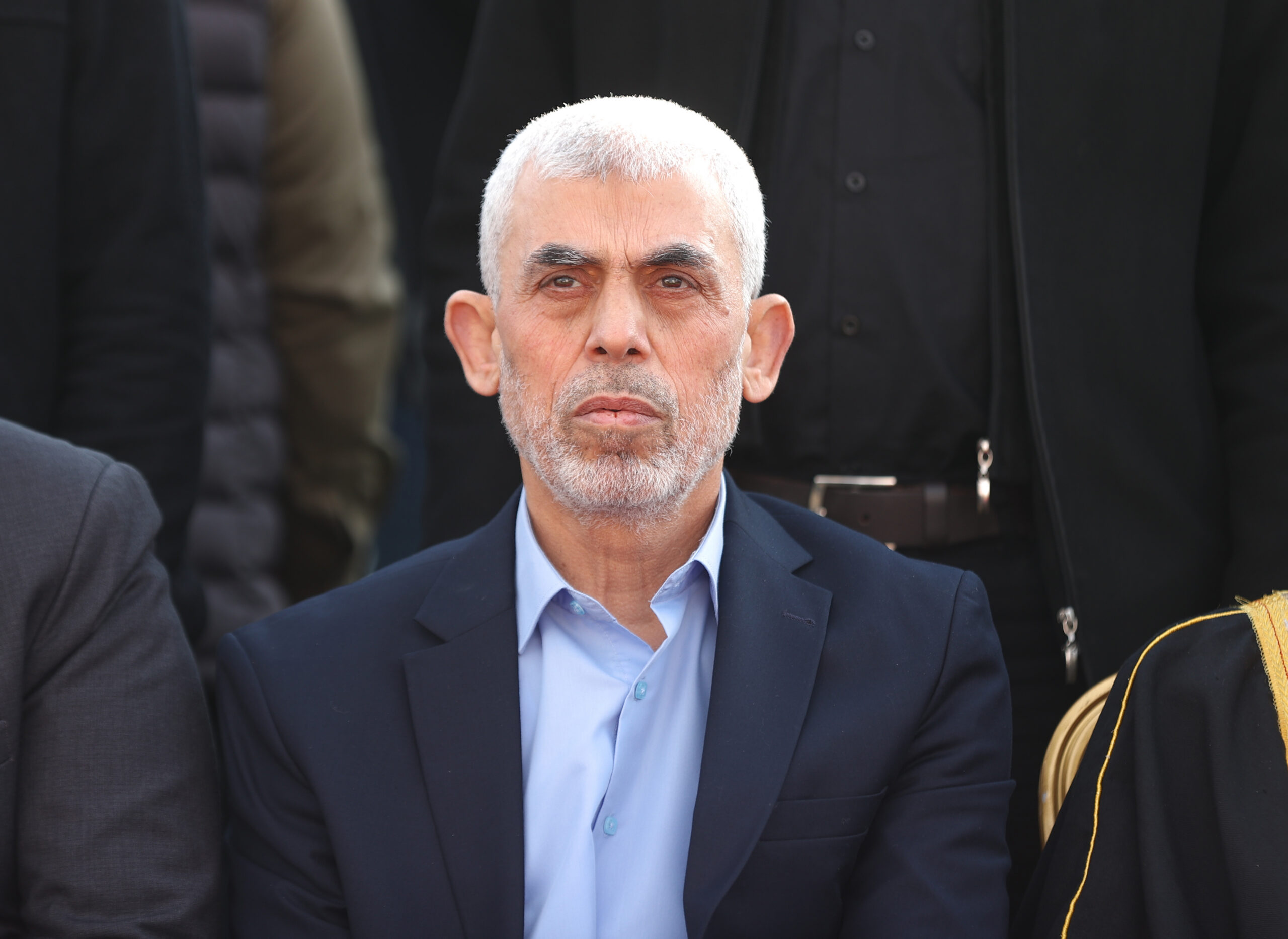
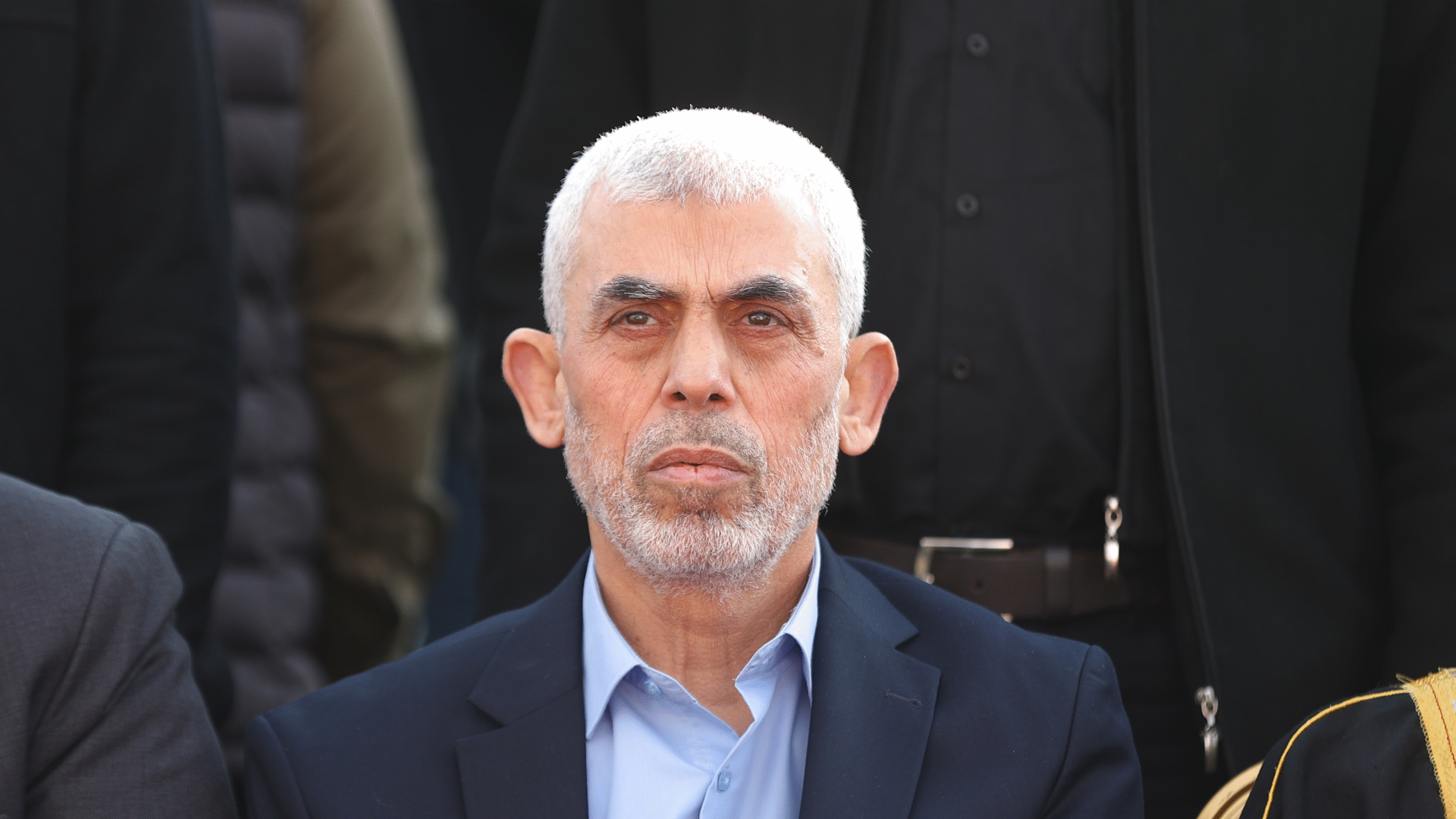
Israel has confirmed the death of Yahya Sinwar, chairman of the Hamas Political Bureau and Hamas leader in the Gaza Strip. Sinwar was one of the chief architects behind Hamas’ attack on Israel on Oct. 7, 2023, and has been a key Israeli target throughout the Gaza war.
A year ago, in the wake of Hamas’s Oct. 7 attack, U.S. President Joe Biden traveled to Tel Aviv and met with Israeli Prime Minister Benjamin Netanyahu to reiterate his administration’s unwavering support for Israel. Biden’s embrace of Netanyahu was rooted in the belief that only positive inducements and constant reassurances—both militarily and diplomatically—could restrain Israel’s actions in Gaza. In reality, though, this “bear hug” diplomacy has resulted in an unmitigated failure.
Understanding Gaza: Lessons for the "day after" and beyond
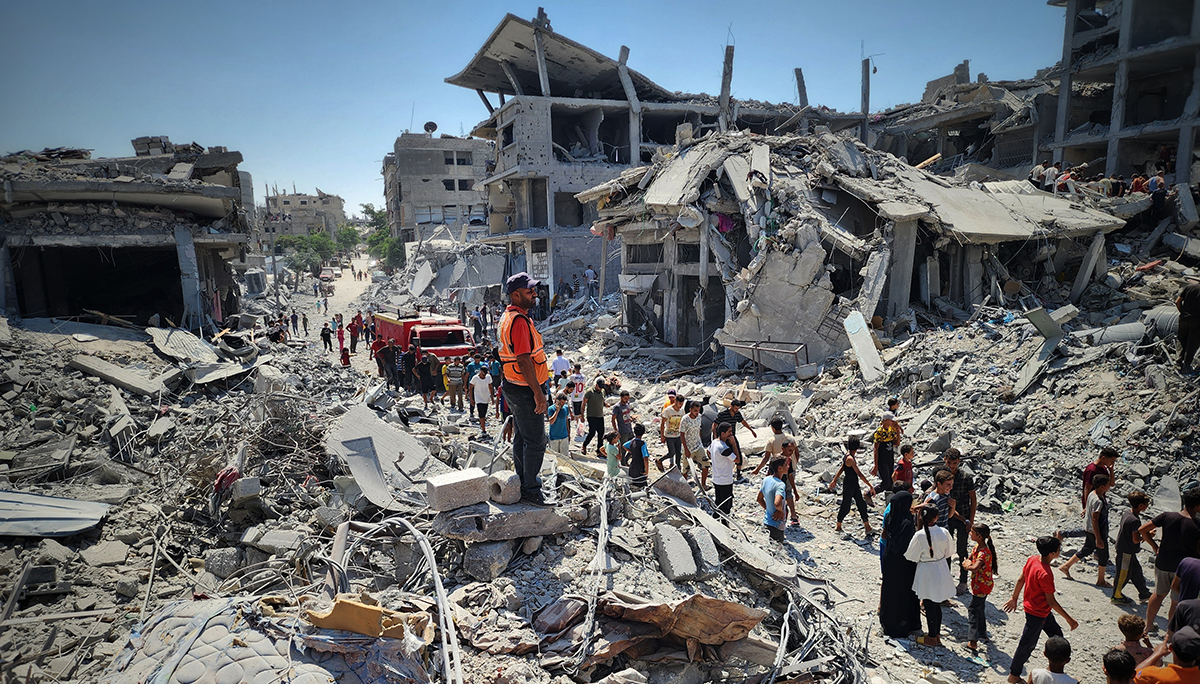
The devastating details of what has happened in Gaza since the war started have been widely covered. Absent from the discussion, however, are questions about what led to the war, what went wrong on the policy front, and, more importantly, whether this man-made tragedy could have been averted. Without understanding Gaza, plans for the “day after” may very well result in the further mismanagement of the already devastated enclave.
De-Russification: Understanding the trajectory and reversibility of Armenia’s Western pivot
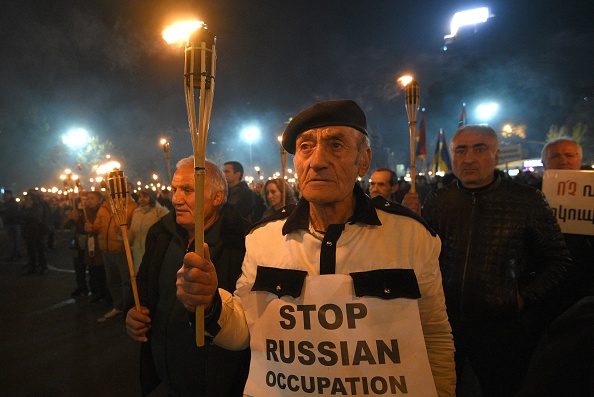
The question of whether Armenia’s recent shift away from reliance on Russia is reversible is central to understanding its democratization trajectory. In recent years, Armenia’s dependency on Russia for security and economic stability has been severely tested, particularly during the 2020 Second Karabakh War and subsequent Azerbaijani incursions on sovereign Armenian territory, where Russia’s lack of support led to widespread disillusionment. This discontent has spurred Armenia to diversify its security, economic, and diplomatic ties, with a notable strengthening of relations with the United States. However, the sustainability of this shift remains uncertain, as it hinges on various societal factors and internal dynamics.
Azerbaijan-Armenia peace talks: The status quo and an emerging diplomatic breakthrough
Azerbaijan’s takeover of Karabakh in September 2023, while a disruptive event, has opened the window for renewed dialogue to peacefully resolve the longstanding tensions between Azerbaijan and Armenia. While the ongoing negotiations are unlikely to lead to a comprehensive peace deal in the near term, they could alter the strategic calculus of key actors in the region. The most likely and consequential outcome of the talks will be a peace framework agreement that could rebalance the regional status quo, potentially leading to a peace deal between Armenia and Azerbaijan.
Azerbaijan’s green shift: Energy transition, COP29 commitments, and US collaboration
Azerbaijan seeks to establish itself as a major actor in the global energy transition space as it prepares to host the 2024 UN Climate Change Conference (COP29) in Baku, on November 11-22. COP29 offers many opportunities to improve US-Azerbaijani energy cooperation, including by coordinating the United States’ clean energy technology goals with Azerbaijan’s renewable energy revolution.