Iran’s Scathing Attack on Turkey as Syria Peace Talks Begin in Geneva
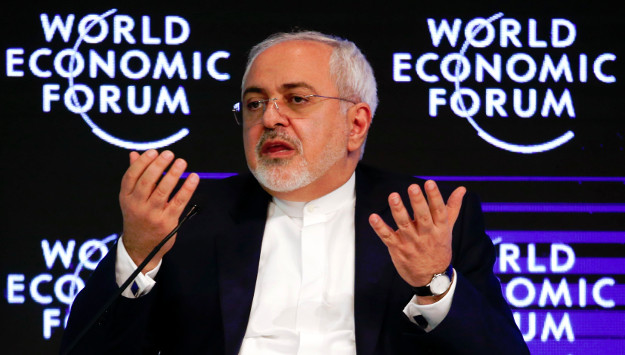
In the latest episode of escalating diplomatic tension between Tehran and Ankara, Iran’s foreign minister today blasted latest statements by Turkish officials accusing Iran of destabilizing the Middle East and fueling sectarian divide in the region.
Weekly Briefing: Geneva Talks, Iranian War Games, and Trump's New National Security Advisor
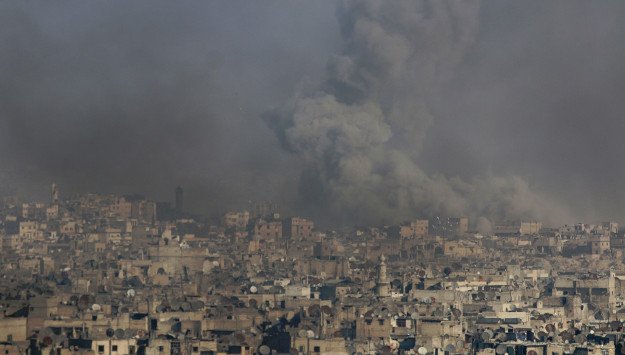
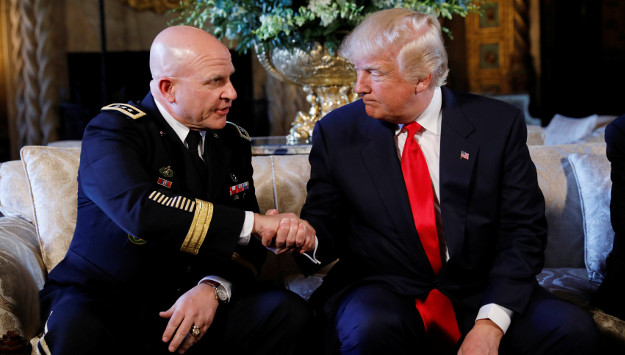
In this week’s Monday Briefing, contributors Randa Slim, Alex Vatanka, Paul Salem, and Antoun Issa provide analysis on recent and upcoming events including the next round of Syria talks in Geneva, Iranian war games directed at President Trump, the appointment of a new U.S. National Security Advisor to replace Michael Flynn, and Israeli PM Netanyahu’s trip to Australia.
Iran-Backed Militiamen Playing Leading Role in Western Mosul, Spreading anti-U.S. Propaganda
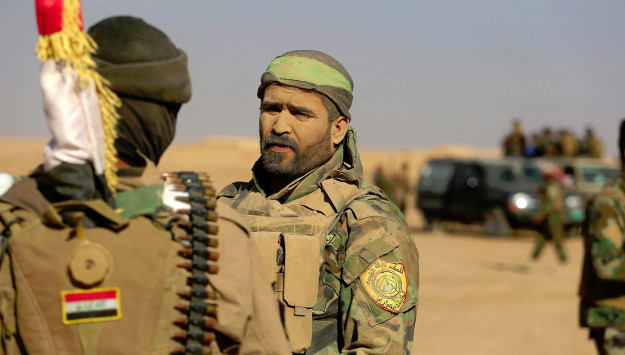
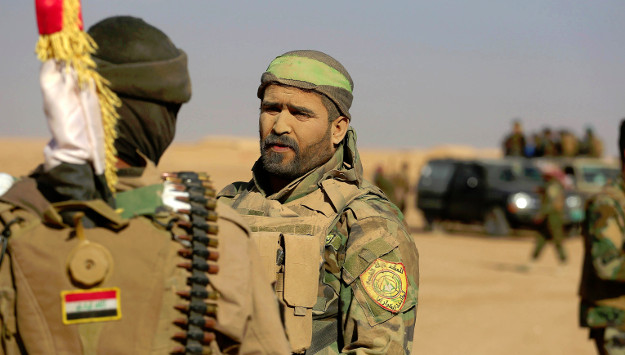
As the Iraqi government announced on Sunday the launch of an offensive to regain control of western Mosul from the Islamic State, Iran-backed Iraqi militia units are playing a leading role in the military operations in the region, the Iranian media reports.
Iran-Backed Group Marks Hezbollah Leader’s Assassination Anniversary by Firing Missiles in Iraq
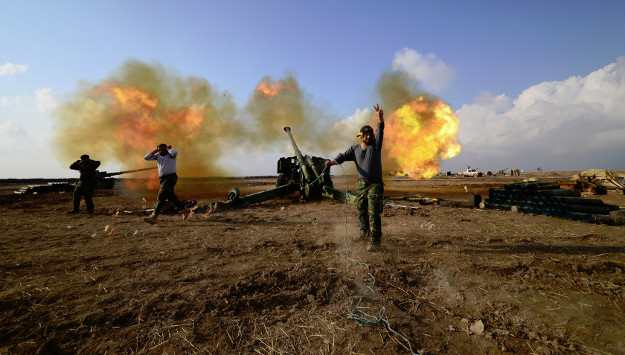
Fars News Agency (FNA) reports today that Iran-supported Iraqi Shiite militia group Harakat al-Nujaba commemorated the “martyrdom” anniversary of Hezbollah’s former military leader Imad Mughniyeh by firing missiles at Islamic State targets in northern regions of Iraq’s Salahuddin Province. According to FNA, an outlet affiliated with the Islamic Revolution Guards Corps (I.R.G.C.), the Shiite militia group launched an offensive dubbed “Operations for the Blood of Martyred Commander Imad Mughniyeh” to “liberate” the Islamic State-held region of Jabal Makhul (Makhul Mountains) in Salahuddin.
Khamenei Hits Critics, Ridicules Idea of “National Unity”
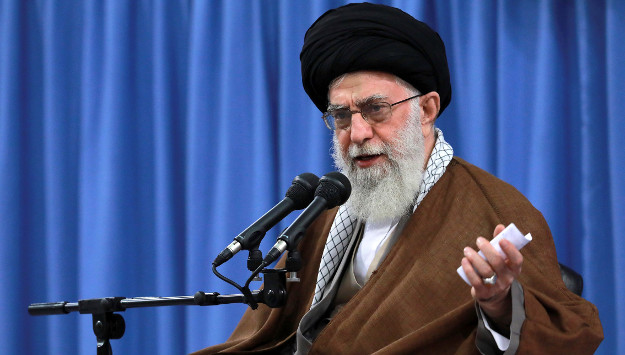
In a speech that no doubt will be seen as an attack on the government of President Hassan Rouhani, Iran’s Supreme Leader dismissed the idea of “national unity” as
Iran-Linked Militia Groups Playing Increasing Role in Mosul and Kirkuk Military Operations
A number of leaders of Iraq’s Popular Mobilization Forces (PMF) have told Iran’s Fars News Agency (FNA) that their forces will play a leading military role in “liberating” 3,000 square kilometers of Islamic State-held areas in western Mosul.
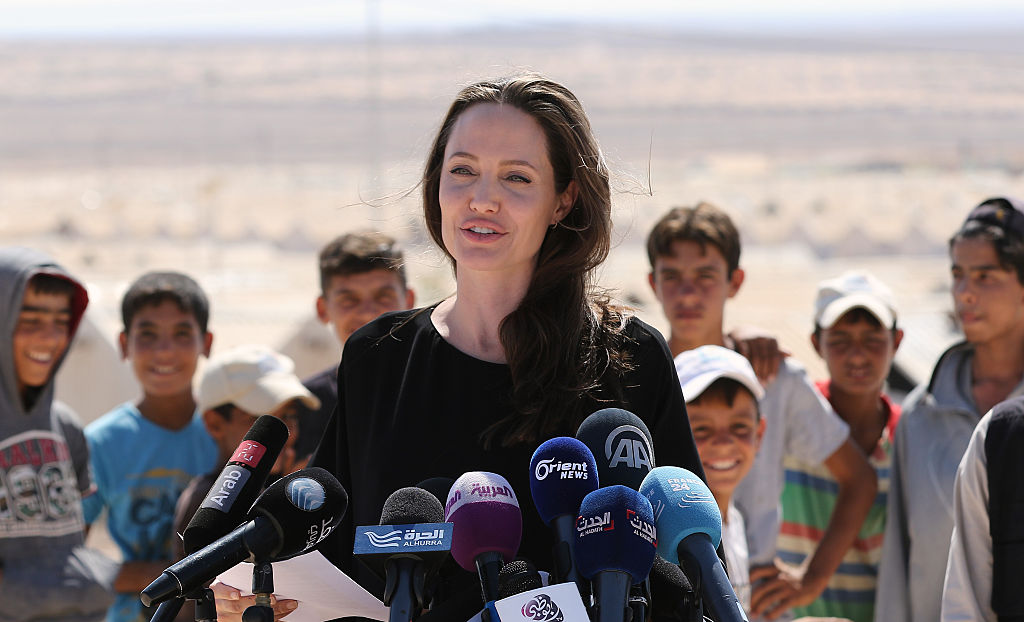
Bearing Witness to the Refugee Crisis: Western Audiences and Jordanian Humanitarian Workers
This essay is not about the Syrians who have fled their homes or those who are unable to leave despite the barrel bombs. Nor is it about Syrian refugees who are caught in limbo in neighboring countries, those that took perilous journeys to Europe by boat, or those who face rejection in the “land(s) of the free.” Instead, this essay is about the witnesses — those closest to Syrian refugees and those farthest away. It juxtaposes images produced for consumption by Western audiences with reflections of Jordanian humanitarian aid workers.
Khamenei’s Aide Holds Meeting with Leader of Notorious Militia Group in Iraq
Iran’s Fars News Agency reports that Supreme Leader Ali Khamenei’s representative to Iraq, Sayyed Mojtaba Hosseini, yesterday held a meeting with Akram al-Kaabi, the chief commander of Iran-backed militia group Harakat al-Nujaba.
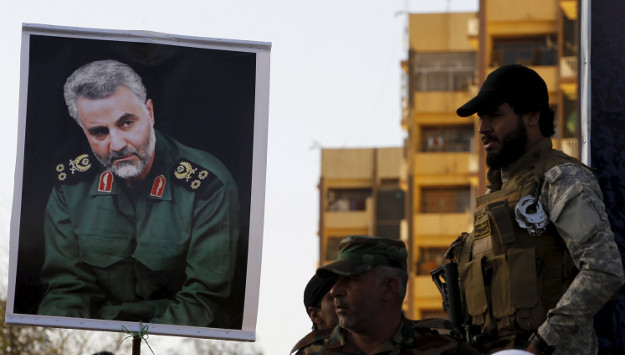
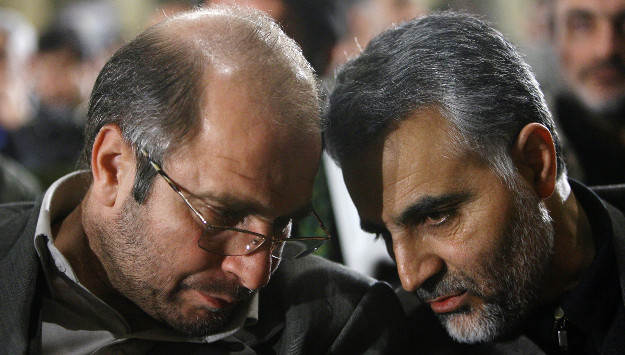
Top Iranian Lawmaker Hails Quds Force’s Subversive Activities in Iraq and Syria
Chairman of the Iranian Parliament’s National Security and Foreign Policy Commission Alaeddin Boroujerdi has commended Iranian Quds Force Commander Qassem Soleimani’s “important” role in regional conflicts.
Monday Briefing: Trump’s Executive Orders Don’t Reveal a Coherent Strategy
In this week’s Monday Briefing, MEI experts Paul Salem, Paul Scham, Randa Slim, W. Robert Pearson, and Marvin G. Weinbaum provide analysis on recent and upcoming events including the Trump administration’s apparent lack of a coherent strategy in the implementation of executive orders, the possibility of an improved relationship between Israel and the UK in the wake of Brexit, the Astana meeting to discuss the Syrian cease-fire deal, bilateral efforts to improve Turkish-Israel relations, and the uncertainty surrounding U.S.-Pakistani relations under the Trump administration.