Tehran Worried King Salman’s Asia Tour Aimed at Isolating Iran
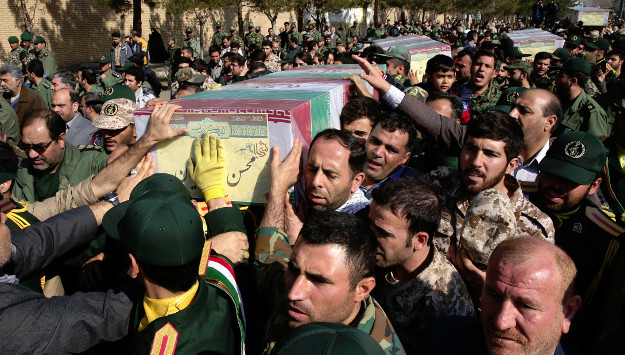
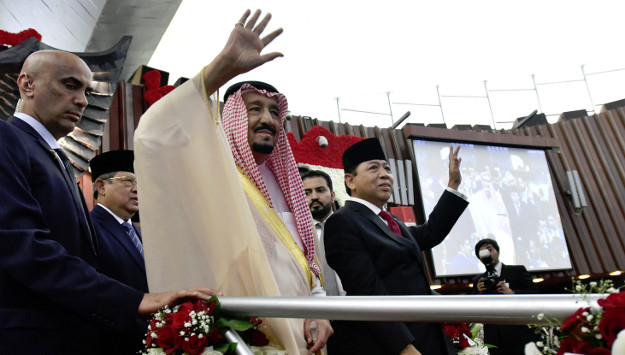
The Iranian media speculates that Saudi Arabia’s King Salman’s month-long tour of Asia-Pacific region is aimed at expanding Riyadh’s “anti-Iran” coalition to pressure and isolate Tehran.
Pakistani Shiite Militias Fighting in Syria Say Quds Force Keep Their Passports
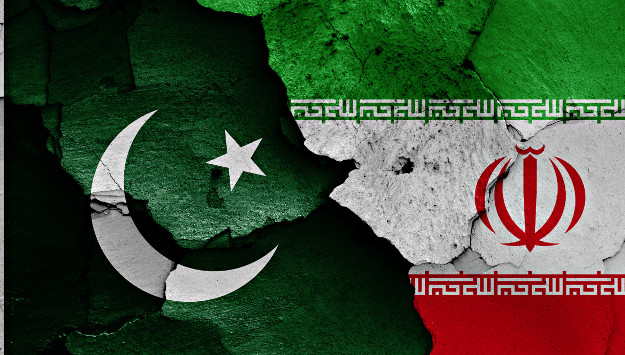
Iran’s Qom News reported on Friday that Sayed Abbas Mousavi, a commander of the Zainabyoun Brigade, was kidnapped in the Iranian holy city of Qom (the site has now deleted the report).
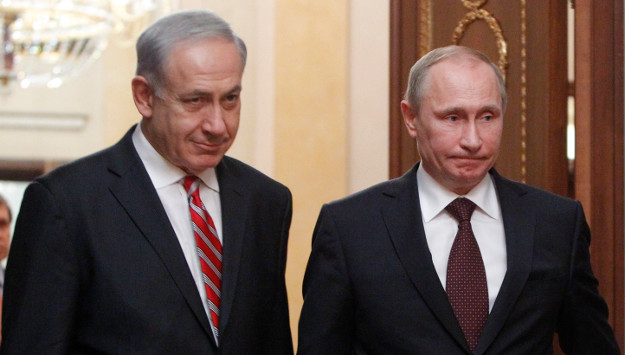
Monday Briefing: Netanyahu to Moscow, Jubeir to Cairo, and the Road Ahead for Geneva 4
In this week’s Monday Briefing, MEI experts Eran Etzion, Gerald Feierstein, and Robert S. Ford provide analysis on recent and upcoming events including Israeli PM Netanyahu’s upcoming trip to Moscow, Saudi FM Adel al-Jubeir’s upcoming visit to Cairo, and the developing agenda for the Geneva 4 Syria peace talks.
Netanyahu to Make Another Trip to Moscow
Eran Etzion, MEI Scholar

Maldives Rejects Tehran’s Media Project Offer because of Iranian “Meddling” in Regional Countries
The ambassador of Maldives to Saudi Arabia has said that his government refused an Iranian offer to launch a radio station in the South Asian island country.
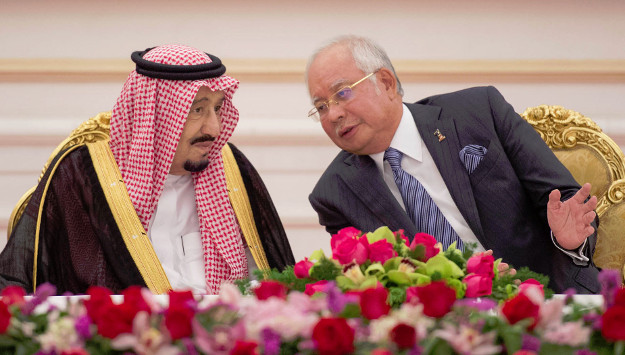
Growing Ties between Riyadh and Kuala Lumpur Unnerve Tehran
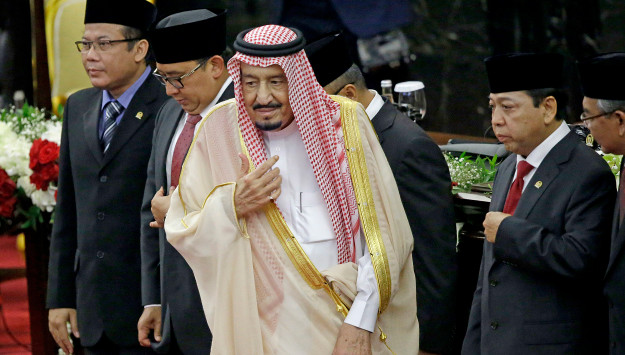
The Iranian media extensively covered Saudi King Salman bin Abdulaziz al-Saud’s recent trip to Malaysia. State-run and semi-official outlets close to the Islamic Revolution Guards Corps (I.R.G.C.), in particular, discussed in details the growing economic and trade ties between Riyadh and Kuala Lumpur.
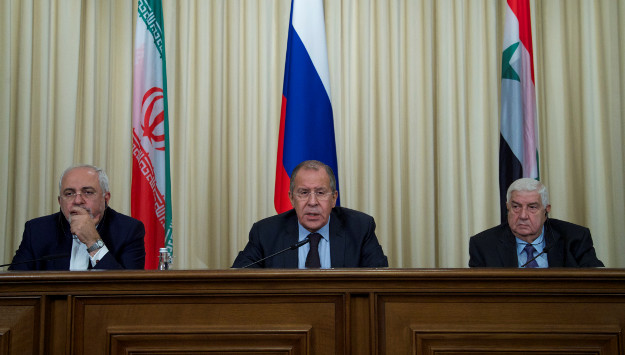
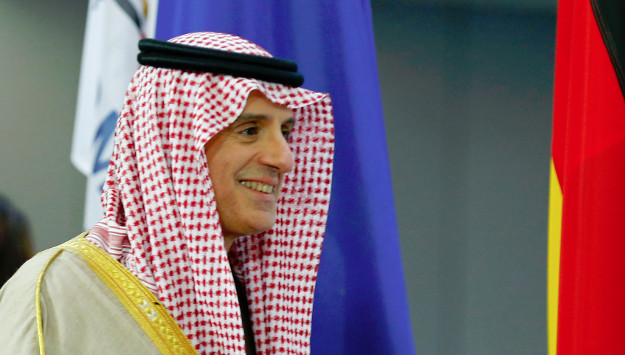
Saudi Foreign Minister’s Baghdad Visit Alarms Tehran and Its Allies in Iraq
Iran’s Fars News Agency (FNA), a mouthpiece of the Islamic Revolution Guards Corps (I.R.G.C.), has published interviews with Iraqi politicians and militia commanders about Saudi Foreign Minister Adel al-Jubeir’s February 25 visit to Baghdad and its potential implications for the war against the Islamic State and for Iraq’s relations with Iran.
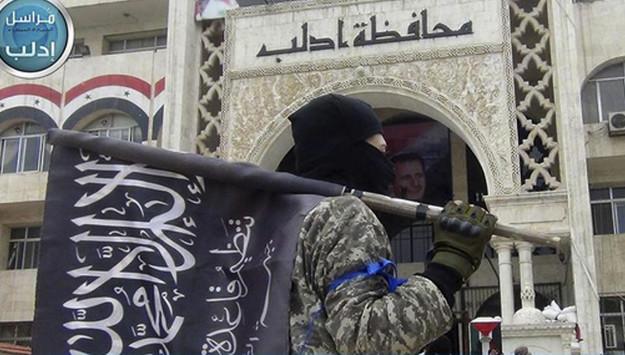
Monday Briefing: Al-Qaeda leader killed, U.S. & Russia at odds over Syria
Note: The latest issue of MEI’s Monday Briefing e-mail incorrectly linked to this page. If you’re looking for the Monday Briefing for March 6, click here.
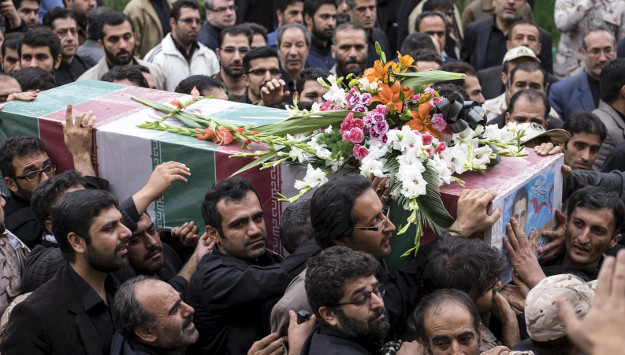
Iran Deploys Troops to Syria As Part of "Training"
The Islamic Revolution Guards Corps (I.R.G.C.) evidently continues to deploy cadets to battlefields in Syria as part of training its future offers. According to a senior I.R.G.C.
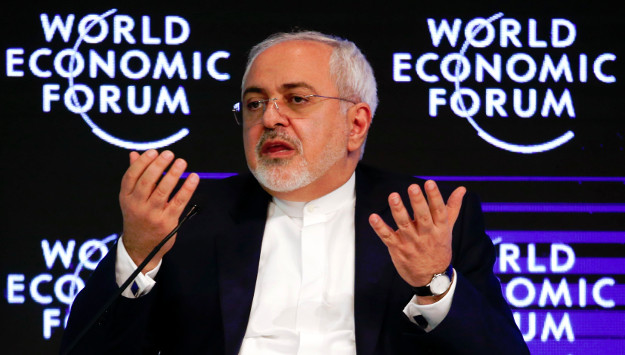
Iran’s Scathing Attack on Turkey as Syria Peace Talks Begin in Geneva
In the latest episode of escalating diplomatic tension between Tehran and Ankara, Iran’s foreign minister today blasted latest statements by Turkish officials accusing Iran of destabilizing the Middle East and fueling sectarian divide in the region.
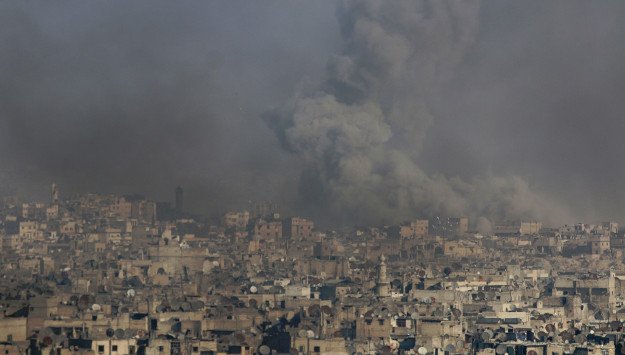
Worries in Iran about Trump’s Syria “Safe Zones” Plan
President Donald Trump’s plan to establish safe zones in Syria continues to raise questions in Iran.
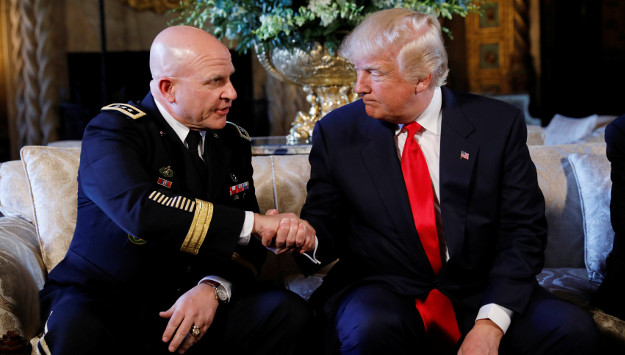
Weekly Briefing: Geneva Talks, Iranian War Games, and Trump's New National Security Advisor
In this week’s Monday Briefing, contributors Randa Slim, Alex Vatanka, Paul Salem, and Antoun Issa provide analysis on recent and upcoming events including the next round of Syria talks in Geneva, Iranian war games directed at President Trump, the appointment of a new U.S. National Security Advisor to replace Michael Flynn, and Israeli PM Netanyahu’s trip to Australia.
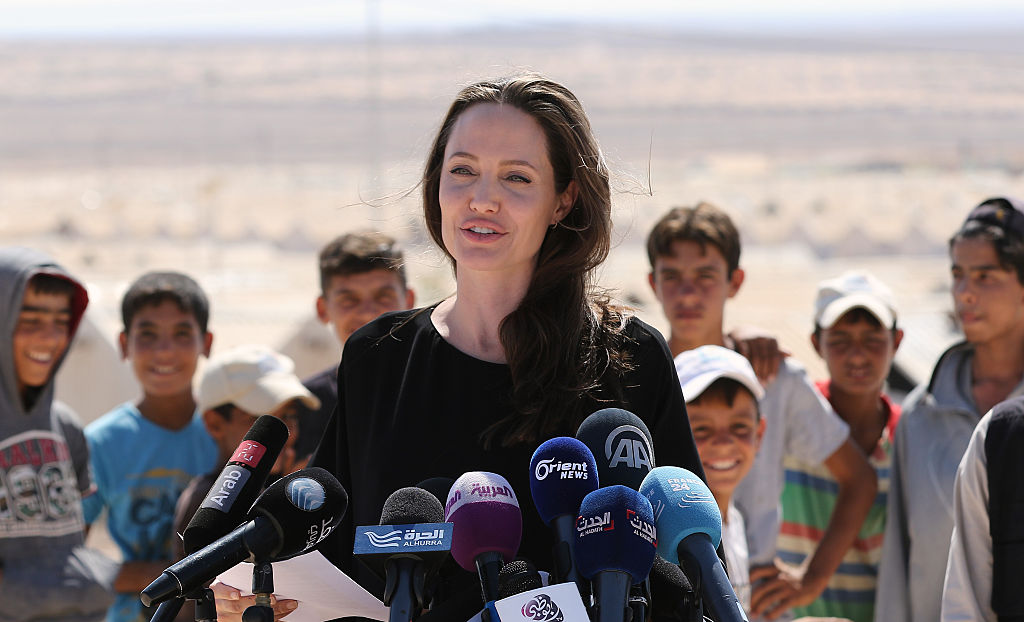
Bearing Witness to the Refugee Crisis: Western Audiences and Jordanian Humanitarian Workers
This essay is not about the Syrians who have fled their homes or those who are unable to leave despite the barrel bombs. Nor is it about Syrian refugees who are caught in limbo in neighboring countries, those that took perilous journeys to Europe by boat, or those who face rejection in the “land(s) of the free.” Instead, this essay is about the witnesses — those closest to Syrian refugees and those farthest away. It juxtaposes images produced for consumption by Western audiences with reflections of Jordanian humanitarian aid workers.