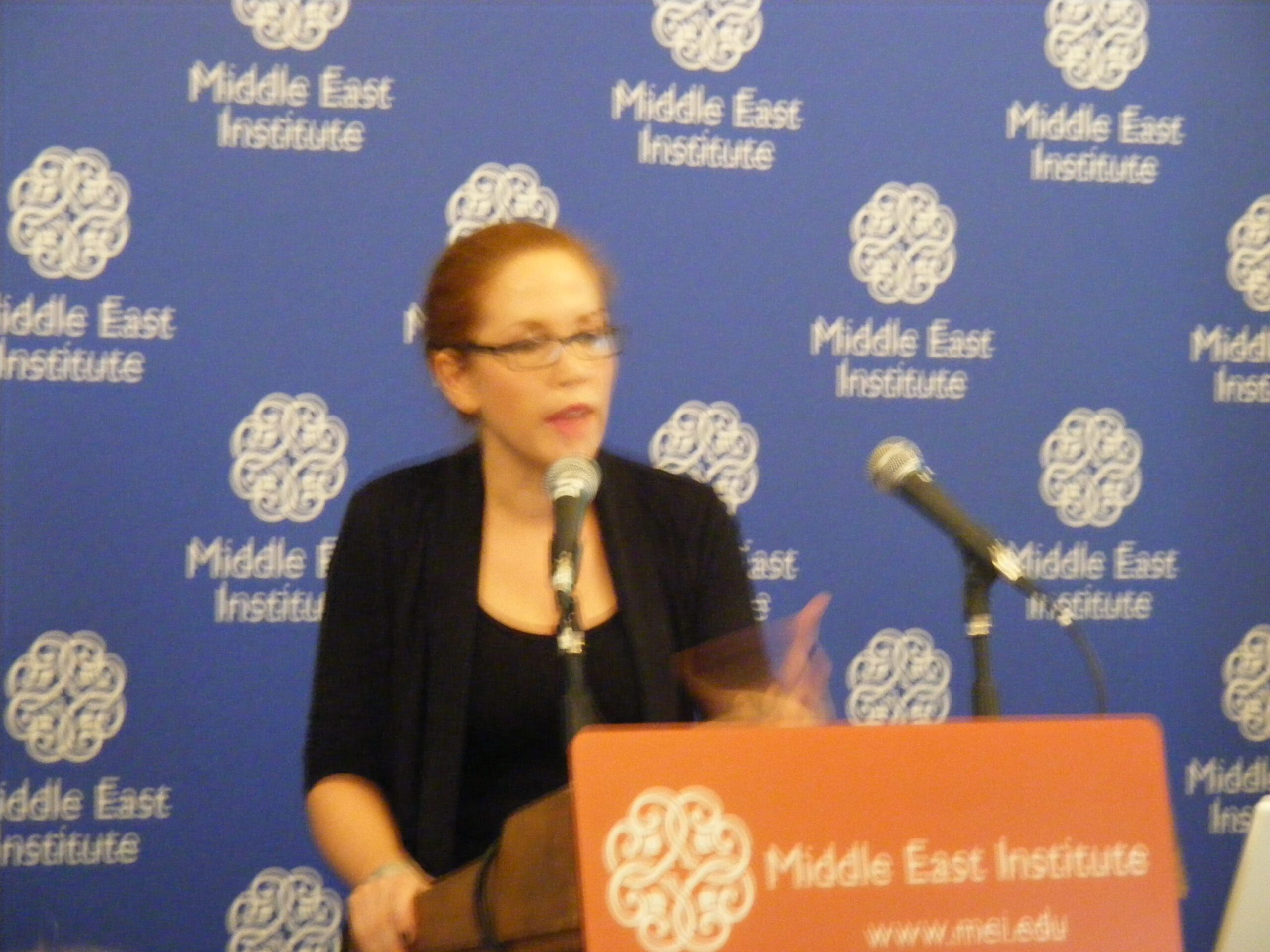
Afghanistan's Cultural Institutions & Private Sector in the Shadow of 2014
MEI Podcast, 20120925 Afghanistan’s Cultural Institutions & Private Sector in the Shadow of 2014 Shaharzad Akbar; Joanie Meharry, Jahid Mohseni, Laura Tedesco, George Gavrilis , Wendy ChamberlinPresented by The Middle East Institute and the Hollings Center
Afghanistan's Cultural Institutions & Private Sector in the Shadow of 2014
MEI Podcast, 20120925 Afghanistan’s Cultural Institutions & Private Sector in the Shadow of 2014 Shaharzad Akbar; Joanie Meharry, Jahid Mohseni, Laura Tedesco, George Gavrilis , Wendy ChamberlinPresented by The Middle East Institute and the Hollings Center
Afghanistan's Cultural Institutions & Private Sector in the Shadow of 2014
MEI Podcast, 20120925 Afghanistan’s Cultural Institutions & Private Sector in the Shadow of 2014 Shaharzad Akbar; Joanie Meharry, Jahid Mohseni, Laura Tedesco, George Gavrilis , Wendy ChamberlinPresented by The Middle East Institute and the Hollings Center
Podcast, 6 September, 2012 in the MEI Boardman room Turkey and Thailand: Unlikely Twins Ayse Zarakol This is the first of four events in a joint lecture series by Middle East Institute’s Center for Turkish Studies and the Institute of Turkish Studies at Georgetown University.
Podcast, 6 September, 2012 in the MEI Boardman room Turkey and Thailand: Unlikely Twins Ayse Zarakol This is the first of four events in a joint lecture series by Middle East Institute’s Center for Turkish Studies and the Institute of Turkish Studies at Georgetown University.
Podcast, 6 September, 2012 in the MEI Boardman room Turkey and Thailand: Unlikely Twins Ayse Zarakol This is the first of four events in a joint lecture series by Middle East Institute’s Center for Turkish Studies and the Institute of Turkish Studies at Georgetown University.
Podcast, 6 September, 2012 in the MEI Boardman room Turkey and Thailand: Unlikely Twins Ayse Zarakol This is the first of four events in a joint lecture series by Middle East Institute’s Center for Turkish Studies and the Institute of Turkish Studies at Georgetown University.
Podcast, 6 September, 2012 in the MEI Boardman room Turkey and Thailand: Unlikely Twins Ayse Zarakol This is the first of four events in a joint lecture series by Middle East Institute’s Center for Turkish Studies and the Institute of Turkish Studies at Georgetown University.