Iran-Backed Shiite Militias Ready to Take West Mosul
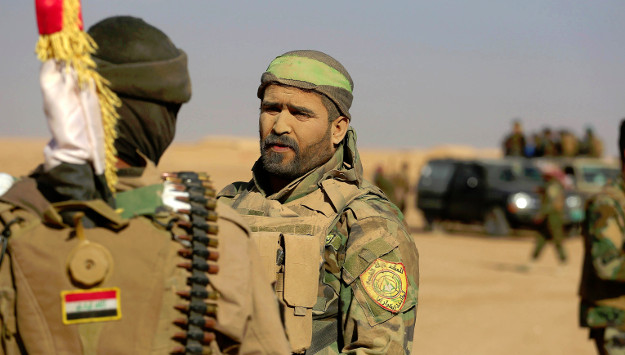
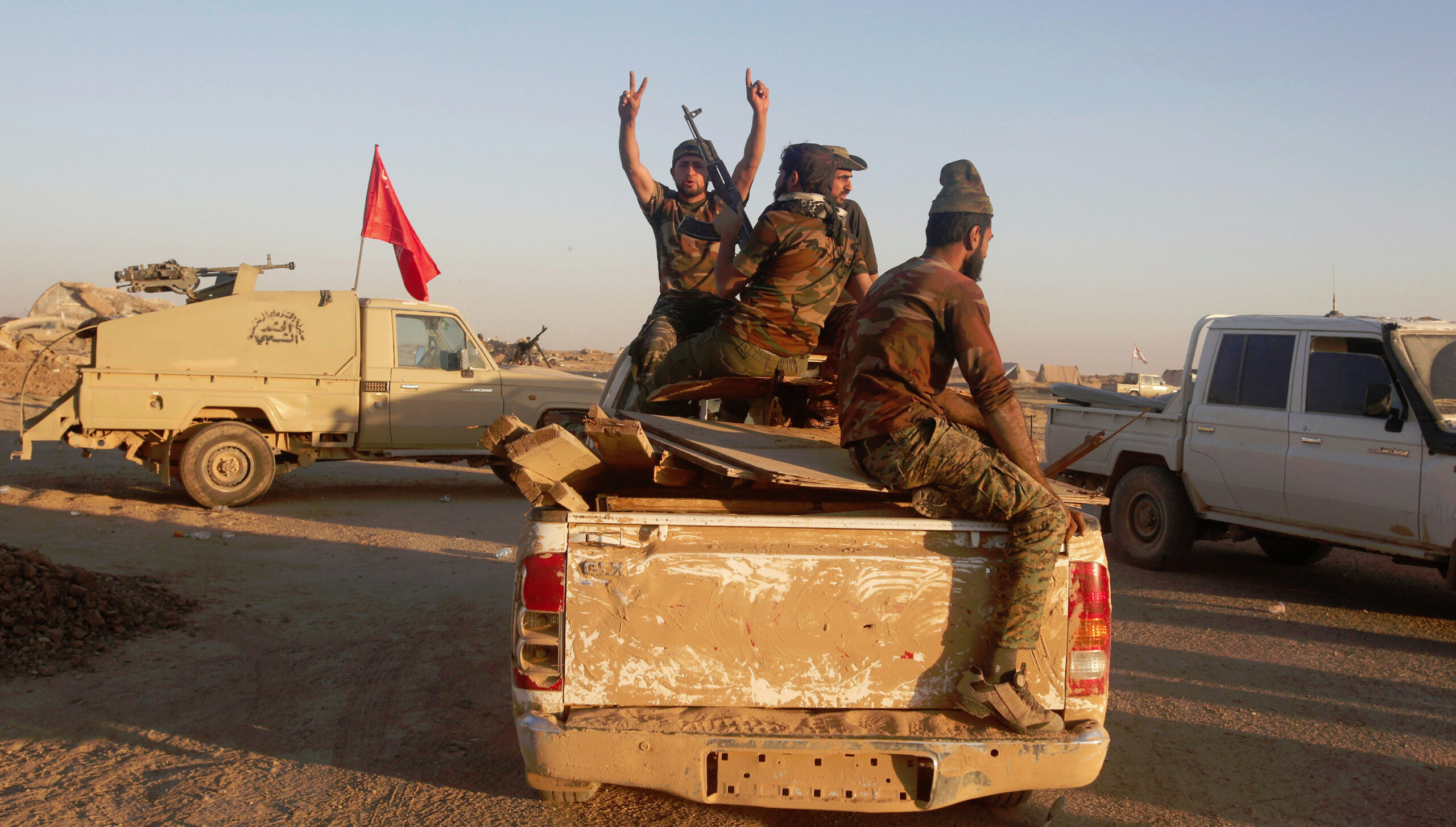
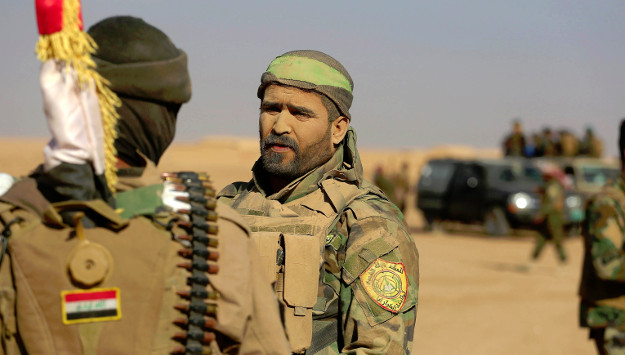
Fars News, an outlet affiliated with Iran’s Islamic Revolution Guards Corps (I.R.G.C.), has published an interview with the spokesperson of the Hashd al-Shaabi (Popular Mobilization Force), on the question of the military campaign to free the Iraqi city of Mosul from the Islamic State. Ahmad al-Assadi, the spokesperson of the Shiite-dominated Iraqi paramilitary organization, claimed in the interview that the next phase of operations to liberate west of Mosul from the Islamic State is underway.
IRGC-Controlled Media Continue to Glorify Iraqi Shiite Militias
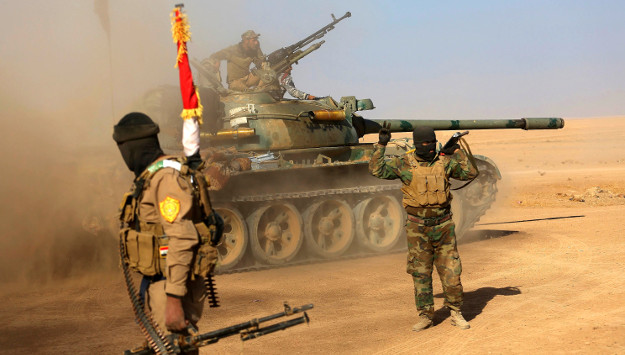
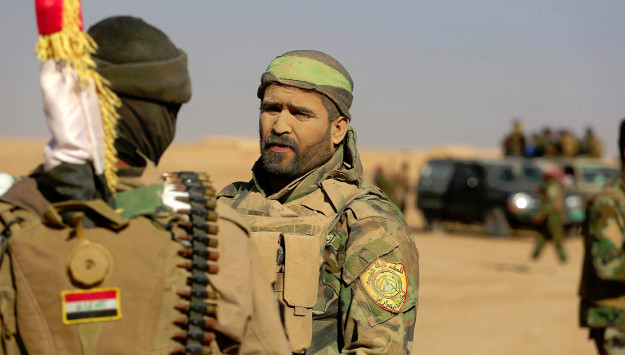
Tasnim News, an outlet that is affiliated with Iran’s Islamic Revolution Guards Corps (IRGC), has published a rare video footage of its correspondent’s account of Shiite militia operations in Iraq. In what the outlet calls “exclusive” video, the correspondent is seen accompanying fighters from Hashd al-Shaabi (Popular Mobilization Force) in the battle for Mosul against fighters from the Islamic State.
Iranian-state media have been defending Iraj Masjedi, Tehran’s new ambassador to Baghdad. Masjedi is a member of the Qods Force, the external branch of the Islamic Revolution Guards Corps. Al-Alam, the Iranian-sponsored media outlet that is aimed at the Arabic-speaking world, quoted Iraq’s National Security Advisor, Falih al-Fayyad, to say that Masjedi is welcome in Baghdad and that “he is someone [Iraqis] know and appreciate for his past record in Iraq.”
Six Challenges to U.S.-Israel Relations under Trump
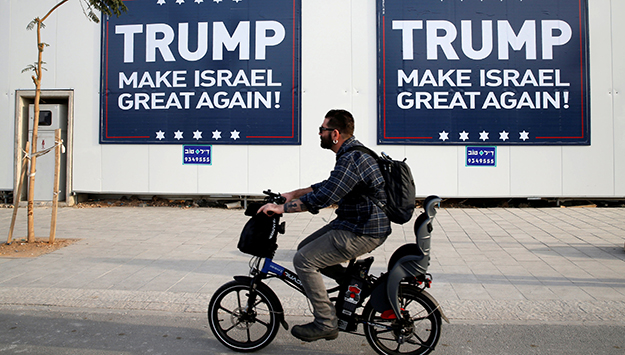
In the early 2000s, the Bush administration’s global ratings were at historic lows. There was only one allied country in which public opinion was favorable to U.S. policies—Israel. Like its citizenry, the Israeli government was strongly supportive of “the freedom agenda,” “the global war on terror,” and the need to eradicate “the axis of evil.” A decade later, President Donald Trump’s inauguration created a very similar effect, winning overwhelming governmental support and backed by a majority of Israelis.
Iran-Backed Militia Units Continue West Mosul Operations
A senior Iraqi official has said that the Popular Mobilization Force (PMF) will take part in the “liberation” of western Mosul. “The popular mobilization forces in Nineveh Province will participate in the liberation operation of Tal Afar,” Iraqi National Security Advisor Falih al-Fayyad said in an interview with Iranian state-run Al-Alam News Network published on January 23.
Baghdad Will “Welcome” Iran’s Controversial Ambassador Pick
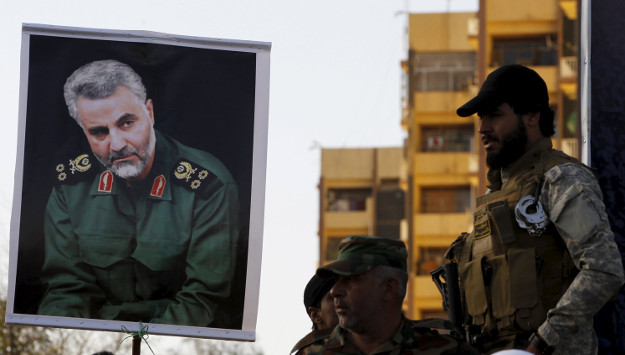
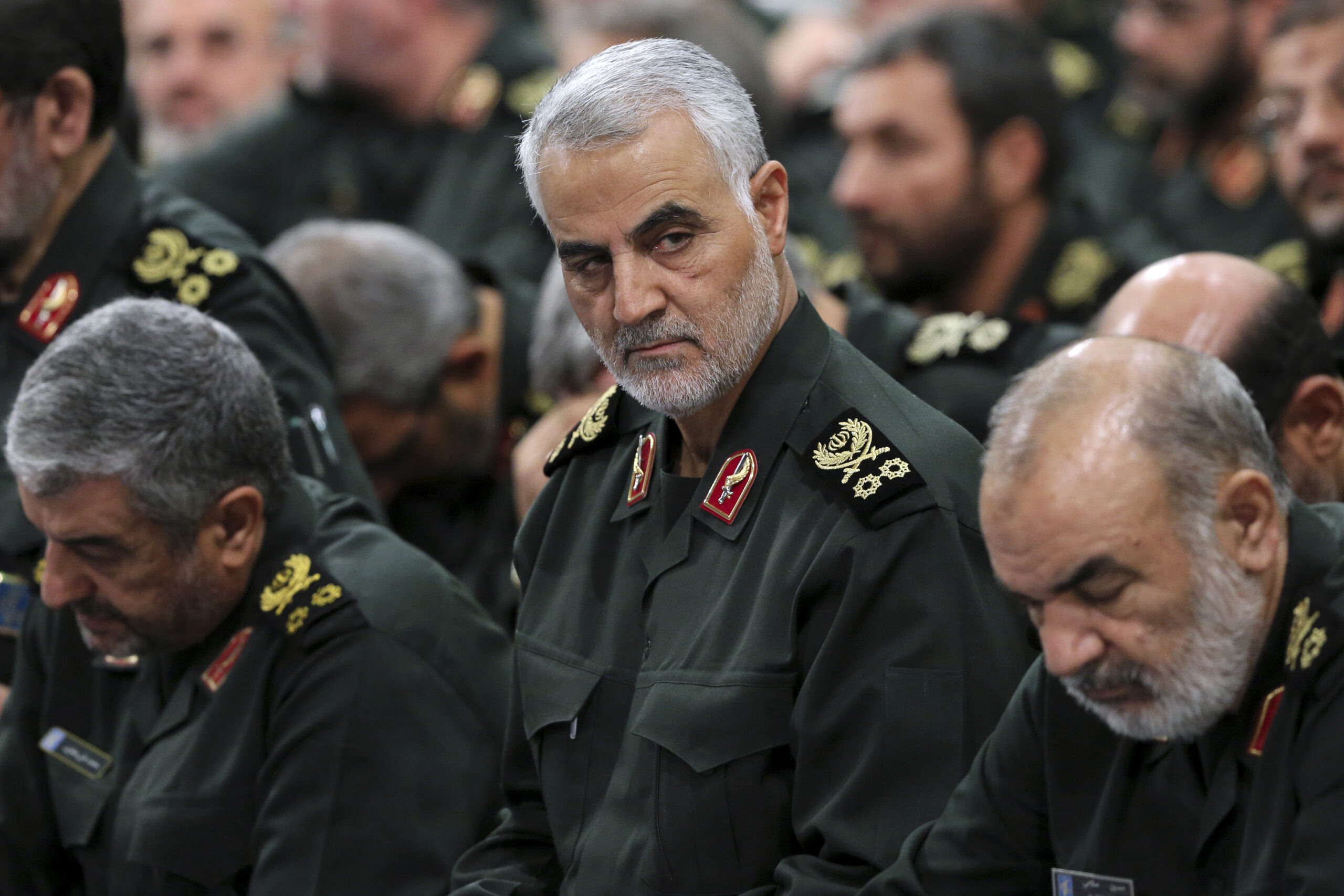
A senior Iraqi official has said that Baghdad will welcome Iran’s controversial pick to be its next ambassador to Iraq. Earlier this month, the Iranian media reported that Brigadier General Iraj Masjedi, a senior advisor to Quds Force Commander Qassem Suleimani, will be Iran’s next envoy to Iraq. The news drew criticism from Saudi officials.
Weekly Briefing: Confirmation Hearings, Syria Peace Talks, and OPEC
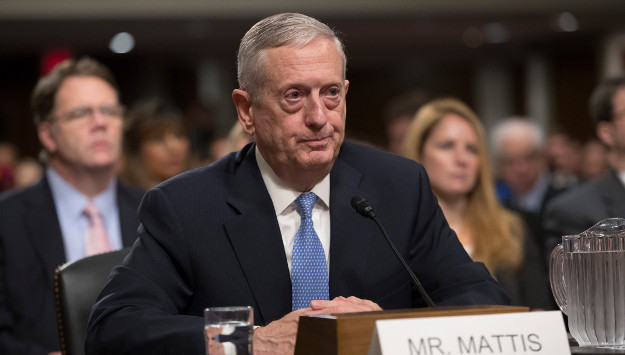
In this week’s briefing, MEI experts Gerald Feierstein, Robert S. Ford, Yousef Munayyer, Eran Etzion, and Ruba Husari provide analysis on recent and upcoming events including the ongoing confirmation hearings for key members of the incoming administration’s foreign policy team, the upcoming Syria talks, the recently convened Paris talks on Israel and Palestine, and OPEC’s assessment of its agreement to cap oil output.
Iranian General Calls for Closure of Saudi Consulate in Erbil
In the latest example of Iranian interference in Iraq, a top Iranian general has said that the presence of the Saudi consulate in Erbil, the capital of Iraq’s semi-autonomous Kurdish region, is not “just
Iran-Backed Militant Groups Make Territorial Gains in West Mosul
On January 12, Iran’s Fars News Agency (FNA) reported that the Popular Mobilization Forces (PMF) “liberated” three regions in the west of Mosul.
According to FNA, an outlet affiliated with the Islamic Revolution Guards Corps (IRGC), PMF forces are preparing for the “sixth phase of operations to liberate the west of Nineveh Province.”
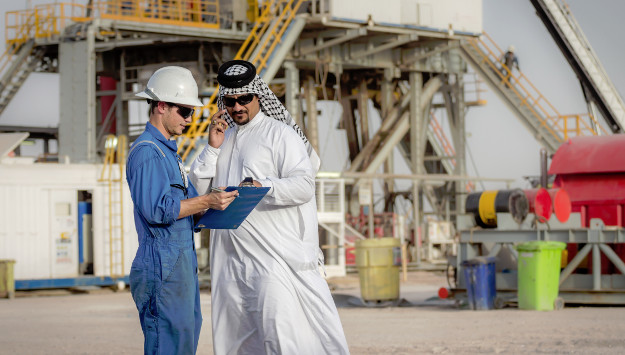
Iran’s Oil Ministry has announced that two new energy contracts have been signed with Iraq. In particular, Tehran is looking to export natural gas to Iraq. Energy is only part of the equation.
Iran Sees Iraqi Shiite Militiamen as “Strategic Capacity”
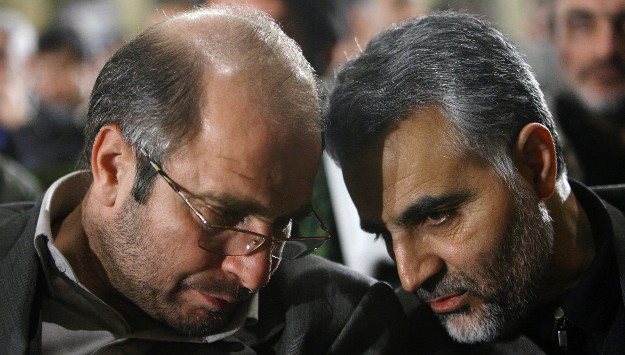
Ali Shamkhani, the head of Iran’s Supreme National Security Council (SNSC), has called Iraqi Shiite militia, the Hashd Al-Shaabi (Popular Mobilization Forces), a “strategic capacity for the future of Iraq.” Shamkhani said this to the visiting former Iraqi prime minister, Nouri al-Maliki. Mailiki in turn thanked Iran for its “support for the Iraqi government and people” and lashed out at Tehran’s regional rivals Turkey and Saudi Arabia.