In this week’s Monday Briefing, MEI experts Alex Vatanka, Marvin G. Weinbaum, and Charles Lister provide analysis on recent and upcoming events including Iran’s decision to sell its oil in the private sector, the prime minister of Pakistan’s search for foreign aid, and the Syrian summit in Istanbul.
Iran-backed Houthi rebels step up persecution of Baha’i minority in Yemen
Earlier last week, Iranian-backed Houthi authorities arrested 24 Baha’is on charges of espionage and apostasy, which are punishable by death. Amongst those arrested are eight women, a teenage girl, and 15 men that hold leadership positions in the Baha’i community in Yemen. The charges – including accusations of being agents for Israel, the U.S., and the U.K –were formalized during their trial, which took place secretly and without a prior notice on September 15. Followers of the faith claim that they have been subjected to increasing harassment since the Houthis’ rise to power in 2014, and they attribute that to Iran’s influence over the rebel movement.
It was a busy week for Middle East policy as President Trump touched on a range of key issues at the United National General Assembly in New York, including Iran sanctions, the intra-GCC dispute, OPEC policy, Saudi domestic reforms, and the Middle East peace process, among others. Gerald Feierstein, MEI’s director for policy research, programs and government relations, and Ahmad Majidyar, director for MEI’s IranObserved program, join host Paul Salem to break down what was said, as well as what issues were left off the agenda.
Iran under Sanctions: India and China over a Barrel
Bearish and bullish factors are both at play in the global oil market, weighing on prices. The next big date on the calendar is November 4 — the point at which the 180-day wind-down period ends and U.S. sanctions on the Iranian energy sector are to be reinstated. Two days later, the U.S. midterm elections are due to take place.
In this week’s Monday Briefing, MEI experts Jonathan M. Winer, Robert S. Ford, and Alex Vatanka provide analysis on recent and upcoming events including political turmoil in Libya, the meeting between Turkey and Russia to discuss the fate of Idlib province, and Iran’s attempts to forge new relationships to offset U.S. sanctions.
Can the US and Turkey mend fences in Manbij? | Monday Briefing
In this week’s Monday Briefing, MEI experts Gonul Tol, Robert S. Ford, Bilal Y. Saab, and Mirette F. Mabrouk provide analysis on recent and upcoming events including Turkey-U.S. cooperation in Syria amid diplomatic tensions, talks between U.S. and Russian officials on Syria policy, the implications of a new Iranian fighter jet, and Egypt’s revitalized work in regional diplomacy.
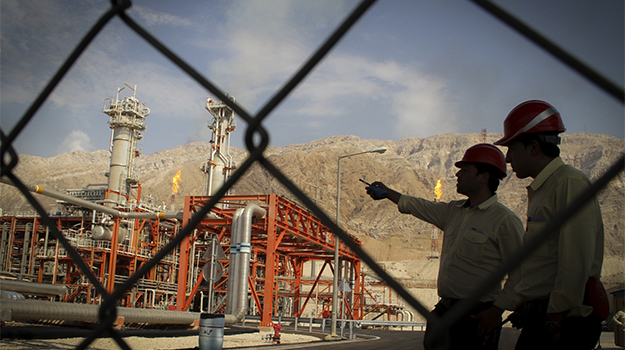
Last week, major news outlets reported that China National Petroleum Corporation had acquired French oil and gas company Total’s share in the development of Iran’s South Pars gas field, citing an elusive article published by Iranian state news agency IRNA.
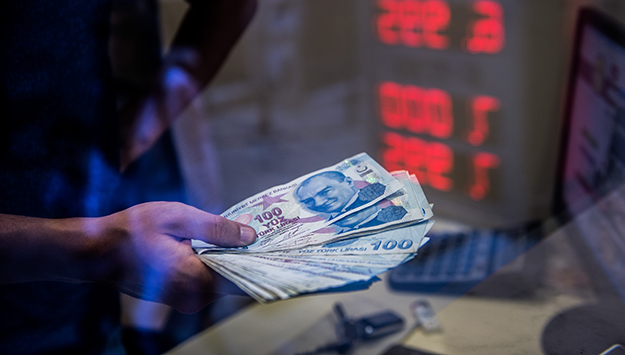
In this week’s Monday Briefing, MEI experts Gonul Tol, Robert S. Ford, Randa Slim, and Marvin G. Weinbaum provide analysis on Turkey’s currency crisis, talks in Ankara over the future of Idlib, Abadi’s chances of clinging to the premiership, and the Taliban’s capture of Ghazni.
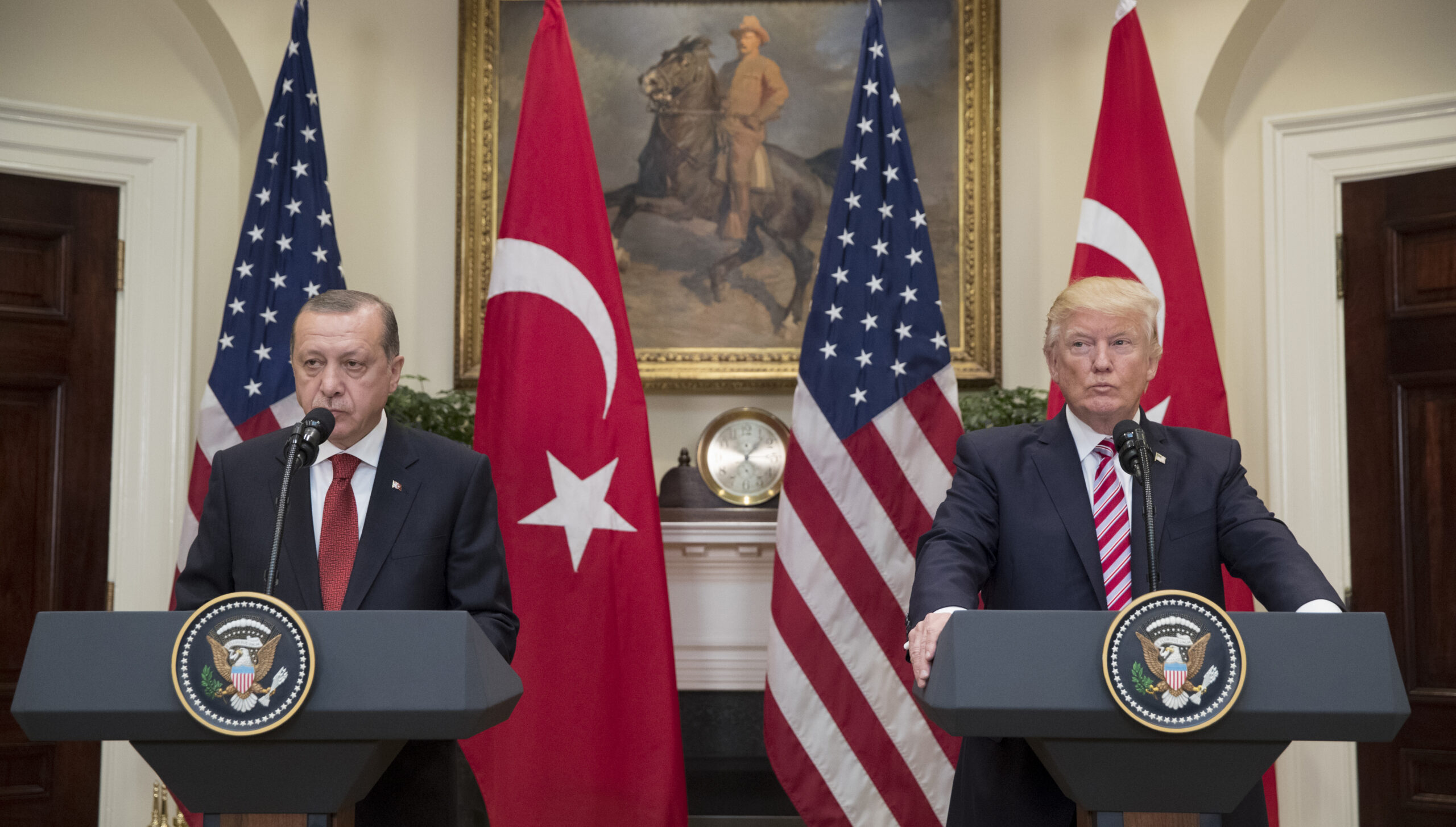
Iran sanctions may see US-Turkey ties get a lot worse
This week, the Trump administration reimposed economic sanctions on Iran, targeting mainly financial transactions with and commercial airline sales to Iran. Tougher sanctions to stop the sale of Iranian gas and oil will go into effect in November. In a tweet, President Donald Trump issued a strong warning to those trading with Iran: “Anyone doing business with Iran will NOT be doing business with the United States.” Its NATO ally Turkey is defiant. In a Jul.
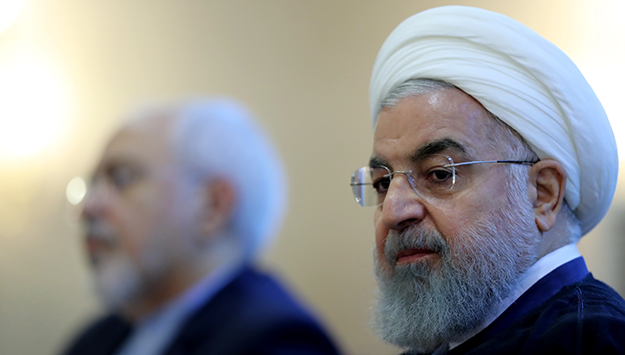
Will US sanctions bring Iran back to the negotiating table?
In this week’s Monday Briefing, MEI experts Ahmad Majidyar, Gerald Feierstein, and Charles Lister provide analysis on the first batch of U.S. sanctions on Iran, leaked emails that may undermine the Trump administration’s Mideast peace plan, and the assassination of a Syrian military scientist.
Will US sanctions bring Iran back to the negotiating table?
Trump’s unconvincing "hearts and minds" strategy on Iran
In the span of one week, President Donald Trump both warned Iran’s leaders of a calamitous response to any belligerence from Tehran and offered Tehran a “real” nuclear deal if they come back to the negotiation table. It is just the latest example of the Trump administration’s disjointed Iran policy.
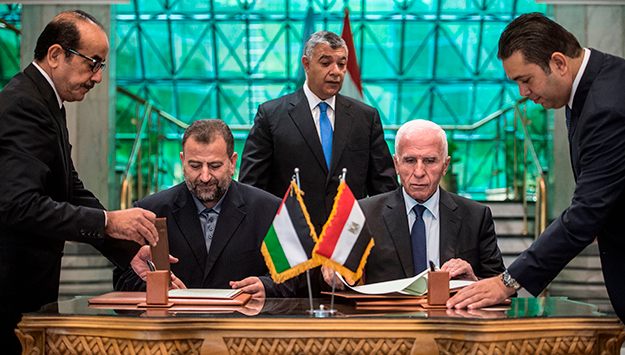
In this week’s Monday Briefing, MEI experts provide analysis on Fatah-Hamas reconciliation talks in Cairo, possible cooperation between the Syrian Democratic Council and the Assad regime, the protests in Iraq, the U.S.’s lifting of restrictions on aid to Egypt, and Imran Khan’s victory in the Pakistani elections.
Houthi attack in strategic shipping lane could undermine oil markets
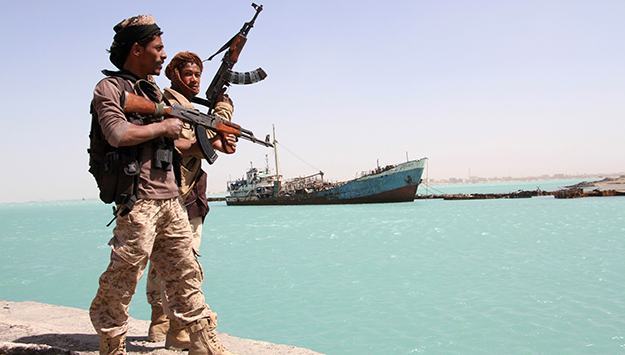
Saudi Arabia temporarily halted all oil shipments through the Bab al-Mandab strait on Wednesday, Jul. 25, after two of its very large crude carriers were attacked by Houthi rebels. According to Saudi and Yemeni officials, the attack was launched from the besieged port city of Hodeida.