Weekly Briefing: Rafah strike exposes the hollowness of America’s “values”-centric foreign policy agenda
Expert regional analysis by MEI scholars and contributors.
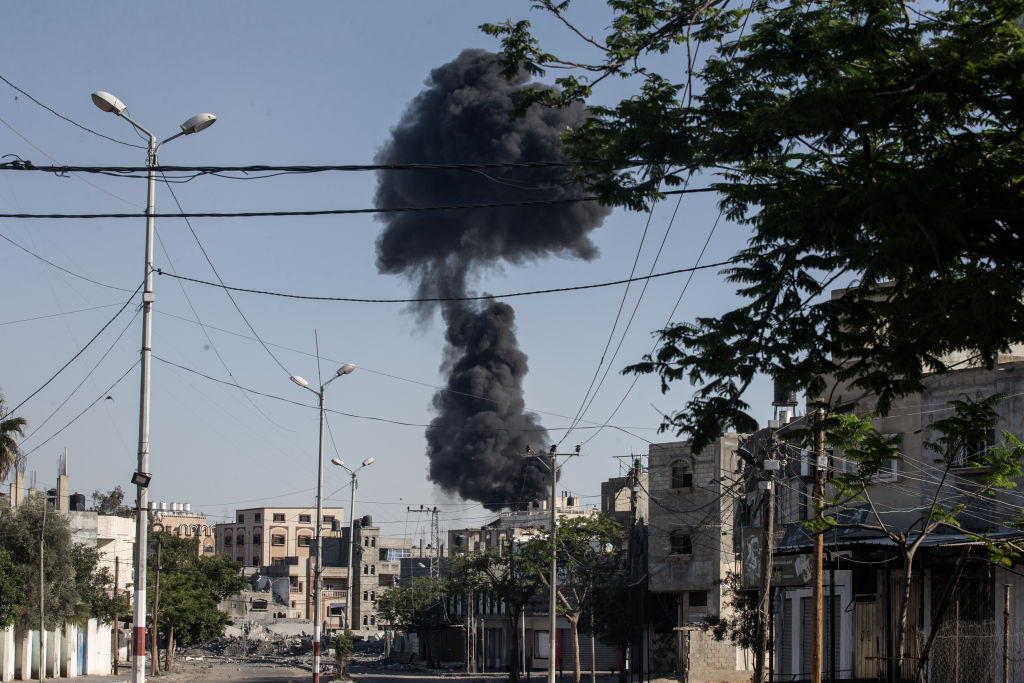
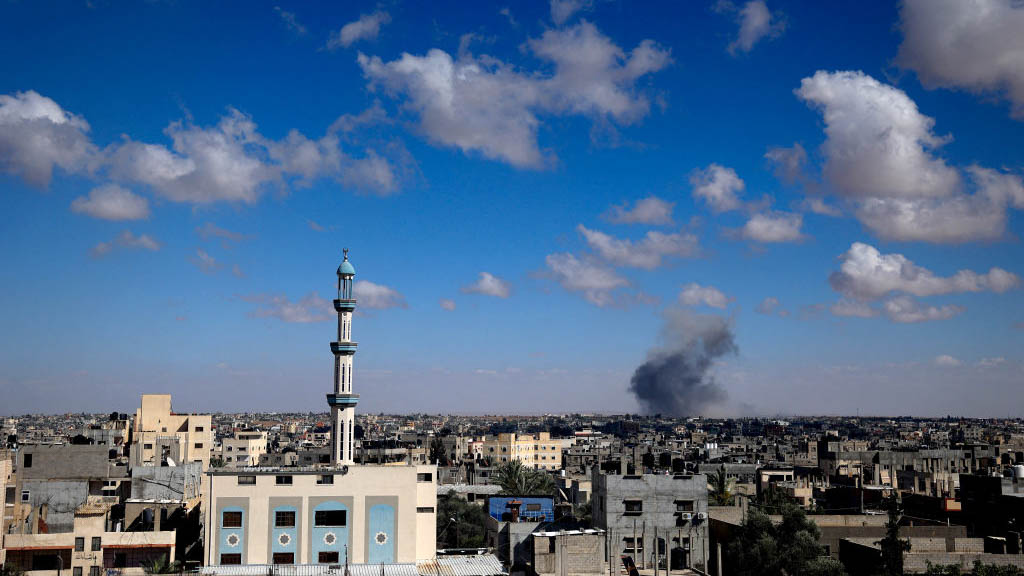
As the ongoing attempts to revive a ceasefire and hostage deal between Israel and Hamas are showing minimal signs of success, Israel is moving forward with its plan for an operation in Rafah, the most southern city in Gaza that borders Egypt. On May 6, the Israeli military issued an evacuation order for more than 200,000 Gazans in the southern-west part of the Gaza Strip.
Read MEI’s weekly briefing featuring expert analysis of key regional developments for the week ahead.
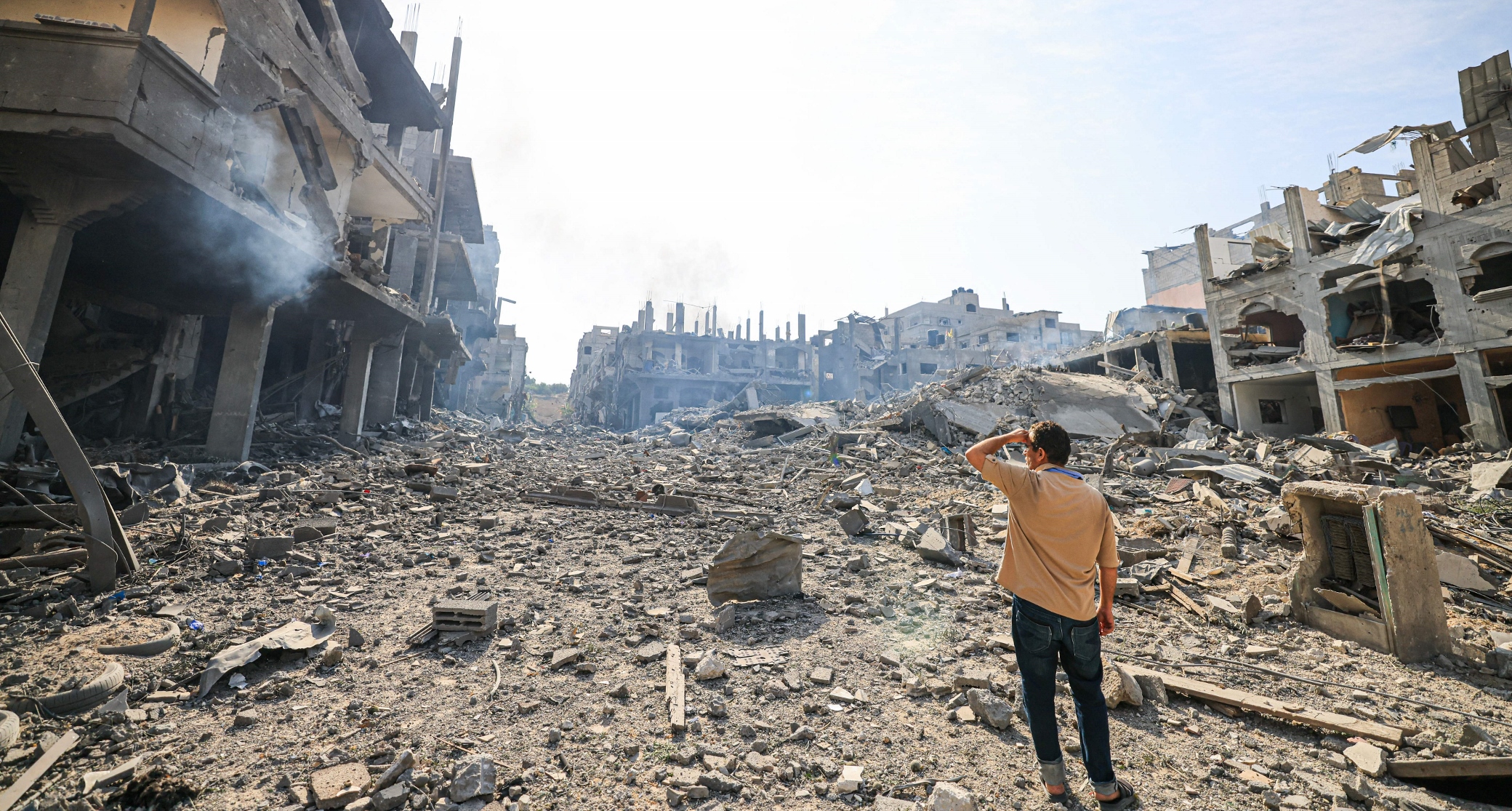
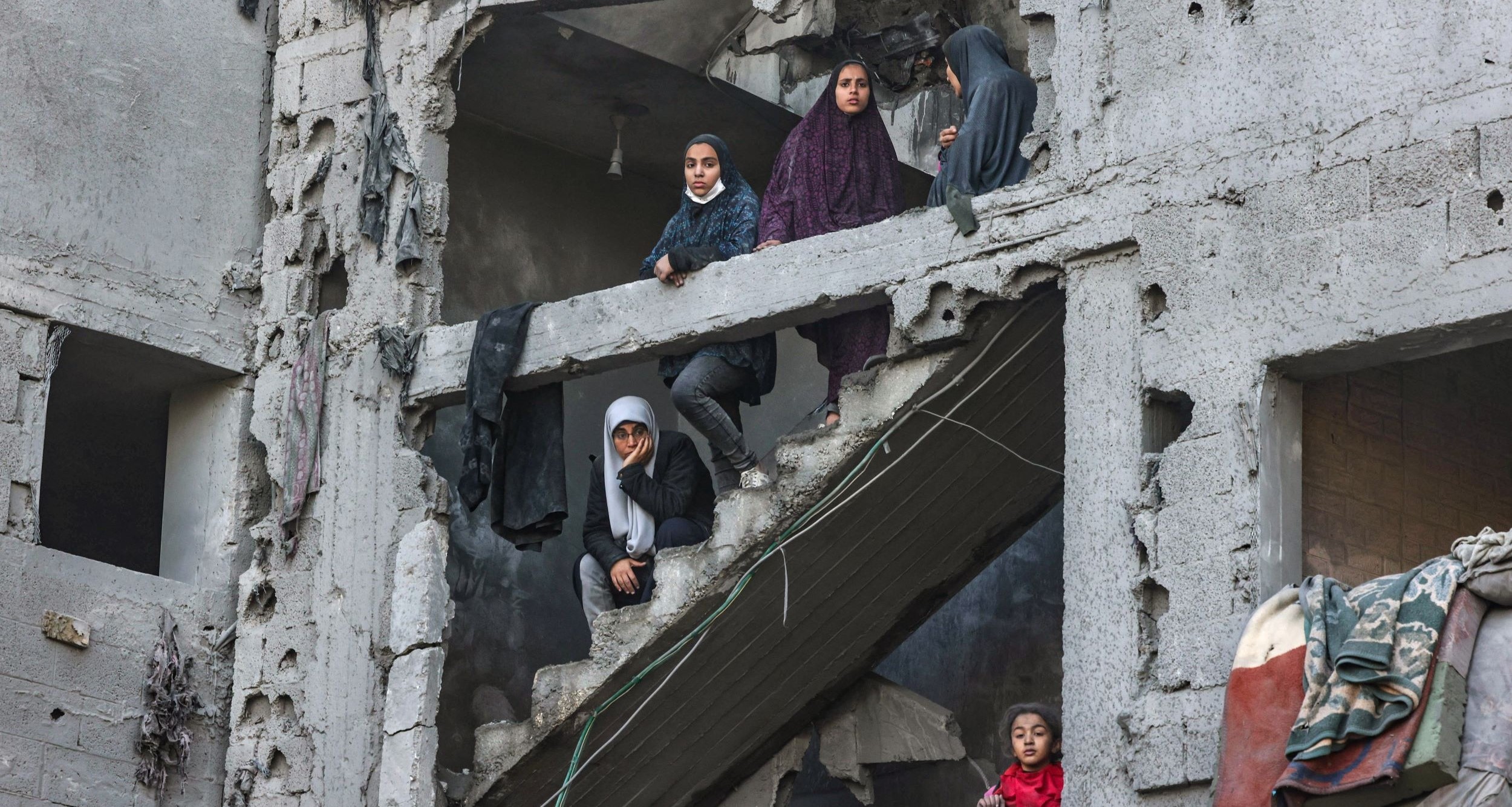
Israeli leaders insist that the extreme destruction in the Gaza Strip is unavoidable given Hamas’ use of “human shields” and the fact that the militant group has embedded itself among the civilian population and routinely operates from civilian structures like hospitals and schools. But far from explaining the current devastation, the questionable “human shields” charge has become a way to shield Israel from legitimate scrutiny and accountability.
Read MEI’s weekly briefing featuring expert analysis of key regional developments for the week ahead.
March 26, 2024, marked the 45th anniversary of the signing of the peace agreement between Israel and Egypt. Over the years, this bilateral settlement has proven its stability and resilience, despite a series of crucial challenges. Yet the Begin-Sadat legacy, and the benefits it brings, is now in jeopardy.
Read MEI’s weekly briefing featuring expert analysis of key regional developments for the week ahead.
A version of this article first appeared as part of an Expert Views special feature on the new rules of the game in the Iranian-Israeli conflict.
The month of April saw a series of unprecedented escalations in the long-simmering Iranian-Israeli conflict, with both countries launching missile and drone attacks against the other’s territory for the first time in history.
In the wake of these strikes, what will be the impact on the regional security and political environment going forward, what is needed to stabilize the new rules of the game, and how can US diplomacy help to facilitate that process? MEI has asked its experts to weigh in.
Read MEI’s weekly briefing featuring expert analysis of key regional developments for the week ahead.
The Biden administration set forth five main objectives in reaction to the Oct. 7 Hamas attack against Israel and ensuing war in the Gaza Strip. Six months into the Israel-Hamas war, the Biden administration has not achieved enough progress toward these goals, although it has avoided some of the worst-case scenarios. Success is hampered in part by tensions stemming from the fact that some of the tactics and policy approaches are at odds with each other.
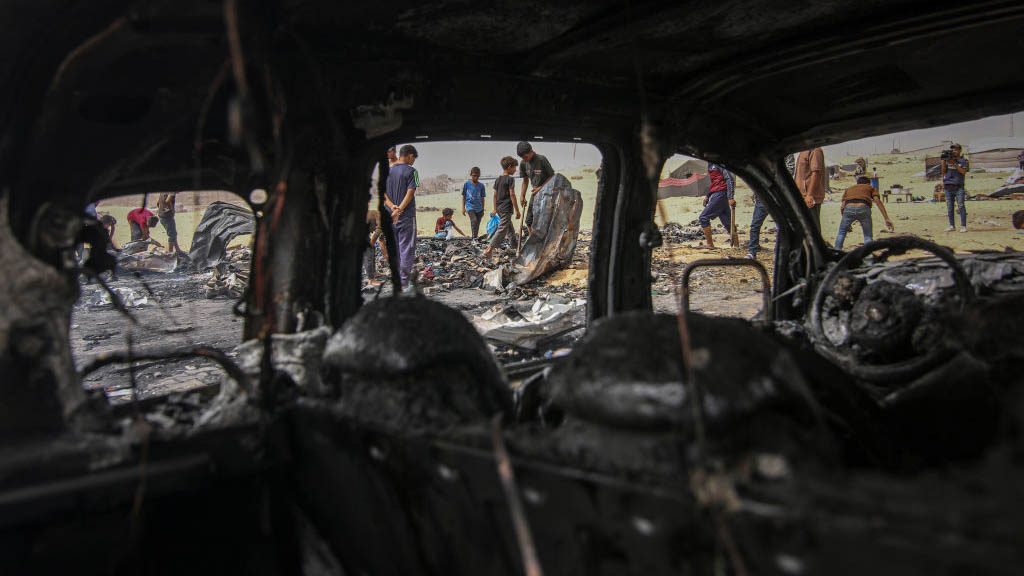
For the last few months, people around the world have been closely following the ongoing brutality of the war in Gaza. Pictures of Palestinians fleeing south and looking for relatives under the rubble, videos of children searching for food and water — these and more have been circulating on social media and news networks every day since October 7.
As the war in Gaza approaches its seventh month, the settler movement has been raging its own separate war against none other than the Israeli military itself. While Israeli society is still healing from the devastation of Oct. 7 and tens of thousands of Israelis are displaced from their homes near the Gaza Strip and the northern border, the settlers have launched campaigns against the Head of the Central Command, advocated for resettling Gaza, and escalated tensions with the Israeli military.
Read MEI’s weekly briefing featuring expert analysis of key regional developments for the week ahead.