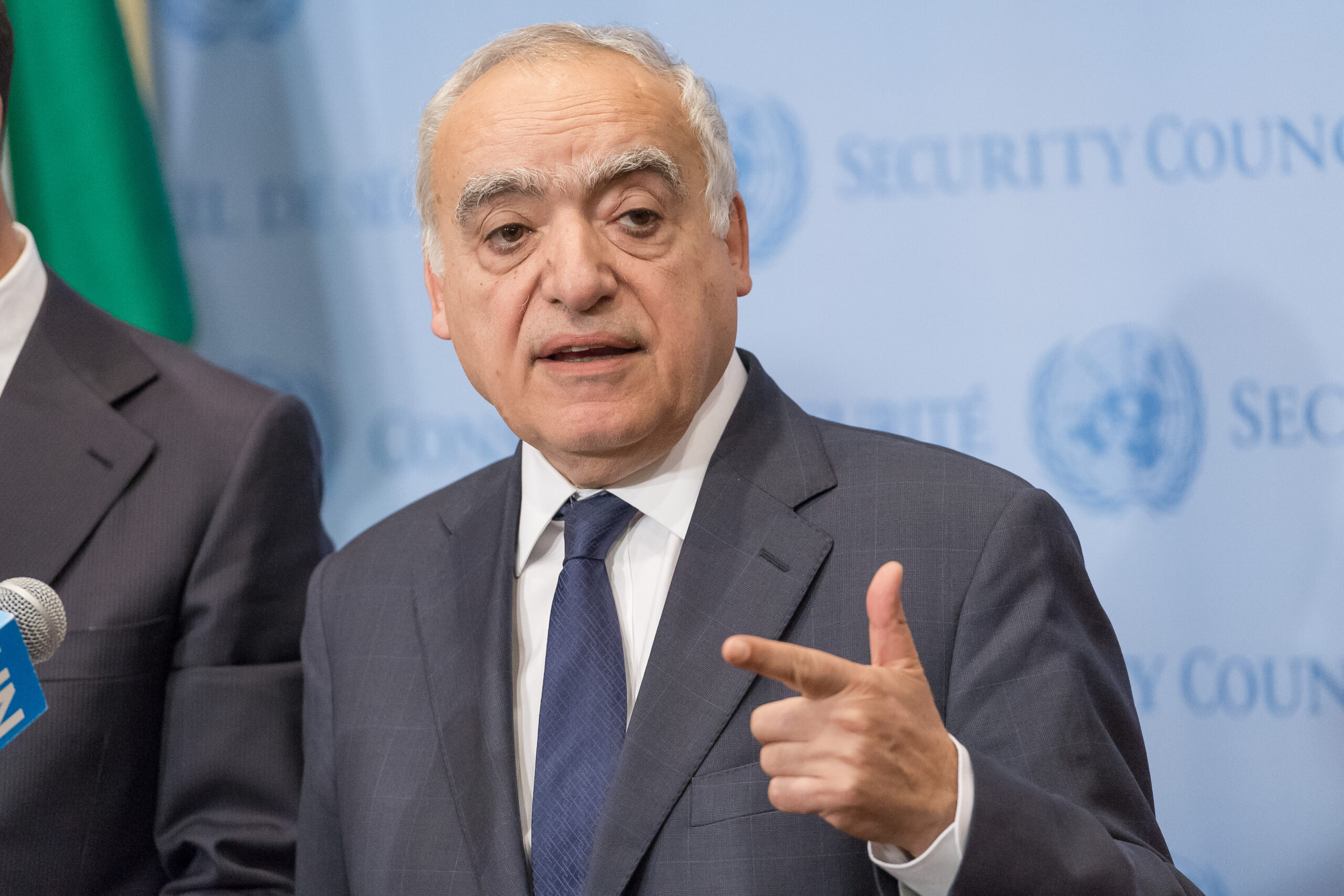
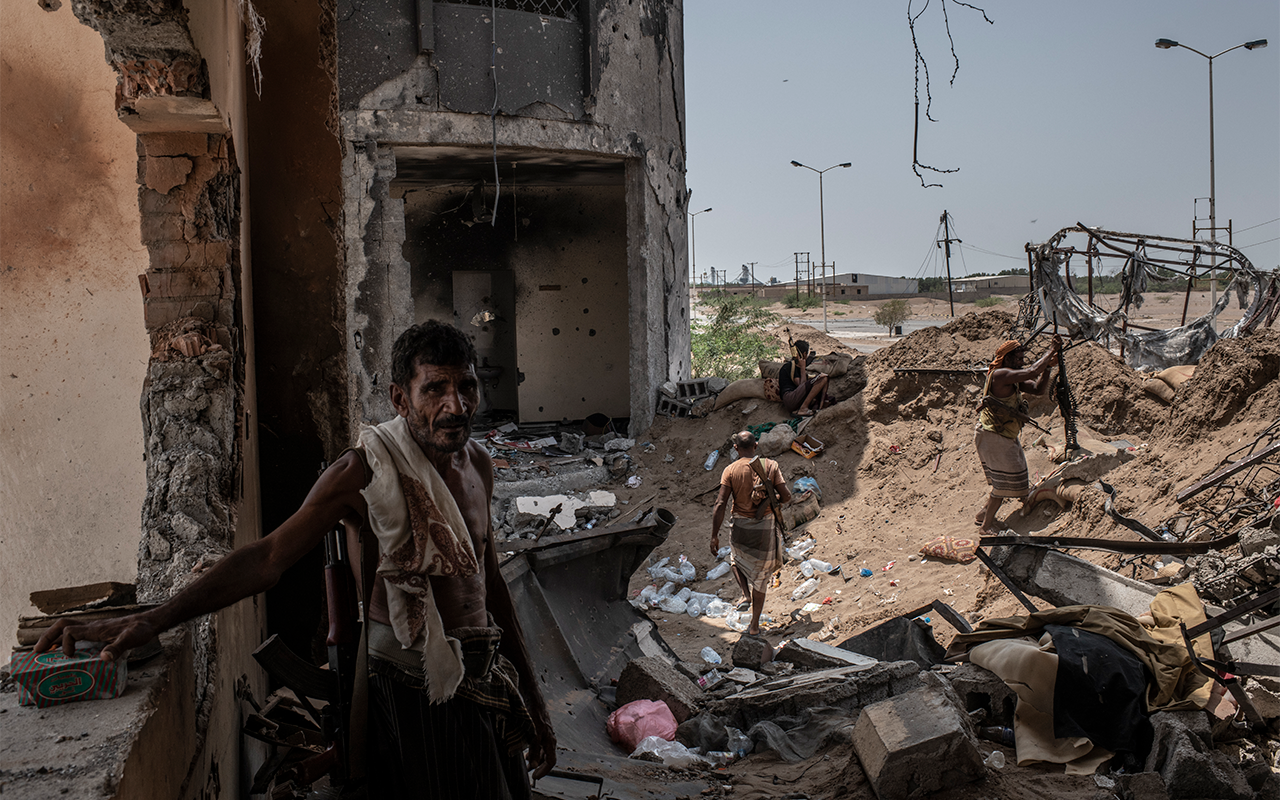
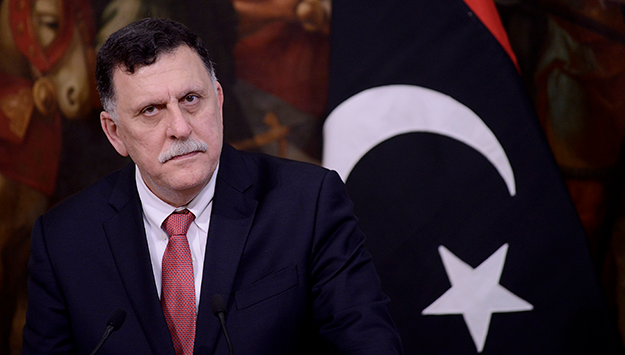
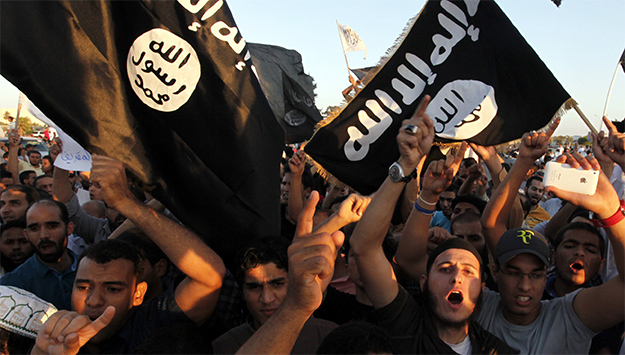
If all goes to according to plan, in the coming months Libya will hold a National Conference, an event that could serve as an inflection point for the country and has the potential to right the course of its political trajectory. In order for this to work, however, Special Representative of the Secretary-General (SRSG) to Libya Ghassan Salamé must simultaneously plan for both the conference and its aftermath, capitalizing on America’s increasing, behind-the-scenes involvement in Libya.
Mergers and assassinations as Tripoli remains under militia control
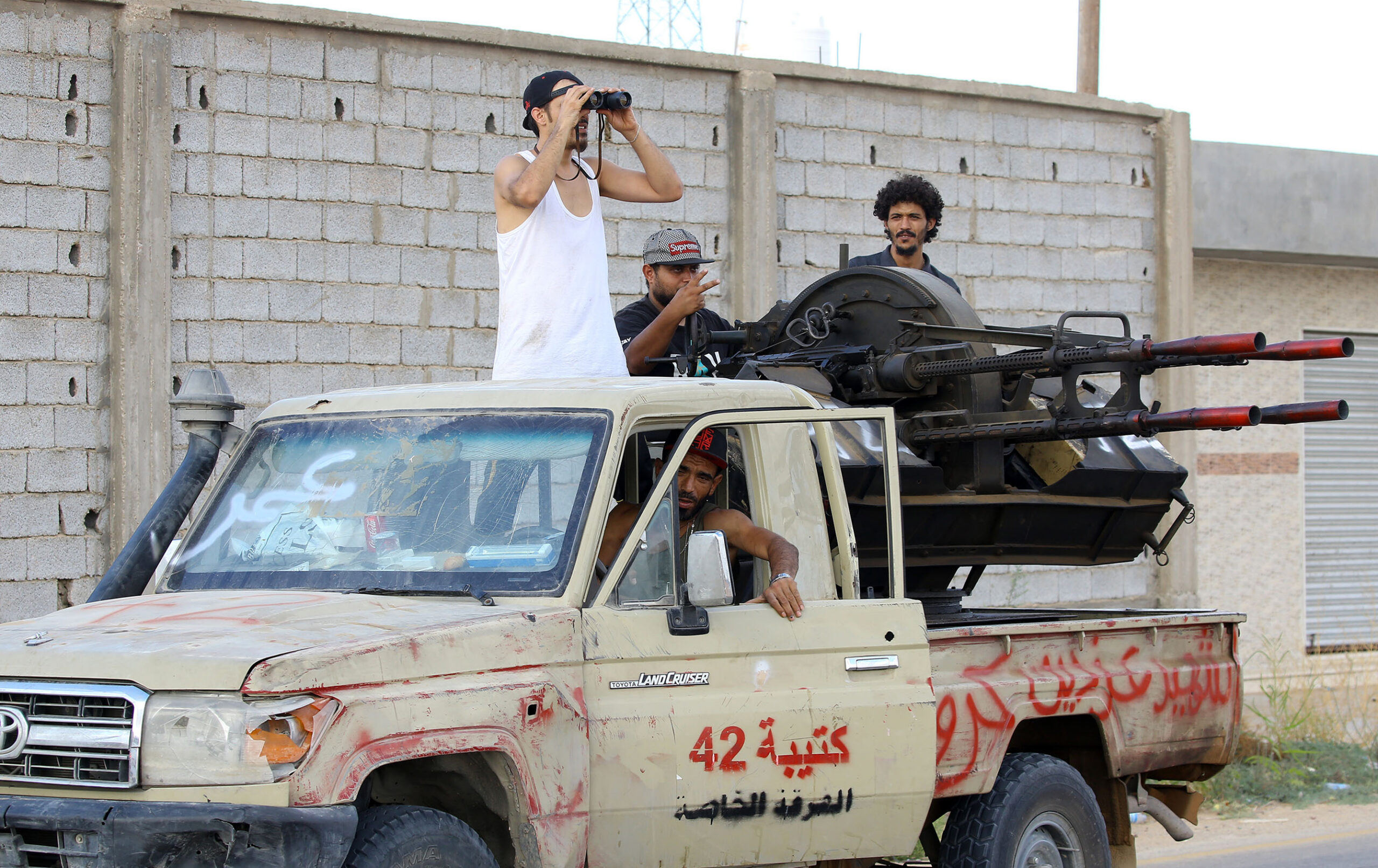
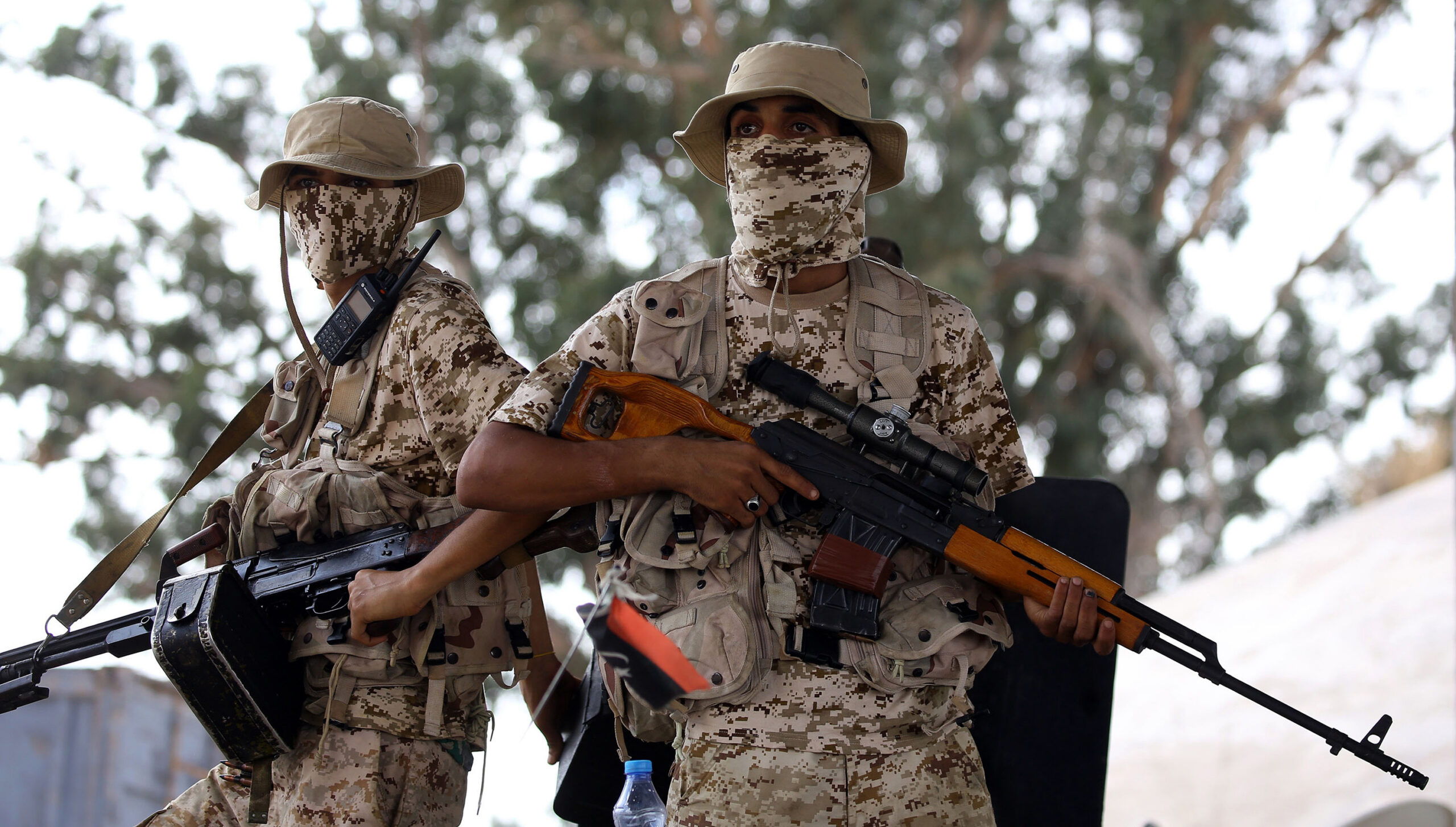
On Dec. 18, 2018, the seaport in Libya’s capital was the scene of a surprising yet deft maneuver orchestrated by the city’s four main armed groups, namely the Tripoli Revolutionaries’ Brigade (TRB); Abu Salim’s Special Deterrence Force; the Nawasi Battalion; and the Bab Tajoura Brigade.
MEI’s Jonathan Winer joins guest host Alistair Taylor to discuss the conditions in Libya nearly eight years after the country’s revolution, from the situation on the ground to the prospects for elections and political settlement more broadly.
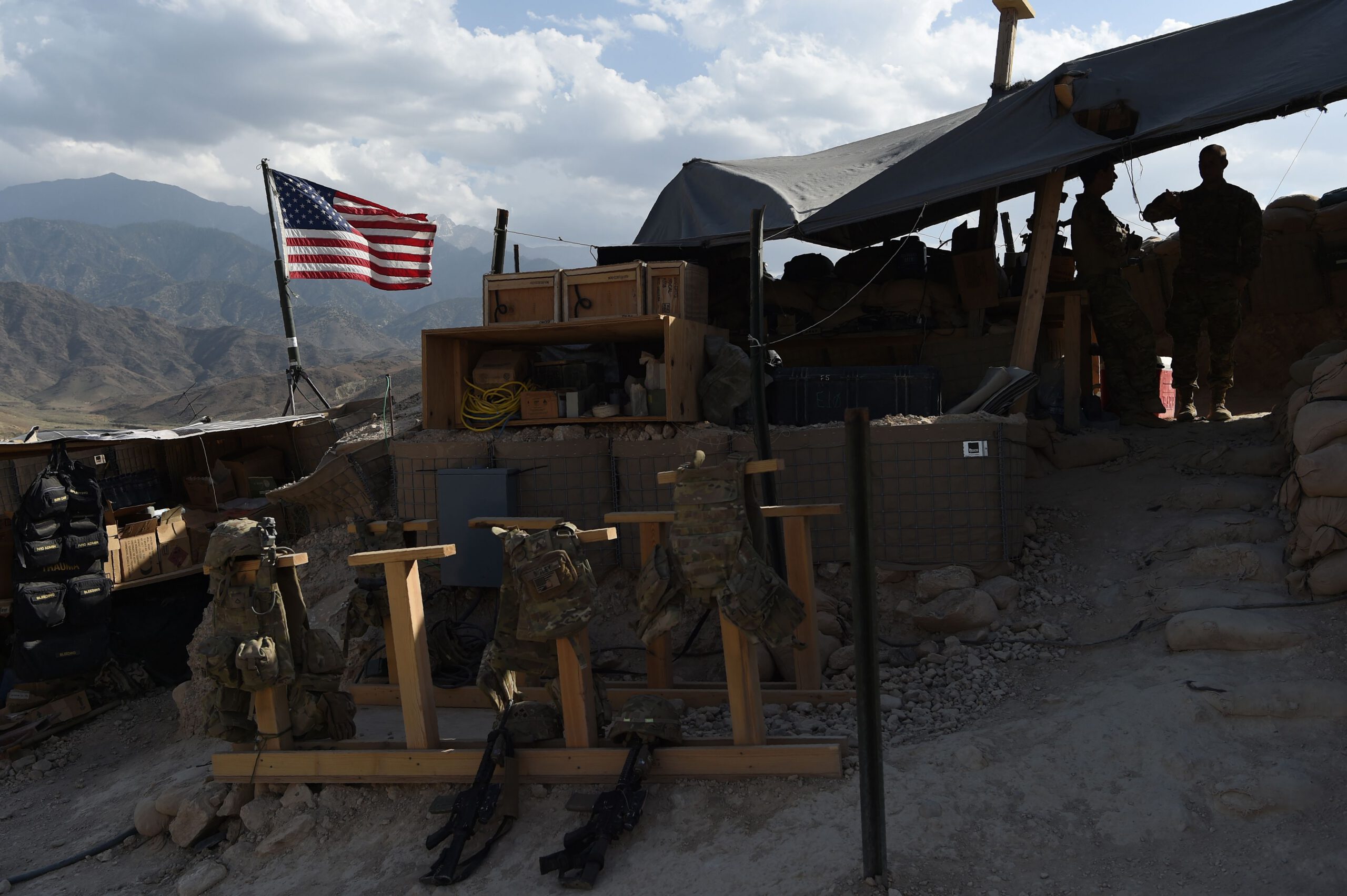
In this week’s Monday Briefing, MEI experts discuss recent and upcoming events including the ongoing conflict in Yemen, the potential impact of the midterm elections on US Middle East policy, U.S.-Turkey rapprochement, escalating tensions in northern Syria, the upcoming Palermo conference on Libya, and the potential for political fallout in Pakistan and peace talks in Afghanistan.
The UN’s “Plan B” for Libya needs a security solution, too
The UN has undertaken a series of steps to push Libya beyond the uneasy stability imposed by the militias. Together with Plan B, an economic-military-political package could provide the means to do so.
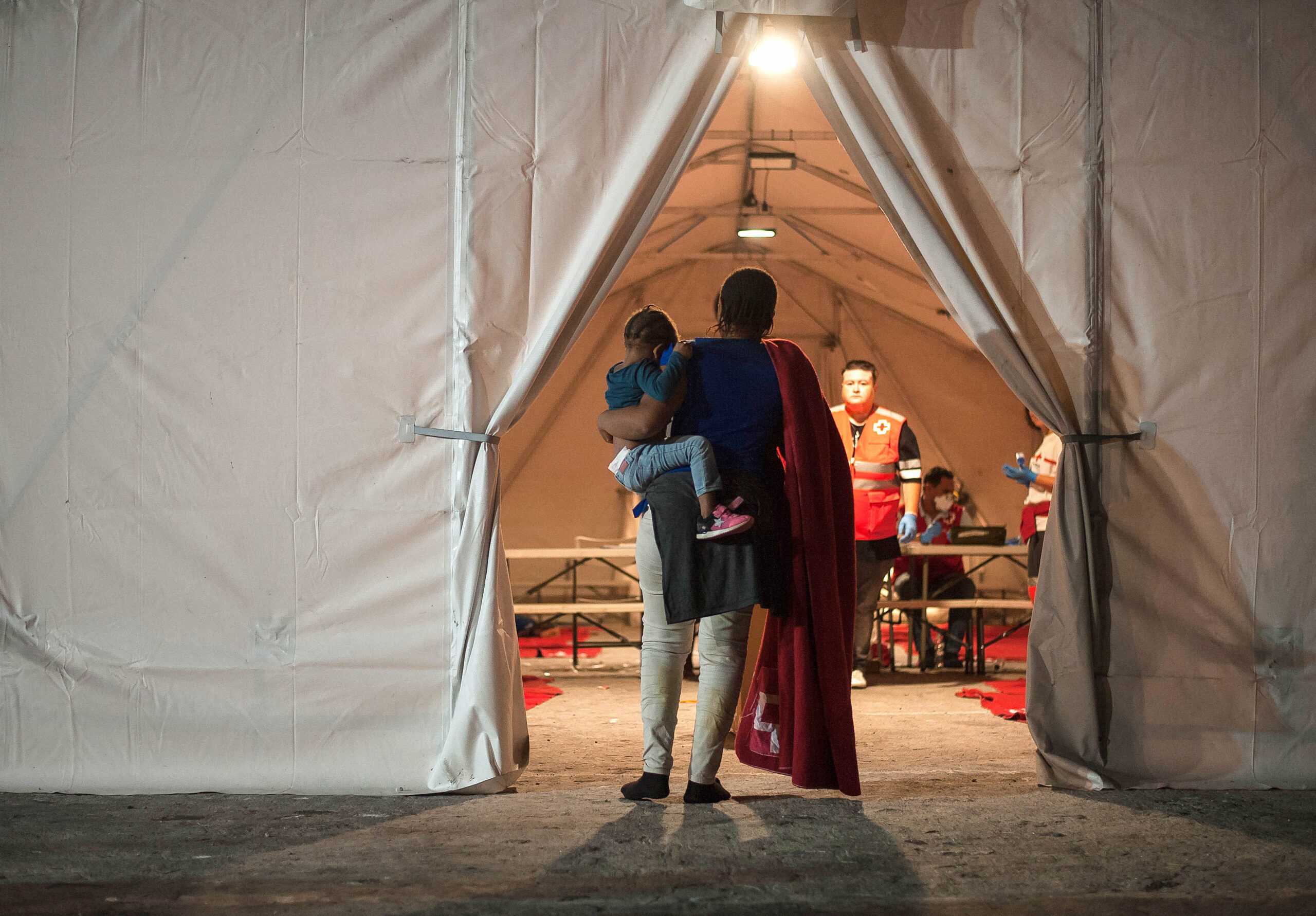
The most recent EU summit, in June 2018, only proved that the EU’s member states do not share any common long-term perspective on migration from Middle East to Europe. This lack of cohesion, as well as a lack of substantial cooperation with the U.S., are the best recipe for a humanitarian disaster in 2019.
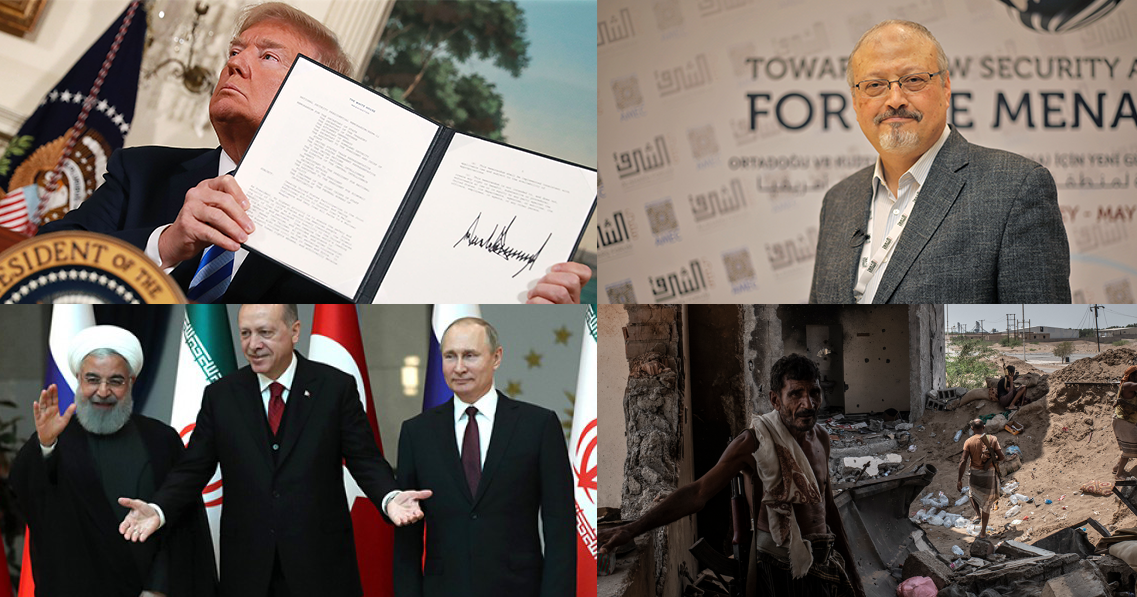
In this week’s Monday Briefing, MEI experts Jonathan M. Winer, Robert S. Ford, and Alex Vatanka provide analysis on recent and upcoming events including political turmoil in Libya, the meeting between Turkey and Russia to discuss the fate of Idlib province, and Iran’s attempts to forge new relationships to offset U.S. sanctions.
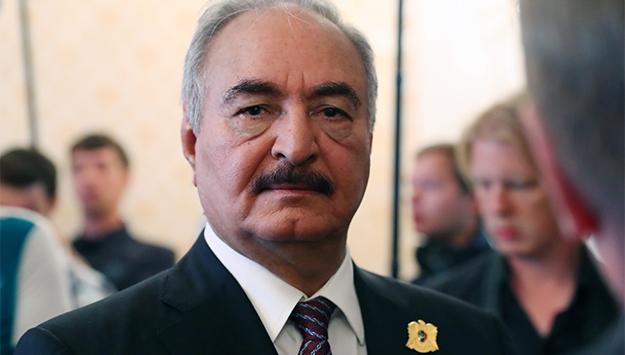
The issue for Libya is not whether 75-year-old Gen. Khalifa Hifter returns to normal health following the medical crisis that led to his hospitalization in Paris. No matter what happens to Hifter, the country must find ways to build an inclusive government in which integrated security forces at the national level are under the command of civilian, elected leaders.
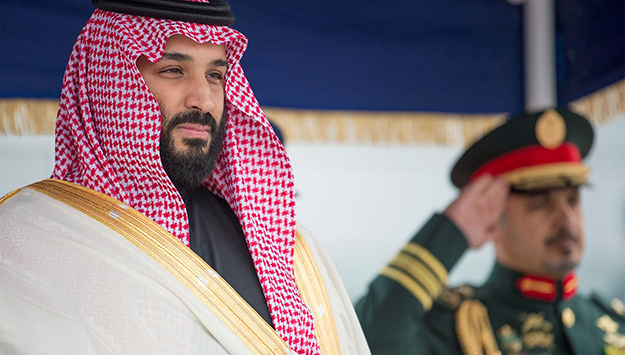
Monday Briefing: Mohammed bin Salman’s American charm offensive
In this week’s Monday Briefing, MEI experts Gerald Feierstein, Paul Salem, Charles Lister, Jean-François Seznec, and Jonathan M. Winer provide analysis on recent and upcoming events including the shaping of U.S.-Saudi relations, Pompeo’s appointment to secretary of state, Turkey’s capture of Afrin, the future of Saudi energy, and Egypt’s efforts to unite the Libyan military.
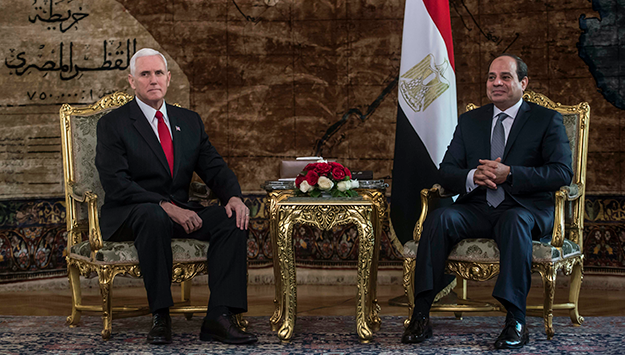
Pence’s pointless peregrination in the Mideast | Monday Briefing
In this week’s Monday Briefing, MEI experts Paul Salem, Robert S. Ford, Randa Slim, and Jonathan M. Winer provide analysis on recent and upcoming events including Vice President Mike Pence’s trip to the Middle East, Turkey’s assault on Afrin, Iraq’s upcoming elections, and the U.N. humanitarian aid plan for Libya.
In the Crowded Arena of Tuareg Rockers, Mdou Moctar Stands Tall
Mdou Moctar recently finished his first U.S. tour. In his three October performances in Washington, he set out to do a lot. Pickless, his kinetic guitar licks bounced around the stage, bringing his audience thousands of miles away to the Sahara desert. His calm, welcoming voice sang about the struggles and hopes of his divided homeland.
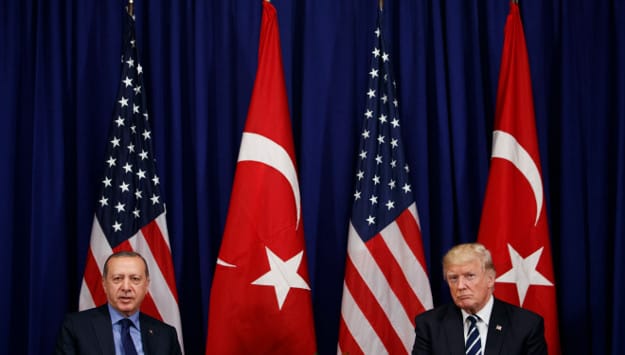
U.S.-Turkey Relations Hit All-Time Low | Weekly Briefing
In this week’s Monday Briefing, MEI experts Gonul Tol, Ibrahim al-Assil, Amal Kandeel, and Jonathan M. Winer provide analysis on recent and upcoming events including the diplomatic row between Turkey and the United States, the arrival of Turkish troops in Idlib, Morocco’s establishment of a national water security strategy amid climate concerns, and the resumption of talks on the Libya Political Agreement in Tunis.