What the United Nations’ 6th Climate Assessment tells us about the Mediterranean’s climate future
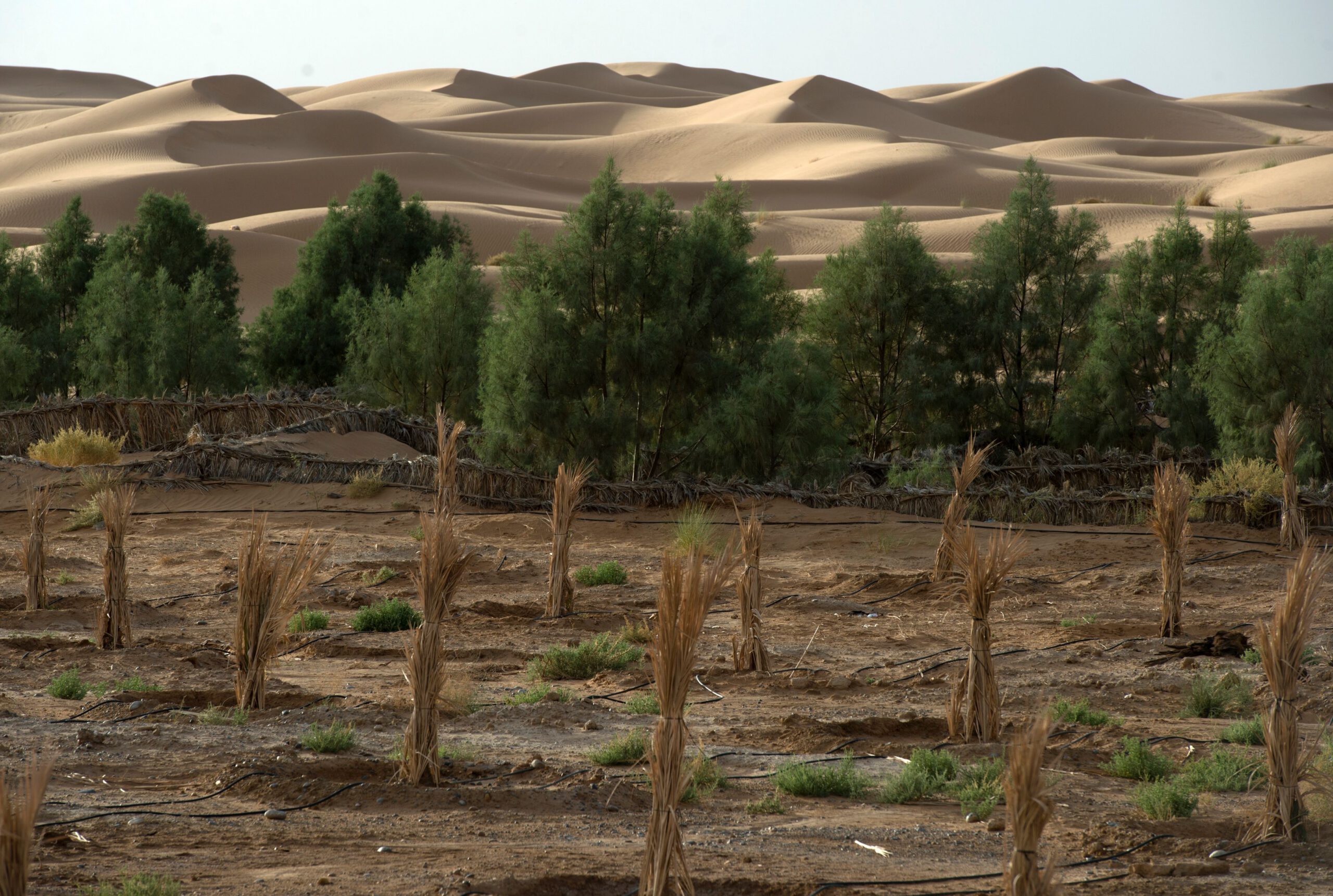
The latest U.N. IPCC report details the alarming changes that Mediterranean countries will experience in the coming decades due to climate change, highlighting three critical areas — warming and droughts, declining ecosystems, as well as socioeconomic and public health risks.
As terrorist groups expand in the Sahel, is Algeria the missing link?
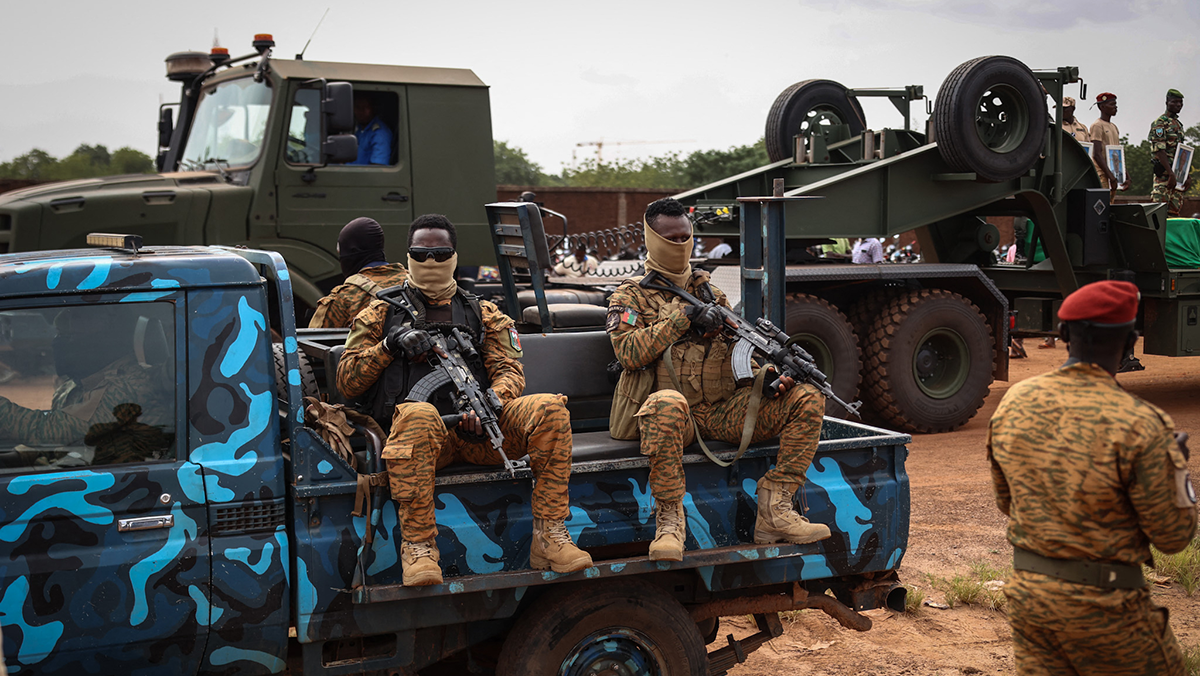
Over the past two years, the steady expansion of terrorist and fundamentalist threats in the Sahel has not gotten the attention it deserves. Algeria’s regional diplomatic clout, military might, and experience in fighting terrorism could help Sahelian states ward off an imminent political and security collapse.
Morocco and Israel: Economic Opportunities, Military Incentives, and Moral Hazards
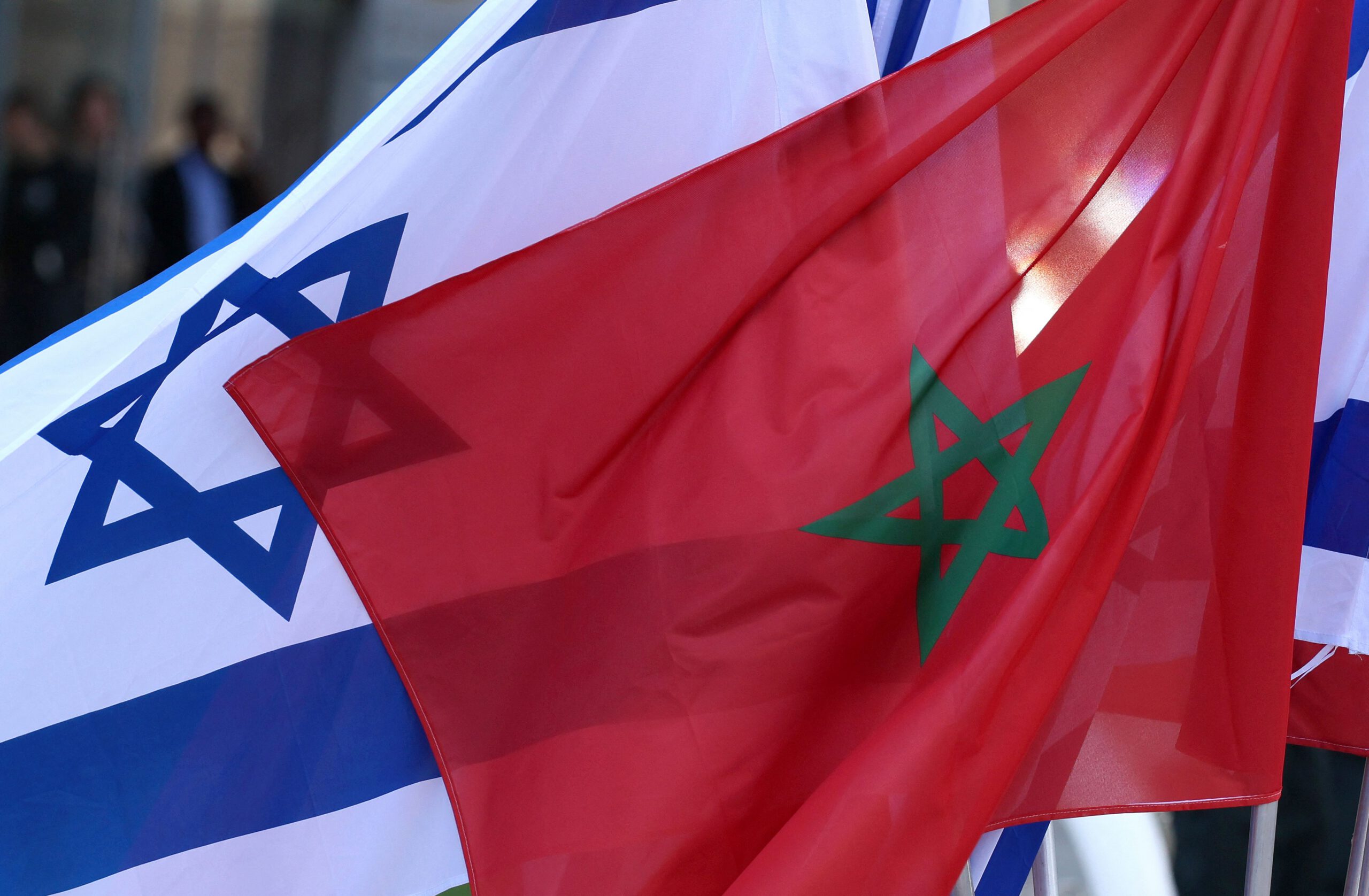
The December 2020 Moroccan-Israeli normalization deal has evolved from a vehicle enabling Morocco to gain long-sought U.S. recognition of its claims on Western Sahara to a broader strategic partnership with Israel. But the relationship further strains relations with neighboring rival Algeria.
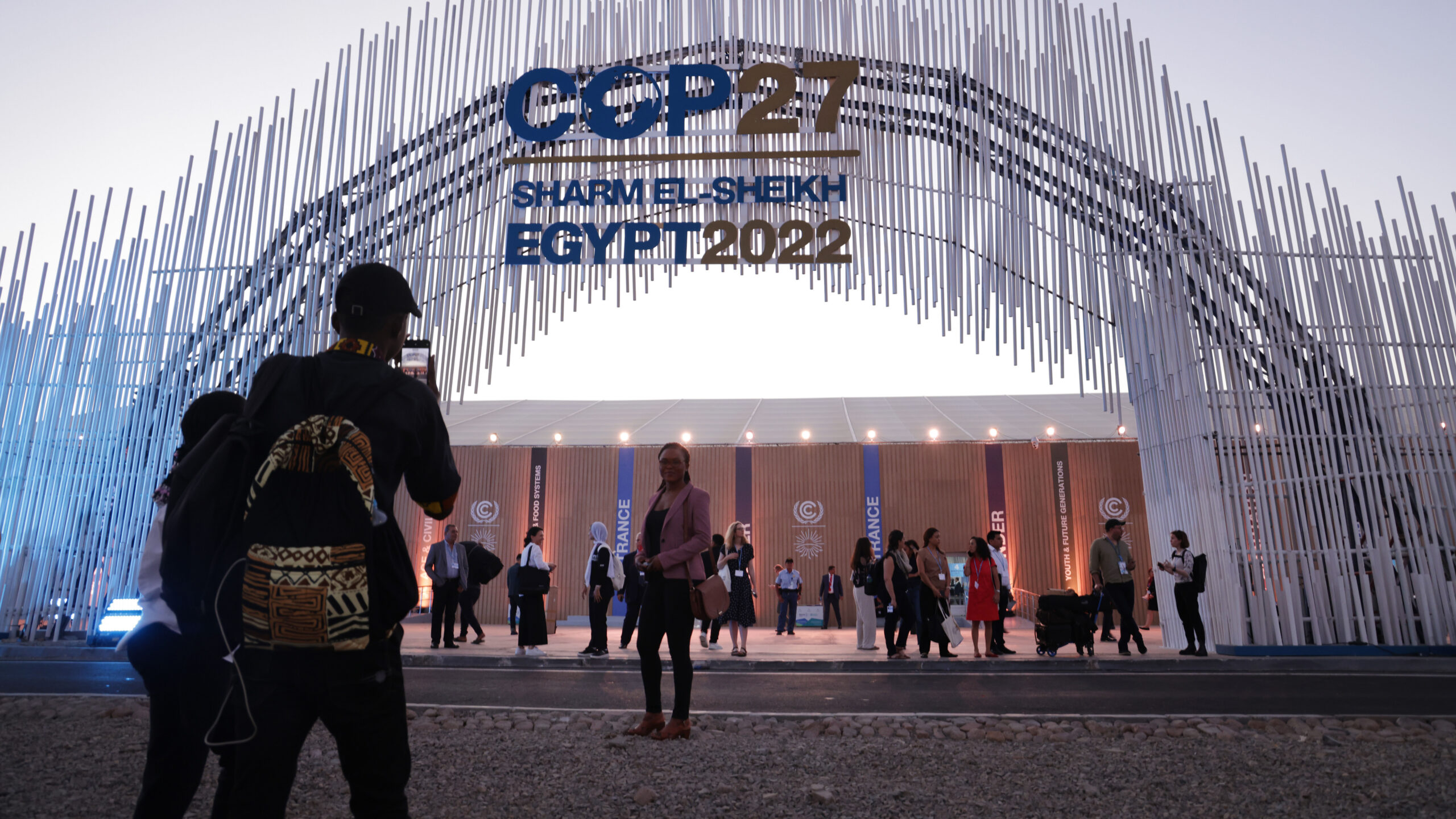
Dispatches from Sharm el-Sheikh: Reviewing COP27 from the MENA perspective
Participating in COP27 provided a unique opportunity to view the proceedings firsthand and evaluate the effectiveness of the meeting in advancing critical climate priorities that can alter the alarming trajectory of future climate change.
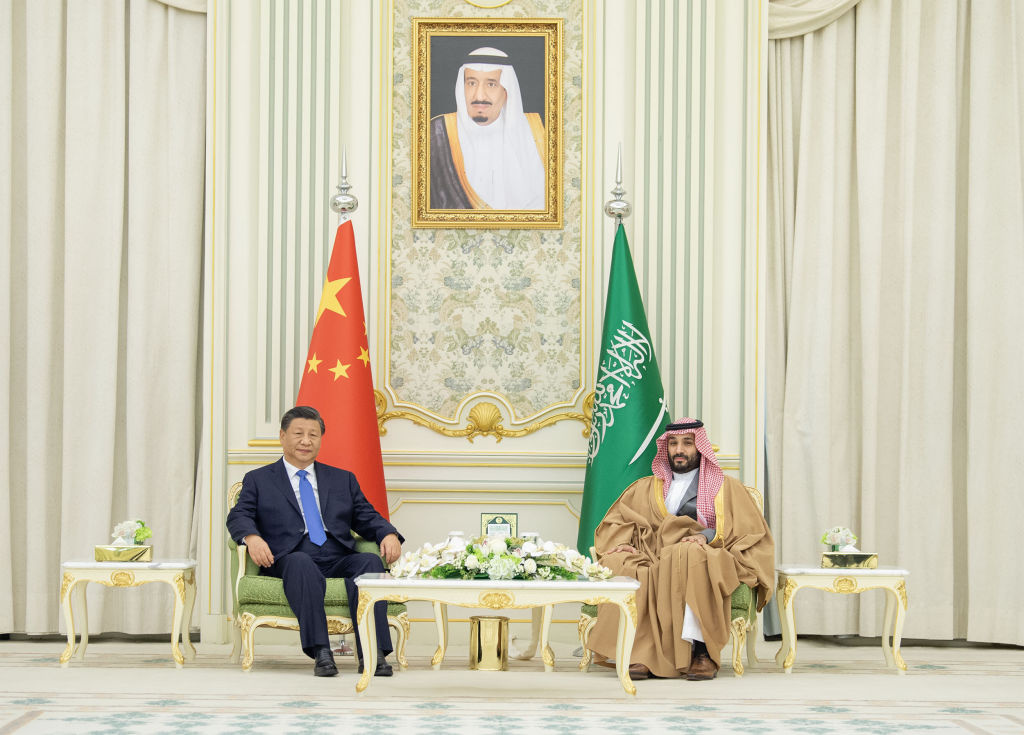
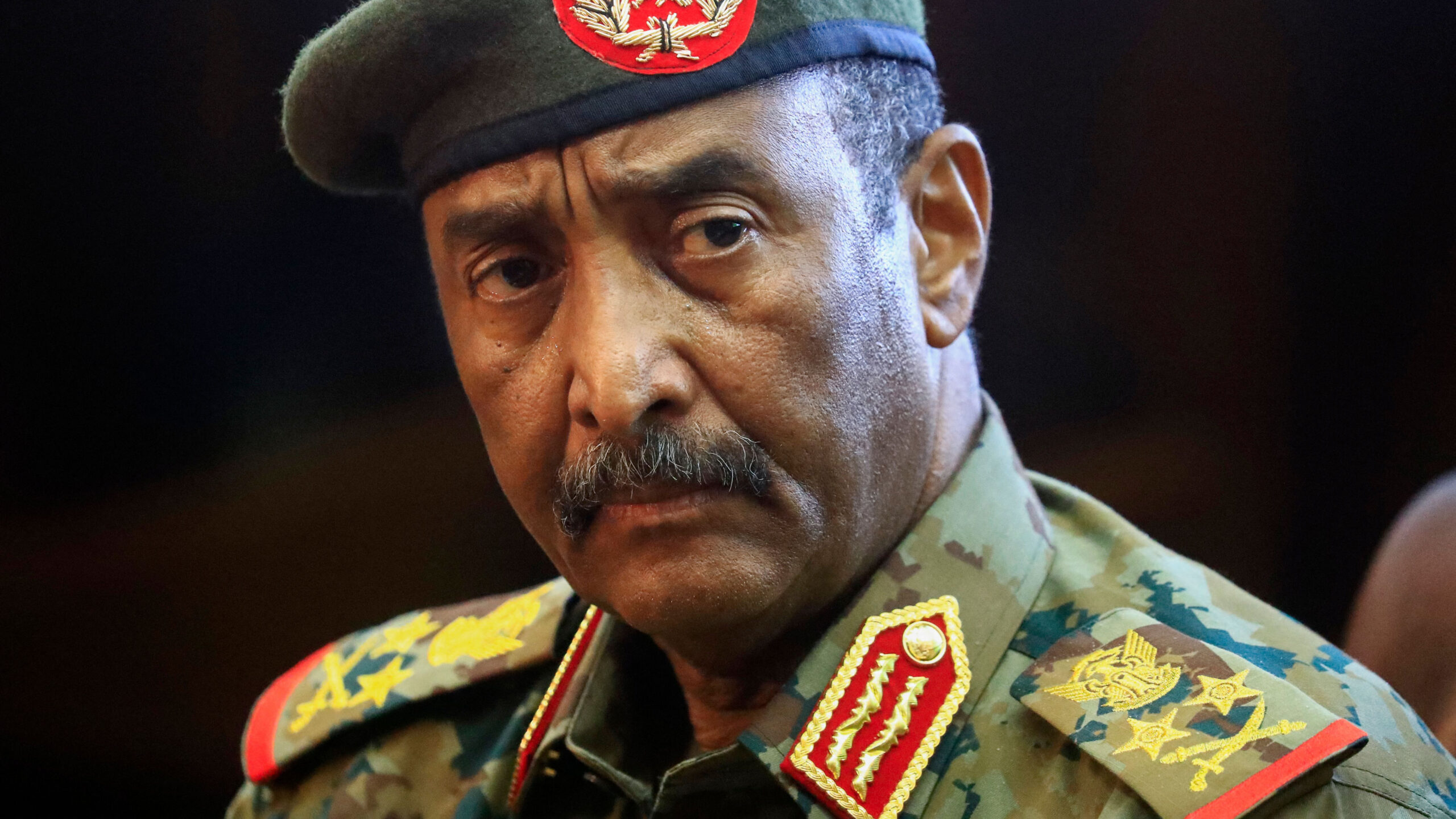
Sudan is geostrategically important to U.S. interests in both Africa and the Middle East. The country’s military rulers, Lt.-Gen. Abdel Fattah al-Burhan and his deputy Lt.-Gen. Mohamed Hamdan Dagalo (also known as “Hemedti”), are banking on that fact as they seek to press the Biden administration to focus its Sudan policy on stability, rather than supporting calls for democracy.
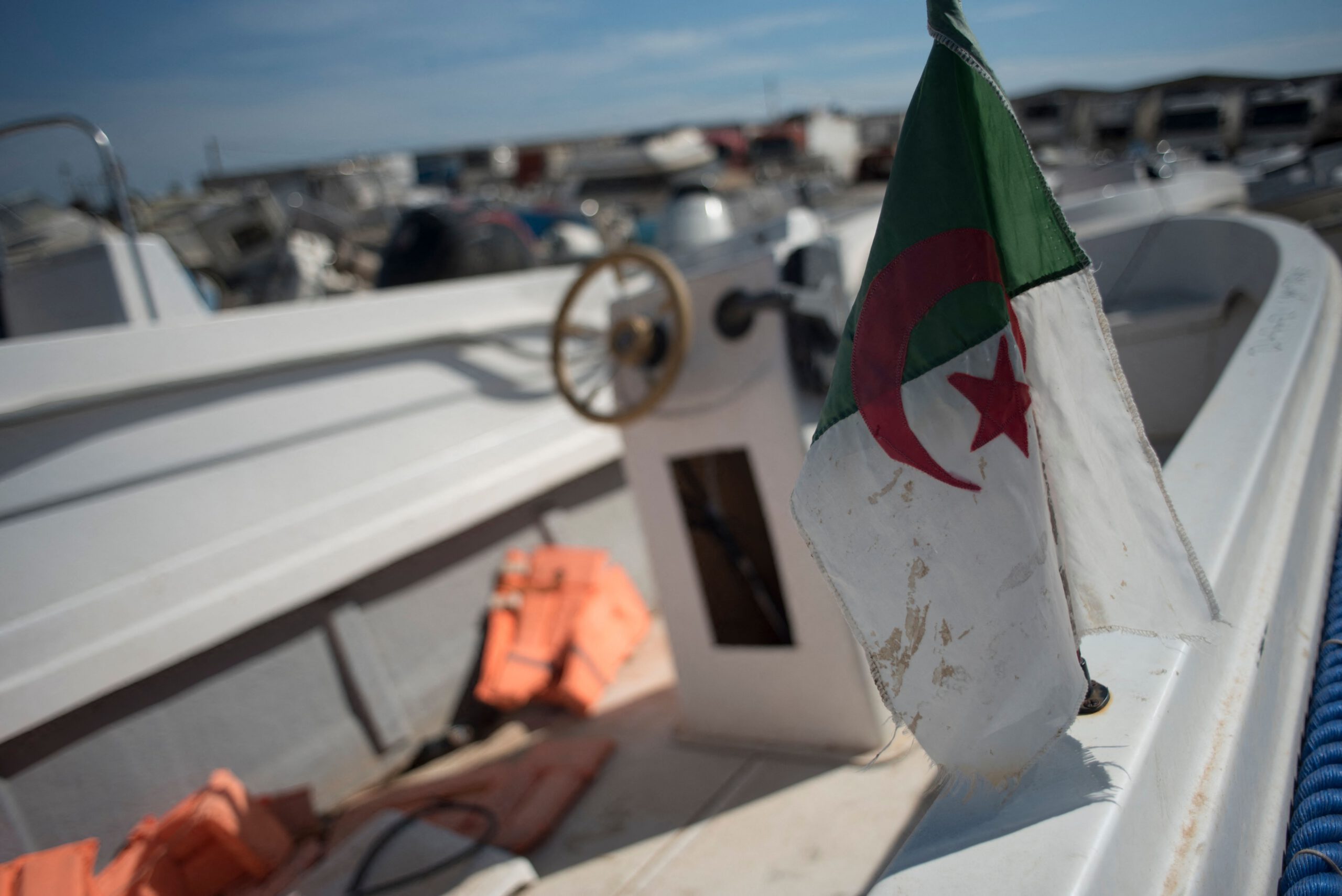
Algerians’ clandestine exodus: A complex national tragedy
The growing wave of Algerians illegally trying to reach Southern European shores while risking death is by no means a new development. But these perilous trans-maritime voyages are also a reminder of the bleak political and economic situation in which Algeria finds itself three years after the 2019 protest movement sparked hope for fundamental change.
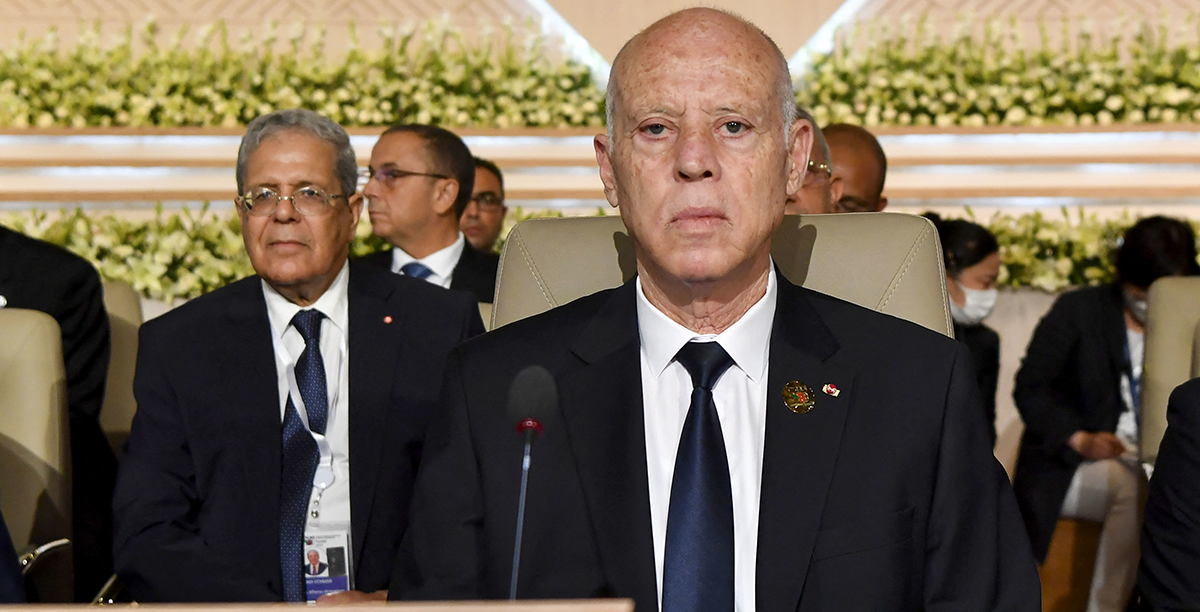
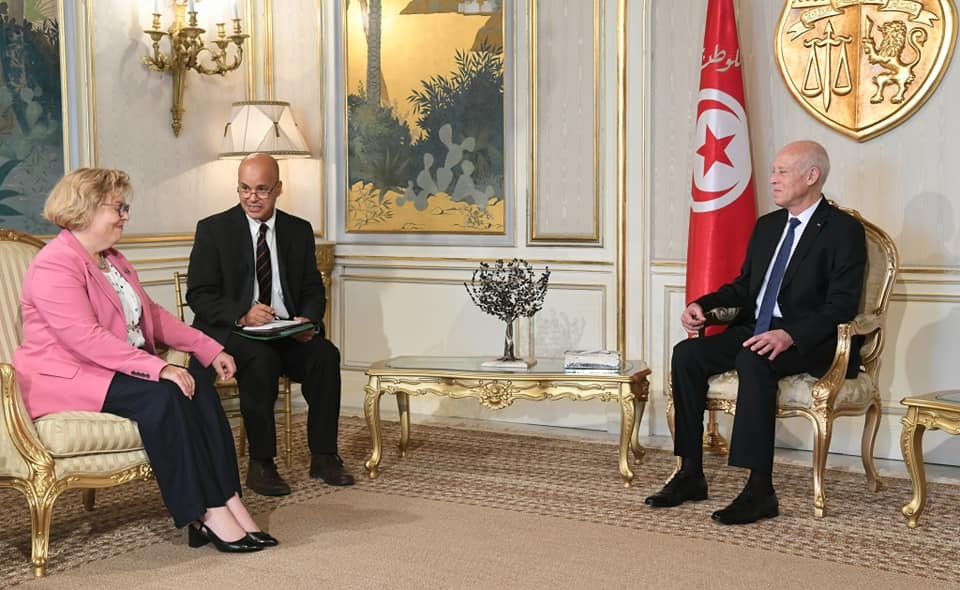
With the decree of a new election law on Sept. 15, President Kais Saied continues rebuilding the formal political mechanisms of the Tunisian state — what some see as a “third republic.” The new law sets the terms for the legislative elections scheduled to be held on Dec. 17, 2022, and it comes only shortly before nominations for candidacies for those elections begin on Oct. 17.
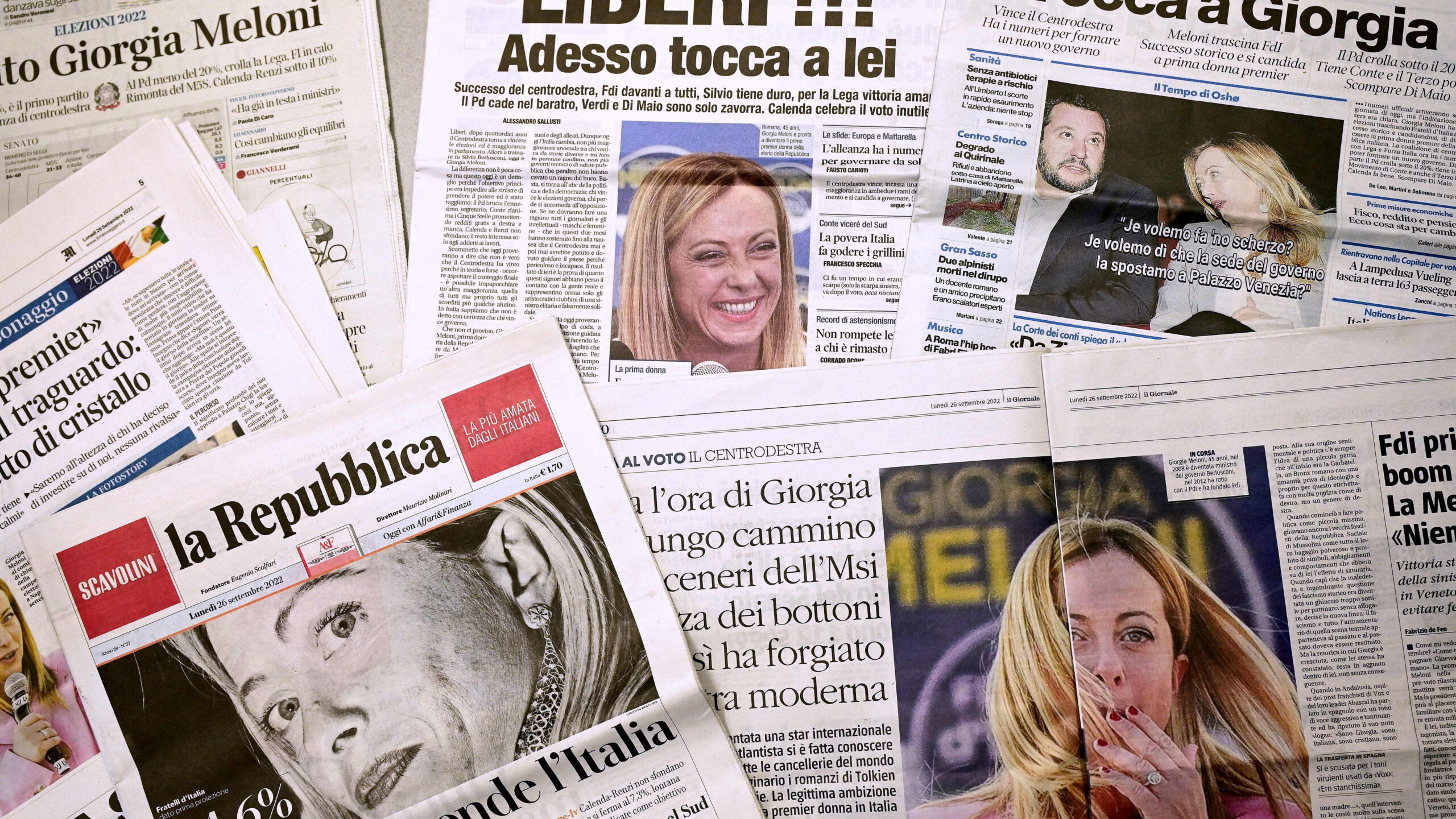
Will Italy’s MENA policy change under the new government?
Although Italians have elected the most far-right government of the postwar era, the future might be marked more by evolution than drastic change, at least in the short term. This is especially true when it comes to Italian foreign policy, including toward the Middle East and North Africa.
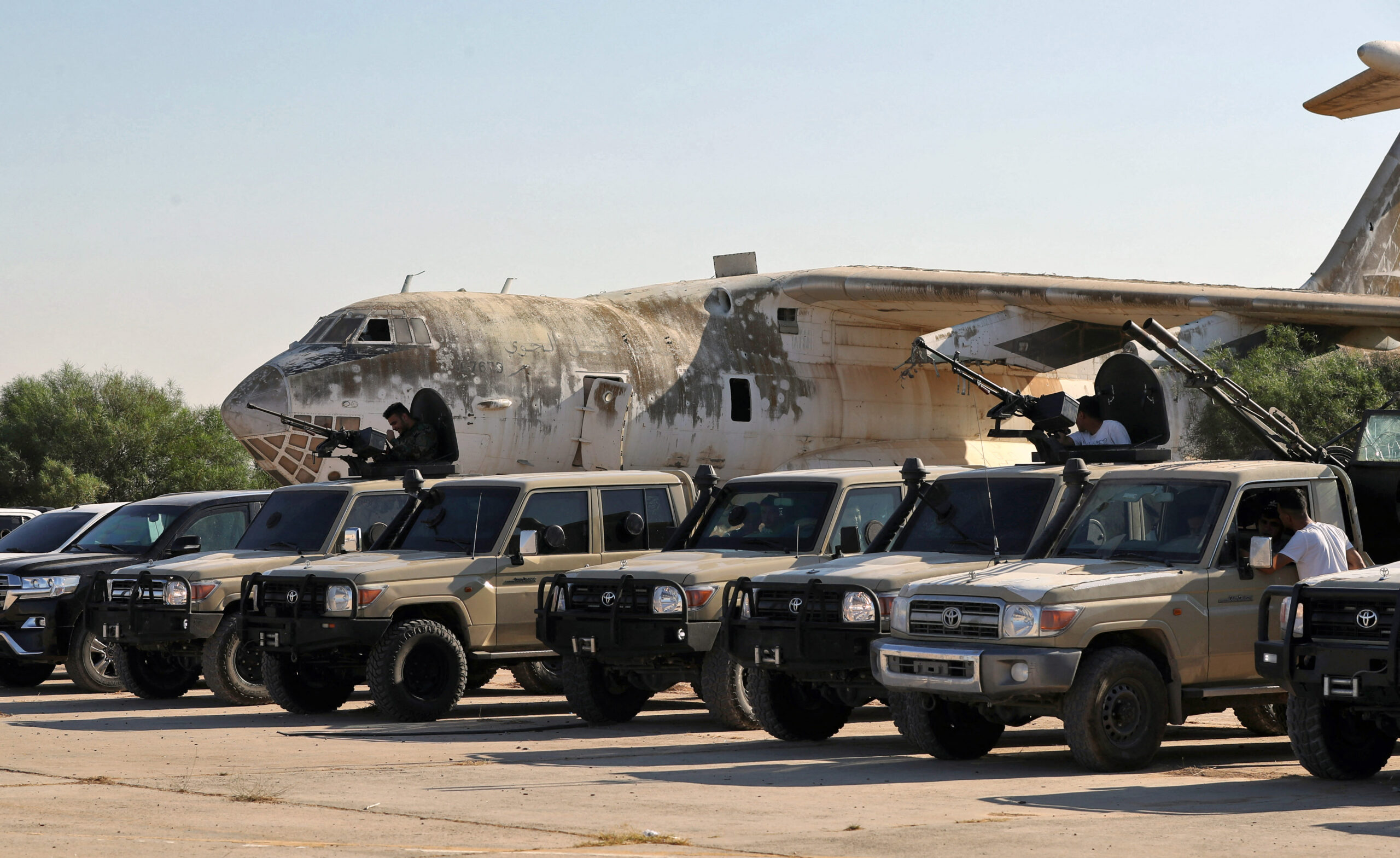
On Sept. 2, the United Nations appointed a new special envoy for Libya, Senegalese diplomat Abdoulaye Bathily. But to have any chance of success, Bathily will need to reach out to local-level Libyan leaders who oppose the status quo preferred by Libya’s national politicians.
French President Emmanuel Macron’s recent visit to Algeria brought talks of cooperation and reconciliation to the fore in an otherwise fraught relationship. France and Algeria share a long and painful history, including 132 years of colonial occupation and an eight year war of devastation. In an effort to unpack the motivations and context behind Macron’s visit, MEI Senior Fellow and Director of the North Africa and the Sahel Program Intissar Fakir speaks with Francis Ghilès, Senior Research Fellow with the Barcelona Center for International Affairs.
Morocco’s green mobility revolution: The geo-economic factors driving its rise as an electric vehicle manufacturing hub
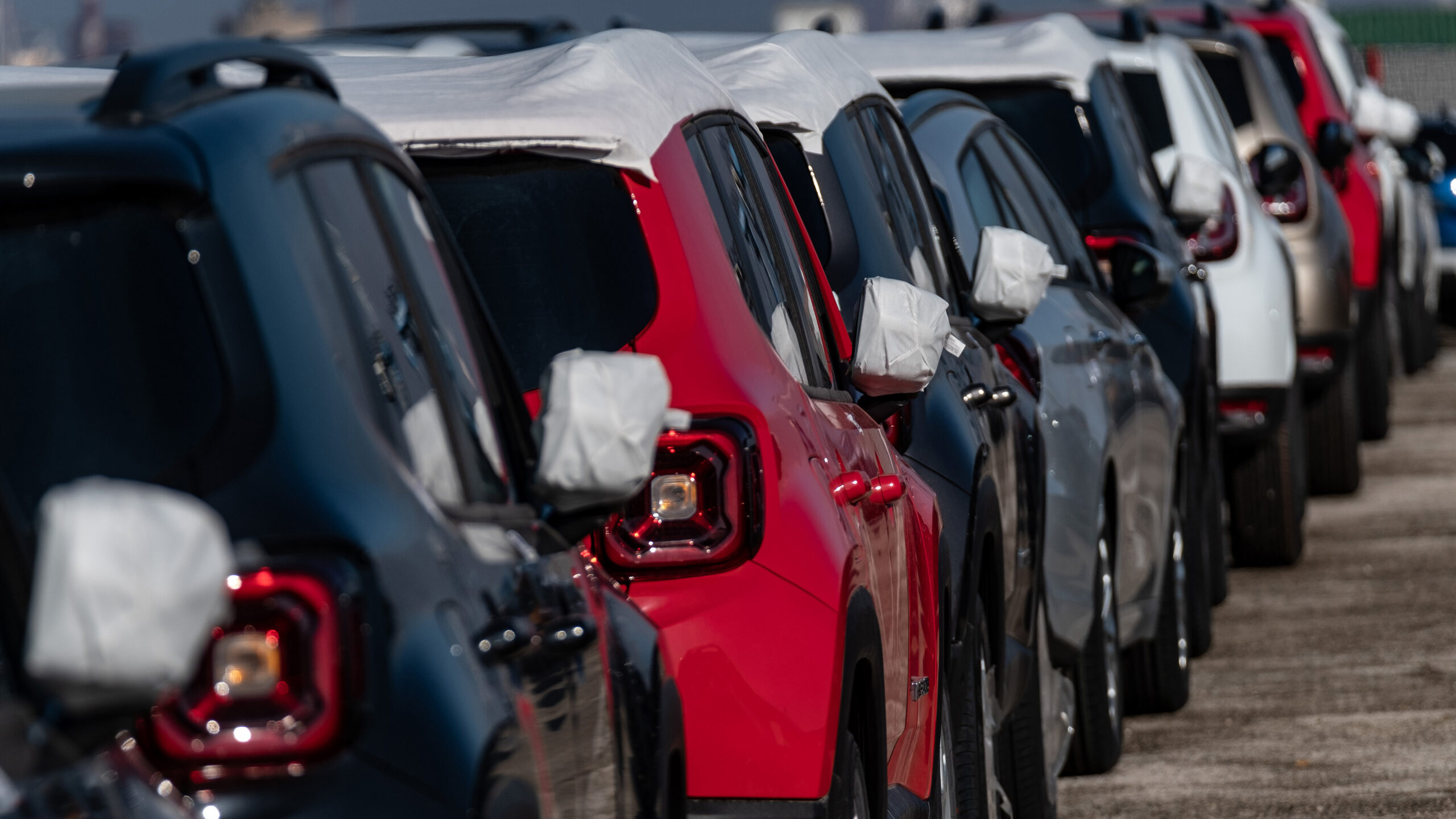
Rabat’s recent announcement that it would soon sign an agreement for the construction of a “gigafactory” to make electric vehicle (EV) batteries has placed Morocco in pole position to become a green mobility leader in the Middle East and North Africa.
مثل الولايات المتحدة وأوروبا، شهد المغرب بدوره ارتفاعًا في معدلات التضخم مؤخرًا، مسجلة معدلا وصل 6.4 في المائة خلال يوليو 2022، وهو تضخم قادم من الخارج، يسمى ب”التضخم المستورد”. فبفضل سياسته النقدية المتينة، تمكن البلد من إبقاء التضخم عند الحد الأدنى في الماضي، لكن الوضع تغير الآن، كما أن السياسة النقدية المحلية غير قادرة على مواجهة العوامل الخارجية التي أدت إلى الارتفاع الأخير في الأسعار.