Brian sits down with Robert Malley, a former US official best known for his role as the lead negotiator of the 2015 Joint Comprehensive Plan of Action. Malley discusses the motivations behind his new book, Tomorrow Is Yesterday: Life, Death, and the Pursuit of Peace in Israel/Palestine, and offers his assessment of American perspectives on the war in Gaza. The conversation also explores his personal background as the son of an Egyptian Jewish father and an American Jewish mother—both outspoken on the political left—and how that upbringing shaped his worldview, alongside a career spanning the Clinton, Obama, and Biden administrations.
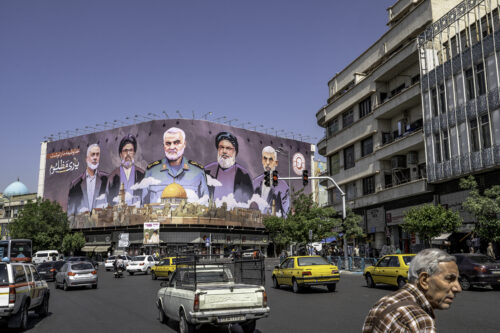
This backgrounder provides an overview of the Axis of Resistance, a loosely aligned network of armed groups and state actors led and supported by Iran to project its influence and military strength across the Middle East.
How Iraq’s vote will shape the next phase of US-Iran competition
For Iran, Iraq is strategic depth, political sanctuary, and economic lifeline all at once. The results of the November 11 Iraqi elections will decide who in Baghdad controls the budgetary levers, internal security appointments, and committees that could codify, or constrain, Iraq’s Iran-backed militias.
This backgrounder provides an overview of the history of Hamas, its ideology and leadership, military capabilities and goals, the October 7 attack, relevant US government policies and legislation, and the group’s future in Gaza.
The legitimacy trap: How international institutions sustain the Houthis’ hold on Yemen
For years, the prevailing assumption was that the Houthis’ survival depended on battlefield victories and Iranian support. Both are essential, but there is a third critical and often overlooked factor: the weaponization of international engagement. In a pattern that continues to repeat itself, engagement without accountability strengthens rather than moderates Houthi behavior.
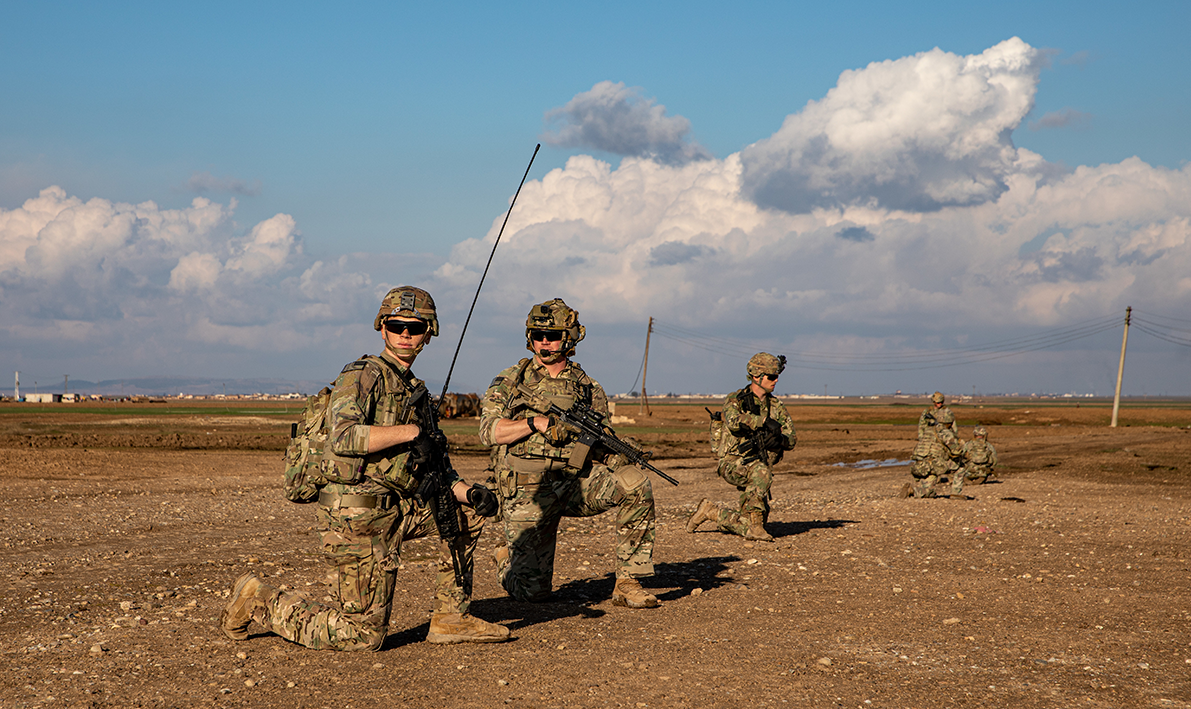
Will Syria join the Global Coalition to Defeat ISIS?
The joint al-Dumayr operation in mid-October was the fifth instance of coordination between the Global Coalition to Defeat ISIS and the Syrian government to confront the Islamic State, amid Western calls for Damascus to officially join the international effort. What’s at stake and what are the potential scenarios moving forward?
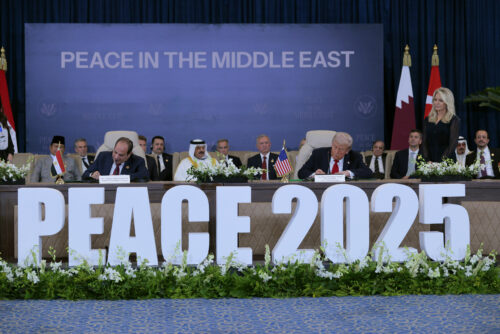
The October 2025 cease-fire and hostage-release deal that ended the Israel-Hamas conflict marks the beginning of a complicated post-war phase. The agreement has created important opportunities to advance stability in the Middle East and build a lasting and sustainable peace marked by enhanced regional security and integration, but there are considerable risks to manage. Achieving these goals will require coordinated international action along multiple lines of effort: security, rule of law, recovery and reconstruction, responsive governance, and steady and focused diplomacy to build confidence among key parties.
Has Pakistan agreed to use nuclear force to defend Saudi Arabia?
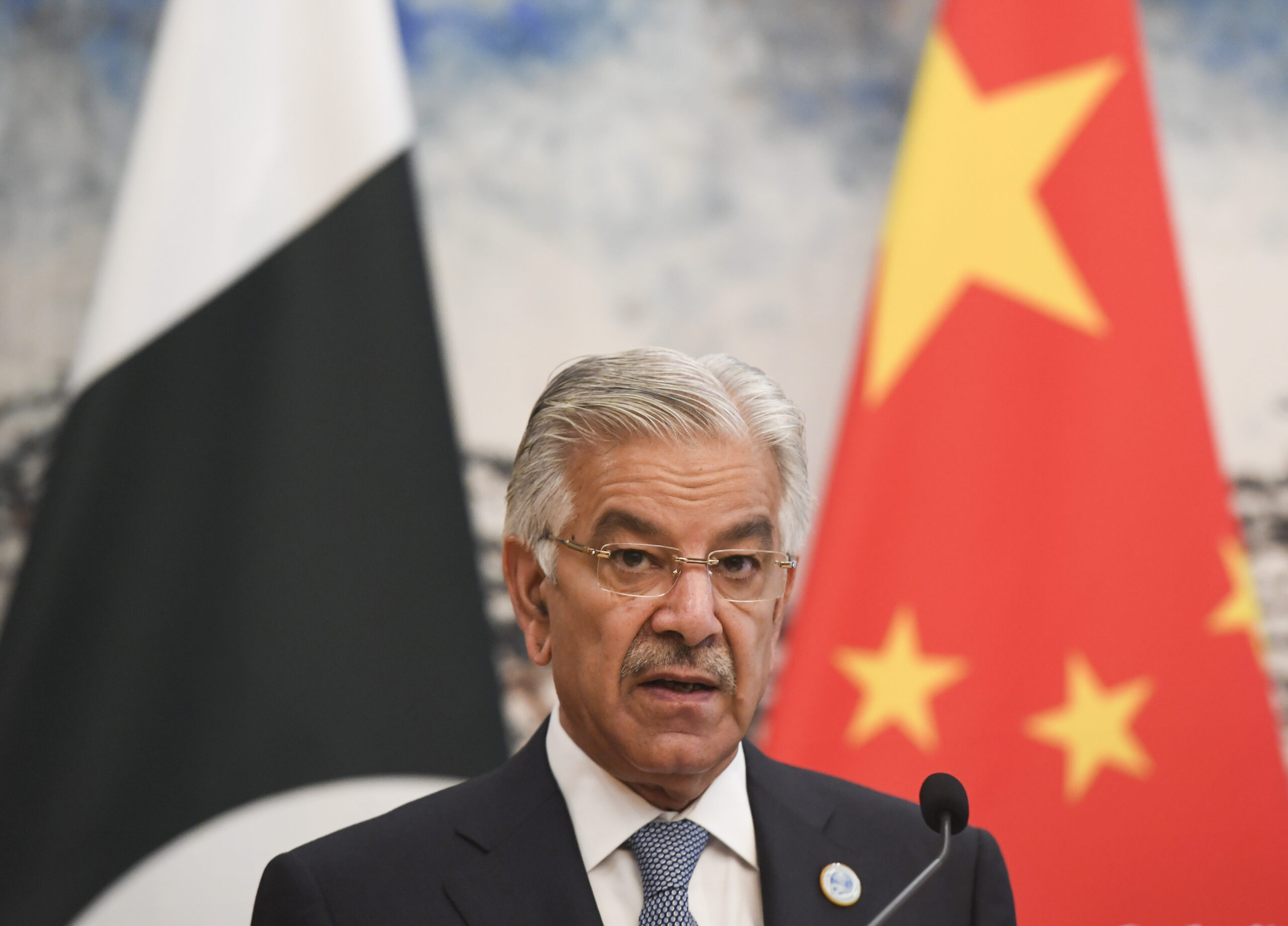
Saudi Arabia and Pakistan signed a mutual defense pact on September 17, 2025, declaring that “any aggression against either country shall be considered an aggression against both.” The wording of the agreement sparked speculation that Pakistan might use its nuclear capabilities to defend Saudi Arabia. MEI’s F. Gregory Gause contends otherwise, offering insight into the history and strategic calculations driving the deal. To learn more about the deal, visit our website.
Pakistan’s strategic defense pact with Saudi Arabia: A new security architecture in the wider Middle East
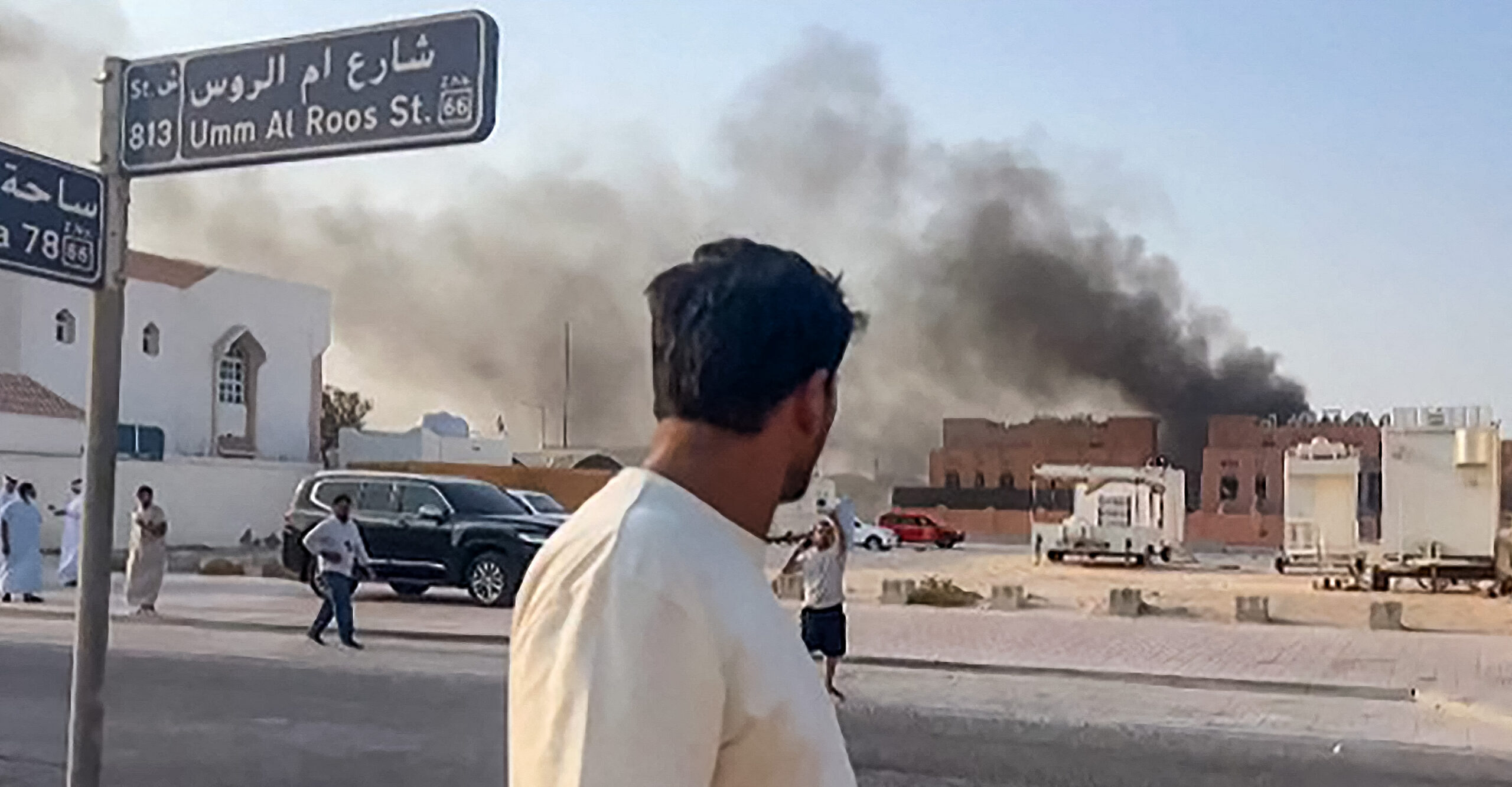
Following Israel’s September 9 strike on Hamas targets in Qatar, Pakistan has taken swift and significant foreign policy steps in response and adopted an unusually assertive stance. This shift was largely influenced by Pakistan’s military chief, Field Marshal Asim Munir. The latter is determined to enhance his country’s strategic autonomy and diplomatic leverage in an increasingly complex international environment by positioning Pakistan as a key security actor and an emerging middle power on the global stage.
Silent leverage, quiet gains? China and the Saudi-Pakistan defense pact
The Strategic Mutual Defense Agreement (SMDA) between Saudi Arabia and Pakistan, signed in Riyadh on September 17, is far more than a bilateral pledge. It represents a profound reordering of alignments in the Gulf and South Asia, reflecting and reinforcing the broader erosion of US preeminence in the Eurasian security architecture. While much of the initial commentary centered on the striking commitment of a wealthy Gulf monarchy to the defense of a nuclear-armed South Asian state, as well as the question of whether Pakistan had in fact extended its nuclear umbrella to Saudi Arabia, the deeper story is arguably China’s potential advance.
A Middle East NATO? Regional Security Options After Doha
Israel’s September 9 strike on Hamas leaders in Doha rattled Gulf capitals and revived a decades-old debate over whether the region needs a NATO-style defensive alliance. MEI Senior Fellow Jason Campbell joins hosts Alistair Taylor and Matthew Czekaj to unpack why past attempts at collective defense have fallen short, whether this moment is different, and what the crisis means for US security strategy in the Middle East.
Israel’s Doha strike could further destabilize region, undermine US security partnerships
The reverberations of Israel’s strike on the Hamas negotiating team in Doha yesterday are still rippling across the globe and will continue to for the foreseeable future. Its ramifications are profound and will alter the geopolitical landscape not just in the Middle East but likely on a global scale.
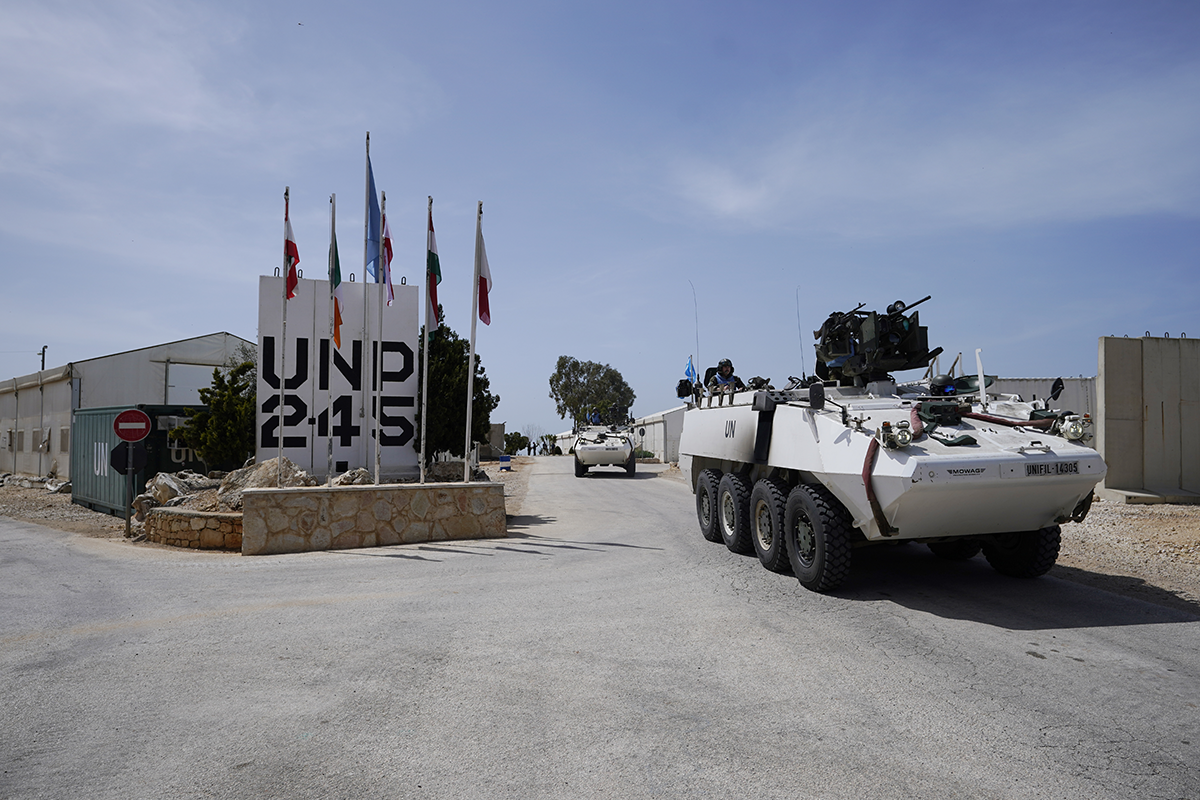
At the end of August, the future of the United Nations Interim Force in Lebanon (UNIFIL), established nearly 50 years ago, goes on trial in New York, where the Security Council will debate the renewal of its mandate. Nearly two decades after its transformation under UN Security Council Resolution 1701, UNIFIL is now part of the problem it was created to solve. Ten thousand blue helmets from almost 50 countries, including major North Atlantic Treaty Organization (NATO) members, failed to stop the latest conflict between Israel and Hizballah, and, if business continues as usual, will fail to prevent the next.
Lebanon and the UNIFIL Mandate: Disarming Hizballah and Reclaiming Sovereignty
With its new government at the half-year mark and the UNIFIL international peacekeeping force’s mandate due for reauthorization at month’s end, Lebanon stands at a pivotal moment. In this episode of Middle East Focus, hosts Alistair Taylor and Matthew Czekaj are joined by MEI Senior Fellow Fadi Nicholas Nassar to evaluate whether the Lebanese state can reclaim its sovereignty, starting with the disarmament of Hizballah and the enforcement of a cease-fire.
Digital frontlines: What the 12-day war revealed about the evolution of Iran’s cyber strategy
During June’s Israel-Iran war, a quieter but significant battle played out in cyberspace, highlighting how Tehran has refined its use of digital tools to shape the battlespace, control domestic narratives, and project influence abroad. While largely ineffective in operational terms, Iran’s cyber response marked a new phase in its strategic evolution.