Addressing challenges to tolerance and religious diversity in Iraq
Iraq has long had a troubled history with its ethno-religious minorities, one full of oppression and violence. This was true under the Ba’athist regime and continued after the 2003 U.S.-led invasion, reaching a nadir with the rise of the Islamic State terrorist group. Although Iraq is now enjoying its most stable period in the past two decades, it is also a case study of the pernicious effects of structural violence, especially toward the more marginalized and vulnerable segments of society.
The limits of human rights law in an authoritarian context: Torture and impunity in Turkey
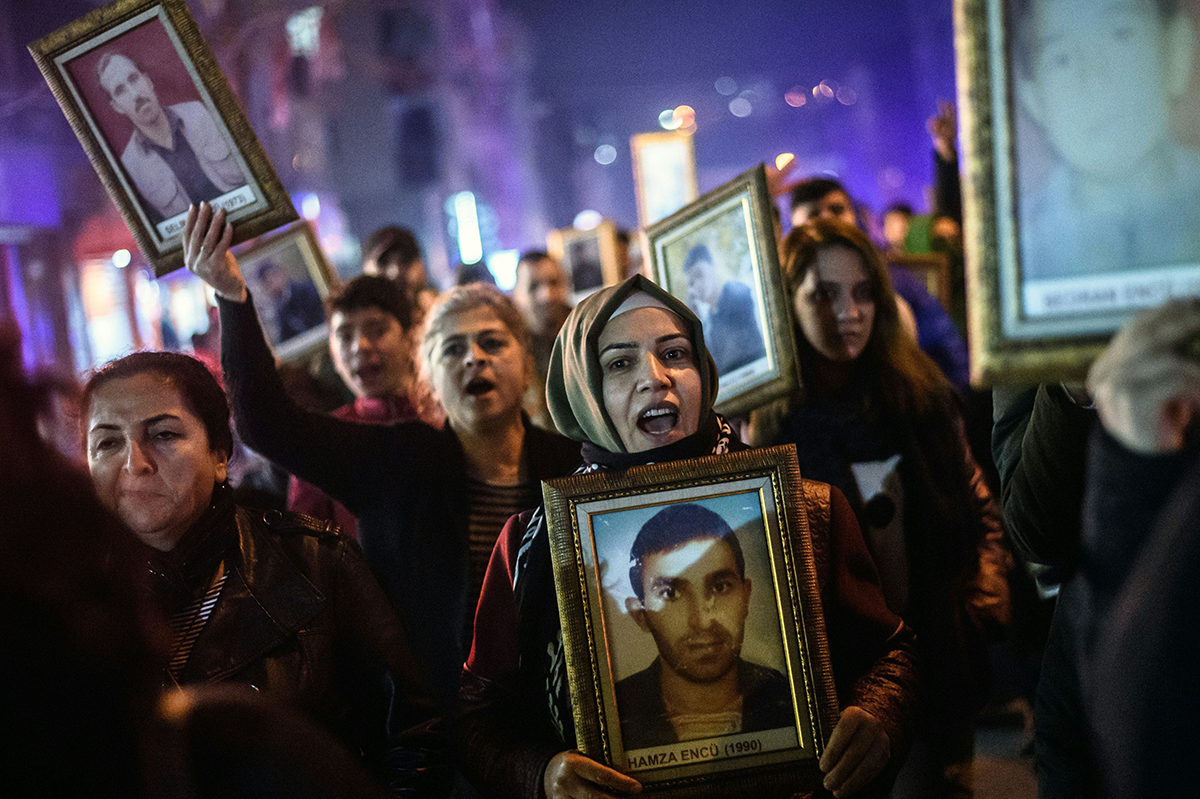
Turkey is a test case of the limits of international human rights law in an authoritarian context. The country is party to all major U.N. and Council of Europe international human rights treaties, including those prohibiting torture and ill treatment, and is subject to the jurisdiction of the European Court of Human Rights. Its constitution and laws ban torture and contain procedural safeguards against it. Yet torture and the impunity of its perpetrators remain state practice, at times reaching systemic levels.
On this week’s episode Alistair Taylor, MEI’s editor-in-chief, is joined by Mick Mulroy and Eric Oehlerich, Senior Fellows with MEI’s Defense & Security Program and the Co-founders of the Lobo Institute and End Child Soldiering, to discuss efforts to stop the recruitment and use of children in combat and rehabilitate former child soldiers. The use of child soliders is a widespread global problem that has a disproportionate impact on the broader Middle East, especially in Yemen, Syria, Sudan, and Somalia.
Women’s Reproductive Rights and Abortion in Morocco: Regulatory Reforms Should Not Miss the Bigger Picture
The recent death of a 14-year-old girl following a botched “back alley” abortion at the house of her abuser is the latest reminder of the need to better protect women’s reproductive rights in Morocco and should push Moroccan authorities to address the multi-faceted social, legal, and economic drivers behind unwanted pregnancies.
Gender gaps in MENA remain stubbornly entrenched, despite positive trends
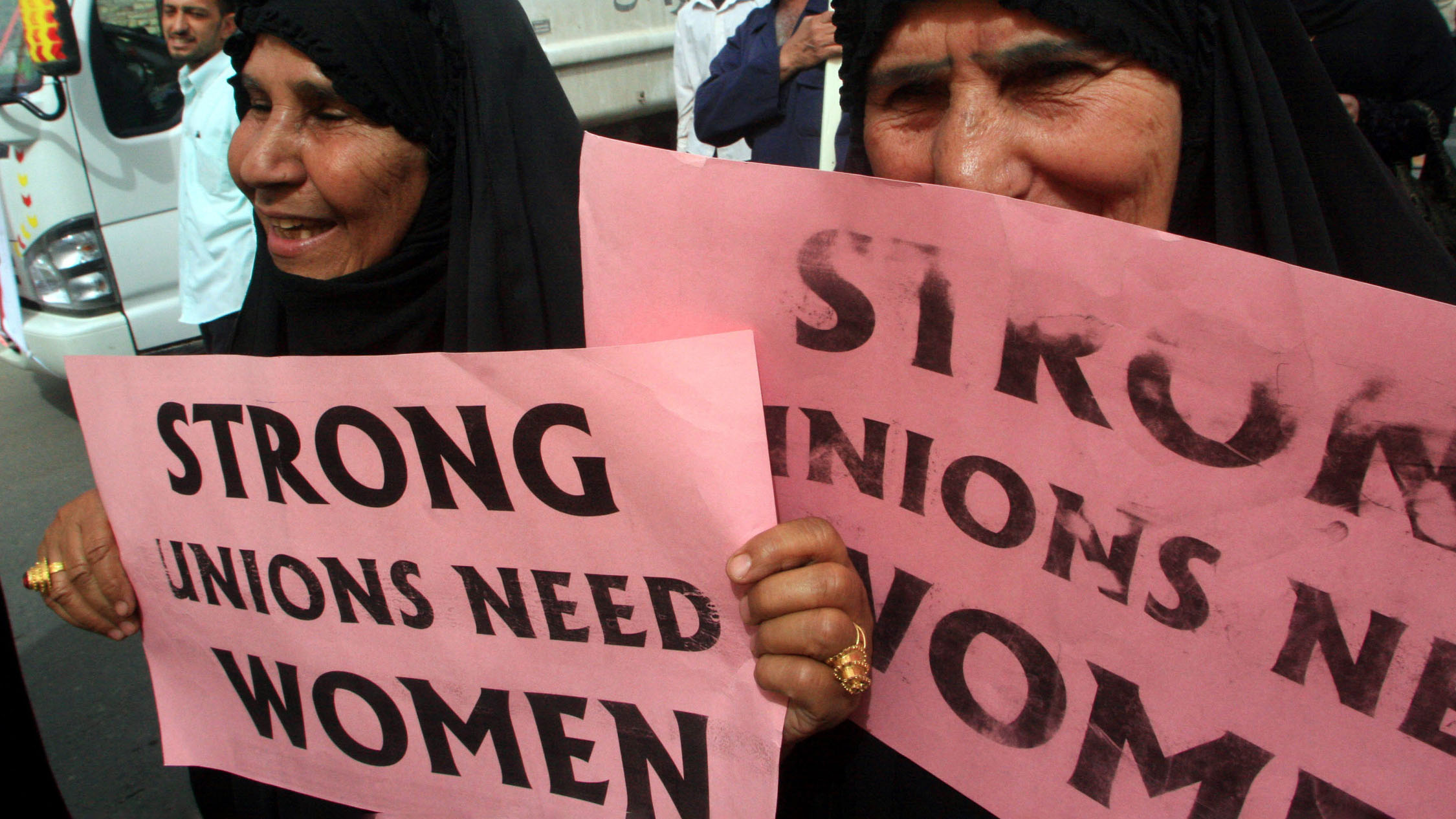
Key findings from the latest Arab Barometer survey, its seventh wave, reveal that, despite some political gains in several Arab states, clear majorities in the 12 countries in which the survey was conducted still hold traditional views on gender norms.
Earthquake devastates southern Turkey, brings calamity to war-torn Syria
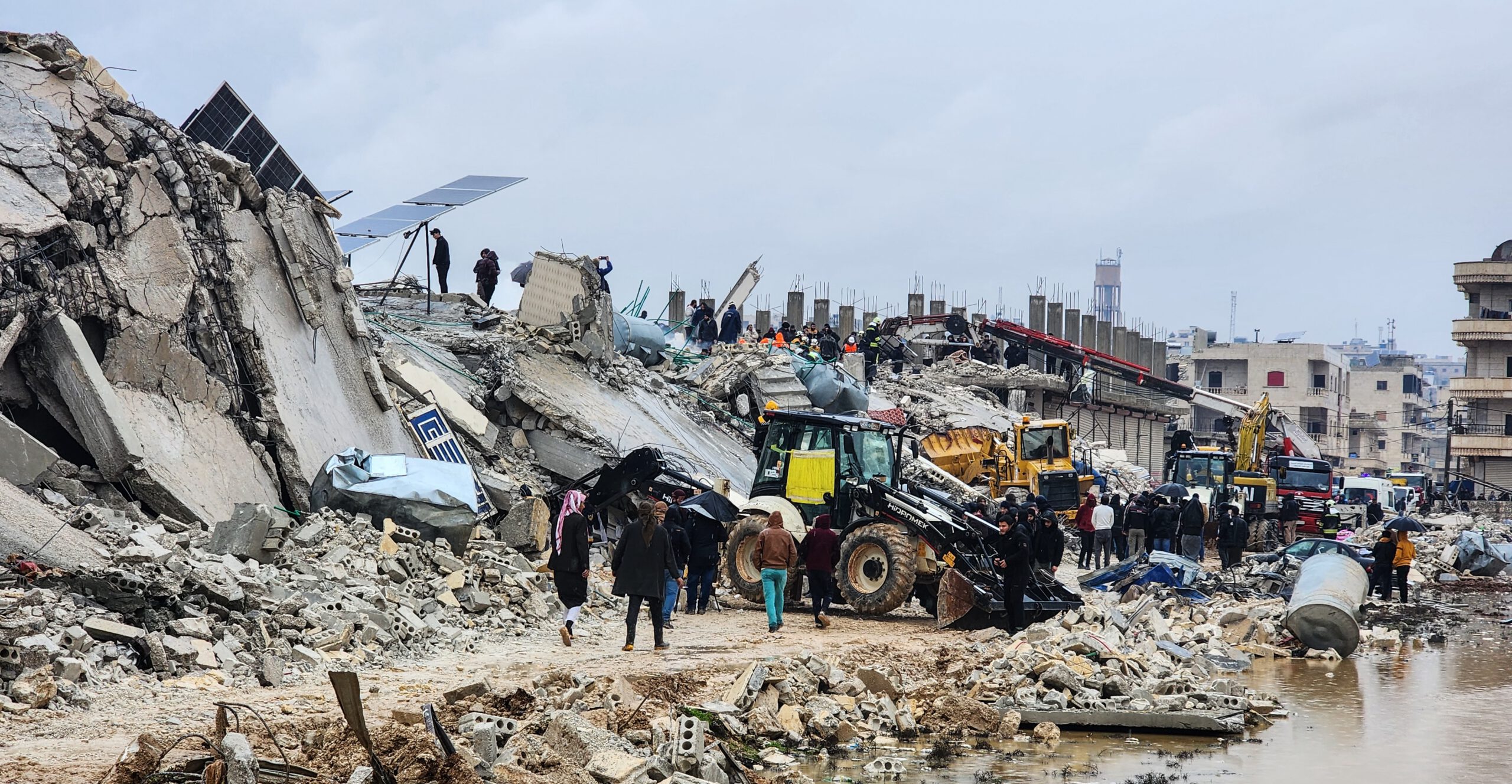
Southern Turkey and northern Syria were struck by a crippling 7.8 magnitude earthquake at 4:17 AM, on Feb. 6. Twelve hours later, at least 2,400 people are known to have perished, with death tolls rapidly rising. This natural disaster could not have come at a worse time or struck a more vulnerable region — with notoriously poor construction in southern Turkey and the effects of more than a decade of brutal conflict still afflicting northern Syria.
Climate-induced migration in the GCC states: A looming challenge
Gulf states are collectively investing billions of dollars in developing renewable energy. Yet climate change patterns in neighboring regions, combined with rising average temperatures, could eventually trigger more serious climate migration problems for the Gulf countries themselves.
What the UN vote tells us about international sentiments and Israeli diplomacy
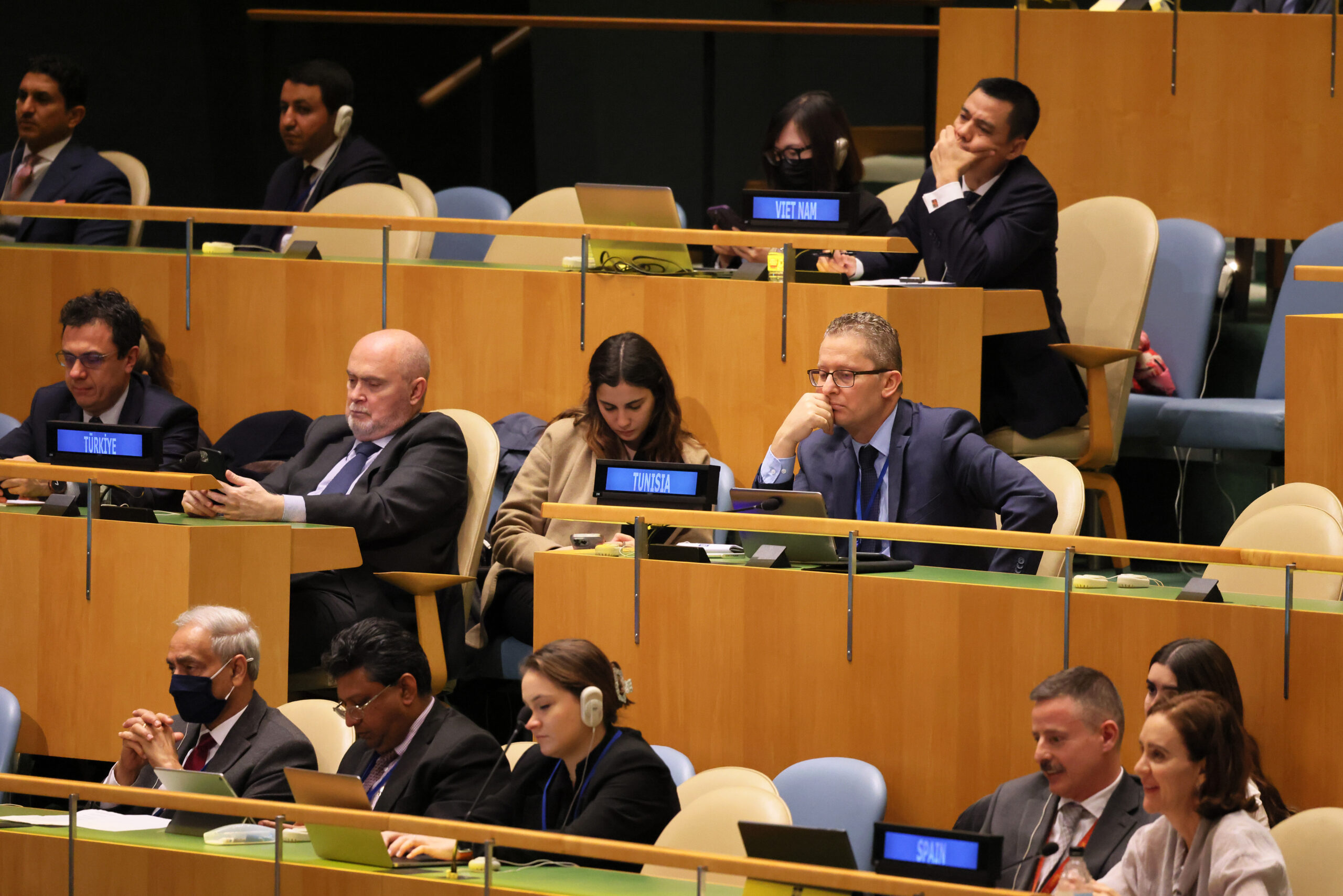
The Dec. 30 vote at the United Nations General Assembly (UNGA) regarding Israel reflected once again that the international community does not generally accept the Israeli narrative regarding the Palestinian issue. It also highlights that the Palestinian issue, while not a top priority on the global agenda, is still one of concern around the world.
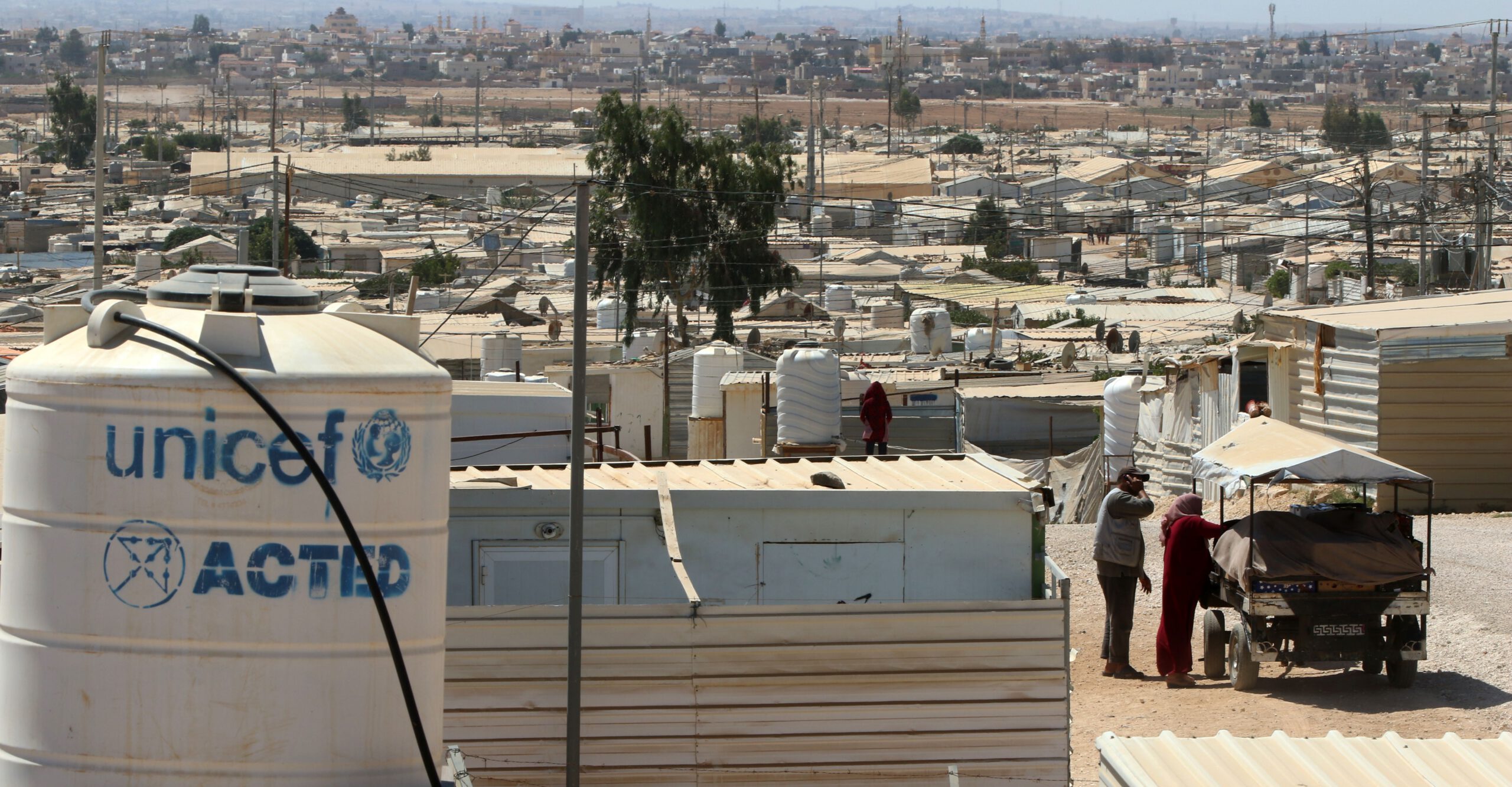
Six and a half years ago, international governments and organizations successfully negotiated the “Grand Bargain,” an agreement that the largest international non-governmental organizations would allocate 25% of their humanitarian funding to small NGOs. Nowhere was the deal more hotly anticipated than Jordan, where the Syrian refugee crisis compounded existing problems of workforce participation and water scarcity.
Young Ukrainians’ evolving war-time attitudes toward Russia and the West
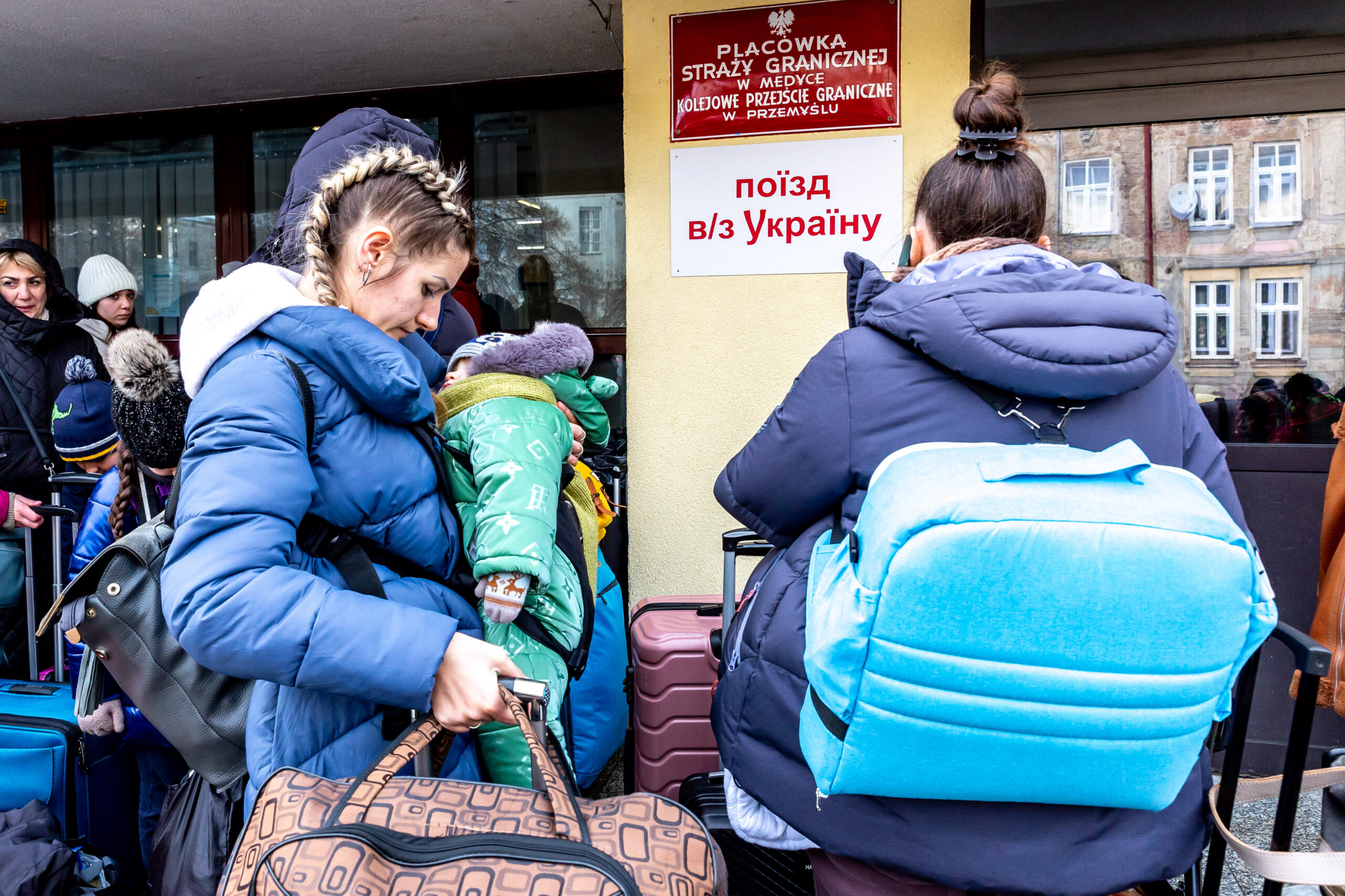
Listening to students and young professionals is instrumental in understanding the Ukrainian perspective. A series of interviews, conducted in summer 2022, centered around their identity as Ukrainians, how the war is impacting their lives, and how they viewed Russia and the West before and after Feb. 24, 2022. The participants in these interviews have only known an independent Ukraine, and their negative feelings toward Russia will not improve anytime soon.
War crimes in Ukraine: Failure to prosecute Russia will damage international security for years to come
Historically, Russia has escaped accountability for the war crimes it has committed. The war in Ukraine must not follow the same path. Otherwise, the entire international security architecture will bear the consequences of such impunity.
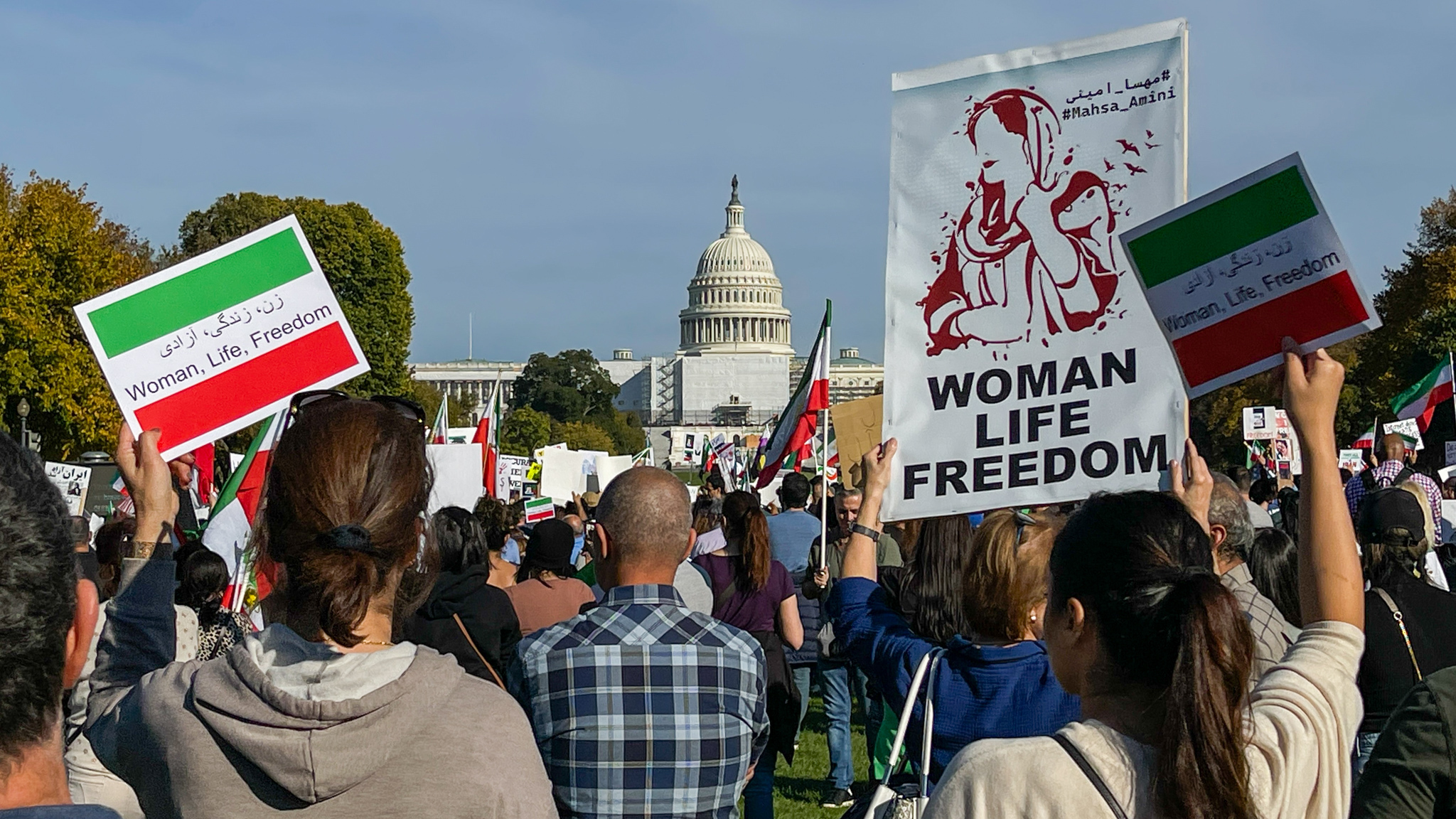
Tehran lashes out at Israelis’ support for Iranian protest movement
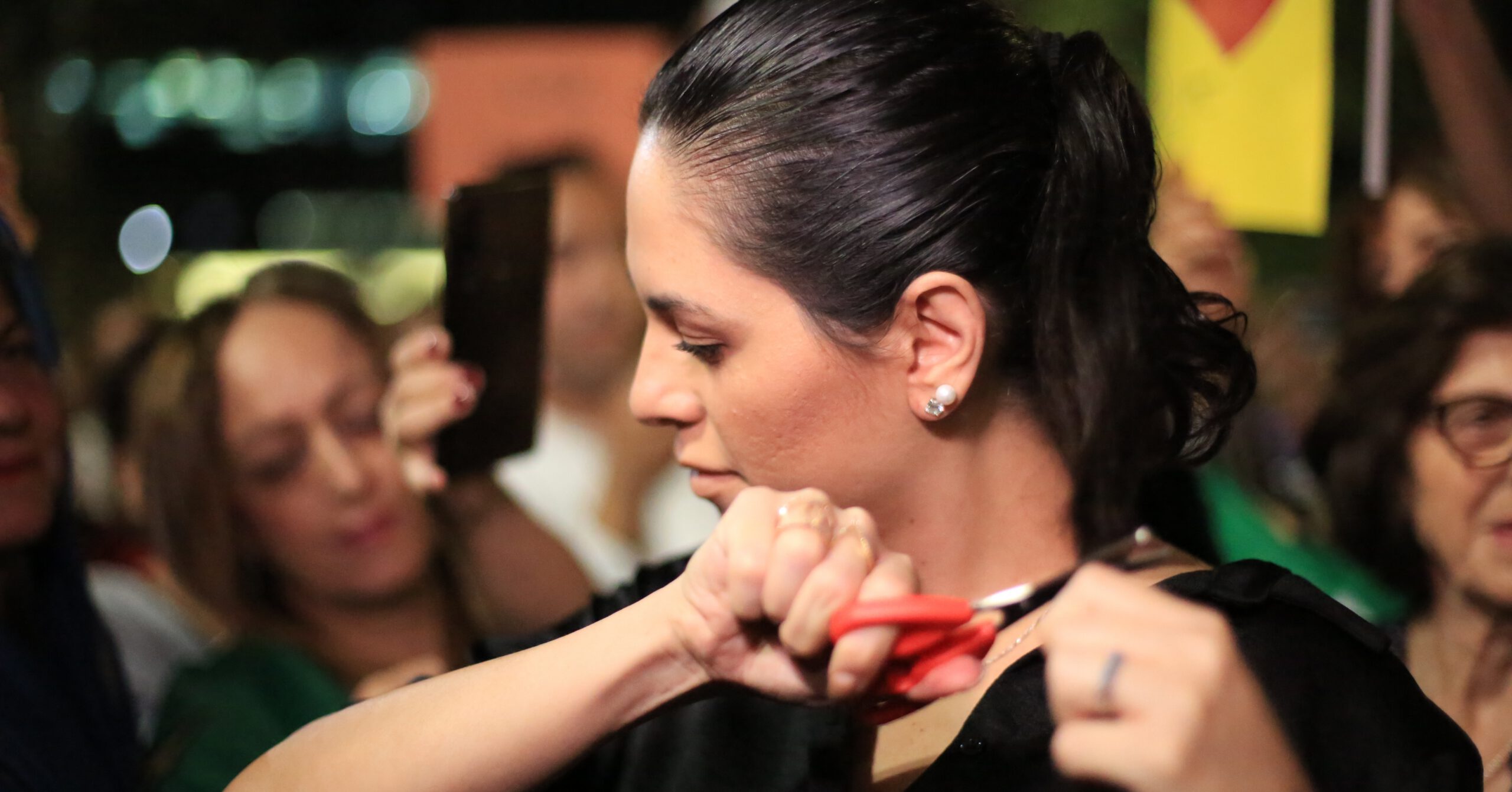
The Iranian regime is pointing the finger at Israel and the U.S. for allegedly orchestrating the nationwide protests. But while the U.S. and Israel both might have an interest in shaping and aiding the protest movement once it began, this large-scale mobilization of the Iranian public is a result of the regime’s own policies.
The Islamic Republic’s authorities have learned that they don’t need to take Washington’s reactions to internal oppressions very seriously. Presumably, in their view, as long as the Biden administration maintains even the slightest hope for a new nuclear deal with Tehran, it will not take any tough actions vis-à-vis Iran’s domestic policies.
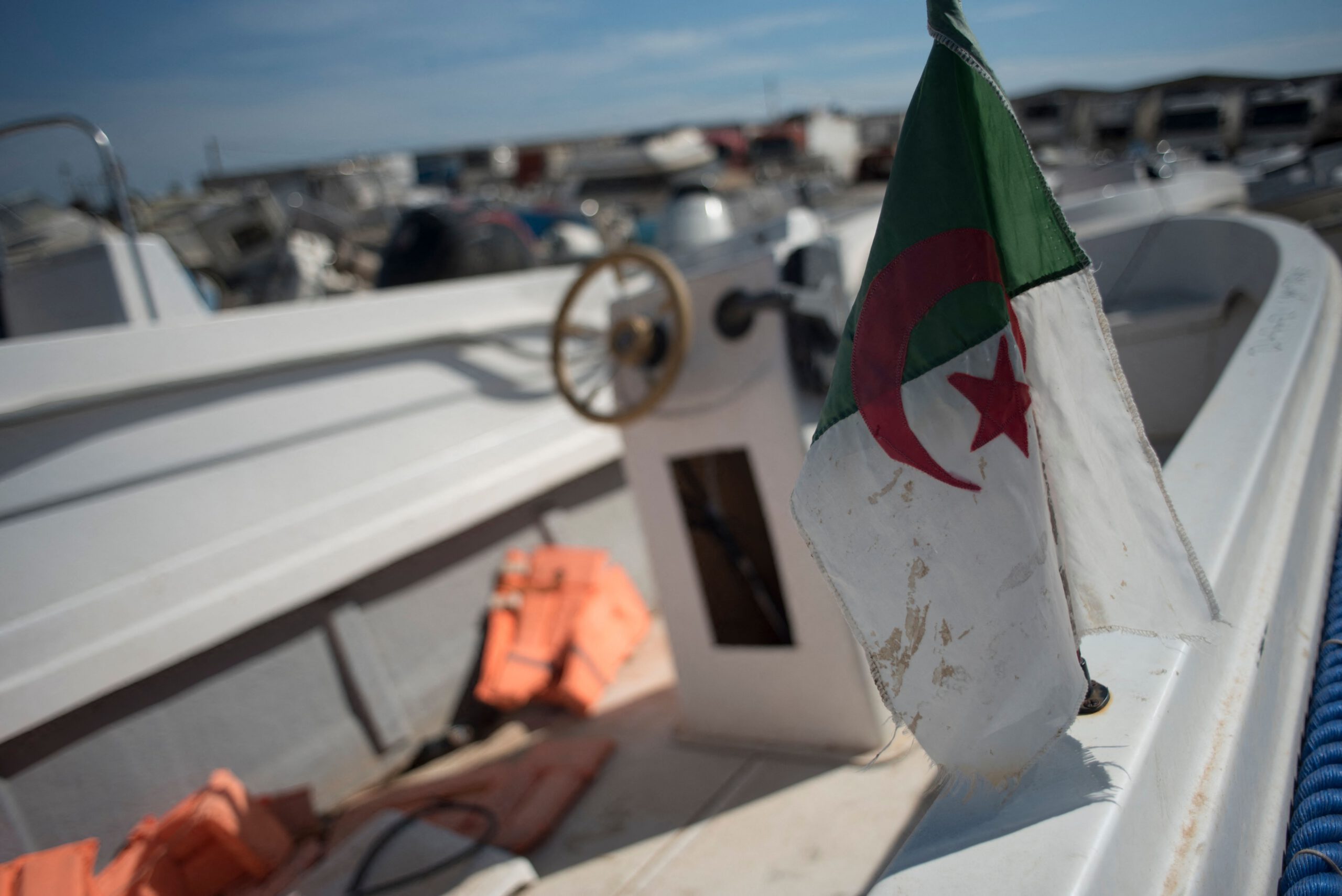
Algerians’ clandestine exodus: A complex national tragedy
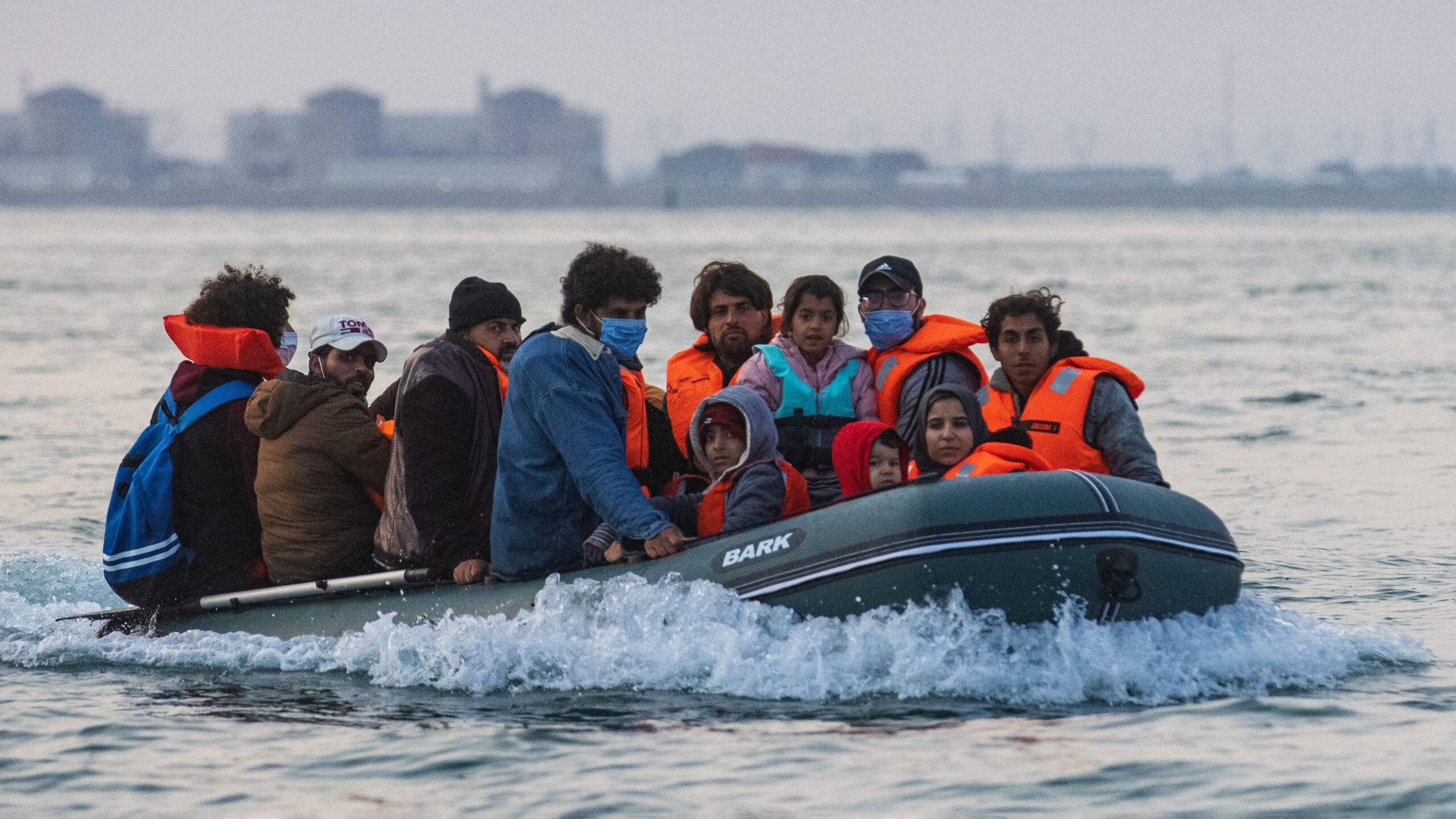
The growing wave of Algerians illegally trying to reach Southern European shores while risking death is by no means a new development. But these perilous trans-maritime voyages are also a reminder of the bleak political and economic situation in which Algeria finds itself three years after the 2019 protest movement sparked hope for fundamental change.
Today’s episode challenges preconceived notions about Iranian society, the hijab, and the regime clinging to power in Tehran. Joining us today for an enlightening conversation are two Iran experts, Marjan Keypour Greenblatt and Alex Vatanka. Marjan is the founder and director of the Alliance for Rights of All Minorities (ARAM), a non-resident scholar with MEI’s Iran Program, and a member of the Anti-Defamation League’s Task Force on Middle East Minorities. Alex is the director of MEI’s Iran Program and a Senior Fellow with the Frontier Europe Initiative.