Stabilizing the Sinai Peninsula – An Agenda For Action
MEI Podcast, 7 September, 2012 Foundation for Middle East Peace, Middle East Institute, Churches for Middle East Peace, and Americans for Peace Now invite you to a program Stabilizing the Sinai Peninsula – An Agenda For Action with Ambassador (ret.) Arthur Hughes Former Director General of the Sinai Multinational Forces and Observers (MFO) and Geoffrey Aronson Director for Research and Publications Foundation for Middle East Peace Friday September 7, 12:00-1:30 PM Carnegie Endowment for International Peace 1779 Massachusetts Ave., NW Washington, DC Rising lawlessness and violence and an inc
Stabilizing the Sinai Peninsula – An Agenda For Action
MEI Podcast, 7 September, 2012 Foundation for Middle East Peace, Middle East Institute, Churches for Middle East Peace, and Americans for Peace Now invite you to a program Stabilizing the Sinai Peninsula – An Agenda For Action with Ambassador (ret.) Arthur Hughes Former Director General of the Sinai Multinational Forces and Observers (MFO) and Geoffrey Aronson Director for Research and Publications Foundation for Middle East Peace Friday September 7, 12:00-1:30 PM Carnegie Endowment for International Peace 1779 Massachusetts Ave., NW Washington, DC Rising lawlessness and violence and an inc
Stabilizing the Sinai Peninsula – An Agenda For Action
MEI Podcast, 7 September, 2012 Foundation for Middle East Peace, Middle East Institute, Churches for Middle East Peace, and Americans for Peace Now invite you to a program Stabilizing the Sinai Peninsula – An Agenda For Action with Ambassador (ret.) Arthur Hughes Former Director General of the Sinai Multinational Forces and Observers (MFO) and Geoffrey Aronson Director for Research and Publications Foundation for Middle East Peace Friday September 7, 12:00-1:30 PM Carnegie Endowment for International Peace 1779 Massachusetts Ave., NW Washington, DC Rising lawlessness and violence and an inc
Stabilizing the Sinai Peninsula – An Agenda For Action
MEI Podcast, 7 September, 2012 Foundation for Middle East Peace, Middle East Institute, Churches for Middle East Peace, and Americans for Peace Now invite you to a program Stabilizing the Sinai Peninsula – An Agenda For Action with Ambassador (ret.) Arthur Hughes Former Director General of the Sinai Multinational Forces and Observers (MFO) and Geoffrey Aronson Director for Research and Publications Foundation for Middle East Peace Friday September 7, 12:00-1:30 PM Carnegie Endowment for International Peace 1779 Massachusetts Ave., NW Washington, DC Rising lawlessness and violence and an inc
Stabilizing the Sinai Peninsula – An Agenda For Action
MEI Podcast, 7 September, 2012 Foundation for Middle East Peace, Middle East Institute, Churches for Middle East Peace, and Americans for Peace Now invite you to a program Stabilizing the Sinai Peninsula – An Agenda For Action with Ambassador (ret.) Arthur Hughes Former Director General of the Sinai Multinational Forces and Observers (MFO) and Geoffrey Aronson Director for Research and Publications Foundation for Middle East Peace Friday September 7, 12:00-1:30 PM Carnegie Endowment for International Peace 1779 Massachusetts Ave., NW Washington, DC Rising lawlessness and violence and an inc
Israeli-Palestinian Peace: The Palestinian Refugee Challenge
Of the four core issues to resolve for an Israeli-Palestinian peace (security, borders/settlements, Jerusalem and Palestinian refugees) it is the refugee question that gets the least attention by non-specialists. And it is the core issue least addressed publically in detail by Israeli and Palestinian leaders.
Afghanistan: Where Chaos Is King and Plunder Is Privilege
The “new and improved” tactics of “divide and conquer” are operational both at the vertical and horizontal layers of the government and society in Afghanistan.
Orientalism's Wake: The Ongoing Politics of a Polemic
Originally posted September 2009
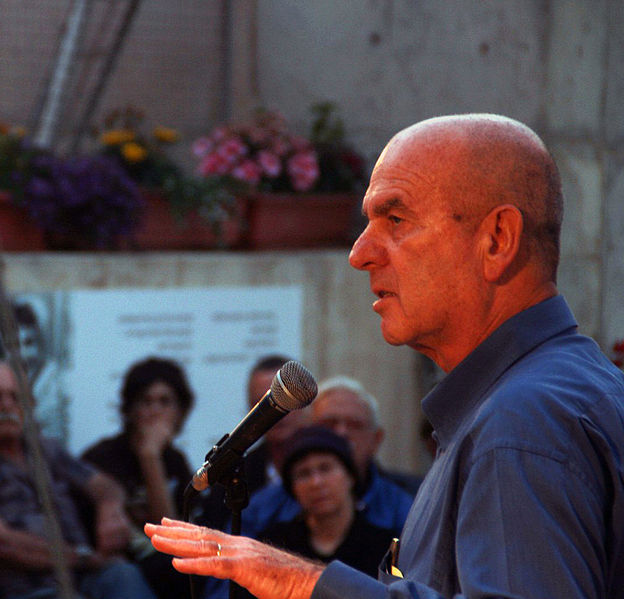
Edward W. Said, who passed away at the age of 67 on September 25, 2003, was a towering “public intellectual” — a man of extraordinary erudition, a path-breaking scholar, and a passionate activist.
Said was a man of many interests, talents, and accomplishments — pianist, opera critic, newspaper columnist, popular essayist, television celebrity, and public lecturer. From 1963 until his death, he was Professor of English and Comparative Literature at Columbia University.
Afghanistan 2002-2012: A Decade of Progress and Hope.
Recent media coverage of the Afghan war questions whether we’ve made meaningful progress towards security and an effective Government in that country. Or were the past ten years a lost decade for the Afghans and Coalition partners? This ten-year milestone is a good point in time to pause, check Afghanistan’s progress, and assess where it appears to be headed. With the assistance of over 40 nations, Afghanistan developed its infrastructure and has taken major steps towards self sufficiency.
We are regularly bombarded by news reports and political analysis that reflect certain underlying assumptions about Afghanistan. These assumptions range from claims that Afghanistan was always a backward state ruled by warlords, to assertions that the country was never really a nation at all, and proclamations that Afghanistan is unfit for Western-style democracy and that it is dangerously naïve to think otherwise.
Since the overthrow of King Mohammad Zahir Shah in 1973, Afghanistan has been plagued by war — either war waged among ideologues (Marxists v. nationalists) or war marked by foreign invasion and occupation. The Soviet occupation of Afghanistan, which began in 1979, lasted a full decade.
The appointment of a political figure as ambassador often signals the level of importance attached to bilateral relations, more so if the person in question was a career military officer and current cabinet minister. This was the case in February 2012 when Israel named Matan Vilnai as its next ambassador to China. Beijing was more than happy to accept the appointment of then-Israeli Minister of Home Front Defense, seeing it as a signal for further improvement.
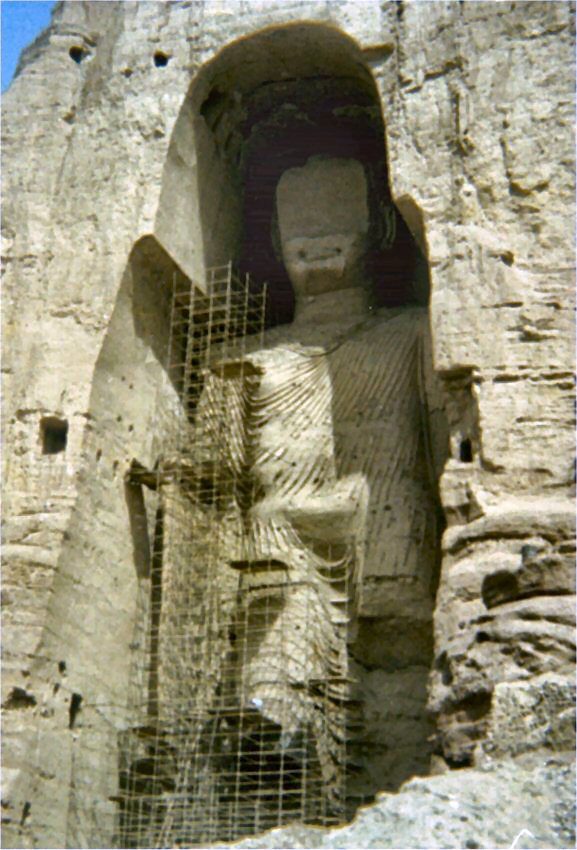
Bruce Richardson raises an important issue regarding the protection, trafficking, and exploitation of cultural patrimony. Aspects of this issue range across research, polemics, and litigation in attempts to document loss, return treasures, or on the other hand prevent restitution or repatriation. Richardson properly decries cultural looting, but we must distinguish among causes to reach agreement on protective steps.
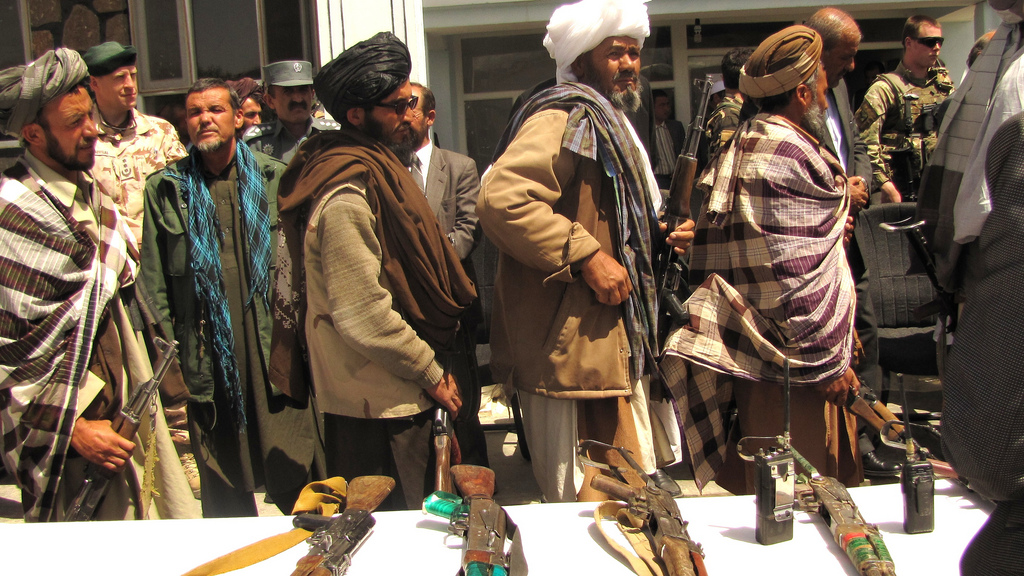
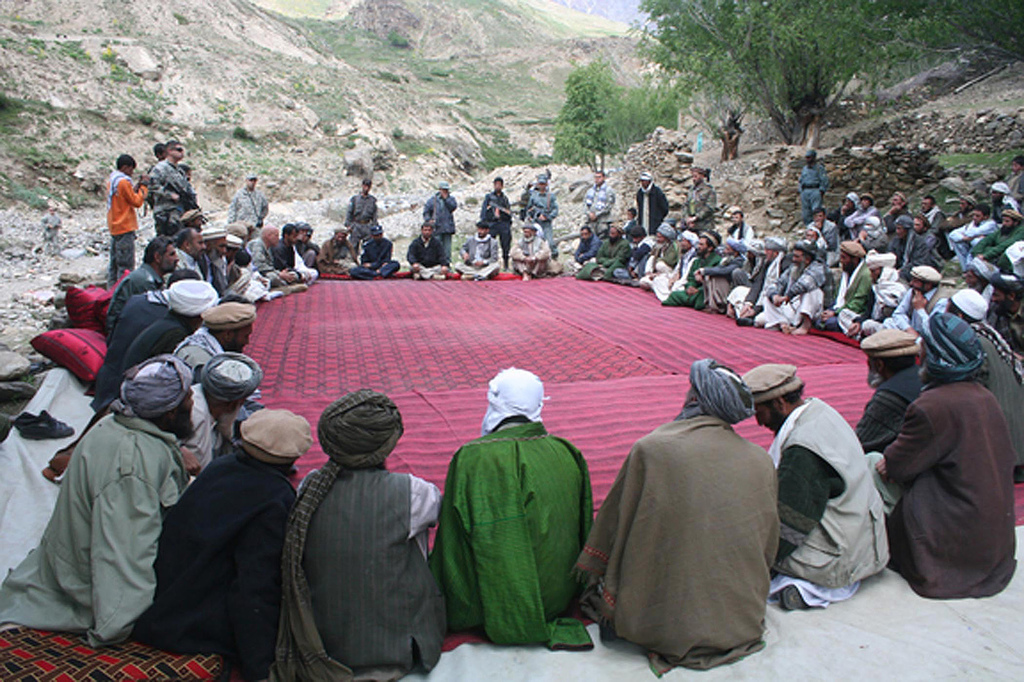
The Afghanistan Stabilisation Program (ASP): A National Program to Improve Security and Governance
Since the coup in April of 1978 by the People’s Democratic Party of Afghanistan (PDPA), the social, cultural, political, economic, governance, and security fabric of Afghanistan’s institutions have been destroyed by the subsequent Mujahedin and Taleban regimes. It is impossible to have enduring peace, stability, and development in a country without a strong institutional foundation. After 33 years of war and instability, for the most part, the linkages between central, provincial, district, and village governance structures in Afghanistan are either very weak or non-existent.