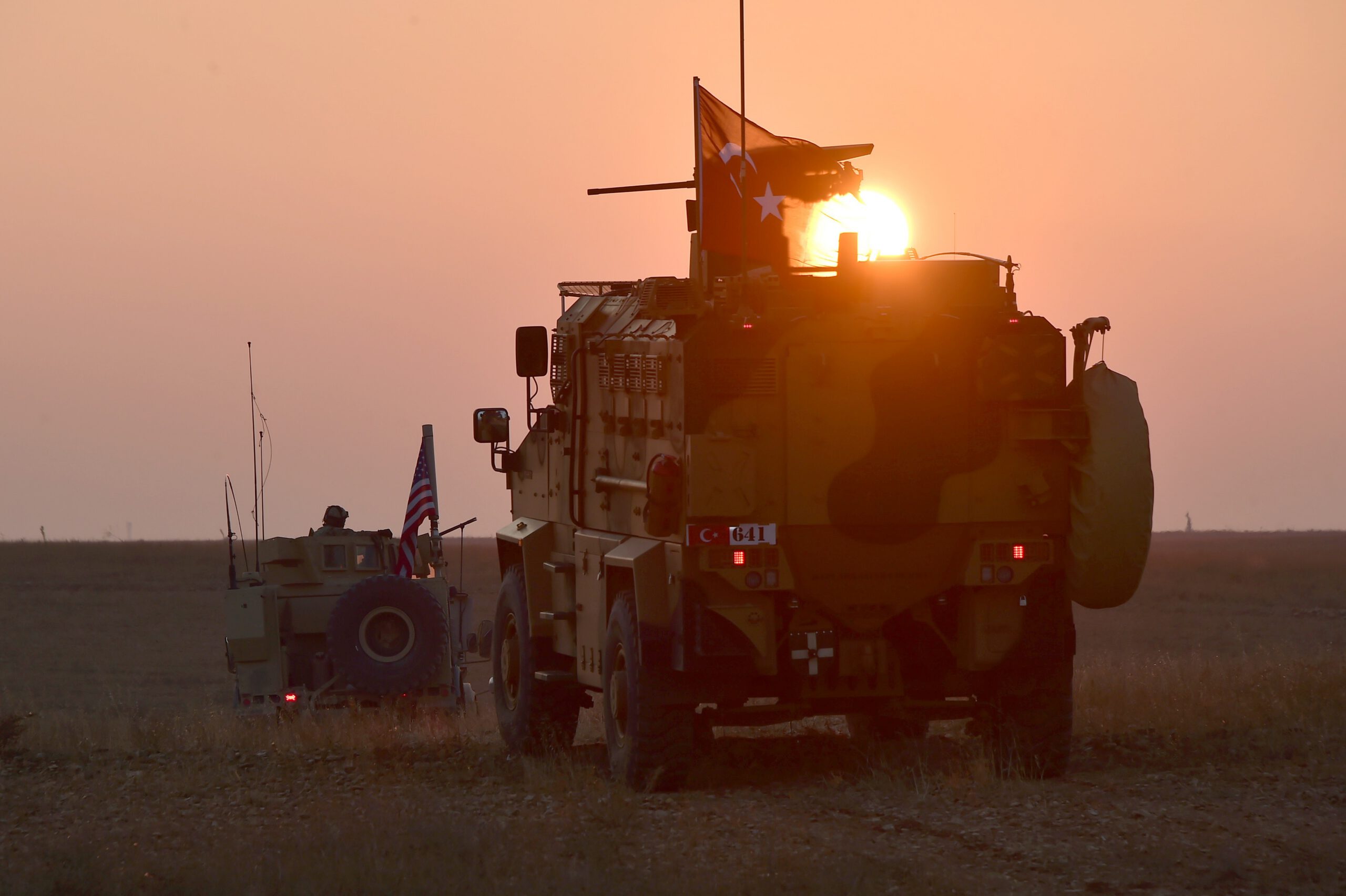
Would Turkey benefit if the US withdraws from Syria?
For Turkey, the best solution to its “U.S. problem” might seem like an American withdrawal from Syria, but such a move could create new and potentially more complicated problems for Ankara.
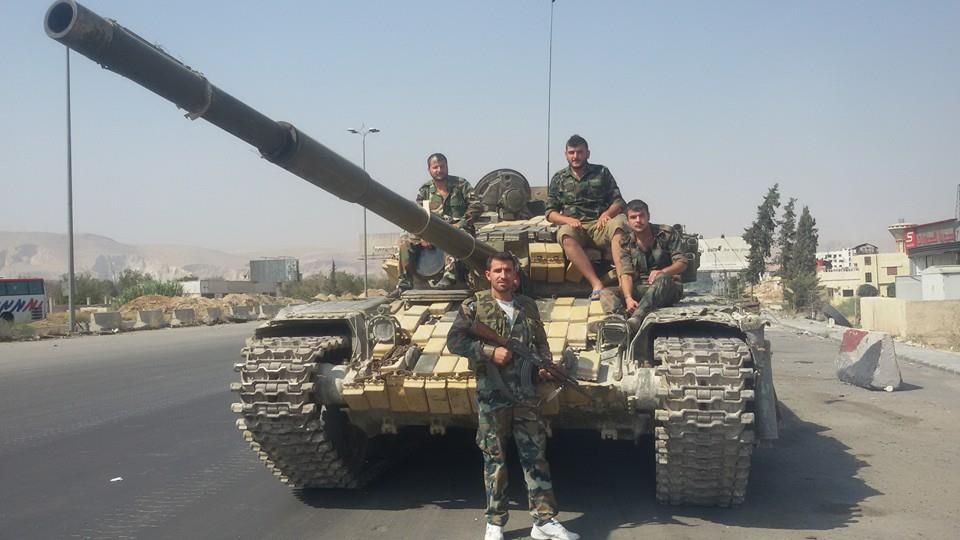
Syria's Republican Guard: Growth and fragmentation
The Syrian Republican Guard (RG) has served as the backbone of the regime’s fighting forces since protests first broke out across the country in 2011.This report uses publicly available Facebook posts to piece together the history of the five regiments, six brigades, and 46 battalions identified as now belonging to the RG. Featuring an order of battle, command structure, and battalion commander profiles, this report stands as the most comprehensive record of the RG to date.
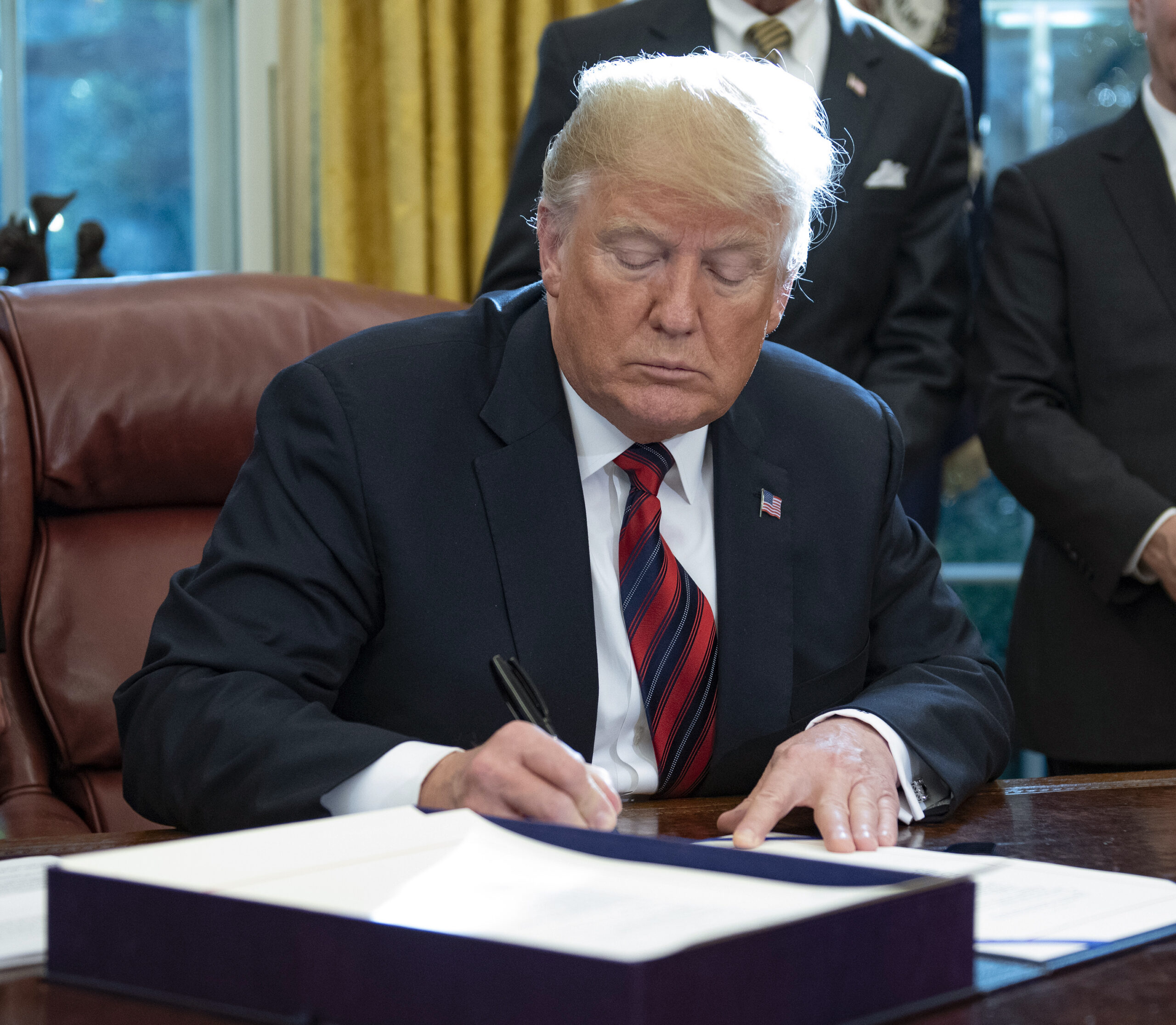
In this week’s Monday Briefing, MEI experts discuss recent and upcoming events including the coming changes in Trump’s administration, Iran’s hesitation in the US-China battle over Huawei , the ongoing Sweden talks on Yemen, results of the latest GCC summit, and questions over the legitimacy of the Afghan elections.
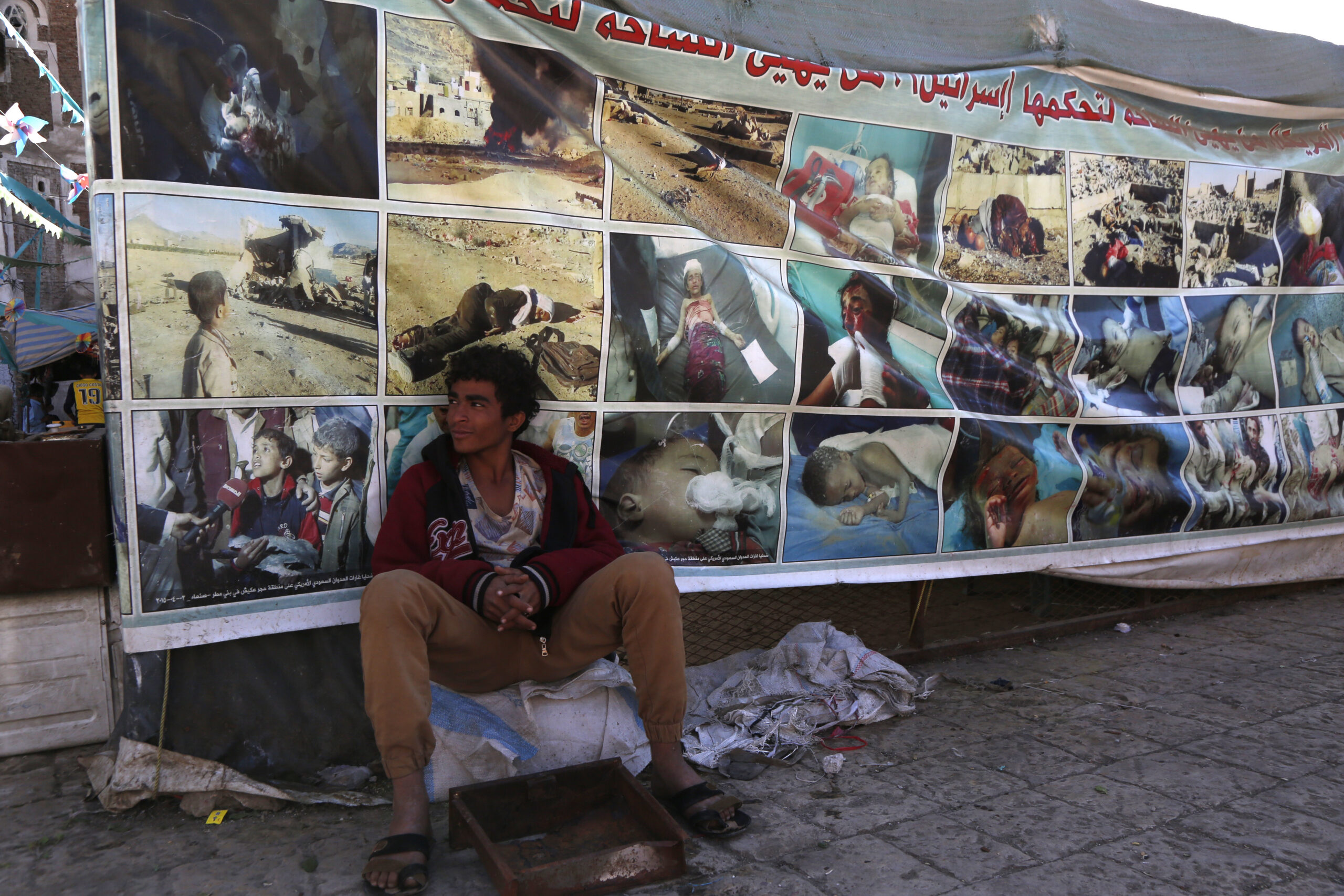
Restoring security and stability in Yemen is going to be a long-term process. Successful peace negotiations — including a ceasefire and confidence-building measures — can only be a first step toward that broader objective.
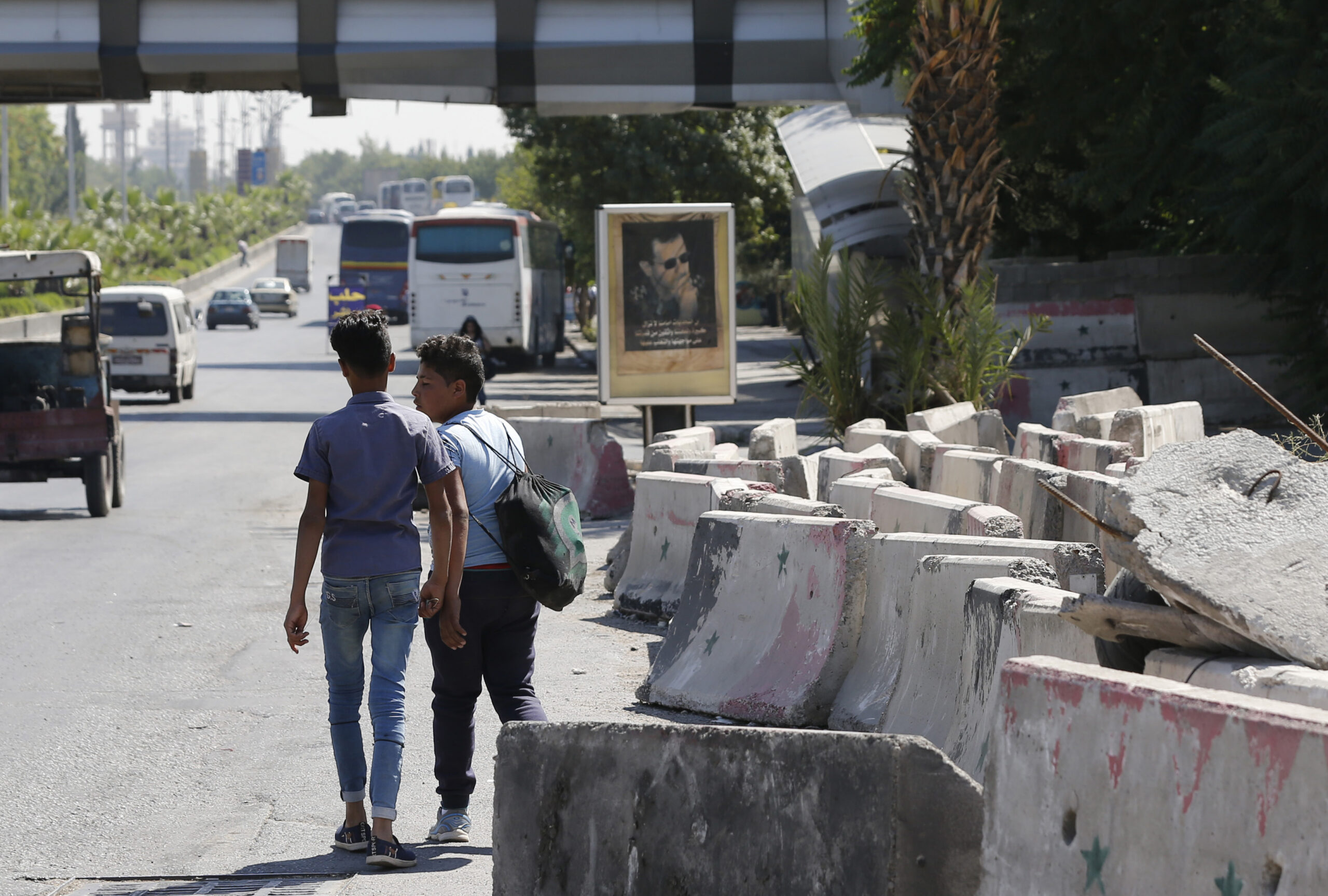
As fighting gives way to governing, Syria faces new challenges
As the Syrian government begins to shift its focus to postwar governance, it faces unexpected new challenges and growing criticism from citizens voicing their frustration through social media and other channels.
Even if negotiating with Trump is impossible—and Iran’s Supreme Leader Ali Khamenei has said it is—the leadership in Tehran can still look at his presidency as an opportunity to prepare the ground to talk to his successor.
Moscow faces new challenges in Idlib "de-escalation zone"
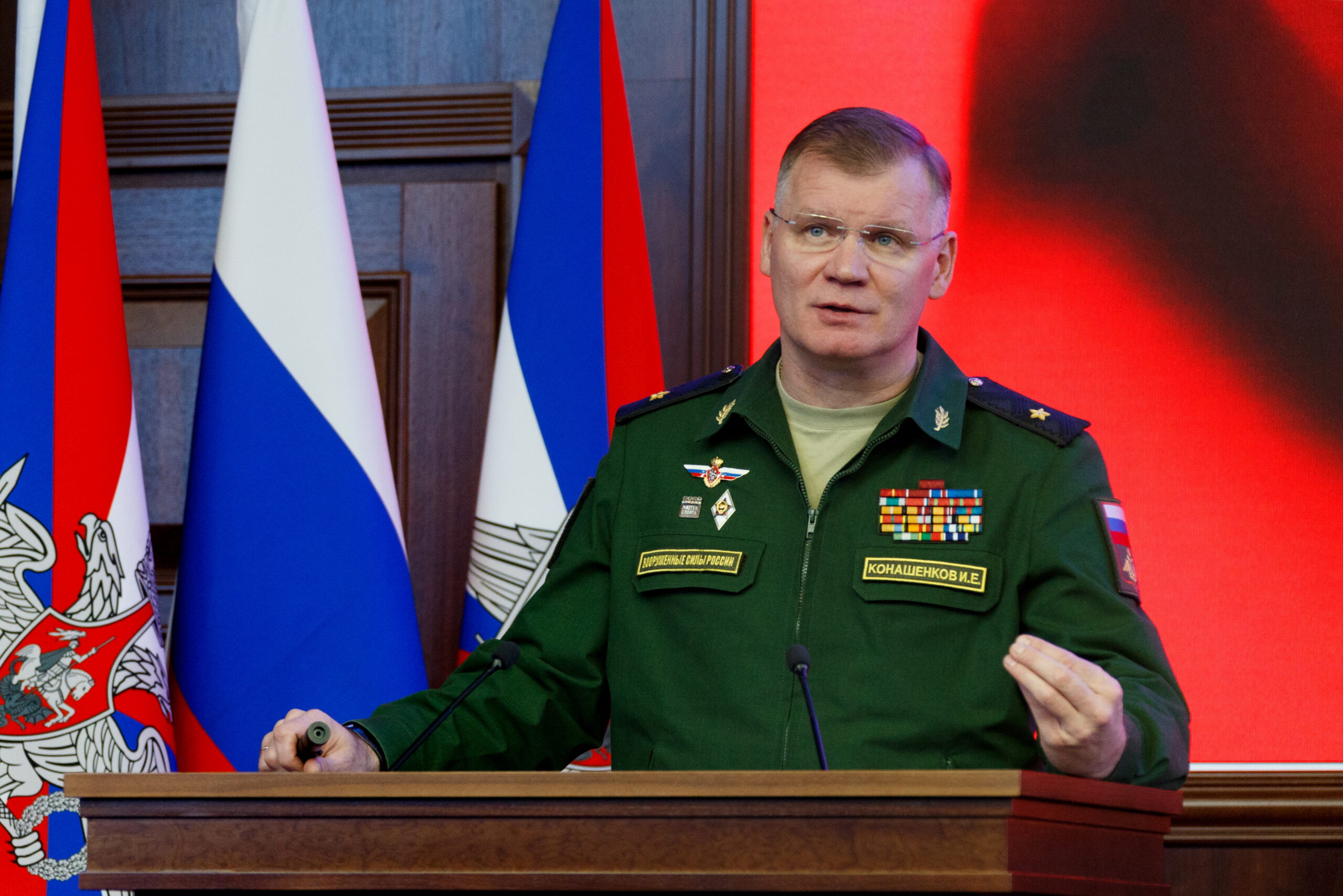
“De-escalation” zones have been a key part of Russia’s policy in Syria over the past 18 months, but the situation in Idlib, the fourth and final zone, has proven a much greater challenge than the others.
Monday Briefing: Russians launch air strikes after alleged gas attack
In this week’s Monday Briefing, MEI experts discuss recent and upcoming events including Russian air strikes in Aleppo, the elections in Bahrain, the growing international interest in Egypt’s offshore energy finds, and the appointment of a new Afghan team of negotiators for peace talks.
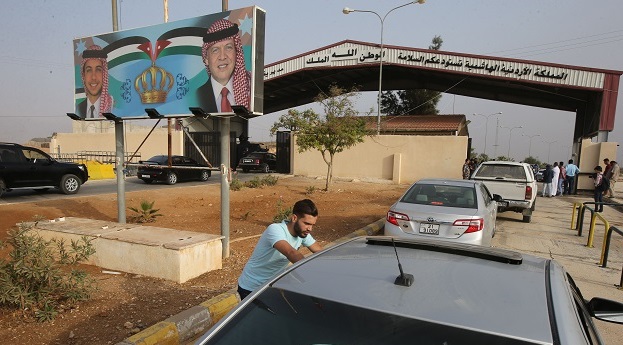
Border opportunities: Reviving the Jordan-Syria free trade zone
The reopening of the Naseeb-Jaber border crossing offers an opportunity to address the pressing political, economic, and humanitarian challenges confronting Jordan.
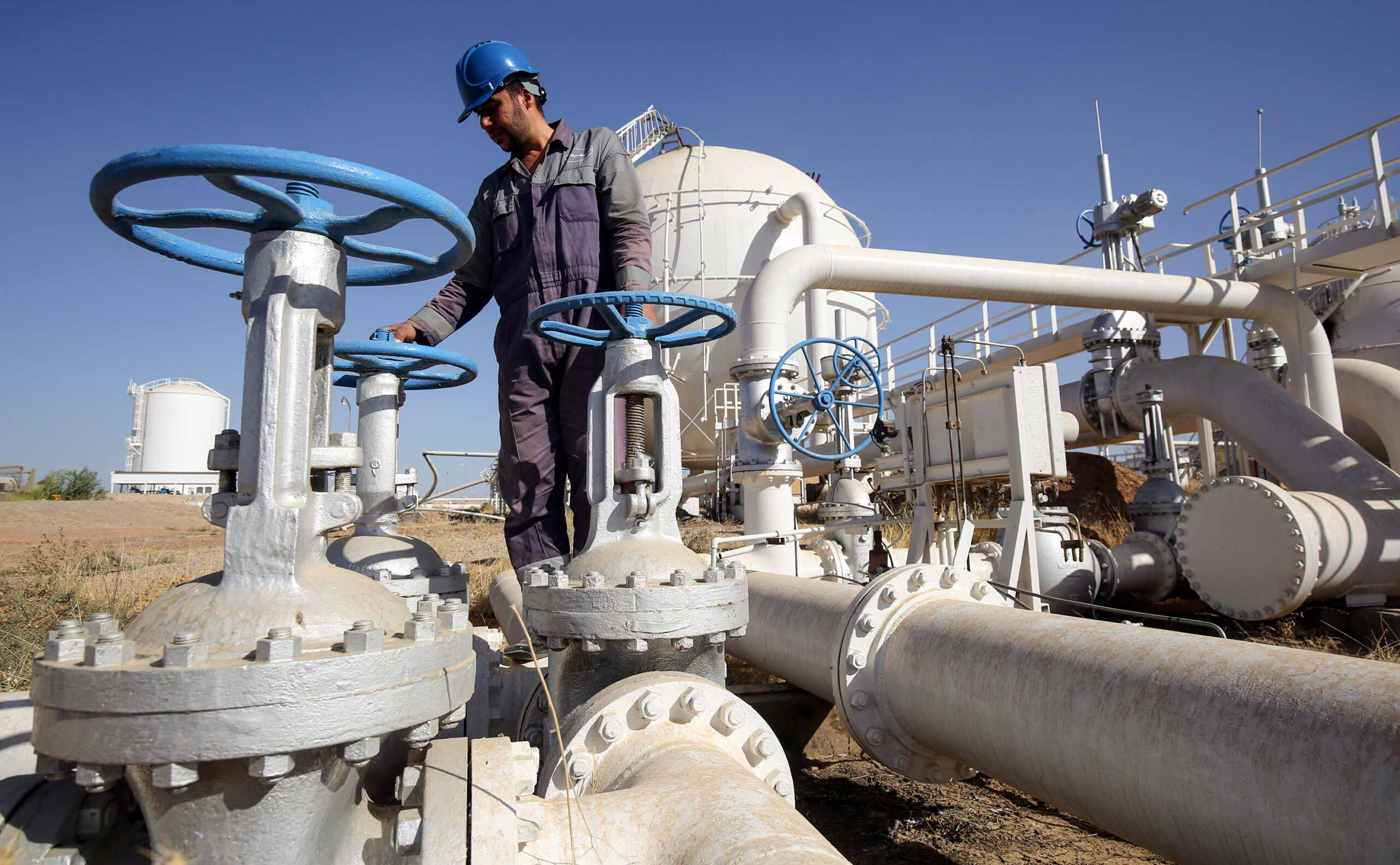
In this week’s Monday Briefing, MEI experts discuss recent and upcoming events including the Iraq-Kurdistan pipeline deal, how the YPG partnership affects US-Turkey ties, and the new Russia-Turkey gas pipeline.
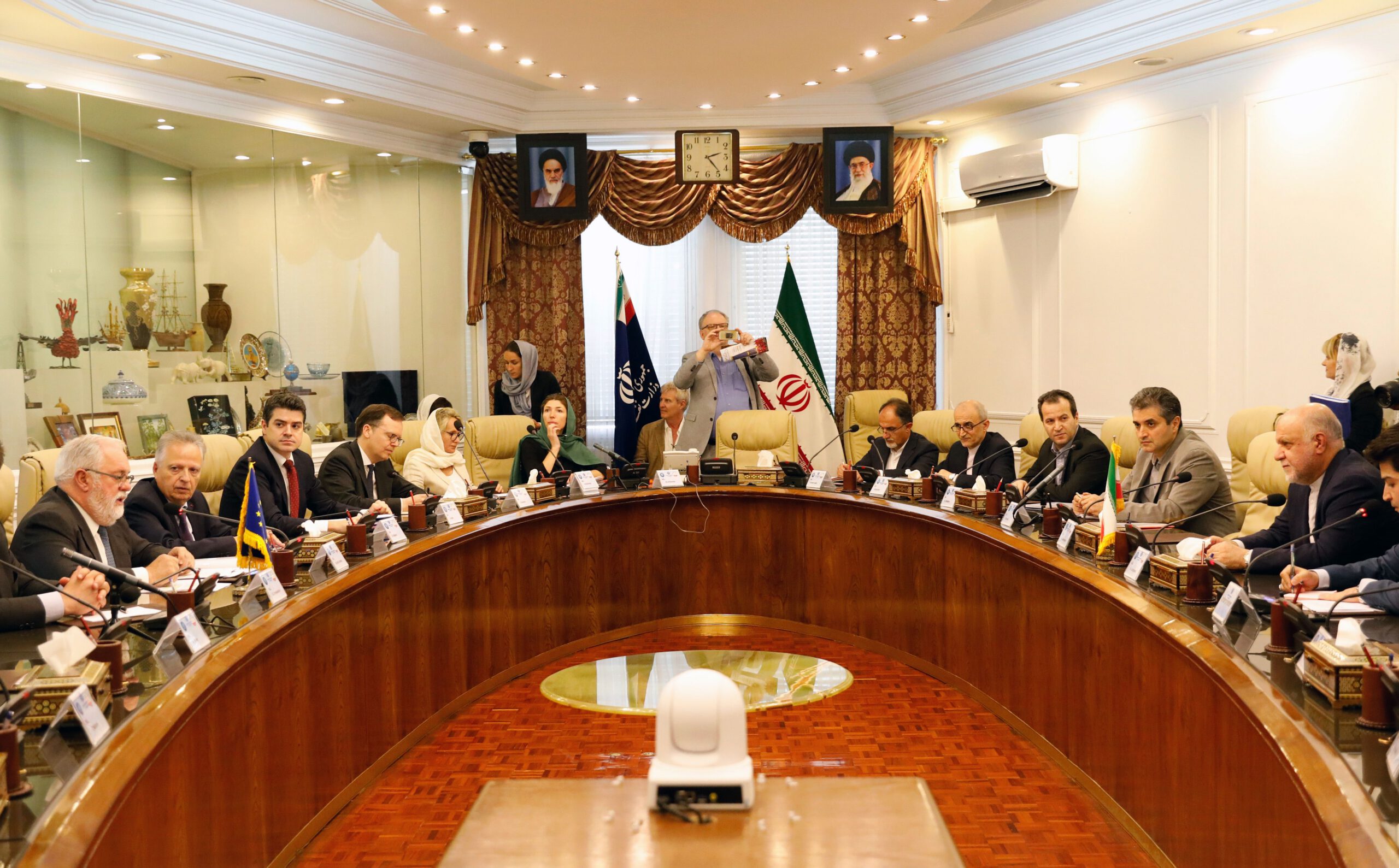
The American decision to reimpose sanctions may result in a new wave of tensions between the U.S. and EU as European companies have benefited significantly from growing trade with Iran.
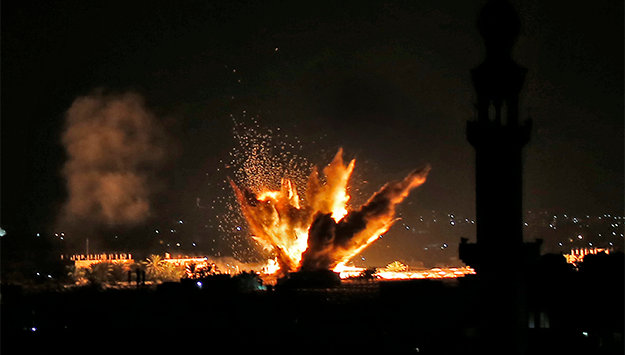
In this week’s Monday Briefing, MEI experts discuss recent and upcoming events including the Gaza flare-up and its threat to Egyptian-led negotiations, Russian-hosted Afghan peace talks, the ground offensive in Hodeidah, and rapid escalation in northwestern Syria.
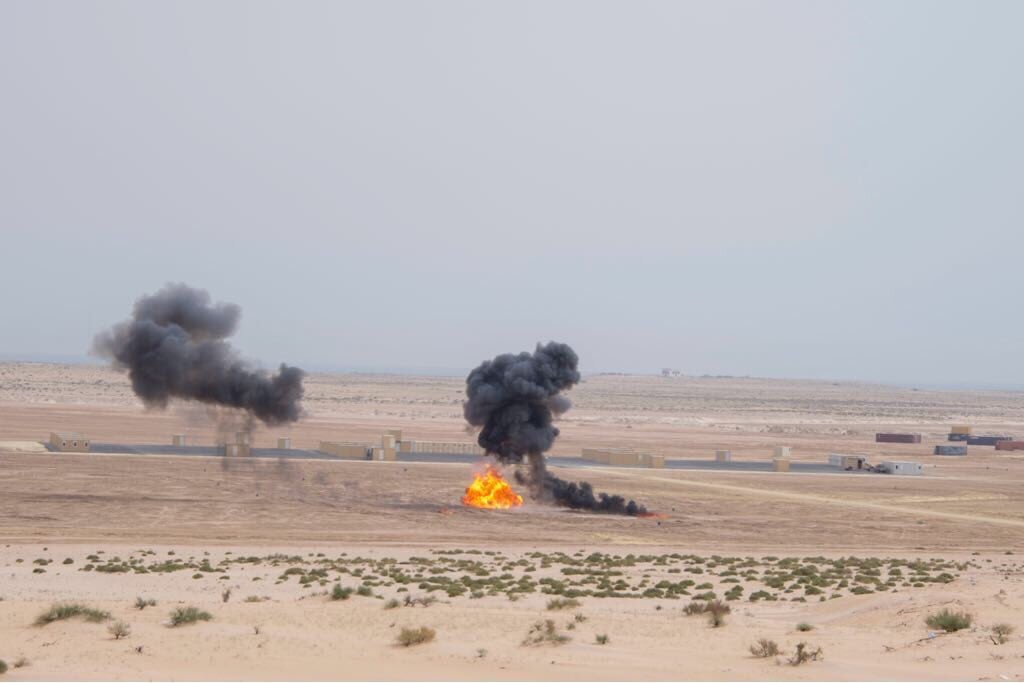
As naval, air, and ground units from Bahrain, Egypt, Jordan, Kuwait, Saudi Arabia, and the UAE conduct war games in western Egypt this month, many speculate that this could represent the birth of the so-called “Arab NATO.”
Syria's war economy exacerbates divide between rich and poor
Now that armed conflict has ended in most provinces, the war is no longer an excuse for Syria’s growing wealth divide, and discontent is on the rise in government-controlled areas.
New Iran sanctions: U.S. goals, E.U. countermeasures, and Tehran’s reactions
On November 5, the Trump administration re-imposed the full scope of U.S. sanctions on Iran, nearly six months after it unilaterally withdrew from the 2015 nuclear accord, also known as the Joint Comprehensive Plan of Action (JCPOA). The stringent sanctions target Iran’s energy, shipping and banking sectors and make it difficult, if not impossible, for foreign companies to continue to do business with the Islamic Republic. The Treasury Department reinstated all sanctions removed under the JCPOA, and blacklisted 300 new entities and individuals, in what the Treasury called it the “largest ever single-day action targeting the Iranian regime.”