How U.S. can help Syria drive out ISIS
Read the full article on CNN.
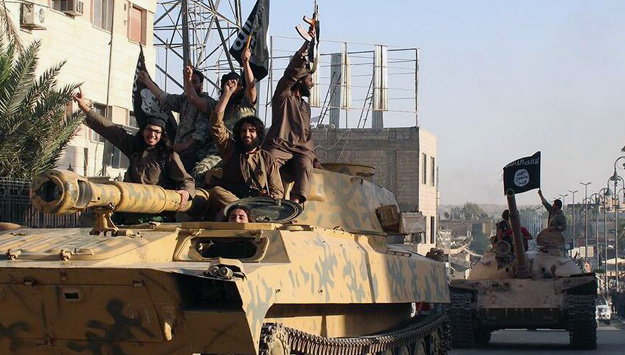
American airstrikes might be needed in Syria, but that would not be the most important tactic for success, nor would more material aid to the rebels be sufficient to contain the Islamic State over the long term. As in Iraq, there has to be a political angle as well.
A Strategy Against the Islamic State
The outlines of a US strategy to roll back ISIS, or the ‘Islamic State’ as it styles itself, in Iraq have become relatively clear, even if success is uncertain.
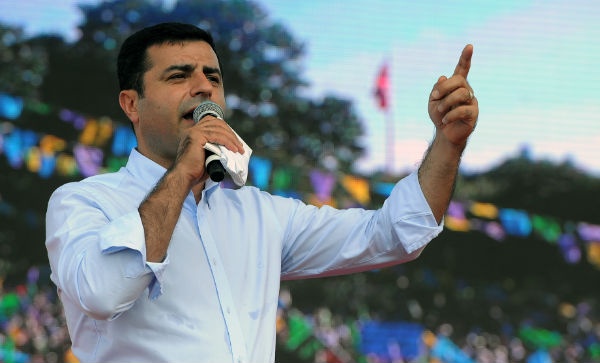
Pro-Kurdish Peoples’ Democratic Party is Big Winner in Turkish Elections
A recent statement from the imprisoned leader of the Kurdistan Workers’ Party, Abdullah Ocalan, hails a new era for Turkey’s Kurds. In a statement from his cell on the prison island of Imrali in the Sea of Marmara, Ocalan said that Turkey was now on the verge of “historic developments” after last week’s presidential elections and declared that through a major democratic negotiation, the 30-year war was coming to an end.
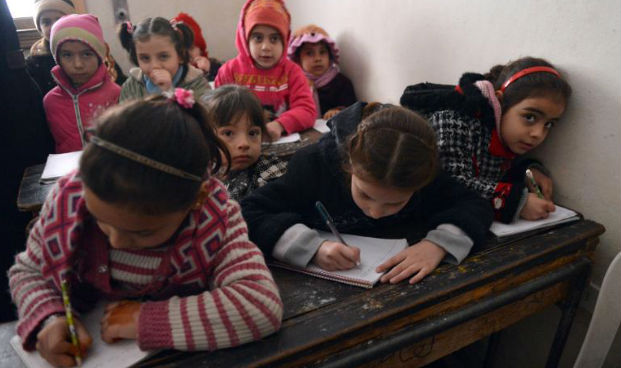
The Education of Syrian Refugee Children
If the future of a nation is built on the competencies learned by its children, then the future of Syria gives cause for great concern. Since the start of the civil war in Syria in 2011, at least 3 million children have been unable to go to school, the vast majority of them within Syria itself.[1] Interventions are urgently required to educate these children so that they can help rebuild Syria.
Years of Turmoil
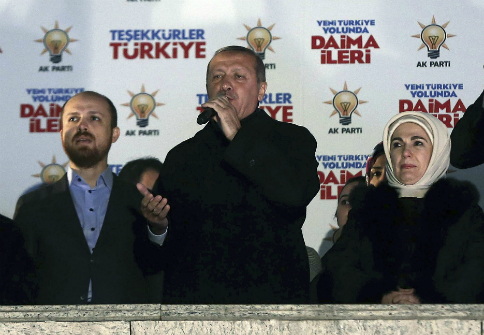
Erdogan Wins the Presidential Vote but the Race Is Not Over
Turkish Prime Minister Recep Tayyip Erdogan has won the presidential election in Turkey’s first direct presidential election on Sunday, extending his 12-year grip on power. Despite heavy campaigning and the financial support from public funds, he won the election with only 51.95 percent of the vote, slightly higher than the minimum required to win the election.
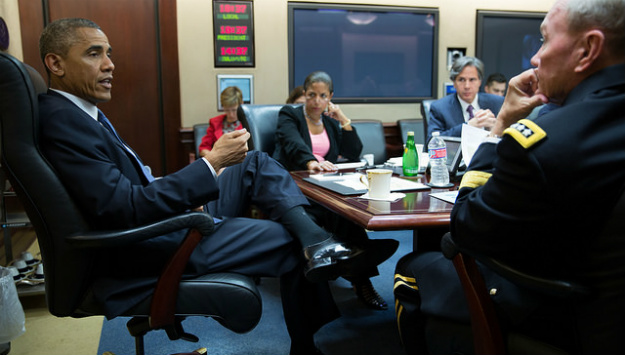
Obama Raises the Bar in Iraq
Paul Salem, MEI’s vice president for policy and research, examines President Obama’s decision to step up US intervention against the Islamic State (also known as ISIS) in Iraq, and what it implies for broader US policy in the region, in this Expert Q&A.
How do you read the import and impact of President Obama’s recent announcements of airstrikes and humanitarian intervention in Iraq?
Turkey's Presidential Elections
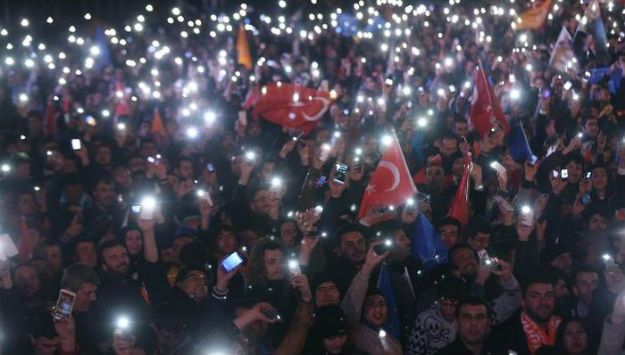
On August 10, Turkish voters will go to the polls to choose a new president for the first time in the country’s history. The following candidates are on the ballot: Recep Tayyip Erdogan, the Prime Minister and leader of the governing Justice and Development Party (AKP); Ekmeleddin Ihsanoglu, joint candidate for the opposition Republican People’s Party (CHP) and Nationalist Action Party (MHP); and Selahattin Demirtas, the candidate of the pro-Kurdish People’s Democratic Party (HDP).
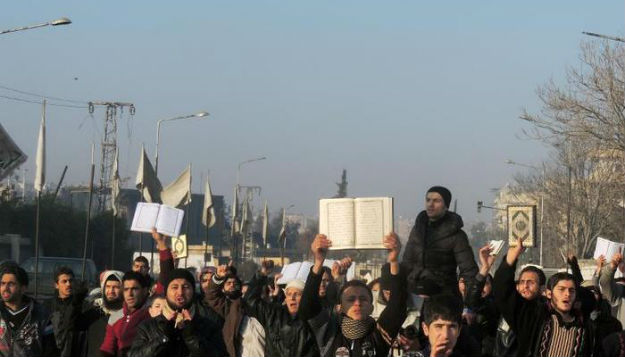
Not Our Kind of Caliph: Syrian Islamists and the Islamic State

Gaza Crisis Shows Turkey’s Declining Regional Influence
The Israeli incursion into Gaza and the ensuing diplomatic efforts to end the violence have revealed Turkey’s waning influence in the region.
The Turkish government has been promoting itself as a potential mediator between Israel and Hamas. The latter’s rejection of an Egyptian ceasefire in mid-July bolstered Turkey’s hopes of playing a key role, as did its inclusion in this past weekend’s Paris summit hosted by U.S. Secretary of State John Kerry.
Foreign Fighters in Syria and the Threat of Domestic Terrorism in Europe
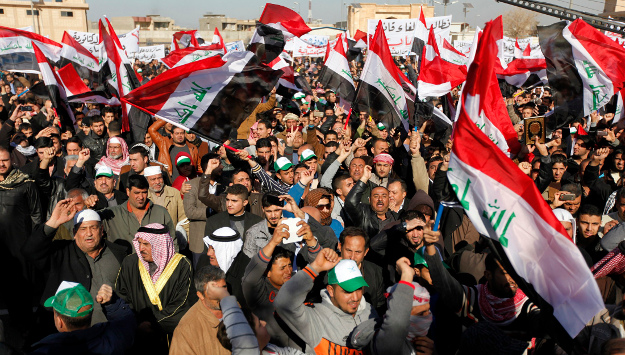
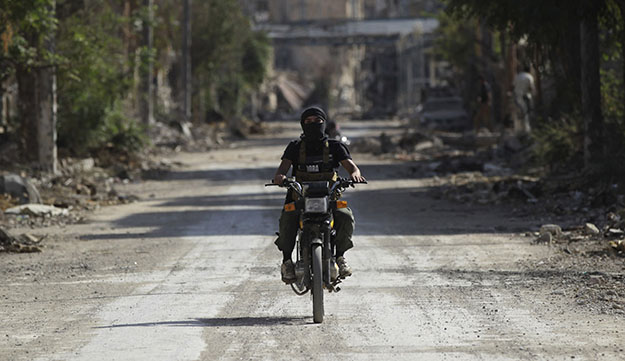
Westerners who have joined the ranks of radical groups fighting in Syria have been likened to time bombs—and in May one of them exploded in Brussels. Belgian police released chilling images from surveillance cameras of the lone gunman’s attack on Brussels’ Jewish Museum in Sablon, a neighborhood of genteel antique stores and chocolatiers.
Collection Spotlight: The Turks and Europe


The Turks and Europe, by Gaston Gaillard, 1921
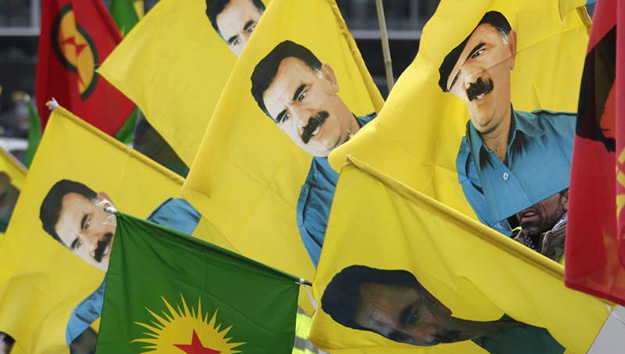
Turkey and the ISIS Challenge
With the Syrian civil war raging and the ISIS offensive in northern Iraq creating a fresh crisis, Turkey now effectively has two failed states on its southern border and is dealing with new security, political, and economic challenges. Gonul Tol, director of MEI’s Turkish Center, explains how Turkey is responding to this predicament.